

Buick’s reputation has always lived somewhere between luxury and power—never quite as flashy as Cadillac, but never as plain as Chevy. Over the decades, it’s produced everything from smooth cruisers and futuristic concepts to muscle cars that could outrun expectations. And while it’s easy to overlook Buick in a room full of louder badges, the brand has delivered some of the most quietly influential cars in American history.
This list takes a look at ten of the most iconic Buicks ever built—models that left a mark because of how they drove, how they were built, or what they represented when they hit the streets.
1936 Buick Century
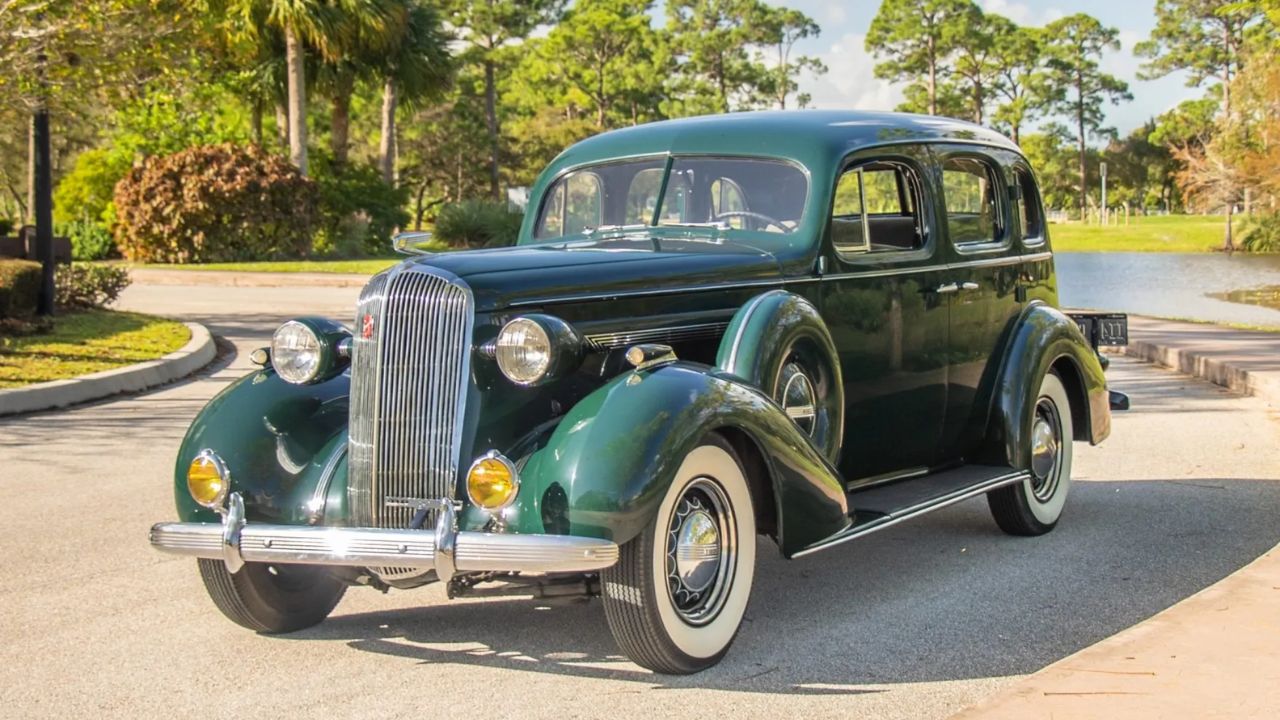
The 1936 Century was Buick’s answer to a simple formula: big engine, smaller body. It packed the Roadmaster’s straight-eight engine into the lighter Series 60 frame, making it one of the fastest cars of its time. It wasn’t built to be flashy—it was built to move.
This setup earned the Century a reputation with law enforcement and bootleggers alike. With 120 horsepower and clean pre-war styling, it helped establish Buick as more than a middle-tier GM brand. The Century name would carry on for decades, but this was the one that gave it muscle.
1949 Buick Roadmaster Riviera
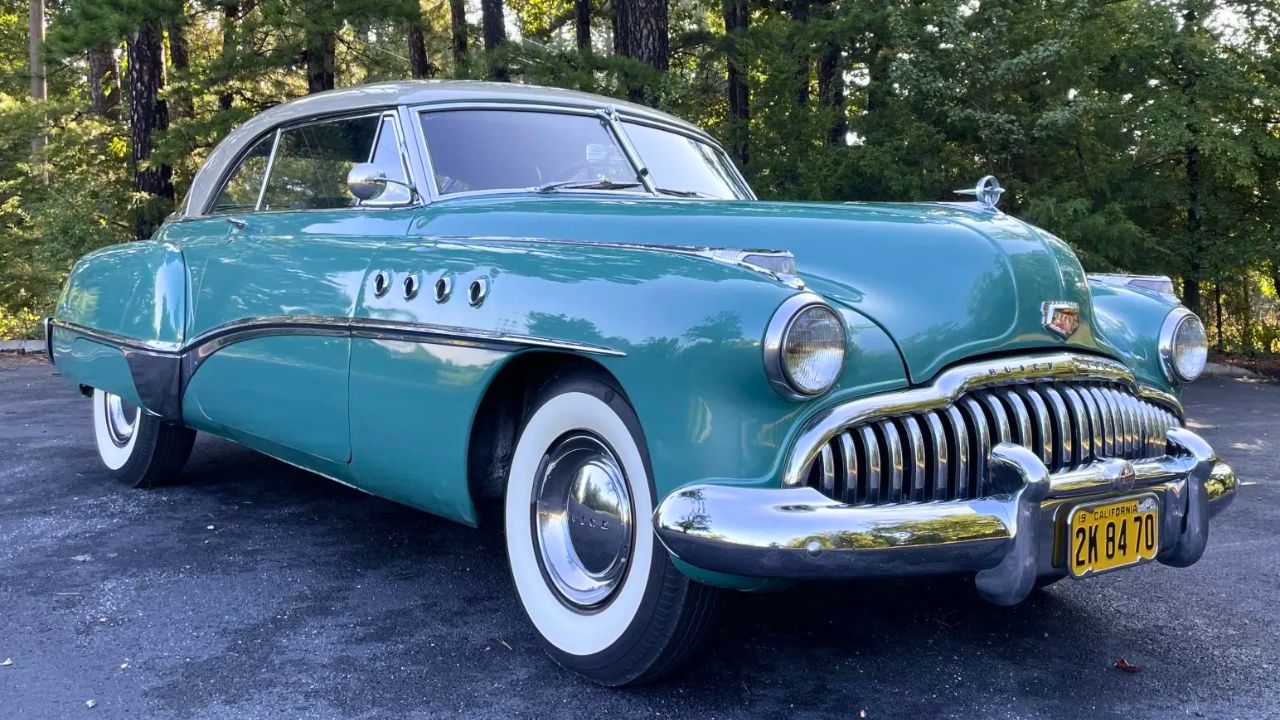
By 1949, postwar styling had settled in, and Buick rolled out its first hardtop coupe: the Roadmaster Riviera. It featured GM’s “Sweepspear” chrome trim and a fastback roofline that gave it a high-end feel without overcomplicating the design.
Under the hood, a 320-cubic-inch straight-eight provided 150 horsepower, paired with Buick’s signature Dynaflow automatic. The Riviera trim added a level of sophistication that helped rebrand Buick as a stylish alternative to Cadillac. It set the tone for Buick’s 1950s image—premium, but not too buttoned-up.
1953 Buick Skylark
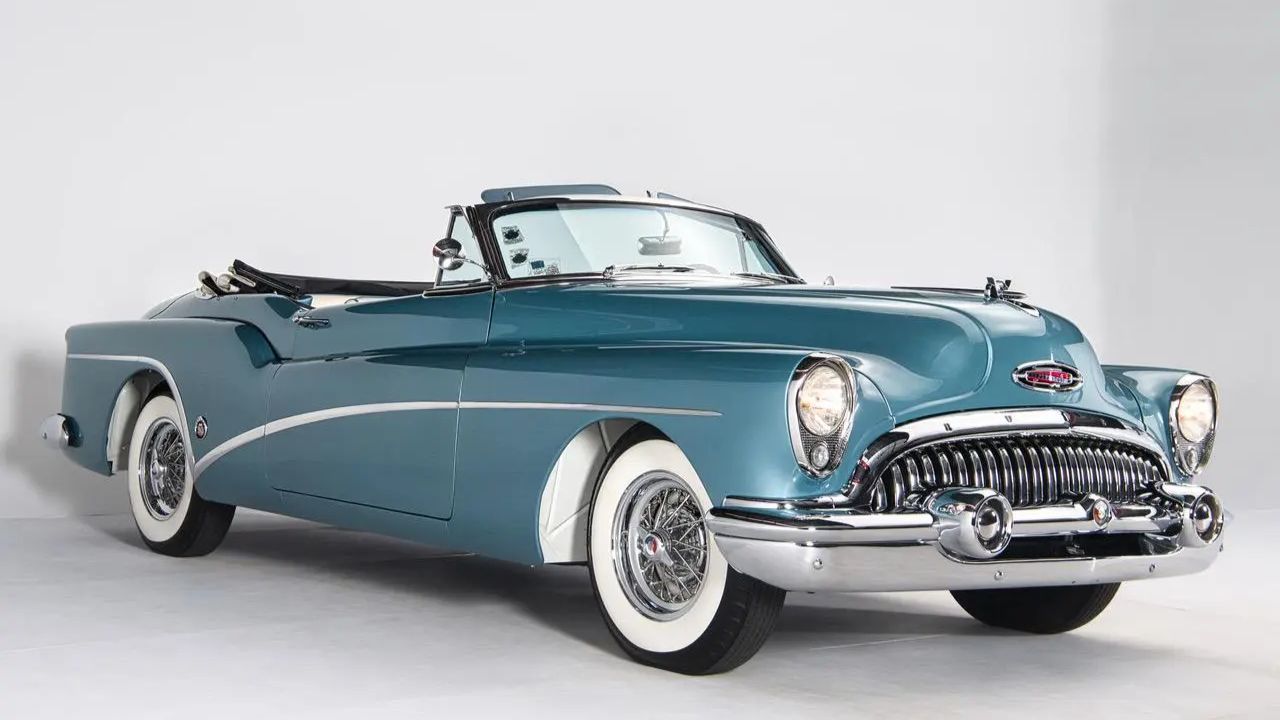
The 1953 Skylark was a limited-production convertible built to celebrate Buick’s 50th anniversary. With just 1,690 units made, it was never about volume—it was about making a statement. The car rode on a lowered chassis and wore wide whitewalls with Kelsey-Hayes wire wheels.
Powered by Buick’s first overhead-valve V8—the 322 Nailhead—the Skylark marked a turning point in both performance and design. It had no portholes, shaved fenders, and a completely redone interior. At nearly $5,000, it cost more than some Cadillacs, but it showed Buick could go toe-to-toe with anyone in terms of presence and refinement.
1957 Buick Roadmaster 75
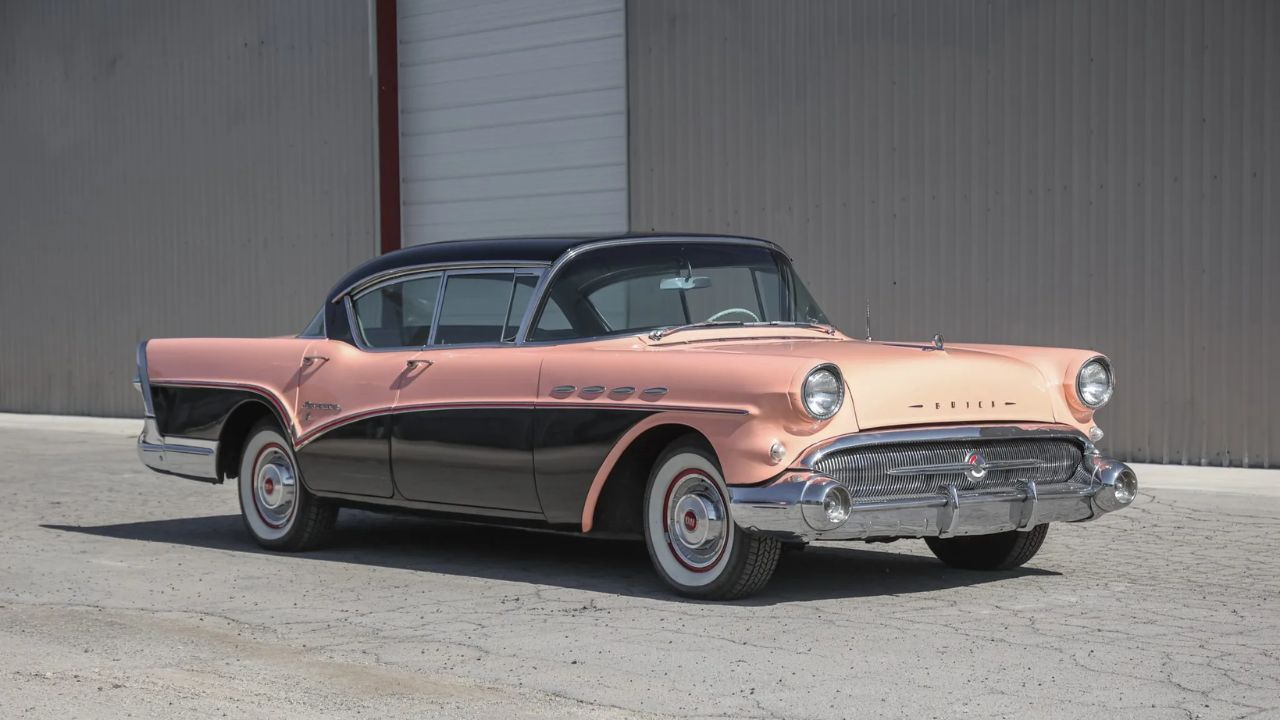
In 1957, Buick gave the Roadmaster a serious update with the Series 75. Longer, lower, and wider, it reflected the jet-age styling trends that defined the decade. This version came standard with a 364-cubic-inch V8 making 300 horsepower.
The Roadmaster 75 was loaded with features—power steering, power brakes, and optional air conditioning. With nearly 33,000 units sold, it wasn’t rare, but it definitely stood out. Between the swept-back fins and massive chrome grille, it was one of the most confident-looking Buicks of the era, often seen in the driveways of executives and public figures.
1963 Buick Riviera
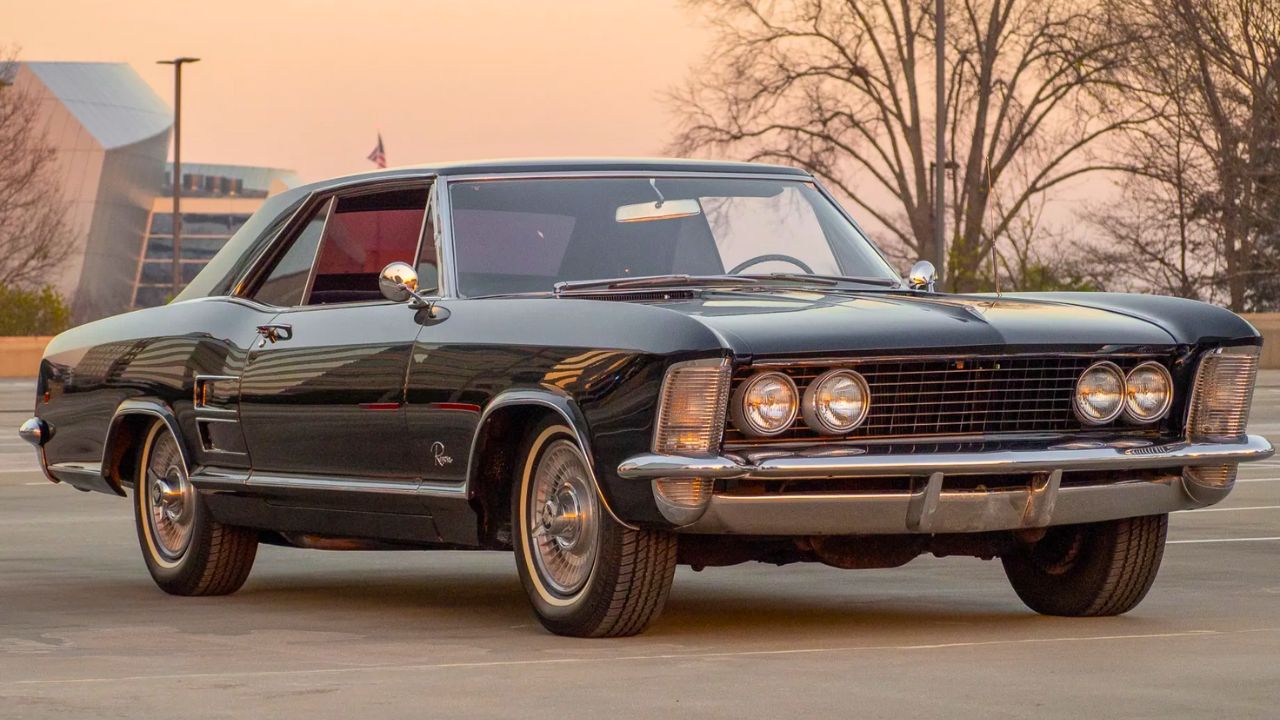
The ’63 Riviera marked Buick’s return to sportier, personal luxury cars. Originally intended as a Cadillac project, it landed in Buick’s hands, and the result was a clean, understated coupe that looked nothing like its competition. No fins, no chrome overload—just sharp lines and a tucked-in profile.
Under the hood, the base engine was a 401-cubic-inch Nailhead V8 pushing 325 hp, with a 425-cube version optional. The Riviera outsold expectations with over 40,000 units in its debut year. It gave Buick a new identity—refined performance—and helped set the tone for American grand touring cars.
1970 Buick GSX Stage 1
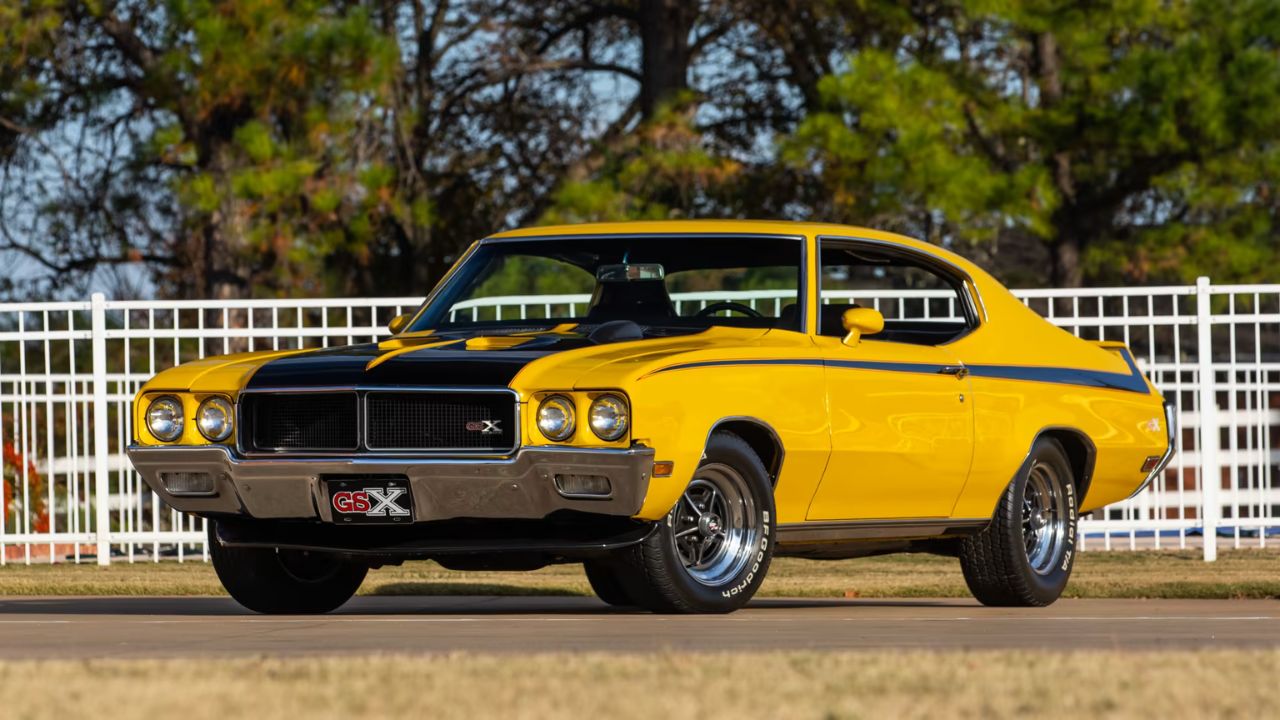
The GSX was Buick’s muscle car answer in 1970, and it didn’t pull punches. The Stage 1 version used a 455-cubic-inch V8 rated at 360 horsepower and an absurd 510 lb-ft of torque. In reality, it made more—Buick just didn’t want to spook the insurance companies.
Painted in either Apollo White or Saturn Yellow with black stripes and a rear spoiler, the GSX was hard to miss. Only 678 were built that year, and it became a sleeper legend. Despite being heavier than many rivals, it could run the quarter mile in the low 13s and earned respect from anyone at the stoplight.
1982 Buick Grand National
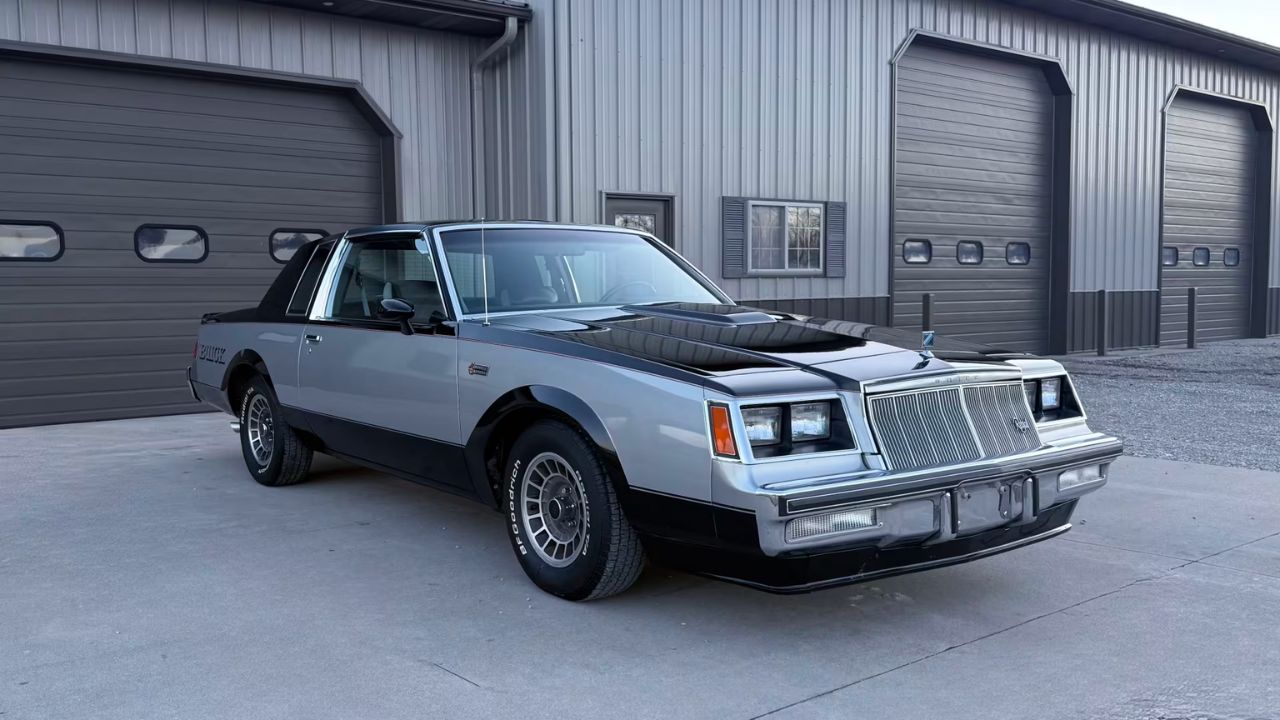
The first Buick Grand National didn’t have the power of later models, but it marked the start of a now-legendary nameplate. Based on the Regal platform, the 1982 GN came with a 4.1L V6 making just 125 horsepower. It was more about image than outright speed.
Only 215 were built that year, but it set the groundwork for what would follow. The blacked-out trim and NASCAR tie-in gave the Grand National a tough look. While the early models were mild, they’re important for how they helped rebrand Buick in the ’80s as more than just a comfort-first company.
1987 Buick GNX
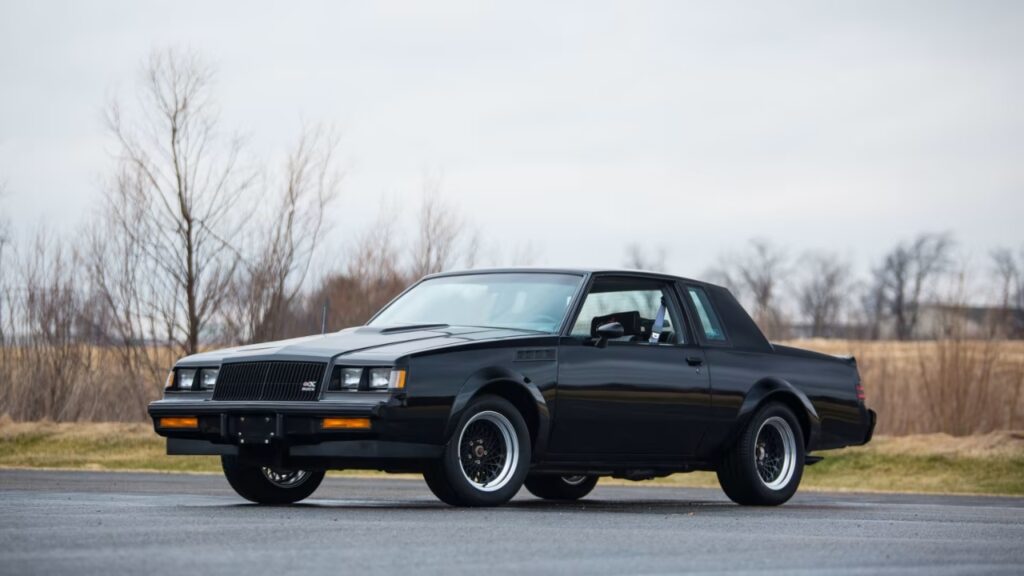
The 1987 GNX took everything the Grand National was and pushed it further. Built in collaboration with ASC/McLaren, it featured a 3.8L turbocharged V6 producing 276 hp and 360 lb-ft of torque—but it was seriously underrated. Real-world numbers had it running 0–60 in under 5 seconds.
Only 547 GNXs were built, and they became instant collector pieces. The GNX was faster than a Corvette that year, and it looked the part with fender flares, black mesh wheels, and a no-nonsense all-black finish. It’s still one of the best examples of ’80s American performance done right.
1991 Buick Reatta
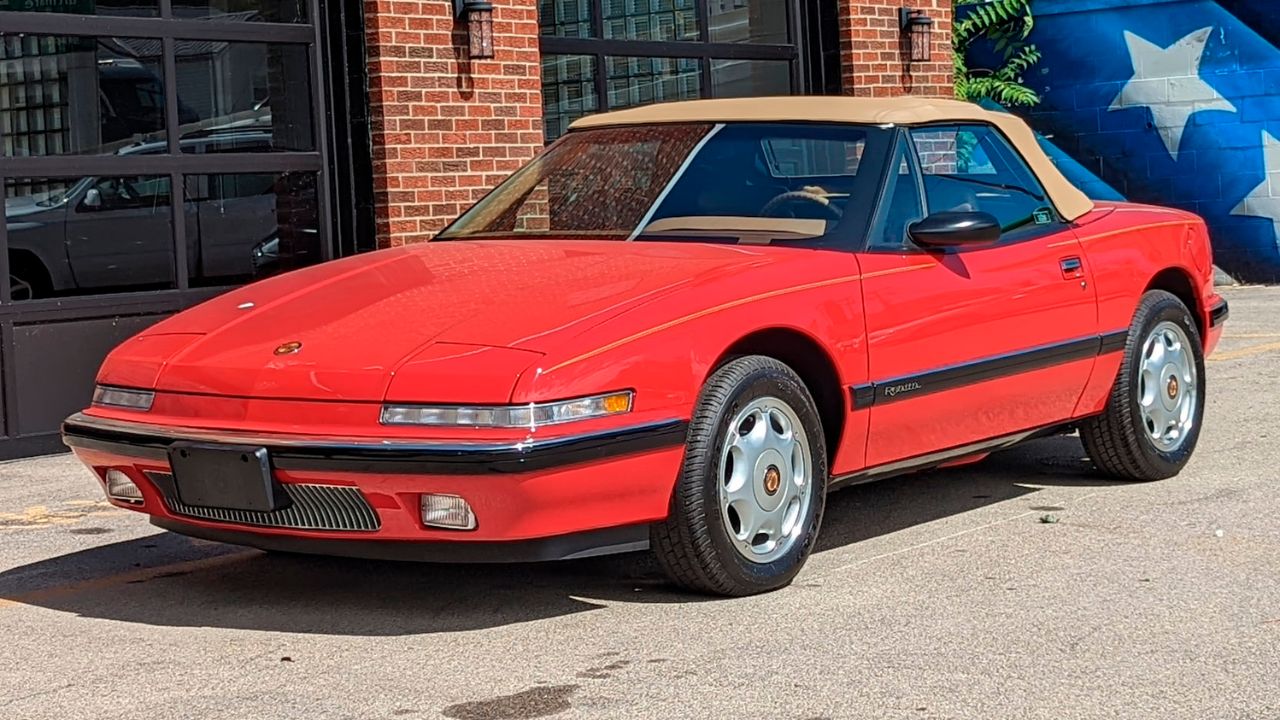
The Buick Reatta was a hand-built two-seater coupe meant to offer a more refined, tech-forward take on the personal luxury market. It used the same 3.8L V6 found in other Buicks, but with digital displays, a touch screen (in 1988!), and a clean, low-slung profile.
The Reatta never hit big numbers—only about 21,000 were made between 1988 and 1991—but it carved out a loyal following. By the time the convertible version appeared in 1990, the writing was on the wall. Still, it remains one of Buick’s most curious and well-executed passion projects.
2012 Buick Regal GS
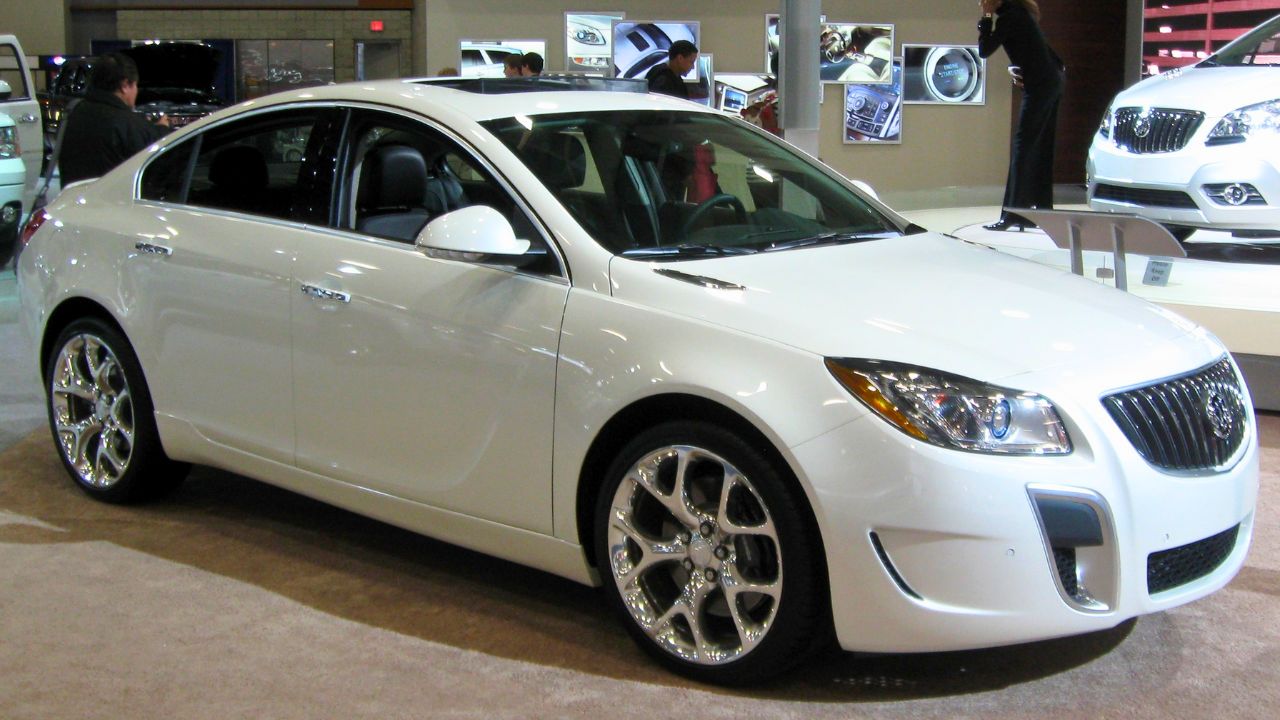
The 2012 Regal GS was Buick’s surprise return to performance in the 21st century. It used a 2.0L turbocharged four-cylinder making 270 horsepower, paired to a 6-speed manual—yes, a manual—in a front-wheel-drive sedan with real handling chops.
With Brembo brakes, adaptive suspension, and tighter steering, the Regal GS offered something Buick hadn’t delivered in years: a driver’s car. It was based on the Opel Insignia, but the GS trim gave it a personality of its own. Sales were modest, but it proved Buick could still build something for people who actually like to drive.
*Created with AI assistance and editor review.

Leave a Reply