
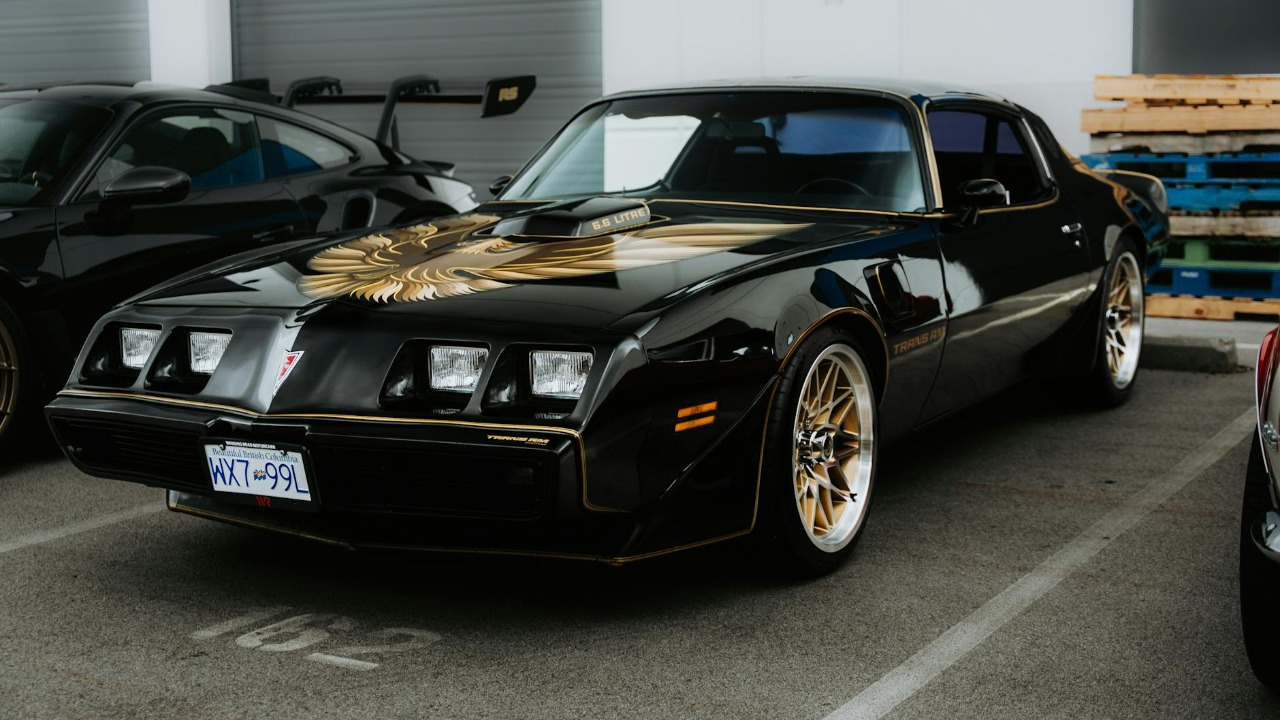
The automotive world is filled with surprises, and sometimes, beloved car models vanish without a trace. Here, I delve into ten car options that disappeared unexpectedly, exploring their histories and the reasons behind their abrupt discontinuation.
1. The Ford Taurus
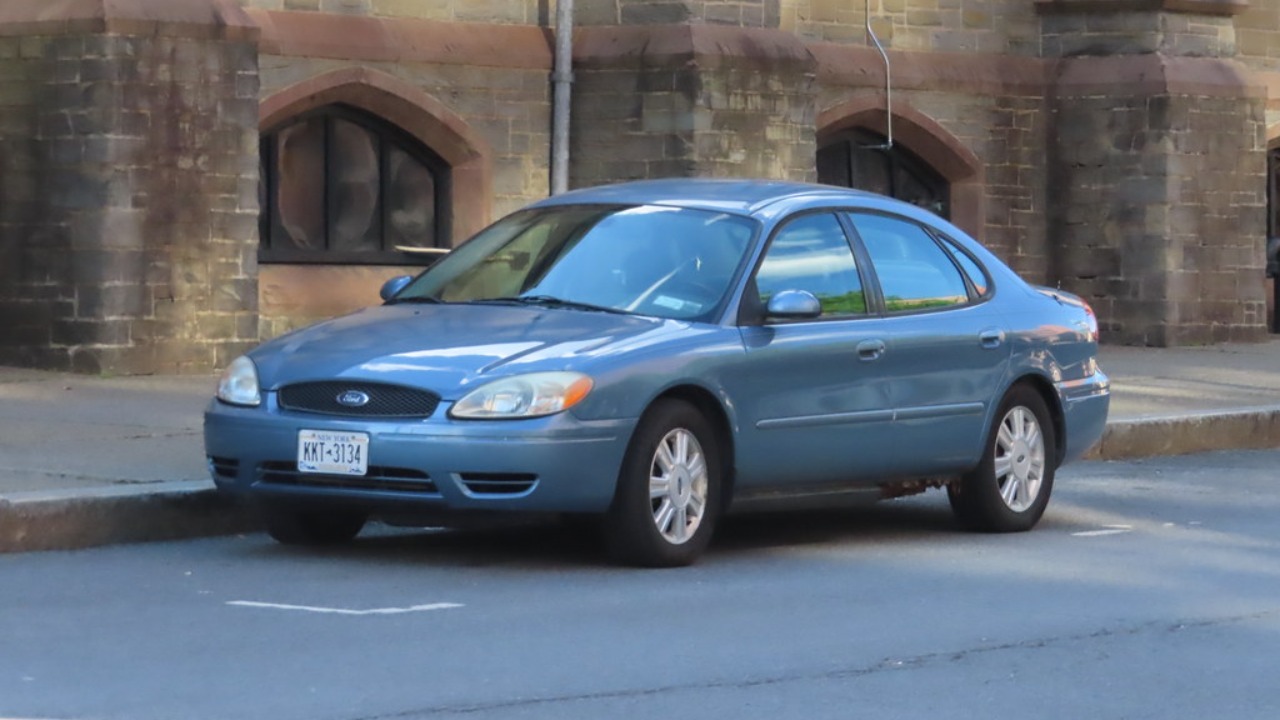
The Ford Taurus was once a staple in American households during the 90s and early 2000s, known for its spacious interior and reliable performance. It was a frontrunner in the family sedan segment, often competing with models like the Honda Accord and Toyota Camry. However, by the 2010s, sales began to decline sharply, leading to its discontinuation in 2019. The shift in consumer preferences towards SUVs and crossovers played a significant role in this decline, as buyers increasingly sought vehicles with more space and versatility.
Ford’s decision to phase out the Taurus marked the end of an era. With the rise of the Ford Explorer and Escape, the once-popular sedan could no longer compete in a market that favored larger, more practical vehicles. The Taurus’s legacy remains, but it serves as a reminder of how quickly consumer preferences can shift, leaving even the most iconic models behind.
2. Pontiac Firebird
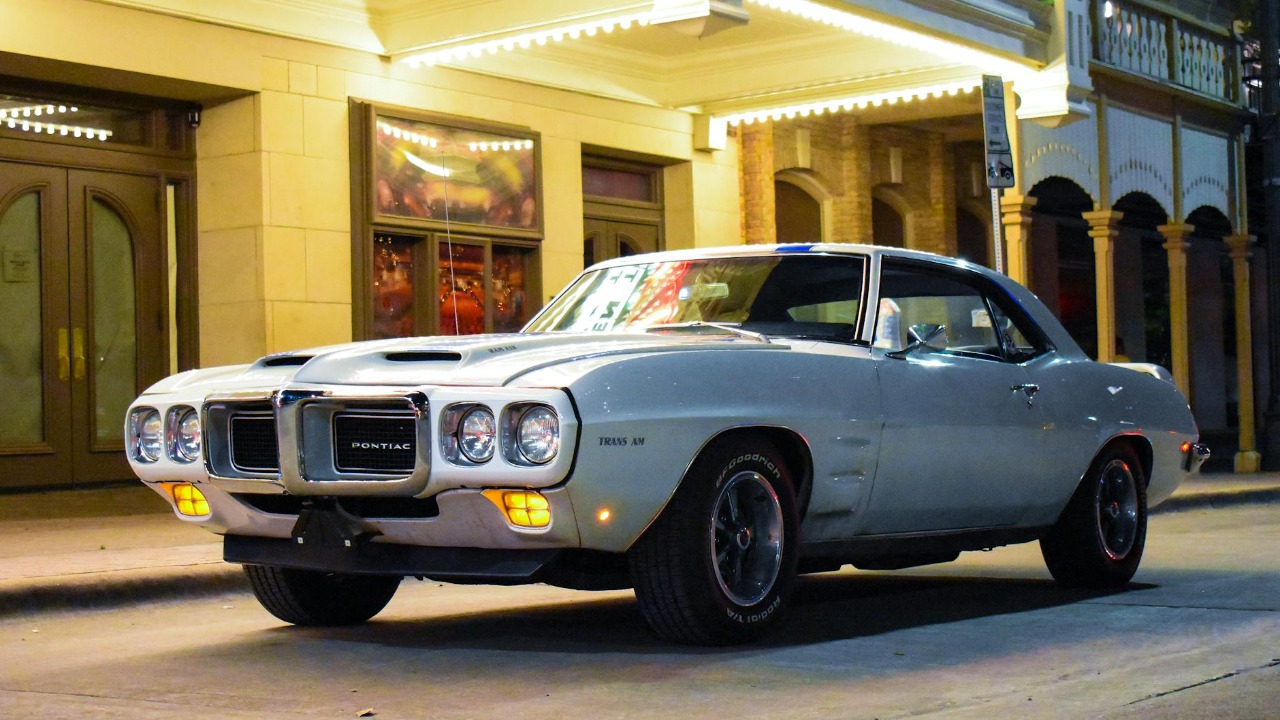
The Pontiac Firebird was an icon of American muscle car culture, representing power and performance with its aggressive styling and robust engines. Launched in 1967, the Firebird quickly gained a loyal following, especially among car enthusiasts who cherished its sporty appeal. However, by 2002, the Firebird was retired as part of General Motors’ restructuring efforts. The shifting automotive landscape and GM’s financial troubles contributed to the decision to discontinue this beloved model.
The nostalgia surrounding the Firebird remains strong among car enthusiasts, and its absence in the market is felt to this day. The Firebird’s legacy lives on, not just as a powerful vehicle but as a symbol of a bygone era in American automotive history.
3. Chrysler PT Cruiser

When the Chrysler PT Cruiser first hit the market in 2000, it was met with a wave of enthusiasm for its unique retro design and practical interior. It quickly became a bestseller, appealing to a wide range of consumers. However, as the years went by, market saturation and changing tastes led to a decline in its popularity. By 2010, Chrysler announced the discontinuation of the PT Cruiser, marking the end of a once-celebrated model.
The PT Cruiser’s legacy is a fascinating one, as it introduced retro styling to the mainstream market, influencing the design of other vehicles. Despite its decline, the PT Cruiser still has a dedicated fan base that appreciates its quirky design and versatility, making it a memorable part of automotive history.
4. Saturn Sky
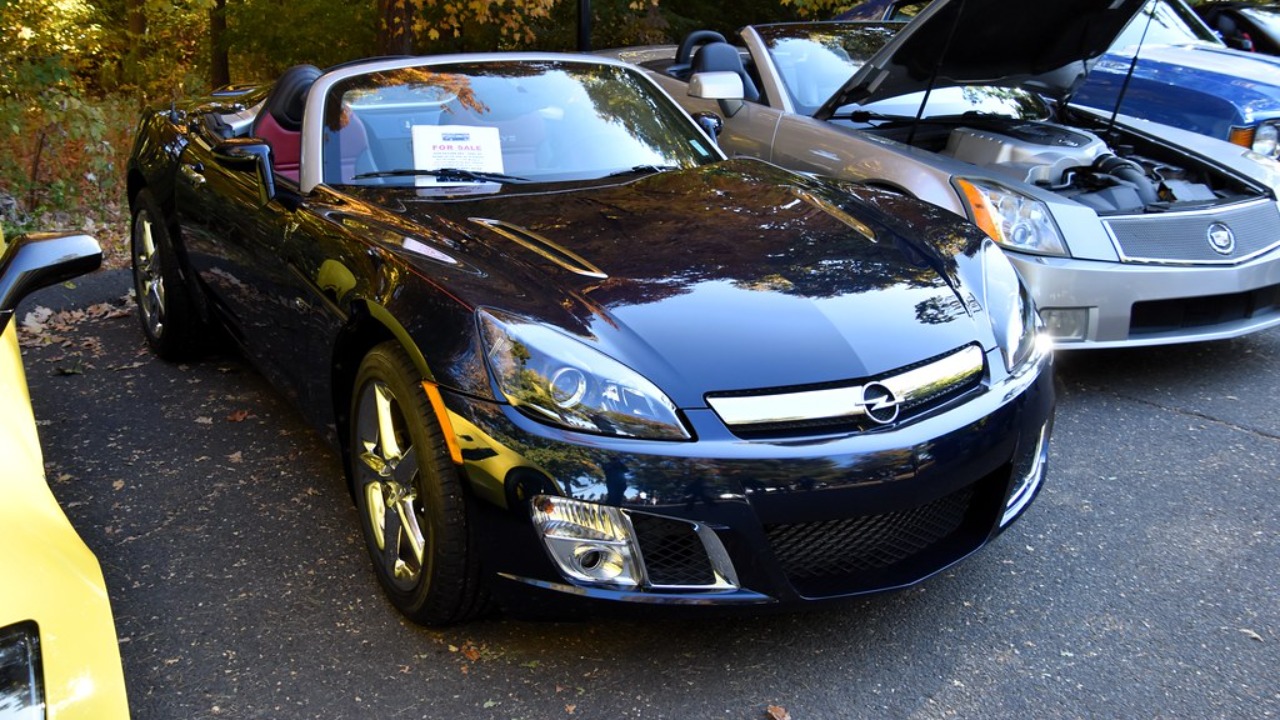
The Saturn Sky was part of an innovative brand that aimed to provide affordable, stylish vehicles with a unique approach. Launched in 2006, the Sky gained attention for its sporty design and spirited performance. However, the financial troubles faced by General Motors led to the brand’s closure in 2009, resulting in the Sky’s discontinuation. The Sky’s impact on the roadster segment was significant, as it offered an accessible entry point for those seeking a fun driving experience.
Despite its short production run, the Saturn Sky developed a cult following among enthusiasts who appreciated its blend of style and performance. Its departure from the market was a loss for those who valued its distinctive character and spirited driving dynamics.
5. Volkswagen Beetle
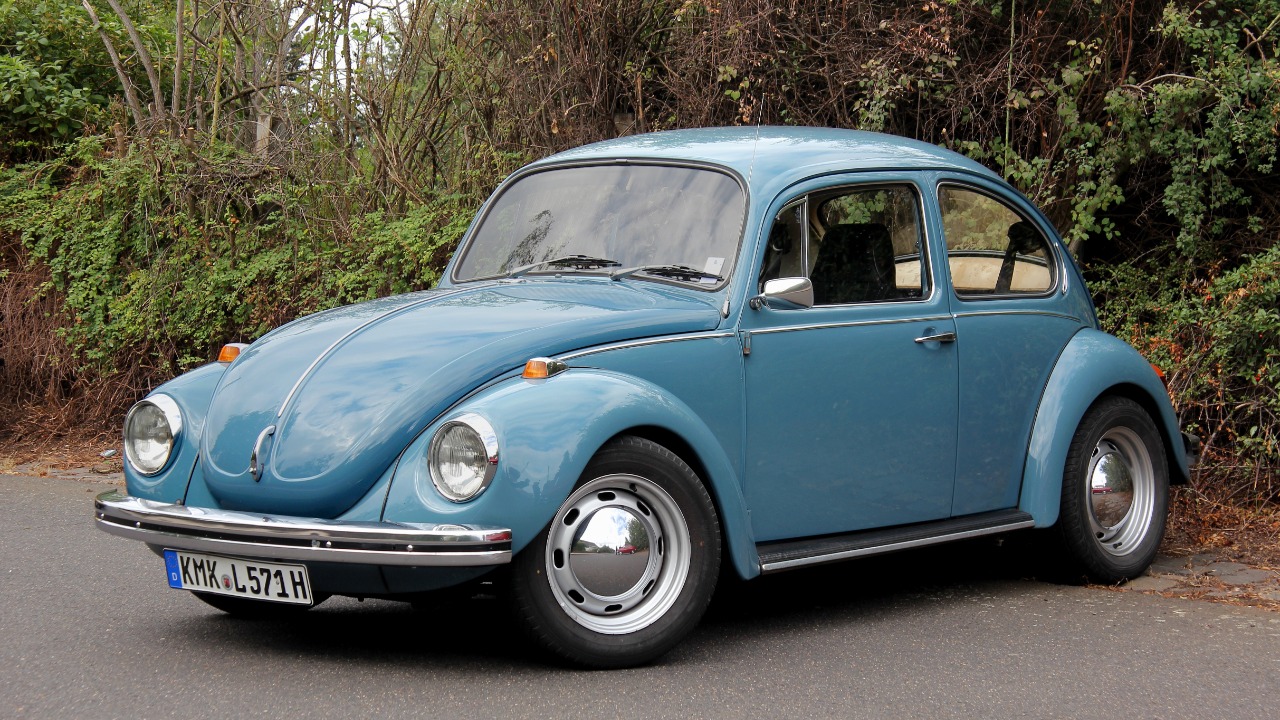
The Volkswagen Beetle is perhaps one of the most recognizable cars in history, cementing its status as a cultural icon over several decades. The revival of the Beetle in the early 2000s brought a fresh take on a classic, appealing to a new generation of drivers. However, by 2019, Volkswagen announced that it would discontinue the Beetle, citing declining sales largely driven by changing consumer preferences.
The Beetle’s legacy is significant, representing a blend of nostalgia and innovation. Its unique design and cultural impact have made it a beloved model, and its discontinuation marks the end of an important chapter in automotive history.
6. Nissan Xterra
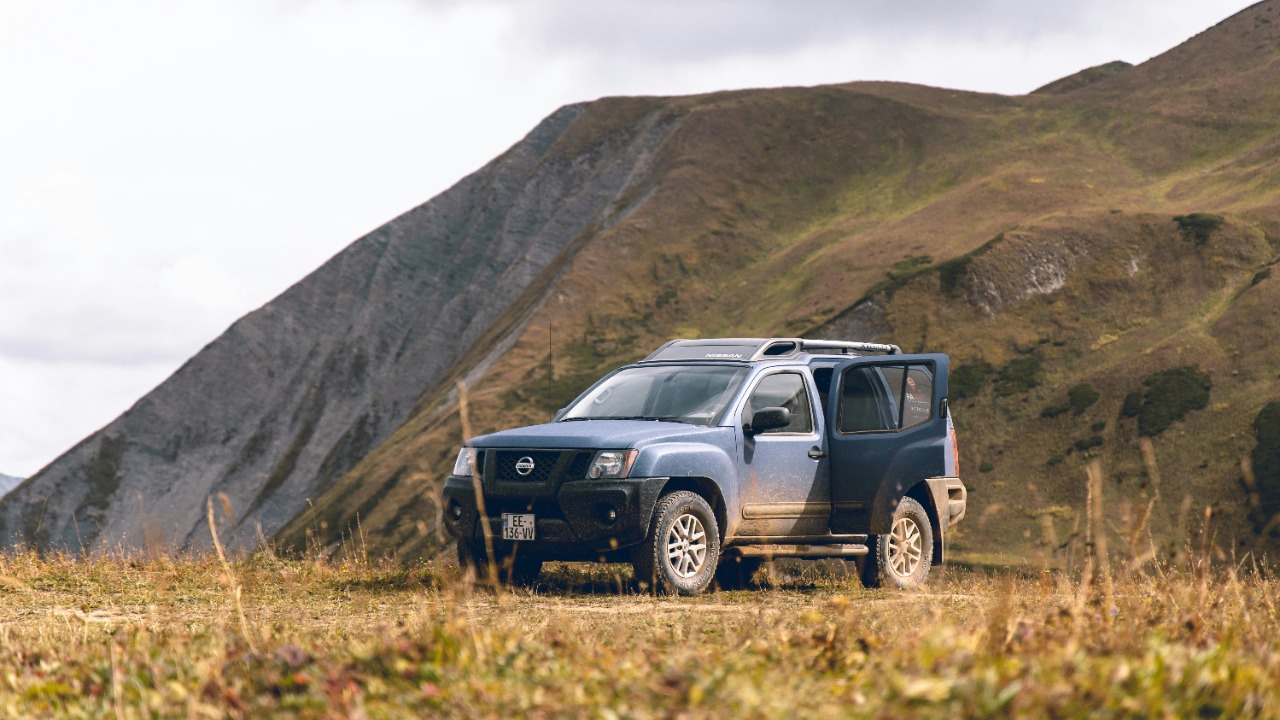
The Nissan Xterra was designed for adventure-seekers, blending rugged capabilities with a practical interior. Launched in the early 2000s, it quickly gained a reputation for its off-road prowess and versatility. However, by 2015, Nissan decided to discontinue the Xterra, largely due to shifting market dynamics and the increasing popularity of crossovers.
The Xterra’s dedicated fan base continues to celebrate its off-road capabilities and distinctive design. Its absence from the market underscores a shift away from traditional SUVs, reflecting the evolving preferences of modern consumers.
7. Mitsubishi Eclipse
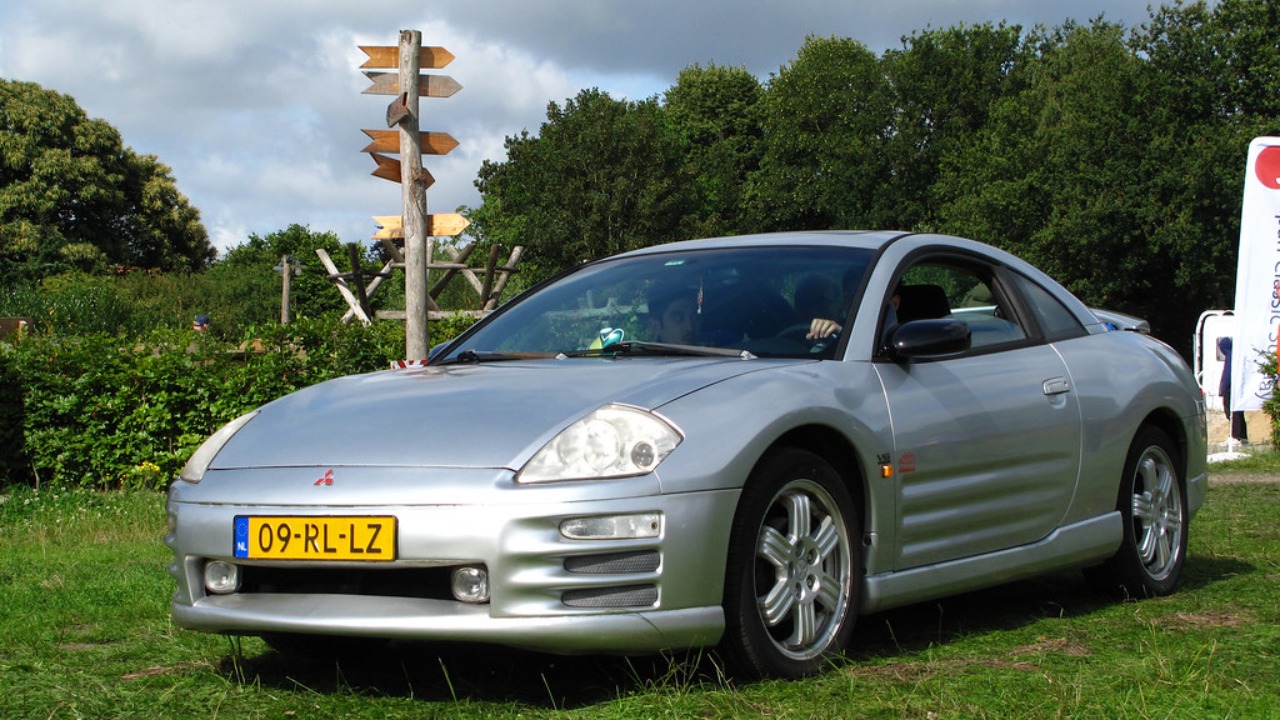
The Mitsubishi Eclipse evolved from a sporty compact to a more mainstream model over its production run. Initially launched in 1990, it became popular within the tuner culture, known for its customization potential and performance. However, by 2012, Mitsubishi made the decision to discontinue the Eclipse as part of its global strategy changes, signaling a shift in focus away from performance-oriented vehicles.
The Eclipse’s influence on car modifications and the tuner scene is undeniable, and its discontinuation left a noticeable gap in the market for enthusiasts. Many still reminisce about the Eclipse’s performance credentials and the vibrant community that surrounded it.
8. Toyota Scion FR-S
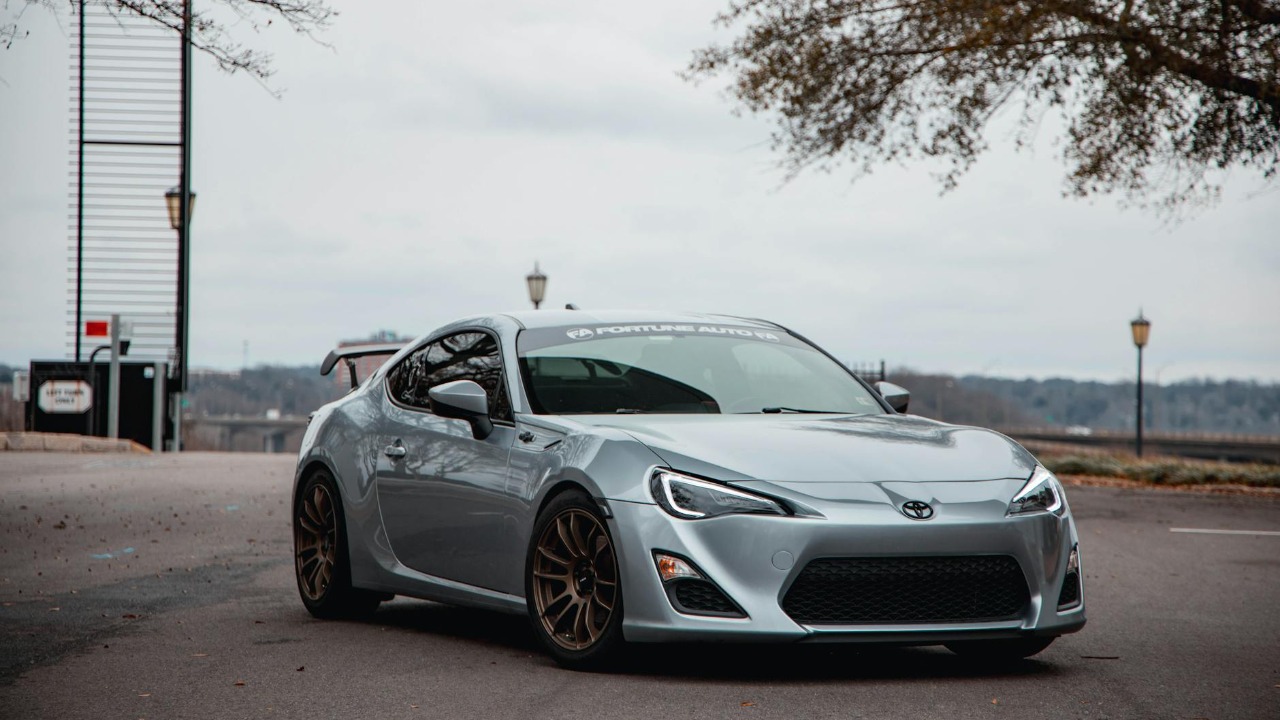
The Toyota Scion FR-S was a result of collaboration between Toyota and Subaru, offering a lightweight, rear-wheel-drive sports car experience. Launched in 2012, it quickly gained a dedicated following among car enthusiasts. However, the discontinuation of the Scion brand in 2016 led to the transition of the FR-S to the Toyota lineup, ultimately resulting in its production end.
The FR-S’s impact on the sports car market was significant, as it introduced a new generation to the joys of driving with its balanced handling and engaging performance. Its legacy continues through the community of enthusiasts who appreciate its design and driving dynamics.
9. Saab 9-3
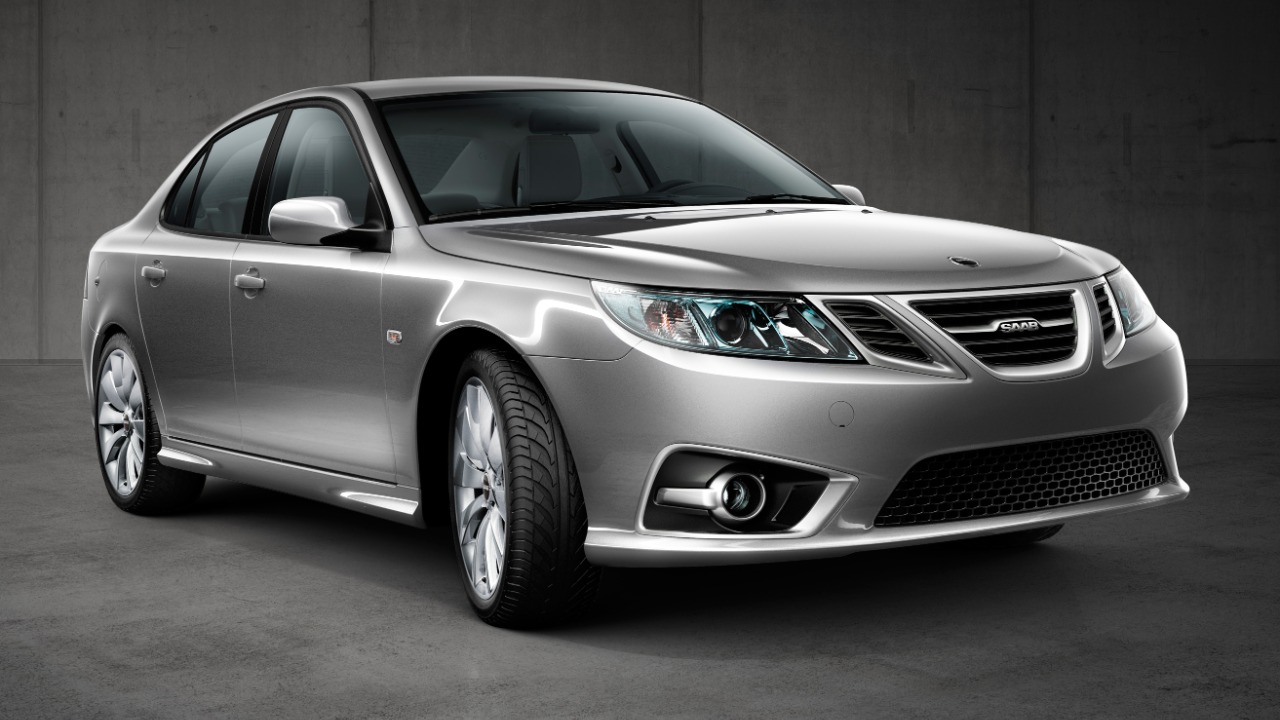
The Saab 9-3 was known for its quirky design and innovative engineering, offering a unique alternative in the luxury sedan market. Launched in the late 1990s, it gained a loyal following for its distinctive character. However, the financial troubles that led to Saab’s bankruptcy resulted in the abrupt end of the 9-3 in 2014.
The 9-3’s legacy is one of innovation and individuality, appealing to those who sought something different in a crowded luxury segment. Its disappearance from the market left many loyal fans wishing for a return of the brand’s unique approach to automotive design.
10. Dodge Dart
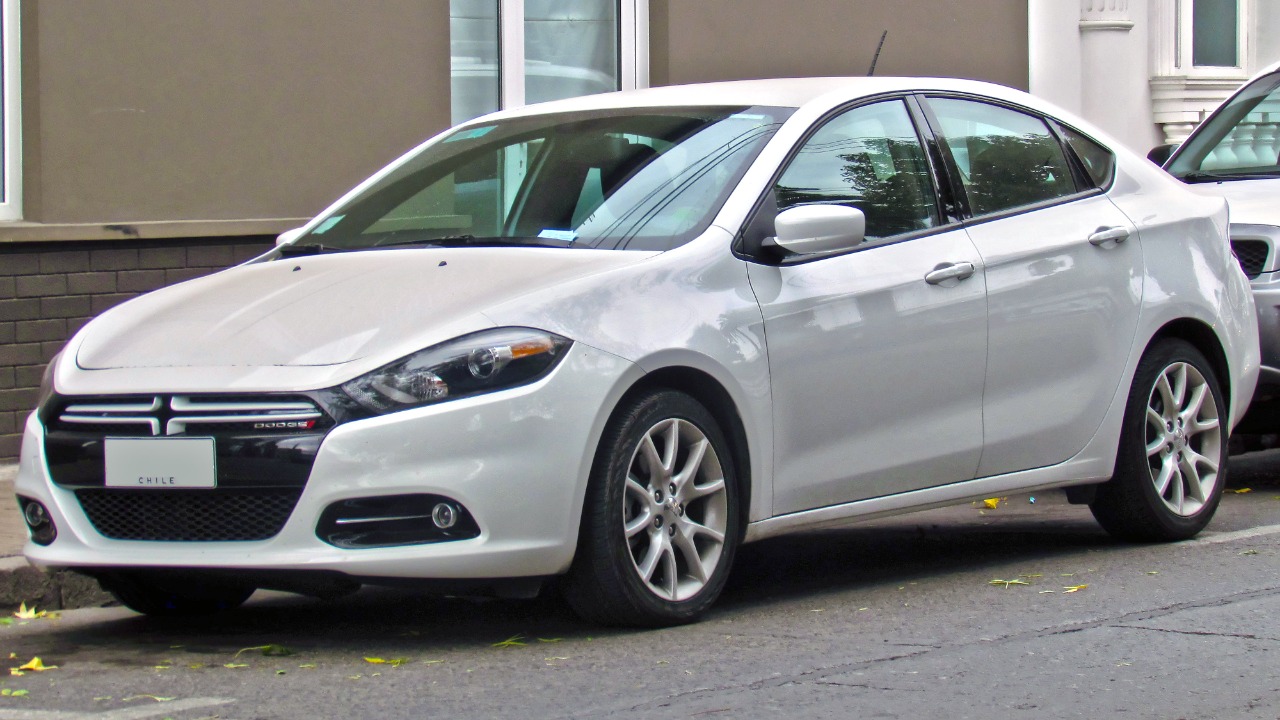
The Dodge Dart made a comeback in 2013, aiming to capture the compact car segment with modern technology and design. Initially, it showed promise, appealing to younger buyers. However, by 2016, Dodge discontinued the Dart, largely due to intense competition in the compact car market from rivals like Honda and Toyota.
The Dart’s design and technology were well-received, but it struggled to maintain momentum in a rapidly changing market. Its discontinuation reflects the challenges faced by many automakers in adapting to consumer preferences and increasing competition.
More from Fast Lane Only:
- Unboxing the WWII Jeep in a Crate
- The Fastest Farm Truck Ever Built
- 10 Old Trucks That Were Built Like Tanks
- 12 Classic muscle cars still within reach for budget buyers
*Created with AI assistance and editor review.



Leave a Reply