

Throughout the history of motorsport, some cars have not only bent the rules but shattered them entirely, leaving an indelible mark on the racing world. These machines defied conventional wisdom and rewrote what was possible on the track. Here are ten cars that broke the rules and won races anyway.
Audi Quattro
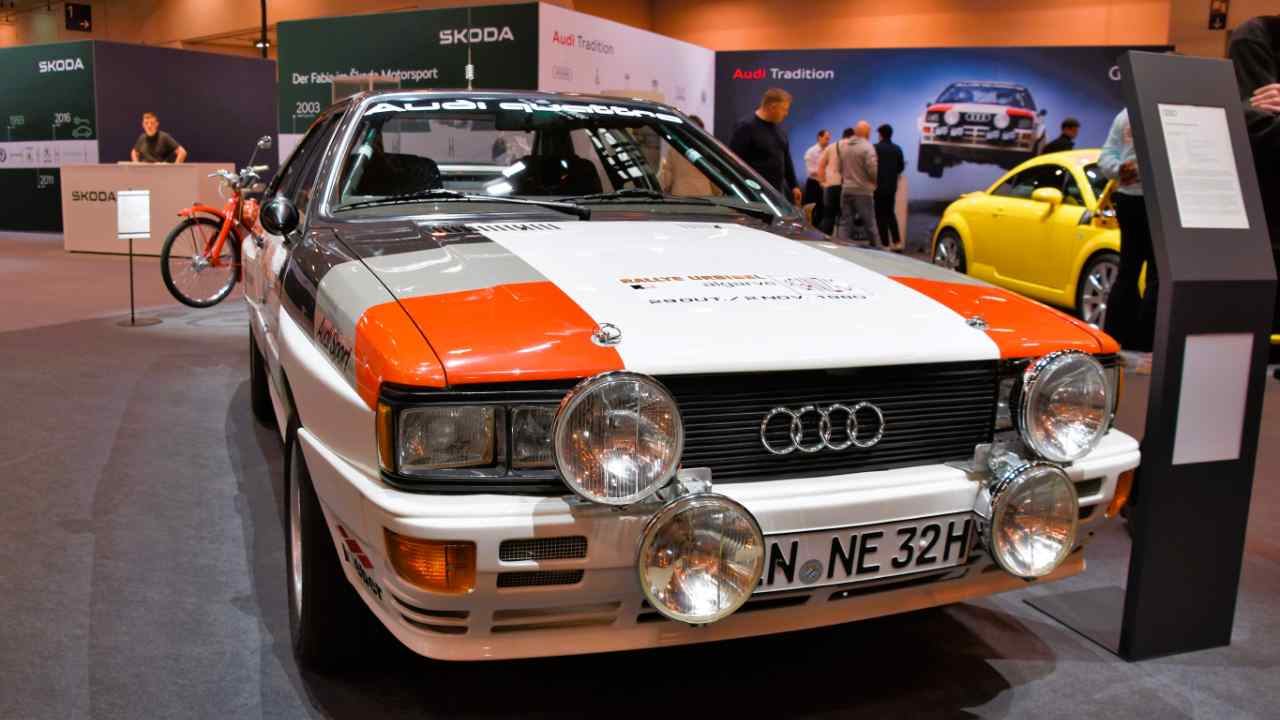
The Audi Quattro revolutionized rally racing in the early 1980s by introducing all-wheel drive to the sport. At a time when rear-wheel-drive cars dominated, the Quattro leveraged its superior traction to outmaneuver competitors on diverse terrains. Its 1980 debut at the Jänner Rallye in Austria marked the beginning of a new era.
With its turbocharged engine and innovative drivetrain, the Quattro quickly established itself as a force in World Rally Championship (WRC) events. Audi’s success with the Quattro paved the way for all-wheel-drive systems to become standard in rally cars and many production vehicles today.
Ford GT40
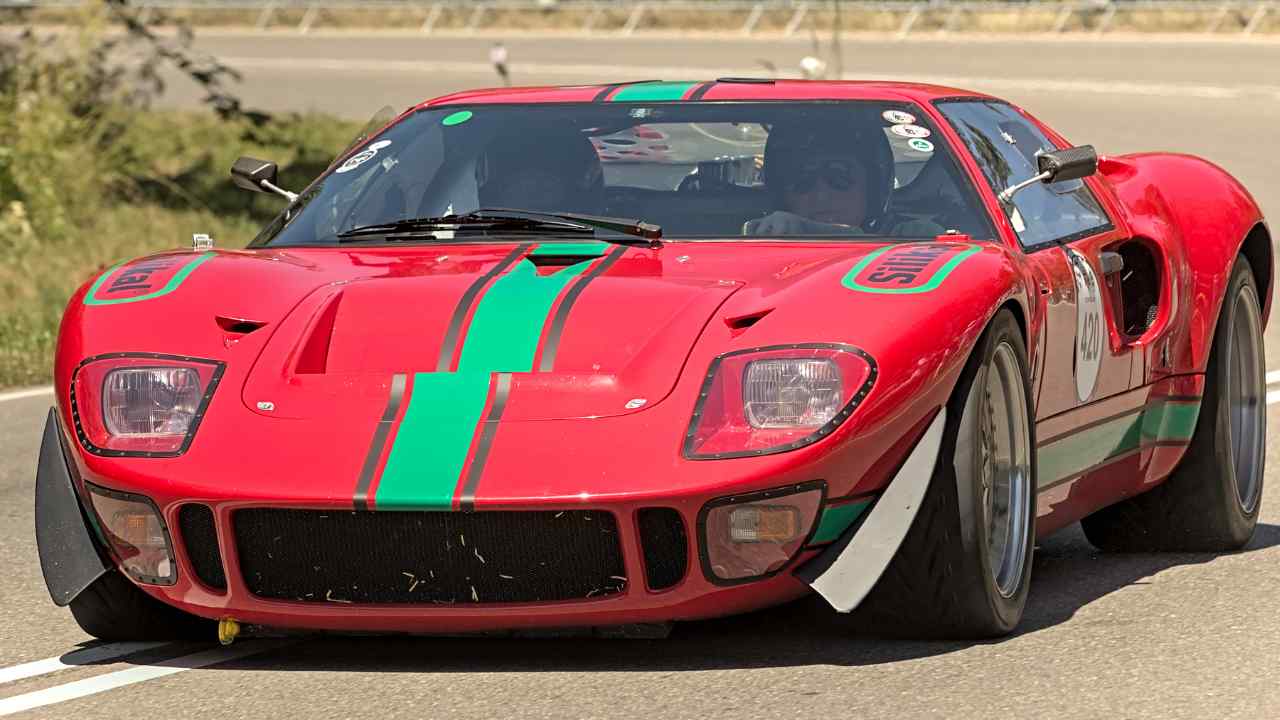
Developed with the singular goal of dethroning Ferrari at Le Mans, the Ford GT40 became a racing legend in the 1960s. Its groundbreaking aerodynamics and powerful V8 engine were crucial in delivering four consecutive Le Mans victories from 1966 to 1969.
The GT40 MK II, in particular, stunned the motorsport world with its 1966 1-2-3 finish at Le Mans. By challenging and defeating the dominant Ferrari team, the GT40 didn’t just win races—it changed the competitive landscape of endurance racing.
Porsche 917
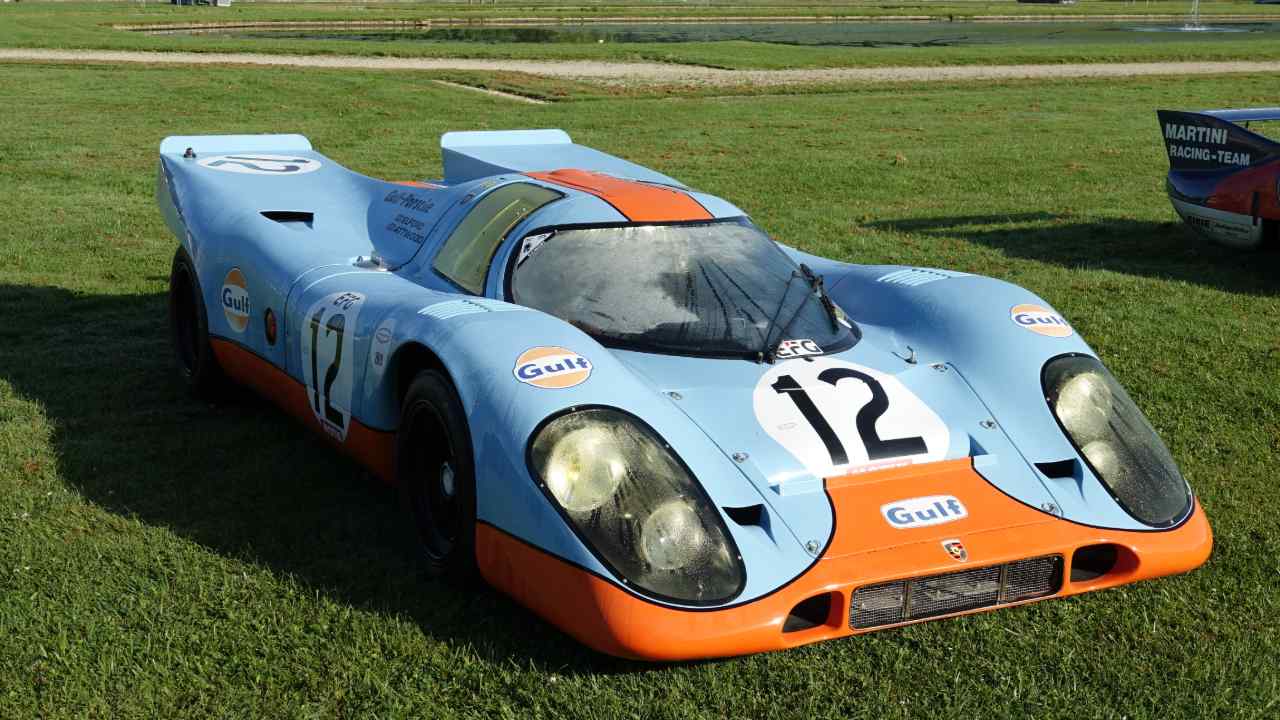
In 1969, the Porsche 917 emerged as a game-changer in endurance racing. With its lightweight design and powerful flat-12 engine, the 917 could reach speeds of over 240 mph, setting a new standard for speed and performance.
The 917’s legacy was cemented with its victory at the 24 Hours of Le Mans in 1970 and 1971. These wins not only established Porsche as a dominant force in endurance racing but also demonstrated the potential of innovative engineering in overcoming the toughest challenges on the track.
Lotus 49
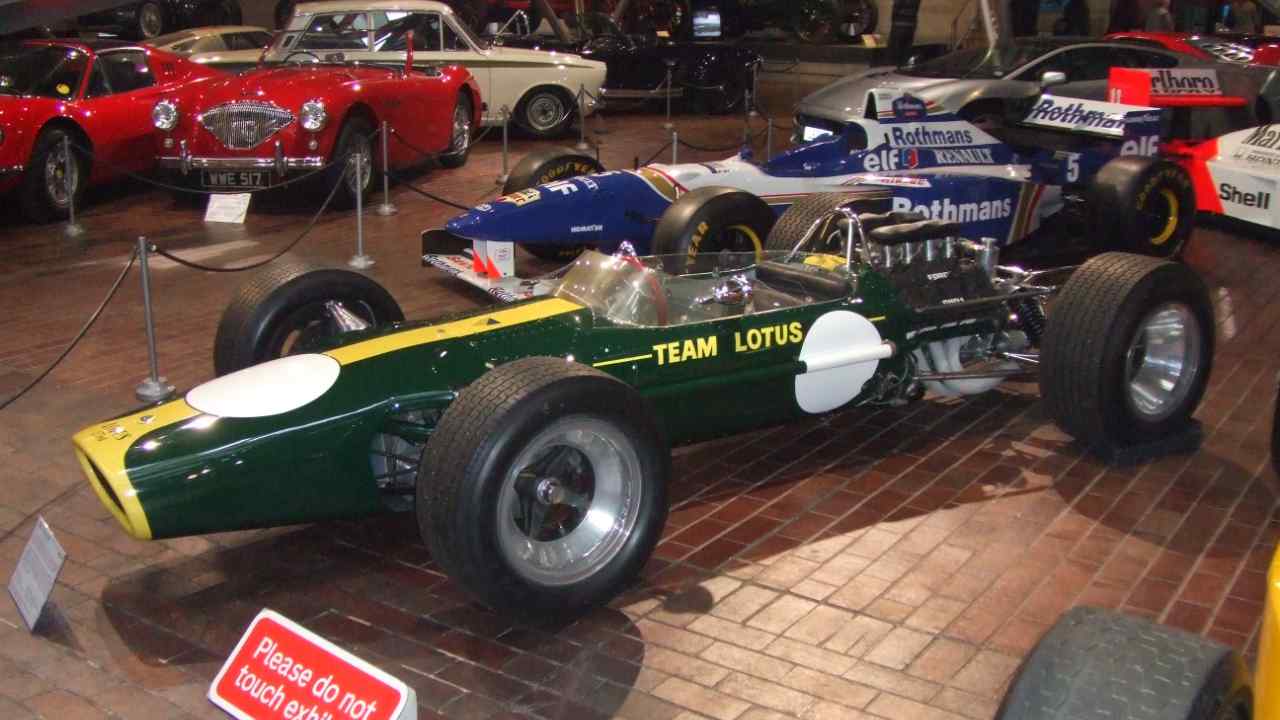
The Lotus 49, introduced in 1967, was a groundbreaking Formula One car that changed the sport forever. Its most notable feature was the integration of the engine as a structural component, which reduced weight and improved handling.
Powered by the Cosworth DFV engine, the Lotus 49 secured numerous victories, including Jim Clark’s win at the Dutch Grand Prix in its debut year. This innovation set a new design standard for Formula One cars and remains influential in modern racing car design.
Dodge Charger Daytona
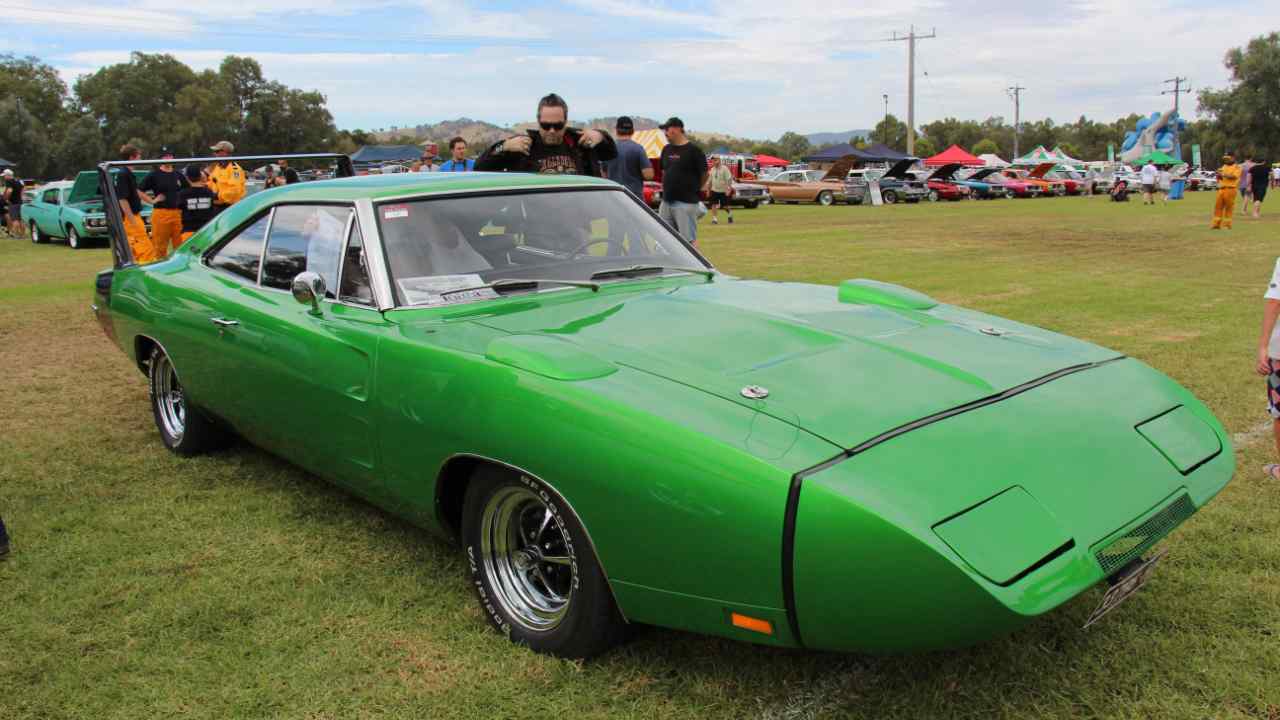
In 1969, the Dodge Charger Daytona was born out of the need to dominate NASCAR’s high-speed oval tracks. Its distinctive nose cone and rear wing were not just for show; they were critical aerodynamic enhancements that allowed the car to exceed speeds of 200 mph.
The Daytona’s performance was validated when it clinched a victory at the Talladega 500, becoming the first NASCAR vehicle to break the 200 mph barrier. Its success prompted other manufacturers to focus more on aerodynamics in race car design.
Lancia Stratos

With its striking design and compact size, the Lancia Stratos was a car built specifically for rally racing. Introduced in the 1970s, it featured a powerful Ferrari V6 engine and a lightweight chassis that made it incredibly agile on tight, twisty courses.
The Stratos dominated the WRC, securing three consecutive championships from 1974 to 1976. Its success demonstrated the importance of building cars specifically for the unique demands of rally racing, influencing future designs in the sport.
Nissan GT-R

The Nissan GT-R, affectionately known as “Godzilla,” has been a formidable force in racing since its introduction in the late 1960s. The modern R35 GT-R, introduced in 2007, continued this legacy with advanced technology and engineering.
Its sophisticated all-wheel-drive system and powerful twin-turbo V6 engine have made it a dominant competitor in events like the Super GT and the 24 Hours of Nürburgring. The GT-R’s success showcases how cutting-edge technology can redefine performance limits.
McLaren MP4/4
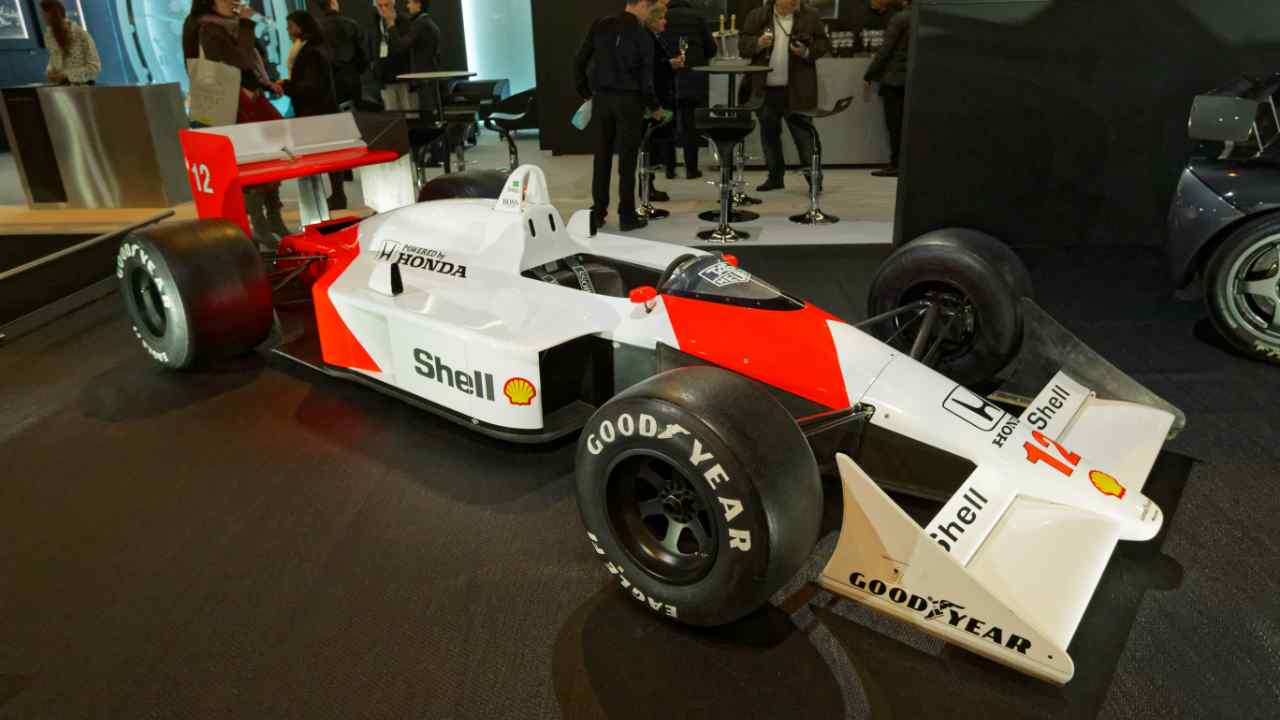
The McLaren MP4/4, introduced in 1988, is widely regarded as one of the most successful Formula One cars ever built. With Ayrton Senna and Alain Prost at the helm, the car won an astonishing 15 out of 16 races that season.
Its low-profile design and Honda’s powerful turbocharged engine made it nearly unbeatable. The MP4/4’s dominance in the 1988 season illustrated the importance of teamwork, driver skill, and engineering excellence in achieving racing success.
Peugeot 205 T16
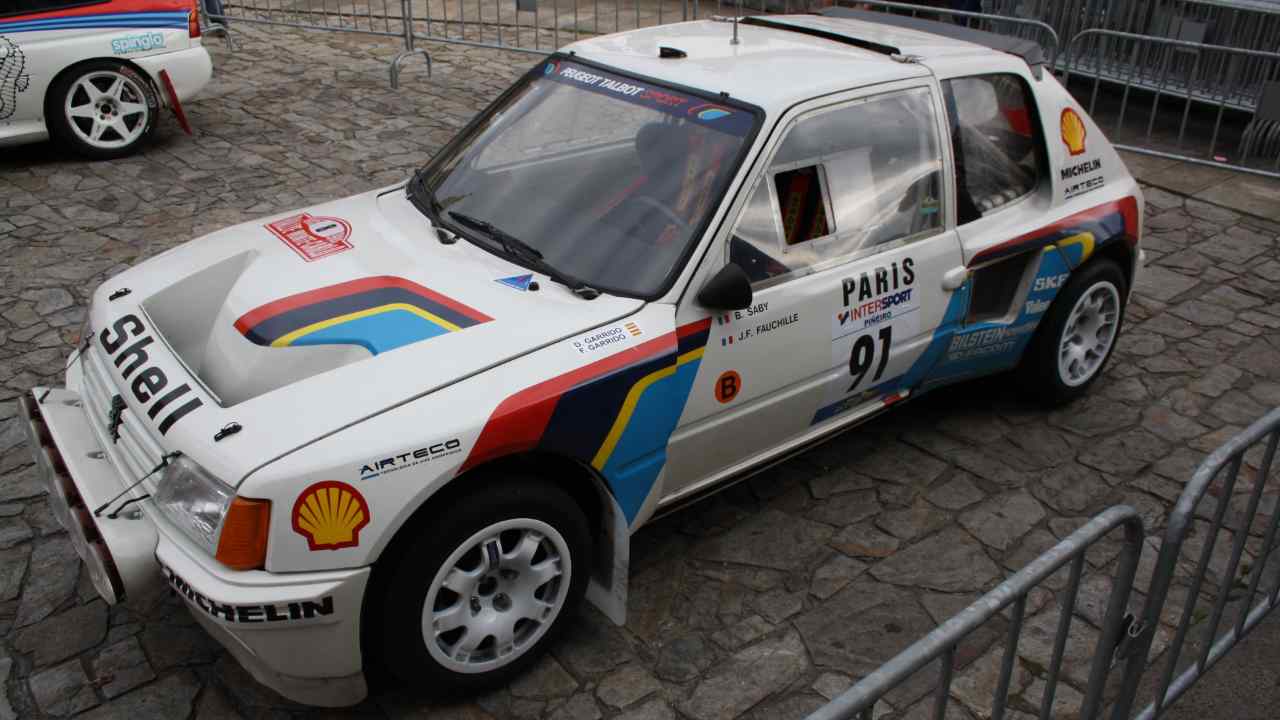
The Peugeot 205 T16 was a revolutionary Group B rally car that took the world by storm in the mid-1980s. With its mid-engine layout and four-wheel-drive system, it was a radical departure from traditional rally cars.
Peugeot’s innovative approach paid off, as the 205 T16 secured two World Rally Championships in 1985 and 1986. Its success underscored the importance of innovation and adaptability in the highly competitive world of rally racing.
Ferrari 250 GTO
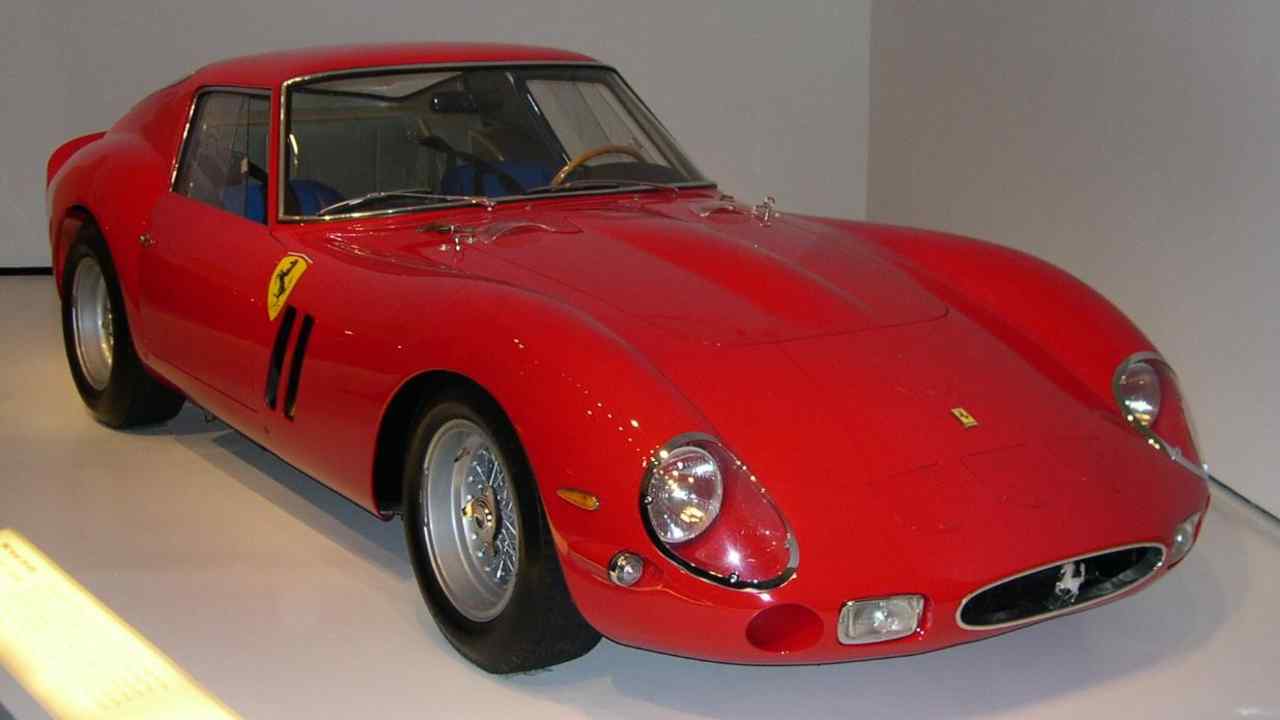
The Ferrari 250 GTO, produced between 1962 and 1964, is one of the most iconic and valuable racing cars ever built. Its combination of a powerful V12 engine and aerodynamic design made it a formidable competitor in GT racing.
The 250 GTO achieved numerous victories, including class wins at the 24 Hours of Le Mans and the Tour de France Automobile. Its legacy as a rule-breaking car is not only in its race wins but also in its enduring status as a symbol of automotive excellence.
Like Fast Lane Only’s content? Be sure to follow us.
Here’s more from us:
*Created with AI assistance and editor review.



Leave a Reply