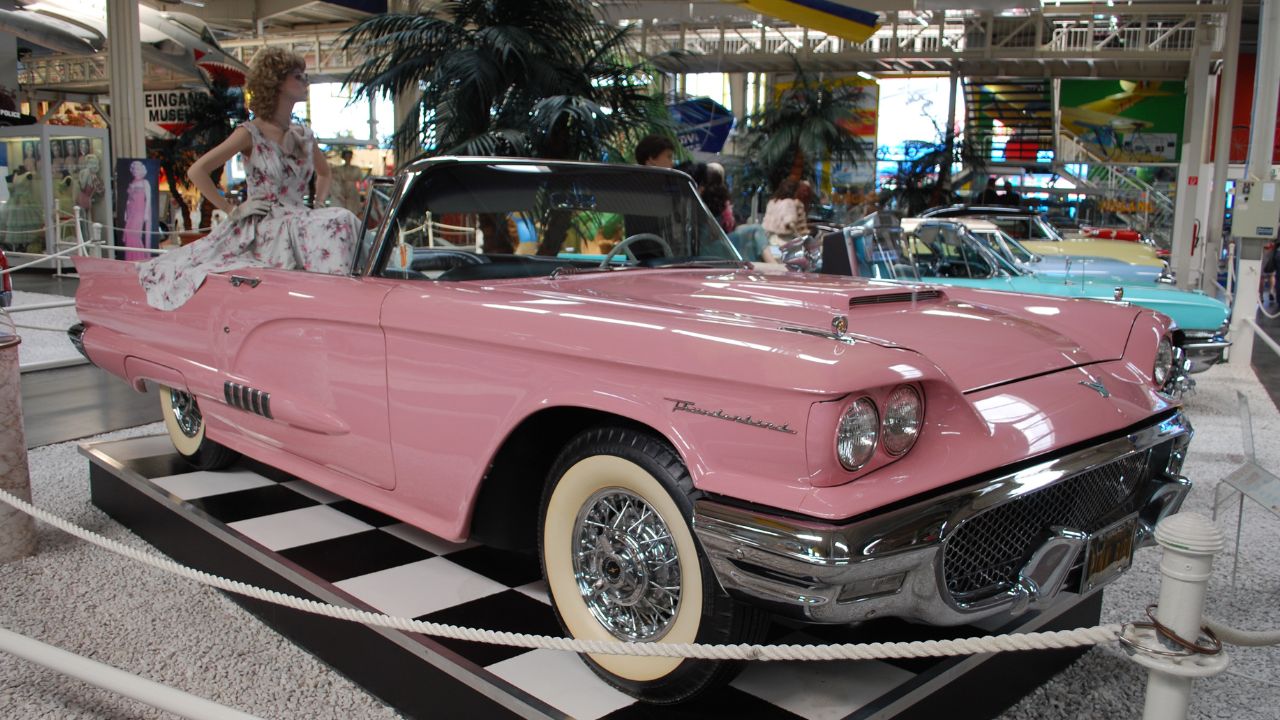
Classic American metal still offers a rare sweet spot where glamorous looks have not yet caught up with market values. For buyers who study condition and history, several models project the presence of six-figure collectibles while trading for prices that remain within reach. The following cars show how careful research can uncover machines that look expensive but are not yet priced like blue-chip icons.
1948–1953 Oldsmobile 98
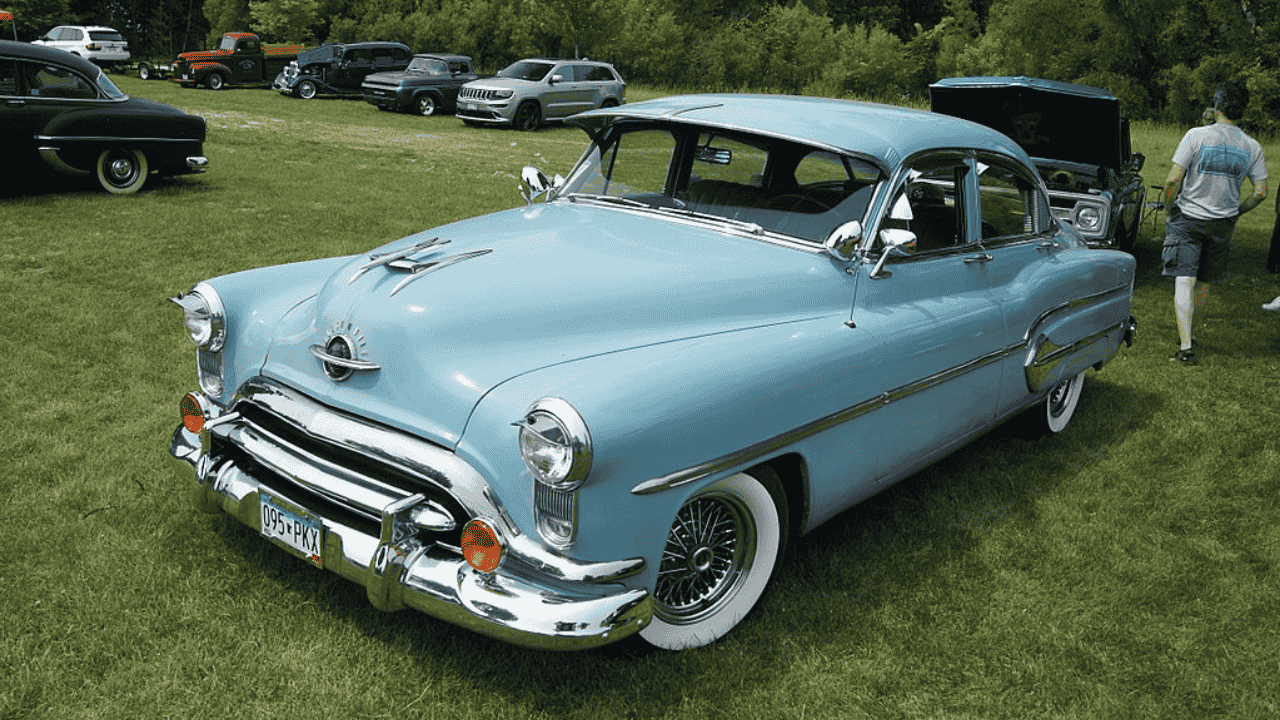
The 1948 to 1953 Oldsmobile 98 carries the kind of long-hood, short-deck profile associated with serious postwar luxury, yet it remains comparatively attainable. Period figures show a Price new of $3,000 and an Average value today of $25,000, with collectibility rated at three stars. That leaves a wide gap between its visual impact and its current market standing.
With wide chrome grilles, generous rear overhangs, and formal rooflines on sedans and coupes, the Oldsmobile 98 easily passes for a top-tier classic at shows. For collectors, the key implication is that high style from this era does not always demand premium pricing, especially when production numbers were healthy and mechanical parts remain available.
1955–1956 Packard Four Hundred
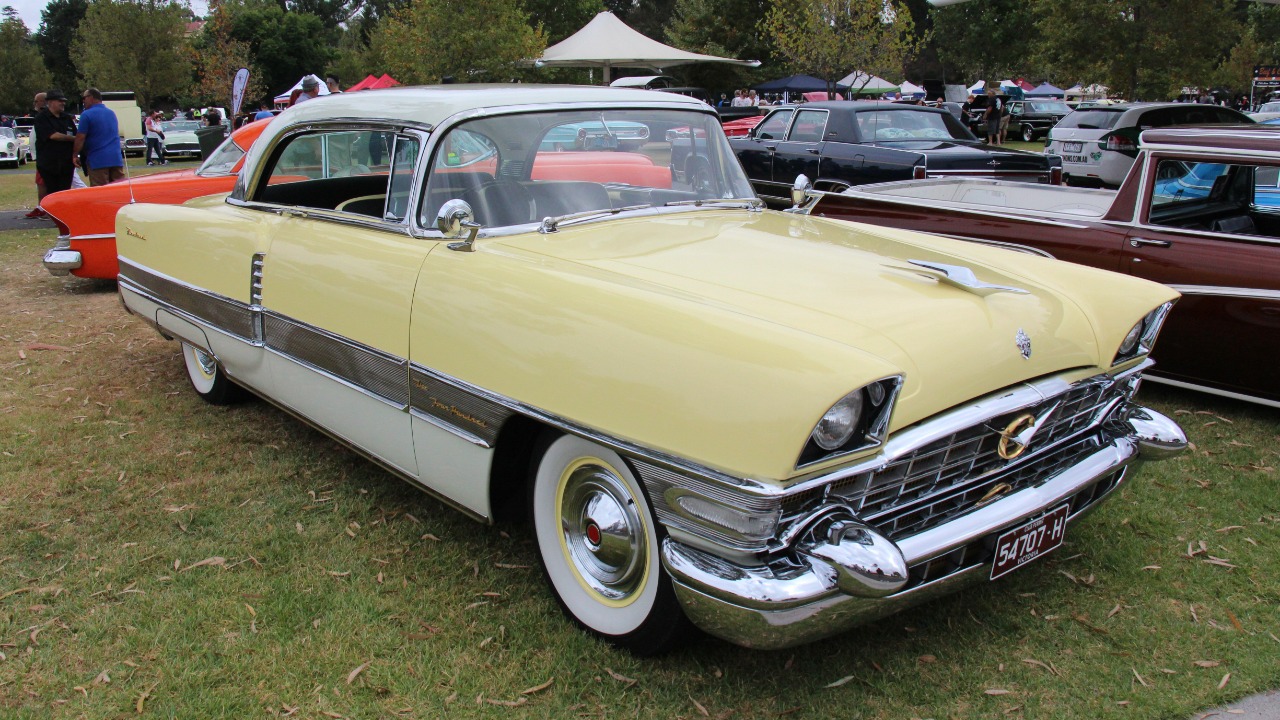
The 1955 and 1956 Packard Four Hundred presents another case where styling and heritage outstrip current prices. As a senior Packard, the Four Hundred offered elaborate two-tone paint, broad chrome side spears, and interiors trimmed to compete with the best American luxury of its day. Yet market guides still list it among accessible classics, reflecting how far values lag behind its stately image.
Evidence from detailed buyer guides shows the packard four hundred grouped with other relatively affordable collector cars rather than rarefied museum pieces. For enthusiasts, that disconnect means a chance to park a genuine mid fifties prestige badge in the garage without paying the premiums attached to more famous contemporaries from Cadillac or Chrysler.
1958 Ford Thunderbird
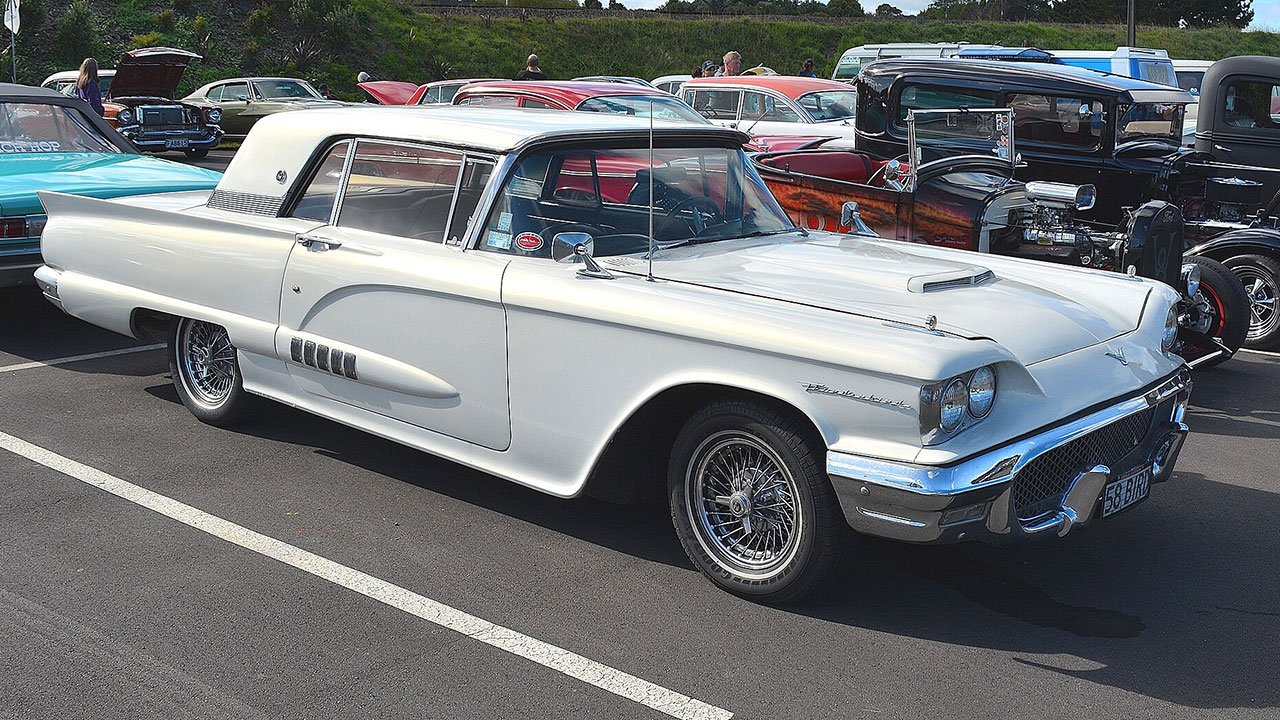
The 1958 Ford Thunderbird, first of the so called Square Bird generation, looks every bit like a hand built personal luxury coupe, yet current figures keep it within reach. One detailed market survey lists an Average Market Price of $25,901 for this model, placing it among dirt cheap American choices that still turn heads. The combination of stacked tail lamps, low roof, and prominent fins gives it presence far beyond that number.
Because later Thunderbirds and other personal coupes share some mechanical components, ownership costs can remain manageable. For buyers, the implication is clear: the 1958 Ford Thunderbird offers the visual drama and cruising comfort of far more expensive classics, while transaction prices still sit closer to modern used-car territory than to auction headliners.
1979–1993 Ford Mustang Fox Body
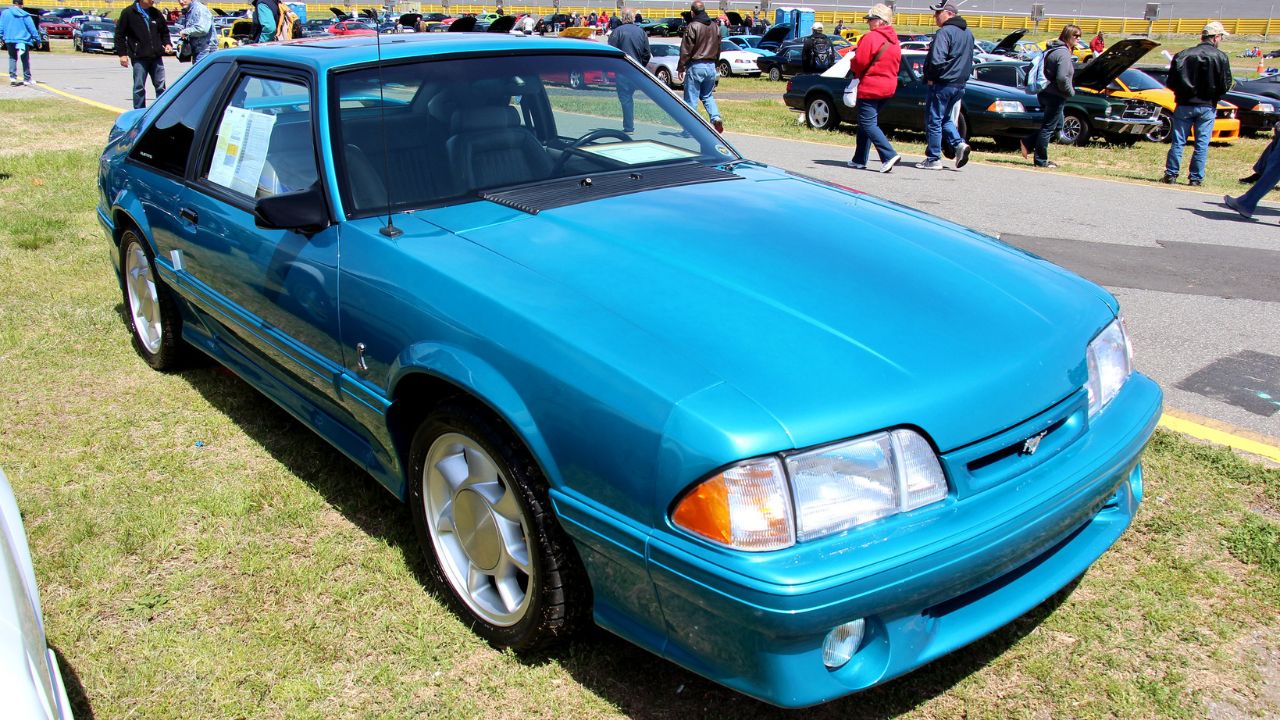
The Ford Mustang Fox Body, built from 1979 through 1993, has finally gained recognition as a legitimate classic, yet many versions still trade at realistic prices. A ranking of cheap classic cars highlights the 1979 Ford Mustang and notes its Years Produced as 1979 to 1993. Clean driver quality coupes and hatchbacks often cost less than heavily optioned modern compacts.
Sharp body lines, simple trim, and the availability of V8 power give the Fox Body a purposeful stance that suggests higher value than asking prices indicate. For younger collectors, this gap between image and cost provides an accessible entry point into classic ownership, with the added benefit of strong aftermarket support and relatively simple maintenance.
1969 Dodge Charger 500
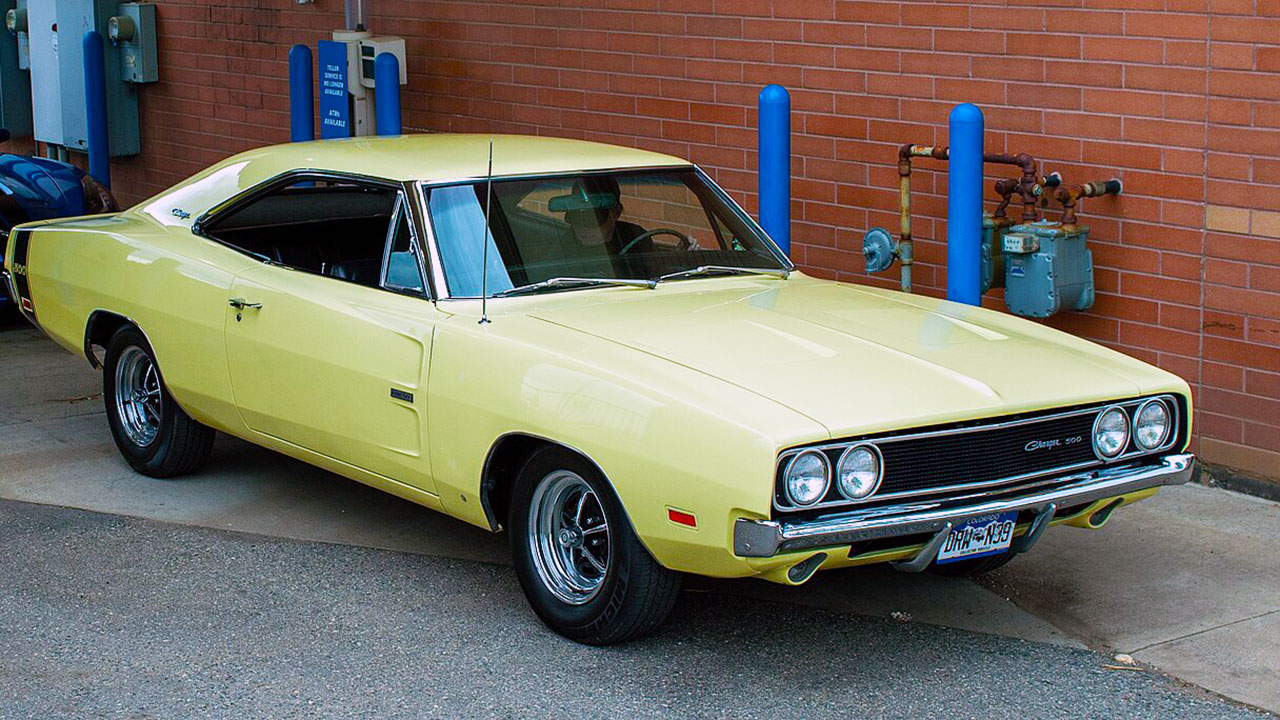
The 1969 Dodge Charger 500 combines NASCAR inspired aerodynamics with one of the most recognizable muscle car shapes, yet some data still categorize it among undervalued icons. A feature on badass golden era cites the 1969 Dodge Charger 500 with an Average Price of $13,700. That figure looks modest beside the six figure results achieved by more famous Charger variants at auction.
Visually, the flush grille, faired in rear window, and muscular haunches give the Charger 500 an aggressive stance that casual observers associate with top tier collectibles. For investors and enthusiasts, the relatively low Average Price suggests room for appreciation, especially as interest in period correct aero cars continues to build among younger buyers.
Lincoln Continental Mark II
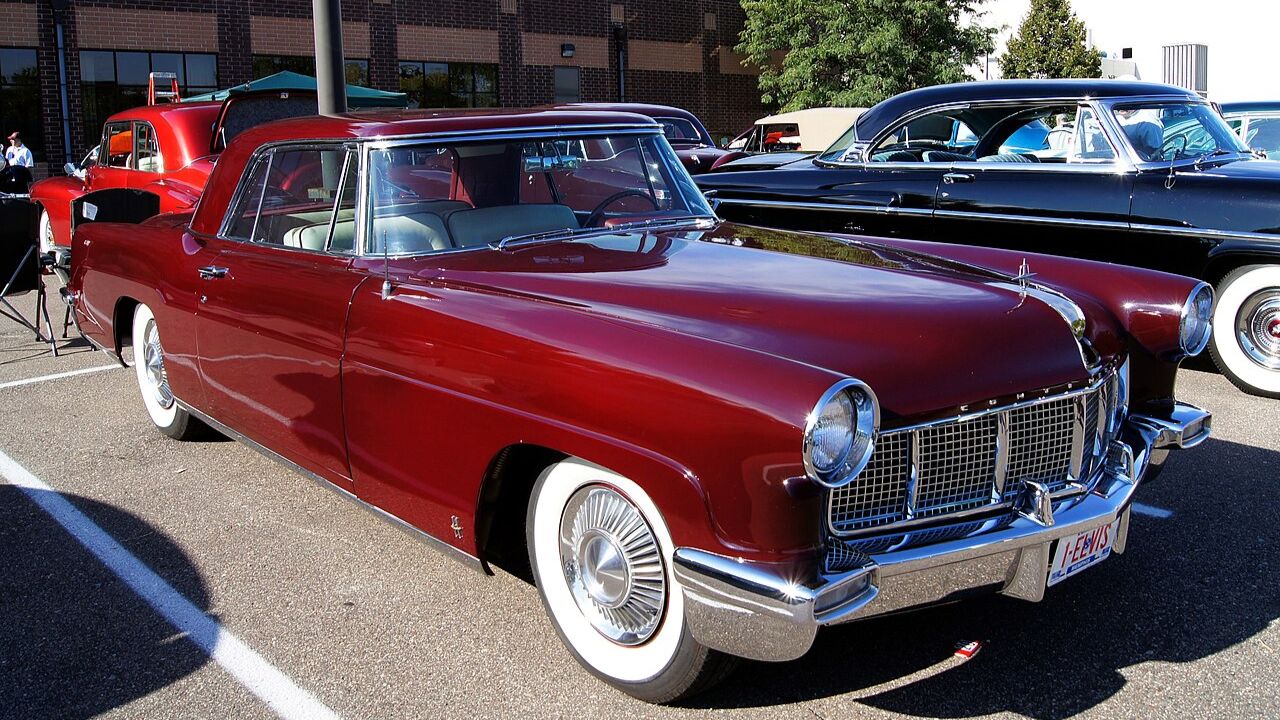
The Lincoln Continental Mark II is often mistaken for a coachbuilt European grand tourer, yet careful market analysis still places it below the very top tier of American collectibles. Detailed coverage of classic luxury models notes that the Mark II used a Lincoln sourced drivetrain and stretched to 225.4 inches, ranking among its maker’s longest cars. That size, combined with restrained chrome and a formal roofline, creates a commanding presence.
Despite its reputation for meticulous assembly, the Mark II sometimes trails more flamboyant fin era cars in price guides. For collectors focused on elegance rather than outright rarity, the Continental Mark II offers an opportunity to own a car that looks like old money royalty while still trading below the most fevered auction results.
Chevrolet El Camino (fifth generation)
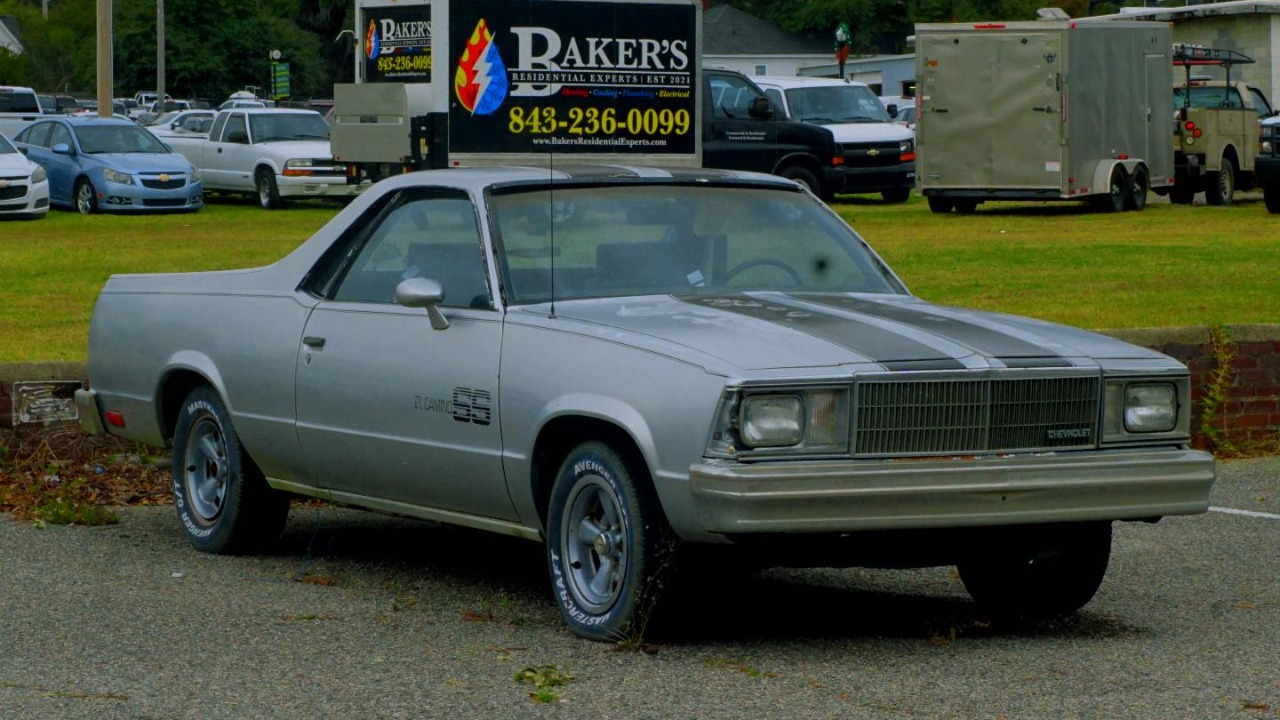
The fifth generation Chevrolet El Camino blends coupe lines with pickup utility, and in well kept trim it can look like a custom grand touring machine. A ranking of classic American muscle notes that this generation of El Camino, built on a shared platform with other performance models, remains less expensive than its more famous siblings. Clean examples with rally wheels and tasteful paint can appear far pricier than their sale prices suggest.
Because the El Camino sits slightly outside traditional muscle or luxury categories, demand has lagged behind more conventional coupes. For buyers, that misalignment between perception and pricing translates into an appealing mix of style, practicality, and value, especially for those who want a classic that can still handle light hauling or weekend projects.
Buick Riviera (early 1960s)
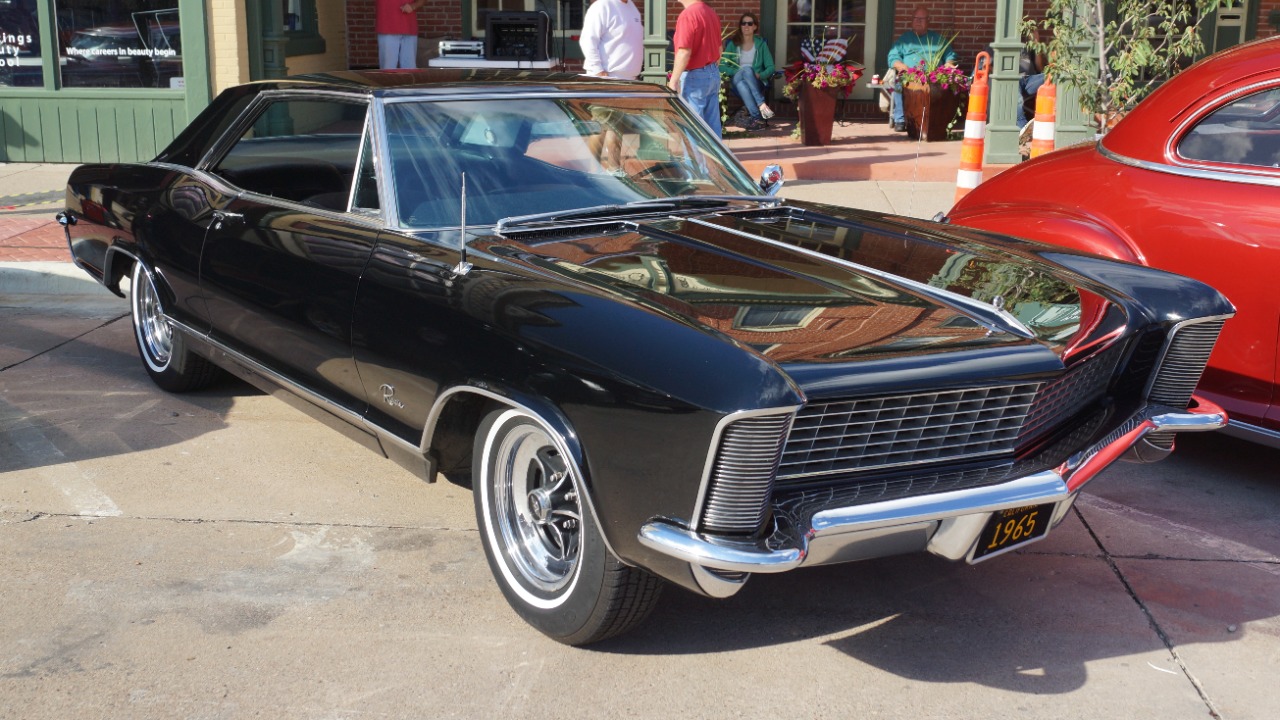
The early 1960s Buick Riviera, particularly the first generation, carries a sharp, European influenced profile with hidden headlights and a sweeping beltline. Guides to stylish older cars consistently place the Riviera among models that project wealth without commanding the highest premiums. Its long hood and short rear deck echo more expensive exotics, yet many driver quality cars remain within reach of mid level collectors.
Because the Riviera shared mechanical components with other Buicks, maintenance and parts sourcing are less intimidating than its glamorous appearance suggests. For enthusiasts who value design as much as outright performance, the Buick Riviera offers a chance to own a car that looks like a design study from a luxury studio while still fitting realistic budgets.
Pontiac Grand Prix (late 1960s)
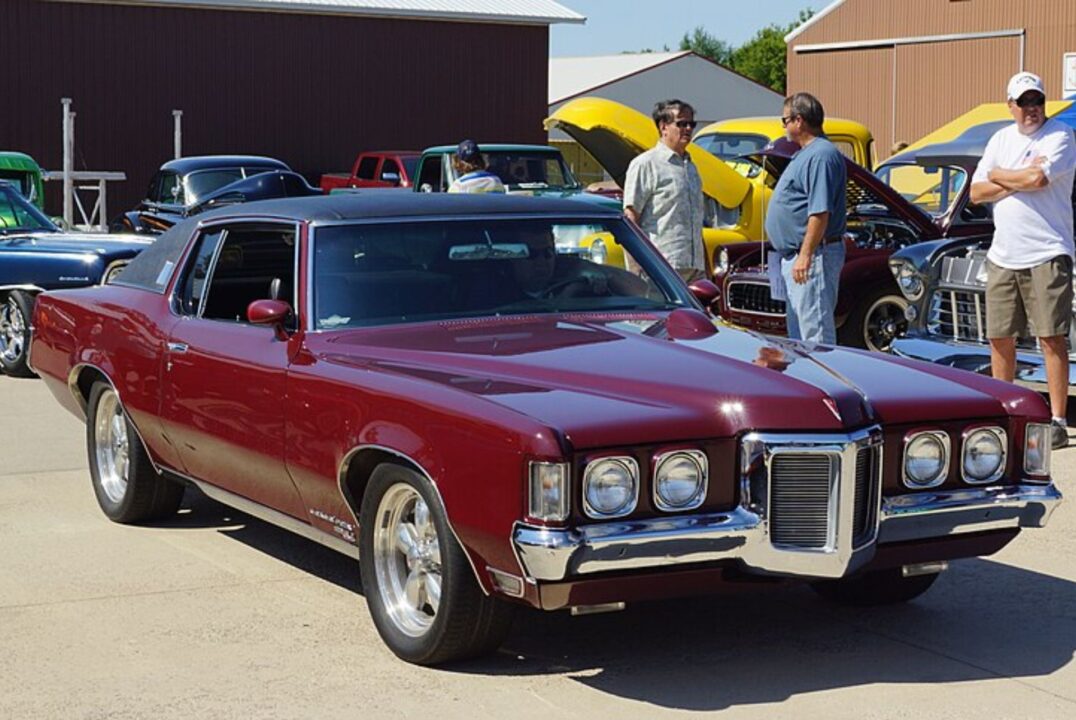
The late 1960s Pontiac Grand Prix refined the personal luxury formula with a long hood, short deck, and a driver focused cockpit that rivals more expensive grand tourers. Market coverage of affordable classics often lists the Grand Prix alongside other coupes that have not yet matched the values of their better known siblings. With stacked headlights and a prominent grille, it has the visual drama of higher priced muscle cars.
Underneath, the Grand Prix shares engines and chassis parts with other Pontiac models, which keeps running costs manageable. For buyers, that combination of bold styling and shared hardware means a car that looks like a premium collectible but still appears in cheaper American price brackets, at least for now.
Assorted sub‑$10,000 American classics
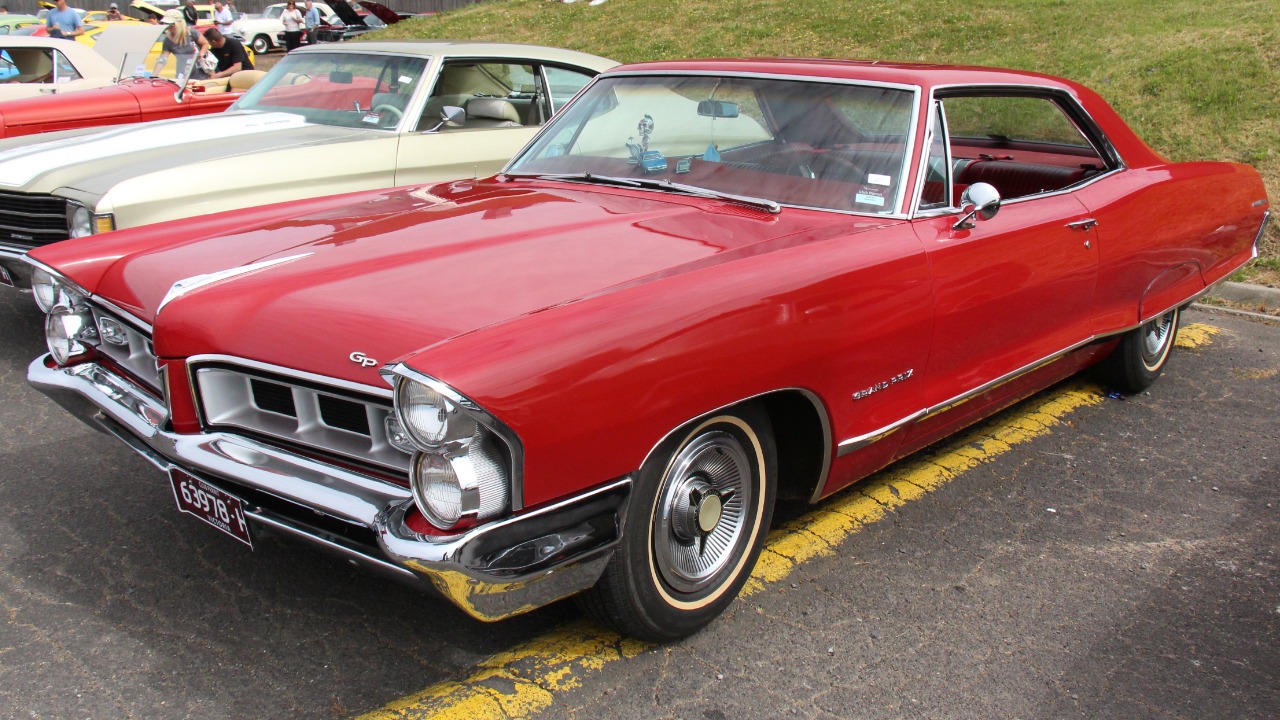
A broad group of American classics still trades between $1,900 and $8,500, with some listings highlighting vintage rides in that range. One buyer focused feature even gathers Classic Cars For Sale Under $10,000, showing that chrome laden coupes and full size sedans can look far more expensive than their asking prices. Many of these cars carry long hoods, generous brightwork, and plush interiors that echo better known collectibles.
For budget conscious enthusiasts, these sub $10,000 options demonstrate that patience and research can still uncover American classics with genuine curb appeal. The implication is that the market has not yet fully priced in the visual charm of many second tier models, leaving room for buyers to secure stylish cars before broader attention drives values higher.
More from Fast Lane Only