

Some cars are built to a standard. Others go far beyond. We’re talking about machines where engineers weren’t just ticking boxes—they were showing off. Overengineering doesn’t always mean better sales or easier maintenance, but it does make for some fascinating vehicles.
This list covers 10 classic rides where designers and engineers pushed boundaries, sometimes to brilliance and sometimes to absurdity. Whether it’s a sedan built like a vault or a sports car packed with enough tech to make a spaceship blush, these vehicles prove that sometimes, more really is more… until it isn’t.
Mercedes-Benz E-Class W123: Built to Outlast the Driver
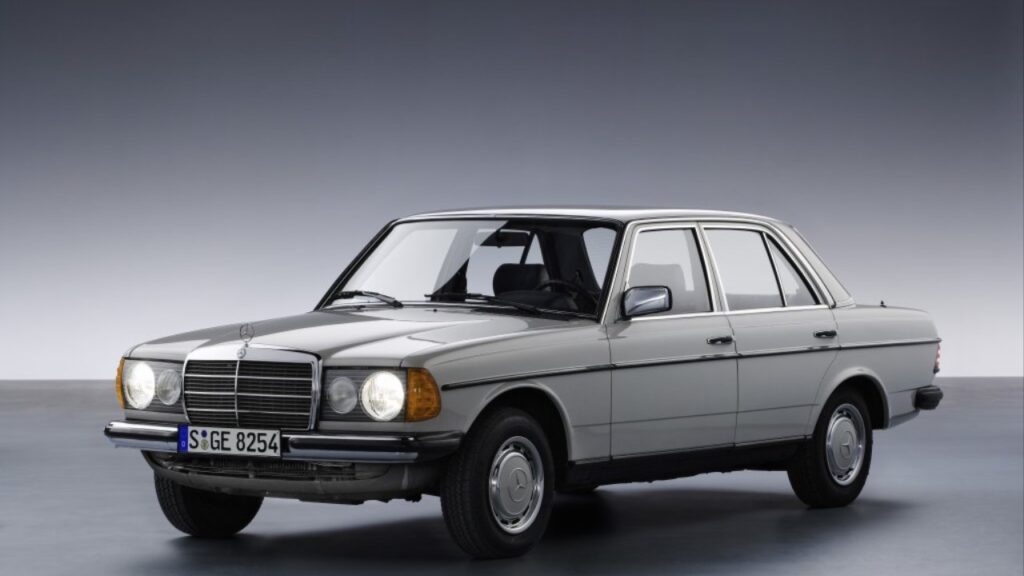
The W123 was more than just a luxury sedan—it was an engineering project built to outlive its owners. Introduced in the late ’70s, Mercedes put durability front and center, crafting a car that could handle European roads and African deserts with equal ease.
It became such a reliable icon that waitlists formed, and a black market developed just to get one faster. From Berlin taxi fleets to West African dirt roads, the W123 proved its worth. Its ironclad build and simple, serviceable mechanics made it a legend of overbuilt German engineering.
Lexus LS 400: The Silent Assassin
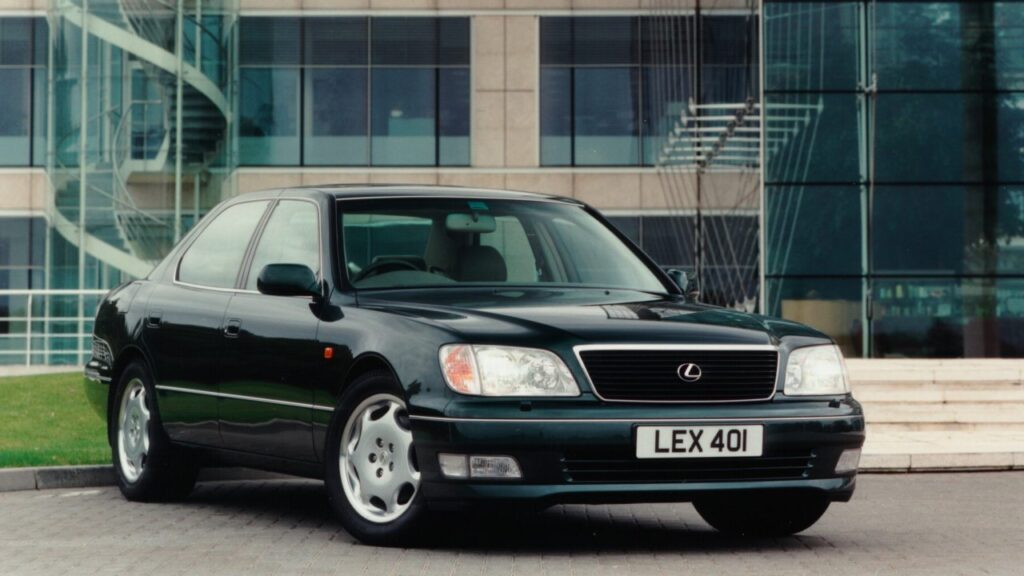
Toyota didn’t just launch a luxury brand—they set out to build the world’s most refined sedan. Codenamed “F1,” the Lexus LS 400 made its debut in 1989 after years of obsessive development, including over a million miles of road testing.
The result was a car so quiet, refined, and smooth that it stunned the European establishment. Under the hood was the 1UZ-FE V8, an all-aluminum masterpiece that ran forever. From panel gaps to seat stitching, Lexus proved that luxury didn’t need heritage—it just needed precision.
Mercedes-Benz E-Class W124: Next-Level Tank
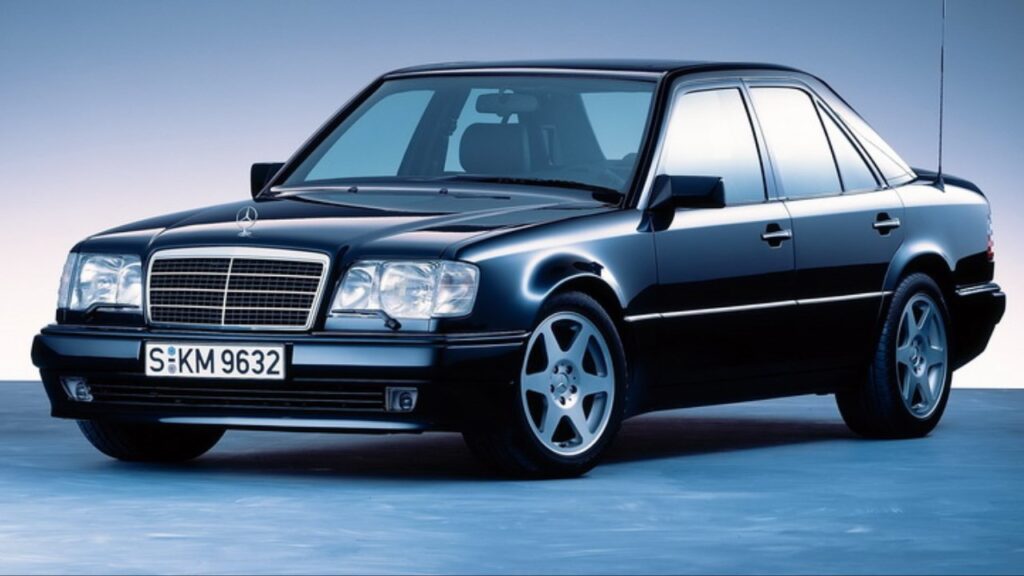
After the W123, Mercedes had to one-up itself—and it did with the W124. Launched in 1984, the W124 was engineered with computer-aided design and benefited from nearly a decade of development. The result was a sedan that drove like a machine built for engineers, by engineers.
The W124 came in every flavor—sedan, wagon, coupe, and cabriolet. With everything from four-cylinders to AMG-tuned V8s, it was a car that offered something for everyone but built like it was for no one to break. Even today, these things eat miles without flinching.
Peugeot 504: Built for More Than Just Paris
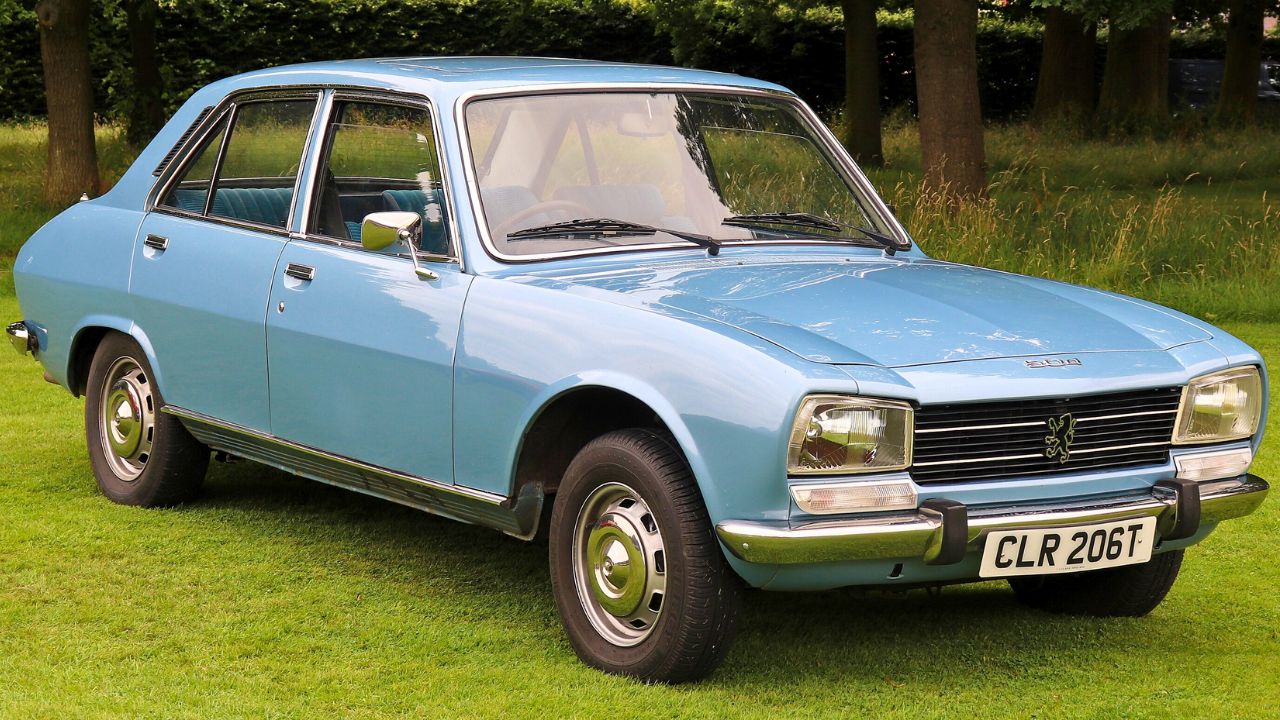
You might not expect to see a Peugeot on this list, but the 504 was a tank wrapped in a designer suit. Launched in 1968, it had Pininfarina styling, excellent ground clearance, and suspension that made rough roads feel like nothing.
The 504 was so tough and reliable that it became a favorite across Africa and South America. Whether it was hauling people, goods, or bouncing over unpaved roads, it just kept going. Peugeot’s inline-four engines were simple, durable, and perfectly matched to this practical but surprisingly elegant sedan.
Mercedes-Benz S-Class W140: When Enough Wasn’t Enough
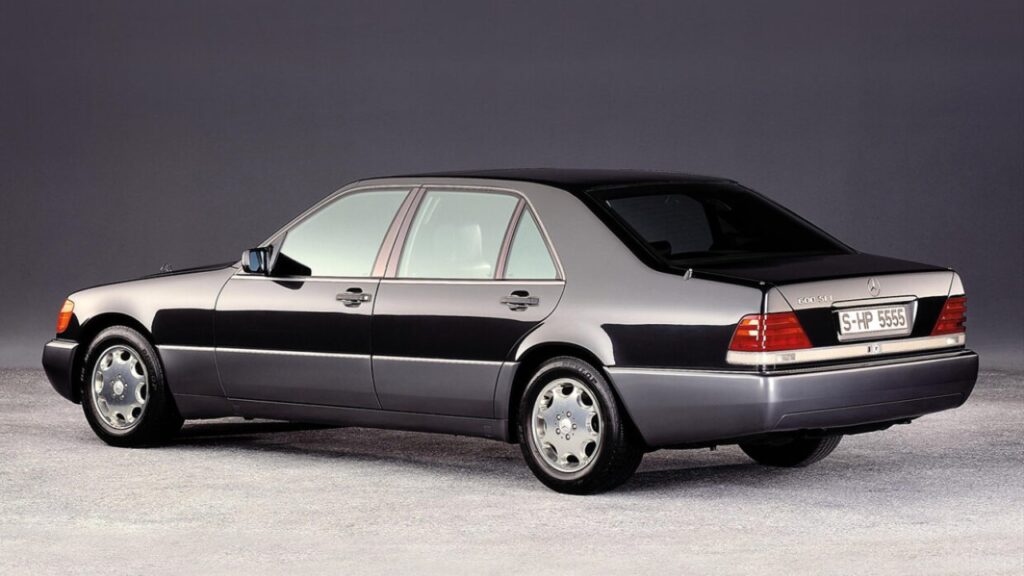
The W140 S-Class wasn’t just a luxury car—it was an obsession. Mercedes delayed its launch to perfect the car, and it showed. This thing had double-pane windows, self-closing doors, and engineering so advanced it reportedly drove up development costs to insane levels.
But it worked. The W140 became a rolling fortress, powered by everything from smooth six-cylinders to a monster 6.0-liter V12. The M120 V12 engine was as much about bragging rights as performance, and AMG later turned it into a beast. If overengineering had a crown, the W140 wore it proudly.
Volkswagen Phaeton W12: Too Smart for Its Own Good

On paper, the Phaeton W12 should’ve been a game changer—VW wanted it to rival Bentley and Mercedes. It had a 6.0-liter W12 engine, an opulent interior, and enough hidden features to make a Swiss watch jealous. But reality hit hard.
The tightly packed engine bay made maintenance a nightmare, and electrical gremlins haunted owners. VW used it as a proving ground for future Bentleys, and while it helped shape the Continental GT, the Phaeton suffered for it. It’s what happens when engineers are given too much freedom—and not enough budget restraint.
Mitsubishi 3000GT VR-4: Tech Overload on Wheels

The Mitsubishi 3000GT VR-4 wasn’t content with just going fast—it wanted to flex every piece of ‘90s tech it could squeeze in. From its twin-turbo V6 to the active aerodynamics and four-wheel steering, this thing was a rolling showcase of what Mitsubishi engineers could dream up.
At 300 horsepower and 307 lb-ft of torque, it was quick. But the gadgets were what set it apart—adjustable suspension, active exhaust, and even computer-controlled aerodynamics. It was a brilliant machine, but complexity added weight and long-term maintenance costs that scared many away.
Honda NSX: F1 Lessons for the Street
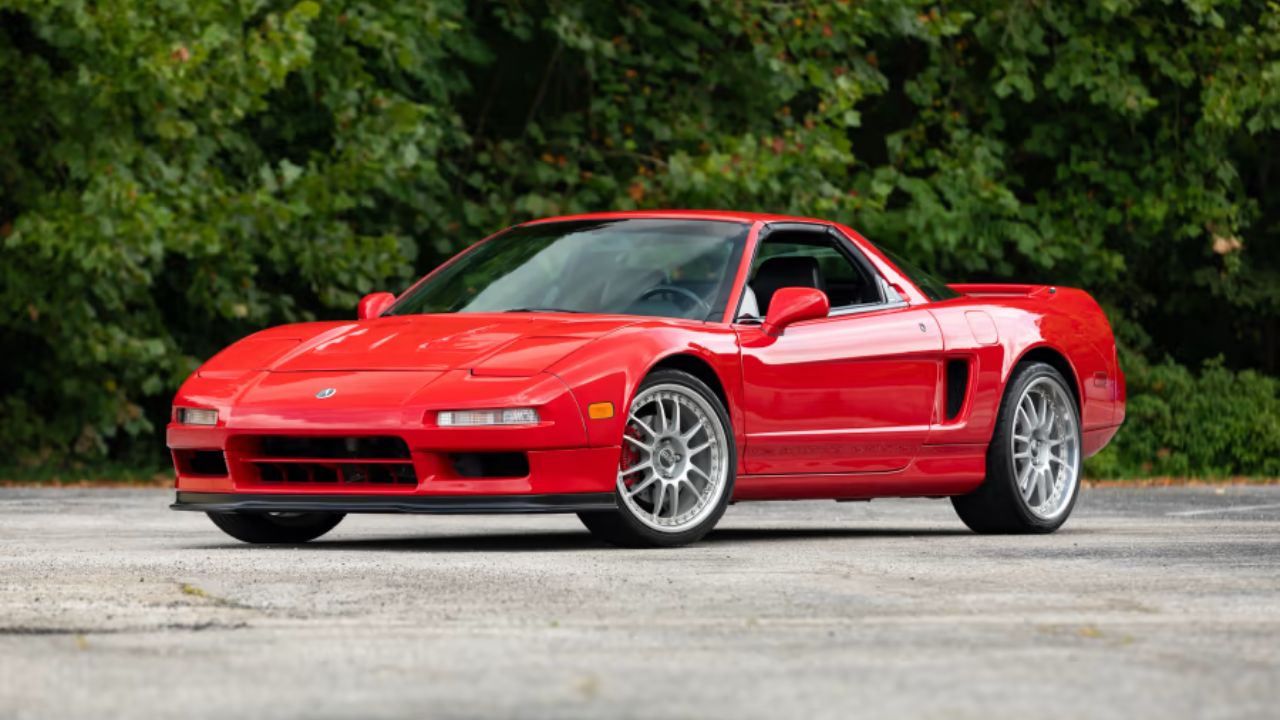
Honda didn’t just want to build a supercar—they wanted to outdo Ferrari at their own game. With help from Ayrton Senna and tech drawn straight from Formula 1, the original NSX became one of the most overengineered—and well-balanced—sports cars ever built.
It had a lightweight aluminum chassis, superb visibility, and an ultra-reliable VTEC V6 that made all the right noises. While others boasted about horsepower, Honda focused on refinement, balance, and durability. It’s no wonder so many people drove them every day—it was the supercar that didn’t need pampering.
Audi A2: Ahead of Its Time, Behind in Sales

The Audi A2 was one of those cars that was too clever for its own good. Made with an aluminum space frame and designed for max fuel economy, it could hit 66 MPG without a hybrid system. It was aerodynamic, lightweight, and packed with thoughtful design.
But Audi poured so much money into developing the A2 that the retail price didn’t make sense. It was a small car with a luxury car’s price tag, and buyers just didn’t bite. Still, if you want a look at where car efficiency was headed, the A2 was already there.
Nissan Skyline GT-R R34: Engineering for the Streets
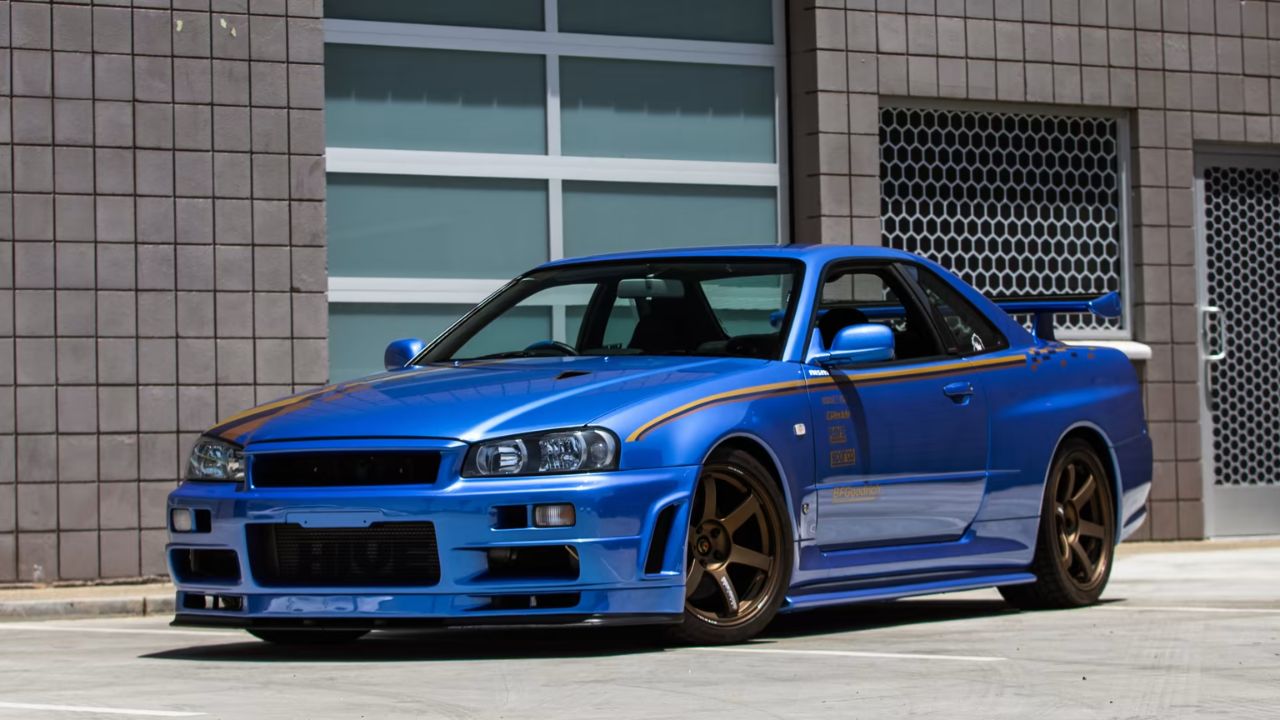
The R34 wasn’t just the last of the old-school Skylines—it was the most refined. Nissan threw everything it had into the R34: an ATTESA E-TS all-wheel-drive system, Super-HICAS rear-wheel steering, and that bulletproof RB26DETT inline-six.
The real showstopper was the multifunction LCD display that let you monitor everything from boost pressure to oil temps. It was way ahead of its time. Add in razor-sharp handling and a chassis that could take serious power upgrades, and you’ve got one of the most overbuilt street cars of its era.
Like what you read? Here’s more by us:
*Created with AI assistance and editor review.



Leave a Reply