
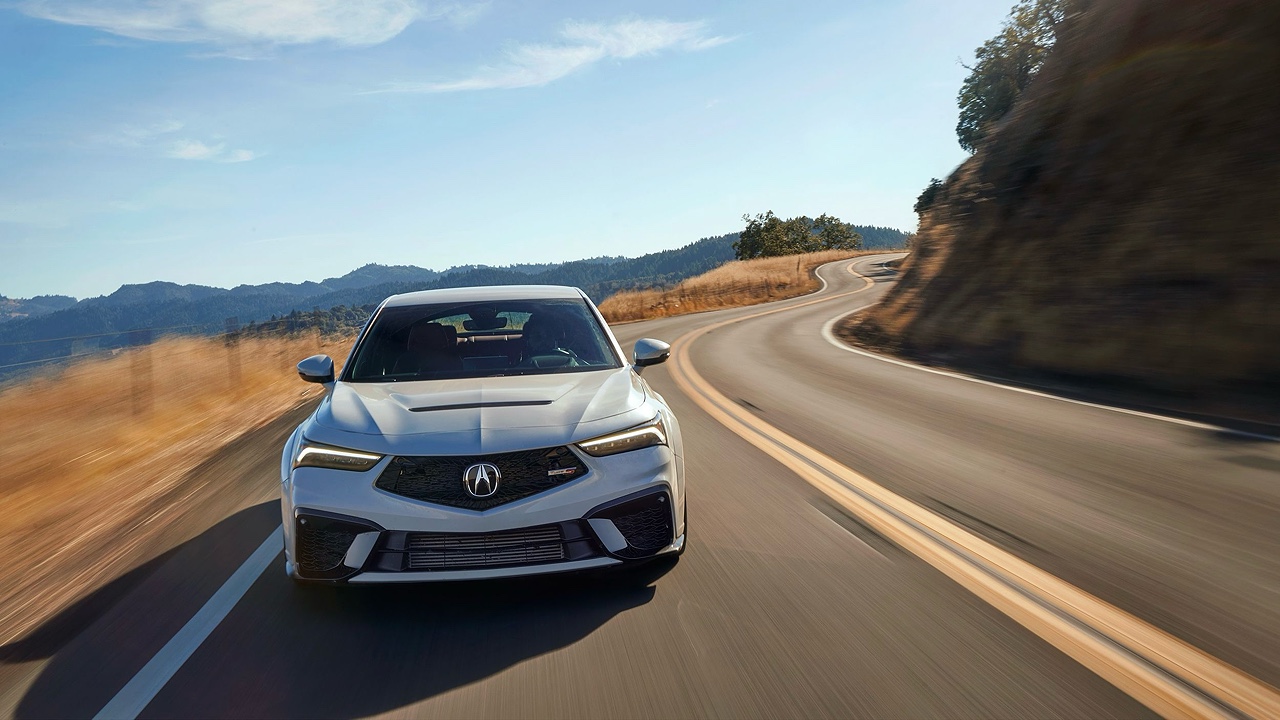
Compact cars have always punched above their weight. They’re cheap to run, easy to live with, and in a lot of cases, more fun than you’d expect. Whether you’re into quirky classics, efficient commuters, or sporty little machines, there’s a compact out there that delivers big returns without draining your wallet.
These ten picks prove you don’t need a giant price tag to get quality, character, or capability. Some are modern and efficient, others vintage and full of charm—but all of them bring something valuable to the table.
Mitsubishi Mirage
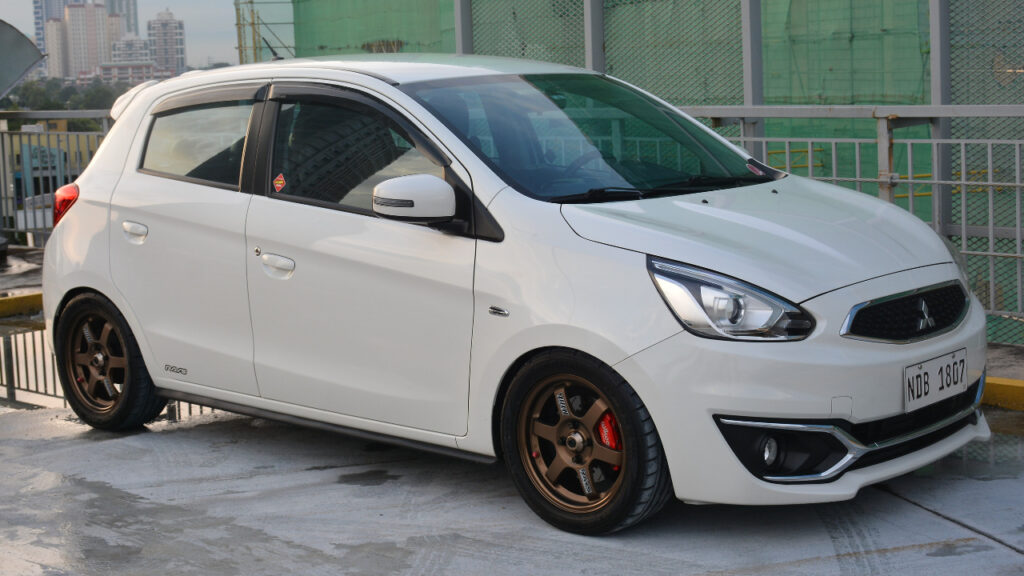
The Mirage might not be around much longer, but it still holds its place as one of the most economical rides out there. Mitsubishi’s no-frills subcompact makes a solid case with impressive real-world fuel numbers—up to 39 MPG combined.
For under $17,000 brand new, the Mirage gives you basic transportation that won’t leave you stranded. It’s simple, honest, and has proven itself to be surprisingly durable. If you need a reliable commuter or a backup car that sips gas, this is it.
Renault 5 EV
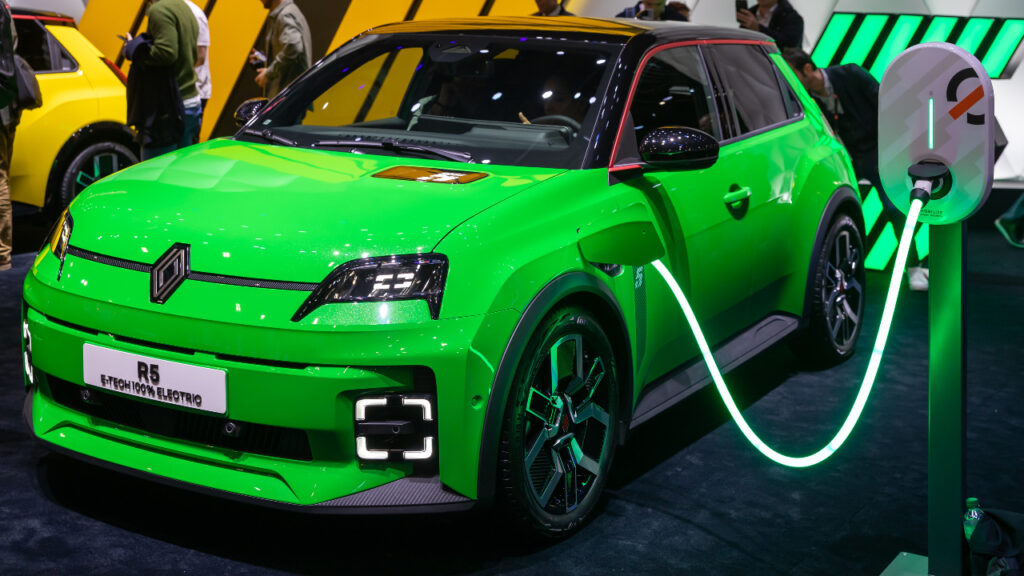
The Renault 5 is coming back, this time with a battery and a serious nod to the past. While not currently offered in the U.S., the new 5 EV is turning heads in Europe for good reason. It blends retro styling with practical range—over 200 miles per charge—for about $25K.
Beyond the price and range, the Renault 5 stands out with personality. It doesn’t look like every other EV on the road. Instead, it brings back that boxy charm from the ‘70s and ‘80s and wraps it in modern tech.
Alpine A110
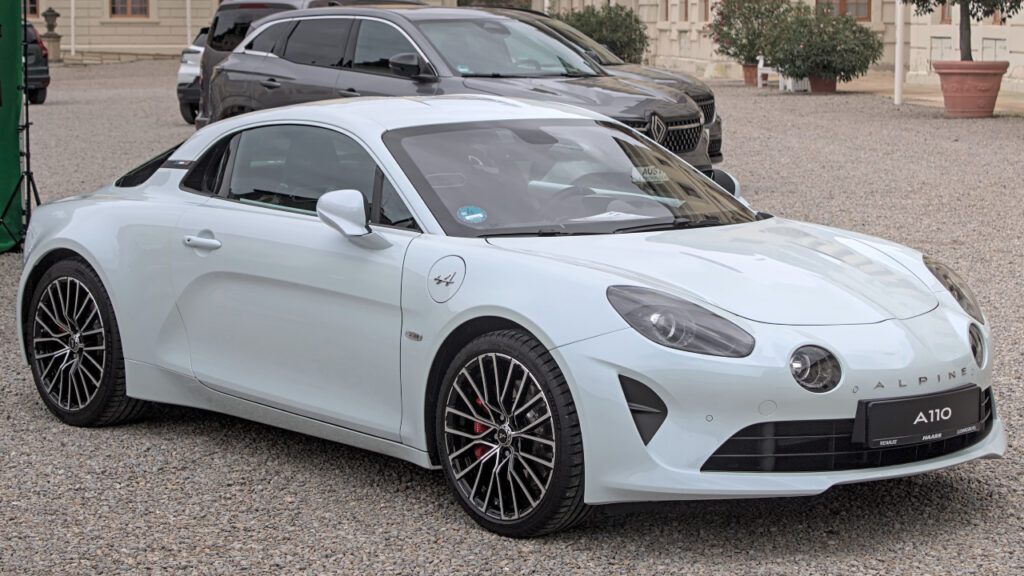
Not every compact car is about economy. The Alpine A110 shows how a lightweight, nimble chassis can still thrill without going full supercar. It’s not cheap—closer to $60K—but it delivers performance and feel that rivals cars costing twice as much.
Powered by a 1.8L turbocharged four-cylinder, it makes 249 hp in base form or 299 hp in the A110S. The low curb weight keeps it fast on twisty roads, and the balance is what driving purists dream about. This one’s for the enthusiast who wants purity over flash.
Honda Beat
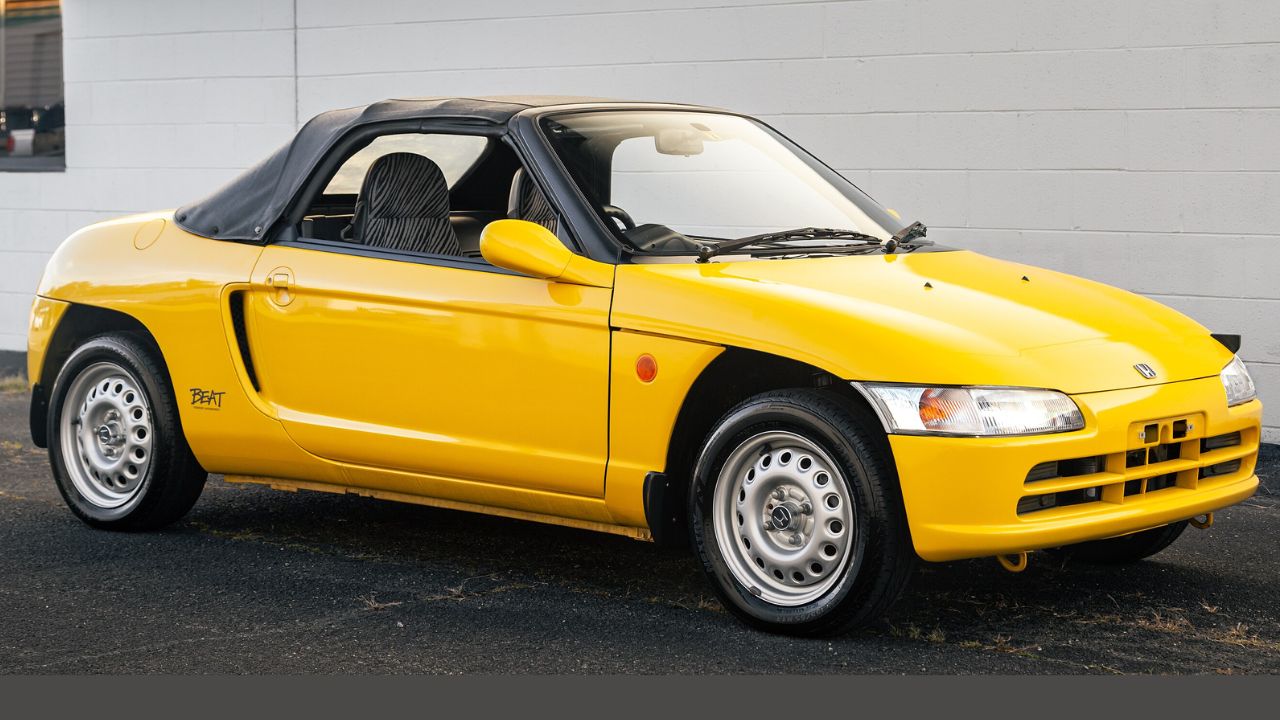
The Beat is a tiny piece of fun that proves you don’t need big numbers to have a blast. Built in the early ‘90s for the Japanese Kei car market, it was the last car Soichiro Honda personally approved before his death.
With a 656 cc triple-cylinder engine pushing out 63 hp, the Beat is feather-light at just 1,680 lbs. That means it corners like a go-kart and keeps you grinning at any speed. It’s an affordable JDM import that’s more about experience than outright speed.
First-Gen Renault Twingo

Launched in 1992, the first-generation Twingo nailed the formula for practical charm. It was compact, but the clever packaging made it roomy inside. Its round headlights tucked into the bumper gave it a unique, cheerful face.
Underneath, it was powered by modest inline-fours, but the Twingo was never about power. It was about fitting into tight spaces, zipping through traffic, and surprising you with how much room it packed into such a small footprint.
Volkswagen Beetle
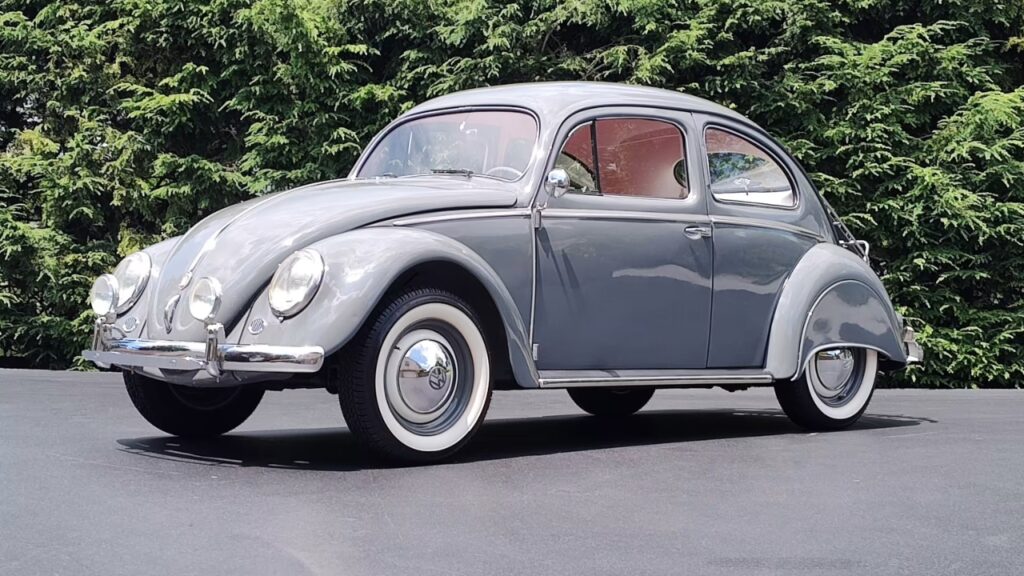
The Beetle might be the most famous compact car of all time. First built in the late ’30s, it stuck around through 2003 and racked up more than 21 million units—making it the longest-running production car on a single platform.
Despite its minimal power from air-cooled four-cylinders, the Beetle became a symbol of freedom and practicality. Its affordability, reliability, and simplicity kept it relevant across decades, cultures, and continents.
Mini Cooper JCW GP
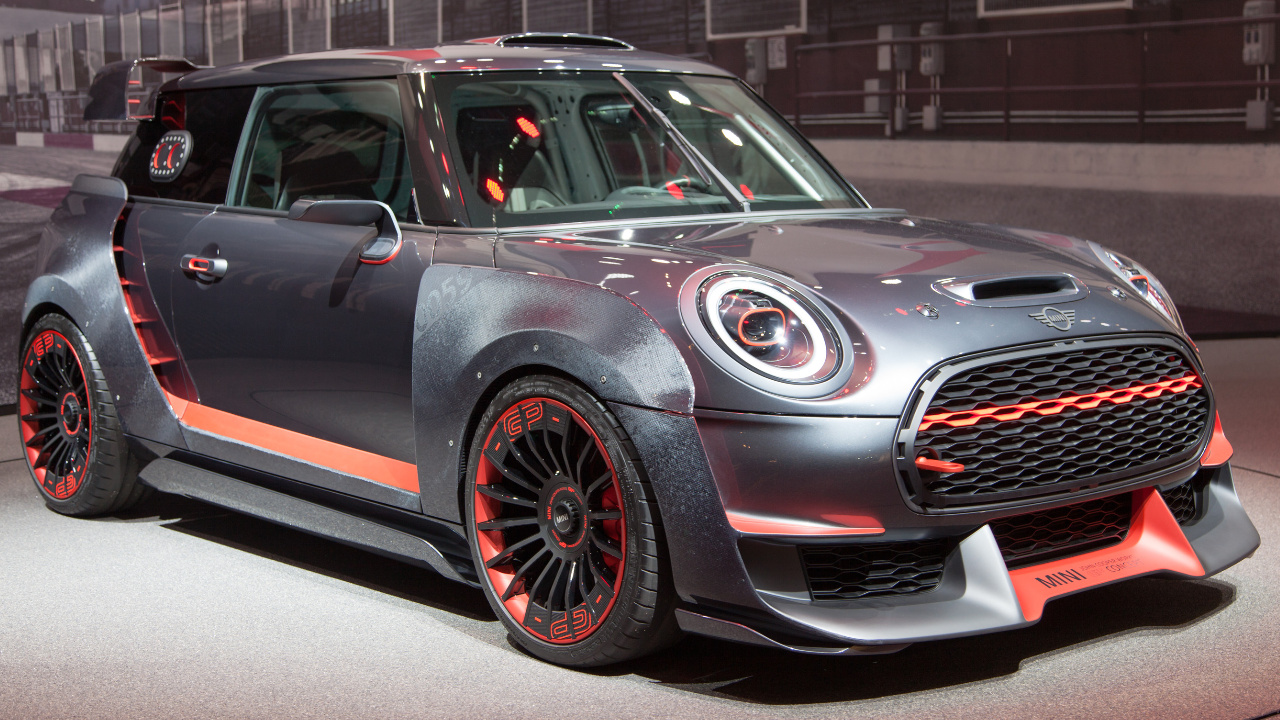
The GP version of the Mini Cooper is the rowdiest of the bunch, built by John Cooper Works to take the hot hatch formula to the next level. This track-ready compact gets unique bodywork, big aero, and serious power.
Its 2.0-liter turbo-four kicks out 301 hp—far more than the standard Mini JCW. It’s not cheap, but it offers limited-production appeal and race-car attitude in a daily-drivable size. It’s loud, it’s quick, and it’s not pretending to be anything else.
Acura Integra
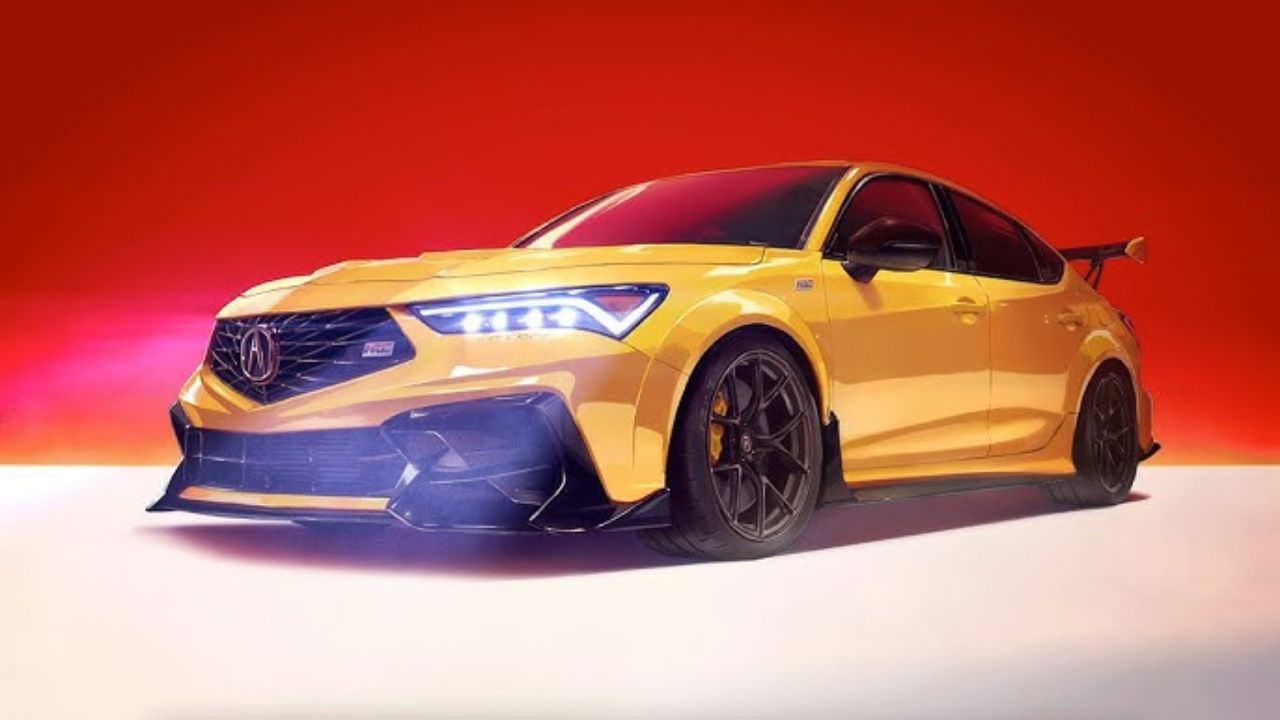
The new Acura Integra might not be as small as its older relatives, but it still delivers a lot in a tight, refined package. Starting just above $33,000, the Integra brings luxury touches, solid tech, and Honda’s signature VTEC fun to the table.
With a 200 hp 1.5L turbo in the base version and a 320 hp 2.0L in the Type S, it’s got more than enough punch. You also get a manual transmission option and sharp chassis tuning, making it one of the few affordable sedans that actually feels sporty.
Original Fiat 500
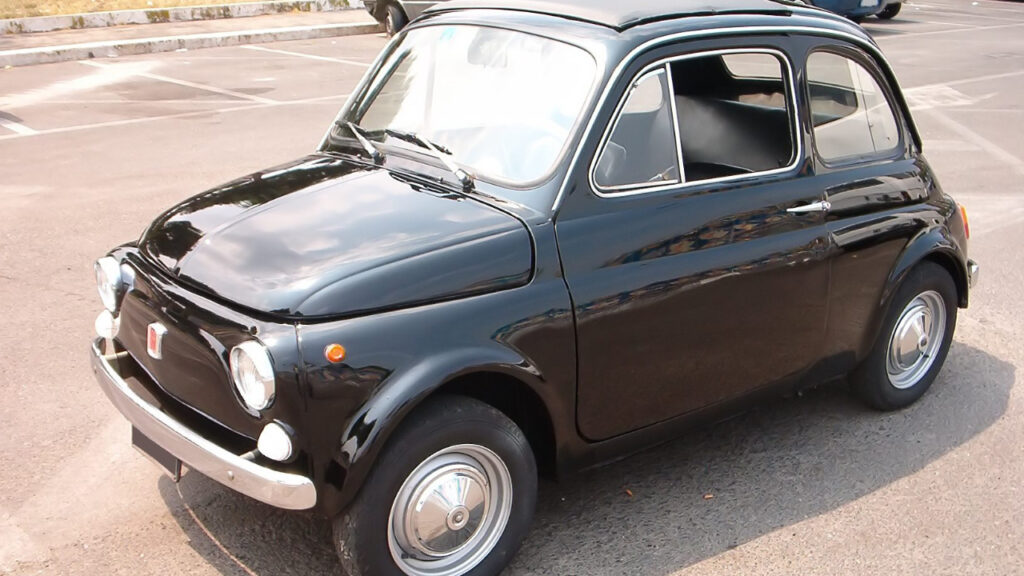
Tiny, charming, and endlessly practical, the original Fiat 500 was a car for the people. Built between 1957 and 1975, nearly four million rolled off the line. It used tiny two-cylinder engines and made the most of every inch of space.
It wasn’t about speed or flash—it was about getting to work, hauling groceries, and navigating narrow city streets. For many, it was their first car. And decades later, the 500 still draws smiles and admiration wherever it goes.
Fiat 500 Topolino
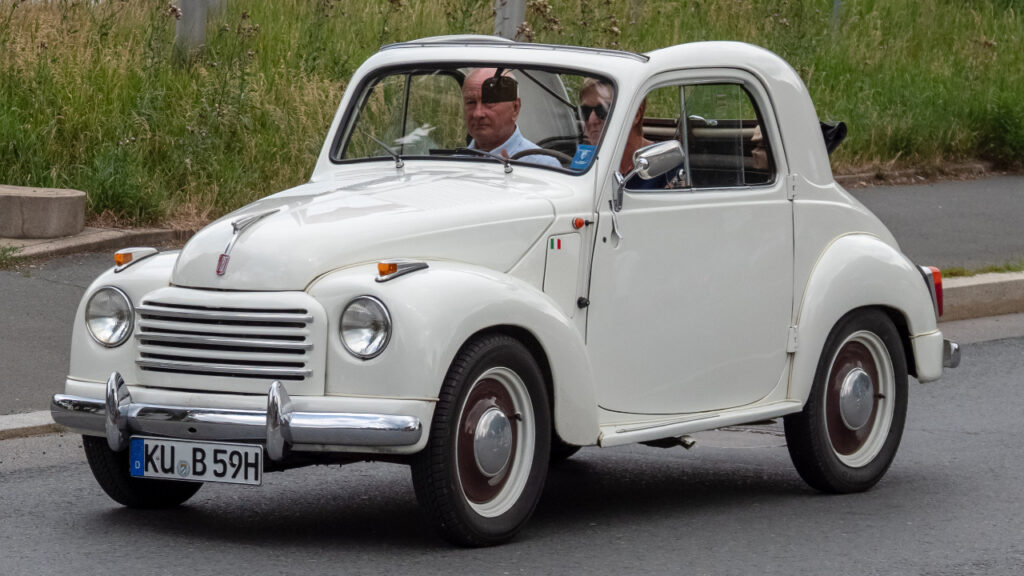
If the original 500 wasn’t small enough, meet the Topolino. This predecessor ran from 1936 to 1955 and proved early on that practical packaging didn’t need to be boring. With the engine tucked way up front, it offered an unexpectedly roomy interior.
It had just 13 horsepower from a tiny 569 cc four-cylinder, but that was enough for the time. Some models even had a fold-back roof, adding some versatility. In today’s world, it’s a historical curiosity—but it helped shape the future of compact design.
Like what you read? Here’s more by us:
*Created with AI assistance and editor review.


Leave a Reply