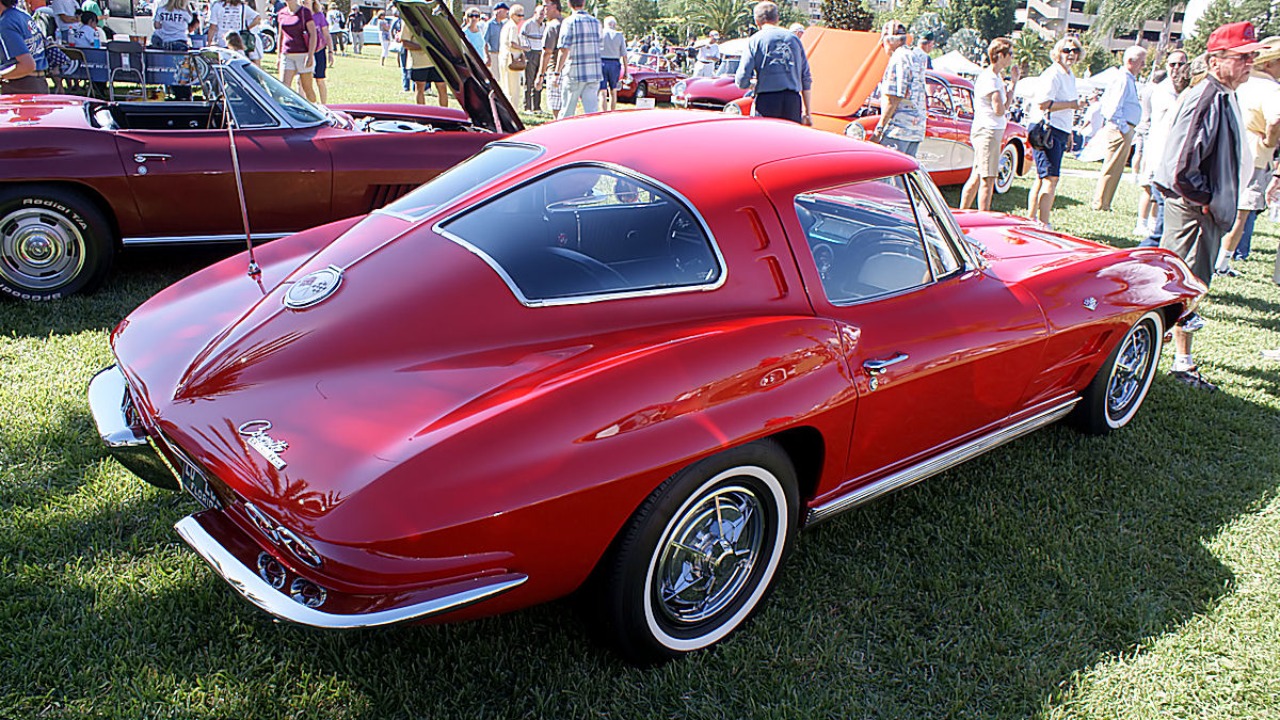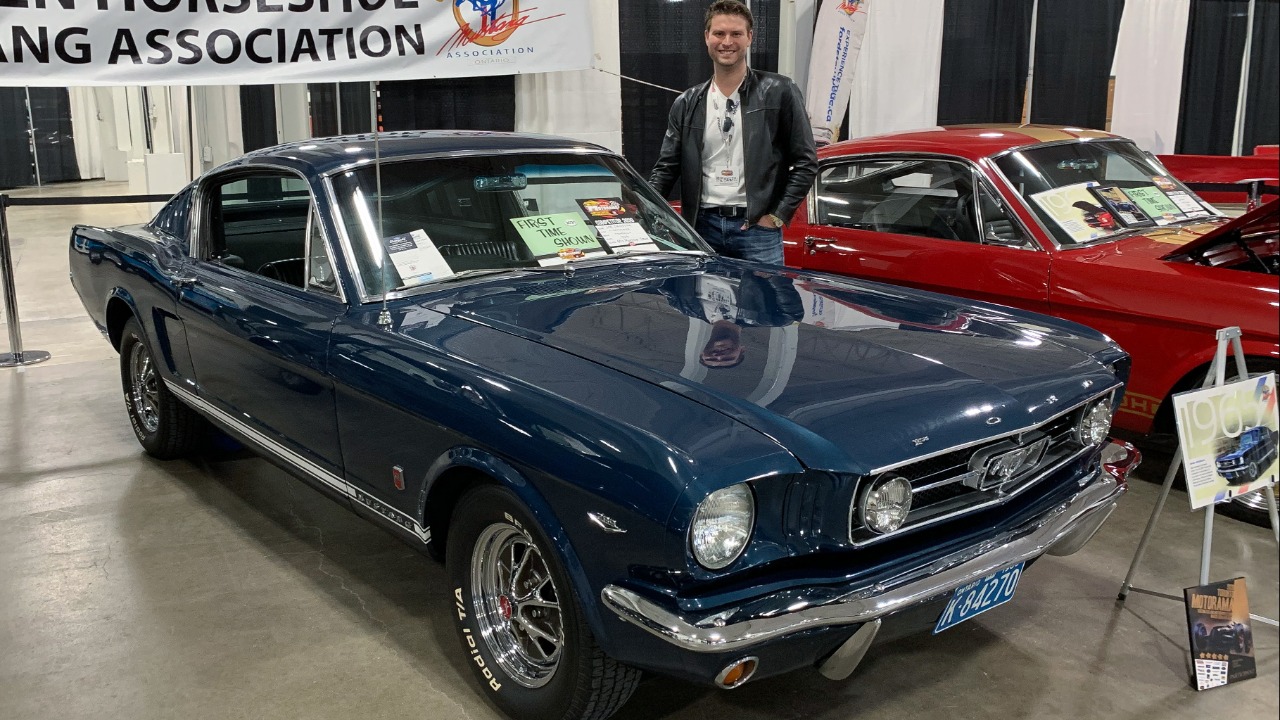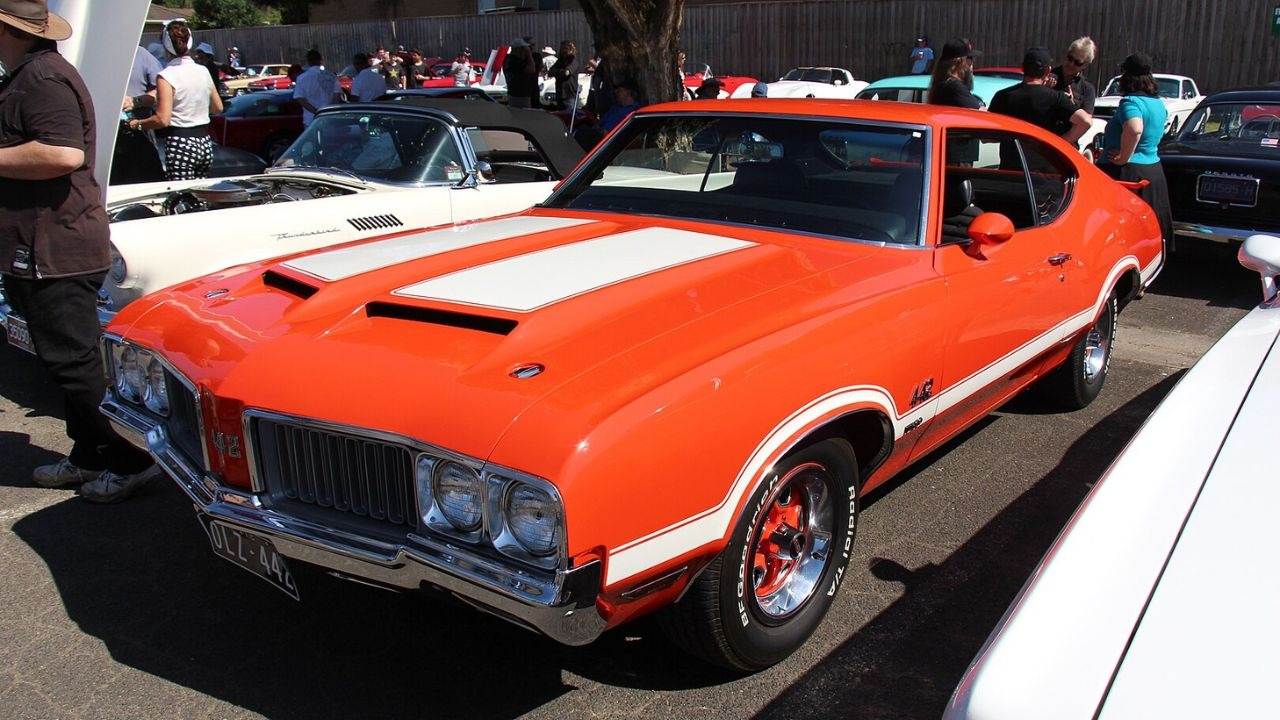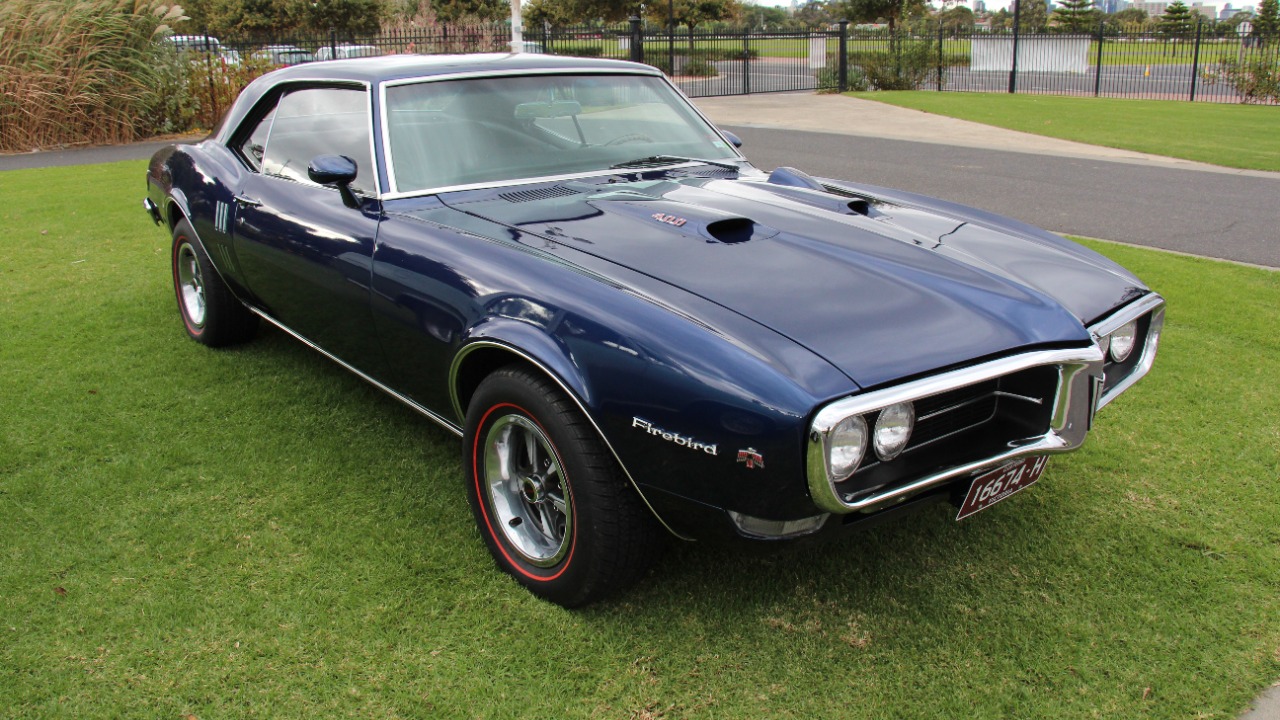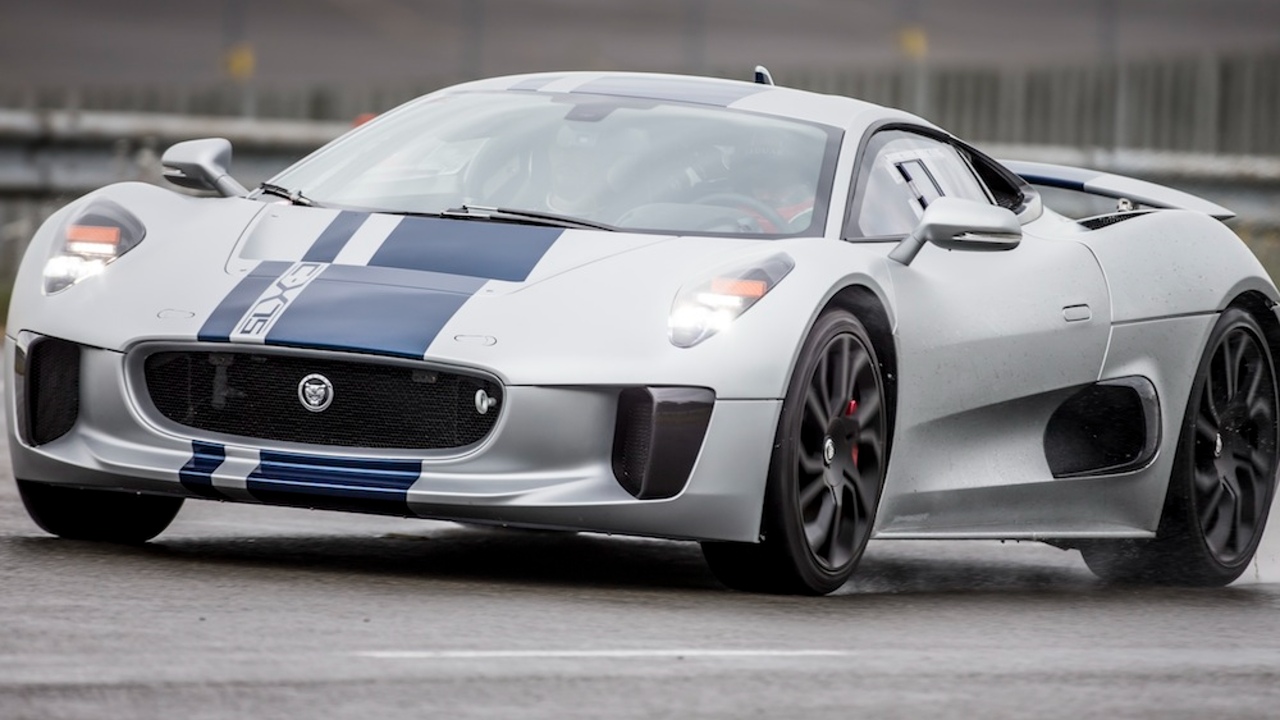
The world of concept sports cars is filled with innovative designs and groundbreaking technology that often leave car enthusiasts longing for more. These remarkable vehicles push the boundaries of automotive engineering, showcasing what could be possible if they were ever brought to life. Here are ten concept sports cars that captured our imaginations and should have made it to the production line.
Lamborghini Asterion LPI 910-4
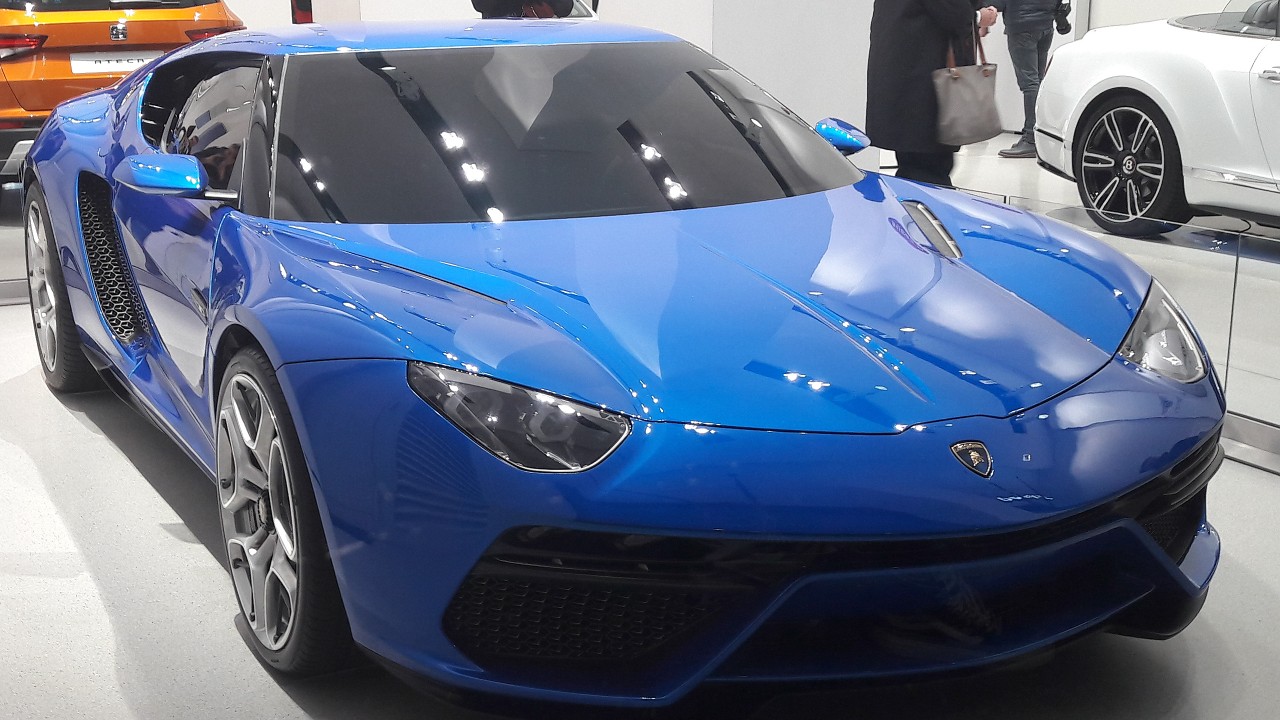
Unveiled at the 2014 Paris Motor Show, the Lamborghini Asterion LPI 910-4 was a hybrid concept that combined incredible power with eco-friendly technology. This plug-in hybrid featured a 5.2-liter V10 engine paired with three electric motors, producing a combined 910 horsepower. Its design was a departure from typical Lamborghini aesthetics, focusing on a more refined, grand touring experience.
The Asterion was a bold statement from Lamborghini, highlighting the potential for high-performance hybrids in their lineup. Despite its promise, the Asterion was never intended for production, leaving us to wonder what might have been if this concept had hit the road.
BMW Vision M Next
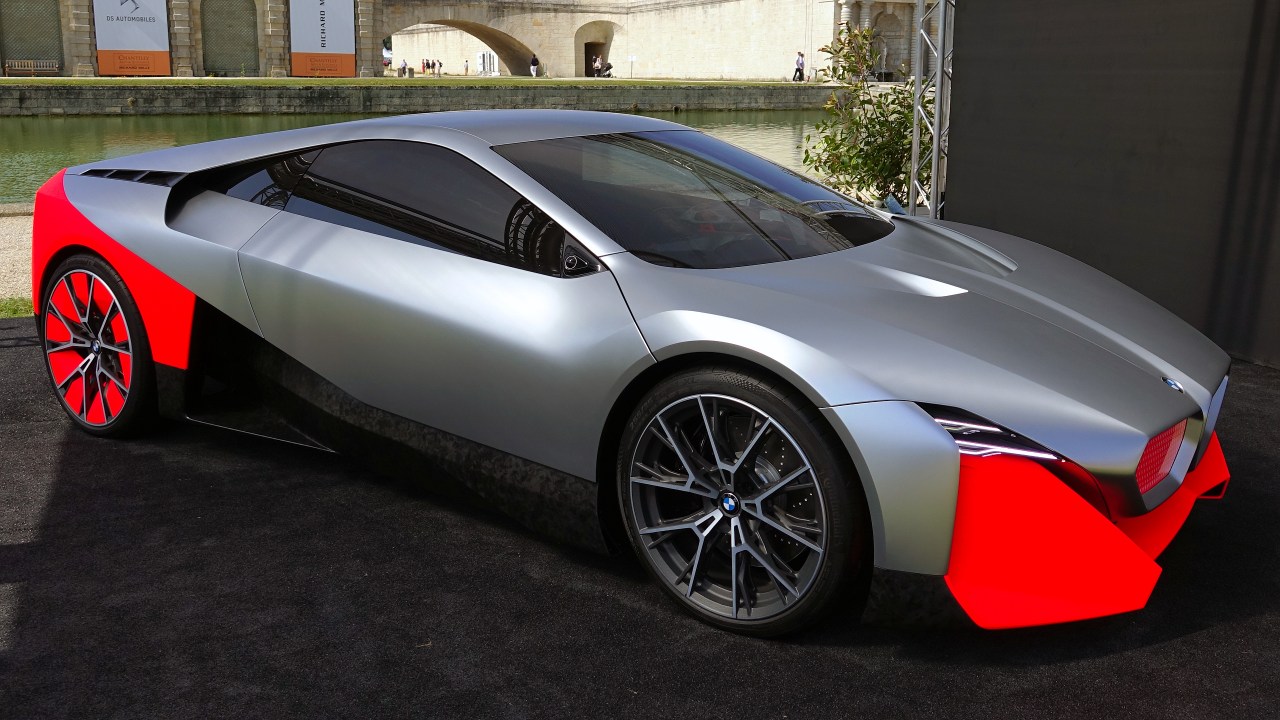
The BMW Vision M Next, revealed in 2019, was a futuristic sports car concept designed to showcase the brand’s vision of the ultimate driving machine. With a 600-horsepower plug-in hybrid powertrain, it promised a 0 to 60 mph time of just three seconds. Its angular design and advanced technology, including facial recognition and augmented reality displays, set it apart from anything else on the market.
BMW aimed to combine the thrill of driving with cutting-edge technology in the Vision M Next. Unfortunately, the concept remained just that—a concept—leaving fans to dream of the day it might become a reality.
Mazda Furai
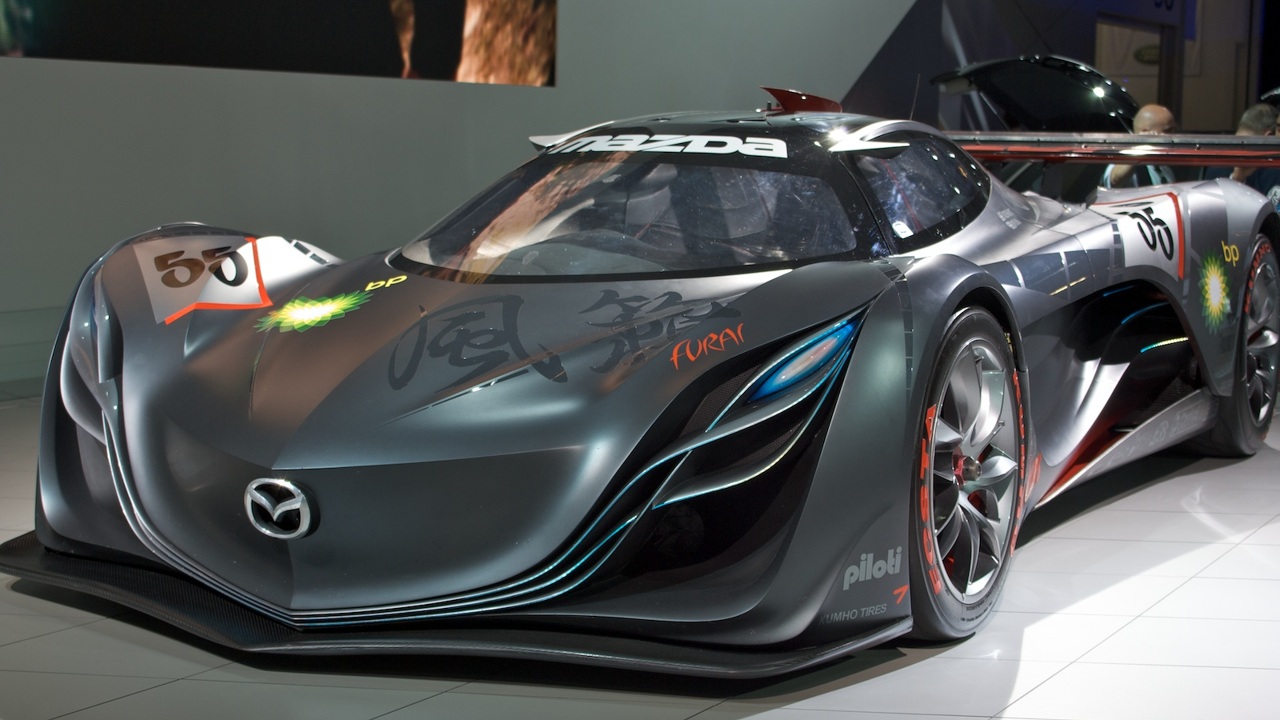
The Mazda Furai, unveiled in 2008, was a bold and aggressive concept that captured the spirit of Mazda’s “Zoom-Zoom” philosophy. Powered by a 450-horsepower rotary engine, the Furai was built on a Courage C65 Le Mans prototype chassis, making it a true racing machine. Its striking aerodynamic design and lightweight construction made it stand out as a potential game-changer.
Tragically, the Furai met an untimely end when it caught fire during testing. Despite this setback, the Furai remains one of the most exciting and innovative concepts in Mazda’s history, leaving enthusiasts yearning for what could have been.
Aston Martin Vanquish Vision
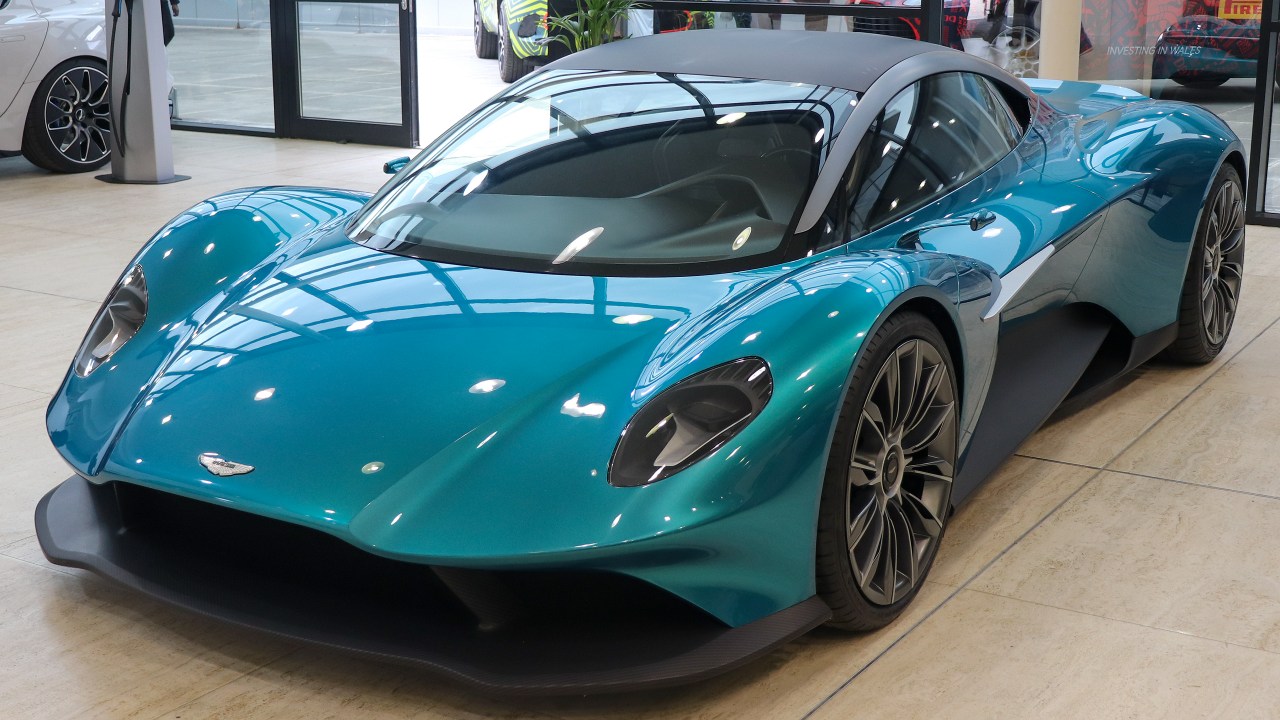
The Aston Martin Vanquish Vision Concept was introduced at the 2019 Geneva Motor Show, promising to bring mid-engine performance to the iconic British brand. With a focus on lightweight construction and a powerful V6 engine, the Vanquish Vision aimed to compete with the likes of Ferrari and McLaren.
The elegant design and innovative engineering of the Vanquish Vision showcased Aston Martin’s commitment to pushing the envelope in the supercar segment. However, production plans for the Vanquish Vision were eventually shelved, leaving a gap in the market for a mid-engine Aston Martin.
Nissan IDX Freeflow
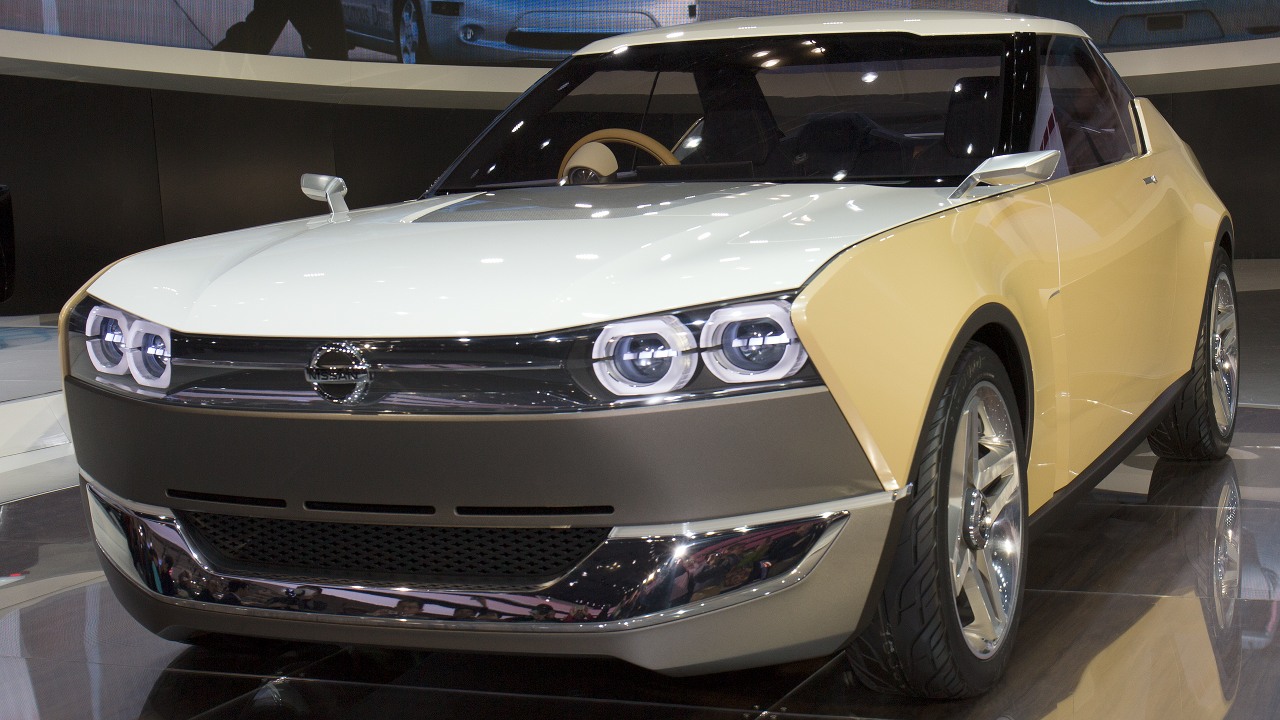
The Nissan IDX Freeflow, presented in 2013, was a retro-inspired concept that paid homage to the beloved Datsun 510. With its boxy design and compact size, the IDX Freeflow was aimed at younger drivers seeking an affordable yet stylish sports car. It featured a customizable interior and a choice of efficient engines, making it a practical yet fun option.
Despite its potential to capture the hearts of driving enthusiasts, the IDX Freeflow never made it to production. It remains a reminder of Nissan’s ability to blend nostalgia with modern design in a way that resonates with car lovers.
Jaguar C-X75
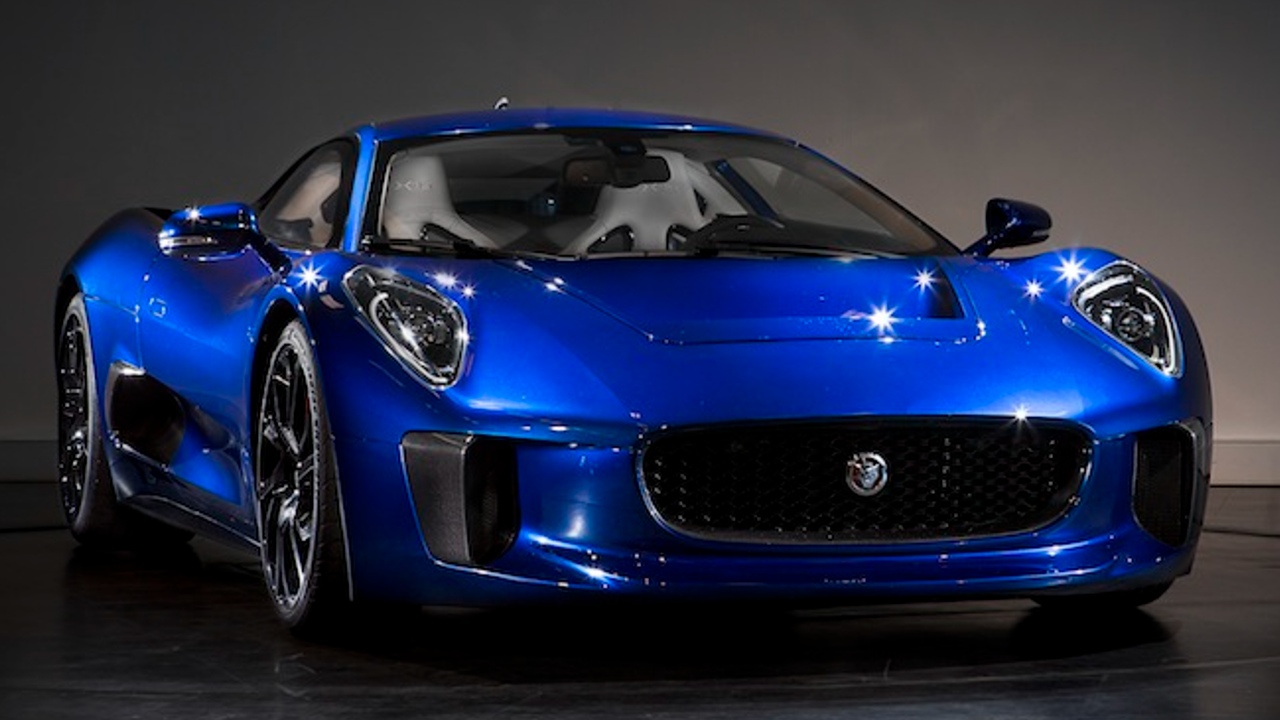
The Jaguar C-X75, unveiled in 2010, was a hybrid supercar concept that combined stunning design with cutting-edge technology. Powered by four electric motors and a micro gas turbine engine, the C-X75 promised blistering performance with minimal environmental impact. Its sleek, aerodynamic lines and luxurious interior captured the essence of Jaguar’s design philosophy.
Initially slated for production, the C-X75 was ultimately canceled due to economic factors. Still, this concept remains a testament to Jaguar’s ambition and innovation in the realm of high-performance vehicles.
Peugeot Onyx
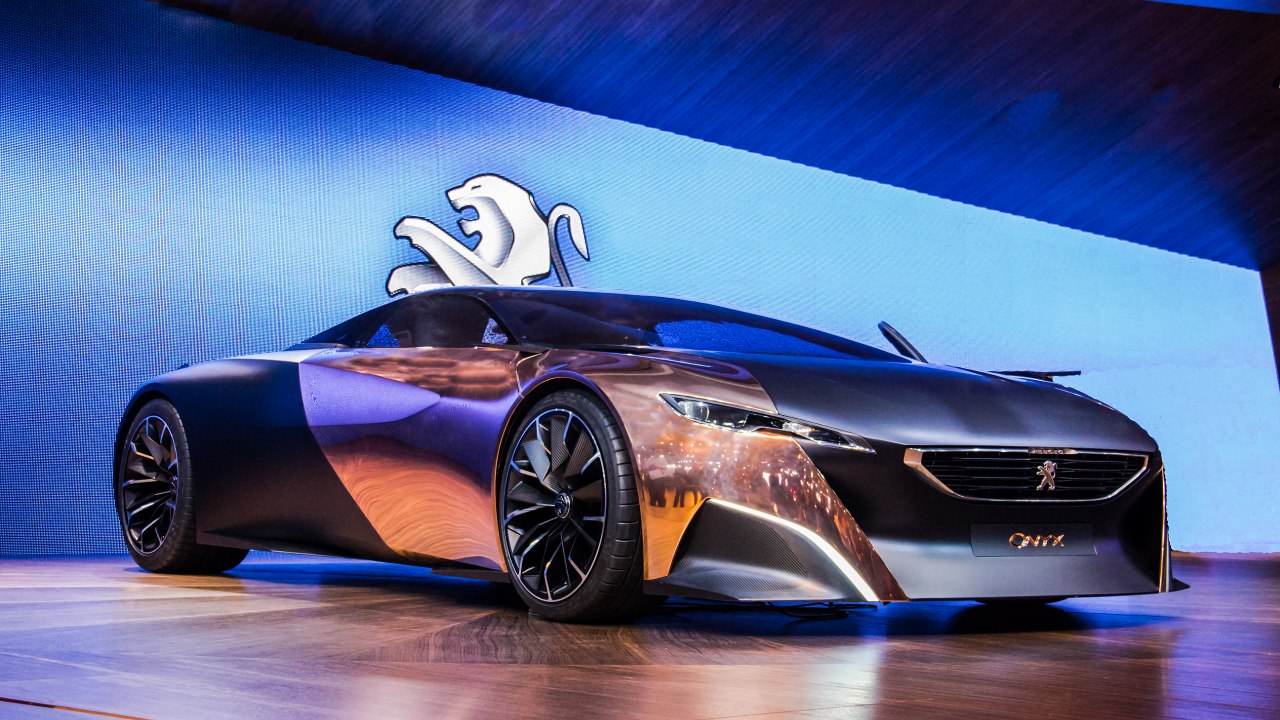
The Peugeot Onyx, revealed at the 2012 Paris Motor Show, was a striking concept that showcased Peugeot’s vision for the future of supercars. With a 600-horsepower hybrid powertrain and a body made from carbon fiber and copper, the Onyx was both powerful and environmentally conscious. Its avant-garde design and unique materials set it apart from traditional supercar concepts.
The Onyx was praised for its innovative approach to design and performance, but it never progressed beyond the concept stage. It remains an example of Peugeot’s potential to produce a world-class supercar.
Audi Quattro Concept
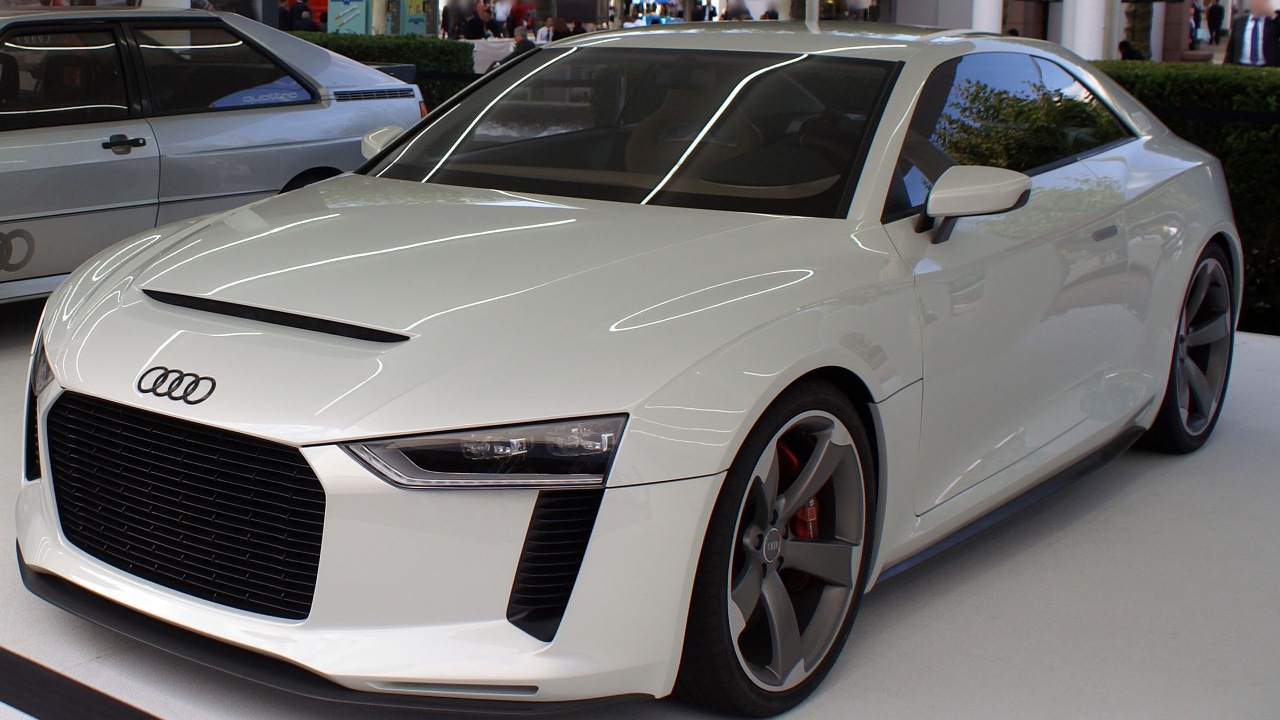
The Audi Quattro Concept, introduced in 2010, was a modern reinterpretation of the iconic 1980s rally car. With a turbocharged 2.5-liter five-cylinder engine producing 408 horsepower, the Quattro Concept combined performance with practicality. Its aggressive styling and advanced all-wheel-drive system paid homage to Audi’s motorsport heritage.
Enthusiasts eagerly awaited a production model, but the Quattro Concept never made it past the prototype stage. It remains a missed opportunity for Audi to capitalize on its rallying legacy with a contemporary twist.
Subaru Viziv Performance STI
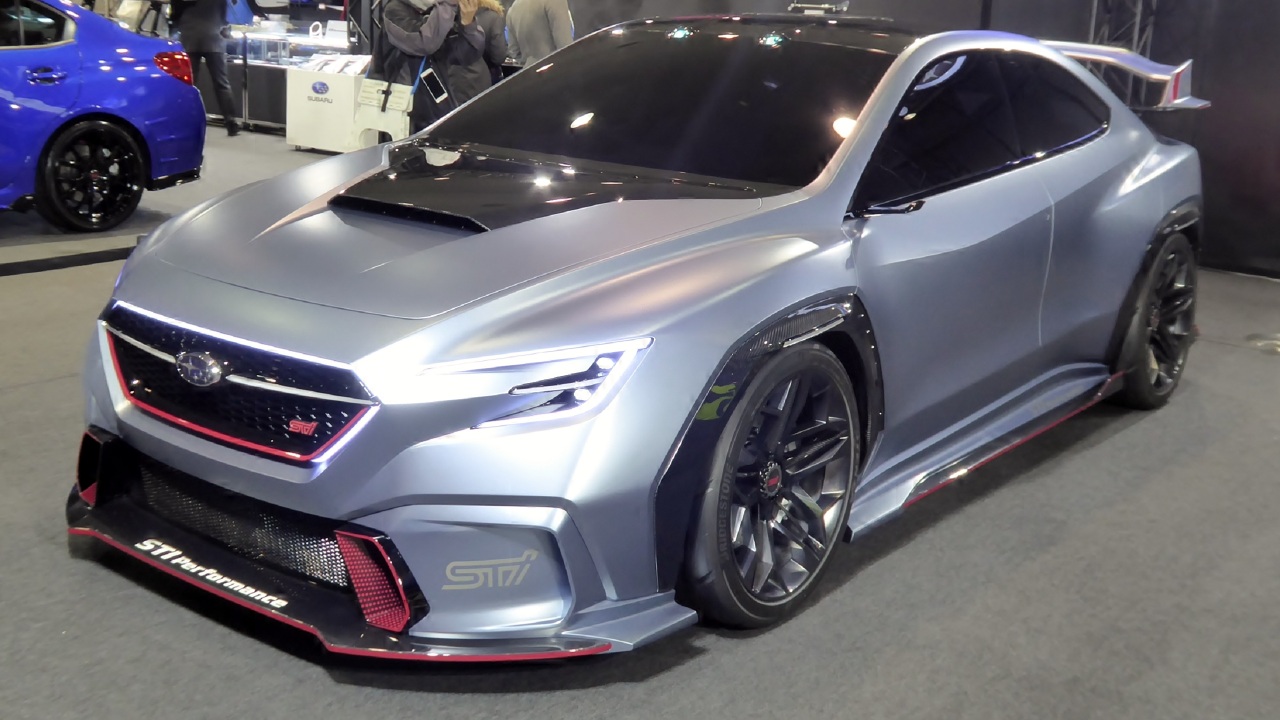
The Subaru Viziv Performance STI, unveiled in 2018, was a concept that teased the next generation of Subaru’s performance lineup. With its aggressive styling, large rear wing, and powerful turbocharged engine, the Viziv Performance STI embodied the spirit of Subaru’s rally-bred heritage. The concept promised improved performance and handling, appealing to driving enthusiasts worldwide.
Despite its potential, the Viziv Performance STI never transitioned into a production model. Subaru fans continue to hope for a vehicle that captures the excitement and performance suggested by this concept.
Alfa Romeo Pandion
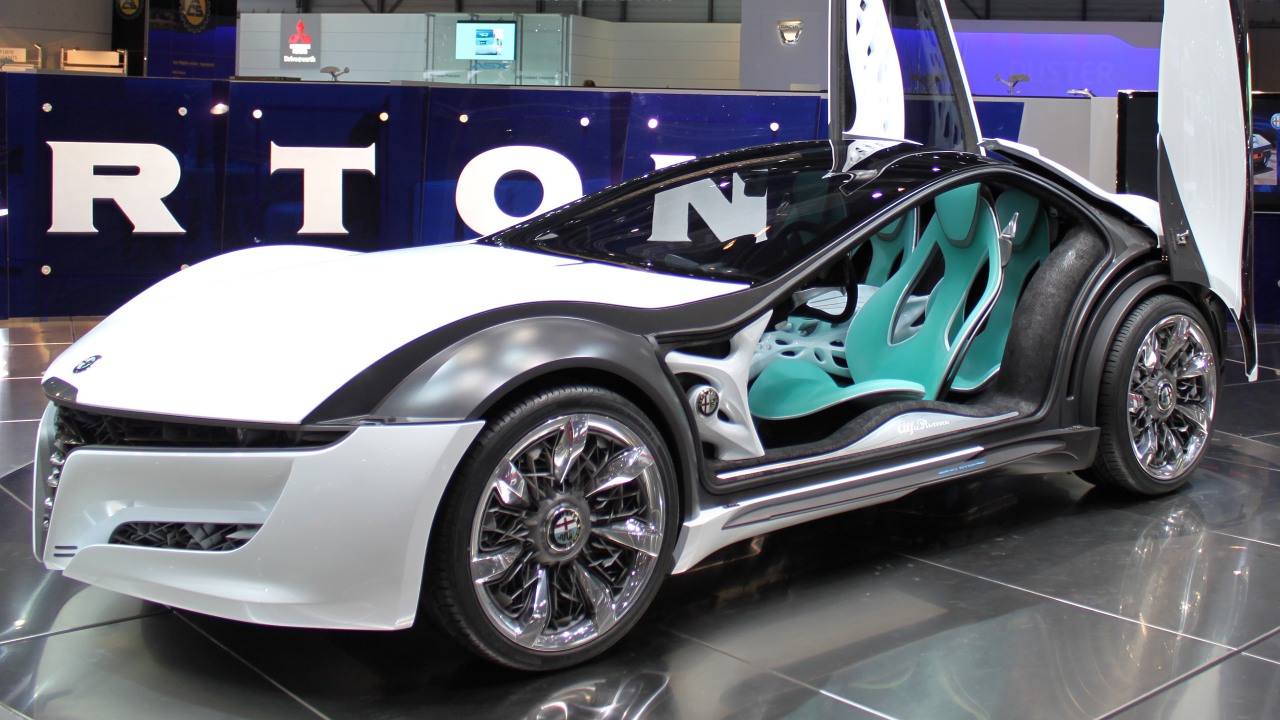
Unveiled in 2010, the Alfa Romeo Pandion was a breathtaking concept car designed to celebrate the brand’s centenary. Created by the renowned design house Bertone, the Pandion featured a 4.7-liter V8 engine and a futuristic design that included dramatic scissor doors and a flowing, organic body shape. Its innovative design elements were a nod to Alfa Romeo’s storied history and commitment to style.
The Pandion captivated audiences with its striking appearance, but it remained a concept without plans for production. Alfa Romeo enthusiasts continue to admire the Pandion for its bold vision and unique design, longing for a day when such a revolutionary vehicle could be realized.
Like Fast Lane Only’s content? Be sure to follow us.
Here’s more from us:
*Created with AI assistance and editor review.