Not every museum-worthy car has a million-dollar price tag or a race pedigree. Some rides earn their place in history just by being weird, ahead of their time, or flat-out unforgettable. Whether it’s a wild design that turned heads for all the wrong reasons or a performance machine that flew under the radar, these cars have serious curb appeal—and a backstory to match. You won’t find all of them in glossy brochures or Hollywood blockbusters, but they’ve earned a spot under the museum lights for one reason or another. Here’s a lineup of cars that deserve more respect—and way more attention.
Fiat Multipla

Say what you want about the looks—but the Fiat Multipla didn’t care about your opinion. It was weird, functional, and decades ahead in practicality. The bulbous nose and tall greenhouse weren’t just for shock value—they made space for two rows of three seats, which was unheard of in a compact MPV.
Open the door, and it’s like sitting in a fishbowl with great visibility, loads of headroom, and smart interior packaging. These things were made for functionality, not fashion shows—but ironically, that’s what makes them cool today. Try finding one in good shape now—they’ve become unicorns.
Toyota 2000GT

The 2000GT didn’t just put Japan on the sports car map—it slammed it down like a winning hand. Toyota’s sleek coupe looked like it belonged in Monaco, not Tokyo. It was low-slung, stylish, and backed by a rev-happy inline-six that gave the Porsche 911 a run for its money.
With only 351 ever made, spotting one in the wild is like seeing a shooting star. It’s no surprise they command seven figures today. If any car deserves museum treatment, it’s this one—just for the influence it had on Japan’s entire car culture.
Audi A2

The Audi A2 didn’t get much love in its day, but looking back, it was way ahead of the curve. It was built almost entirely out of aluminum to keep weight down, and some models weighed under 2,000 pounds. That made them ridiculously fuel-efficient for their time.
Under the hood, you had tiny gas and diesel engines, but the real magic was in the design. The A2 was an eco-car before “eco” became trendy. It didn’t sell well, mostly because Audi priced it high—but it’s exactly the kind of oddball that belongs in a design museum.
Hyundai Ioniq 5

The Hyundai Ioniq 5 is the kind of car that makes people stop and ask, “What is that?” With its sharp creases, pixel-style headlights, and retro-futuristic stance, it’s like an ’80s sci-fi movie brought to life. But don’t let the looks fool you—it’s got real performance.
Depending on the trim, it can push up to 320 horsepower and over 300 miles of range. And it’s reasonably priced. The Ioniq 5 is proof that EVs don’t have to be boring or overly futuristic—they can be cool, stylish, and approachable all at once.
Renault Avantime

The Renault Avantime was part minivan, part coupe, and all attitude. No B-pillars, huge glass areas, and those crazy double-hinged doors—it looked like something out of a concept car catalog. But it wasn’t just for show; the Avantime was a proper grand tourer.
Too bad it never found a market. Renault pulled the plug after just 8,577 units, and most people didn’t even know it existed. But that’s what makes it cool now—it was different, it was daring, and in hindsight, it was a brilliant idea that just didn’t catch on at the time.
Aston Martin Lagonda

The Aston Martin Lagonda wasn’t just a car—it was a rolling spaceship in the ’70s and ’80s. It had a wedge-shaped body that looked like it had been sketched with a ruler and a digital dash that was borderline sci-fi back then.
Underneath all that flash was a 5.3-liter V8 making about 280 horsepower—not exactly slow for its time. But the interior electronics were so ahead of their time that they often failed. Still, the Lagonda is unforgettable, and that’s exactly why it deserves a spot in a museum. You won’t forget it, even if you’ve only seen it once.
Aston Martin DB9

The DB9 is one of those cars that aged like fine whiskey. Launched in 2004, it had everything you wanted in a modern grand tourer: a long hood, a low roofline, and a naturally aspirated 5.9-liter V12 that made all the right sounds.
It was elegant, fast, and built with just enough analog soul before things went too digital. The DB9 also cemented Aston Martin’s design language for years to come. This car didn’t scream for attention—it just knew it had it. That kind of cool belongs on a pedestal.
Lada Riva

Not all museum cars have to be exotic. The Lada Riva was awful—so awful, it became iconic. Built on a Fiat 124 platform from the ’60s, the Riva was still being produced in 2010. It was crude, boxy, and built with all the charm of a Soviet washing machine—but it was cheap and unkillable.
It became a cultural symbol during the Cold War era. And now, ironically, it’s a cult classic. You don’t need 500 horsepower to earn museum status—sometimes, all it takes is a whole lot of character and a stubborn refusal to go away.
Buick GNX
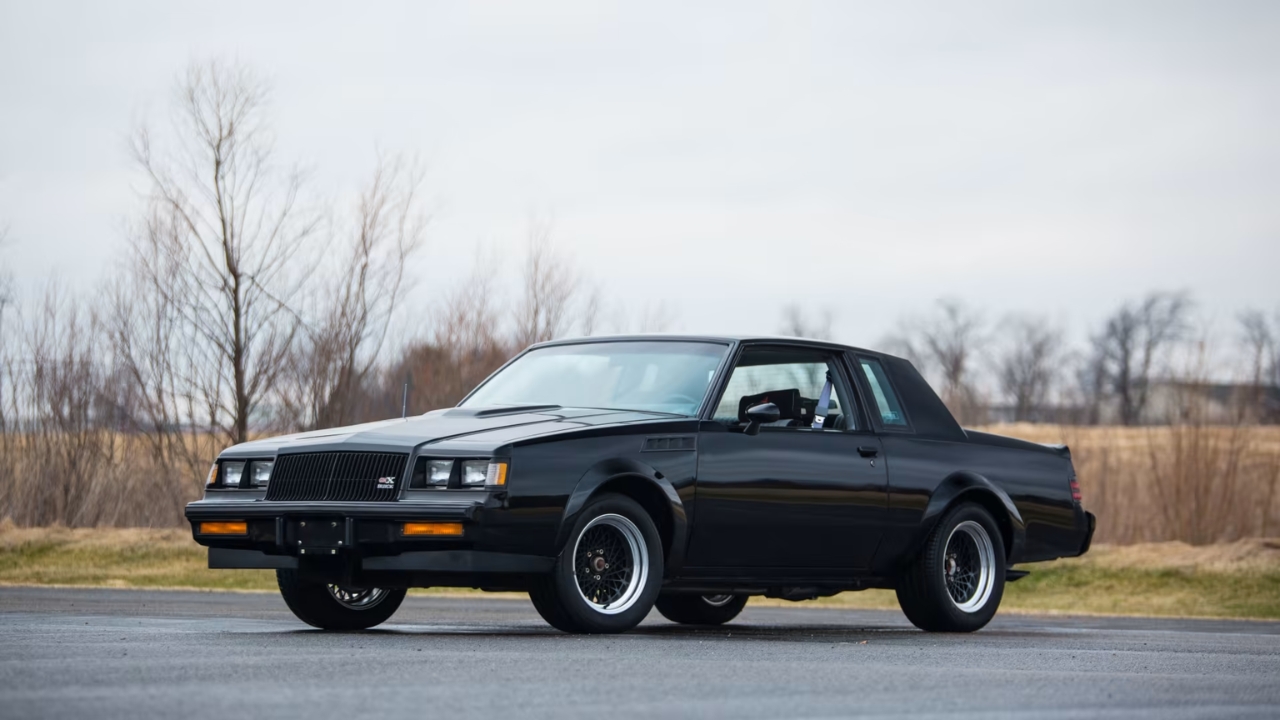
The Buick GNX was Buick’s parting shot in the muscle car world, and it hit hard. In 1987, when most cars were neutered by emissions laws, Buick dropped a turbocharged V6 monster tuned by McLaren. Officially, it made 276 horsepower—but insiders say it was closer to 300-plus.
This thing could smoke Corvettes and Ferraris in a straight line. Only 547 were built, making it a collector’s dream today. It was menacing, low-key, and faster than it had any right to be. GNXs aren’t just cool—they’re street legends.
Lancia 037

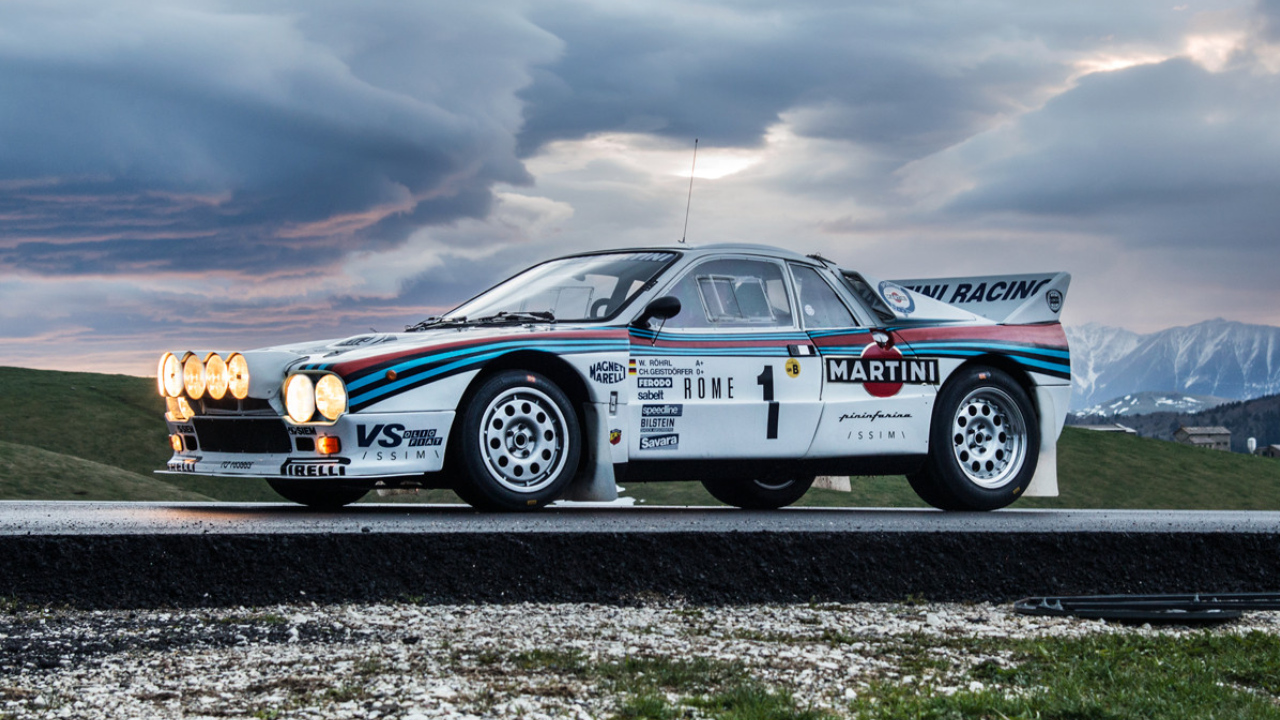
The Lancia 037 wasn’t supposed to win. It was rear-wheel drive, competing against the all-wheel-drive Audi Quattro. But in 1983, it pulled off a miracle and won the World Rally Championship. That alone makes it museum-worthy.
Street versions were built just to meet homologation rules, and they’re rare as hen’s teeth. Powered by a 2.0-liter supercharged four-cylinder, the 037 was all about lightweight construction and razor-sharp handling. It’s one of the last real analog racers—and it deserves to be remembered like one.
*This article was developed with AI-powered tools and has been carefully reviewed by our editors.