
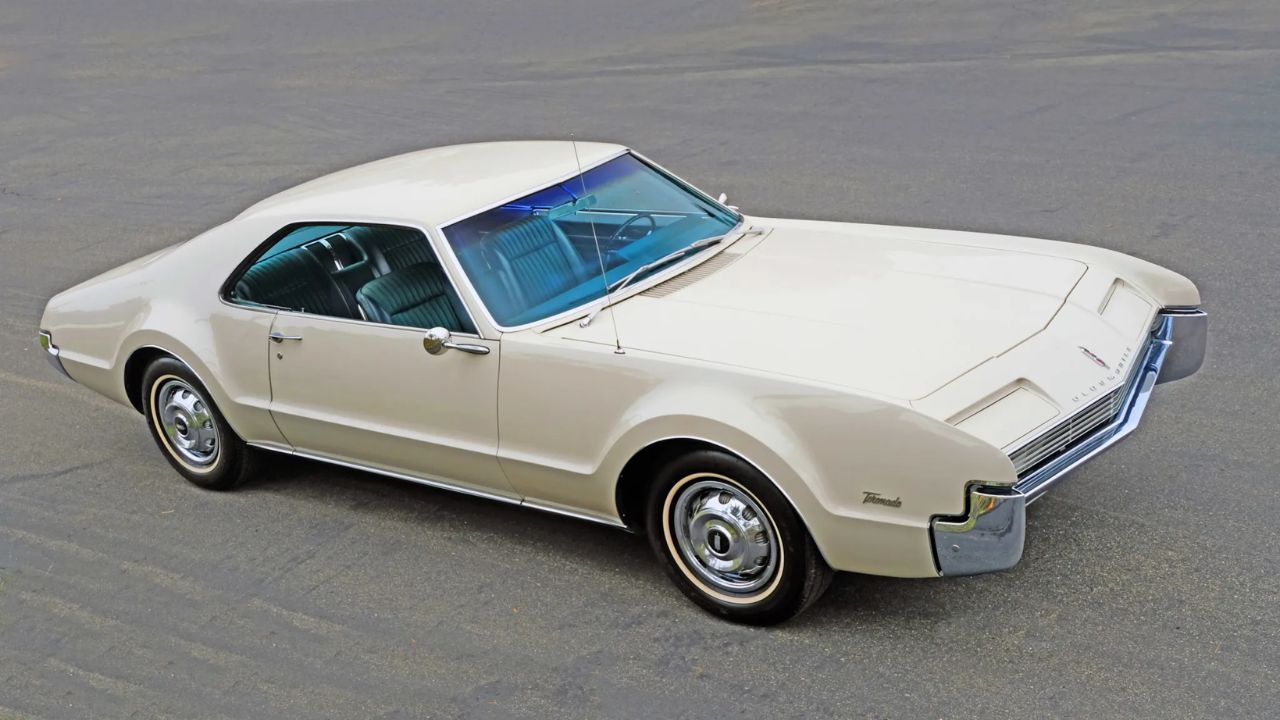
Most people remember the ’60s for rear-wheel drive muscle and chrome-heavy cruisers—but Oldsmobile had something else in mind. The 1966 Toronado was a different kind of American car: front-wheel drive, big-block V8, and a design that looked like it came from the future. It wasn’t built to chase trends—it was built to challenge them.
This article breaks down 10 facts that make the first-year Toronado worth remembering. From engineering gambles that paid off to design cues that still hold up, the ’66 Toronado wasn’t just ahead of its time—it was operating on its own timeline entirely.
Massive Proportions, Muscular Looks
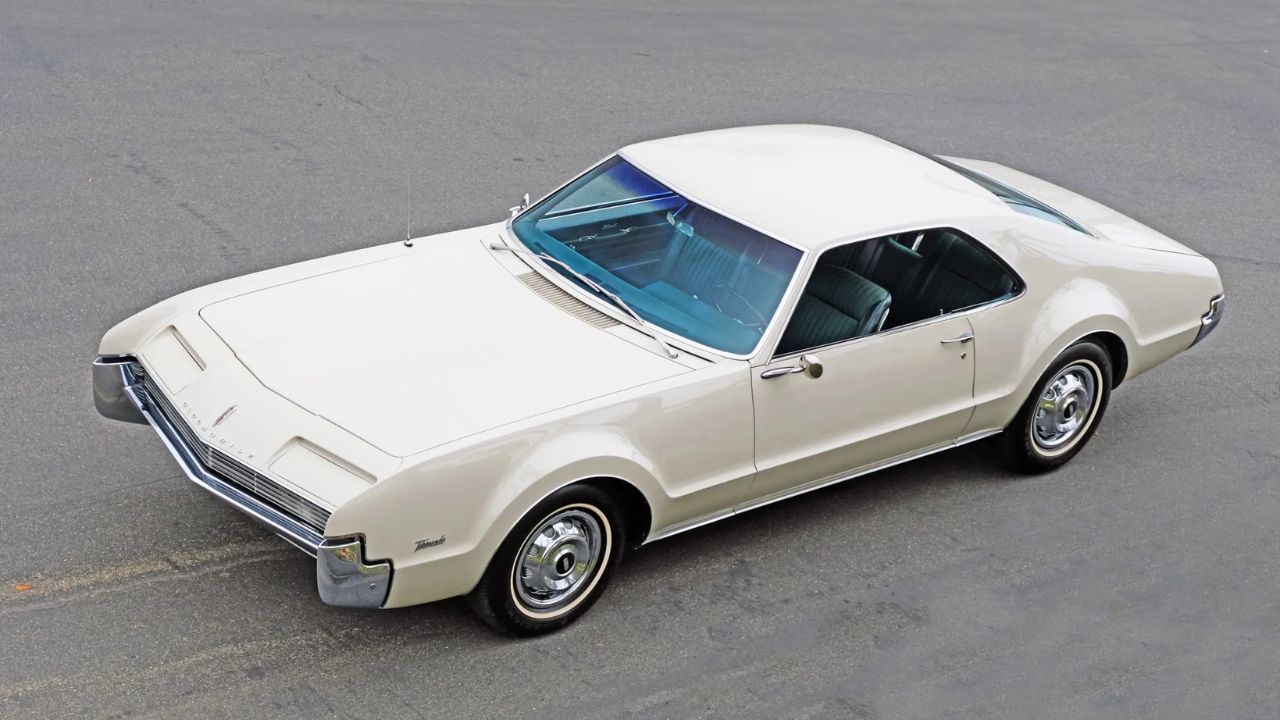
At over 18 feet long and 4,500 pounds, the Toronado was far from compact, but its design masked its size with clean, sculpted lines. The hidden headlamps, long hood, and fastback roof gave it a sense of motion even at a standstill.
GM styling legend Bill Mitchell had a hand in shaping its look, and it shows. The Toronado didn’t chase fads—it introduced a whole new design language. It was aggressive without being flashy, and it wore its width and length like armor, not decoration.
America’s First Front-Wheel Drive V8 Coupe

The 1966 Oldsmobile Toronado broke the mold by pairing a 385-hp 425-cubic-inch Rocket V8 with front-wheel drive—something unheard of in American cars at the time. The layout was inspired by European engineering but delivered with Oldsmobile muscle.
This setup let the Toronado carve out a unique driving experience. It had better traction in bad weather and more interior space thanks to the absence of a transmission tunnel. While GM had to develop a whole new transaxle to make it work, the payoff was a car that felt completely different from anything else on the road.
The Chain Drive Setup Was No Gimmick
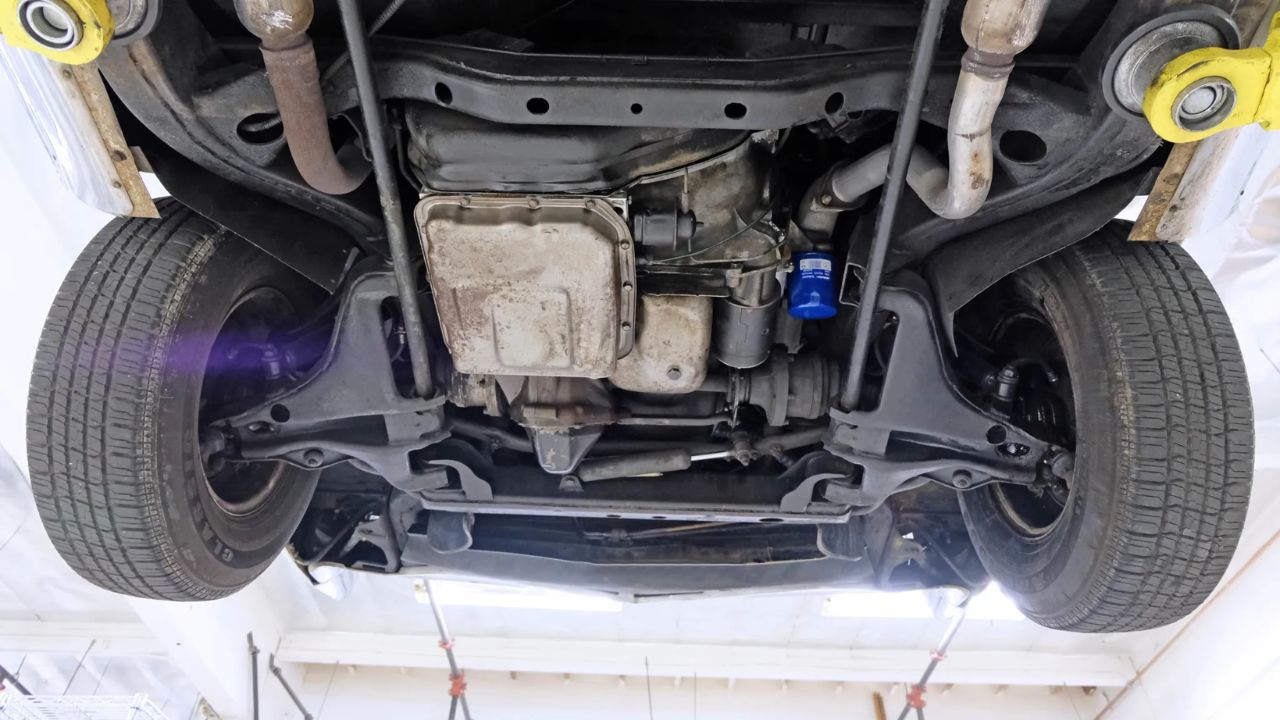
To handle the big-block torque while keeping front-wheel drive, Oldsmobile engineered a unique solution. They used a Hy-Vo silent chain drive to connect the torque converter to the transmission, a design that was both clever and effective.
It wasn’t just slapped together either—this chain drive system was tested for durability and strength well beyond what most production cars saw. Despite its complexity, it worked well in practice, and it made the Toronado a true engineering achievement for GM during an era when most companies played it safe.
Performance That Matched Its Size
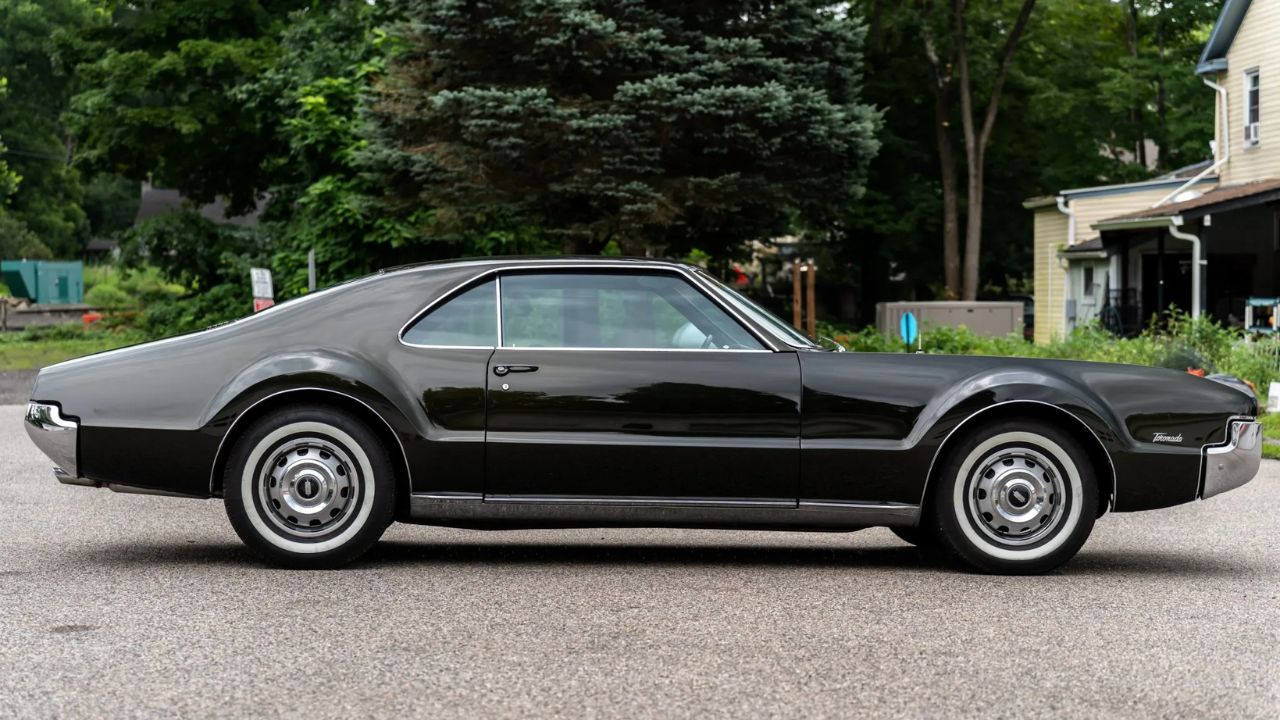
For a car weighing well over two tons, the Toronado could move. The 425 V8 made 385 hp and 475 lb-ft of torque, all going to the front wheels through a three-speed Turbo-Hydramatic transmission. It could hit 60 mph in under 8 seconds—impressive for the era.
What’s more surprising is how well it handled. Thanks to its low center of gravity and tight suspension setup, the Toronado stayed composed in corners and stable at speed. It didn’t just look like a cruiser—it had the power and balance to match the appearance.
Torsion Bar Front Suspension Was Key
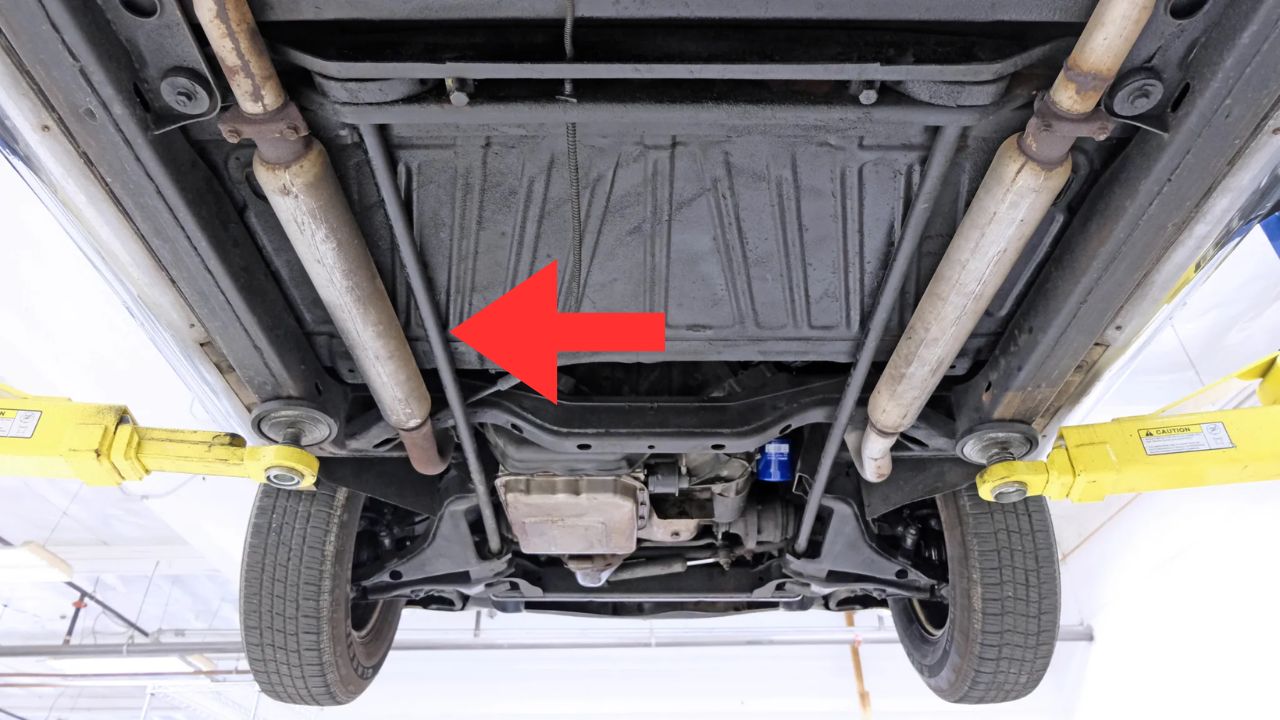
One of the reasons the Toronado didn’t feel like a typical big car was its front suspension. It used torsion bars up front instead of the more common coil springs, giving it a flatter, more predictable ride.
Combined with beefy anti-roll bars and a semi-trailing arm setup in the rear, the car had surprising poise. Steering was power-assisted but still had some weight to it, making the Toronado feel more grounded and in control than most of its peers from the mid-’60s.
Sales Were Strong for a Risky Design
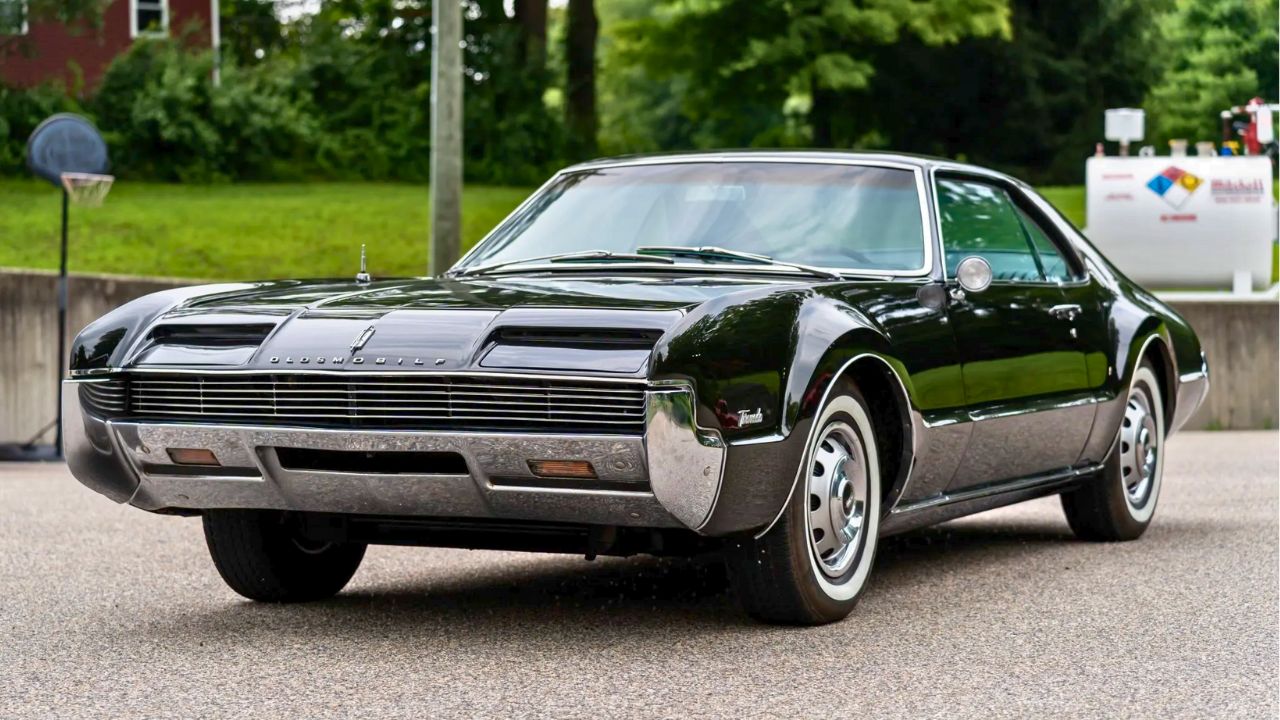
Despite being unconventional, the 1966 Toronado sold well for a specialty car. Oldsmobile moved 40,963 units in the first year—far more than expected for something with front-wheel drive and a luxury GT feel.
The sales proved there was room in the market for a car that didn’t follow the typical rear-drive muscle template. Buyers were drawn to its style and smoothness, and Oldsmobile proved you could sell a car on engineering without watering it down.
It Won Motor Trend’s Car of the Year
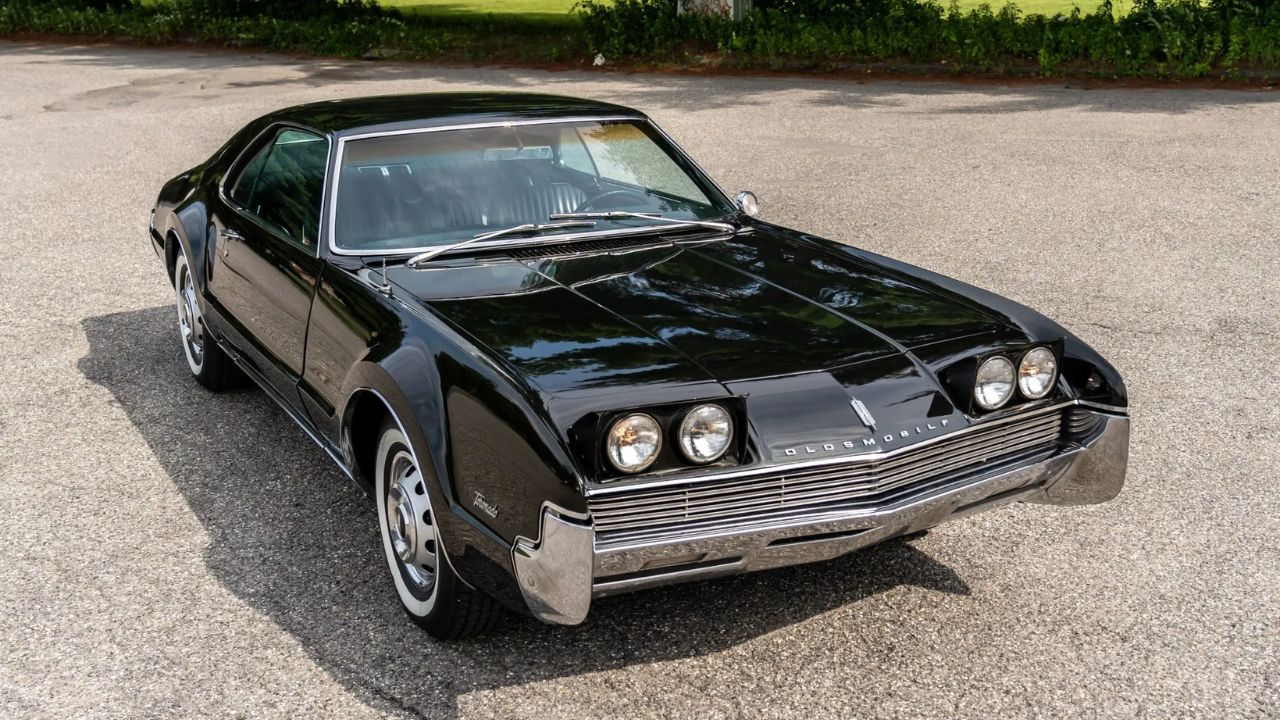
In 1966, the Toronado was named Motor Trend’s Car of the Year, thanks largely to its technical achievements and overall refinement. It wasn’t just about being different—it actually delivered on its promises.
The win gave Oldsmobile a serious credibility boost and helped position the brand as more than just a middle-of-the-pack GM division. It showed that innovation could pay off—and that customers were willing to embrace something new if it was executed right.
Interior Layout Was Wide and Comfortable

The front-wheel drive setup opened up new options inside. With no driveshaft running through the center, the Toronado had a flat floor, making the interior feel roomier than most full-size coupes.
The dashboard was modern for its time, with horizontal speedometers and pushbutton controls. Seats were wide and plush, and the driving position was surprisingly low and sporty. It was a luxury coupe that didn’t feel stuffy—more like a cross-country cruiser built with the driver in mind.
It Helped Pave the Way for Future FWD Cars
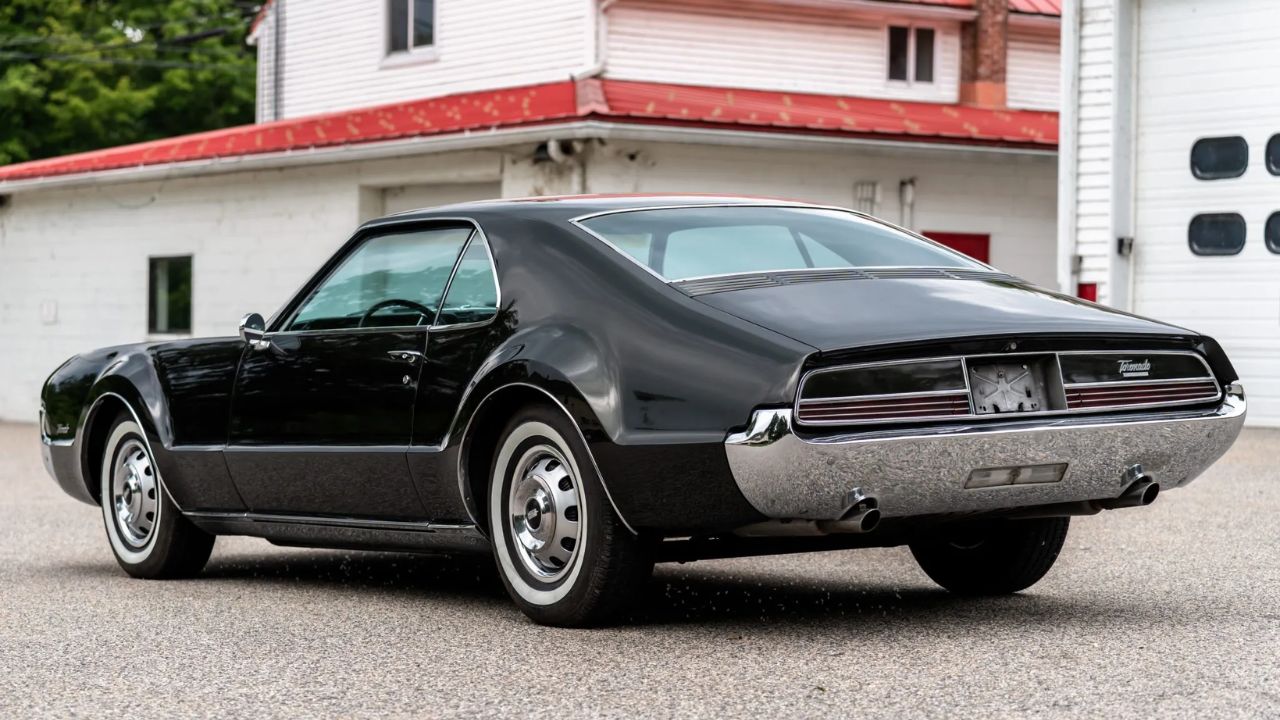
Though it stood alone at first, the Toronado helped GM refine the front-wheel-drive formula that would later show up in cars like the Cadillac Eldorado and eventually become the norm for sedans across the board.
While the muscle car era would still focus on rear-wheel power, the Toronado quietly laid the groundwork for a massive shift in how American cars were designed and packaged in the decades to come. It made FWD feel legitimate, not like a compromise.
A True Collector’s Car Today
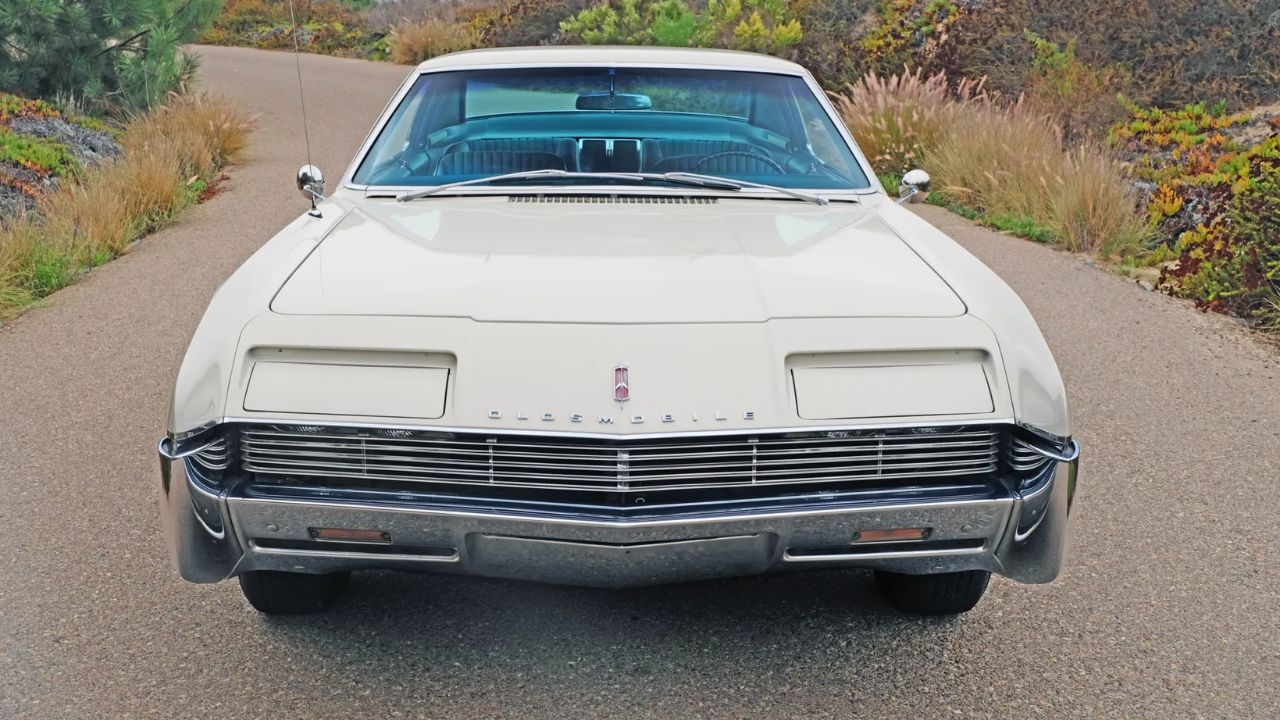
The 1966 Toronado has grown into a respected classic, especially among those who appreciate engineering over hype. It’s still relatively affordable compared to other ’60s icons, but prices are climbing as more people rediscover its significance.
With clean lines, big V8 power, and a technical story worth telling, the Toronado is finally getting the attention it deserves. It may not have had the same flash as a GTO or Mustang, but it delivered something those cars didn’t—forward-thinking performance wrapped in a full-size, road-hungry package.
*Created with AI assistance and editor review.


Leave a Reply