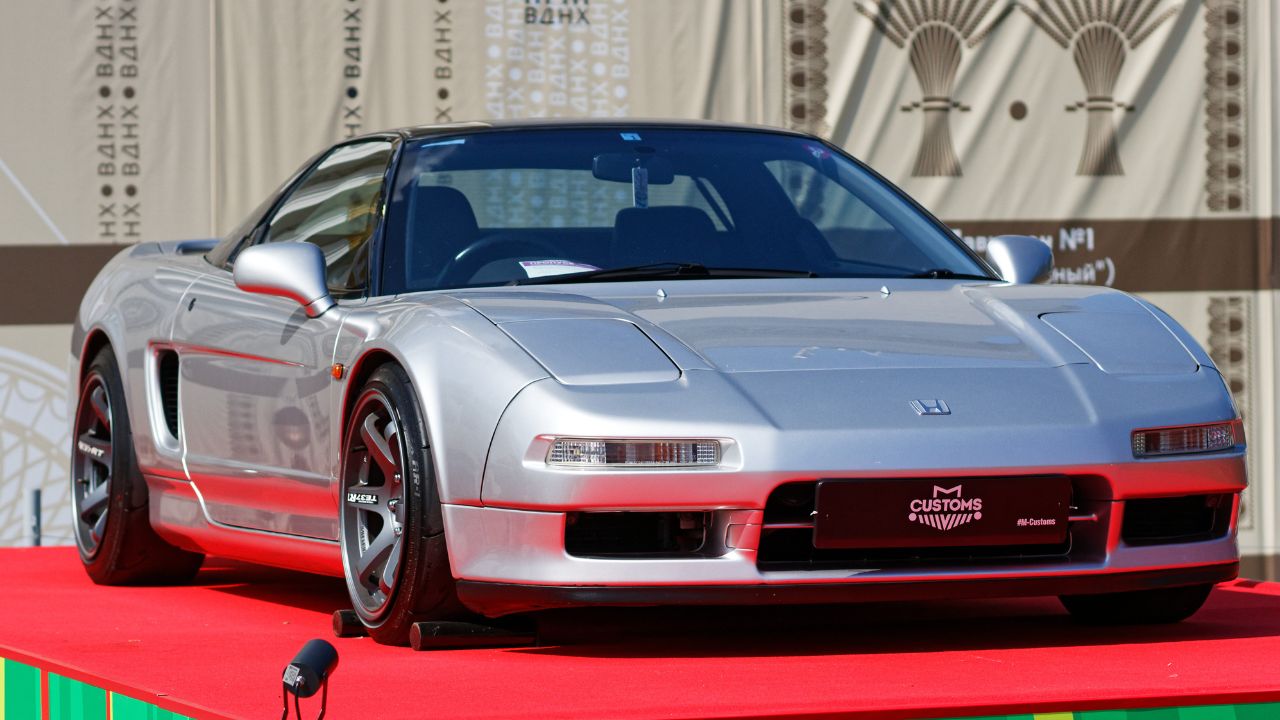
The 1980s and 1990s were a golden era for Japanese automakers, producing some of the most iconic and desirable performance cars. These vehicles not only offered cutting-edge technology for their time but also delivered exhilarating driving experiences that continue to captivate enthusiasts today. Let’s delve into ten standout Japanese cars from this period that are still worth owning.
Toyota Supra MK3
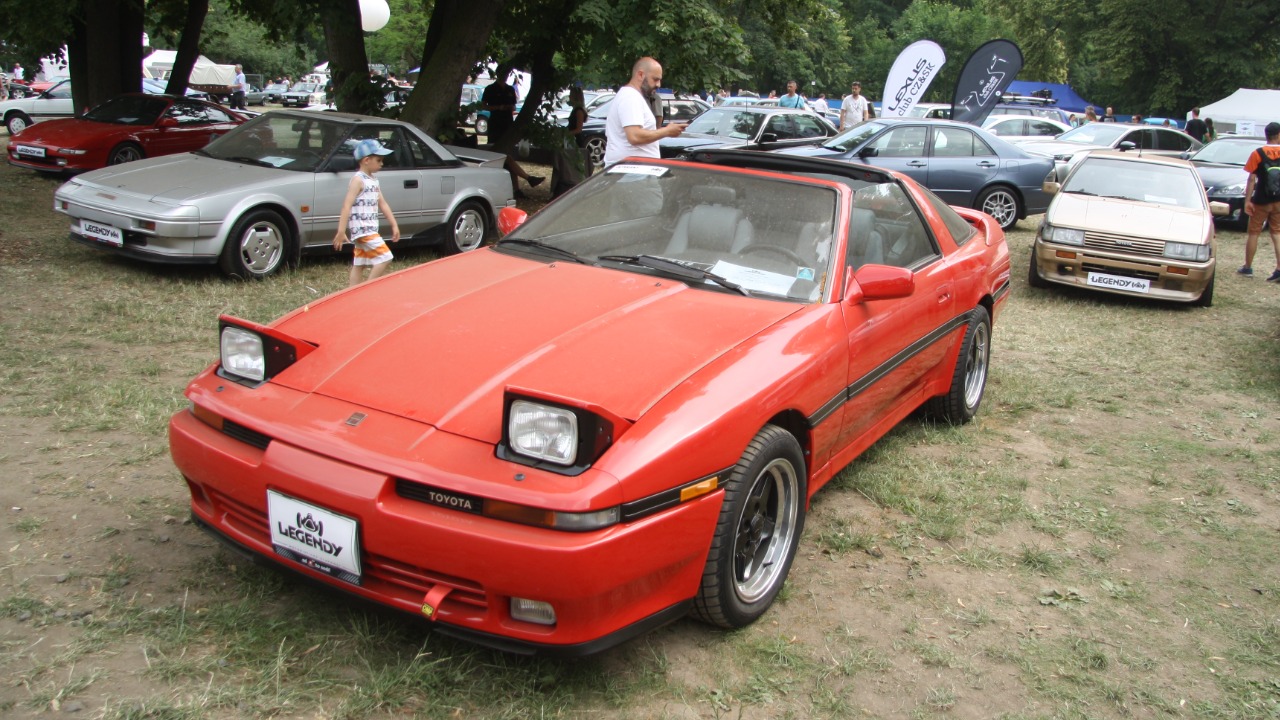
The Toyota Supra MK3, produced from 1986 to 1992, marked its entry into the sports car arena with a distinct combination of power and style. This generation was the first to offer a turbocharged engine, specifically the 3.0-liter 7M-GTE inline-six, which delivered impressive performance for its time. The Supra MK3 was also known for its advanced features, including electronically adjustable suspension and available Targa top.
With its classic design and robust engine, the Supra MK3 remains a favorite among car enthusiasts and collectors. Its potential for modification and tuning makes it a versatile choice for those looking to customize their ride, while still enjoying the essence of a classic Japanese sports car.
Nissan Skyline GT-R R32
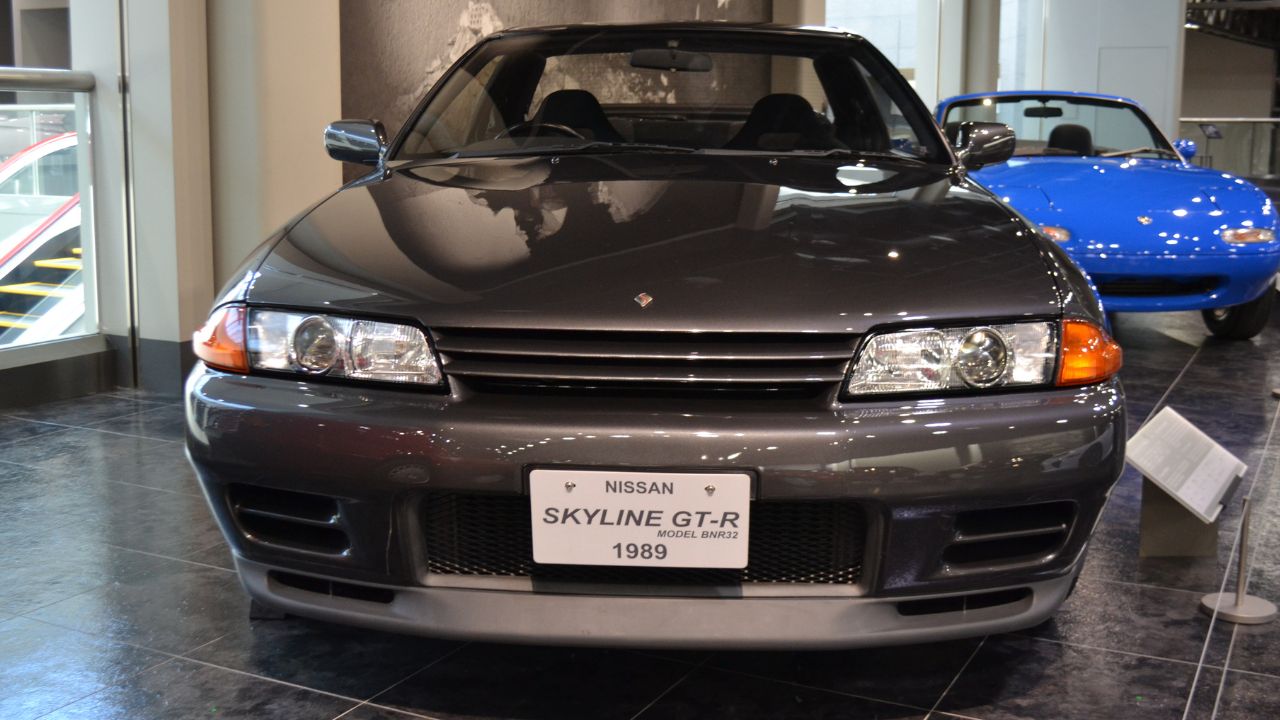
The Nissan Skyline GT-R R32, produced from 1989 to 1994, is a legendary car that earned the nickname “Godzilla” for its dominating performance on the racetrack. Equipped with the ATTESA E-TS all-wheel-drive system and the RB26DETT twin-turbo inline-six engine, the R32 GT-R set new standards for speed and handling.
The R32’s technological advancements made it a force to be reckoned with, both in motorsports and on the streets. Its iconic status is further cemented by its racing pedigree, having achieved numerous victories in the Group A racing series. Today, the R32 GT-R is a highly sought-after vehicle, cherished for its performance capabilities and rich history.
Mazda RX-7 FC
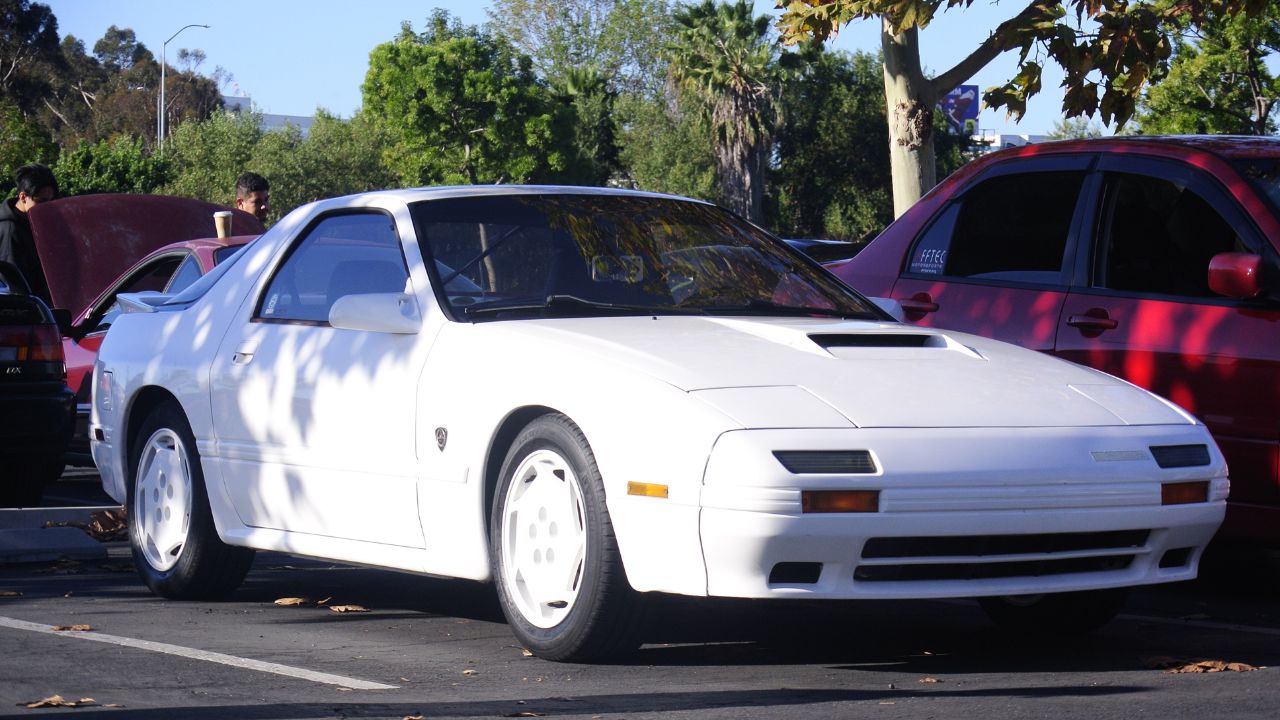
The Mazda RX-7 FC, produced from 1985 to 1992, is renowned for its rotary engine and balanced chassis. The FC model introduced a more refined design compared to its predecessor, featuring pop-up headlights and a sleeker body. The 1.3-liter turbocharged 13B rotary engine offered a unique driving experience with its high-revving nature and smooth power delivery.
This generation of RX-7 was praised for its handling dynamics, thanks to its lightweight construction and rear-wheel-drive layout. The RX-7 FC remains popular among enthusiasts who appreciate the distinct characteristics of a rotary engine and the car’s potential for tuning and modifications.
Honda NSX
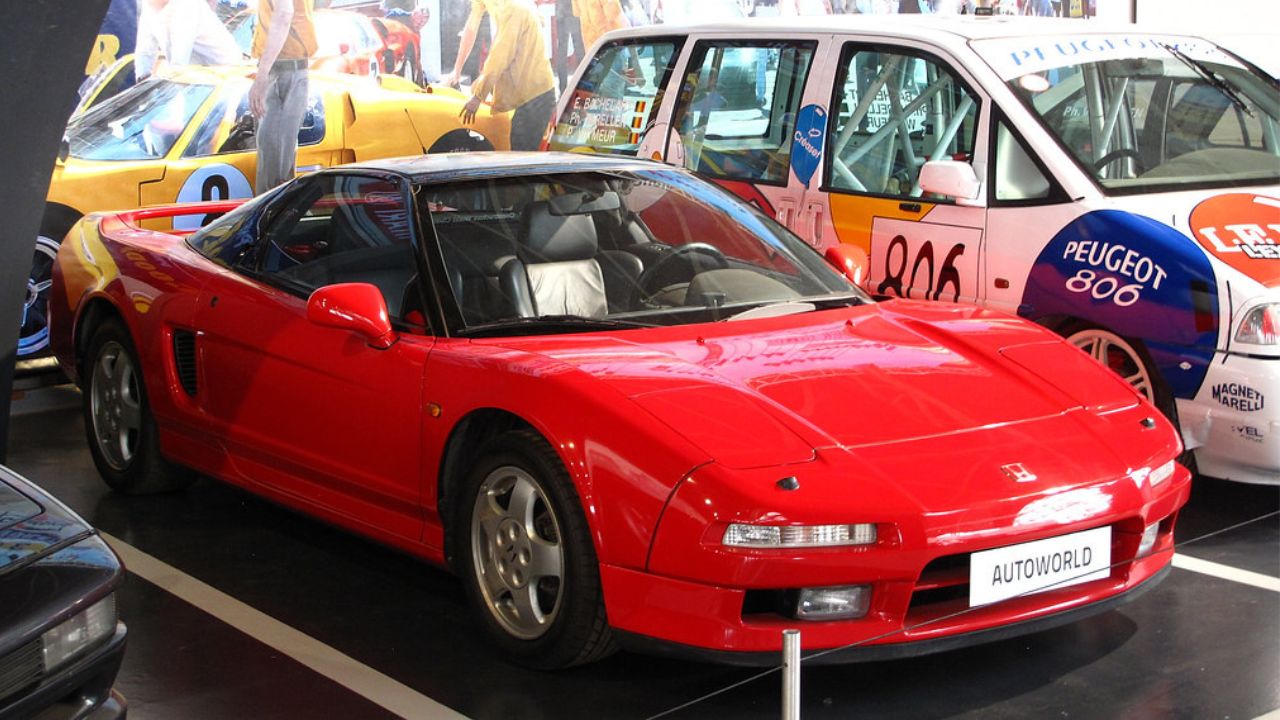
The Honda NSX, introduced in 1990, redefined the supercar segment with its blend of performance and reliability. Developed with input from legendary Formula 1 driver Ayrton Senna, the NSX featured an aluminum chassis and a mid-mounted 3.0-liter V6 engine with VTEC technology. This combination resulted in exceptional handling and impressive acceleration.
The NSX’s user-friendly nature and everyday usability set it apart from its European counterparts. Its groundbreaking design and engineering continue to influence modern sports cars. As a result, the Honda NSX remains a highly desirable collector’s item, representing a milestone in automotive history.
Mitsubishi Lancer Evolution I
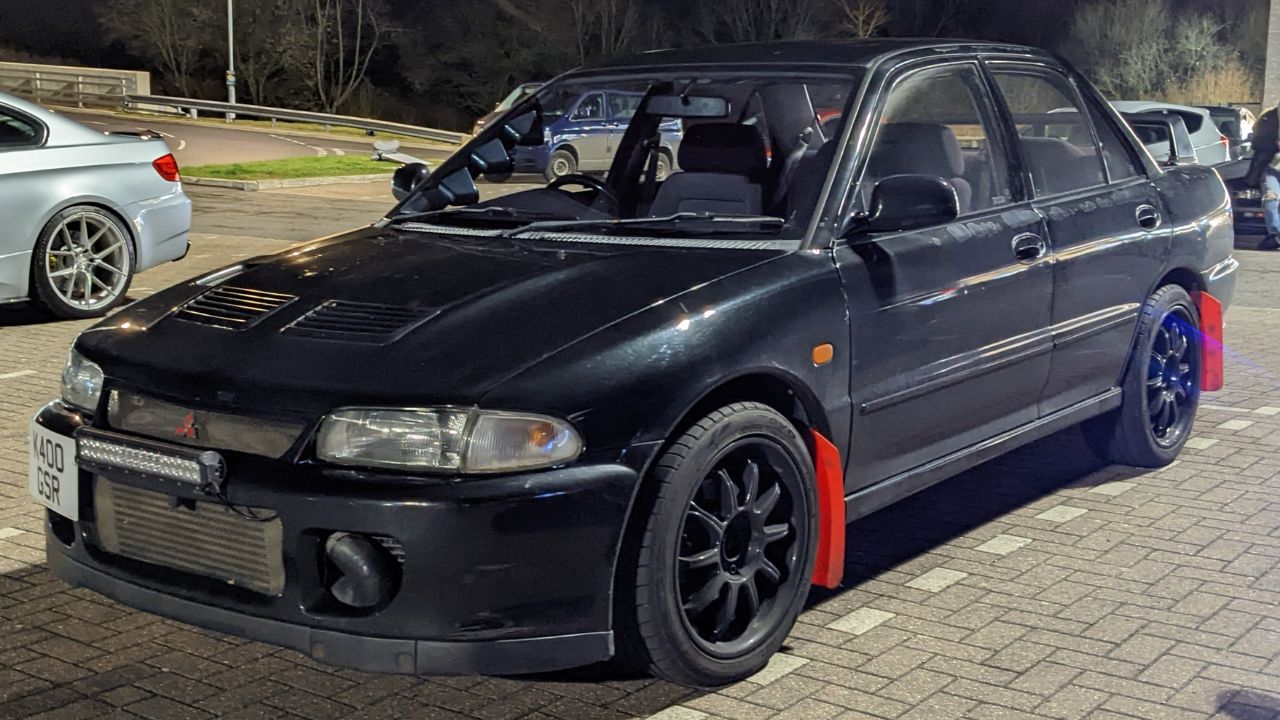
The Mitsubishi Lancer Evolution I, launched in 1992, was the beginning of a rally-inspired dynasty. Powered by a 2.0-liter turbocharged 4G63 engine, this compact sedan delivered an exceptional performance that quickly gained a cult following. The all-wheel-drive system and rally-tuned suspension made it a formidable competitor on and off the track.
While later generations of the Lancer Evolution would gain more fame, the original Evo I holds a special place in automotive history as the model that started it all. Its combination of performance and practicality makes it an attractive option for enthusiasts seeking an iconic rally car experience.
Subaru Impreza WRX STI
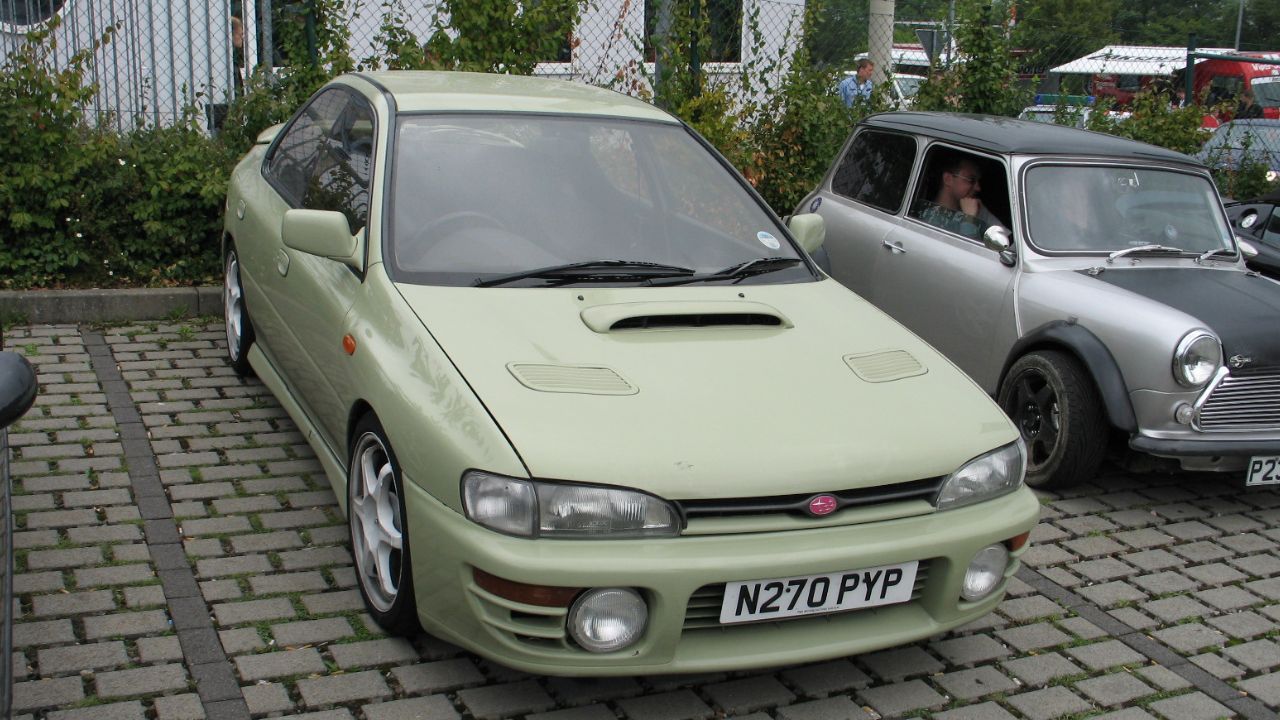
The Subaru Impreza WRX STI, introduced in 1994, quickly established itself as a rally legend. With its turbocharged 2.0-liter flat-four engine and all-wheel-drive system, the WRX STI offered thrilling performance and exceptional handling on various terrains. Its motorsport success further solidified its reputation as a performance powerhouse.
The WRX STI’s aggressive styling and robust drivetrain have made it a favorite among rally fans and driving enthusiasts alike. Its continued popularity is a testament to Subaru’s commitment to delivering high-performance vehicles that can handle both the track and everyday driving conditions.
Toyota MR2 SW20
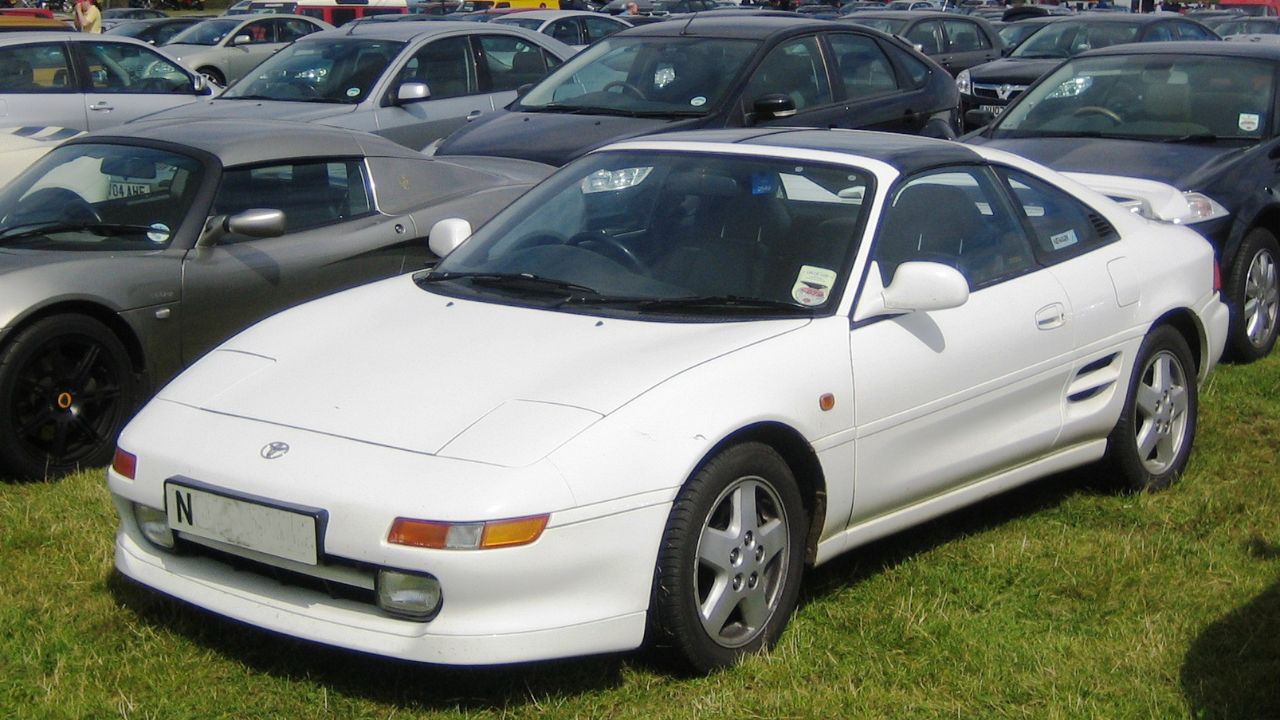
The Toyota MR2 SW20, produced from 1989 to 1999, was a standout mid-engine sports car that offered a thrilling driving experience. Known for its agile handling and sleek design, the SW20 featured a range of engine options, including a turbocharged 2.0-liter inline-four that provided impressive power.
With its balanced chassis and responsive steering, the MR2 SW20 became a favorite among driving purists who appreciated its mid-engine layout. Its affordability and potential for customization make it an appealing choice for those looking to enjoy a classic sports car with modern-day relevance.
Nissan 300ZX Z32
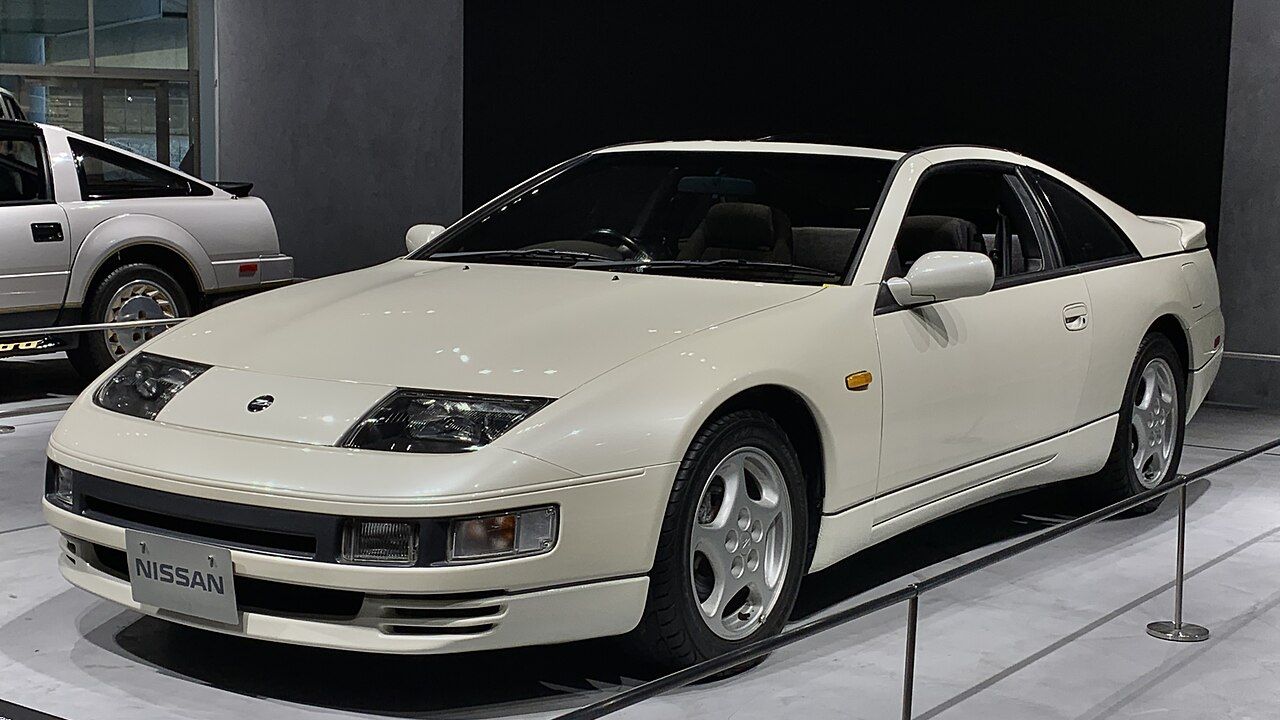
The Nissan 300ZX Z32, produced from 1989 to 2000, was a technological marvel that combined performance with luxury. Powered by a 3.0-liter twin-turbo V6 engine, the 300ZX offered exhilarating acceleration and a refined driving experience. Its advanced features, such as four-wheel steering and a sleek, aerodynamic design, set it apart from its competitors.
The Z32’s timeless styling and performance capabilities have helped it maintain a strong following among car enthusiasts. Its blend of power, comfort, and cutting-edge technology makes it a classic car that remains highly desirable even decades after its introduction.
Honda Prelude Si
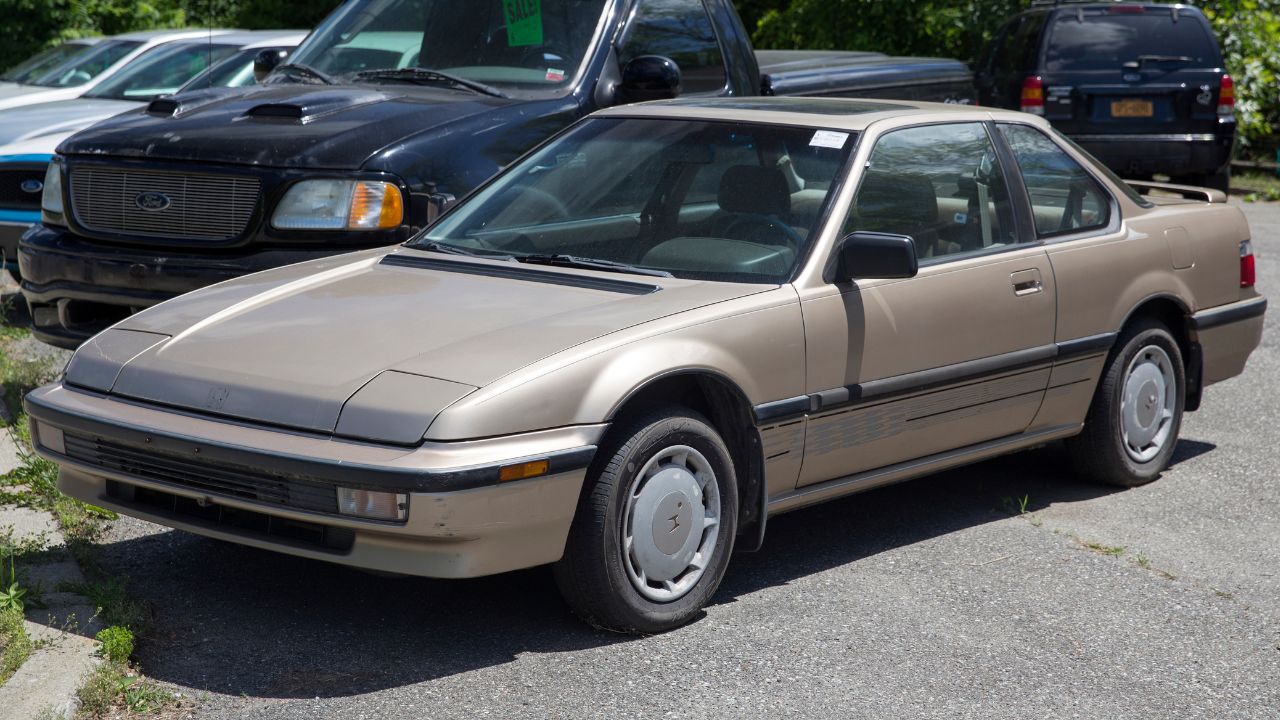
The Honda Prelude Si, especially the third and fourth generations produced from 1987 to 1996, offered a blend of style and performance that appealed to a wide range of drivers. Equipped with the advanced B20A and later H22A engines, the Prelude Si delivered a lively driving experience complemented by its sporty design.
The Prelude Si’s innovative features, such as four-wheel steering in some models, showcased Honda’s commitment to engineering excellence. Its combination of reliability, performance, and style continues to attract enthusiasts looking for an engaging and well-rounded vehicle.
Mazda MX-5 Miata NA
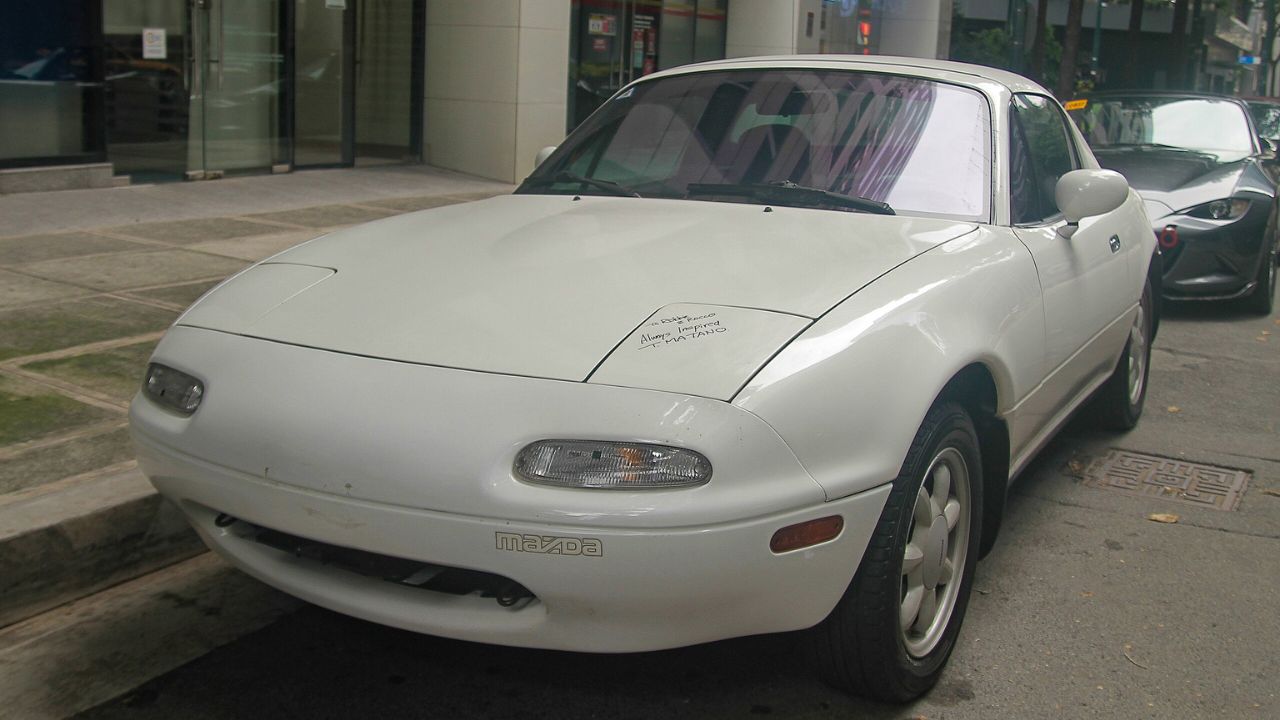
The Mazda MX-5 Miata NA, introduced in 1989, revived the spirit of classic British roadsters with Japanese reliability and engineering. Its lightweight design, front-engine, rear-wheel-drive layout, and 1.6-liter inline-four engine delivered a pure and enjoyable driving experience. The Miata’s simplicity and affordability made it an instant hit among sports car enthusiasts.
Even today, the Miata NA is celebrated for its fun-to-drive nature and timeless design. Its strong aftermarket support and community of passionate owners make it an appealing choice for those seeking a classic roadster experience with modern-day reliability.
Like Fast Lane Only’s content? Be sure to follow us.
Here’s more from us:
*Created with AI assistance and editor review.