Collectors who once ignored aging muscle cars are now chasing them at auction, driving values sharply higher and reviving models that had slipped into obscurity. From icons tied to film history to misunderstood sales flops, certain machines have returned to center stage as blue-chip collectibles. The following ten muscle cars show how rarity, cultural impact, and raw performance have combined to create a powerful comeback story for the segment.
1968 Chevrolet Camaro

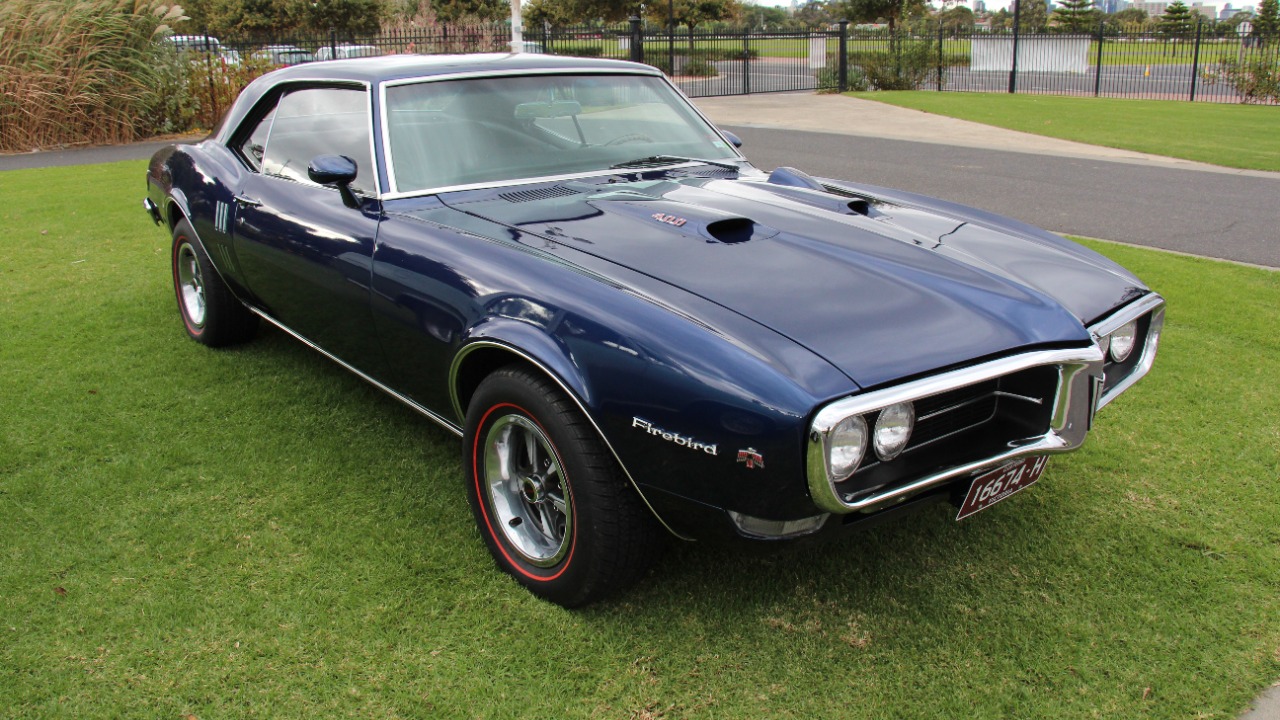
The 1968 Chevrolet Camaro has reemerged as a benchmark collectible, with demand reflected in an Average Price of $60,057 on enthusiast auction platforms such as Bring a Trailer. Conventional wisdom once favored the 1967 launch-year car, yet collectors now recognize the 1968 model’s cleaner detailing and broader engine mix. That shift has helped turn well-optioned examples into serious investments rather than entry-level classics.
Collector interest is also reinforced by lists of Muscle Cars most, where the 1968 Chevrolet Camaro consistently appears. For investors and enthusiasts, the implication is clear. Restored cars with correct drivetrains and documentation are no longer casual weekend purchases but appreciating assets that can anchor a focused muscle car portfolio.
1968 Ford Mustang GT “Bullitt”

The 1968 Ford Mustang GT “Bullitt” represents the meeting point of Hollywood mythology and collector hunger. A key example tied to the film has an Estimated Value of $3.74 Million, with analysts often writing that the 1968 Ford Mustang GT “Bullitt” carries an Estimated Value of $3.74 M in current assessments of Rare Muscle Cars. That figure places the car among the most valuable American performance machines ever built.
Such valuations demonstrate how cultural resonance can transform a once affordable Ford Mustang GT into a blue-chip artifact. The “Bullitt” connection, combined with period-correct specification and documented provenance, has pushed collectors to treat surviving cars as irreplaceable. For stakeholders in the classic market, the model shows how storytelling and screen exposure can multiply financial returns.
1969 Ford Mustang Boss 429

The 1969 Ford Mustang Boss 429, often shortened to Ford Mustang Boss, has moved from specialist curiosity to auction headliner. Built primarily to homologate the 429 cubic inch engine for racing, the Boss 429 program produced only 859 units, a figure confirmed in video breakdowns of Boss production. That limited run has become a central reason collectors now chase the model so aggressively.
Rarity alone does not explain the surge. The Boss pairs that 429 big block with subtle exterior cues, creating a car that looks restrained but hides serious performance potential. As modern buyers search for authentic race-bred hardware, the 1969 Ford Mustang Boss 429 has turned into a reference point for investment-grade muscle that still feels raw and engaging on the road.
1968 Buick GS Stage 1
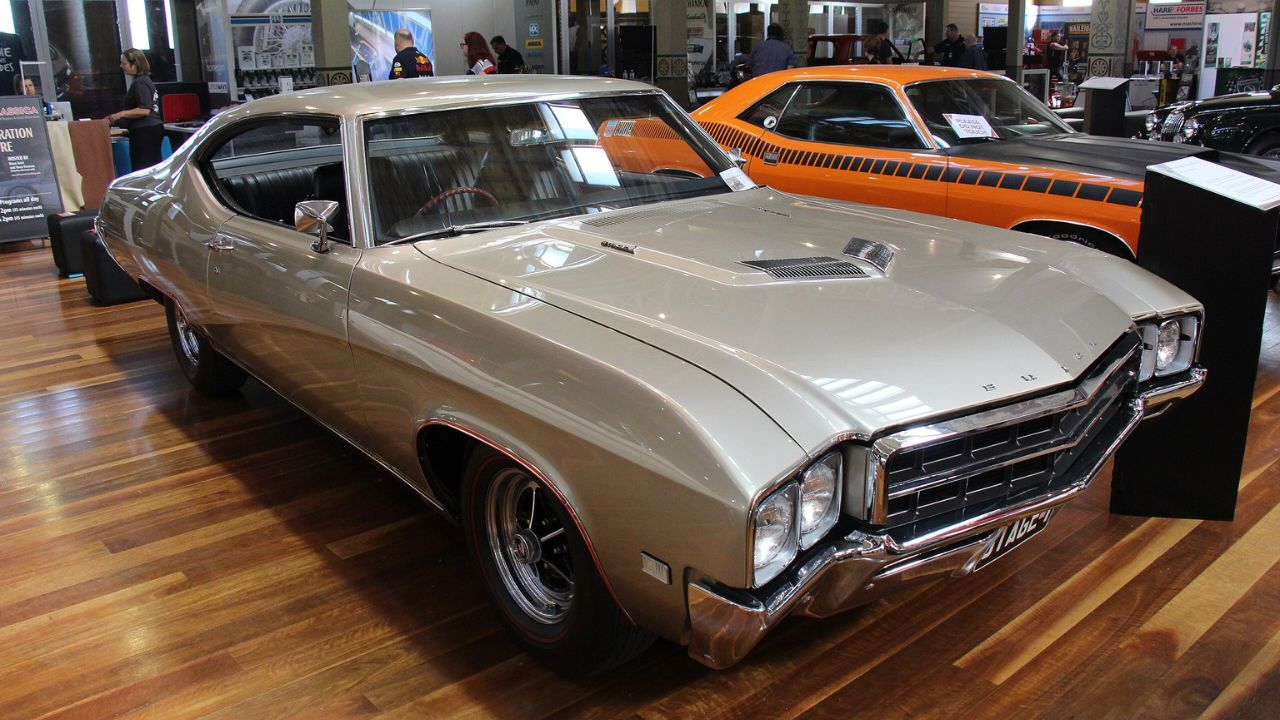
The 1968 Buick GS Stage 1 illustrates how former showroom underperformers can become prized collectibles. Period buyers often overlooked the Buick GS in favor of flashier rivals, yet recent market data notes that Current Prices Start Well Above $100,000, Assuming One is Available, for correct Stage 1 cars equipped with the 400 cubic inch engine, as detailed in coverage of Buick GS Stage. That six-figure threshold signals a dramatic reassessment.
Collectors now value the 1968 Buick GS Stage 1 for its combination of torque-rich performance and relative subtlety. The car’s restrained styling appeals to buyers who want muscle without overt graphics, while the Stage 1 package delivers serious acceleration. For investors, the model shows how overlooked luxury performance cars can quietly become some of the most desirable machines in the segment.
1970 Plymouth ’Cuda 426 HEMI

The 1970 Plymouth ’Cuda with the 426 HEMI engine has long been a legend, yet recent commentary on Plymouth Cuda HEMI models highlights how far its comeback has progressed. The 426 HEMI option combined brutal straight-line performance with distinctive styling cues such as quad headlights and the shaker hood. That mix has turned surviving cars into centerpiece acquisitions rather than mere additions to a collection.
As more buyers seek raw power and timeless design, the 1970 Plymouth ’Cuda 426 HEMI has become a bellwether for Mopar values. High-profile sales influence expectations for related models, and investors increasingly treat well-documented HEMI cars as long-term stores of value. The car’s resurgence reflects a broader shift toward factory-correct, highly optioned examples.
1970 Oldsmobile 442 W-30 Convertible

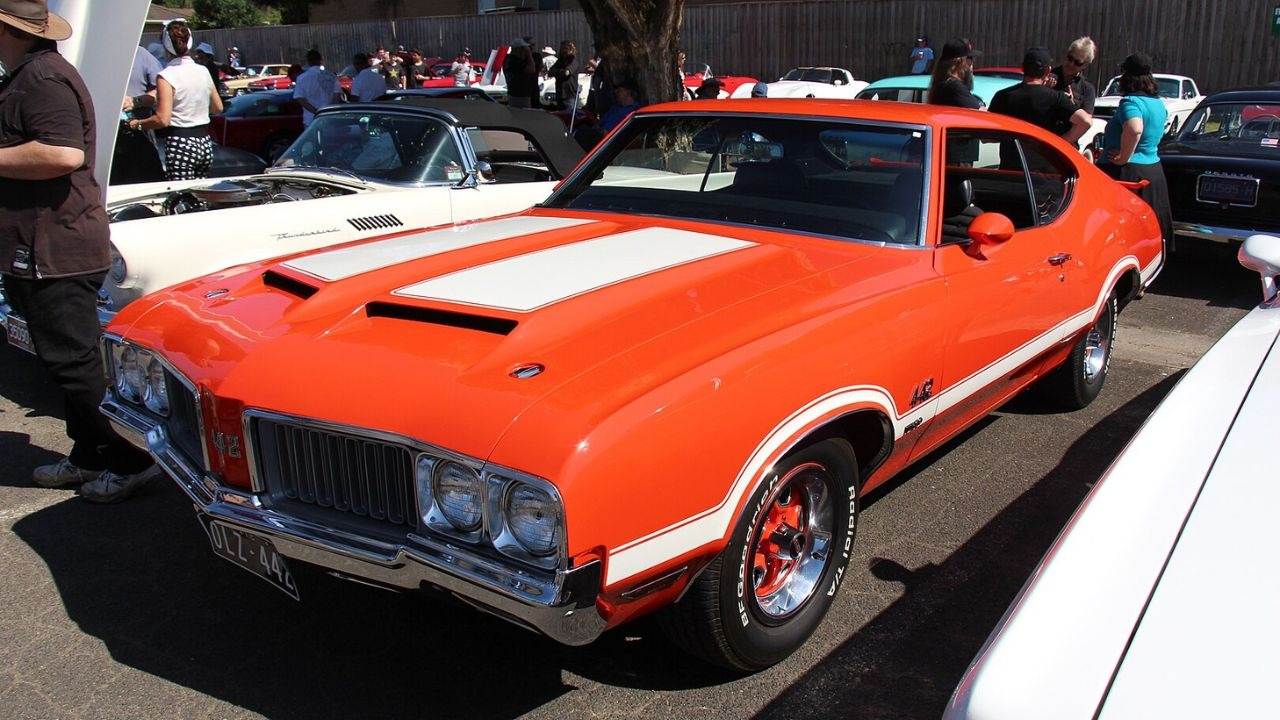
The 1970 Oldsmobile 442 W-30 Convertible has transitioned from obscure option package to near-mythical status. Reports on Oldsmobile 442 rarity emphasize that only 96 Built examples of the 442 W-30 Convertible left the factory, making it one of the scarcest mainstream muscle cars. That production figure has turned any authentic car into a headline attraction at major auctions.
Collectors value the 442 package for its balanced performance and upscale detailing, while the W-30 equipment adds serious power and visual drama. The Convertible body style further amplifies desirability. For stakeholders tracking market trends, the 1970 Oldsmobile Cutlass 442 W-30 Convertible demonstrates how low production numbers, combined with strong period engineering, can create a near-unobtainable prize.
1971 Plymouth Hemi ’Cuda Convertible
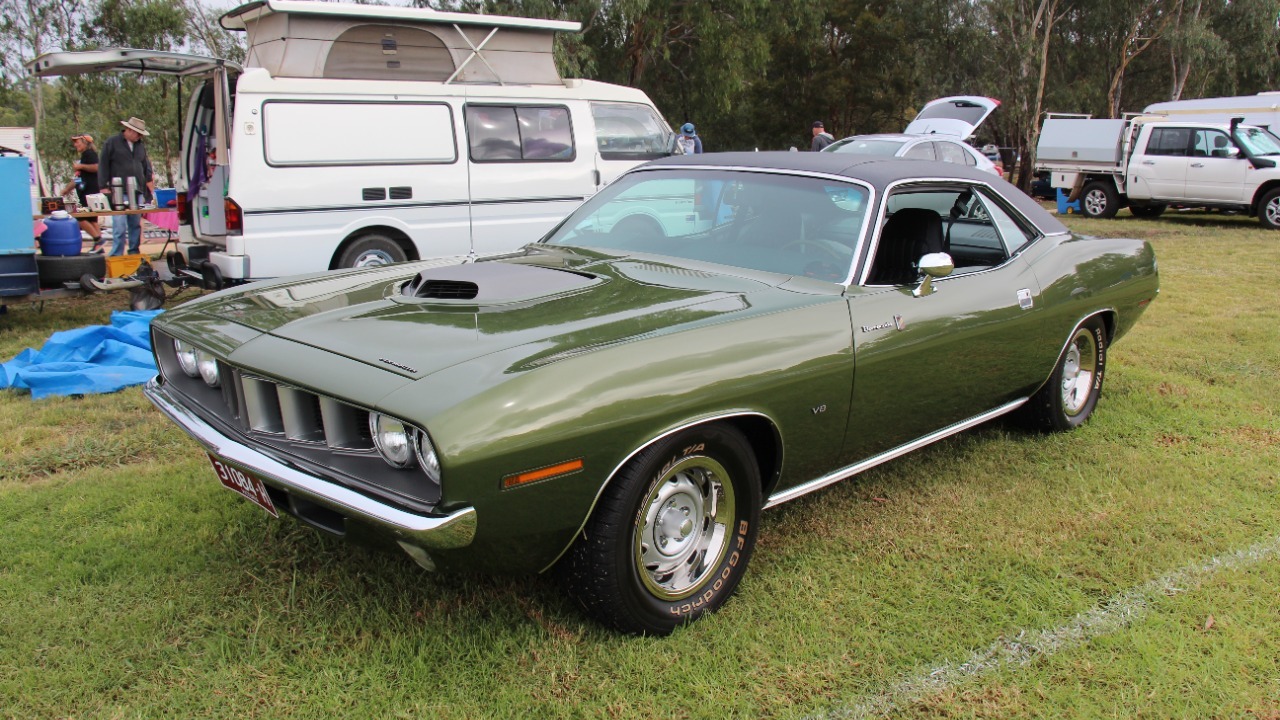
The 1971 Plymouth Hemi ’Cuda Convertible sits at the extreme top of the muscle car hierarchy. Analyses of the Most Exclusive American describe the 1971 Plymouth Hemi ’Cuda Convertible as a machine whose real-world output significantly exceeded factory ratings. Combined with its tiny production run, that performance has pushed values into multi-million dollar territory.
For collectors, the car’s appeal lies in its combination of open-air driving and one of the most feared engines of the muscle era. The HEMI powerplant, paired with aggressive styling, makes the model a symbol of peak Detroit excess. Investors view surviving cars as trophy assets that rarely change hands and often set benchmarks whenever they appear at auction.
1967 Chevrolet Corvette L88

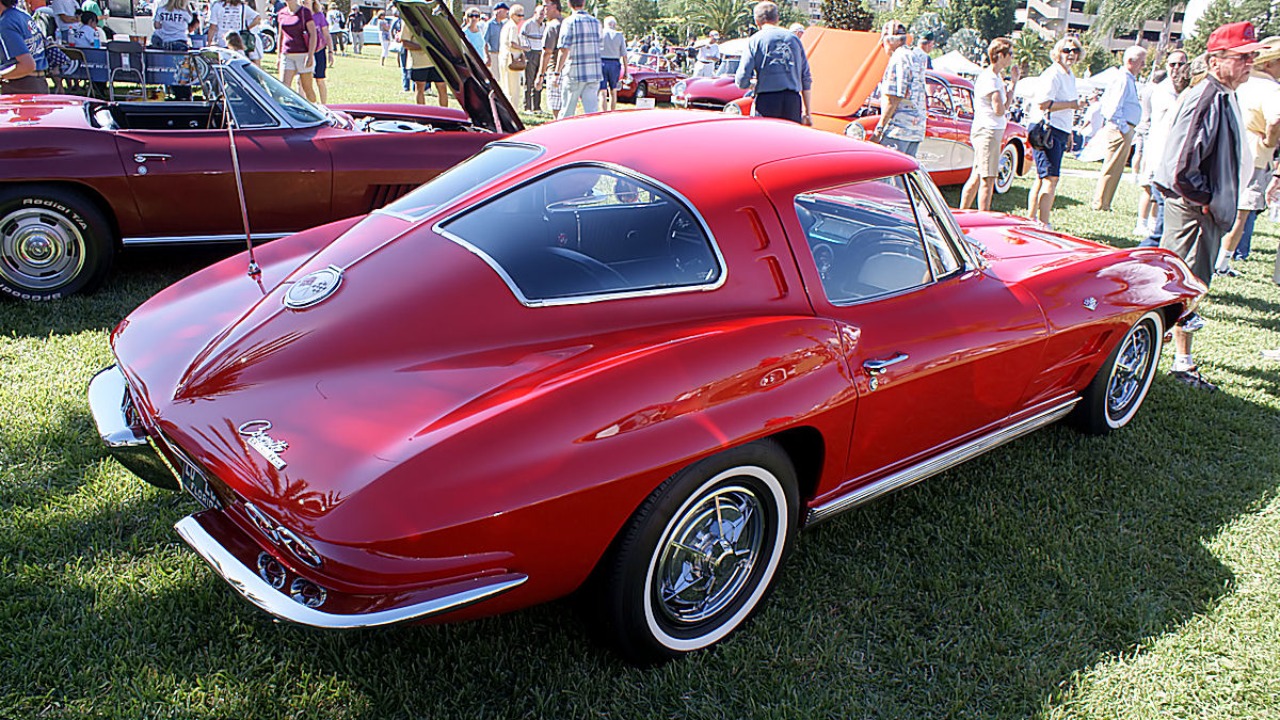
The 1967 Chevrolet Corvette L88 is frequently cited as The Ultimate Racing We variant of the classic Chevrolet Corvette, and modern evaluations of the Most Exclusive American place it firmly among the most coveted muscle-oriented machines. Built with competition in mind, the L88 package delivered far more power than its official rating suggested, while limiting comfort options to keep weight down.
Collectors now treat the L88 as a bridge between pure muscle cars and purpose-built racing machinery. Its rarity, combined with a direct link to period motorsport, has driven intense bidding whenever an authentic example surfaces. For serious buyers, the 1967 Chevrolet Corvette L88 represents a chance to own a car that shaped both showroom performance and track history.
1970 Dodge Challenger R/T

The 1970 Dodge Challenger R/T has enjoyed a pronounced revival as enthusiasts rediscover its blend of style and power. In a widely shared Video Transcript discussing Muscle Cars, analysts highlight the 1970 Dodge Challenger as a prime example of a model that collectors increasingly seek. The R/T specification, with its performance engines and aggressive trim, sits at the center of that renewed attention.
As modern buyers chase authenticity, original high-performance Challengers with factory documentation have become especially desirable. The car’s wide engine range and striking design give it broad appeal across age groups. For investors, the Challenger R/T’s comeback signals sustained interest in Mopar E-body cars and suggests further appreciation for well-preserved examples.
1967–1968 Ford Mustang Fastback

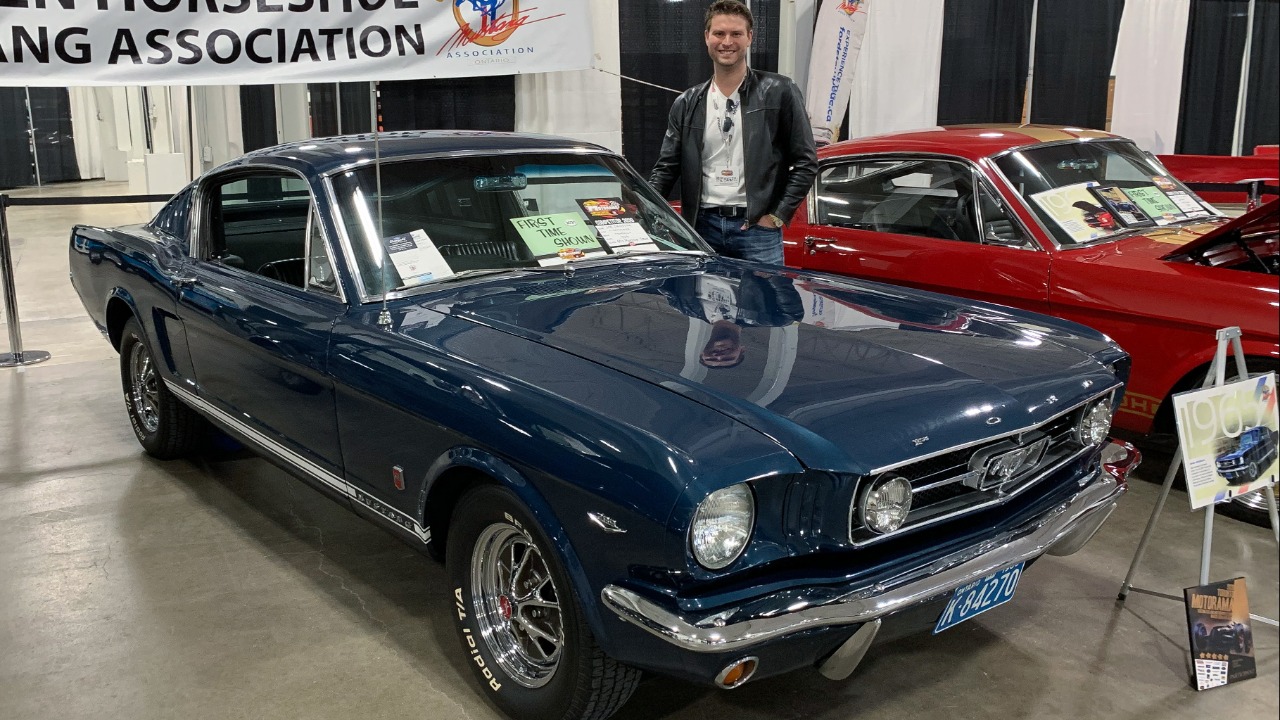
The 1967–1968 Ford Mustang Fastback has shifted from common classic to highly targeted collectible. Restoration specialists tracking Ford Mustang demand list the 1967–1968 Ford Mustang among the most sought-after vintage models, alongside the Classic Ford Bronco and later Fox Body Ford Mustang variants. That cross-generational interest has lifted values for clean Fastback shells and complete cars alike.
Collectors appreciate the Fastback’s versatile platform, which supports everything from original-spec restorations to sympathetic performance upgrades. As Millen and other younger buyers look for analog driving experiences, the shape and sound of a late-sixties Classic Ford Mustang hold strong emotional appeal. For market watchers, the surge in demand suggests that well-sorted Fastbacks will remain central to any serious muscle-focused collection.
More from Fast Lane Only