
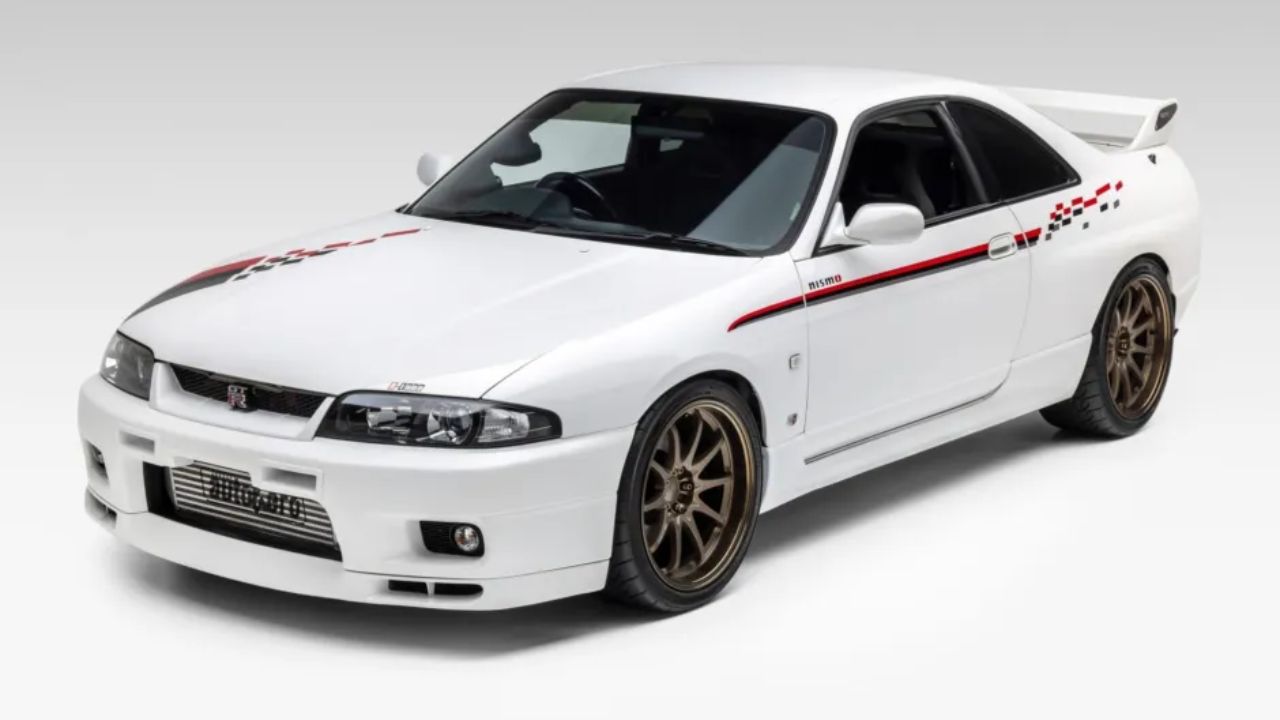
The Nissan GT-R isn’t just a fast car—it’s a lineage. From its roots in the late ’60s to the tech-heavy R35, the GT-R has consistently pushed expectations without chasing trends. It’s never been about flash; it’s been about function, balance, and punching way above its weight.
Some GT-Rs rewrote racing history. Others quietly changed what was possible in a street car. But all of them had one thing in common—they didn’t just keep up, they forced everyone else to respond. Here are ten GT-Rs that moved the bar.
1969 Nissan Skyline GT-R (PGC10)
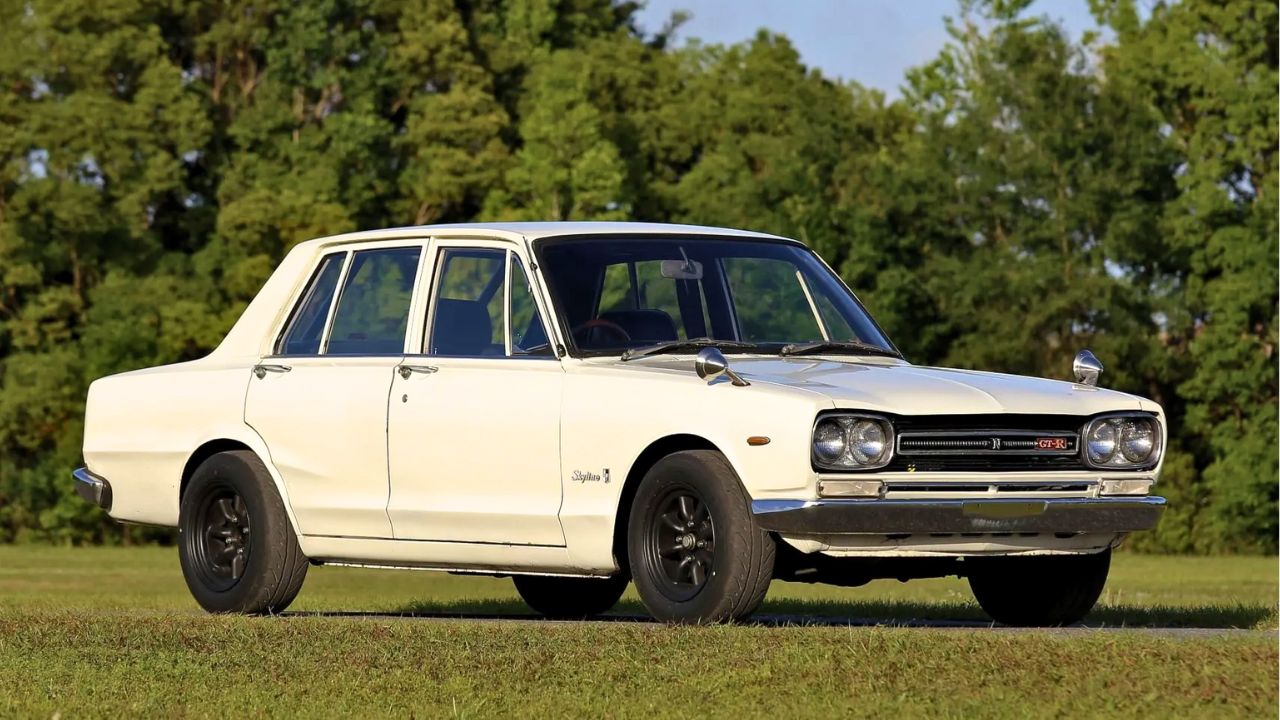
The original GT-R wasn’t a coupe—it was a four-door sedan with a 2.0L DOHC inline-six derived from Nissan’s racing program. Codenamed S20, it made 160 horsepower and revved to 7,000 rpm, which was serious business for the time. Only 833 were built before the coupe arrived in 1971.
What set it apart was how track-capable it was right off the lot. The PGC10 had independent suspension all around and weighed just over 2,600 pounds. It didn’t need forced induction to earn respect; it just needed a tight chassis and a proper engine.
1973 Nissan Skyline GT-R (KPGC110)
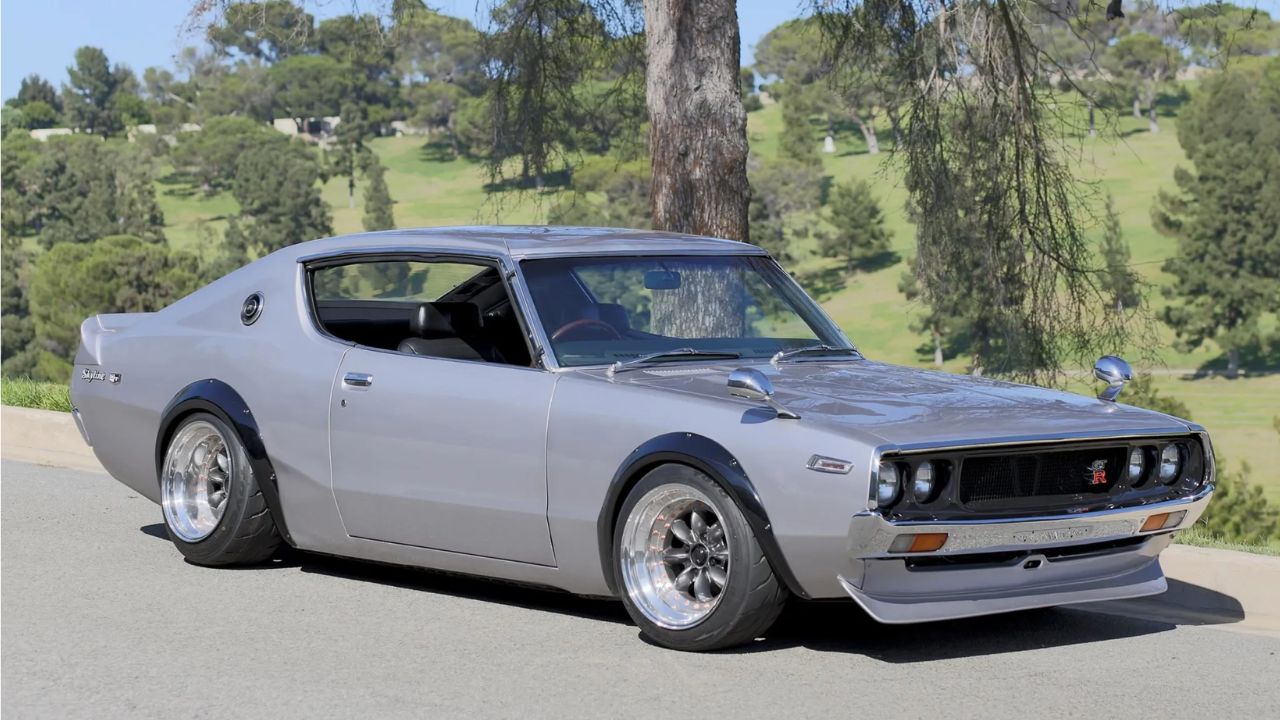
The KPGC110 GT-R—nicknamed the Kenmeri—had the looks, but bad timing. It arrived during Japan’s tightening emissions era and only lasted one model year. Just 197 units were made, making it the rarest GT-R of all.
It carried over the S20 engine and mechanical layout from the previous model, but in a sleeker, fastback-style coupe. Despite its short run, its silhouette became iconic. It’s the one GT-R most fans know by shape, even if they’ve never seen one in person. That rarity has turned it into something of a unicorn for collectors.
1989 Nissan Skyline GT-R (R32)
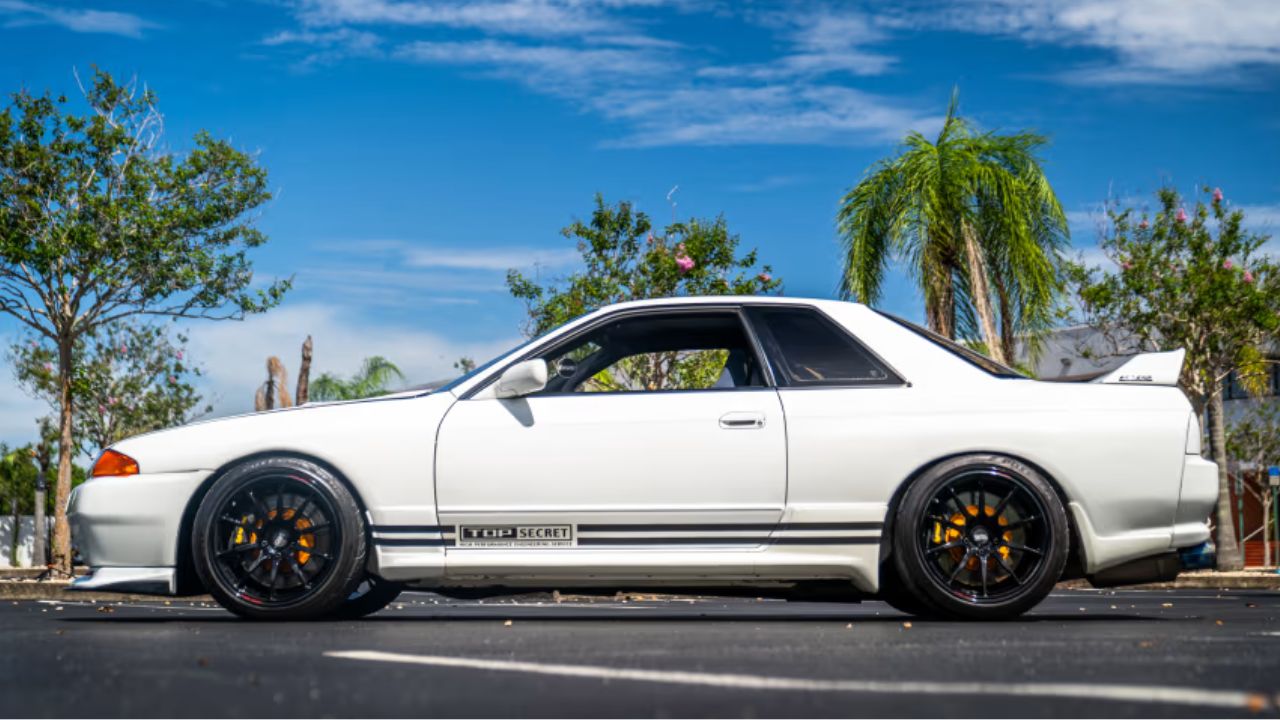
After a 16-year break, the GT-R returned—and it came back hard. The R32 was built for Group A racing and packed a twin-turbo 2.6L inline-six (RB26DETT) with 276 horsepower and all-wheel drive. The ATTESA E-TS system helped it claw through corners like few others in its class.
It also introduced Super-HICAS four-wheel steering, giving it agility beyond its weight. Nissan built over 40,000 of them, and they dominated Japan’s touring car series for years. It wasn’t just fast—it reshaped what people expected from Japanese performance cars.
1995 Nissan Skyline GT-R (R33)
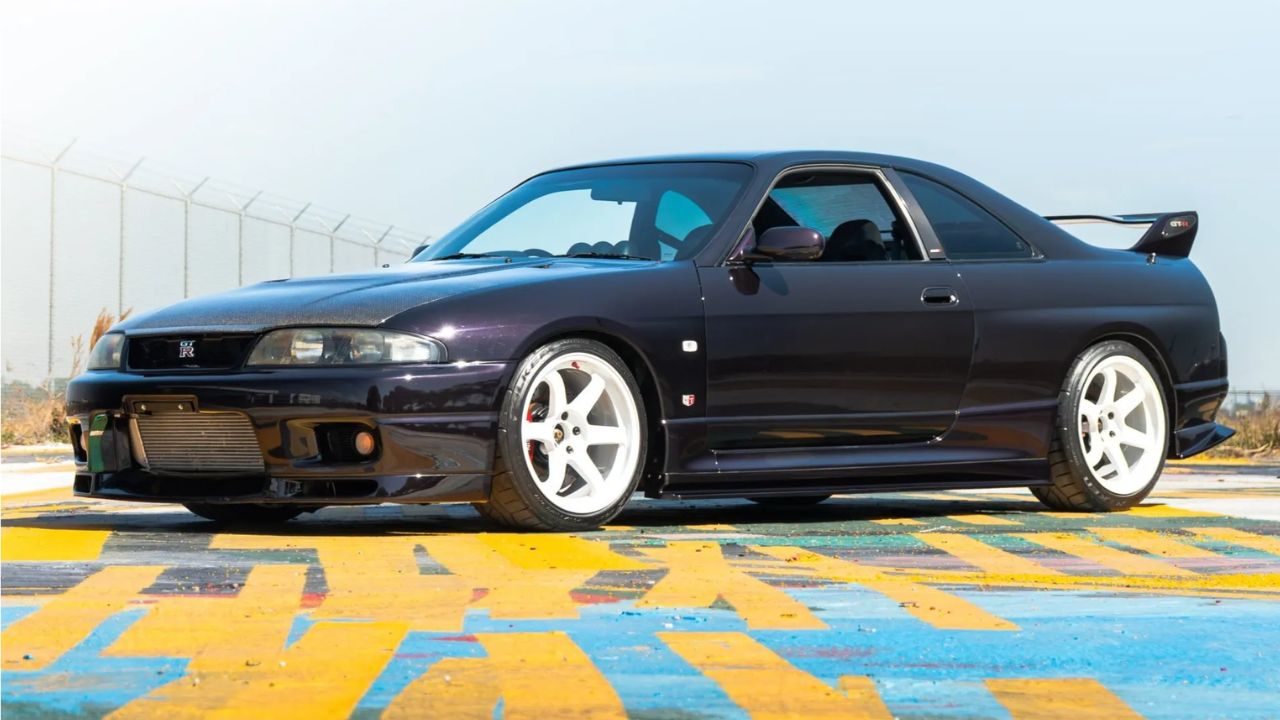
The R33 GT-R didn’t get as much love as the R32, but it made a lot of progress behind the scenes. It was heavier, sure, but it was also more refined, with better aerodynamics and improved stability at high speed. It held a 7:59 Nürburgring lap—impressive for the mid-‘90s.
Under the skin, the R33 kept the RB26DETT and ATTESA system but added better ABS and refined electronic torque management. It was more of a grand tourer than a street fighter, but it laid the groundwork for tech-heavy performance cars to come.
1999 Nissan Skyline GT-R (R34)
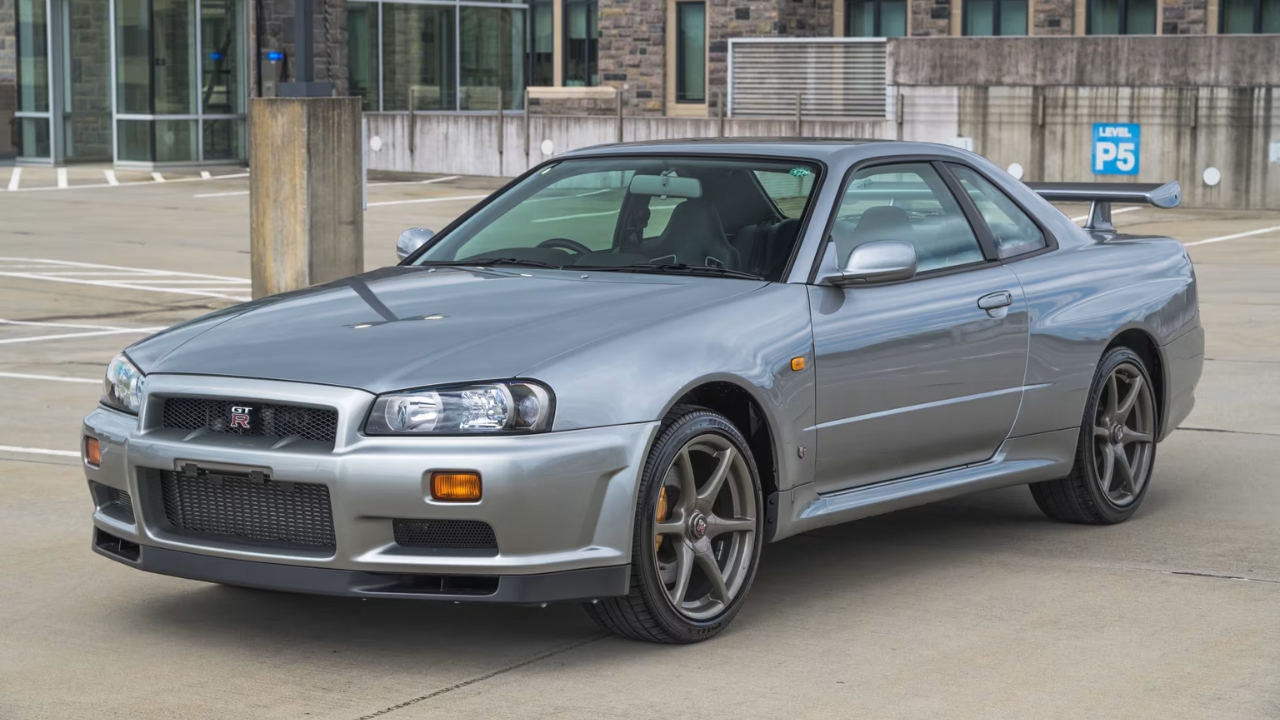
The R34 GT-R is where nostalgia and performance meet in near-perfect balance. It kept the twin-turbo inline-six, but added a far more advanced ECU, a multi-function LCD display with real-time performance data, and a tighter, more responsive chassis.
Its 6-speed Getrag transmission was bulletproof, and the body was compact and aggressive. The R34 wasn’t just capable—it was approachable, too. You didn’t need to be a pro to feel connected to it. That made it a favorite in both real-life garages and video games, where its legacy only grew.
2002 Nissan GT-R Concept
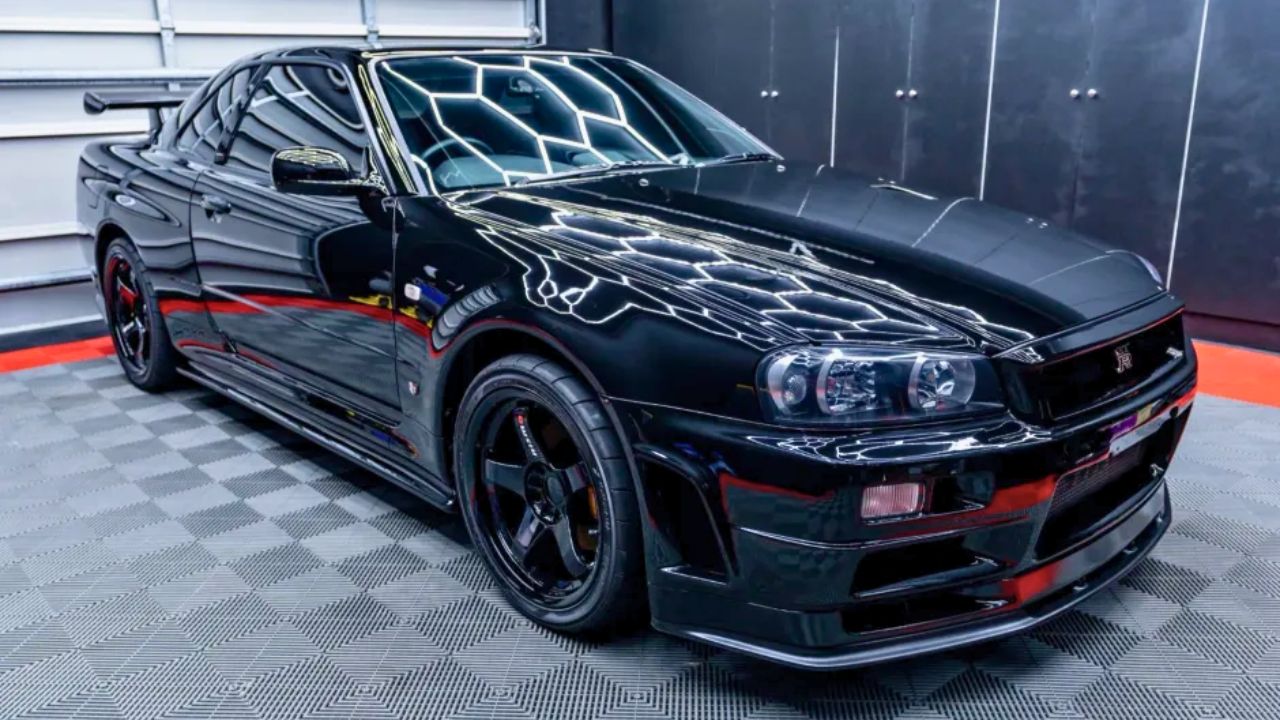
Before the R35, Nissan teased the future with a concept that hinted at the direction they were headed. Shown in 2001 and again in 2005, the GT-R Concept wasn’t a functioning production car—but it previewed the bulked-up, all-wheel-drive coupe layout we’d later see on the R35.
It looked nothing like the sleek Skylines of old. The message was clear: the next GT-R would stand alone. While the concept didn’t have working internals, its proportions and design language laid the foundation for what would become the first global GT-R.
2007 Nissan GT-R (R35)
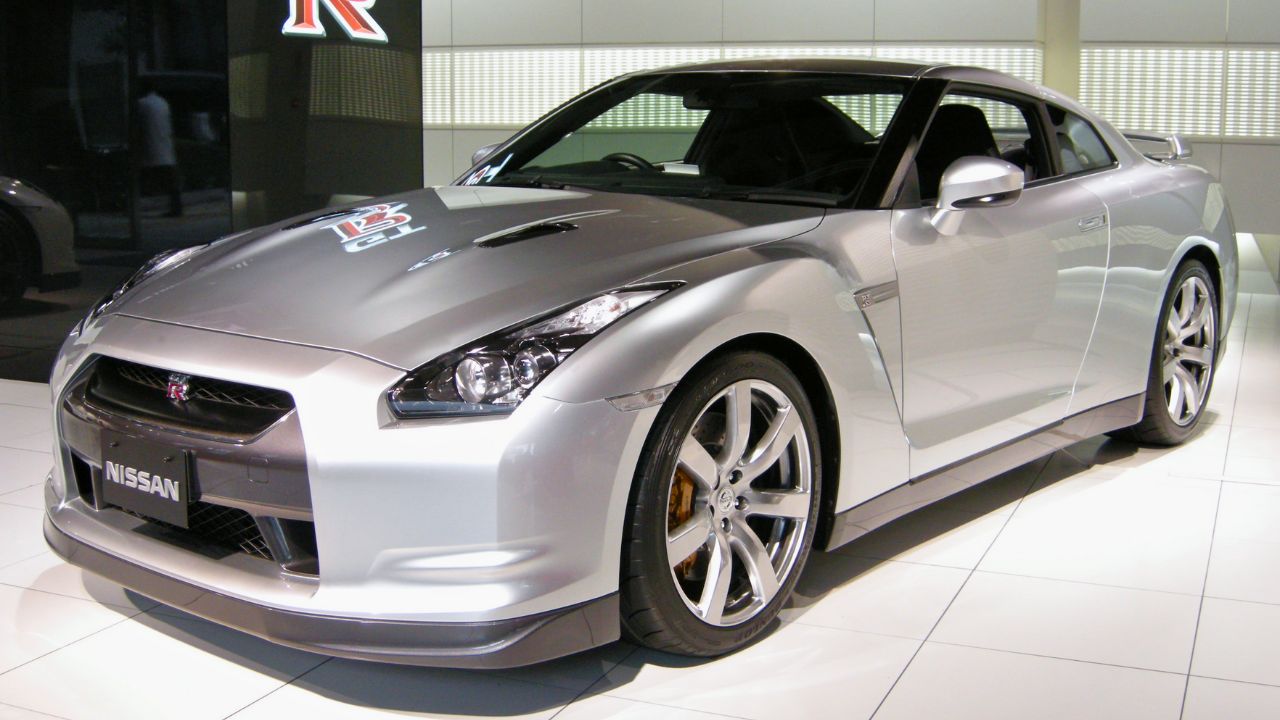
When the R35 GT-R dropped, it left a lot of people confused—no Skyline badge, no manual gearbox, no inline-six. But the numbers didn’t lie: 0–60 in under 3.5 seconds, 480 horsepower from a 3.8L twin-turbo V6, and a price tag under $70K.
It used a rear-mounted dual-clutch transaxle, a heavily computerized AWD system, and serious cooling tech. On paper it read like a tech spec sheet; on the road, it felt like a scalpel. It stopped being a Japanese muscle car and started competing directly with Europe’s best.
2011 GT-R (R35 Refresh)
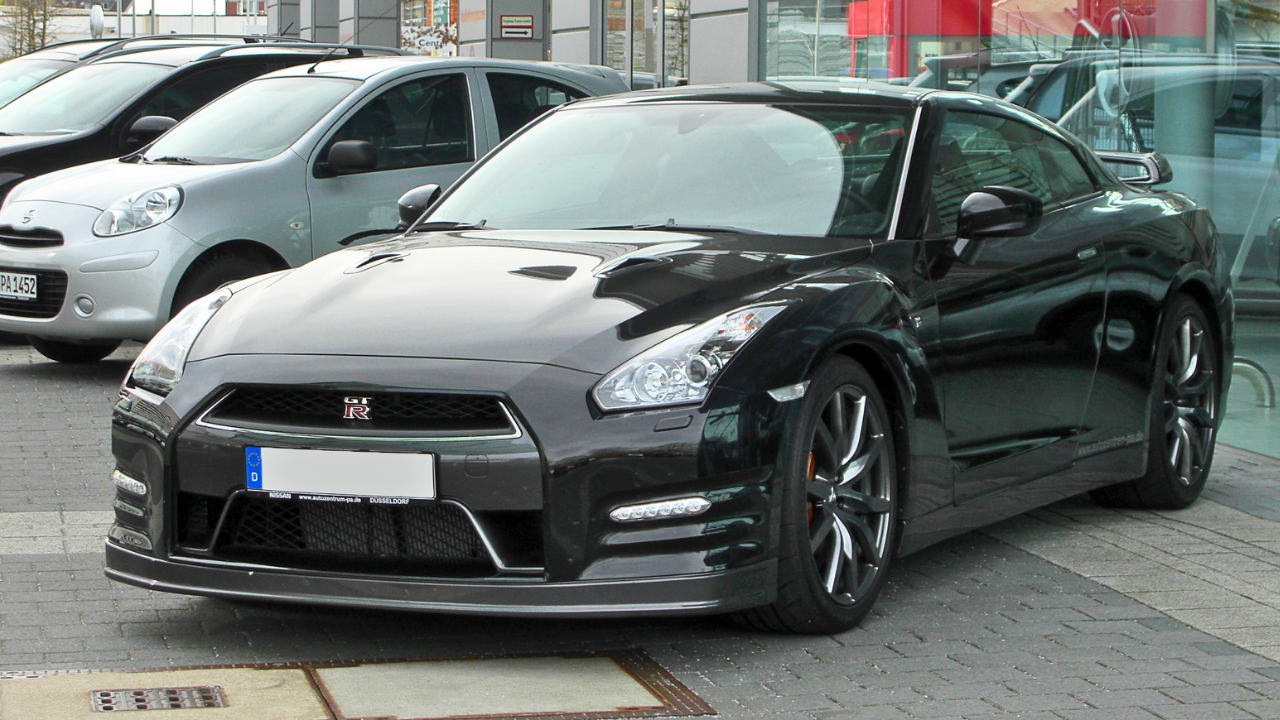
In 2011, Nissan gave the R35 its first real performance bump. Power jumped to 530 hp, launch control was reworked, and the chassis saw tighter suspension tuning. The result? 0–60 dropped to under 3 seconds with the right conditions.
Inside, the materials got a small upgrade, but it still wasn’t plush. This refresh was about refining the brutal formula that made the R35 famous. The changes weren’t flashy, but they sharpened the tool. You didn’t need a stopwatch to feel it—everything just hit harder.
2017 GT-R NISMO
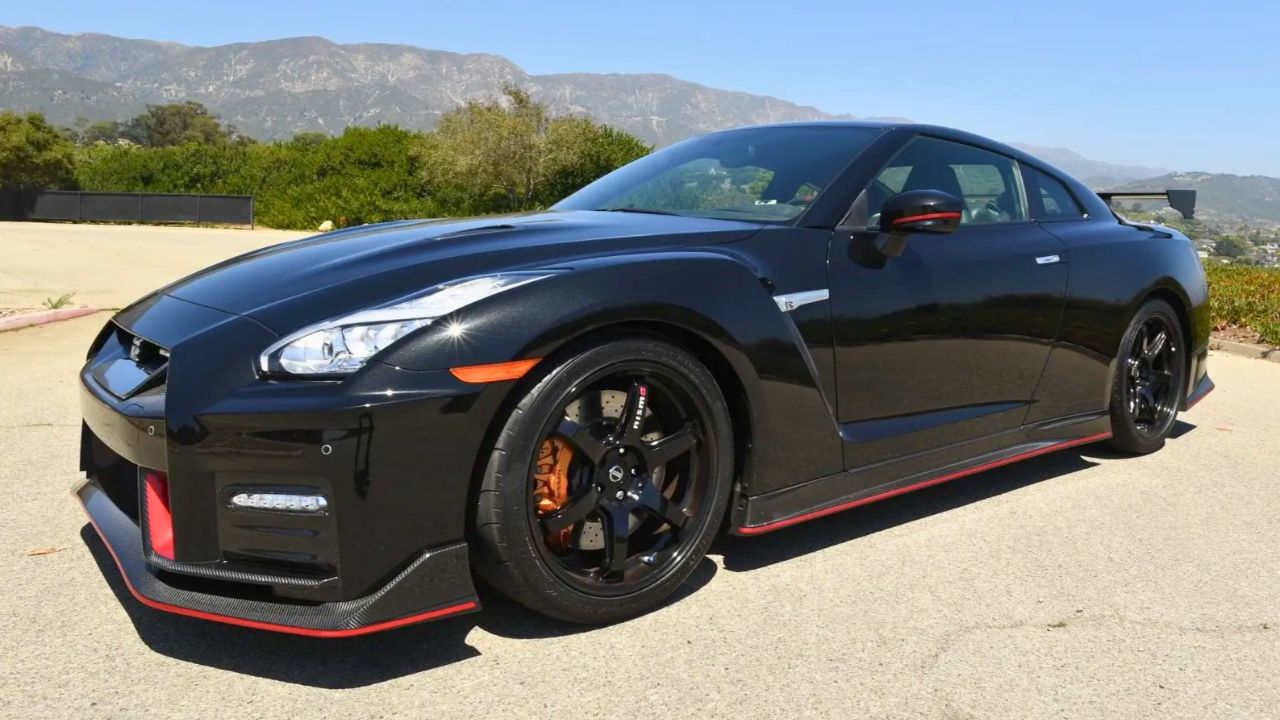
The GT-R NISMO wasn’t just a trim—it was a serious upgrade. Power climbed to 600 hp, thanks to turbos straight from the GT3 race car. The suspension was retuned, the aero package was functional, and body rigidity got a small but effective boost.
Carbon fiber components shaved off weight, and the steering was recalibrated for better feel. It was brutally fast, but not in a raw, uncomfortable way. It felt like the version Nissan always wanted to build but held back—until they didn’t.
2024 GT-R Final Edition (R35)
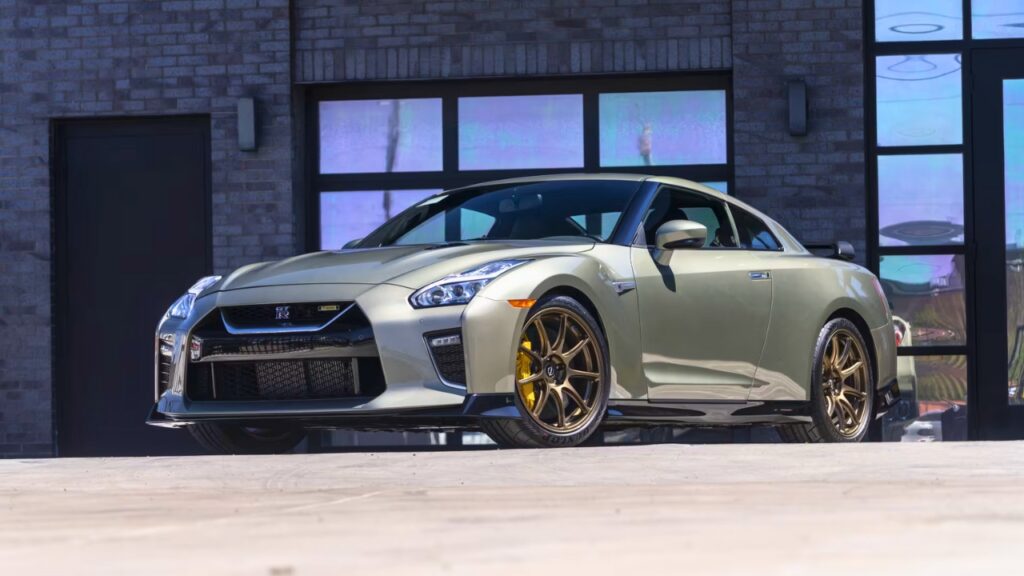
As of 2024, the R35 is still in production—barely. The Final Edition is the swan song for a platform that’s now over 15 years old. It features subtle aero tweaks, refined cooling, and small power bumps depending on the trim. No huge changes—just polish.
By today’s standards, it’s not the quickest thing around anymore. But it still commands respect, especially with its legacy in tow. The R35 stayed relevant long past its sell-by date, and the Final Edition serves as a nod to a run that went way further than anyone expected.
Like Fast Lane Only’s content? Be sure to follow us.
Here’s more from us:
*Created with AI assistance and editor review.



Leave a Reply