While some sports cars manage to capture the spotlight and become household names, others, despite their impressive features and performance, never quite achieve the popularity they deserve. Here, I explore ten sports cars that had the potential to be more popular than they were. Each of these vehicles brought something unique to the table but, for various reasons, didn’t achieve the widespread acclaim they may have deserved.
De Tomaso Pantera
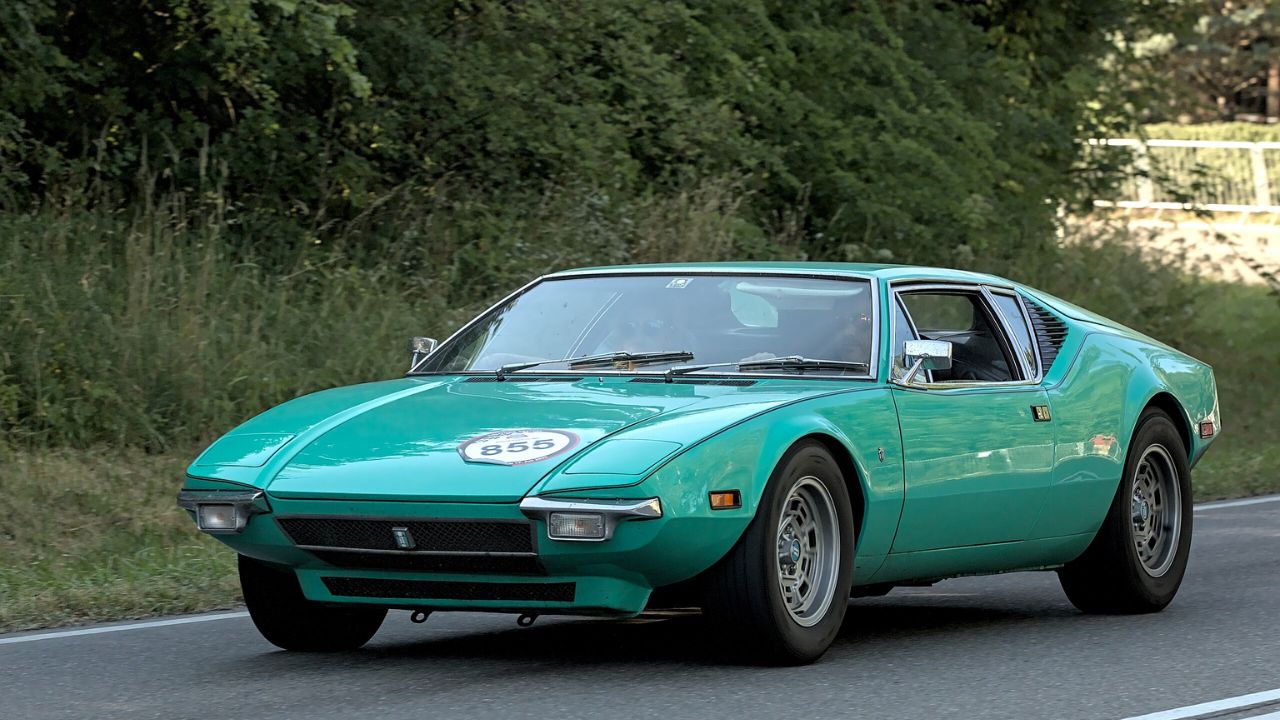
Launched in 1971, the De Tomaso Pantera was a fusion of Italian design and American muscle. Powered by a Ford V8 engine, it offered impressive performance and a sleek, exotic look. Despite its potential, the Pantera struggled with reliability issues, particularly in the early models, which affected its reputation.
Collectors and enthusiasts now hold the Pantera in high regard, but during its production years, it never quite reached the level of popularity as its contemporaries like the Ferrari or Lamborghini. Its appeal today lies in its distinctive design and the visceral driving experience it offers.
Lotus Esprit Turbo
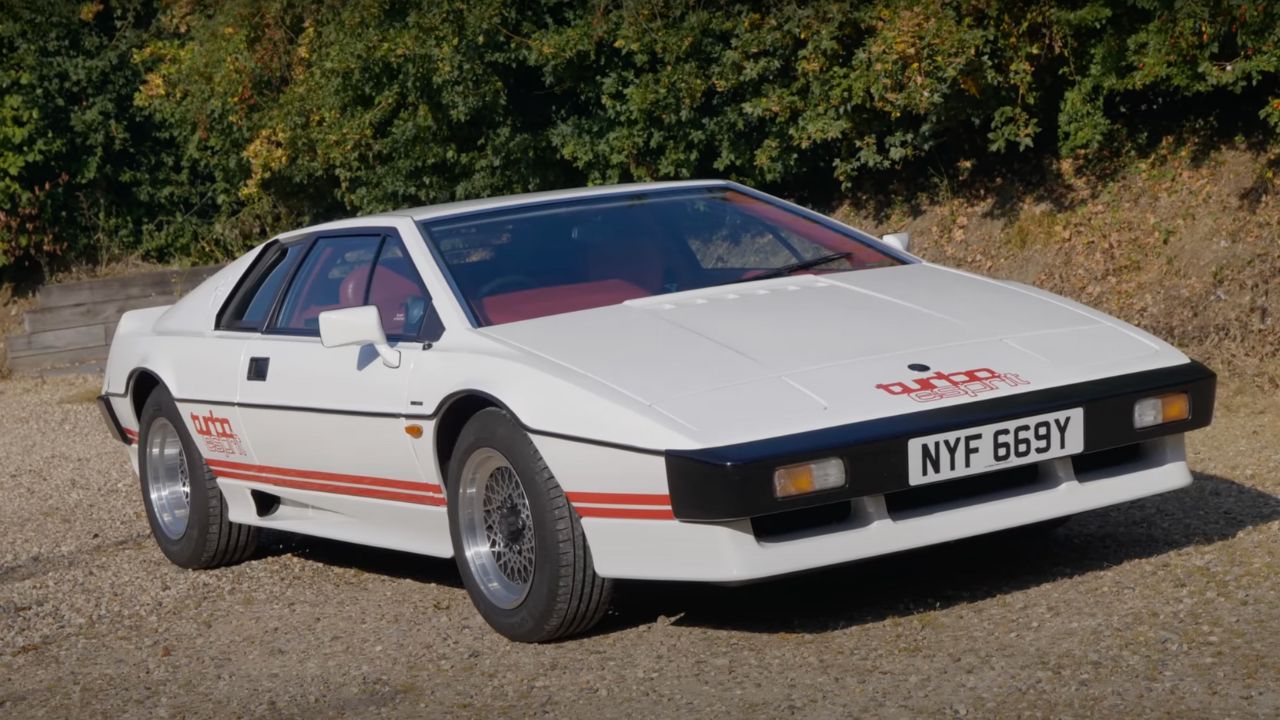
The Lotus Esprit Turbo, introduced in 1980, was a quintessentially British sports car with a unique wedge-shaped design. It featured a turbocharged engine that delivered exhilarating performance. However, its intricate engineering often demanded more attention than owners were willing to provide.
While it had its moments in the spotlight, notably appearing in James Bond films, the Esprit Turbo never captured the mainstream market. Its appeal today is primarily among collectors who appreciate its daring design and the engaging driving dynamics Lotus is known for.
Mazda RX-7 FD

The Mazda RX-7 FD, produced from 1992 to 2002, is revered for its rotary engine and agile handling. The car’s timeless design and impressive performance characteristics make it a favorite among car enthusiasts. Despite this, it didn’t achieve the same level of commercial success as some of its peers.
Its rotary engine, while innovative, was known for being less reliable and more maintenance-intensive than traditional engines, which may have deterred potential buyers. Today, the RX-7 FD has a strong cult following, with many fans appreciating its unique engineering and driving experience.
Alfa Romeo 4C
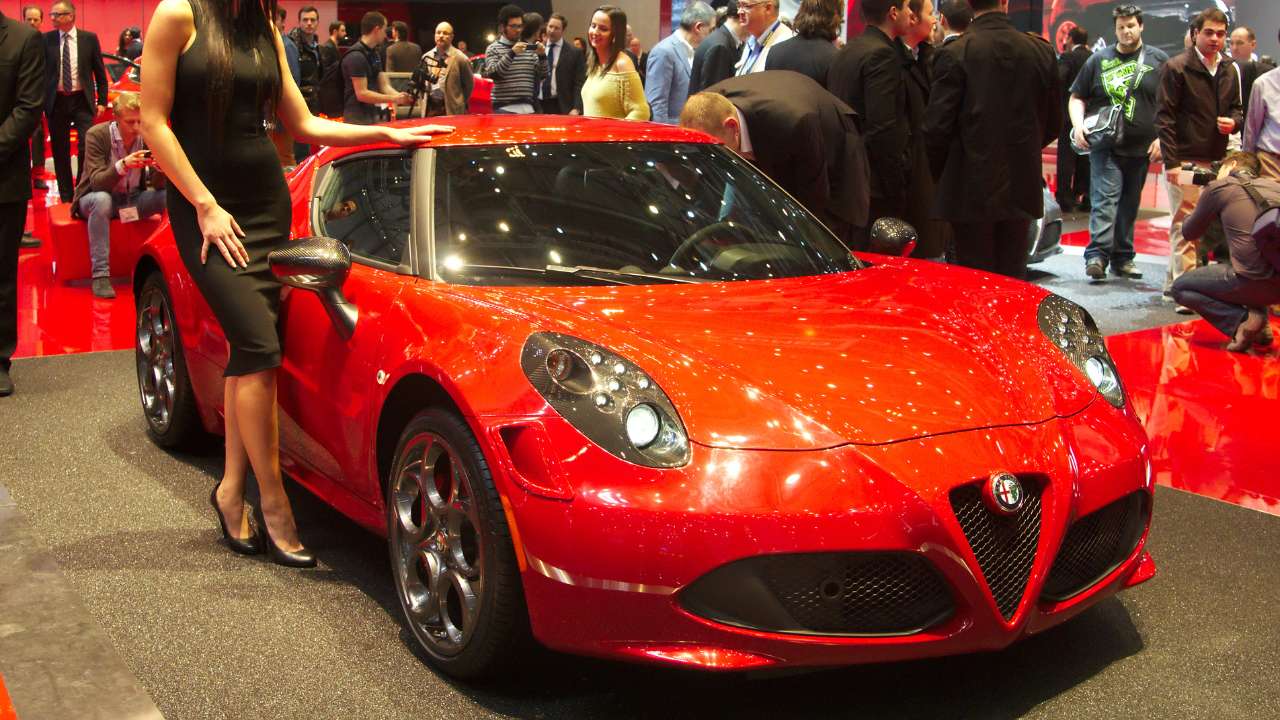
Released in 2013, the Alfa Romeo 4C was an attempt to revive the brand’s sporty heritage. With its carbon fiber chassis and lightweight design, the 4C offered a pure, unfiltered driving experience. However, its spartan interior and lack of practicality limited its appeal to a niche audience.
The 4C was praised for its looks and performance but criticized for its daily usability, which kept it from achieving broader popularity. Despite this, the 4C remains a beloved choice for those seeking an exhilarating drive and who are willing to overlook its everyday compromises.
Nissan 300ZX Twin Turbo
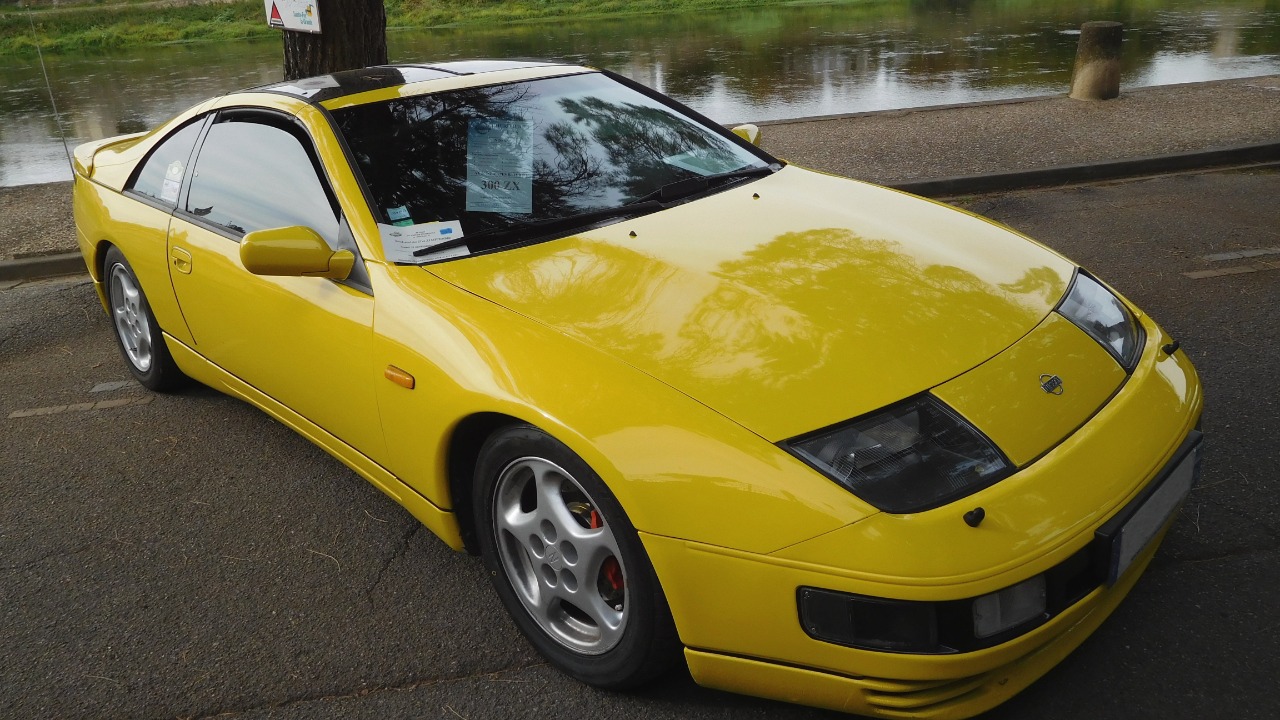
The Nissan 300ZX Twin Turbo, part of the Z32 generation produced from 1989 to 2000, was a technological marvel of its time. It offered twin-turbocharged power and a host of advanced features, setting a new standard for Japanese sports cars.
Despite its impressive specifications, the 300ZX faced stiff competition and a high price tag that limited its market reach. Over the years, it has gained a loyal following among fans who appreciate its blend of technology, performance, and style.
TVR Griffith

The TVR Griffith, introduced in the early 1990s, was a British sports car known for its raw power and minimalist design. It featured a fiberglass body and a potent V8 engine, delivering exhilarating performance. However, TVR’s reputation for reliability issues hindered the Griffith’s success.
Despite its potential, the Griffith struggled to find a consistent market. Today, it is cherished by a dedicated group of enthusiasts who value its performance and the visceral driving experience it offers, even if it requires a bit of TLC to keep on the road.
Honda NSX (First Generation)
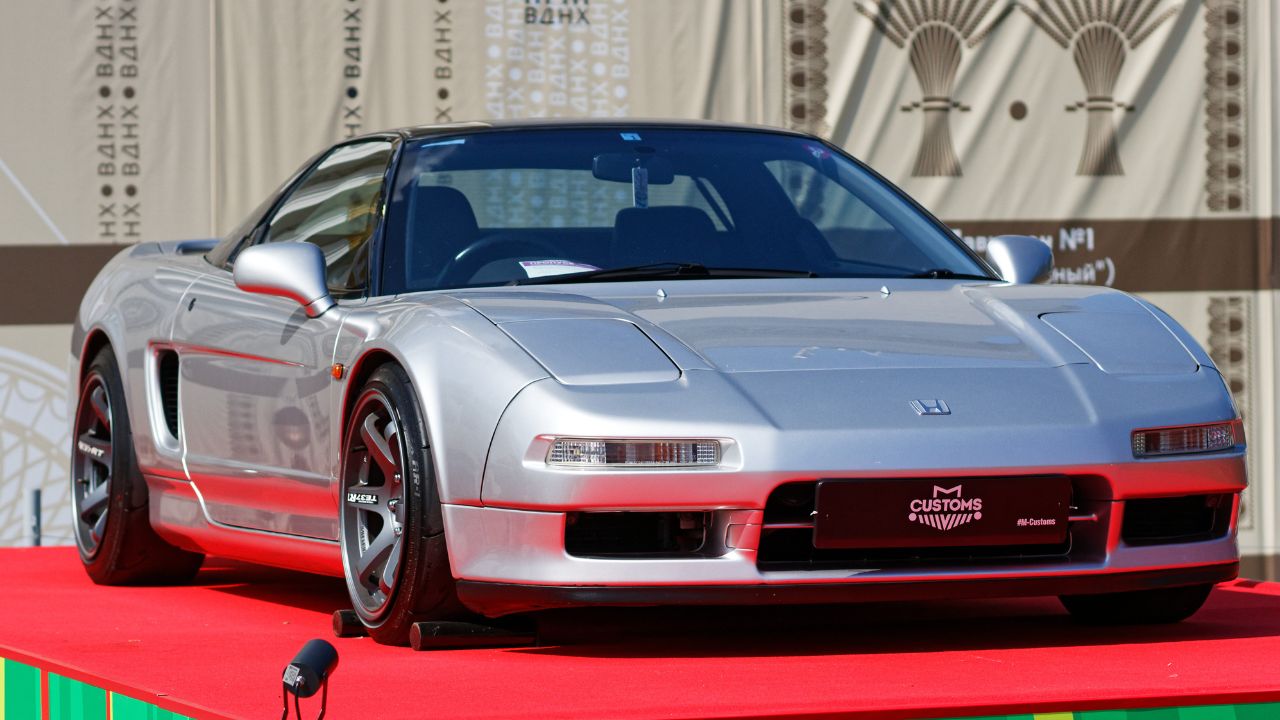
The first-generation Honda NSX, produced from 1990 to 2005, was a groundbreaking sports car. It combined exotic looks with Honda’s legendary reliability and practicality. Despite critical acclaim, the NSX never achieved the same level of commercial success as its European rivals.
The NSX was ahead of its time, offering features like an all-aluminum body and a V6 engine with VTEC technology. Today, it’s celebrated for its innovation and remains a sought-after model among collectors and enthusiasts who appreciate its blend of performance and reliability.
Pontiac Solstice GXP
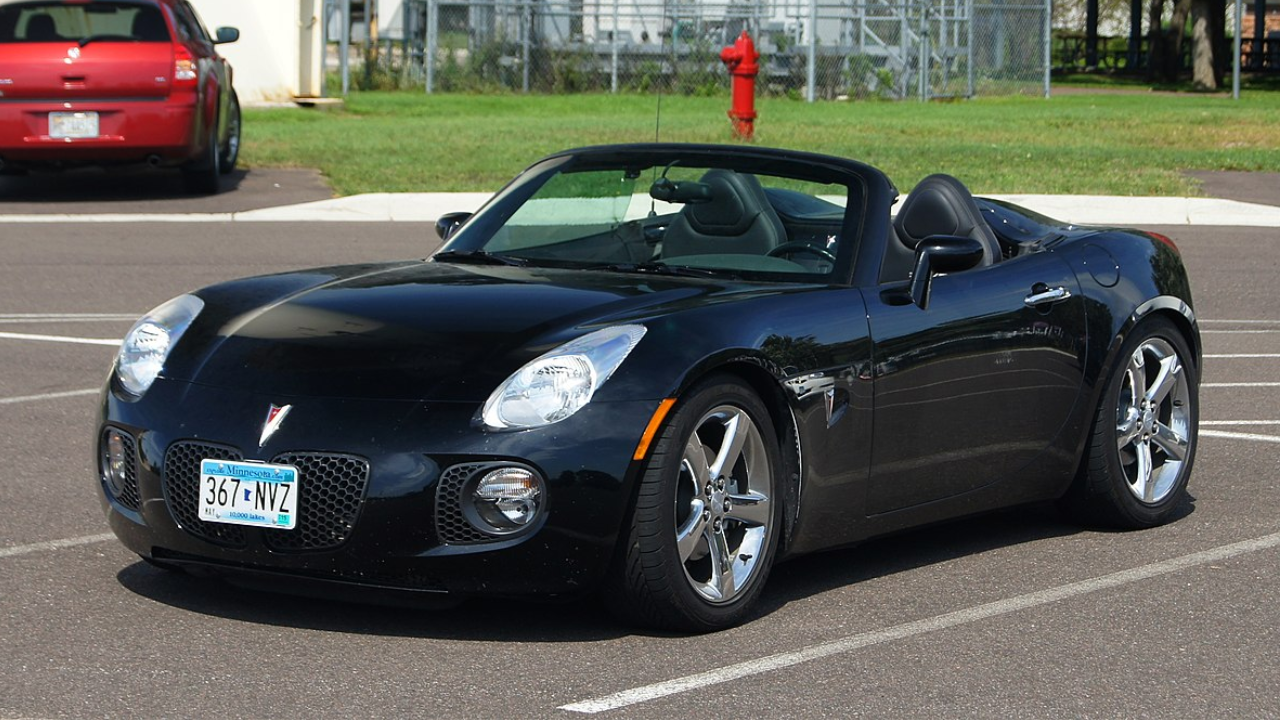
The Pontiac Solstice GXP, produced from 2007 to 2009, was a promising American roadster with a turbocharged engine that provided spirited performance. Despite its potential, the Solstice GXP was short-lived due to the economic downturn and the subsequent discontinuation of the Pontiac brand.
Though it had the makings of a classic, its untimely demise meant it never fully realized its potential. Today, it remains a favorite among those who value its unique styling and performance, serving as a reminder of what could have been.
Saab 9-3 Viggen
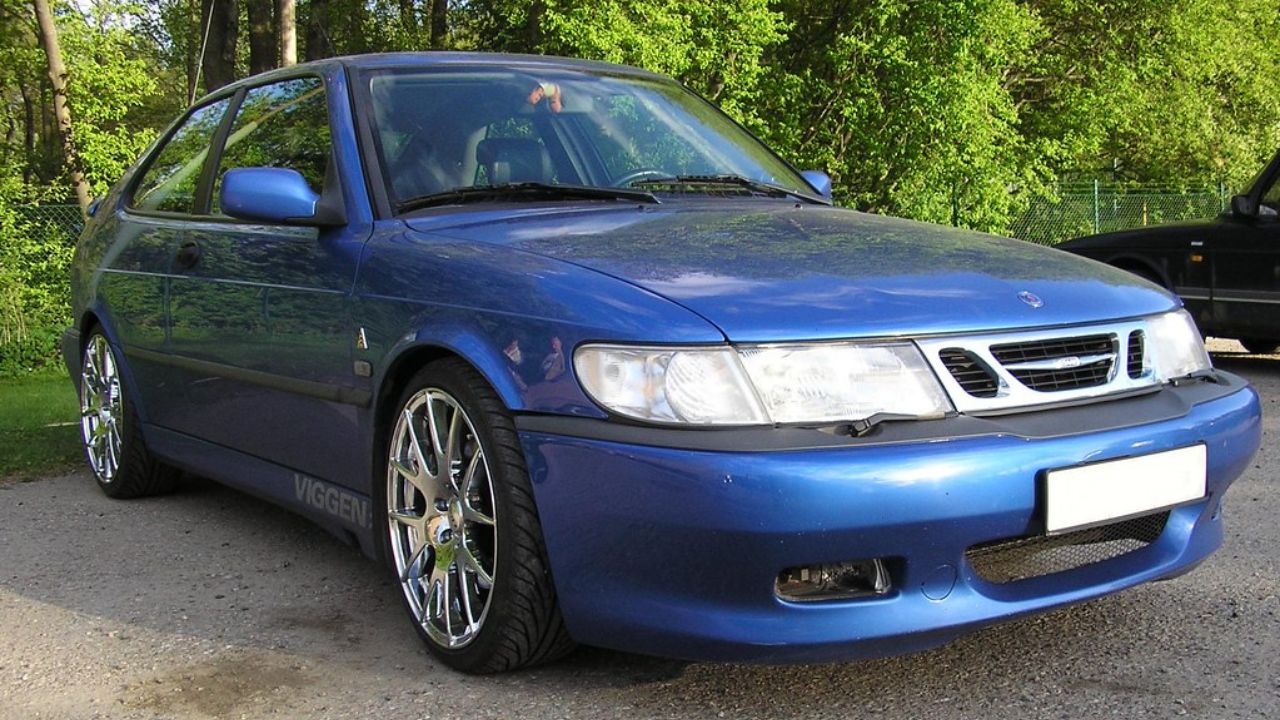
The Saab 9-3 Viggen, produced from 1999 to 2002, was a high-performance variant of the 9-3, featuring a turbocharged engine and distinctive styling. Despite its impressive power and unique Scandinavian charm, it never gained widespread popularity.
Part of the reason for its limited success was its quirky design and the brand’s niche appeal. However, the Viggen has since become a cult classic, appreciated by those who value its distinctiveness and performance characteristics.
BMW Z8
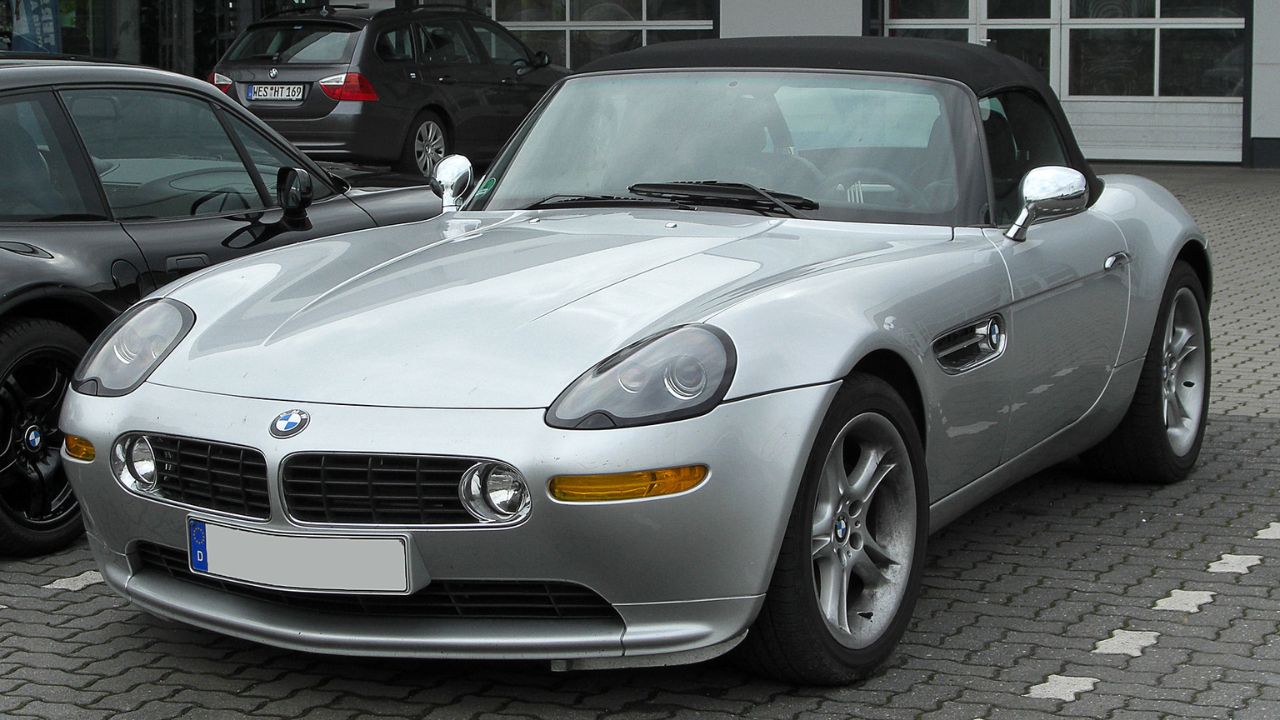
The BMW Z8, produced from 2000 to 2003, was a stunning roadster inspired by the classic 507. It featured a powerful V8 engine and a luxurious interior, positioning it as a high-end sports car. Despite its cinematic debut in a James Bond film, the Z8 never reached the sales figures BMW had hoped for.
The Z8 was ultimately a victim of its high price tag and limited production run. Today, it is highly valued by collectors and enthusiasts who appreciate its blend of style, performance, and exclusivity.
Like Fast Lane Only’s content? Be sure to follow us.
Here’s more from us:
*Created with AI assistance and editor review.