Supercars are more than just vehicles; they are a testament to human ingenuity and a quest for speed and style. While many follow the rules of engineering and design, some have dared to break the mold, rewriting the expectations for what a car can be. Here’s a look at ten supercars that defied conventions and left a lasting impact on the automotive world.
Lamborghini Countach
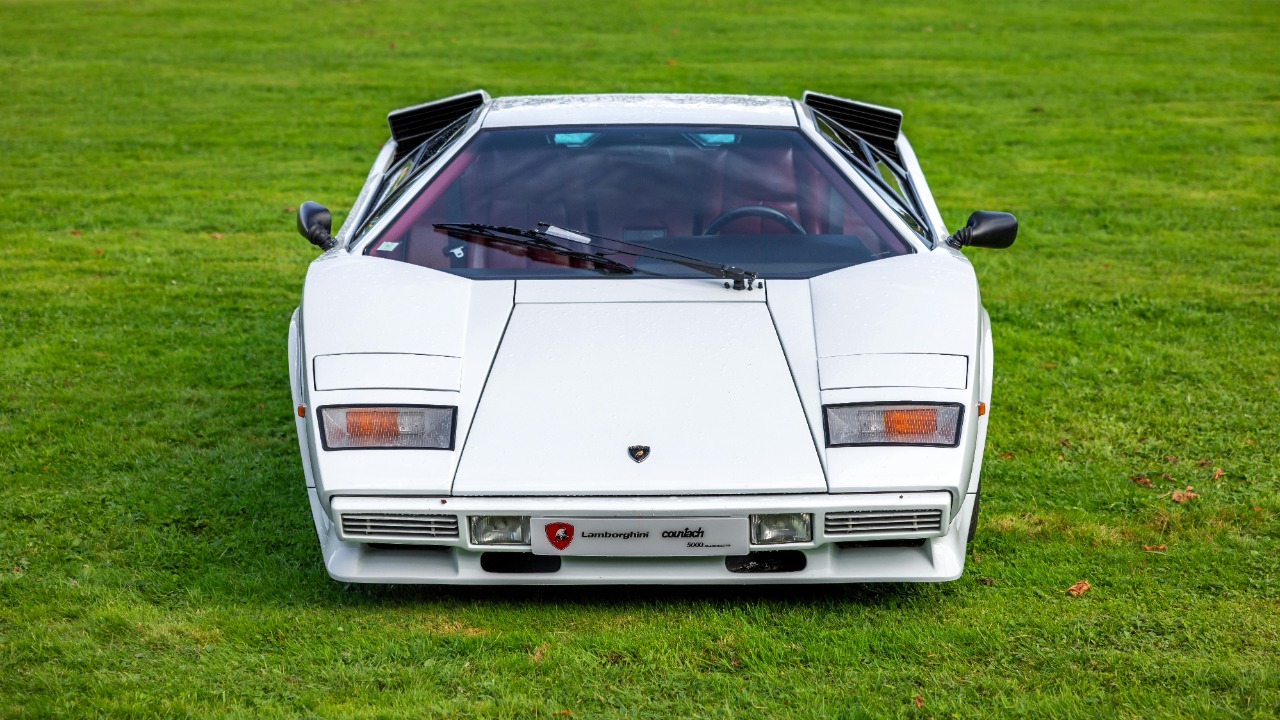
The Lamborghini Countach is a symbol of raw power and radical design. First introduced in the 1970s, it stood out with its sharp, angular lines and scissor doors, challenging the more rounded aesthetics of its time. The Countach was not just about looks; it packed a formidable V12 engine that pushed the boundaries of speed and performance. With its futuristic design, the Countach paved the way for Lamborghini’s bold approach to supercar design. Its influence is evident in modern models, ensuring its legacy endures in the world of high-performance vehicles.
Ferrari F40
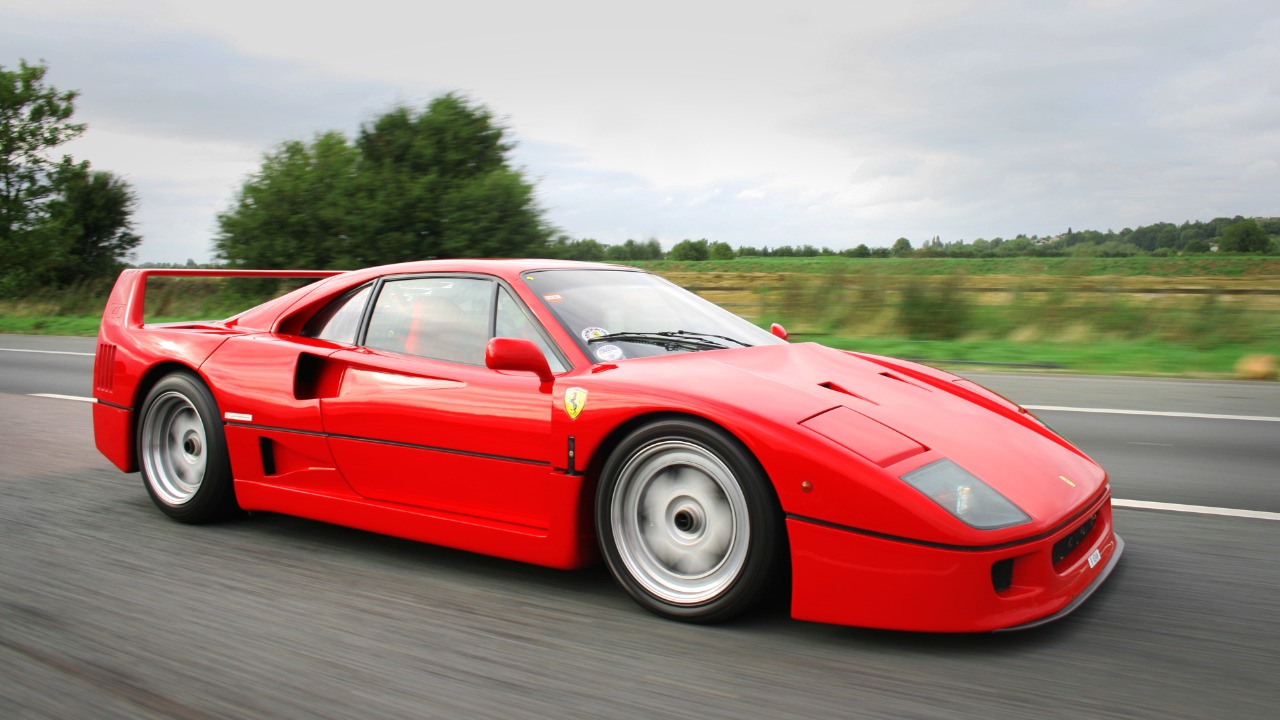
The Ferrari F40 was a celebration of Ferrari’s 40th anniversary, and it embodied the brand’s ethos of speed and style. Launched in 1987, the F40 was the last car personally approved by Enzo Ferrari. It broke the mold with its extensive use of lightweight materials, such as carbon fiber, which was revolutionary at the time. Equipped with a twin-turbocharged V8 engine, the F40 was one of the fastest cars of its era, reaching speeds over 200 mph. Its raw, unfiltered driving experience remains a benchmark for supercar enthusiasts today.
McLaren F1
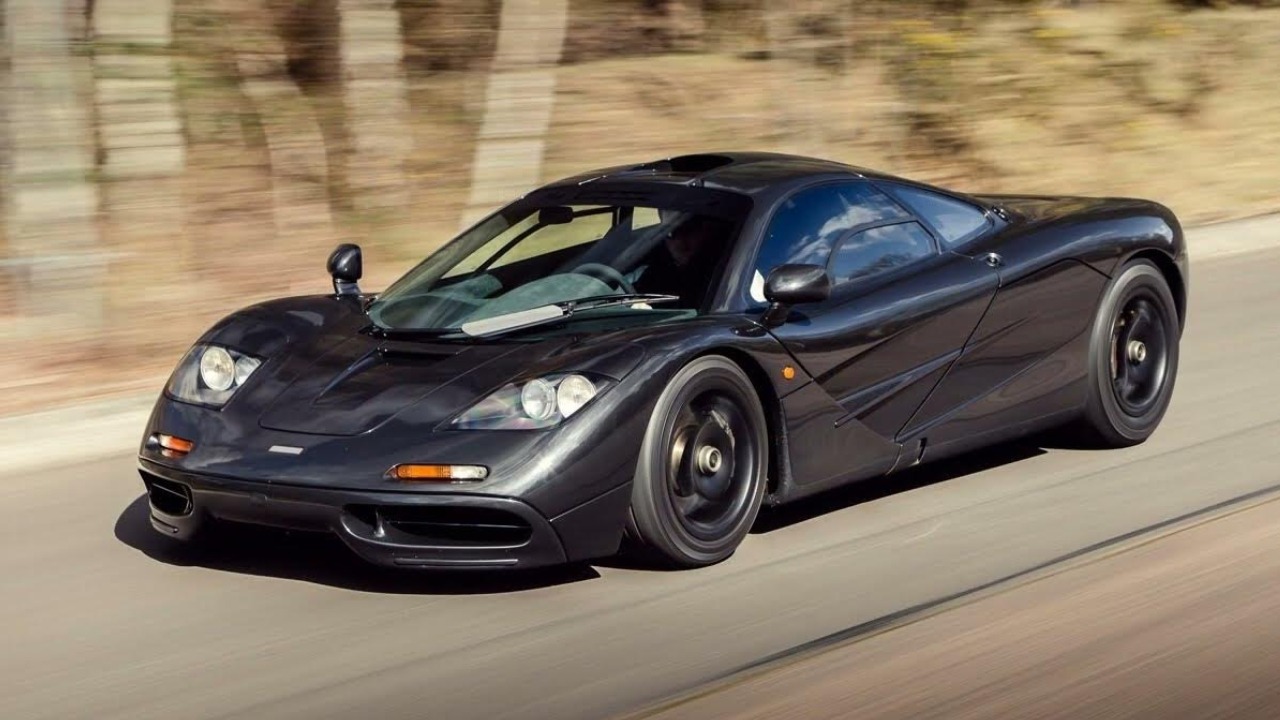
The McLaren F1, introduced in 1992, redefined what a supercar could achieve. Designed by Gordon Murray, the F1 featured a central driving position, a naturally aspirated V12 engine, and a monocoque carbon-fiber chassis that set new standards for performance and engineering. Its top speed of 240 mph made it the fastest production car for over a decade. The McLaren F1 remains a revered icon, illustrating innovation and engineering excellence that few have matched since.
Bugatti Veyron
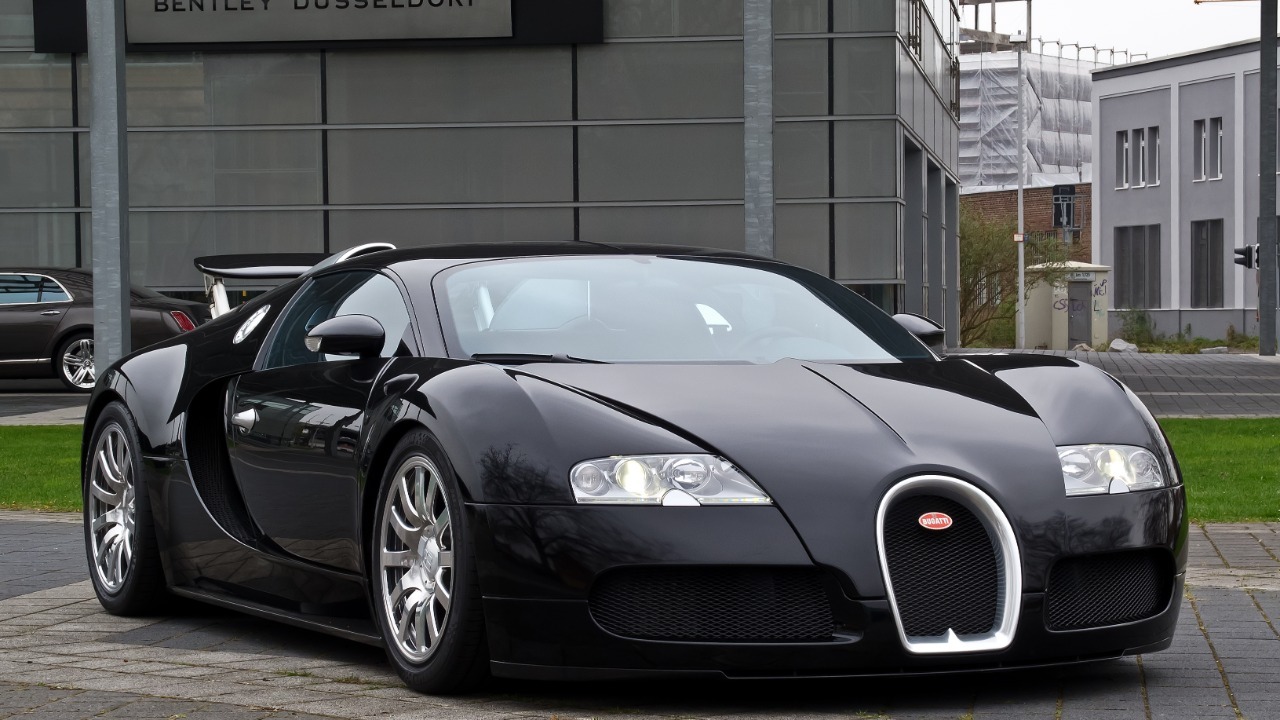
The Bugatti Veyron shattered records and expectations when it was launched in 2005. With its 8.0-liter quad-turbocharged W16 engine, the Veyron was the first production car to exceed 250 mph, pushing the limits of speed and luxury. Despite its jaw-dropping performance, the Veyron was designed for comfort and usability, making it a unique blend of hypercar performance and grand tourer luxury. It set a new benchmark for what a supercar could be.
Pagani Zonda
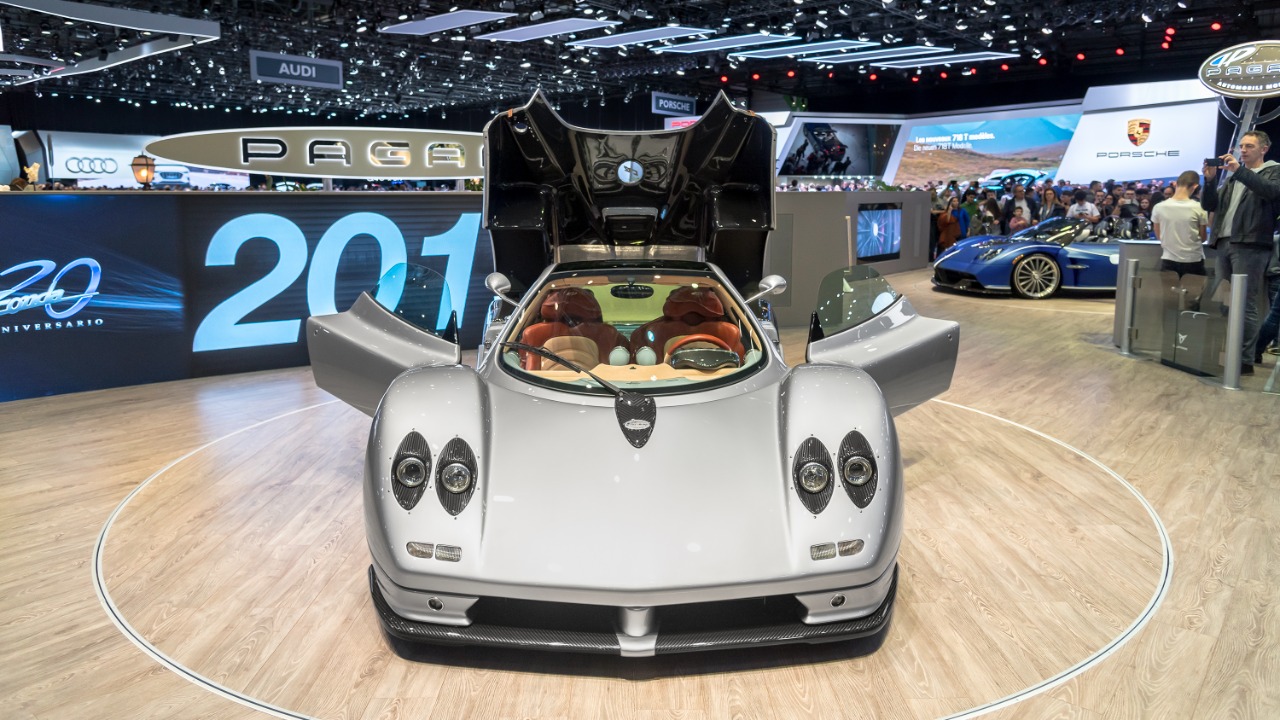
Since its debut in 1999, the Pagani Zonda has been a standout in the supercar world. Known for its exquisite design and meticulous craftsmanship, the Zonda combined a high-revving AMG V12 engine with an artistic approach to engineering. Each Zonda was a bespoke masterpiece, with unique touches that reflected the owner’s personality. Its impact on the supercar industry was profound, inspiring a new generation of hypercars that value both performance and artistic expression.
Koenigsegg Agera RS

The Koenigsegg Agera RS took the automotive world by storm with its record-breaking performance. In 2017, it became the fastest production car in the world, achieving an average top speed of 277.9 mph. With advanced aerodynamics and a powerful twin-turbo V8 engine, the Agera RS showcased the relentless pursuit of speed and innovation. Its achievements highlight the capabilities of small manufacturers to challenge and surpass established brands.
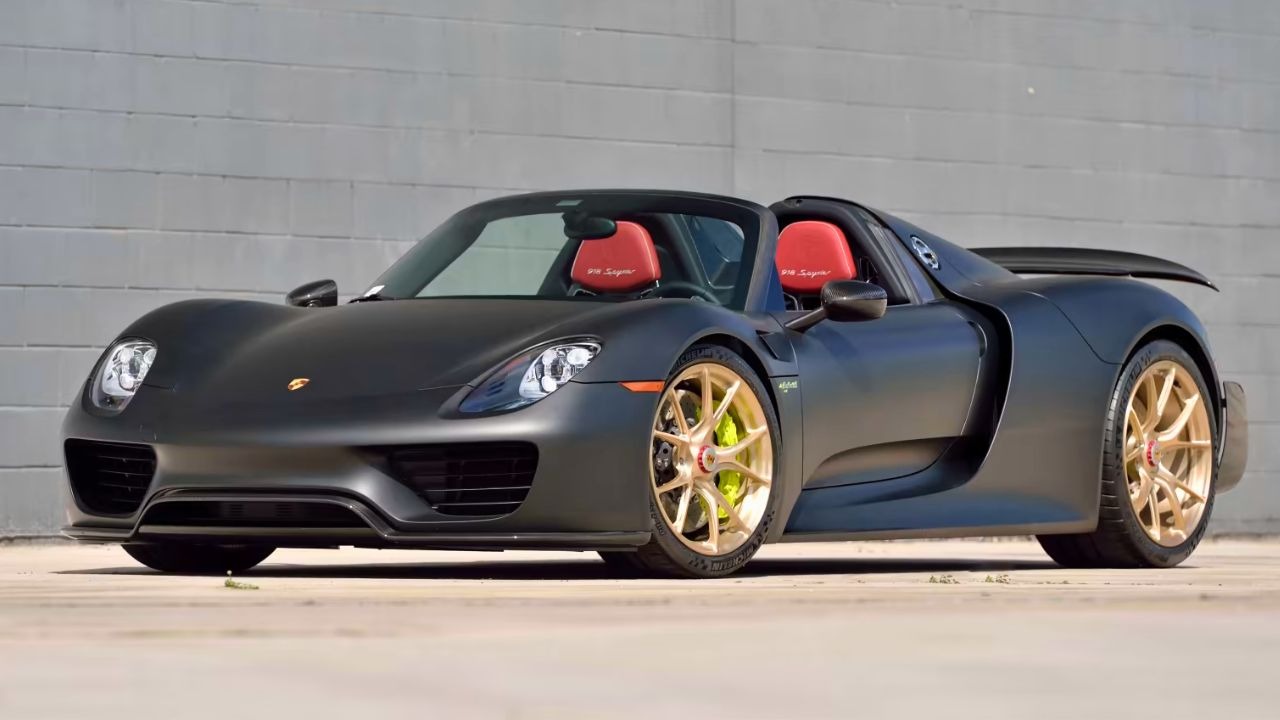
Porsche 918 Spyder
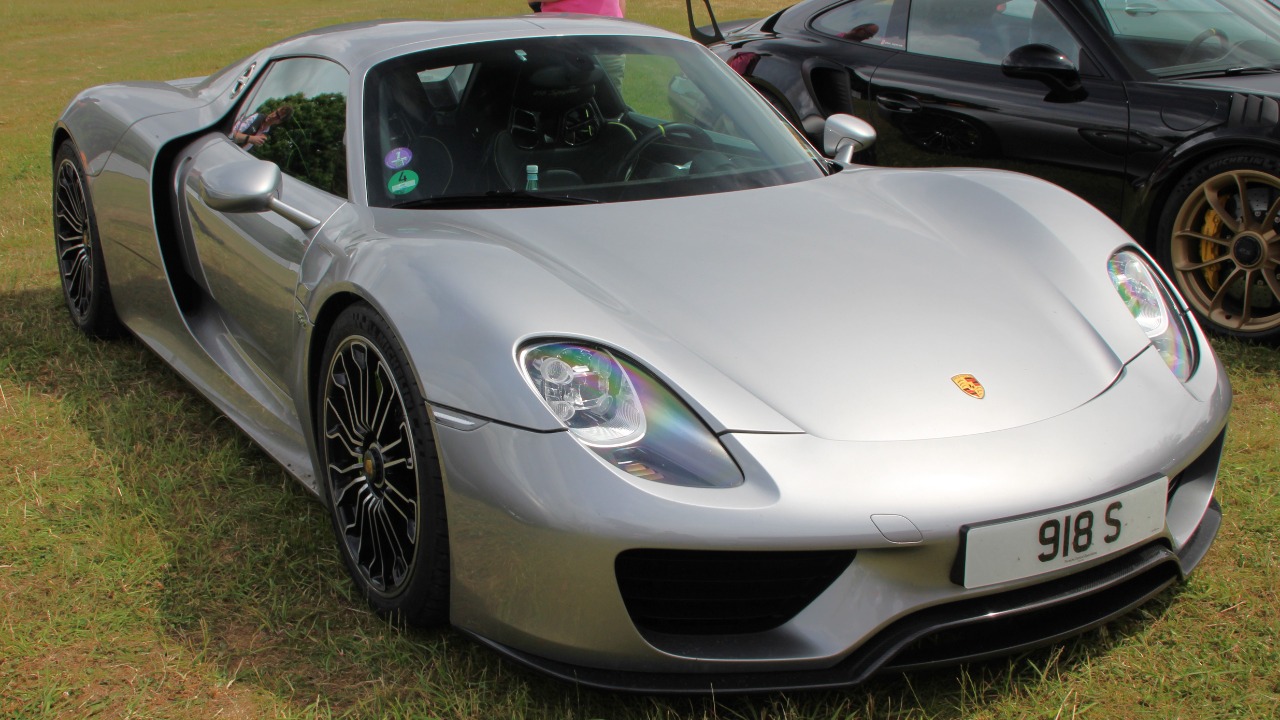
The Porsche 918 Spyder, introduced in 2015, brought hybrid technology to the forefront of supercar engineering. With a combination of a high-revving V8 and two electric motors, the 918 demonstrated that environmental consciousness and exhilarating performance could coexist. Its sophisticated technology and astonishing speed set a new standard for hybrid supercars, influencing future models and encouraging a shift towards sustainable performance vehicles.
Aston Martin Vulcan
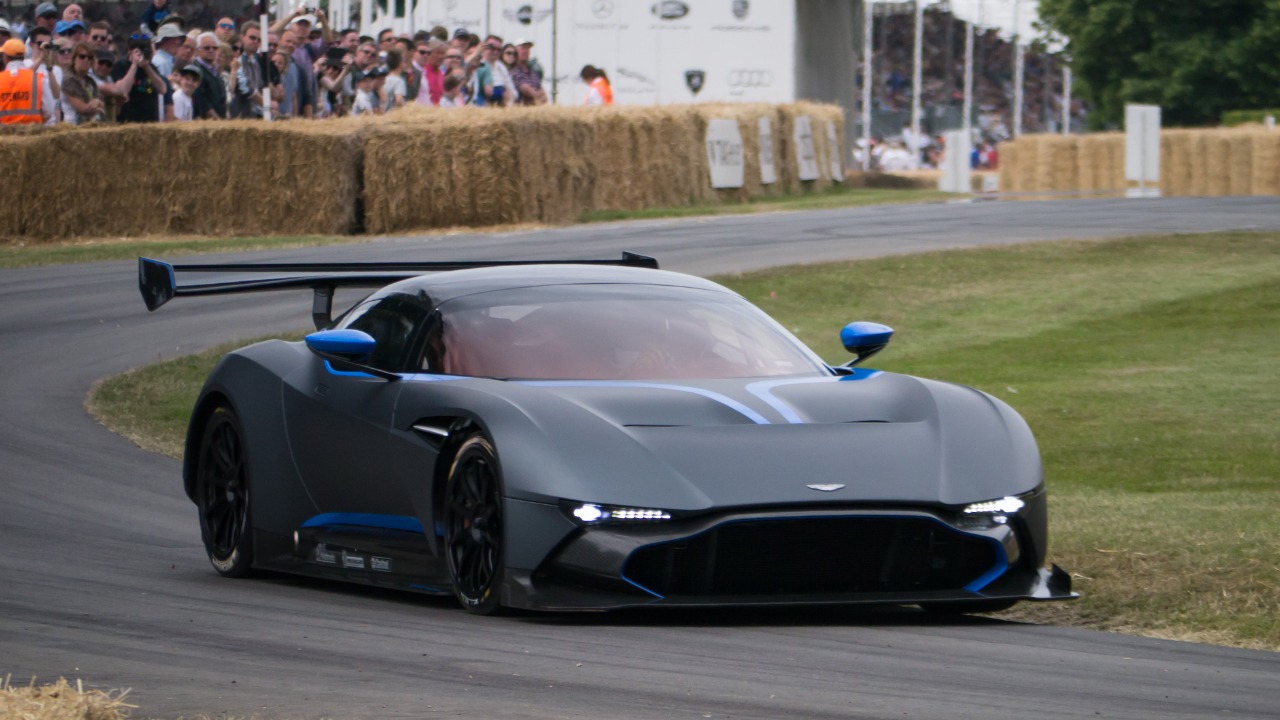
The Aston Martin Vulcan is a track-only supercar that pushed the limits of design and performance. Launched in 2015, it featured a naturally aspirated 7.0-liter V12 engine and a carbon-fiber monocoque chassis, offering an uncompromising driving experience. With only 24 units produced, the Vulcan is a rare and exclusive beast, representing Aston Martin’s dedication to innovation and performance. Its striking design and raw power make it a formidable presence on any track.
Rimac C_Two
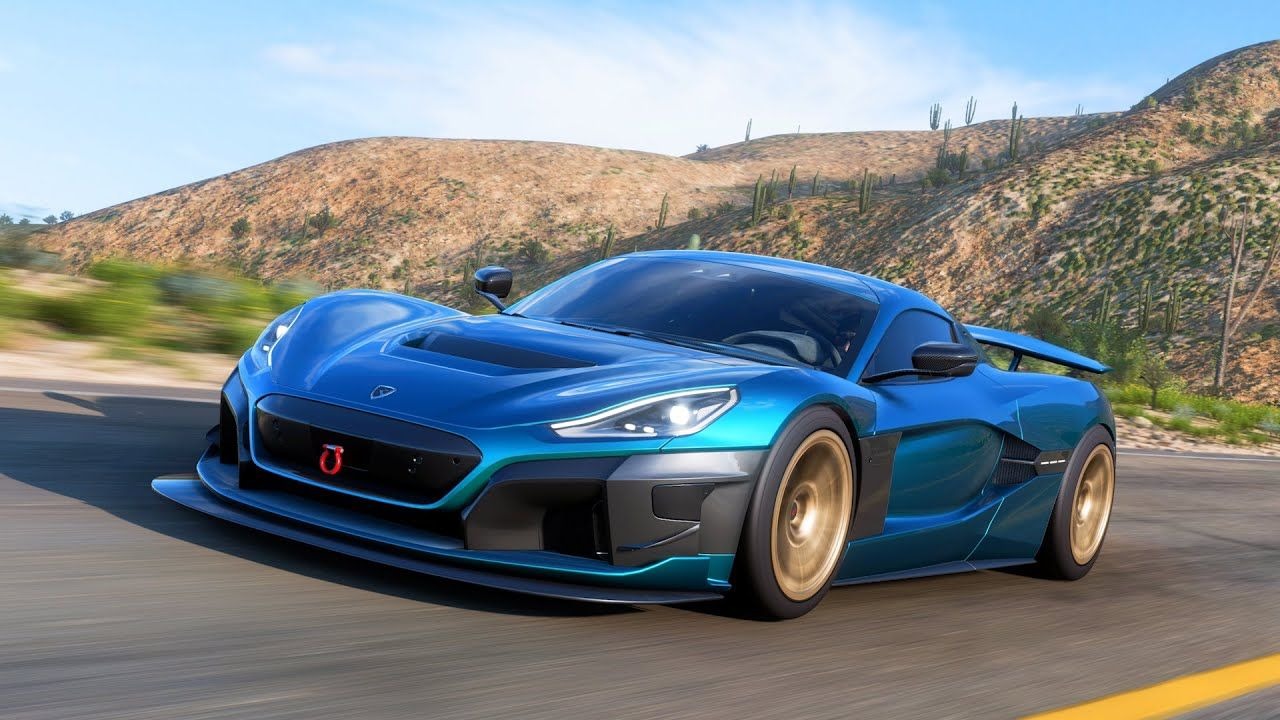
The Rimac C_Two, soon to be known as the Rimac Nevera, is a testament to the future of electric supercars. With a staggering 1,914 horsepower from its four electric motors, it promises to redefine performance benchmarks. Its advanced technology, including an autonomous driving system and over-the-air updates, positions the C_Two as a forward-thinking vehicle. The Rimac C_Two is a bold statement that electric cars can compete with, and even surpass, their traditional counterparts in terms of speed and agility.
Ferrari LaFerrari
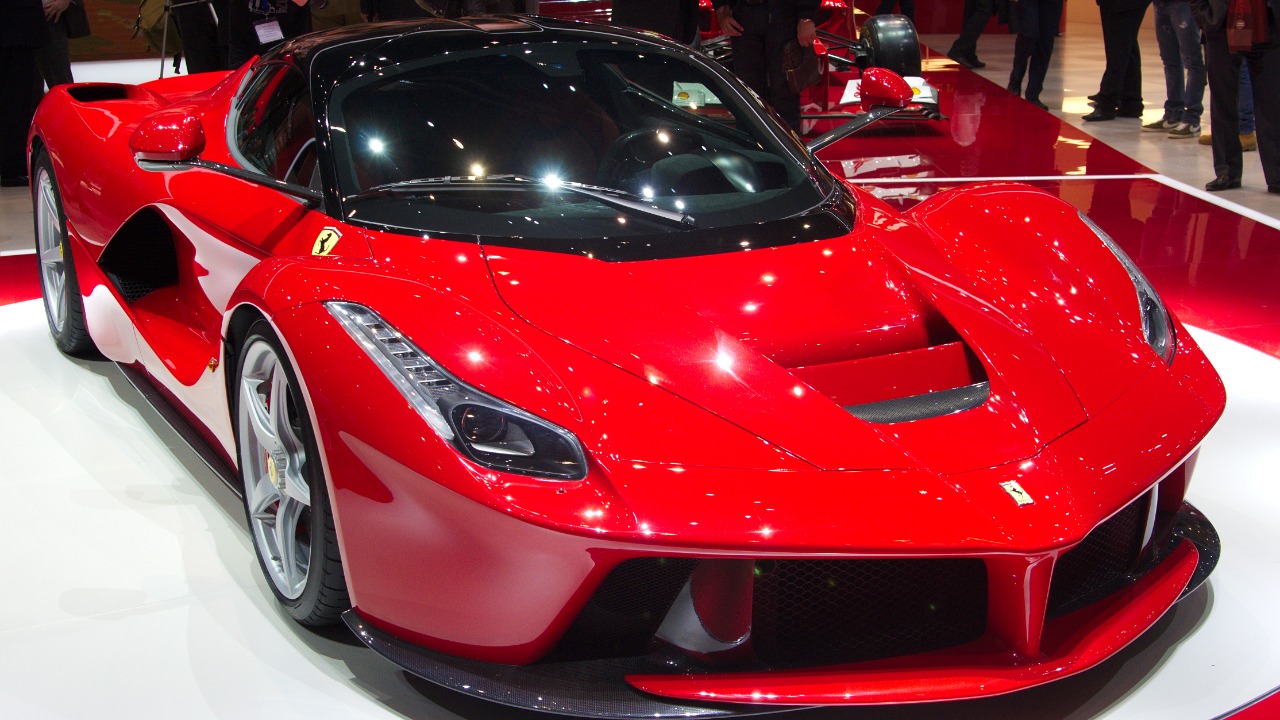
The Ferrari LaFerrari is a hybrid hypercar that combines traditional Ferrari performance with cutting-edge technology. Its 6.3-liter V12 engine paired with an electric motor produces over 950 horsepower, offering breathtaking speed and handling.
Released in 2013, the LaFerrari was Ferrari’s first production car to include hybrid technology, marking a significant step in the brand’s evolution. Its blend of power, efficiency, and elegance ensures its place among the most iconic supercars of all time.
Like Fast Lane Only’s content? Be sure to follow us.
Here’s more from us:
*Created with AI assistance and editor review.