
Classic cars get a lot of love—and let’s be honest, most of it’s for how they look. Those chrome bumpers, curved fenders, and retro interiors are pure eye candy. But if you’ve ever driven one, you probably learned the hard way that beauty doesn’t always mean quality behind the wheel.
A lot of vintage rides are all style and no substance. From vague steering to sloppy suspension and questionable brakes, these ten classics remind us that not everything from the past deserves a comeback—at least not on the road.
Jaguar E-Type (1961–1975)
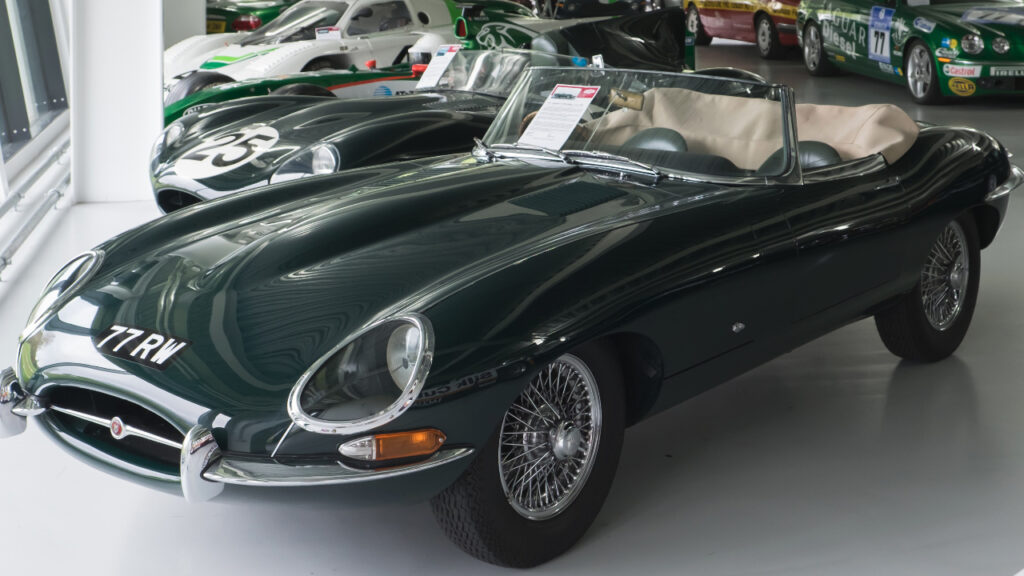
There’s no denying the E-Type’s curb appeal, but actually driving one can be a letdown. The steering is heavy, the gear changes can feel clunky, and the suspension doesn’t handle modern roads all that well.
Despite its sports car image, it doesn’t deliver a connected driving feel. It’s a classic better suited to a showroom than a curvy backroad. It looks fast standing still—but that might be the best way to enjoy it.
Volkswagen Beetle (1938–2003)
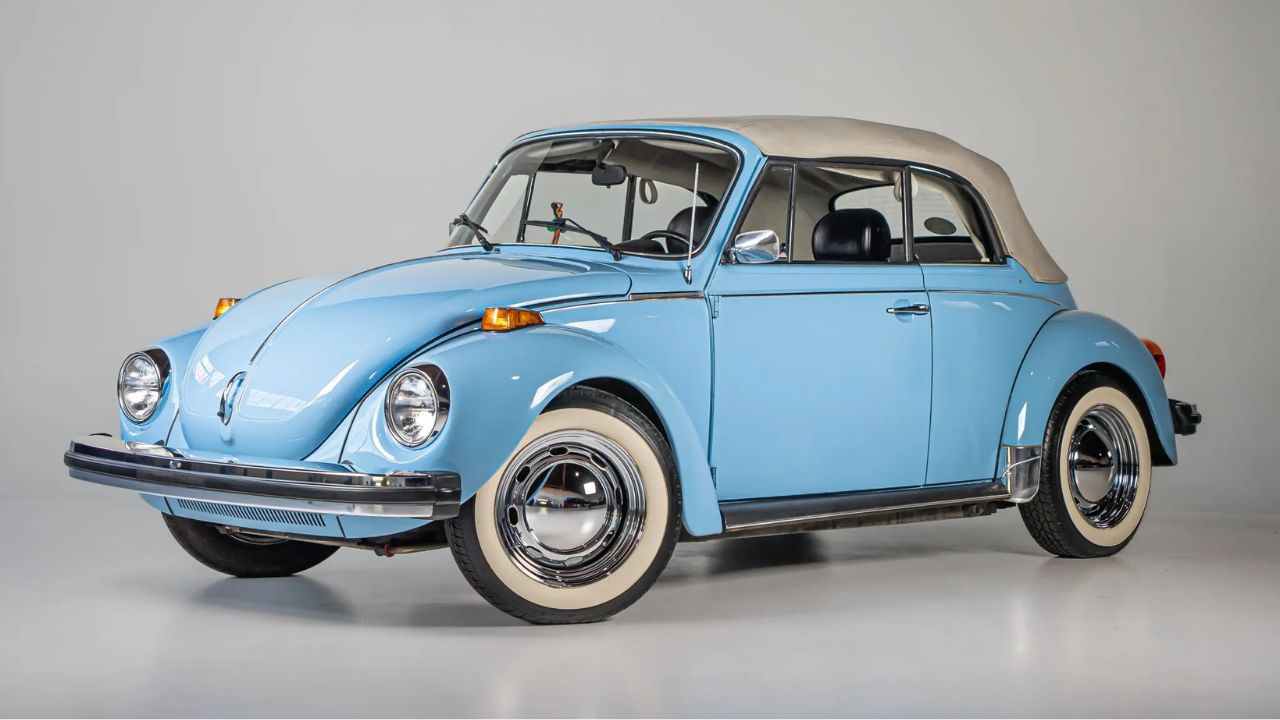
The Beetle has charm for days, but smooth driving isn’t part of the package. The engine sounds like a sewing machine, the steering’s vague, and it takes forever to get anywhere.
It might be cute and iconic, but behind the wheel, it’s noisy, slow, and stiff. Long drives feel longer, and the handling doesn’t inspire confidence. Fun to look at? Absolutely. Fun to drive? Not so much.
Chevrolet Corvair (1960–1969)
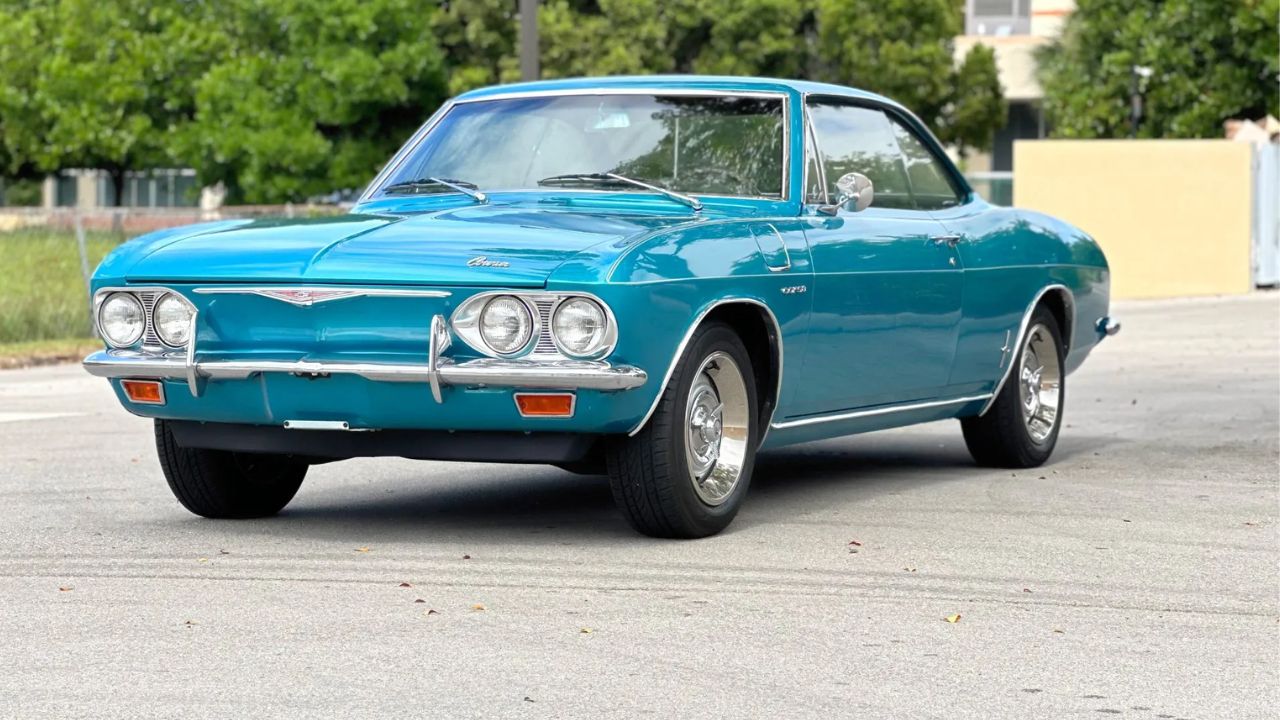
GM tried something different with the Corvair—and paid for it. The rear-mounted, air-cooled engine and swing-axle suspension made it unpredictable in corners, especially if the road wasn’t perfect.
It had potential, but sloppy handling and poor weight balance gave it a sketchy reputation. Even today, many people admire it for its uniqueness, but once you get behind the wheel, you’ll understand why it stirred up controversy.
Ford Thunderbird (1955–1966)

The Thunderbird may have been a personal luxury coupe, but behind the wheel, it feels like a floating sofa. The suspension is soft, the steering is slow, and you feel every bit of its weight when you take a turn.
Sure, it looks fantastic and rides smooth in a straight line. But once you try to do anything more demanding, it quickly reveals its limitations. It’s all about the image—not the driving experience.
Morris Minor (1948–1971)
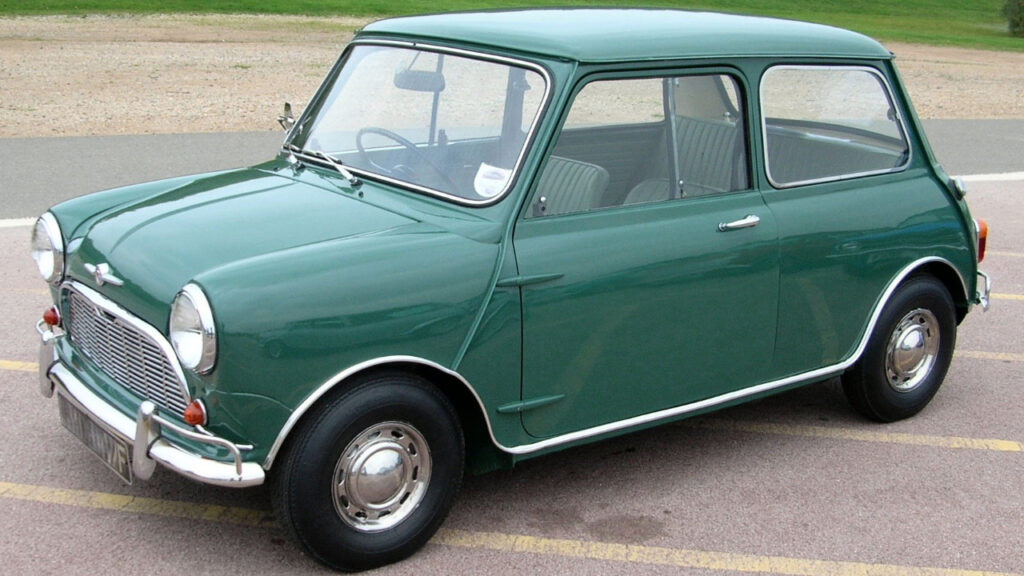
The Morris Minor was practical for its time, but driving one today feels like a chore. It’s slow to accelerate, clumsy around corners, and feels completely out of its depth at highway speeds.
Steering is a workout, and the suspension doesn’t offer much help. It’s got vintage charm, but that doesn’t make up for how uncomfortable and underpowered it feels on the road.
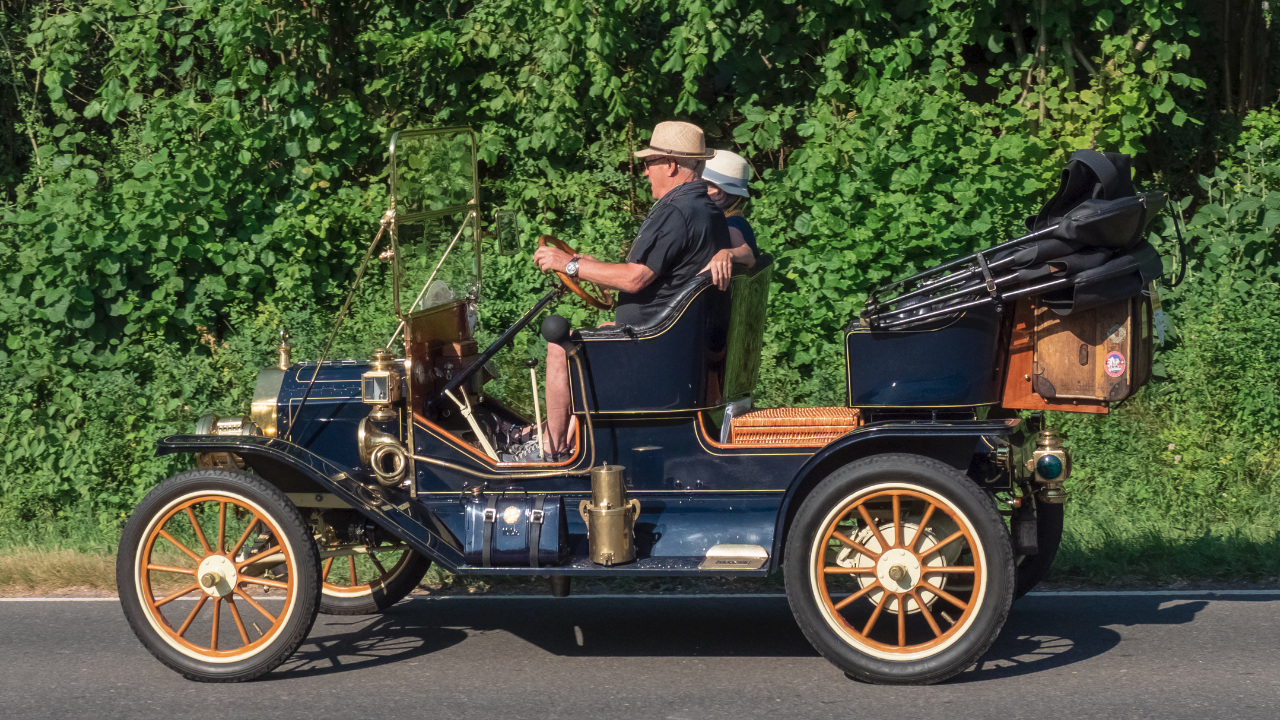
Ford Model T (1908–1927)
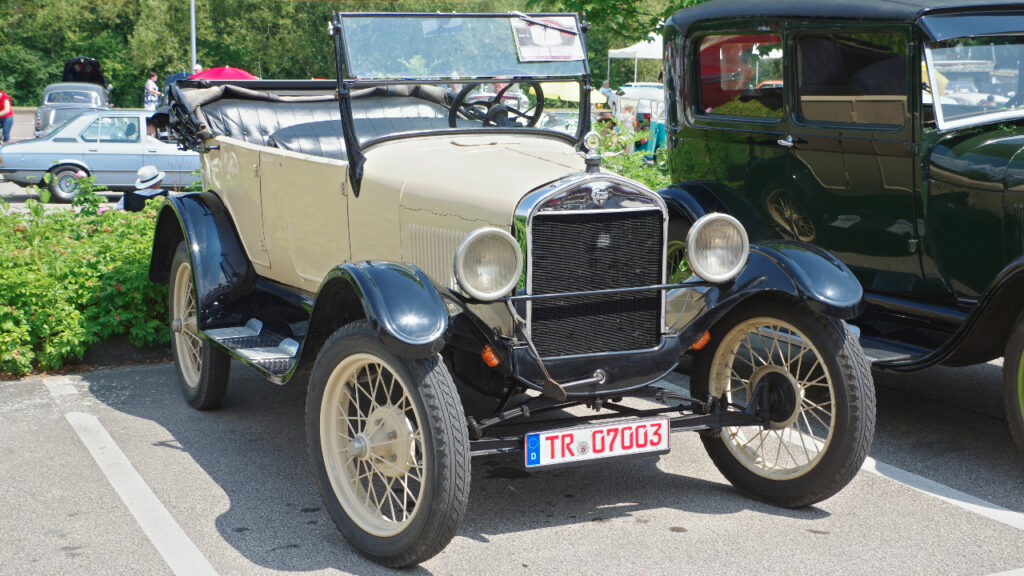
Yes, it changed the world. No, it’s not fun to drive. The Model T requires a crash course just to operate—with foot controls for shifting, a hand throttle, and practically no brakes.
It’s a rough, awkward experience that makes modern base-model sedans feel like high-end luxury cars. Historically important? Absolutely. Something you want to daily drive? Not unless you’re time-traveling.
Datsun 240Z (1969–1978)
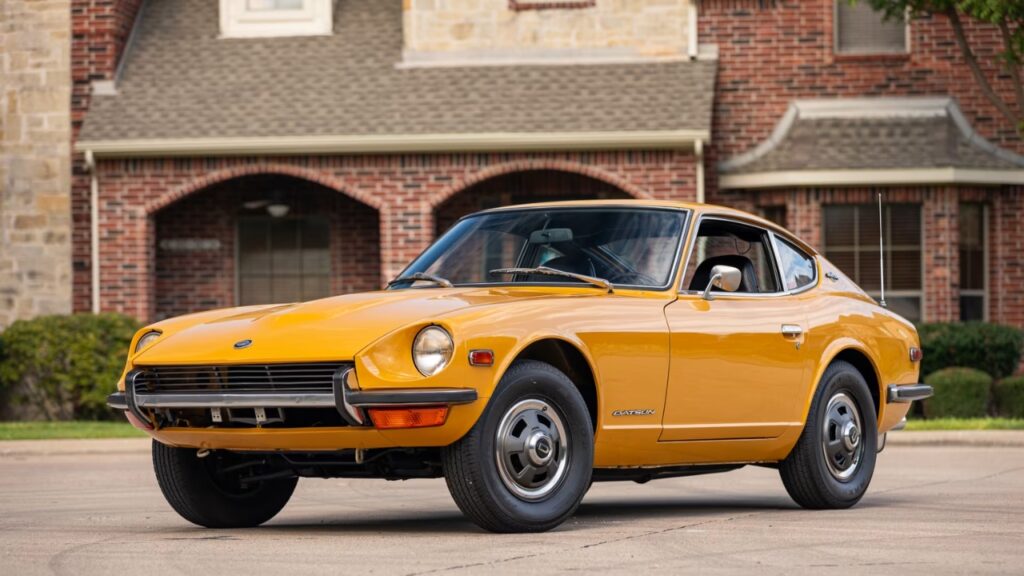
The 240Z looked like a budget European sports car and sold like crazy—but the drive doesn’t quite live up to the hype. The suspension is floaty, the steering lacks feel, and the power, while decent for its day, feels flat now.
It handles better than some on this list, but expectations often outpace reality. For all its good looks, the 240Z feels more old than gold once you push it.
Chevrolet Camaro (1967–1969)
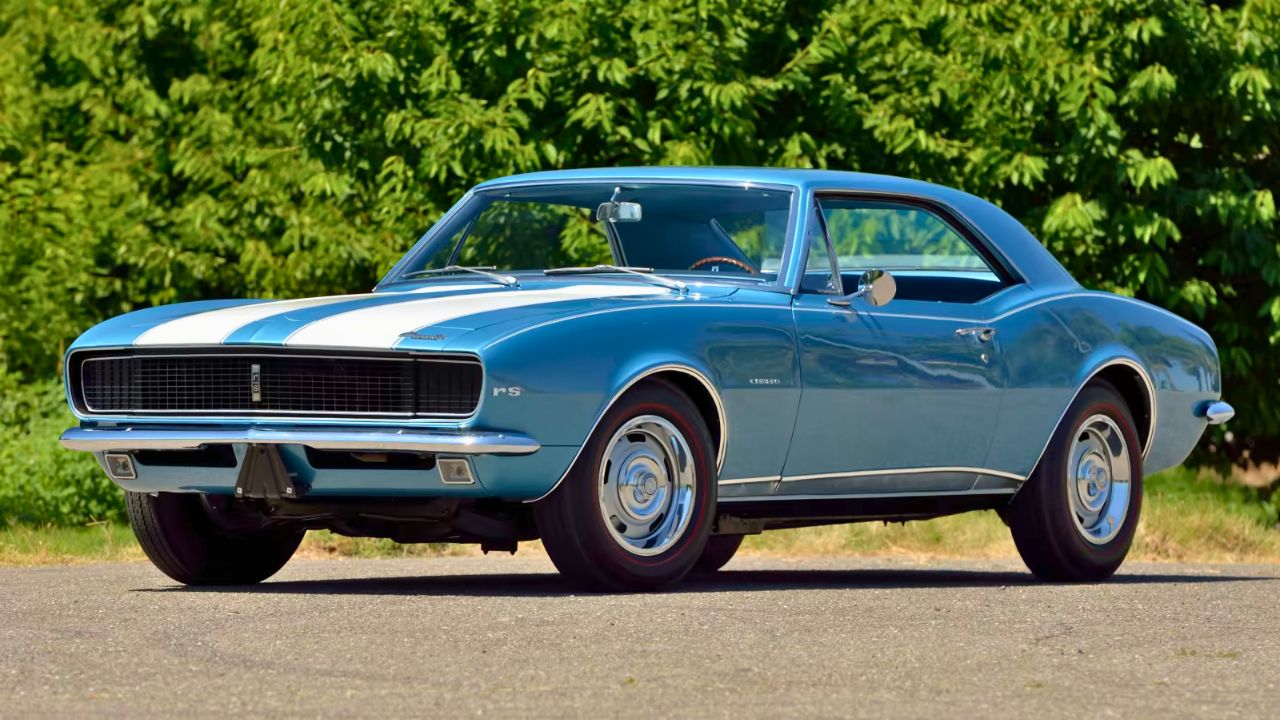
The first-gen Camaro had muscle-car swagger and serious straight-line speed—but that’s where the praise ends. The steering’s vague, the brakes are barely there, and the ride quality is rough around the edges.
Cornering was never its strong suit, and it’s more about the sound and stance than finesse. Fun in a drag race, sure. But for daily driving or backroads, it’s a workout.
Aston Martin DB5 (1963–1965)
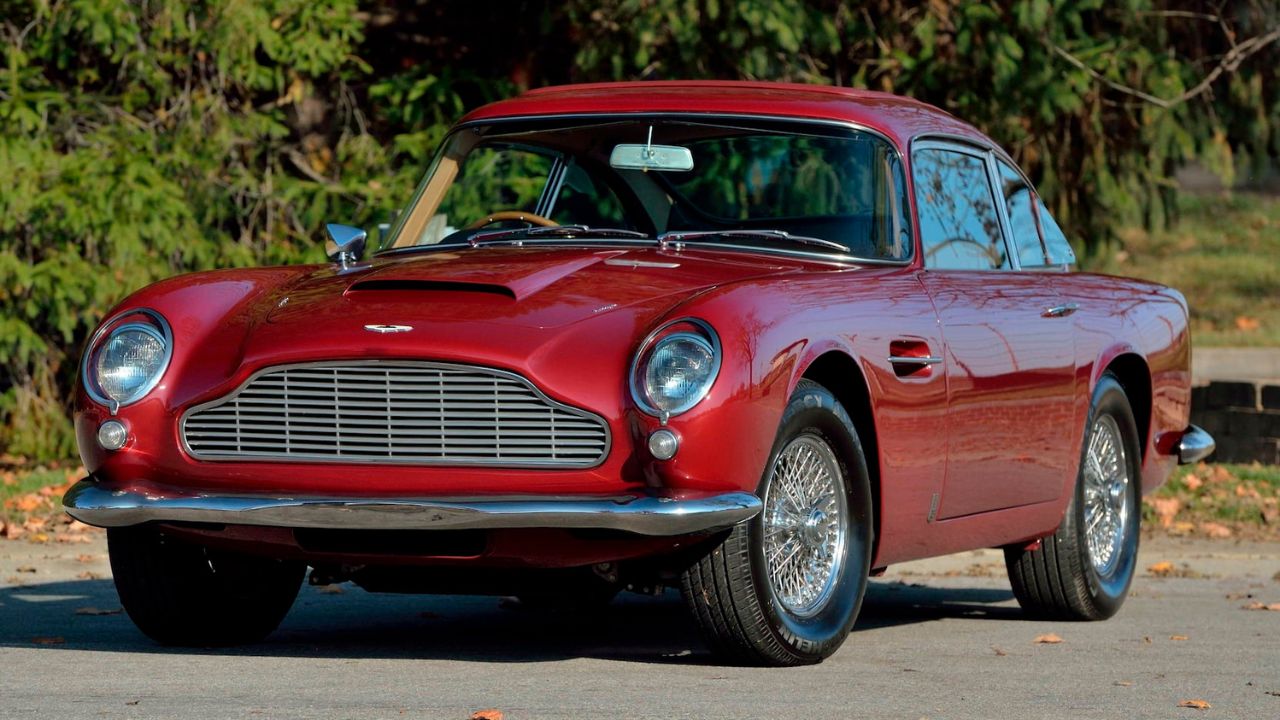
James Bond made the DB5 look effortless—but in real life, it’s not nearly as polished. Steering is disconnected, brakes feel wooden, and the handling doesn’t match its sleek reputation.
It’s beautiful and valuable, but modern sports cars leave it in the dust. You buy a DB5 for its history and status, not for how it drives on a winding road. It’s better as a museum piece than a track toy.
Plymouth Barracuda (1964–1974)
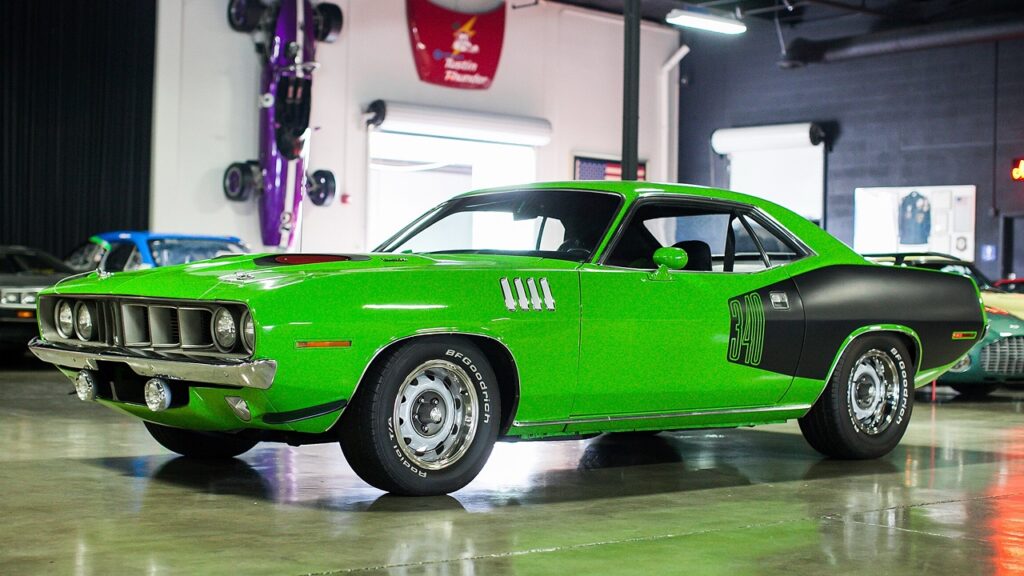
The Barracuda had muscle and attitude, but handling was never its strength. The steering feels vague, the rear end is twitchy under power, and cornering can be unpredictable.
Mash the throttle and you’ll have fun in a straight line, but throw it into a curve and the fun fades fast. It’s all torque and tail-wagging—great for burnouts, less great for control.
Like Fast Lane Only’s content? Be sure to follow us.
Here’s more from us:
*Created with AI assistance and editor review.



Leave a Reply