Hagerty, Yahoo Finance and specialist analysts are all pointing to a striking shift in collector interest, as once humble models such as the Datsun 510 and Dodge Ramcharger surge in price. Classic SUVs, quirky European city cars and early Japanese sports models that once sat at the bottom of classifieds are now trading for serious money. For enthusiasts and investors alike, understanding which formerly cheap machines are exploding in value has become essential to staying ahead of the next spike.
1964 Citroën 2CV Sahara
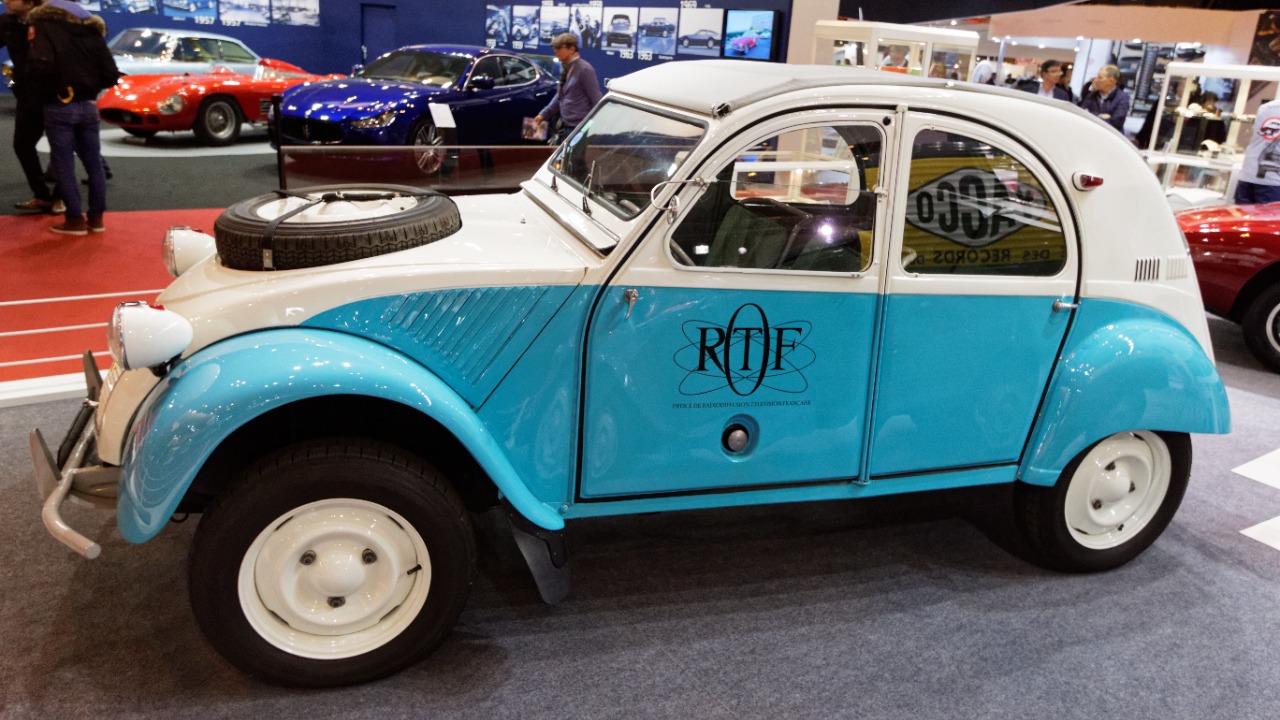
The 1964 Citroën 2CV Sahara is a prime example of a utilitarian runabout that has turned into serious money. Originally engineered for rugged rural use with twin engines and simple construction, it was once one of the most affordable ways to get basic transport. According to one classic car analysis, the Citroën 2CV Sahara has reached around $130,000, a figure that would have seemed unthinkable when these cars were still being used as farm tools.
This escalation reflects a broader appetite for rare variants of once common European economy cars. As collectors search for distinctive stories and engineering quirks, the Sahara’s dual powertrain and Citroën’s minimalist design philosophy have become key selling points. For buyers who dismissed the 2CV as disposable transport, the current market serves as a reminder that scarcity and character can transform even the most modest model into a six figure asset.
1961–1964 Jaguar E-Type SI 3.8 Coupe

The 1961 to 1964 Jaguar E-Type SI 3.8 Coupe has never been truly cheap, yet it was once accessible enough that many enthusiasts could stretch to ownership. Expert valuation data now places the Jaguar E-Type SI 3.8 Coupe around $182,800, confirming that the early 3.8 has moved firmly into blue chip territory. Though costly, the car’s combination of design, motorsport heritage and usability keeps demand intense.
Specialists highlight that the Type SI Coupe helped define the modern sports car template, which means collectors now see it as a cornerstone of any serious collection. As later E-Type variants climbed, attention turned back to the earliest 3.8 cars that had lagged in value. That catch up effect has pushed tidy examples far beyond what many long time fans expected, illustrating how quickly a once attainable classic can become financially out of reach.
1978–1983 Datsun 280ZX

The 1978 to 1983 Datsun 280ZX spent years overshadowed by the earlier 240Z and 260Z, and for a long period it was a budget entry into Japanese performance. Market guides now peg the Datsun 280ZX around $32,800, and separate analysis notes that the Datsun 280ZX is up a remarkable 138% since 2019.
That kind of percentage gain is exactly what collectors mean when they talk about cars that were once cheap but are now exploding in value. The 280ZX’s blend of comfort and performance, along with period correct styling and motorsport connections, has finally found its audience. Younger buyers who grew up seeing these cars in family driveways are now willing to pay a premium, pushing clean, original examples well beyond their long standing bargain status.
DeLorean DMC-12
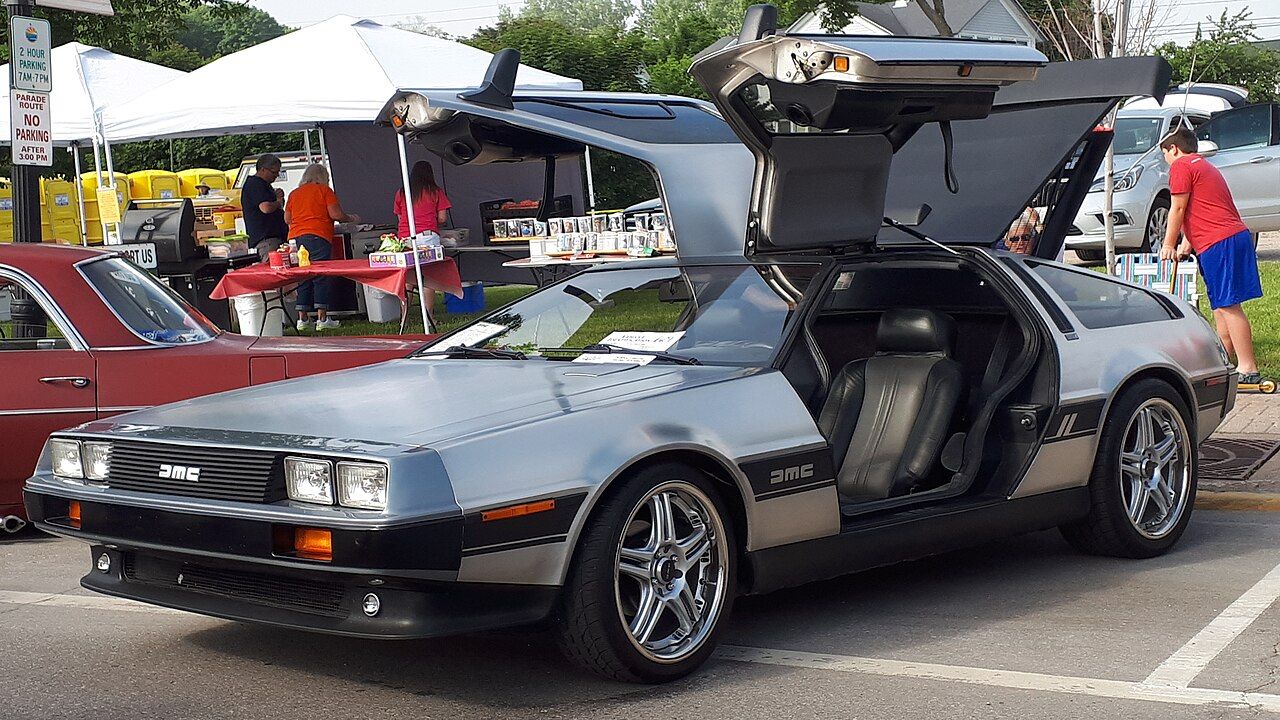
The DeLorean DMC-12 was initially a commercial disappointment, yet its stainless steel body and gullwing doors made it a pop culture icon. Contemporary commentary describes how, when new, the DeLorean DMC-12 was a statement car, a pop culture phenomenon and an automotive Greek tragedy all at once. That complex history, combined with its film fame, has now translated into rising prices.
Recent market analysis indicates that the DMC has gained around 73% over a short period, reflecting a surge of interest from collectors who once dismissed it as a curiosity. For stakeholders, that shift shows how cultural resonance and scarcity can outweigh period criticism of performance, turning a once troubled project into a serious investment piece.
1968 Datsun 510
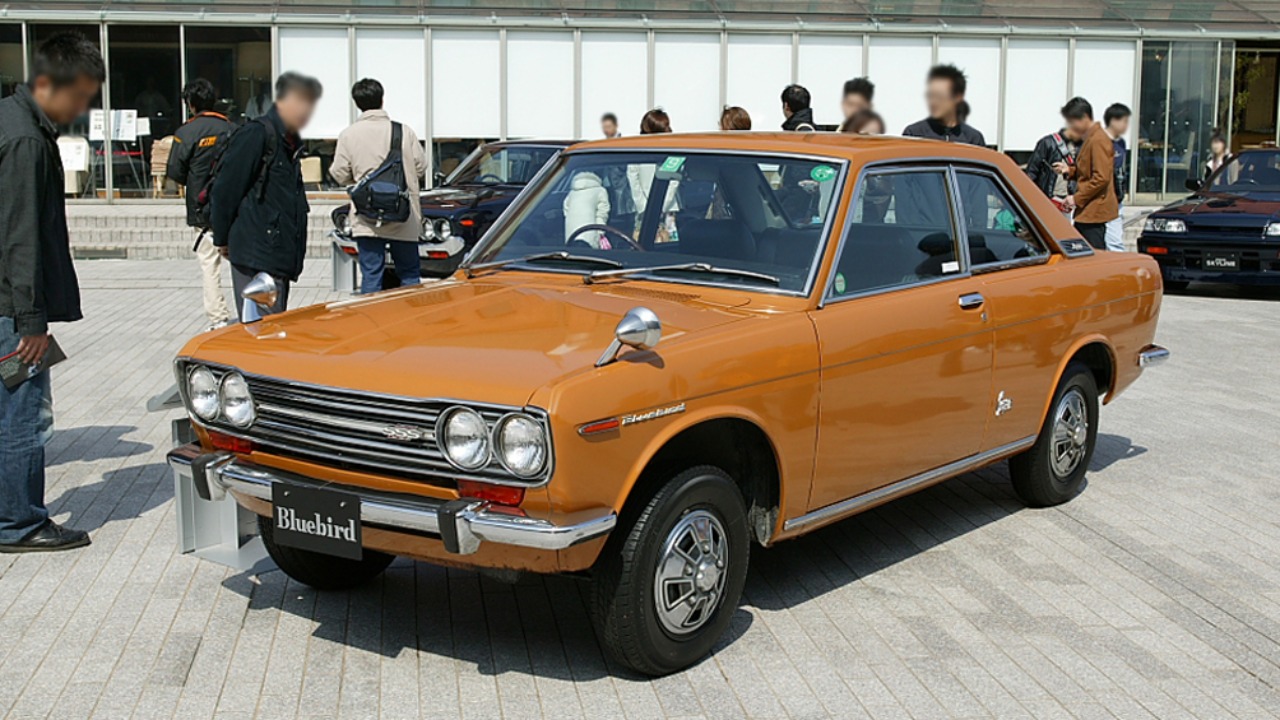
The 1968 Datsun 510 was built as an affordable compact sedan, yet it quietly developed a reputation as a giant killer in motorsport. According to one long term value study, the 1968 Datsun 510 increased in value by £4,695, a jump of 132% over a decade. That kind of percentage gain is striking for a car that once traded for little more than scrap value.
The Datsun’s simple mechanicals and rear wheel drive layout have made it a favorite for period correct restorations and vintage racing builds. As more cars are modified or lost, original examples become harder to find, pushing prices higher. The 132% appreciation highlights how Japanese family cars from the late 1960s are no longer overlooked, and signals to collectors that similar models could follow the same trajectory.
1981–1993 Dodge Ramcharger
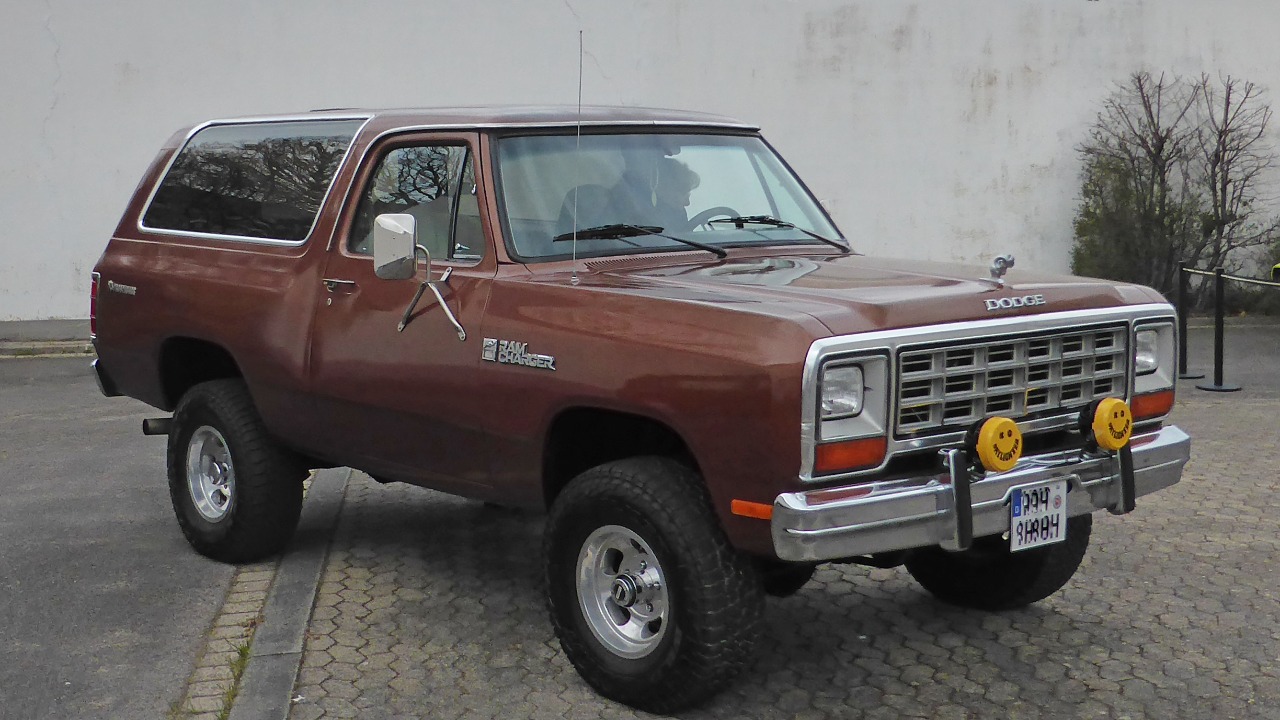
The 1981 to 1993 Dodge Ramcharger spent much of its life as a workhorse SUV, often used hard and discarded. Recent expert commentary now lists the Dodge Ramcharger at around $25,300, reflecting a sharp reassessment of its desirability. Classic SUVs have become hot items in the collector market, particularly among younger enthusiasts who value their rugged image and practicality.
This shift mirrors the broader rise of vintage off roaders, from early Land Rover models to period General Hummer variants. For the Ramcharger, limited surviving numbers and distinctive styling have combined to lift it from used truck status into collectible territory. Owners who once viewed these vehicles as disposable now find themselves holding assets that appeal to both nostalgia driven buyers and investors tracking the Classic SUV trend.
Volvo P1800
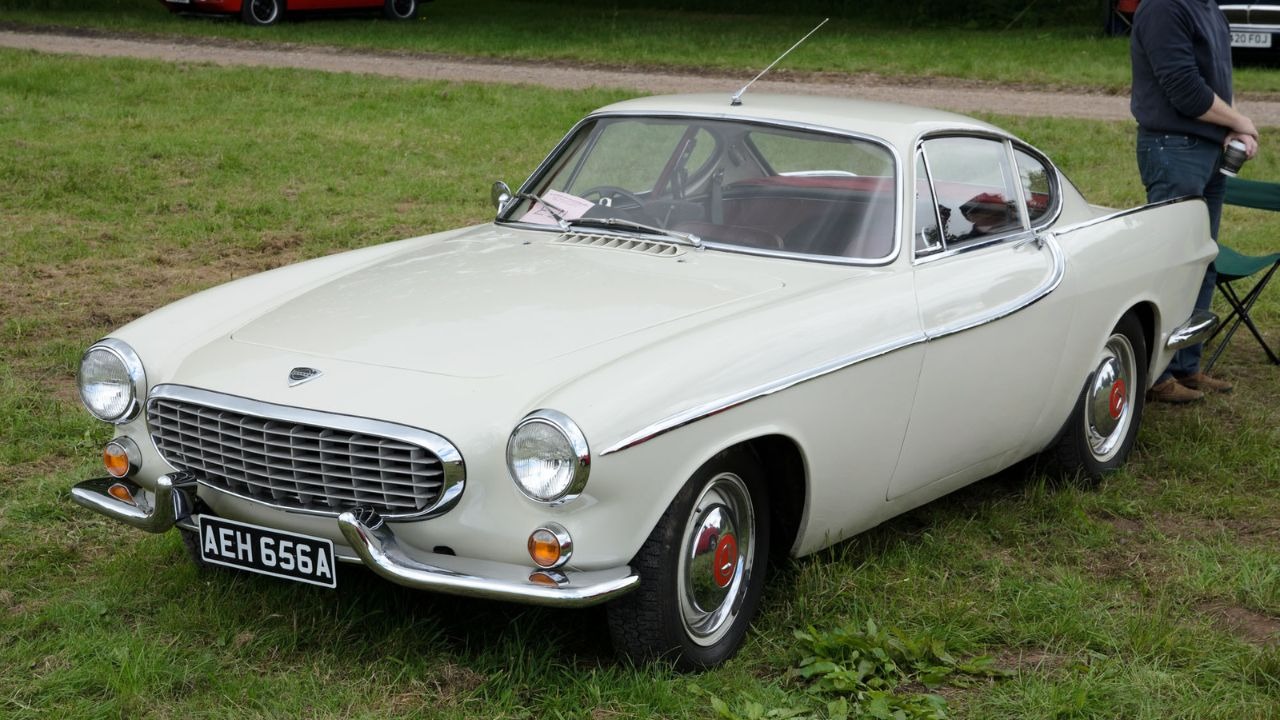
The Volvo P1800 was long regarded as a stylish but relatively modestly priced coupe, remembered as much for its durability as for its appearance. Market data from a specialist dealer notes that cars like the Volvo P1800 and the 1981 Mazda RX-7 have seen over a 240% increase in price between 2010 and 2020. That figure underlines just how far the P1800 has moved from its once affordable status.
The car’s combination of Swedish engineering, distinctive styling and motorsport associations has made it especially attractive to collectors seeking alternatives to more obvious British and Italian coupes. A 240% rise in a decade changes the ownership equation for enthusiasts, many of whom now see the P1800 as an appreciating asset rather than a casual weekend toy. For the wider market, it signals that well built, characterful European coupes are firmly on investors’ radar.
1981 Mazda RX-7
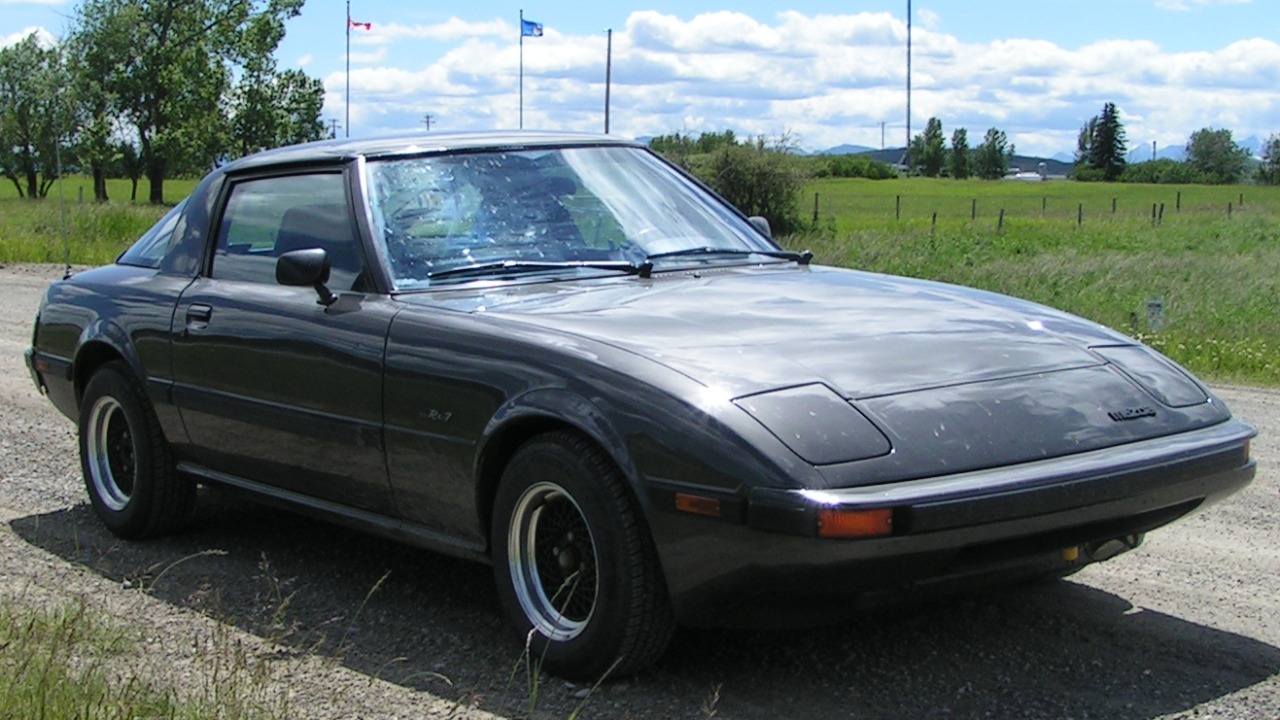
The 1981 Mazda RX-7, particularly in early SA and FB forms, spent years as an inexpensive entry point into rotary powered sports cars. The same valuation study that highlighted the Volvo P1800 reports that the 1981 Mazda RX-7 has also experienced over a 240% increase in price between 2010 and 2020. That surge reflects renewed appreciation for Mazda’s rotary engineering and lightweight chassis.
As later RX-7 generations became expensive, attention shifted back to the earlier cars that had been overlooked. Collectors now prize unmodified examples, given how many were tuned or raced. The rapid appreciation places pressure on remaining affordable cars and encourages restorations that would once have been financially marginal. For stakeholders, the RX-7’s rise illustrates how Japanese performance icons are maturing into fully fledged collectibles.
1992–2006 AM General Hummer H1
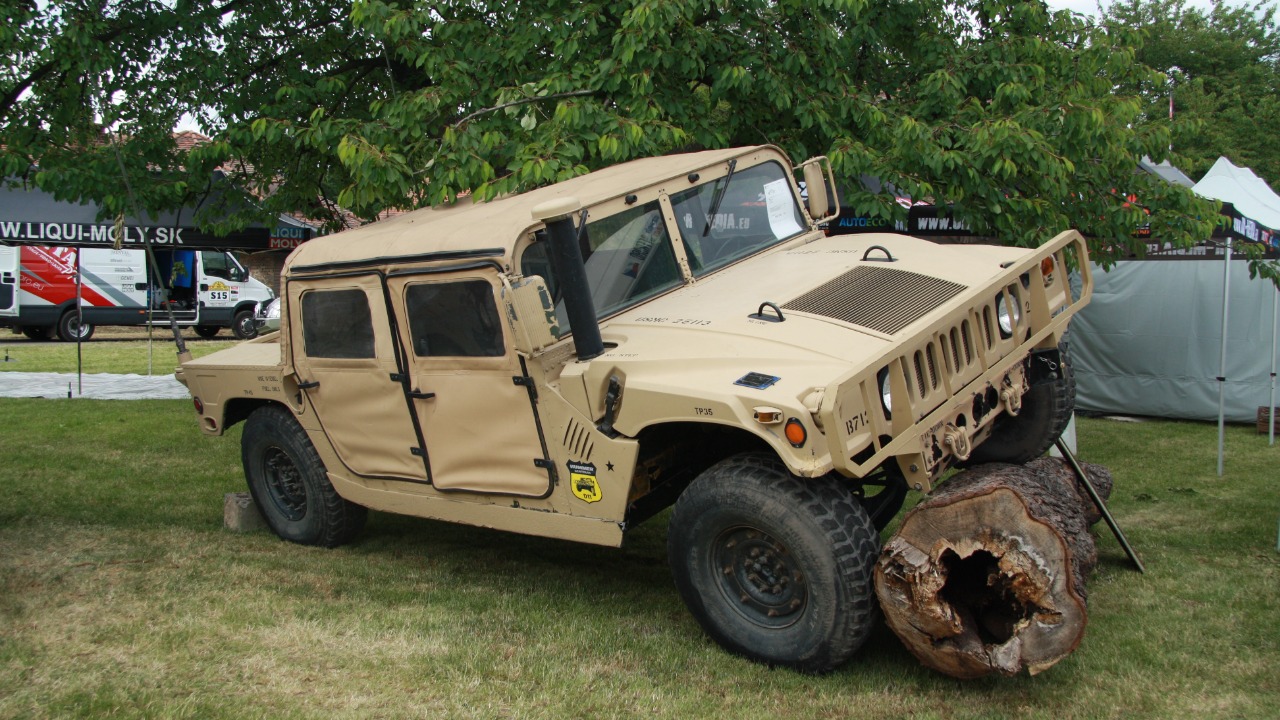
The 1992 to 2006 AM General Hummer H1 began life as a military derived utility vehicle before becoming a civilian status symbol. Value guides now show the AM General Hummer H1 trading in the region of $105,000 to $127,300, a far cry from the period when used examples languished on dealer lots. That price band confirms that the H1 has moved into the upper tier of modern collectibles.
Rising interest in off road capable classics and the H1’s unmistakable styling have driven this shift. Limited production numbers and strong recognition among younger buyers have further supported prices. For investors, the H1’s move from depreciated novelty to six figure asset demonstrates how quickly sentiment can change once a vehicle’s cultural significance is fully acknowledged in the Classic Cars That Are Rising Value segment.
1968–1970 AMC AMX

The 1968 to 1970 AMC AMX was once a left field choice in the muscle car world, often trading for less than its Big Three rivals. Current value ranges place the AMC AMX between $30,500 and $40,600, indicating a substantial climb from the days when it was the bargain alternative. Its two seat layout and strong performance have finally gained the recognition many enthusiasts felt it always deserved.
As mainstream muscle cars have soared, collectors seeking value have turned to overlooked models like the AMX. That renewed attention has tightened supply of good cars and pushed restoration standards higher. The shift in values underscores how secondary players in the classic performance market can deliver some of the most dramatic percentage gains once the spotlight turns their way.
Plymouth Hemi ’Cuda Convertible
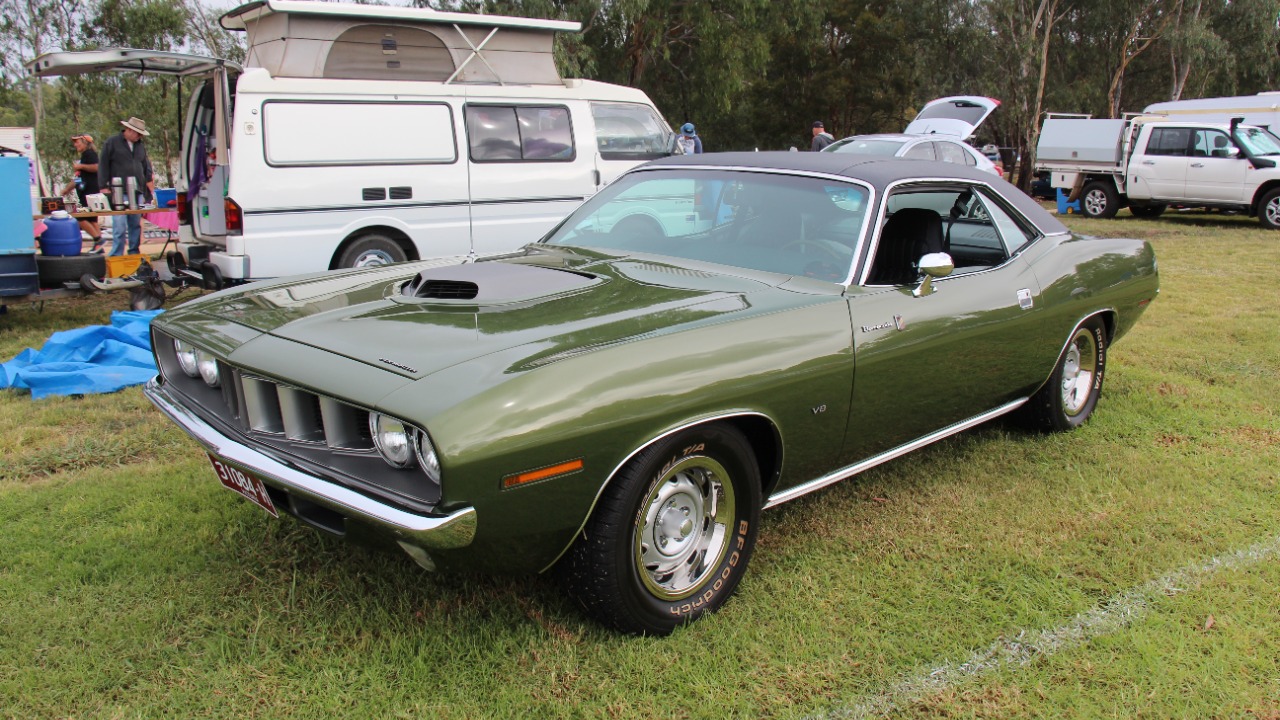
The Plymouth Hemi ’Cuda Convertible was never truly cheap, given its tiny production numbers, yet for a period it did not command the astronomical sums seen today. Recent auction coverage notes that the Plymouth Hemi ’Cuda Convertible sits in the $3.5 million to $4 million bracket. Rarer than a unicorn, only 11 were built, and collectors go crazy for it.
That valuation places the ’Cuda Convertible among the most expensive American cars ever sold, transforming it from a high performance option into a financial instrument in its own right. For stakeholders, the car’s trajectory illustrates the extreme end of the collector market, where rarity, performance and mythology combine to create values far beyond traditional price guides. It also shows how quickly halo models can pull related variants upward, reshaping expectations across an entire nameplate.
More from Fast Lane Only