

Some sports cars transcend the era of their creation, boasting designs that remain relevant and admired decades later. These vehicles have become icons in the automotive world, celebrated for their unique styling and engineering excellence. Here is a look at twelve such sports cars that have achieved timeless status.
Porsche 911
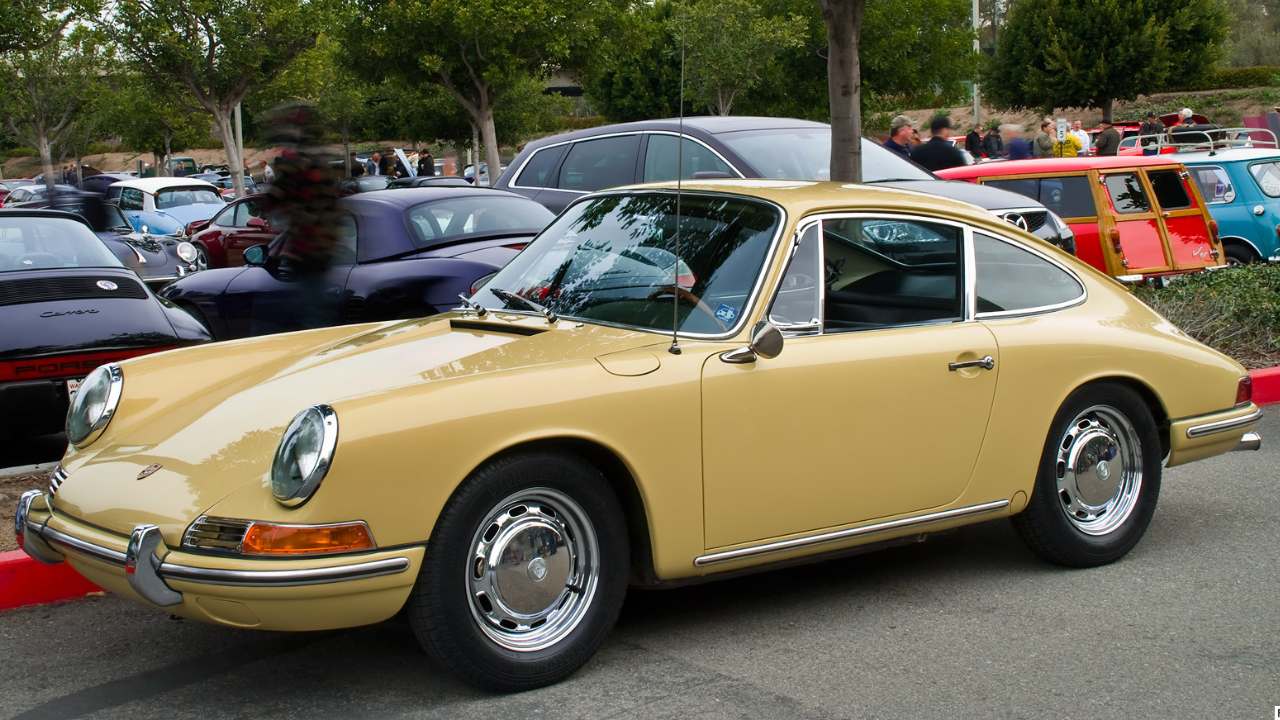
The Porsche 911, first introduced in 1964, is a masterpiece of design and engineering that has held its place in the hearts of car enthusiasts for generations. Its unmistakable silhouette, with the iconic sloping roofline and round headlights, has remained largely unchanged, evolving subtly over the decades. From the original 901 model to the latest 992 series, the 911 is a testament to Porsche’s commitment to preserving its classic aesthetic while enhancing performance and technology.
Famous for its rear-engine layout and exceptional handling, the 911 offers a driving experience that is both thrilling and refined. Models like the 911 Carrera and the Turbo S continue to push the envelope in terms of speed and luxury, ensuring that the 911 remains a benchmark in the sports car world.
Ferrari 250 GTO

The Ferrari 250 GTO, produced between 1962 and 1964, is often regarded as one of the most beautiful cars ever made. Its smooth, flowing lines and aggressive stance make it a standout in any collection. Designed by Sergio Scaglietti, the 250 GTO was built for racing, with only 36 units ever produced, making it one of the most sought-after cars among collectors.
Under the hood, the 250 GTO is powered by a 3.0-liter V12 engine, delivering a performance that matched its stunning design. Its racing pedigree includes numerous wins, cementing its place in automotive history. Today, the 250 GTO is not just a car but a piece of art, fetching record prices at auctions around the world.
Jaguar E-Type
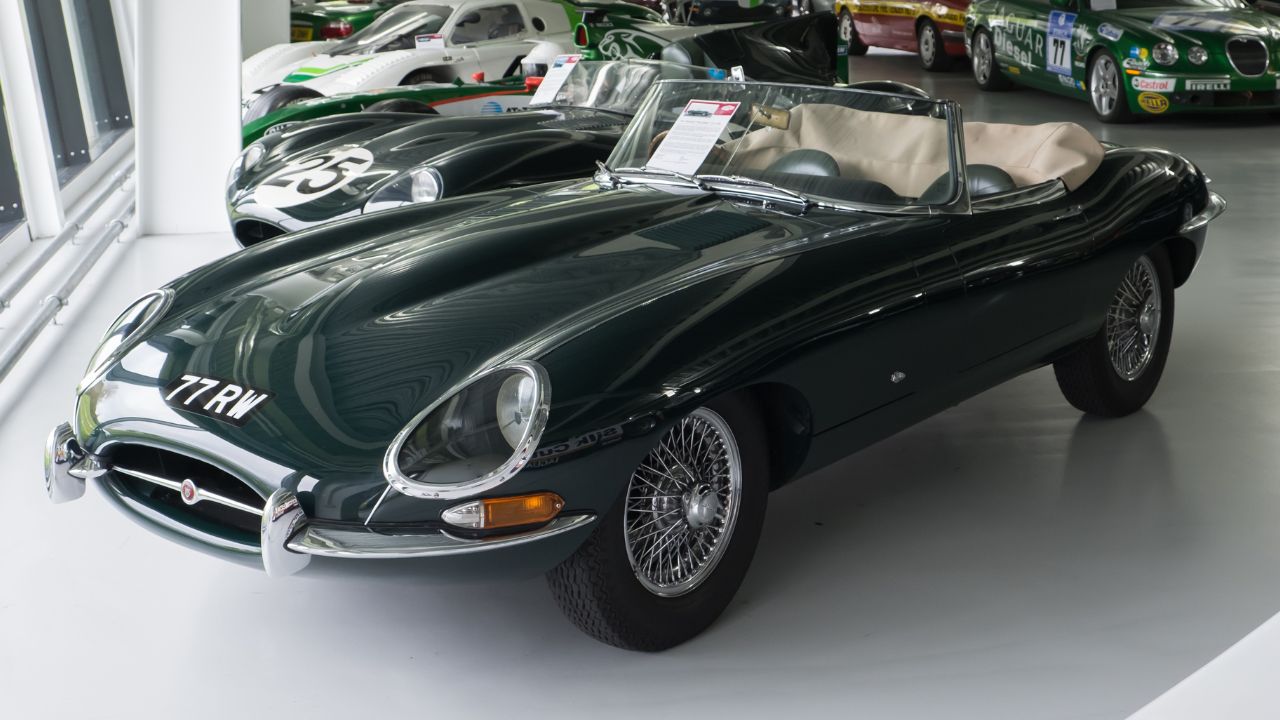
The Jaguar E-Type, launched in 1961, is often described as the most beautiful car ever created. Its long hood, sleek body, and distinctive front end were revolutionary at the time and continue to influence car design today. Enzo Ferrari himself famously called it “the most beautiful car ever made.”
Available in both coupe and convertible forms, the E-Type was not just about looks; it also offered impressive performance for its time. With a top speed of 150 mph, it was one of the fastest cars on the road. The combination of its aesthetic appeal and engineering excellence ensures that the Jaguar E-Type remains a timeless classic.
Chevrolet Corvette Stingray
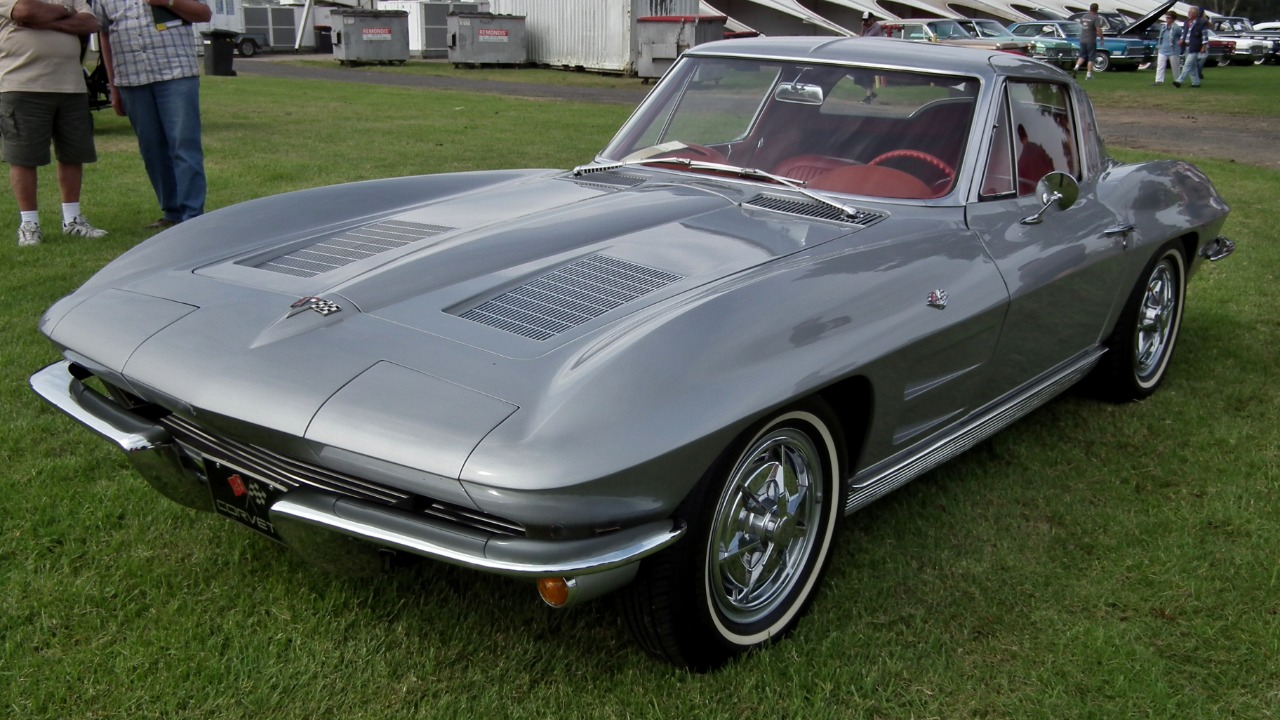
The Chevrolet Corvette Stingray, particularly the C2 generation produced from 1963 to 1967, is a quintessential American sports car with a design that has stood the test of time. Known for its split rear window in the 1963 model year, the Stingray’s bold styling and muscular lines captured the imagination of car enthusiasts worldwide.
Its performance matched its looks, with powerful V8 engines providing thrilling acceleration and handling. The Stingray’s blend of American muscle and sports car sophistication makes it an enduring symbol of automotive innovation, influencing future Corvette designs for decades.
Lamborghini Miura
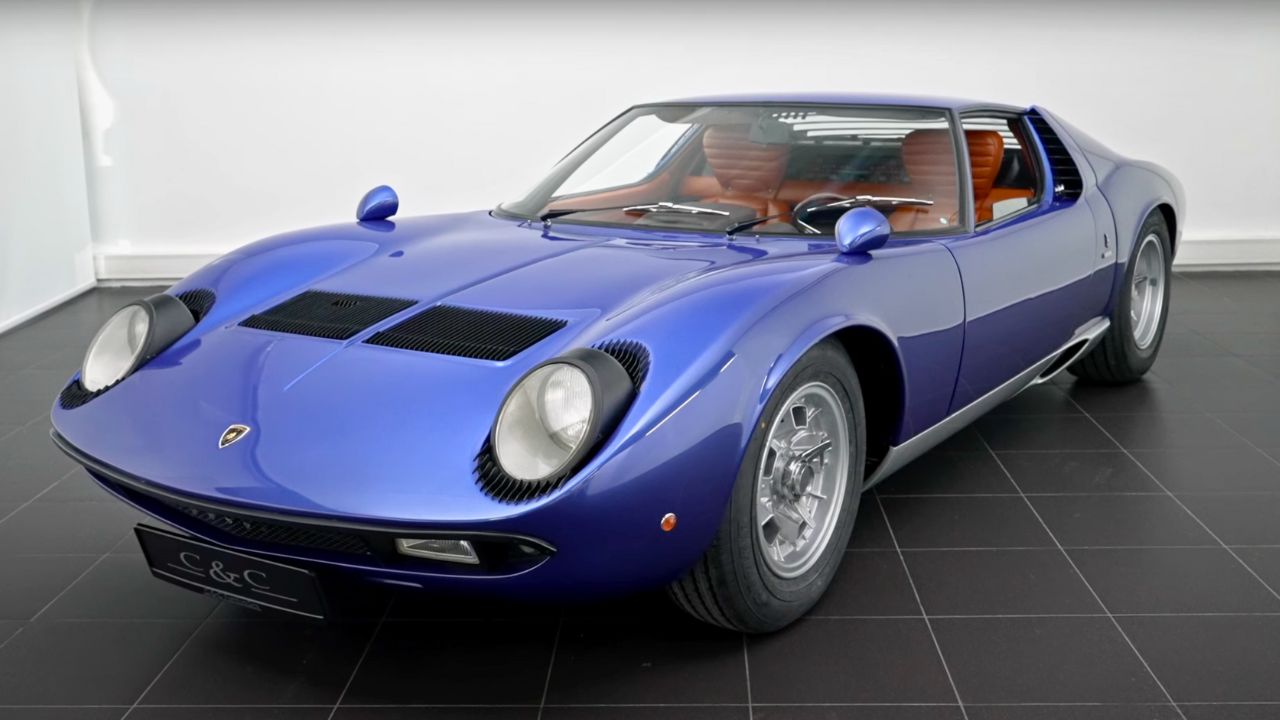
The Lamborghini Miura, introduced in 1966, is credited with establishing the template for the modern supercar. With its mid-engine layout and breathtaking design by Marcello Gandini, the Miura was both a technical and aesthetic triumph. Its low-slung, curvaceous body and pop-up headlights set it apart from anything else on the road at the time.
Under the hood, the Miura featured a transversely-mounted V12 engine, delivering a powerful performance that matched its striking looks. The Miura’s groundbreaking design and engineering have left an indelible mark on the automotive world, influencing countless supercars that followed.
Aston Martin DB5

The Aston Martin DB5, produced from 1963 to 1965, is perhaps best known as the car of choice for James Bond in “Goldfinger.” Its elegant design, characterized by smooth lines and a classic grille, has become synonymous with sophistication and style.
Powered by a 4.0-liter straight-six engine, the DB5 offered both performance and luxury, making it a favorite among discerning drivers. Its association with cinematic history and its timeless design have made the DB5 one of the most iconic cars ever produced by Aston Martin.
Ford GT40

The Ford GT40, developed in the 1960s, is a legendary race car known for its dominance at the 24 Hours of Le Mans, where it secured four consecutive victories from 1966 to 1969. Its low, aerodynamic body and powerful V8 engine made it a formidable competitor on the track.
The GT40’s design was not just about performance; it was also an aesthetic marvel, with a sleek profile that continues to inspire modern sports car design. The GT40’s racing heritage and striking looks have cemented its status as an icon in automotive history.
Mercedes-Benz 300SL Gullwing

The Mercedes-Benz 300SL Gullwing, introduced in 1954, is famous for its distinctive upward-opening doors, which resemble the wings of a gull. This innovative feature, combined with its sleek, aerodynamic design, made the 300SL a sensation upon its release.
Underneath its stylish exterior, the 300SL was a technological marvel, featuring a fuel-injected inline-six engine that delivered impressive performance. The Gullwing’s blend of cutting-edge technology and timeless design has ensured its place as one of the most iconic sports cars of all time.
Alfa Romeo Spider
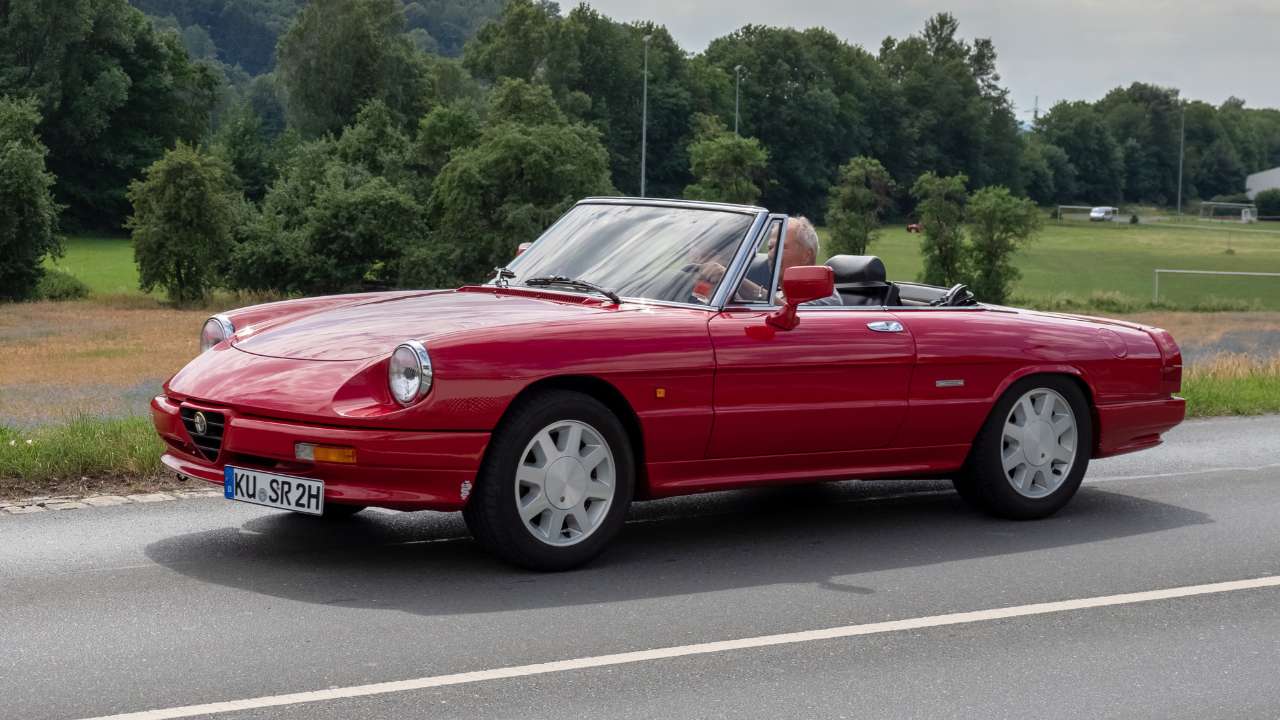
The Alfa Romeo Spider, particularly the first-generation “Duetto” model produced from 1966 to 1969, is a classic Italian roadster known for its elegant design and open-top driving experience. Its sleek bodywork, designed by Pininfarina, exudes timeless charm and sophistication.
Powered by a range of responsive engines, the Spider offered a spirited driving experience that appealed to enthusiasts. Its appearance in films like “The Graduate” helped cement its status as a cultural icon, and its design continues to be celebrated by fans of classic cars.
Toyota 2000GT
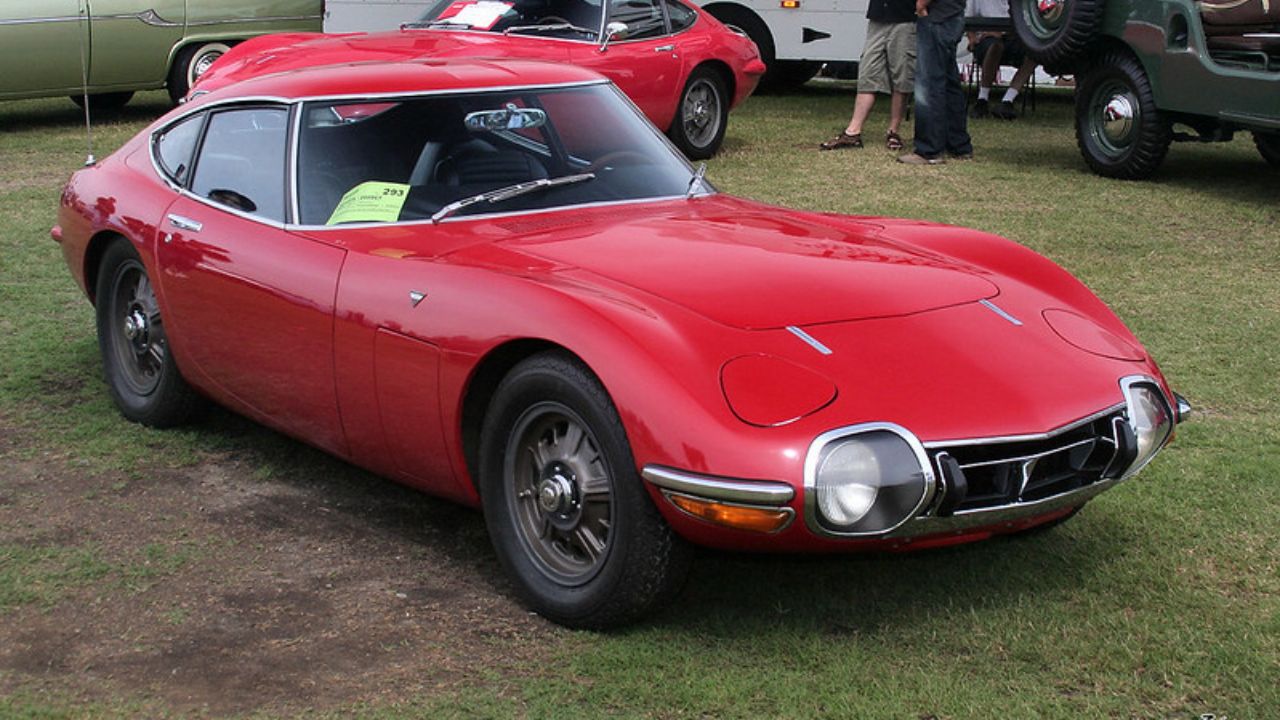
The Toyota 2000GT, produced from 1967 to 1970, is often hailed as Japan’s first supercar. Its long hood, smooth lines, and coupe styling were a departure from the conservative designs typically associated with Japanese cars of the era.
With a 2.0-liter inline-six engine and advanced features like a limited-slip differential and four-wheel independent suspension, the 2000GT offered both style and performance. Despite its limited production run, the 2000GT’s influence on Japanese automotive design is undeniable, making it a true classic.
Acura NSX
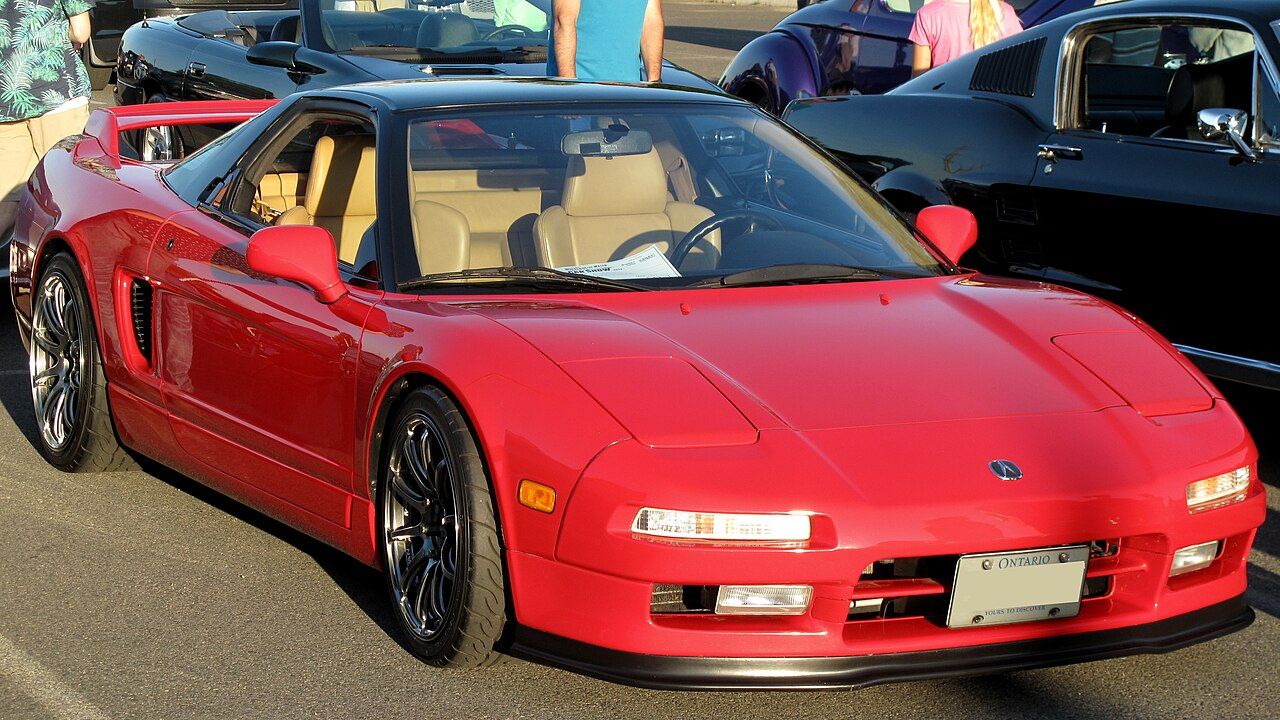
The Acura NSX, launched in 1990, was a game-changer in the sports car world, offering supercar performance with the reliability and comfort associated with Honda. Its clean, aerodynamic design, developed with input from Formula One legend Ayrton Senna, set new standards for sports car engineering.
The NSX’s mid-engine layout and all-aluminum construction delivered a driving experience that was both exhilarating and accessible. Its influence on the sports car market has been profound, inspiring a new generation of performance vehicles that prioritize both speed and practicality.
BMW 507
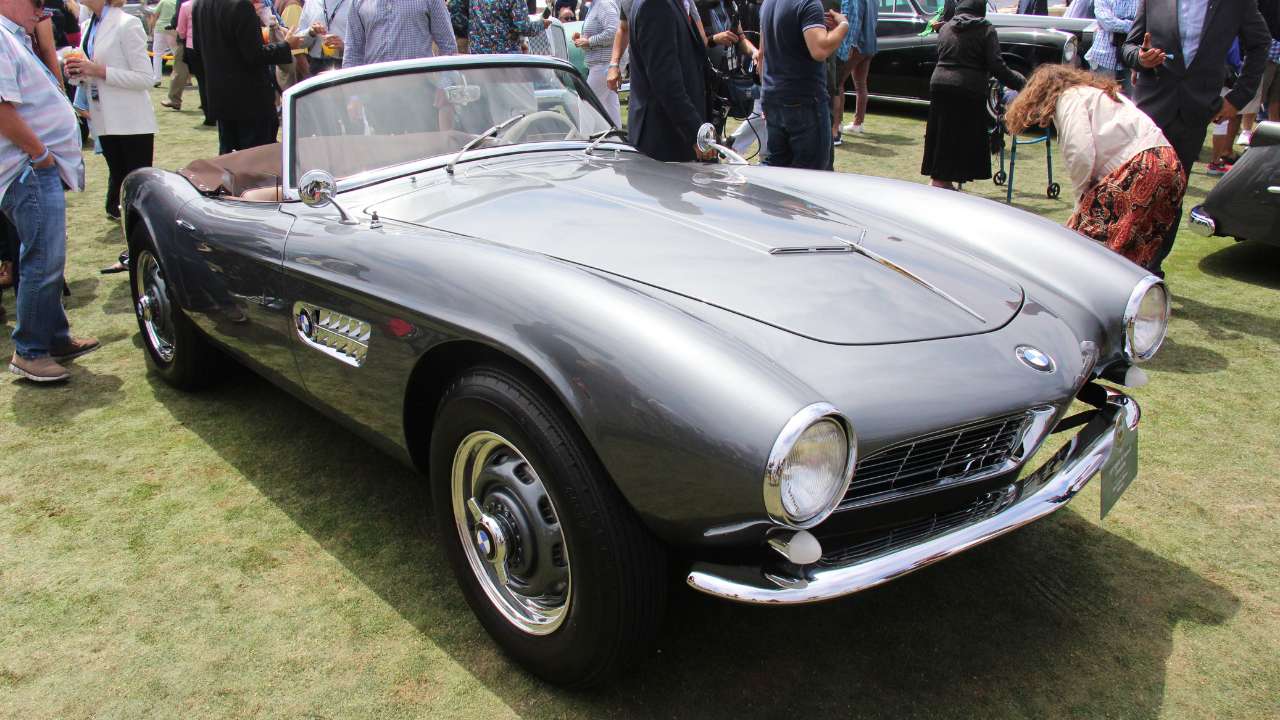
The BMW 507, produced from 1956 to 1959, is a rare and elegant roadster that epitomizes the glamour of 1950s motoring. Designed by Albrecht von Goertz, the 507’s timeless lines and luxurious features made it a favorite among celebrities and enthusiasts alike.
Powered by a 3.2-liter V8 engine, the 507 offered both performance and refinement, though its high price limited its production to just 252 units. Today, the 507 is highly prized by collectors, and its influence can be seen in modern BMW roadsters like the Z8.
Like Fast Lane Only’s content? Be sure to follow us.
Here’s more from us:
*Created with AI assistance and editor review.

Leave a Reply