

Speed gets the headlines, but design is what sticks. Some hypercars are fast but forgettable—these aren’t. This list is about the ones that turn heads before they ever hit full throttle. Whether sculpted for aerodynamics or shaped by old-school styling cues, these 15 hypercars look every bit as serious as they drive.
We’re not talking about overdone wings or novelty factor. These are machines that carry presence—whether it’s with a low-slung stance, impossibly clean lines, or shapes that somehow feel balanced even at the edge of extreme. No fluff. Just design that works hard even when it’s parked.
1. Ferrari LaFerrari

The LaFerrari’s proportions feel dialed in from every angle—tight nose, sweeping roofline, and haunches that look like they’re flexing. It was Ferrari’s first hybrid, pairing a 6.3L V12 with an electric motor for 950 combined hp. But it’s not just numbers—the way the car moves and looks parked are part of the same conversation.
Carbon-ceramic brakes and adaptive suspension give it control to match its speed. Inside, there’s no fluff—just carbon fiber, Alcantara, and a digital cluster that shifts depending on mode. It’s sharp, focused, and visually balanced without being overly dramatic.
2. McLaren P1
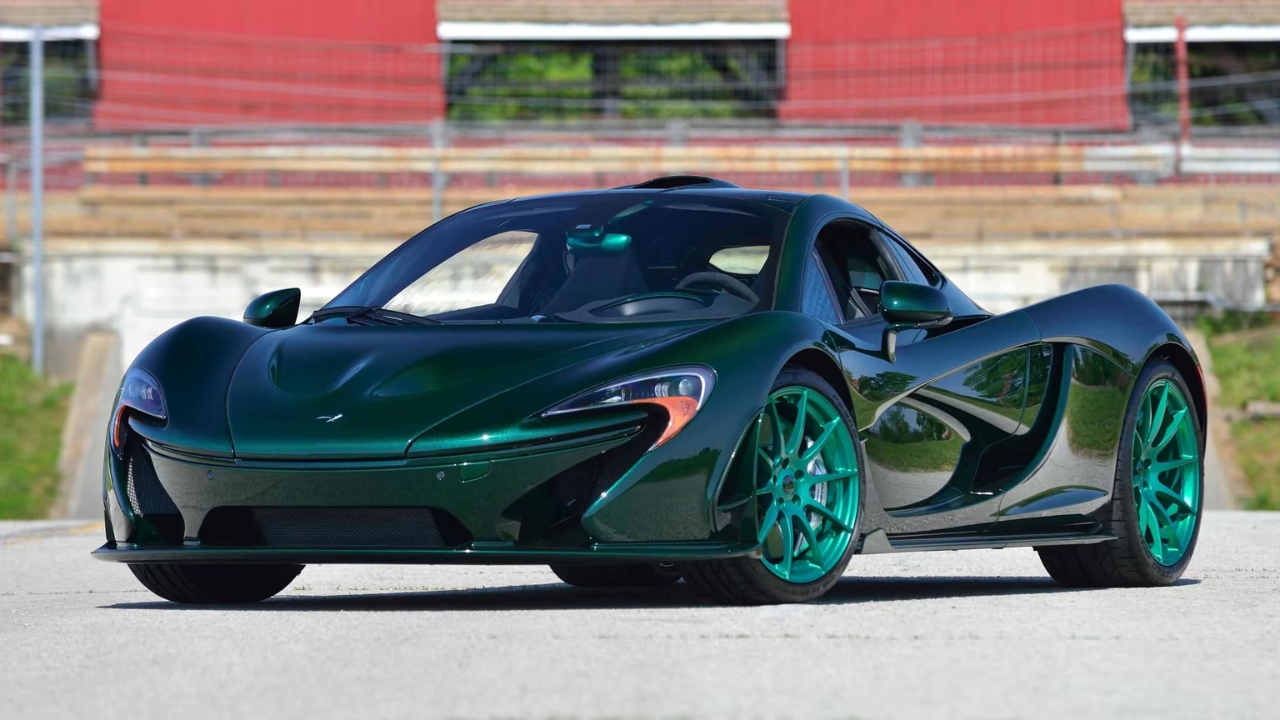
The P1 always looked like it was shaped by air. It has that compressed, low-slung silhouette with curved surfaces that look almost liquid. The active rear wing sits flush until needed, and even the side scoops feel naturally integrated into the body.
Powered by a twin-turbo V8 and an electric motor, it pushes out 903 hp through a seven-speed dual-clutch. The suspension uses McLaren’s RaceActive system, which adjusts roll stiffness on the fly. Inside, it’s stripped down but purposeful—fixed carbon buckets and a driver-focused layout with nothing wasted.
3. Pagani Huayra
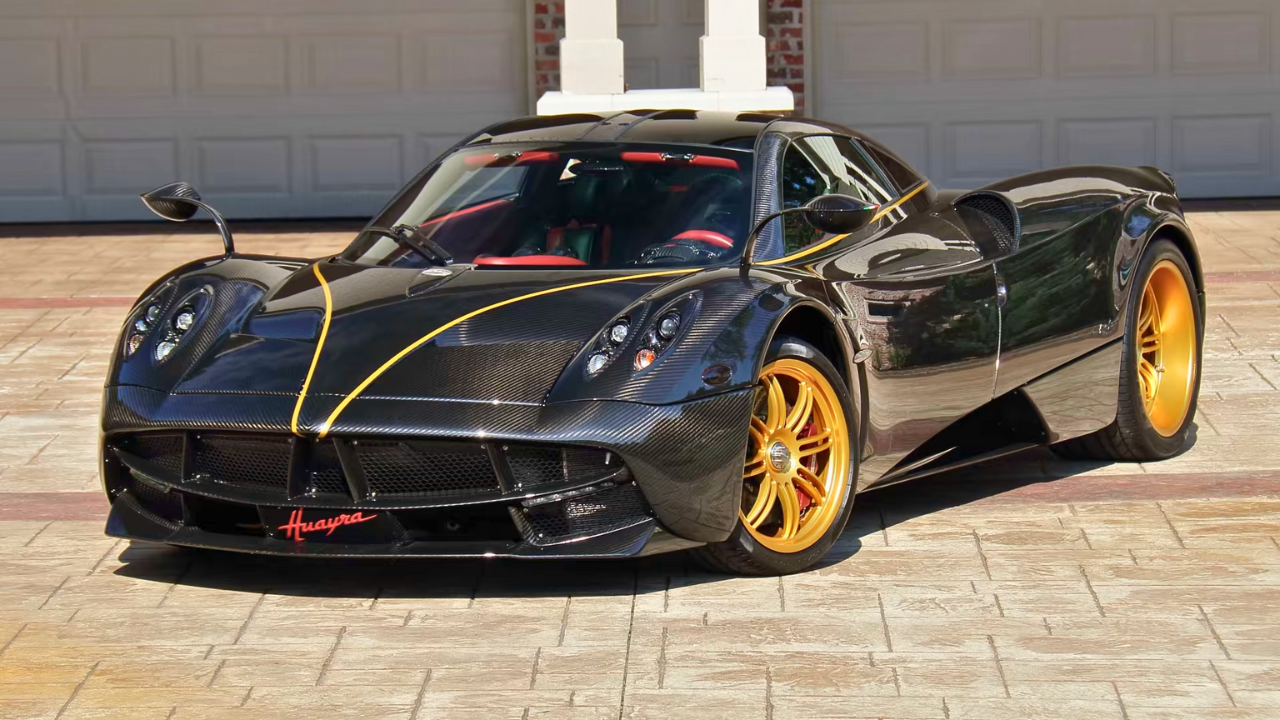
The Huayra feels like a car drawn with a fountain pen instead of a ruler. Its flowing lines and exposed titanium details give it a crafted look. The active aero flaps at each corner actually move based on input, giving the body presence even when still.
Underneath, there’s a 6.0L twin-turbo V12 from AMG, pushing 720 hp through a 7-speed sequential gearbox. Suspension is a pushrod setup made from lightweight alloys. The cabin is wild—machined switches, exposed linkage, and a steering wheel that looks like sculpture. It’s equal parts speed and art.
4. Bugatti Chiron
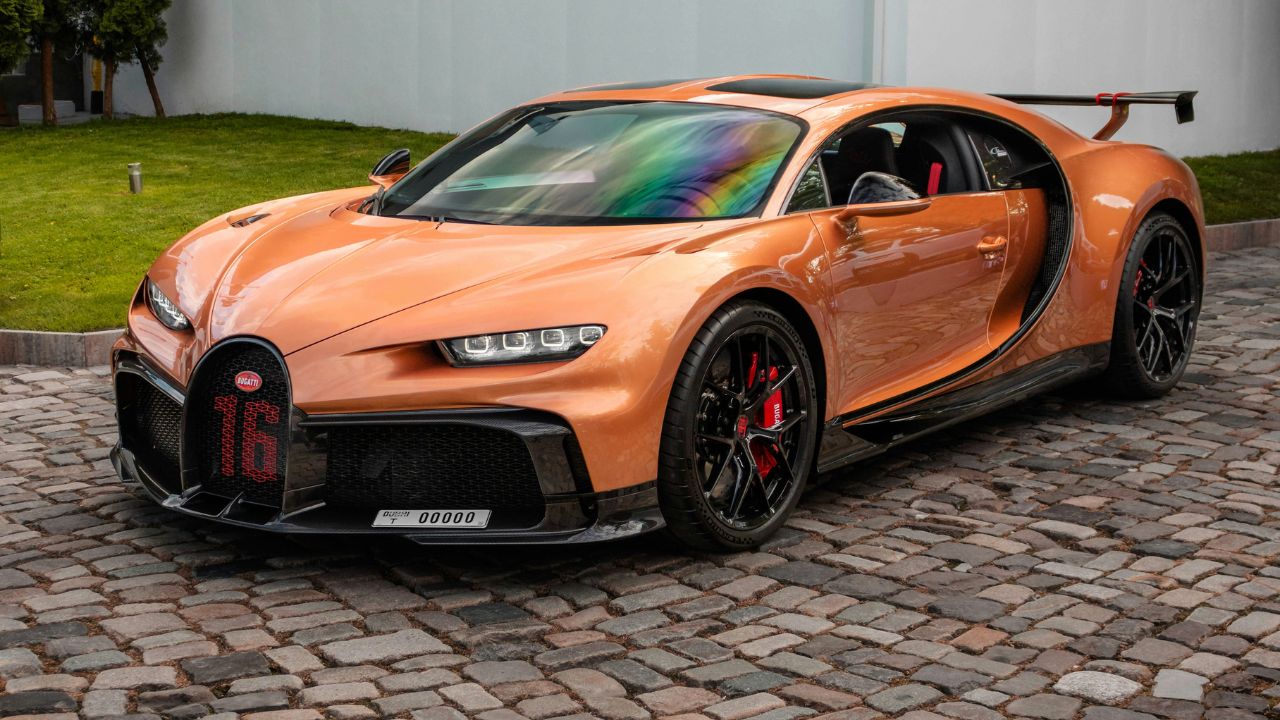
The Chiron takes the Veyron’s foundation and smooths it out. The signature C-line profile isn’t just for show—it divides the cooling flow between engine and cabin. The surface transitions are clean, and it looks planted even when idle.
It runs a quad-turbo W16 making 1,479 hp, backed by all-wheel drive and a 7-speed dual-clutch. Ride control is active and adjustable, and the carbon monocoque is shared with track variants. Inside, it’s minimalist for a Bugatti—focused on symmetry, leather, and aluminum. It doesn’t try to shout, just moves with confidence.
5. Koenigsegg Jesko

The Jesko isn’t trying to hide what it’s made for. Wide stance, towering rear wing, deep front splitter—it’s built to handle big speed. But it’s all integrated with clean panel gaps and tight surfaces that don’t feel overworked.
The engine is a twin-turbo V8 making up to 1,600 hp on E85, paired with Koenigsegg’s in-house Light Speed Transmission. Suspension is triplex front and rear, designed to keep things flat under extreme loads. Inside, it’s carbon tub with floating digital gauges that move with the wheel. Looks aggressive, but never messy.
6. Aston Martin Valkyrie
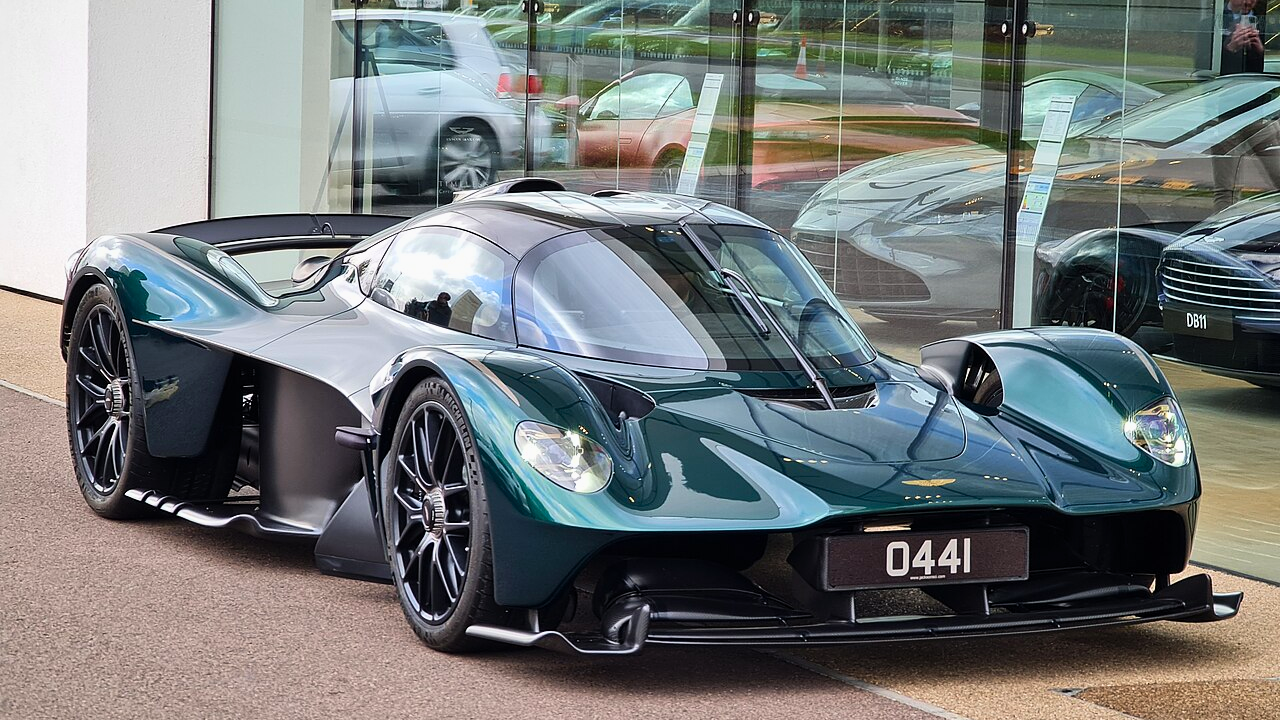
The Valkyrie looks like it skipped the road-car part and came straight from an LMP1 paddock. The bodywork is all channel and cutout, with massive underbody tunnels and an open rear diffuser. It’s extreme, but incredibly precise.
Power comes from a naturally aspirated 6.5L V12 tuned by Cosworth, combined with a hybrid system for over 1,160 hp. Suspension is pushrod all around, and everything is carbon, down to the control arms. The cockpit is F1-tight—hammock seats, squared-off wheel, and a screen where you’d expect a mirror.
7. Lamborghini Reventón
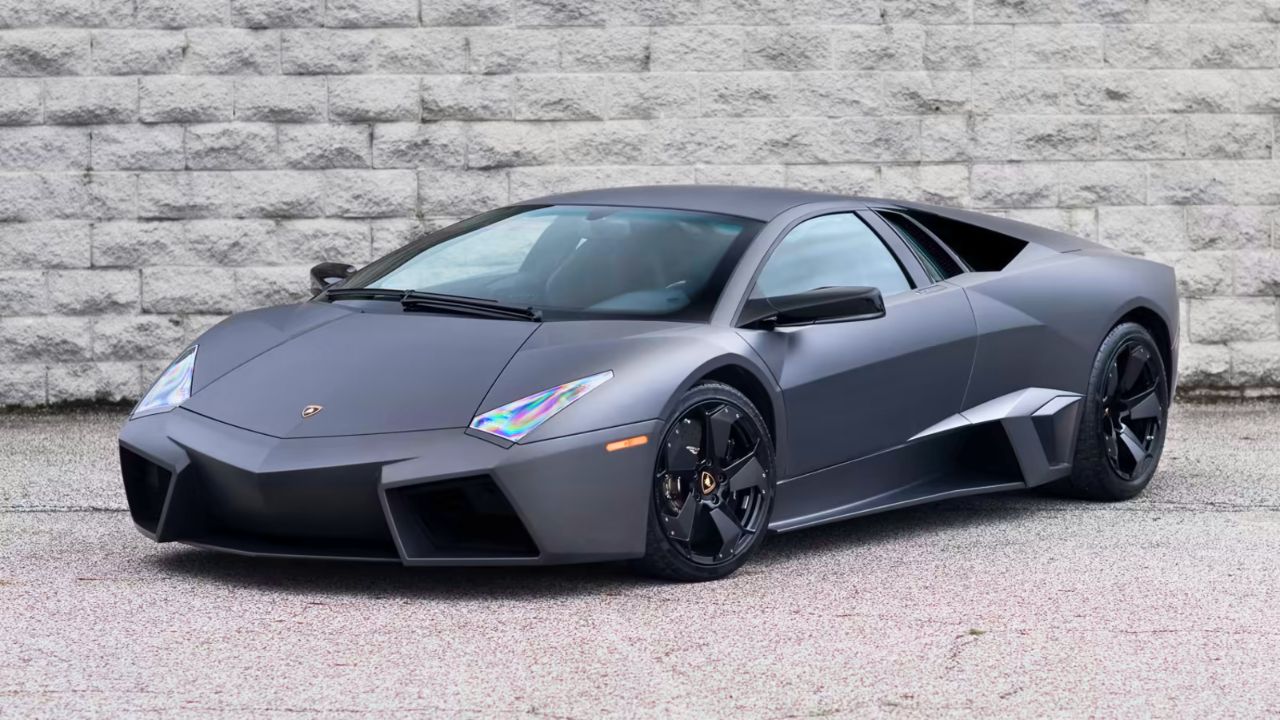
The Reventón took Murciélago bones and gave it fighter-jet styling. Every angle is hard-edged, with a wedge-shaped profile and razor-sharp creases. Even parked, it looks like it’s barely holding still.
It runs a 6.5L V12 making 650 hp through an AWD system. Suspension uses double wishbones with adjustable dampers. Inside, the aircraft theme continues—digital gauges in a multi-mode display, alcantara with contrast stitching, and carbon trim throughout. Only 20 were built, and each still looks like it came out of a concept sketch.
8. Porsche 918 Spyder
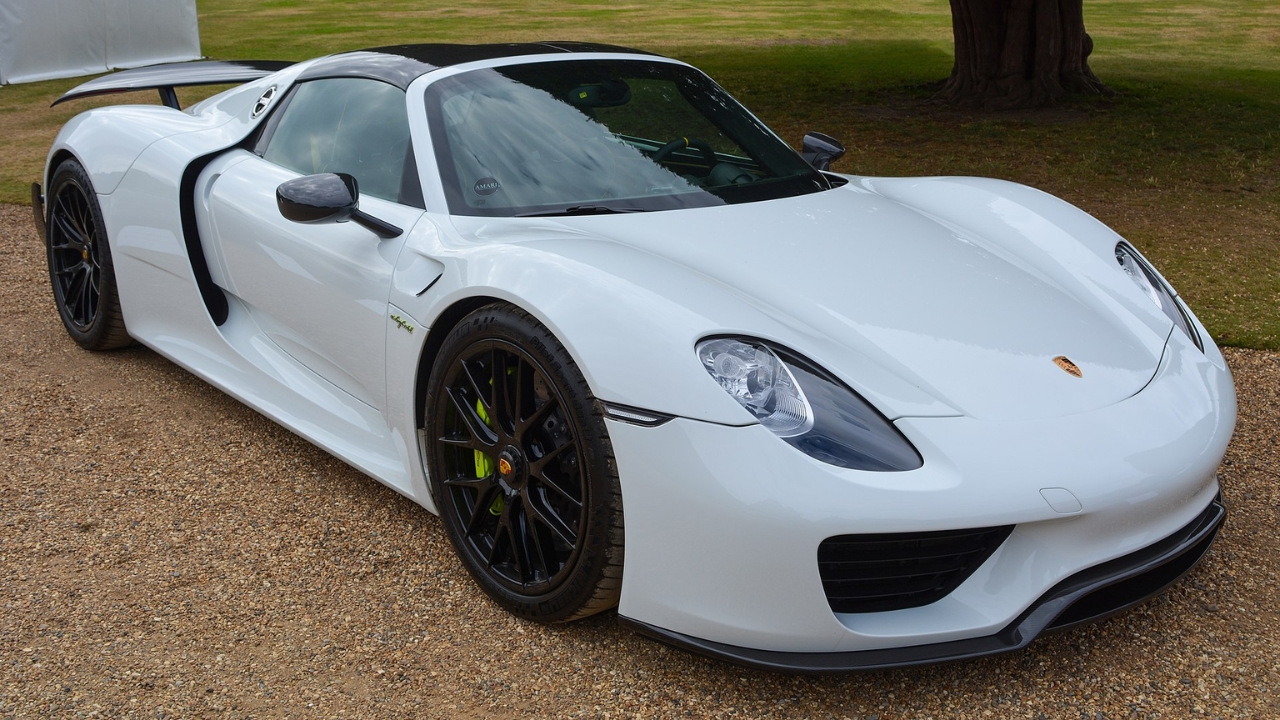
The 918 is understated compared to others on this list, but its low, wide stance and precise curves give it a modern-meets-classic look. The top-exit exhaust and flying buttresses over the rear wheels hint at what’s underneath.
A 4.6L V8 pairs with dual electric motors for 887 hp and all-wheel drive. The suspension is fully adaptive, with rear-wheel steering and a composite chassis for stiffness. The cabin mixes analog feel with digital control—high seating position, clean lines, and all the right switches in reach.
9. Mercedes-AMG ONE
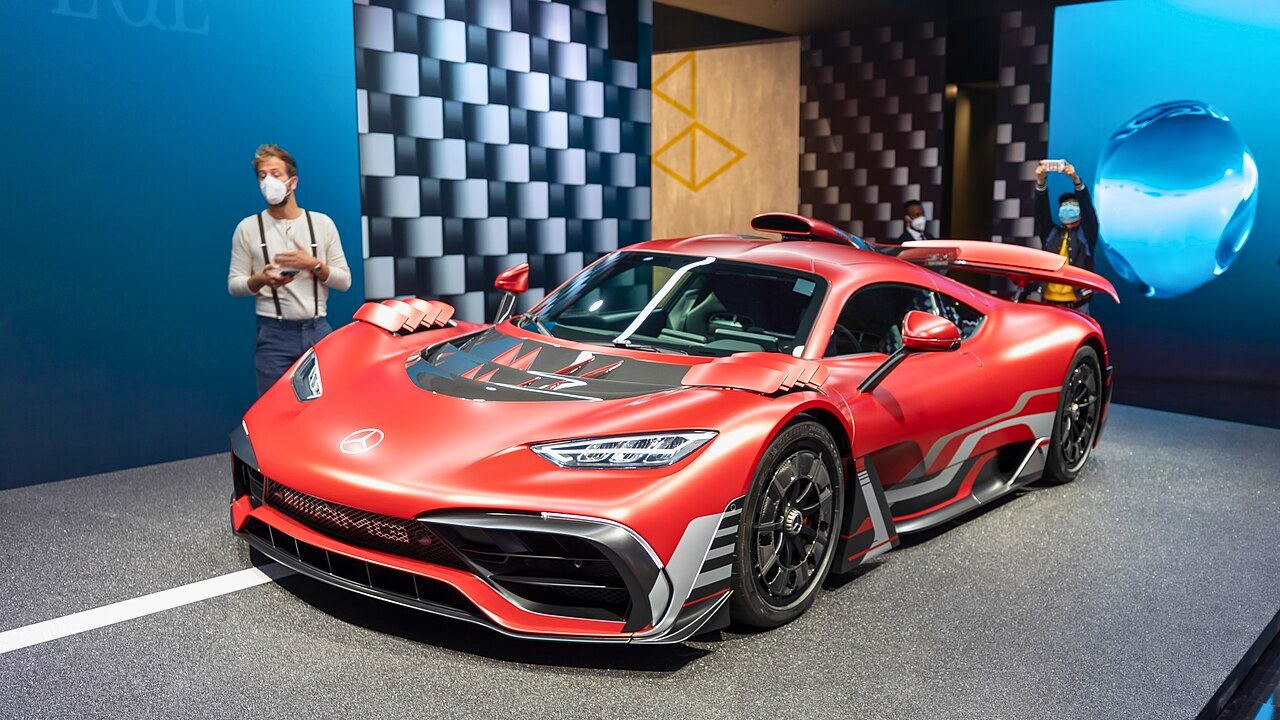
The AMG ONE looks like an F1 car grew a shell and got street plates. The massive roof intake, slotted rear fenders, and full-width diffuser aren’t decorations—they’re functional parts of a car built around airflow.
It uses a 1.6L V6 hybrid from the Mercedes F1 program, combined with four electric motors for over 1,000 hp. Suspension is multi-link with adjustable dampers, and the ride height changes depending on mode. Inside, it’s all carbon and telemetry—no extra weight, just purpose.
10. Alfa Romeo 33 Stradale
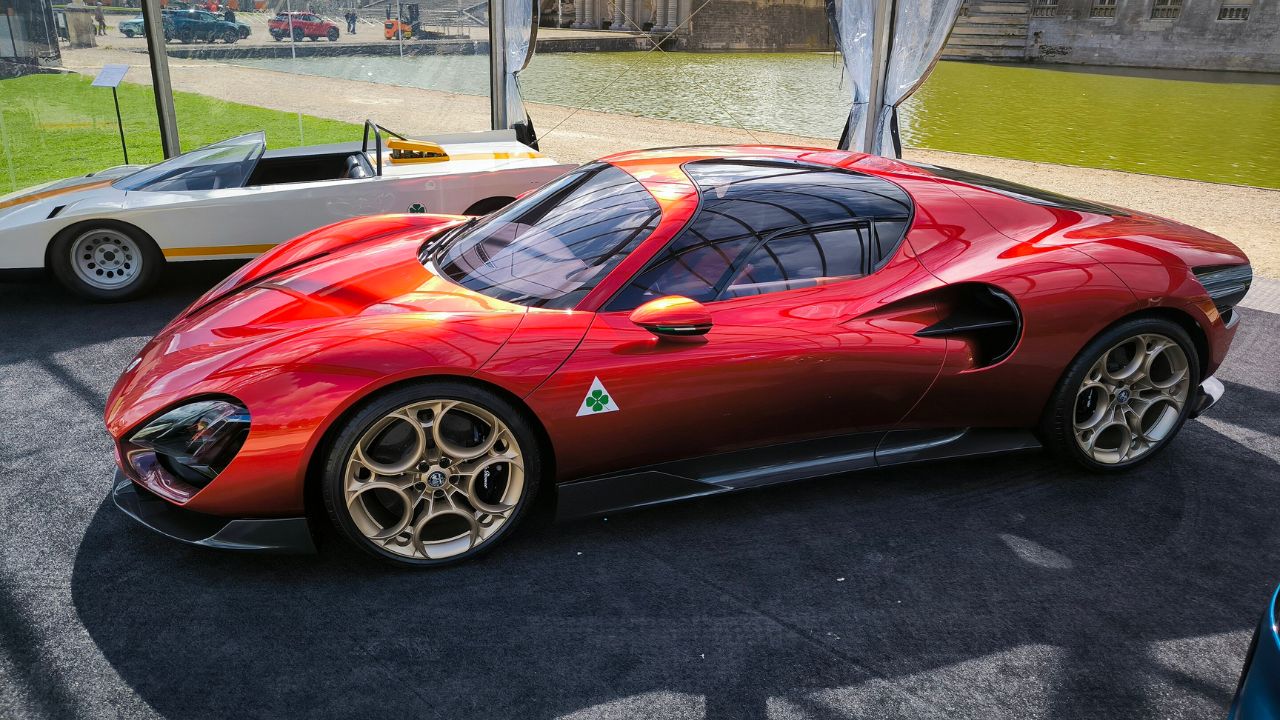
The 33 Stradale looks frozen in motion, like a sculpture mid-stride. The curves are uninterrupted, with butterfly doors, sloped glass, and just enough wheel flare to remind you it’s serious. It’s one of the cleanest designs to ever hit the road.
A 2.0L V8 sat behind the driver, making around 230 hp at 10,000 rpm—a huge number in 1967. Suspension used double wishbones and aluminum components to keep weight down. The cockpit was pure function—wood-rimmed wheel, toggle switches, and minimal gauges. It’s the kind of shape that doesn’t need a badge.
11. Lotus Evija
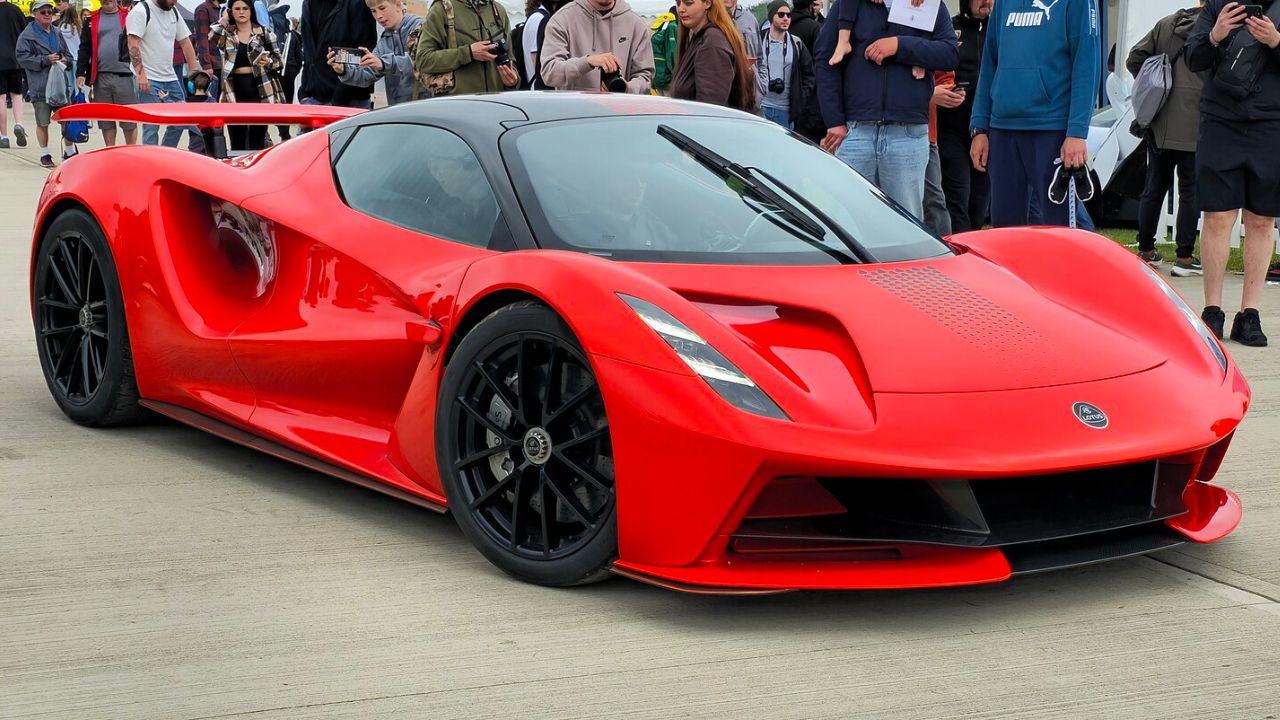
The Evija feels like a design exercise that made it to production. Its deep channel cutouts, venturi tunnels, and rear light tunnels give it a shape you don’t see anywhere else. Every element ties back to airflow, but it still manages to look uncluttered.
It runs four electric motors—one at each wheel—making a combined 2,000 hp. The monocoque is full carbon fiber, keeping weight under 3,700 pounds. Suspension uses motorsport-style pushrod dampers, and the cabin is minimalist: floating dash, digital cluster, and sculpted seats with just enough padding.
12. SSC Tuatara
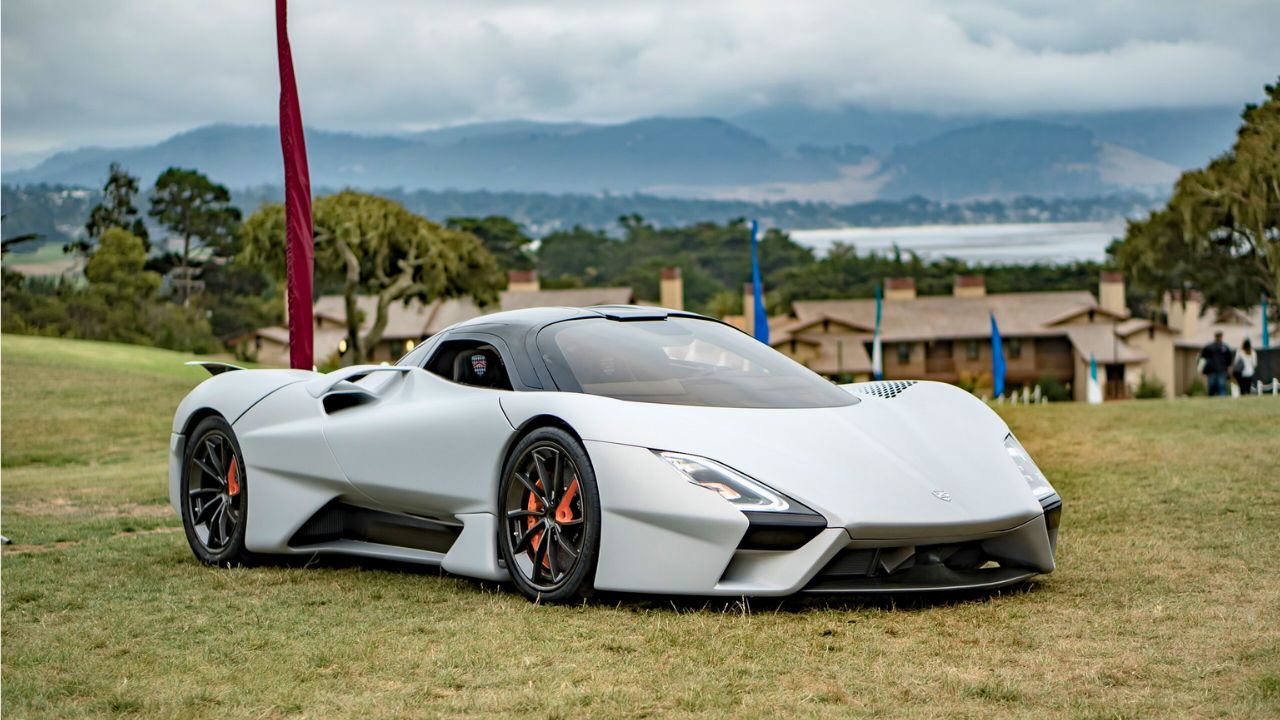
The Tuatara’s sharp, clean silhouette avoids unnecessary details. The body flows with purpose, tapering at the rear like a jet fuselage. Its proportions make it seem smaller than it is, which only helps its presence.
Power comes from a twin-turbo 5.9L flat-plane V8 making up to 1,750 hp on E85. It’s paired with a seven-speed automated manual, and the car uses active aero for high-speed stability. Inside, it’s a mix of carbon fiber and stitched leather with a large vertical screen and clean, functional controls.
13. De Tomaso P900
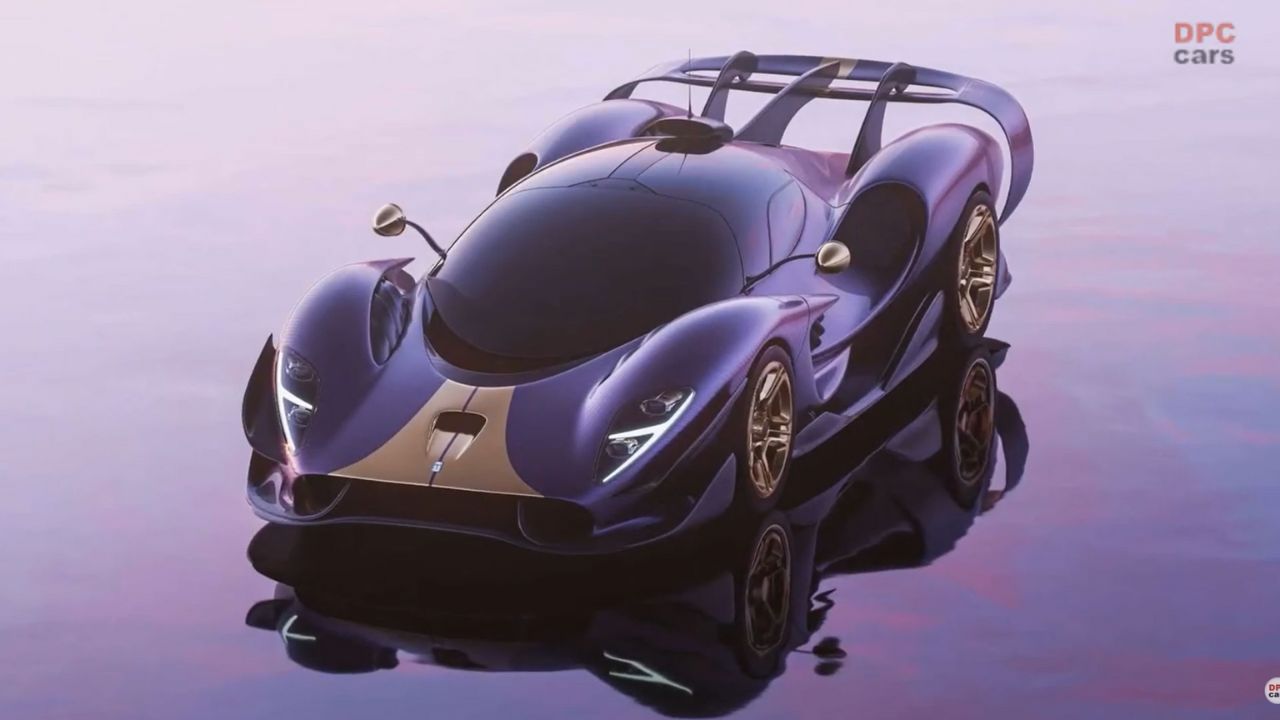
The P900 takes cues from endurance racers, with an open rear, low-slung canopy, and exaggerated fenders. It looks impossibly wide for a car this low, and every vent and intake seems integrated with intent.
It’s powered by a 900-hp V12 running on synthetic fuel and mounted mid-rear. The transmission is a sequential unit, and the suspension uses motorsport-grade pushrod setups front and rear. Inside, it’s stripped and modern—carbon tub, digital stack, and seats molded into the chassis. Even sitting still, it looks like it belongs at Le Mans.
14. Rimac Nevera
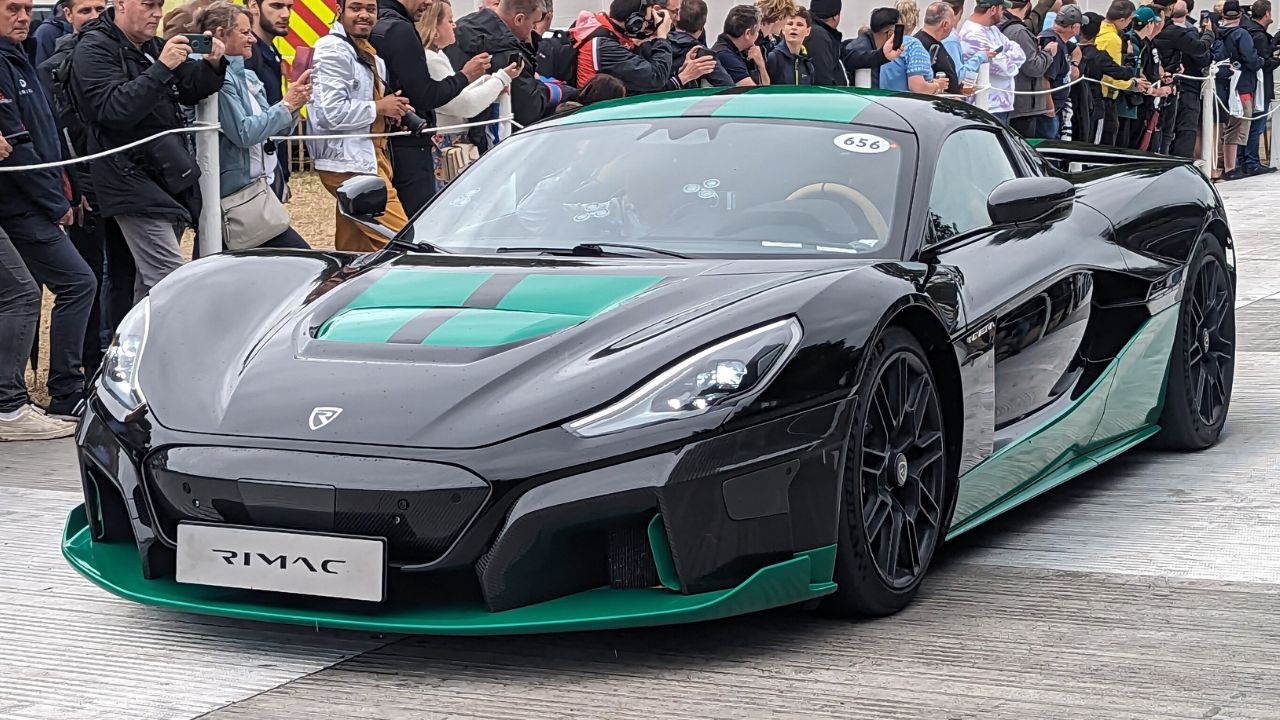
The Nevera is sleek but avoids the spaceship aesthetic of some other EVs. Its lines are smooth and well-proportioned, with a wide stance, low nose, and just enough aggression to keep it grounded. It’s aerodynamic without being over-designed.
Underneath, there are four electric motors—one for each wheel—making a combined 1,914 hp. Suspension is adaptive and electronically controlled, and it uses torque vectoring to keep it planted in corners. The cabin is driver-first, with a mix of analog feel and digital function. It’s refined, fast, and visually tight.
15. Maserati MC20
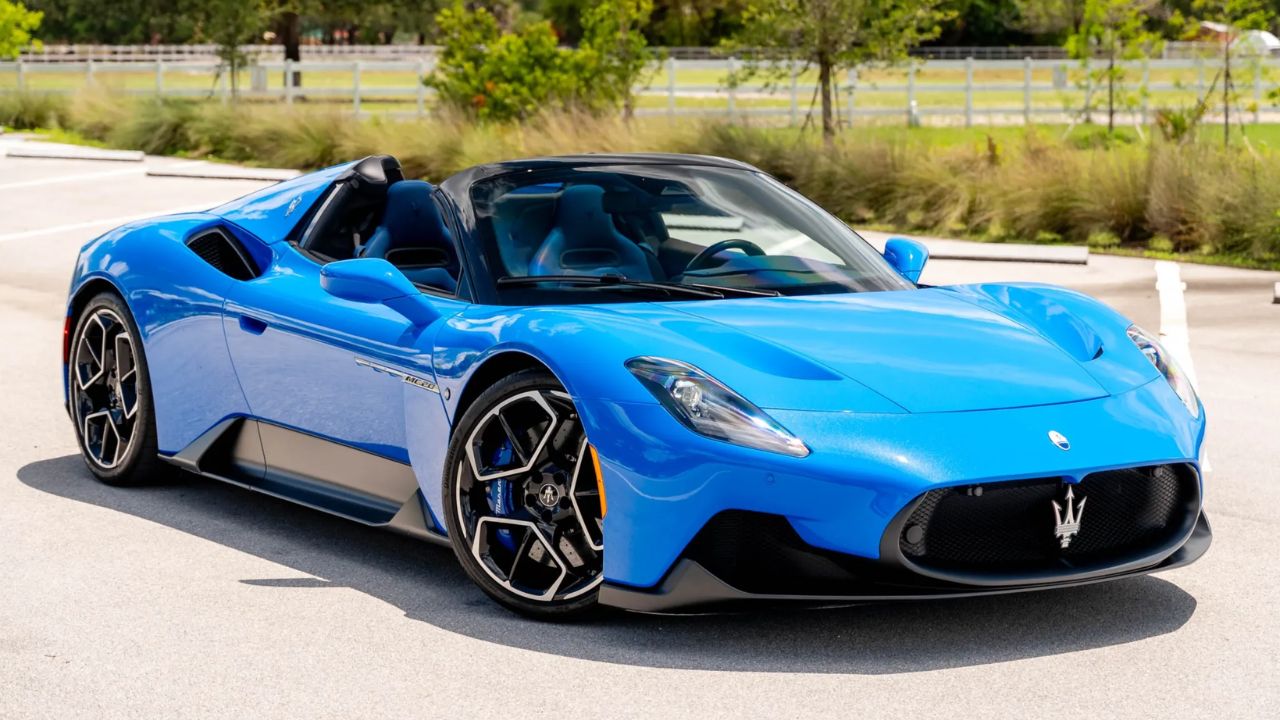
The MC20 brought Maserati back into the high-performance spotlight, and it did it with a shape that feels timeless. Clean surfaces, wide hips, and butterfly doors give it a dramatic profile without going overboard.
It runs a 3.0L twin-turbo V6 making 621 hp, mated to an 8-speed dual-clutch. Suspension is a double-wishbone setup with adaptive damping, and the carbon chassis was developed with Dallara. Inside, it’s minimal and functional—digital displays, carbon trim, and just enough buttons to keep your hands focused.
Like what you read? Here’s more by us:
*Created with AI assistance and editor review.


Leave a Reply