Postwar trucks were designed around practical work rather than decoration. Their upright cabs, simple bodies, solid frames, and straightforward mechanical layouts gave them a purposeful appearance. Decades later, many still look capable of hauling equipment, carrying supplies, or working on a farm. These classic pickups prove that useful design can age remarkably well.
Chevrolet 3100

The Chevrolet 3100 became one of the most recognizable American pickups of the postwar period. Introduced for 1947, it featured Chevrolet’s new Advance-Design styling, with a wider cab and integrated fenders that gave it a more modern appearance. The 3100 remained closely connected to farming, construction, and everyday hauling. Its rounded front end and simple pickup bed still give restored examples the appearance of a truck ready to return to work.
Ford F-1
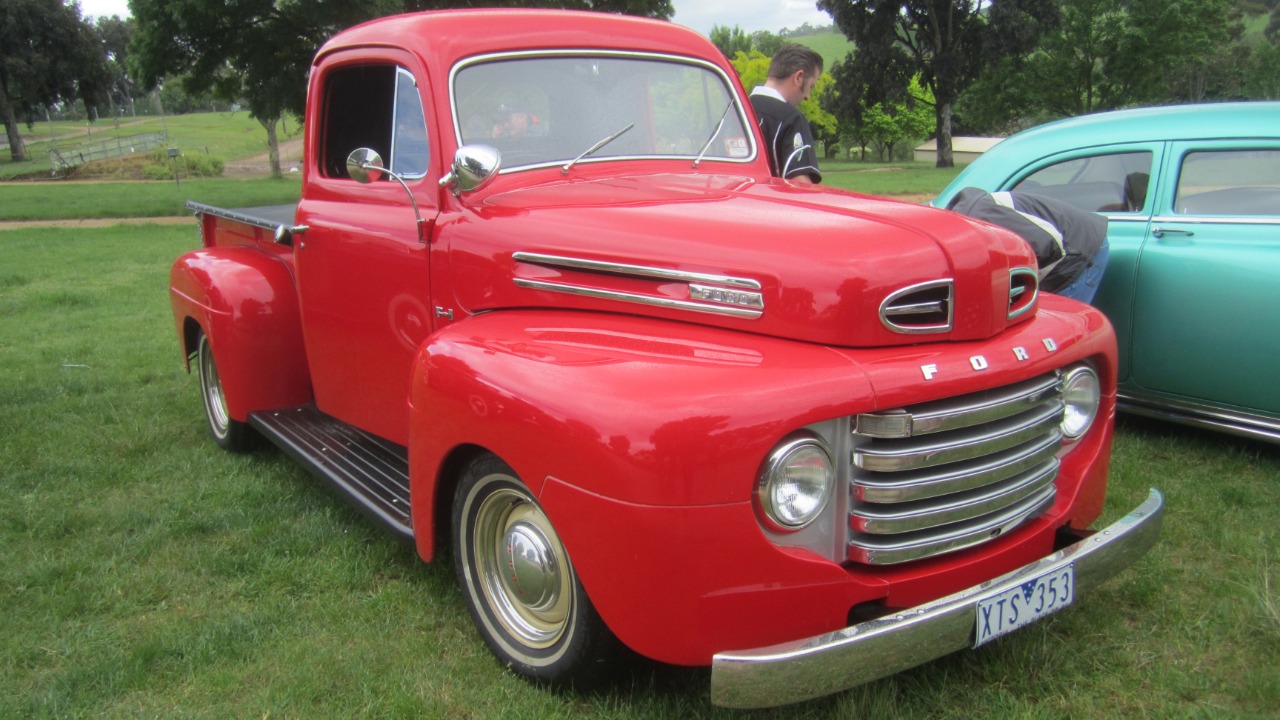
The Ford F-1 was part of Ford’s first postwar F-Series, introduced in 1948. It combined a dedicated truck chassis with a larger cab and improved driver comfort compared with earlier pickups. Its straightforward construction made it useful for farms, businesses, and general transportation. Today, the F-1’s upright grille, rounded fenders, and simple bed give it an unmistakably hardworking appearance that remains attractive even after decades.
GMC 100
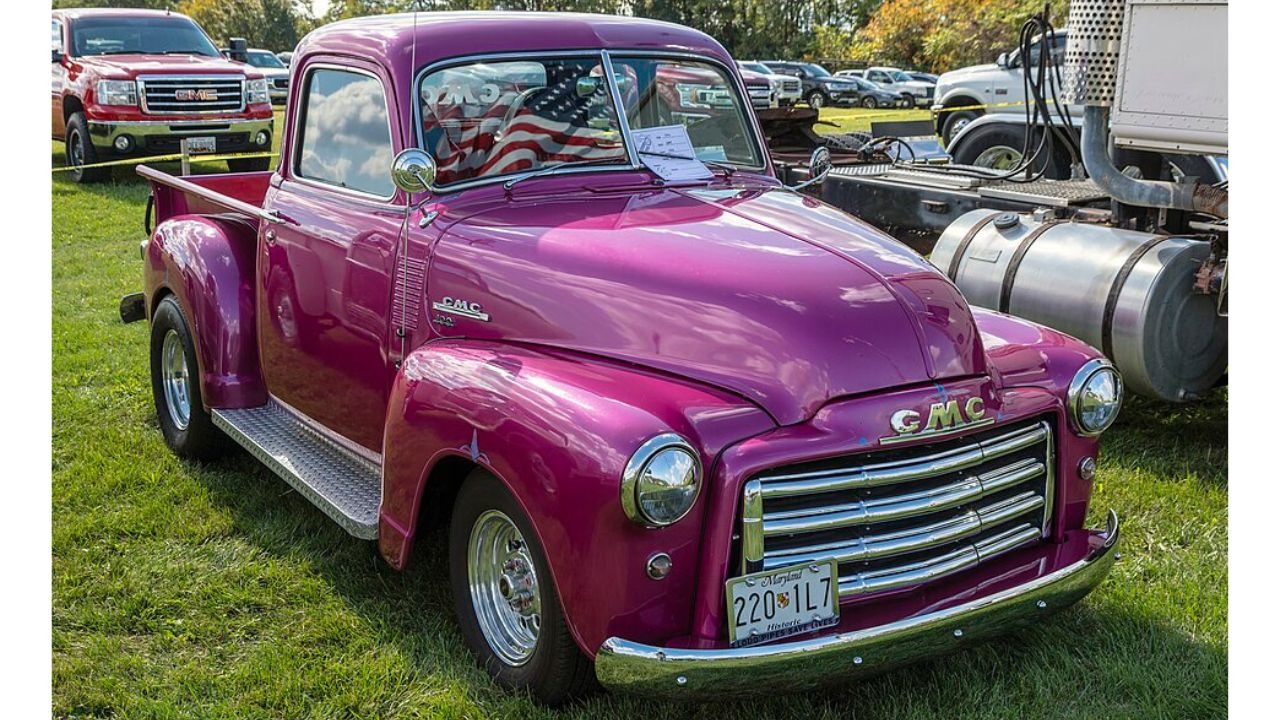
The GMC 100 shared much of its basic engineering with Chevrolet’s light-duty pickups but carried distinctive GMC styling. Introduced as part of GMC’s postwar truck range, it provided practical hauling ability in a compact package. Its tall grille, separate fenders, and sturdy body made its purpose obvious. Surviving examples still look like honest working trucks rather than recreational vehicles, which is part of their lasting appeal among classic pickup enthusiasts.
Dodge B-Series

The Dodge B-Series represented Chrysler’s postwar return to modern pickup production. Introduced in 1948, the series featured a rounded cab and integrated front-end styling that made it look more contemporary than earlier Dodge trucks. Available with different engines and configurations, it served farmers, tradesmen, and businesses. The B-Series remains recognizable for its tall grille and substantial proportions, giving restored examples a distinctly purposeful postwar appearance.
Studebaker 2R
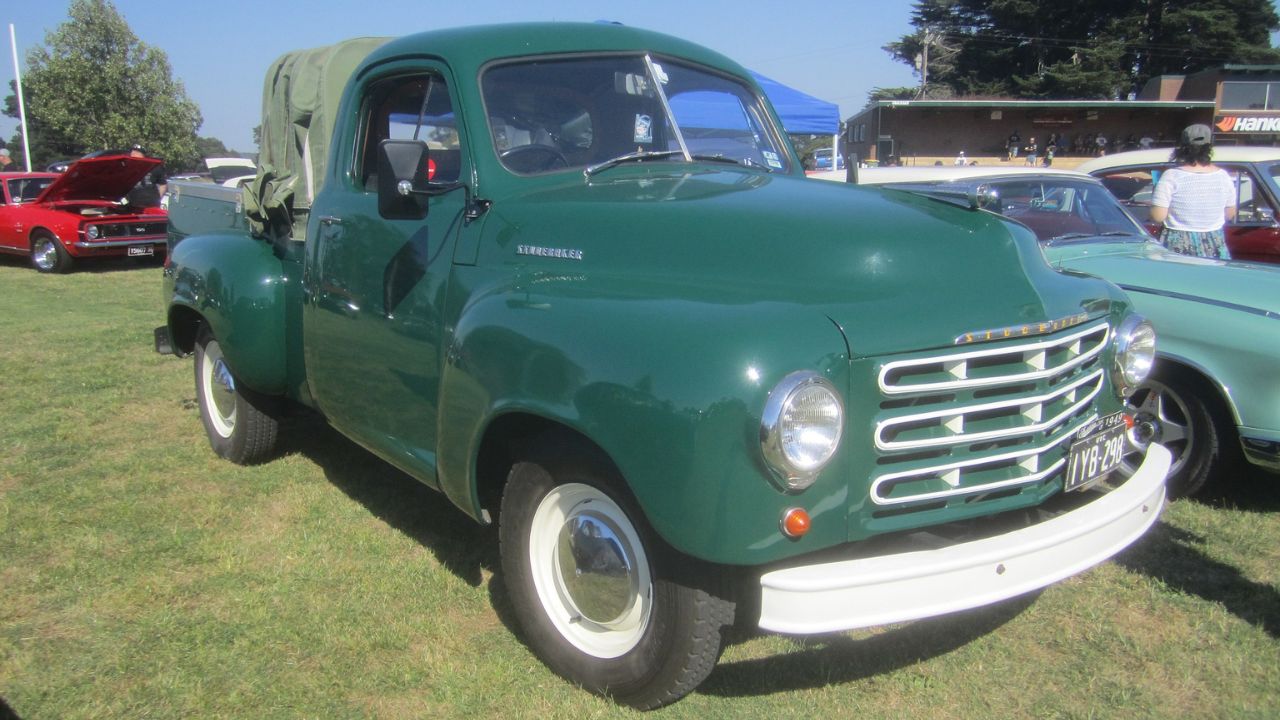
The Studebaker 2R series brought a distinctive appearance to the postwar pickup market. Introduced in 1949, it featured a rounded cab, prominent front grille, and carefully integrated fenders. Studebaker offered several versions for different levels of work, giving customers practical choices. The 2R is less common today than Chevrolet or Ford pickups, which makes surviving examples especially interesting. Its proportions still make it look ready for genuine utility work.
Chevrolet Task Force
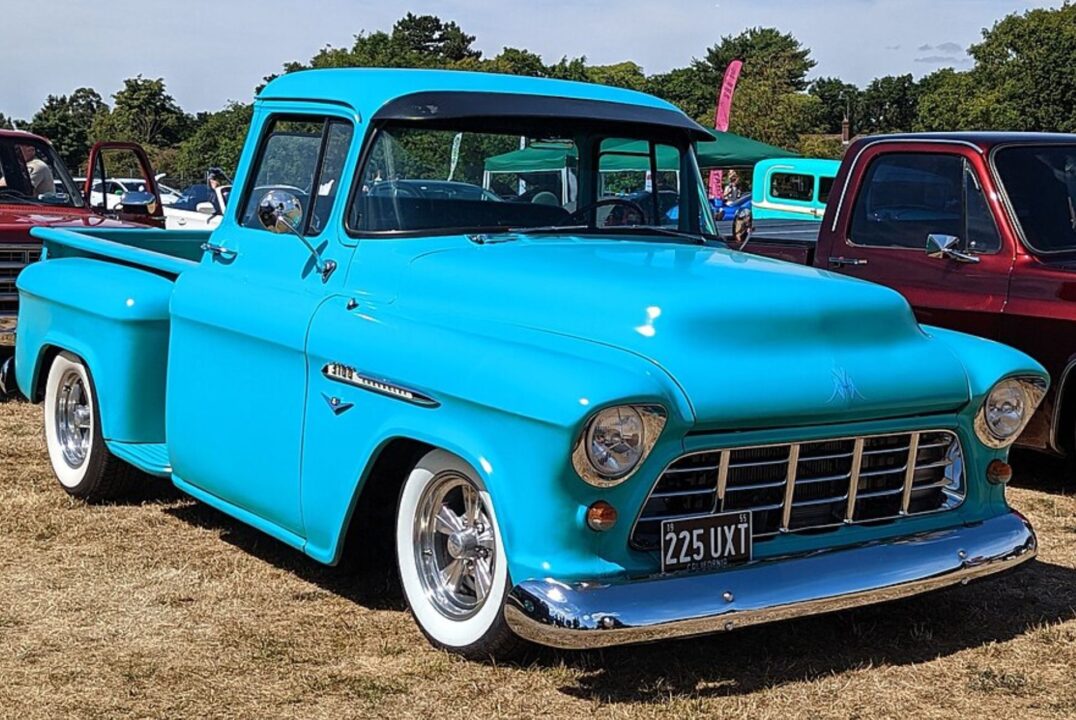
The Chevrolet Task Force series replaced the Advance-Design trucks for 1955 and introduced a more modern appearance. It featured a wraparound windshield, integrated front styling, and stronger visual proportions while retaining a traditional truck chassis. The series included pickups ranging from light-duty models to heavier work trucks. Its broad grille and substantial bodywork continue to give the Task Force a rugged appearance that suits both restored and working-style builds.
Ford F-100
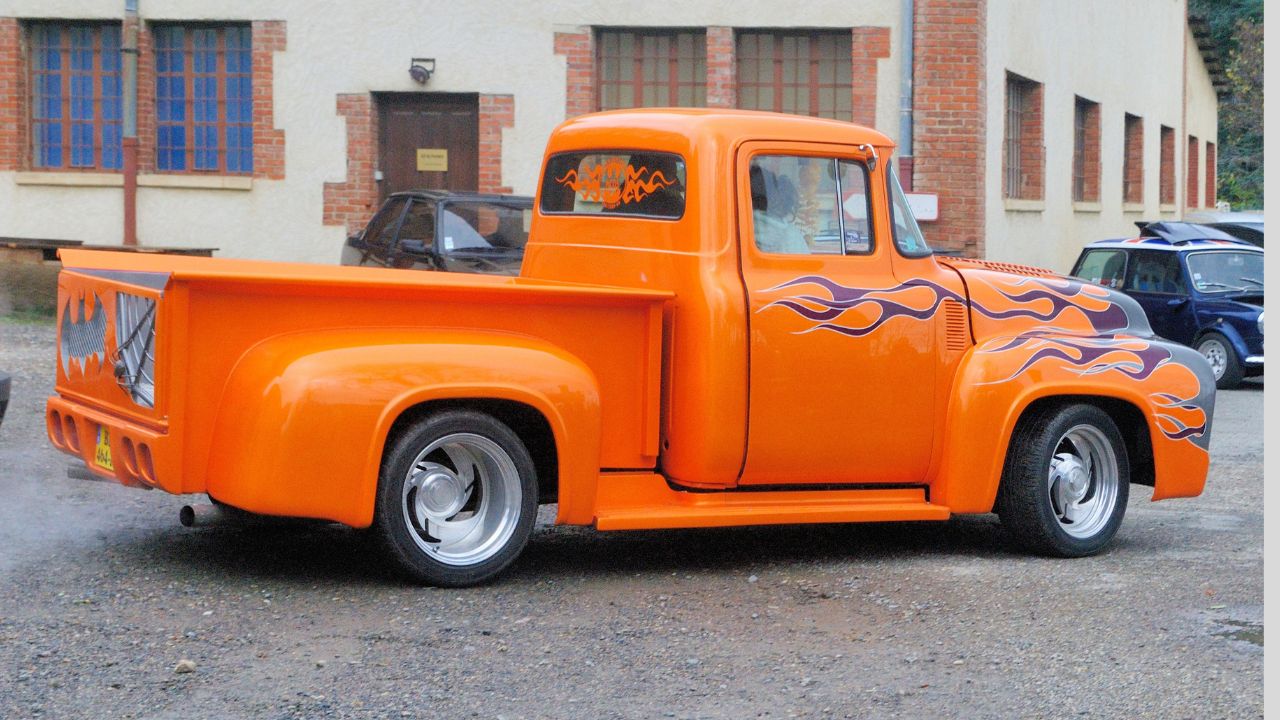
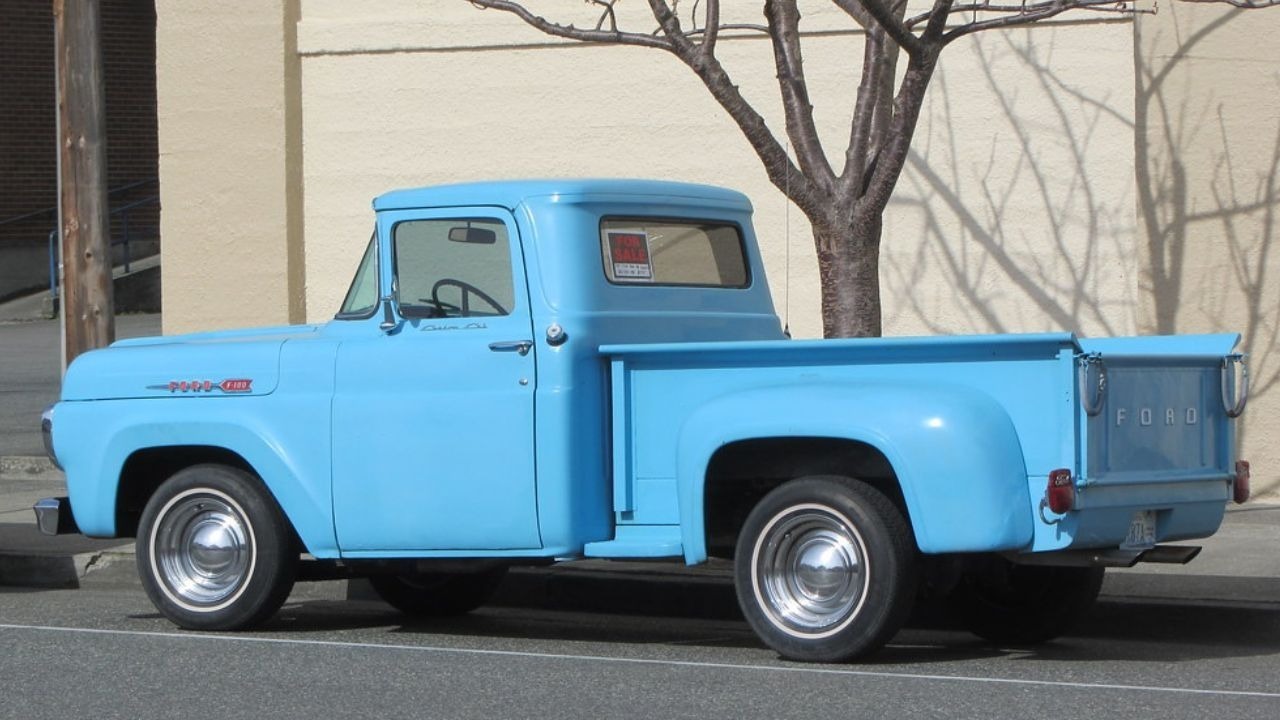
The Ford F-100 became one of the most influential American pickups of the 1950s. Introduced in 1953, it replaced the F-1 designation and emphasized improved comfort without abandoning truck capability. The F-100’s simple construction and strong frame allowed it to serve farms, businesses, and personal users. Its clean proportions, separate bed, and upright cab still make early examples look like practical machines rather than collector-only vehicles.
GMC 100 Series
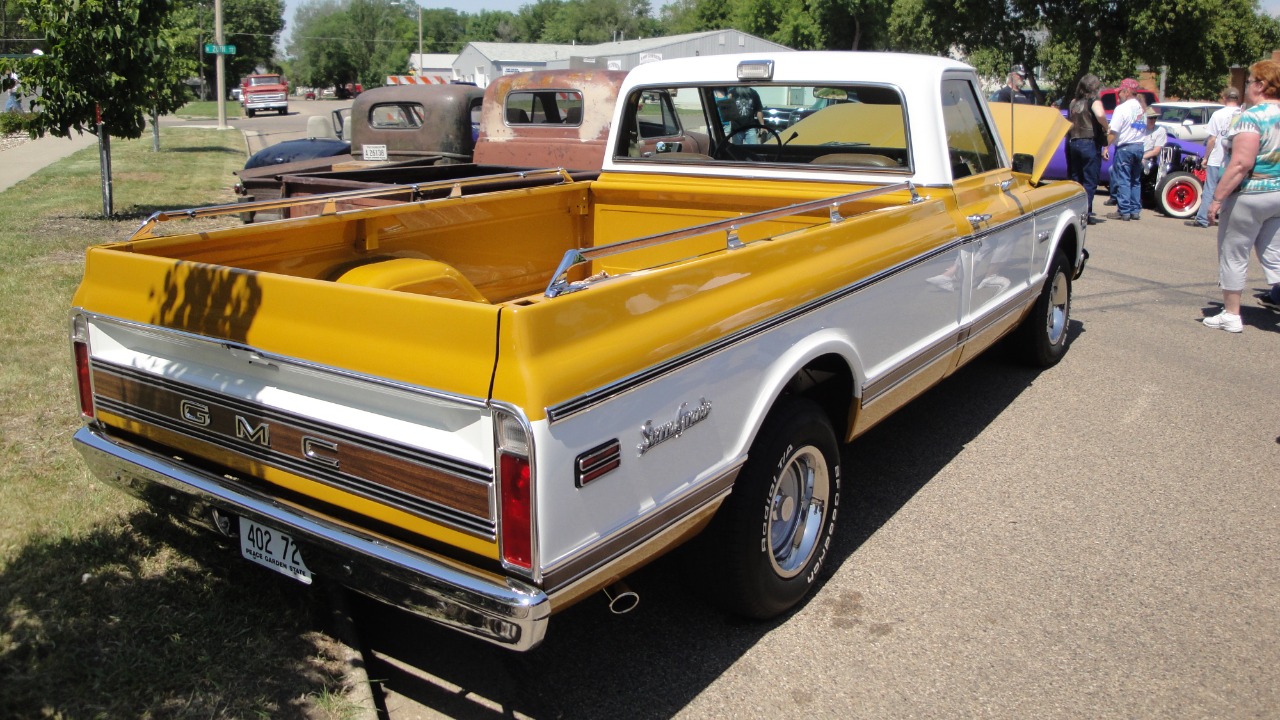
The GMC 100 Series continued the company’s light-duty pickup tradition during the 1950s. It shared mechanical foundations with Chevrolet trucks while maintaining its own grille and badging. The truck was available in configurations suitable for farming, delivery work, and general hauling. Its relatively compact body and sturdy construction make surviving examples appealing to collectors. Even today, the upright windshield, wide hood, and practical bed retain a distinctly working-truck character.
International Harvester S-Series
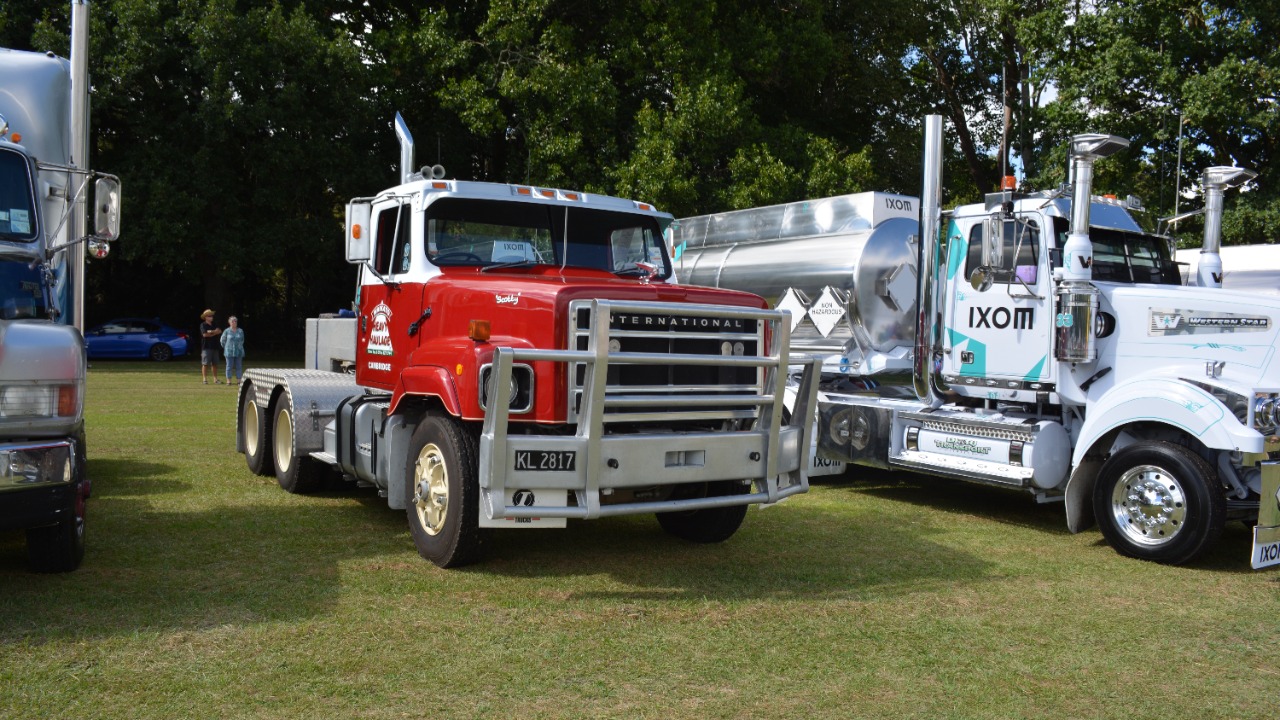
The International Harvester S-Series followed the L-Series and brought a more modern look to International’s truck lineup. Produced beginning in the 1950s, it covered a wide range of commercial and light-duty applications. The pickups combined simple mechanical layouts with substantial construction. Their tall grille, wide fenders, and heavy-looking bodywork remain visually convincing decades later, especially when restored with practical equipment rather than purely cosmetic modifications.
Chevrolet Apache
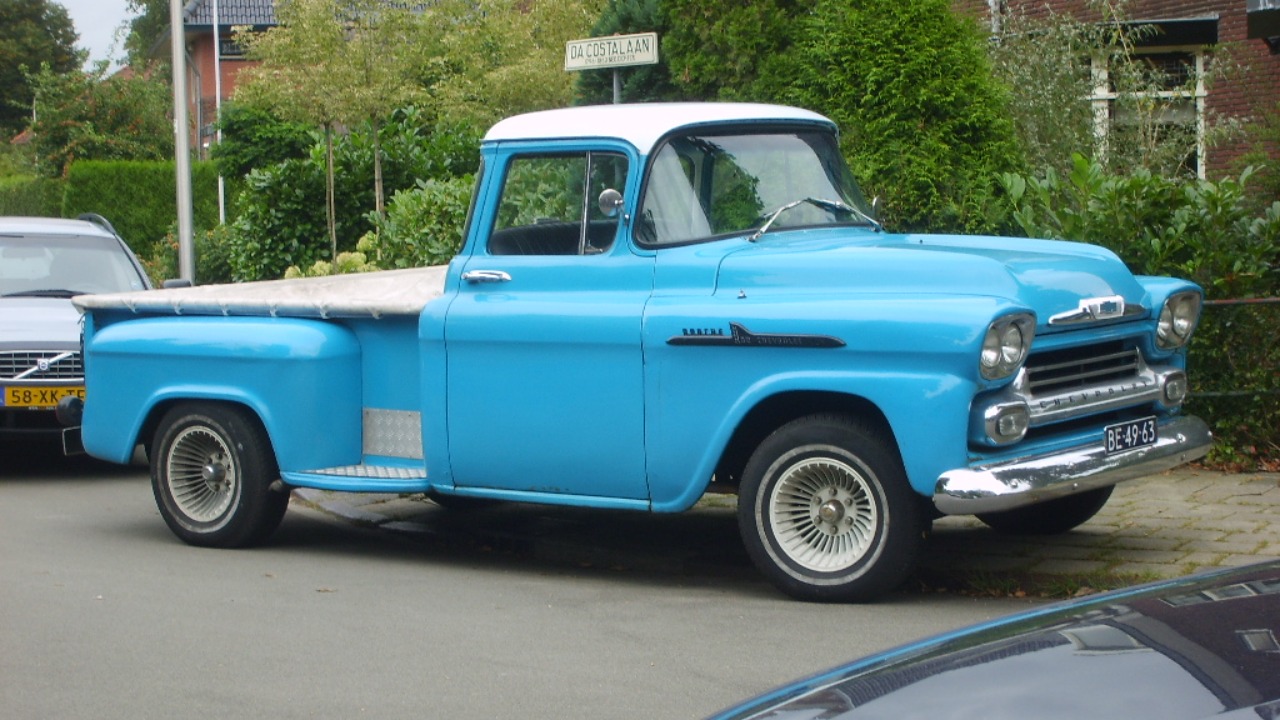
The Chevrolet Apache name became associated with Chevrolet’s Task Force pickups during the late 1950s. The Apache featured a bold front grille, wraparound windshield, and more integrated body styling than earlier Chevrolet trucks. Available with different engines and configurations, it could handle everyday hauling and commercial duties. Today, its distinctive grille and broad body give it a strong vintage work-truck appearance that has made it popular with collectors.
Ford F-100 Styleside
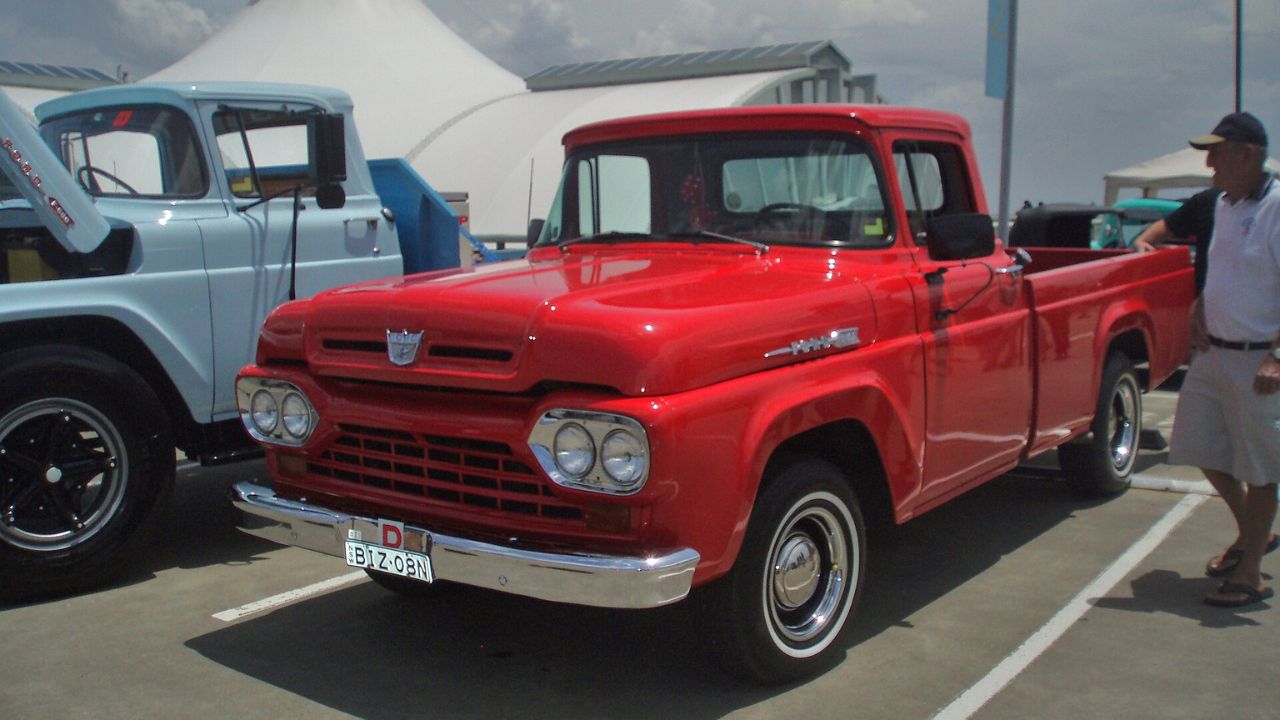
The Ford F-100 Styleside brought a cleaner and more integrated appearance to the pickup bed. Instead of separate rear fenders, the Styleside design created a broad body profile extending across the bed. This gave the truck a modern look while retaining practical utility. Its clean lines and relatively simple construction make it one of the most recognizable classic Ford pickups, and restored examples still look capable of everyday hauling.
Dodge D-Series
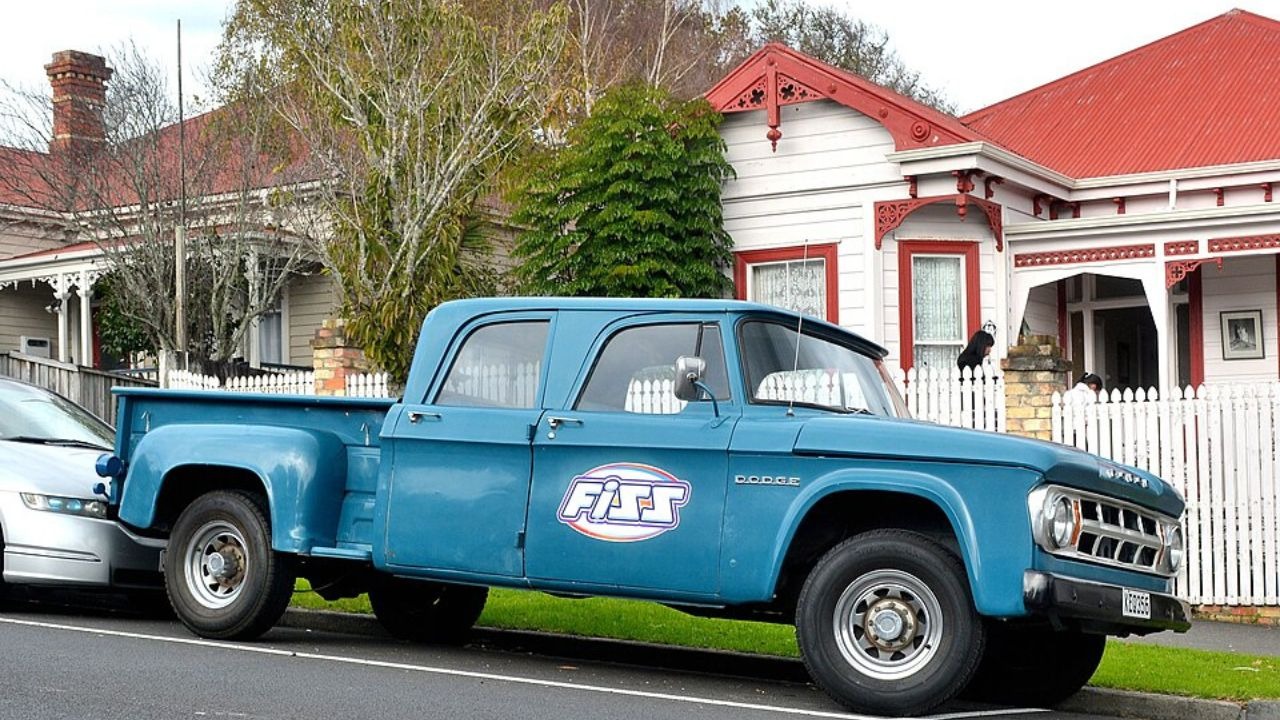
The Dodge D-Series replaced the earlier C-Series and became an important part of Dodge’s pickup history. Introduced in 1961, it offered a more modern cab and a wide range of engine choices and configurations. The trucks were used by tradesmen, farmers, businesses, and everyday owners. Their boxy proportions and straightforward body design remain visually convincing, particularly in short-bed form, where the truck’s practical purpose is especially obvious.
Chevrolet C10
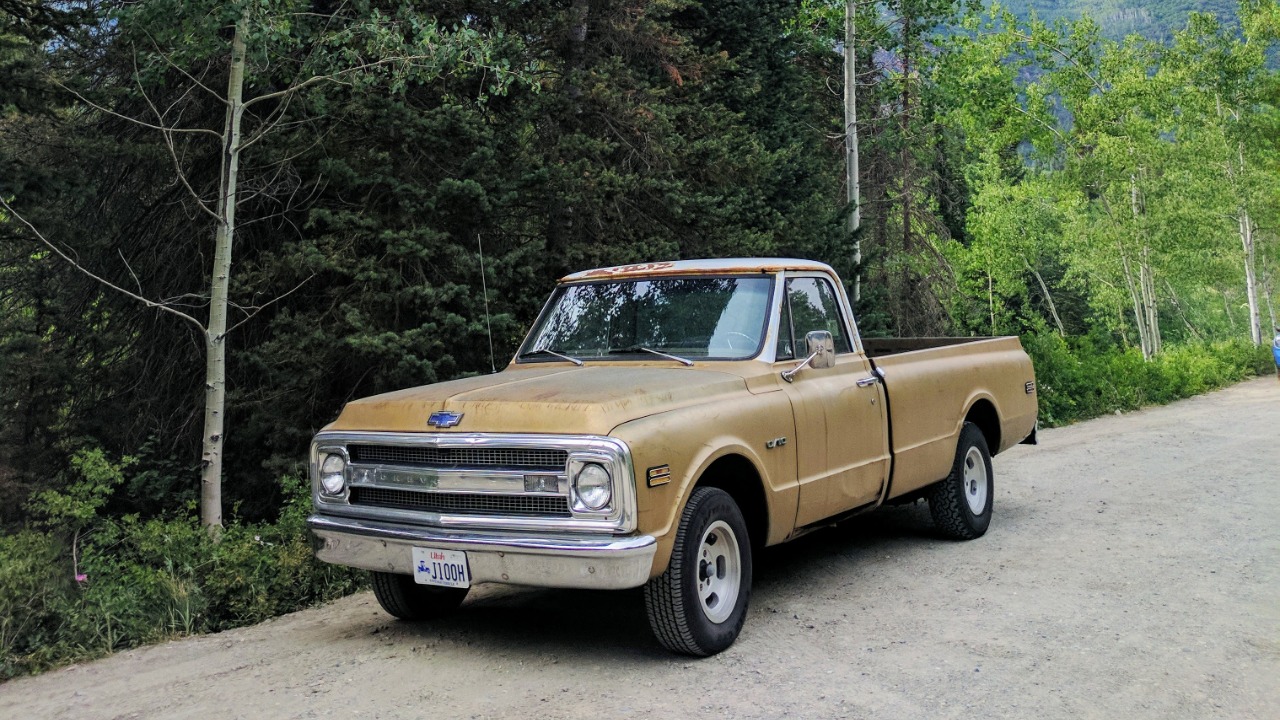
The Chevrolet C10 became one of the most popular American light-duty pickups of the 1960s. Its lower stance, cleaner body lines, and increasingly comfortable cab helped move pickups toward everyday personal transportation without eliminating their working ability. The C10 remained available with useful payload and towing configurations. Its simple shape, large bed, and sturdy proportions have allowed it to remain one of the most recognizable classic American pickups.
Ford F-250
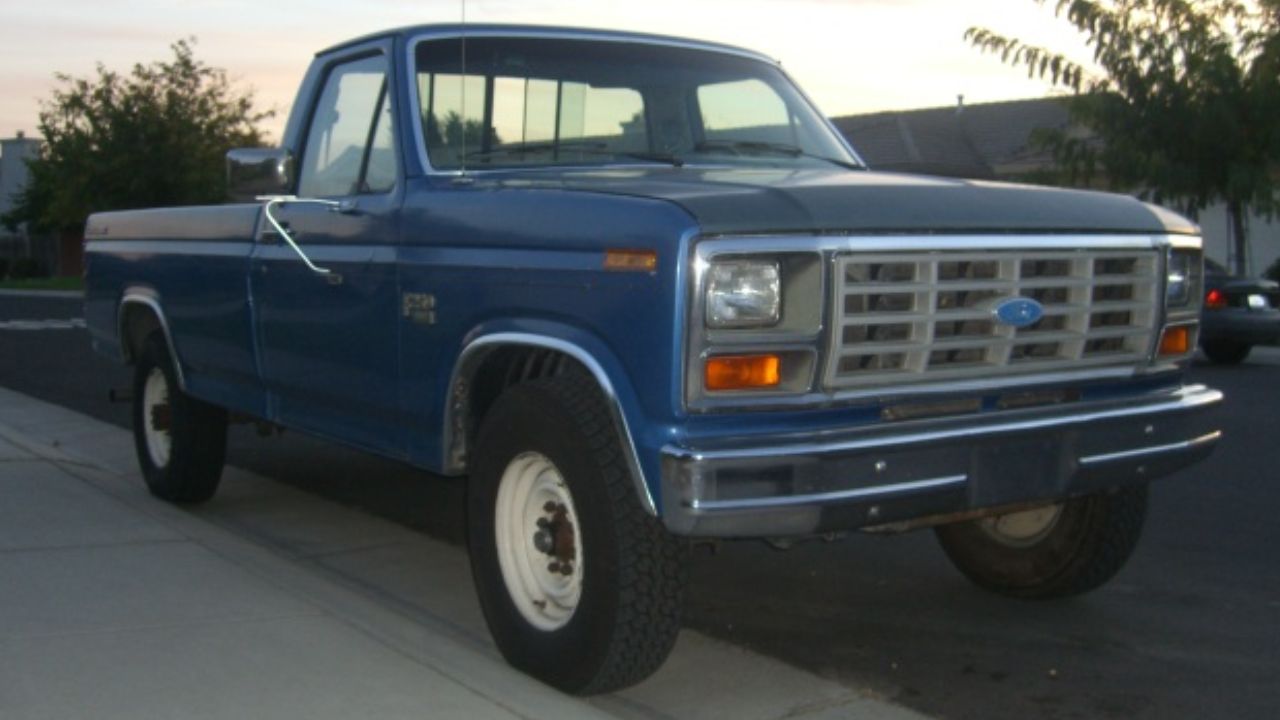
The Ford F-250 occupied the heavier-duty part of Ford’s pickup range and was designed for customers who needed more capability than a standard half-ton truck. Larger suspension components, stronger frames, and higher payload capacity made it suitable for farms, construction, and commercial use. Its tall stance and substantial body still communicate strength. Well-preserved F-250s often look ready for serious work even when they are now used mainly for shows.
Chevrolet K20
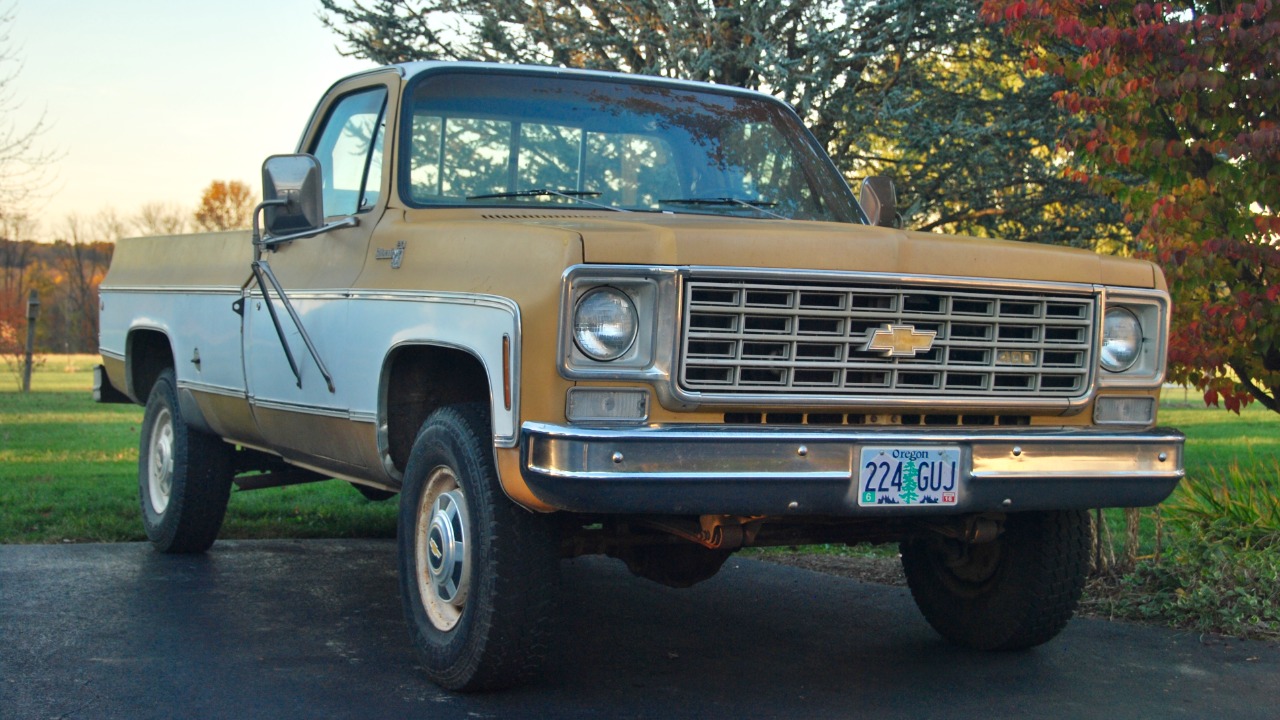
The Chevrolet K20 brought four-wheel drive to Chevrolet’s heavier-duty pickup range, making it especially useful in farms, construction sites, and difficult terrain. Its higher stance and durable drivetrain gave it an advantage over two-wheel-drive trucks when conditions became challenging. The classic K20’s tall body, solid axles, and substantial tires create an unmistakably rugged appearance. Restored examples still look capable of hauling equipment far beyond paved roads.
Jeep Gladiator
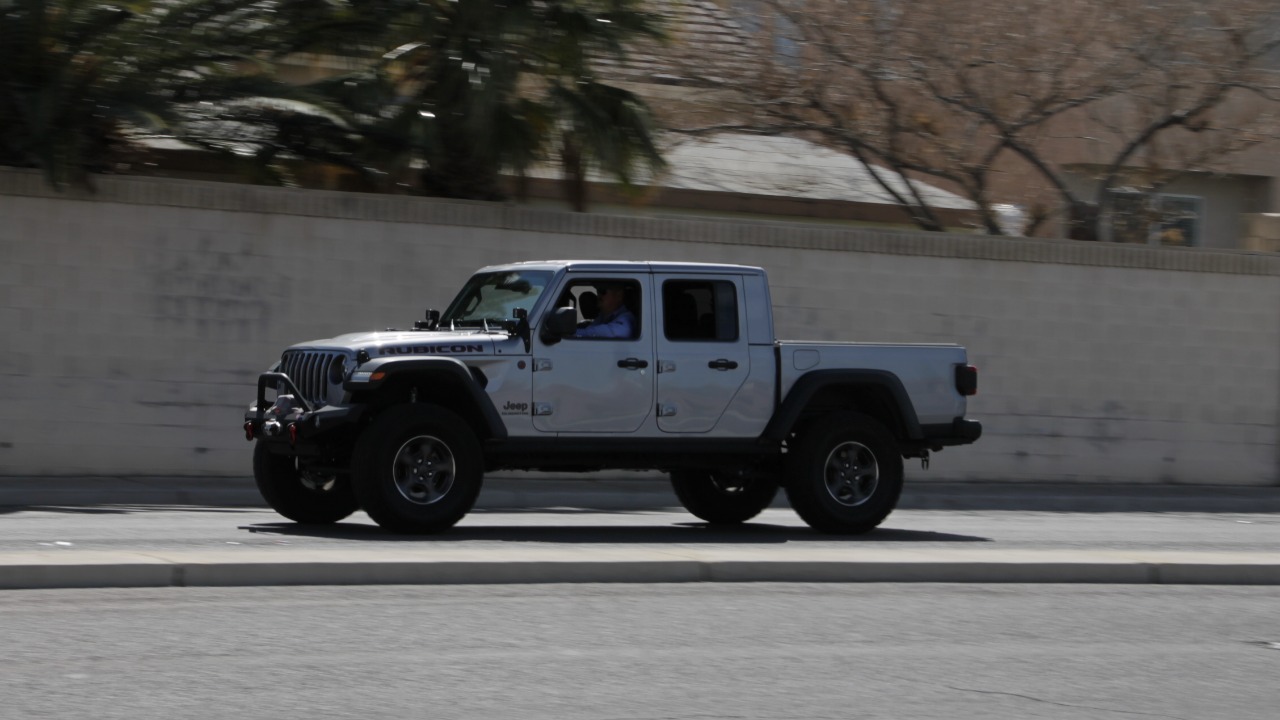
The Jeep Gladiator was introduced in 1962 as Jeep’s first full-size pickup truck. It shared its basic platform with the Wagoneer and combined four-wheel-drive capability with useful cargo capacity. The Gladiator was available in several configurations and served both civilian and commercial customers. Its distinctive grille, upright cab, and rugged chassis give it a unique appearance among American pickups. It still looks naturally suited to farms and rough terrain.
Toyota Hilux
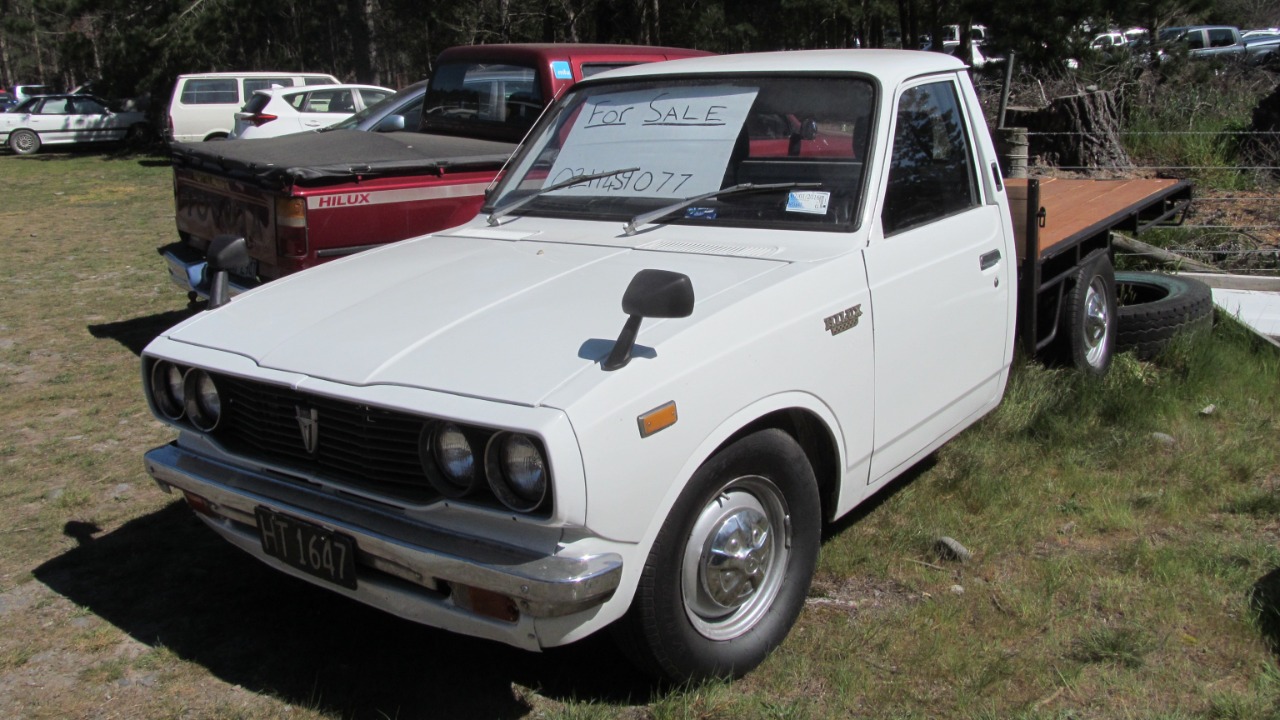
The Toyota Hilux brought a different approach to the postwar pickup market, emphasizing compact dimensions, simple mechanical design, and durability. Introduced in 1968, it became increasingly popular in markets around the world. Early Hilux models were smaller than American full-size pickups but could handle demanding work. Their compact beds, straightforward cabs, and sturdy construction still give surviving examples the appearance of dependable working trucks.
Datsun 620
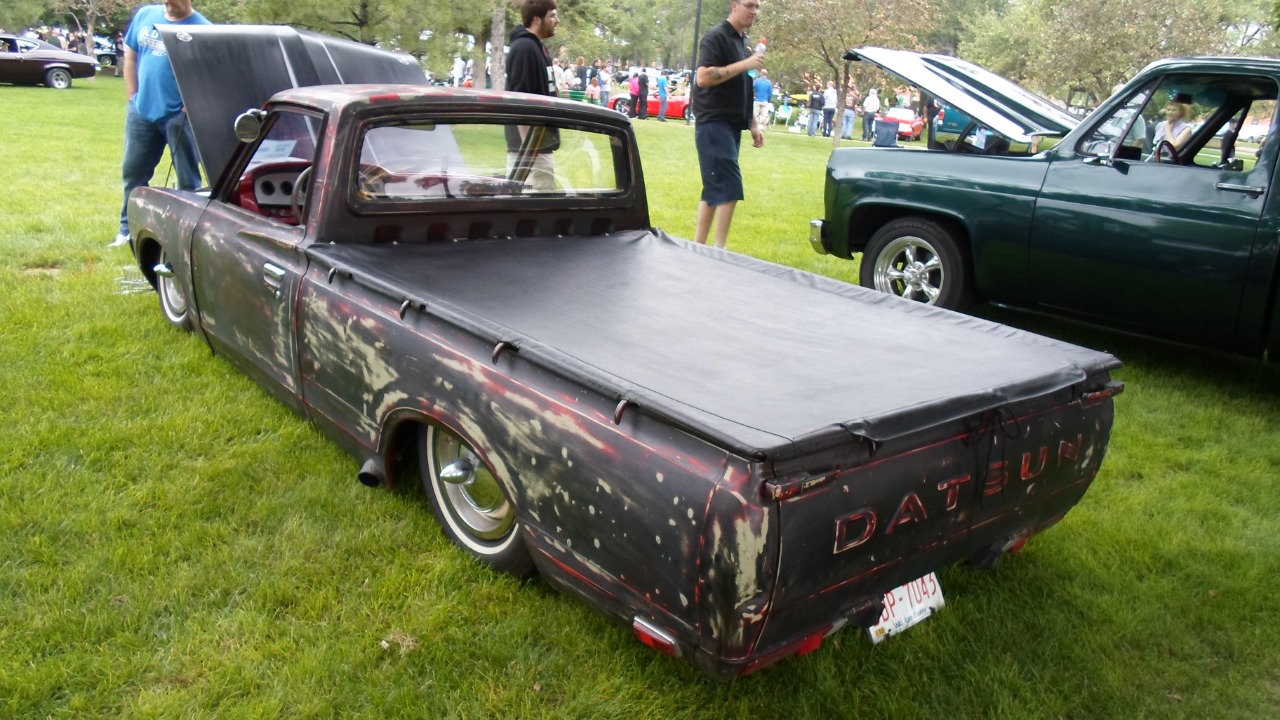
The Datsun 620 became one of the most recognizable compact pickups of the 1970s. Its smaller dimensions made it easier to maneuver than full-size American trucks, while its simple construction made it useful for everyday hauling. The 620 developed a strong reputation among owners who wanted an economical work vehicle. Today, its compact proportions, separate bed, and unmistakable vintage styling make it look like a truck built for practical jobs rather than appearances.
More from Fast Lane Only
- Unboxing the WWII Jeep in a Crate
- 15 rare Chevys collectors are quietly buying
- 10 underrated V8s still worth hunting down
- Police notice this before you even roll window down
*Research for this article included AI assistance, with all final content reviewed by human editors.