Some classic motorcycles seem to have been built with a different idea of aging. They may develop leaks, need electrical work, or demand the occasional rebuild, but plenty of them have survived decades of daily riding, neglect, long-distance travel, and hard use. Their engines were often simple enough to understand, strong enough to tolerate serious mileage, and supported by owners who refused to let them disappear.
That reputation matters because motorcycles from this era were rarely protected by sophisticated electronics or complicated rider aids. When something went wrong, the owner or a local mechanic usually had to find the problem and fix it. The following 19 bikes earned their places through durable mechanical designs, huge numbers of surviving examples, and generations of riders who discovered that these machines could keep going long after newer motorcycles had been forgotten.
Honda CB750
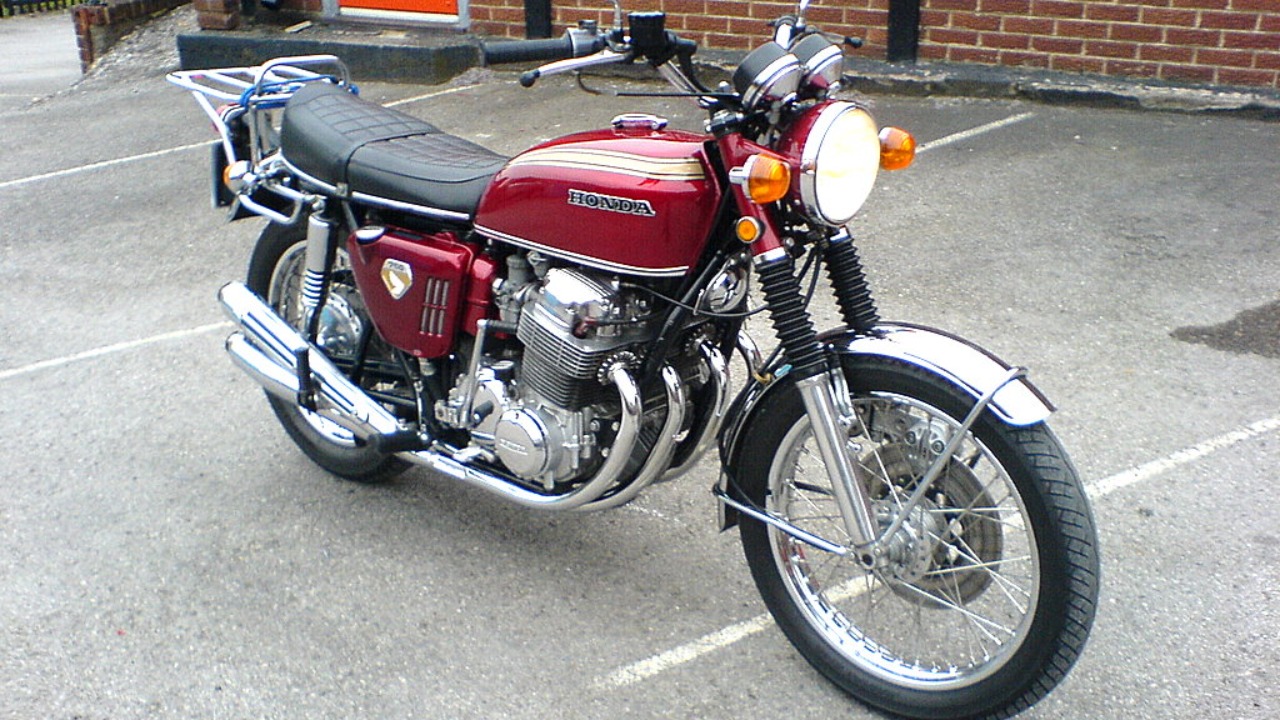
Few motorcycles have a stronger reputation for surviving hard use than the original Honda CB750. When it appeared for 1969, its 736cc inline-four brought a level of refinement and performance that was unusual for a mainstream motorcycle, but the real achievement was how thoroughly Honda engineered the package. The engine was smooth, relatively easy to service, and capable of accumulating serious mileage when owners kept up with oil changes and valve adjustments. Even decades later, a well-maintained CB750 can still be used as an actual motorcycle rather than a garage ornament. Parts availability and an enormous enthusiast community have also helped keep worn examples alive. That combination of mechanical toughness and continued support is a big reason so many CB750s remain on the road.
Honda CB550
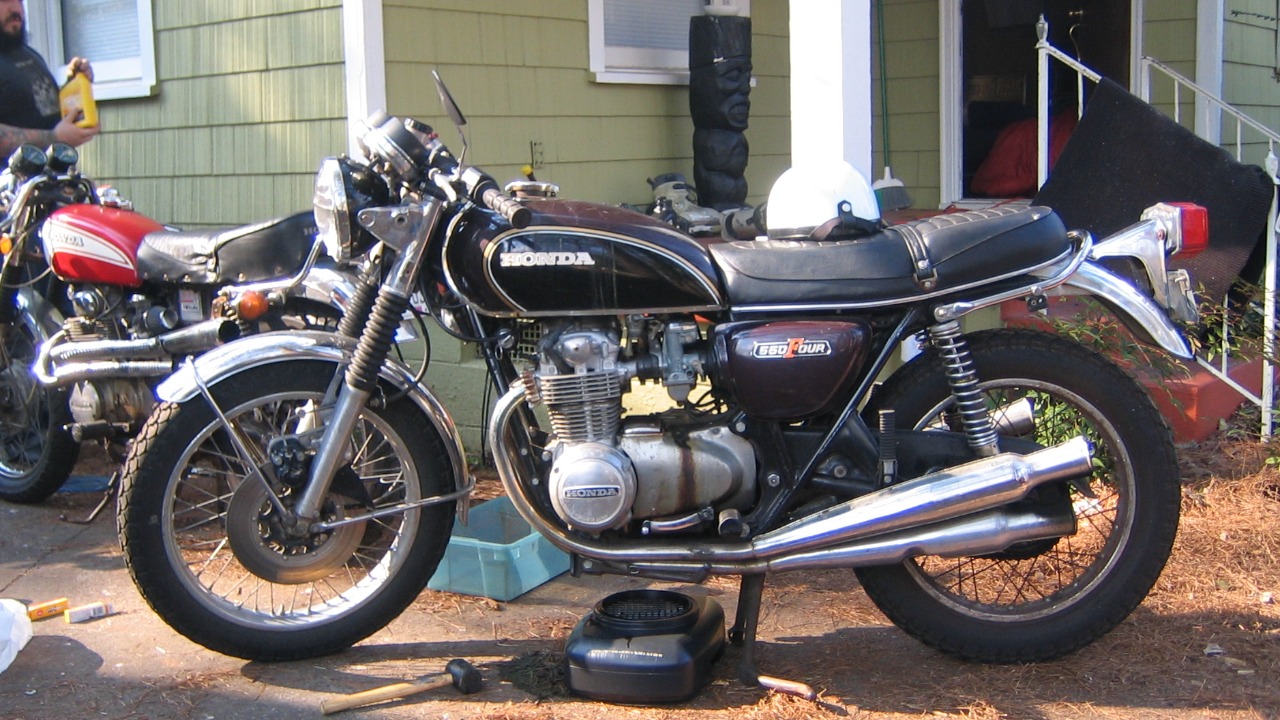
The Honda CB550 may live in the shadow of its larger CB750 brother, but that smaller four-cylinder motorcycle developed its own reputation for toughness. Its 544cc engine offered plenty of usable performance without being excessively stressed, and the relatively compact package made it a practical everyday bike. Many were ridden hard because they were affordable, approachable, and easy to live with. The mechanical layout also gives experienced owners plenty of room to work on the motorcycle without needing specialized modern diagnostic equipment. Today, surviving CB550s are common sights in restoration circles, but plenty are still used rather than simply displayed. A bike that has spent several decades being maintained, modified, and ridden has already demonstrated a considerable ability to survive the passage of time.
Honda CB350
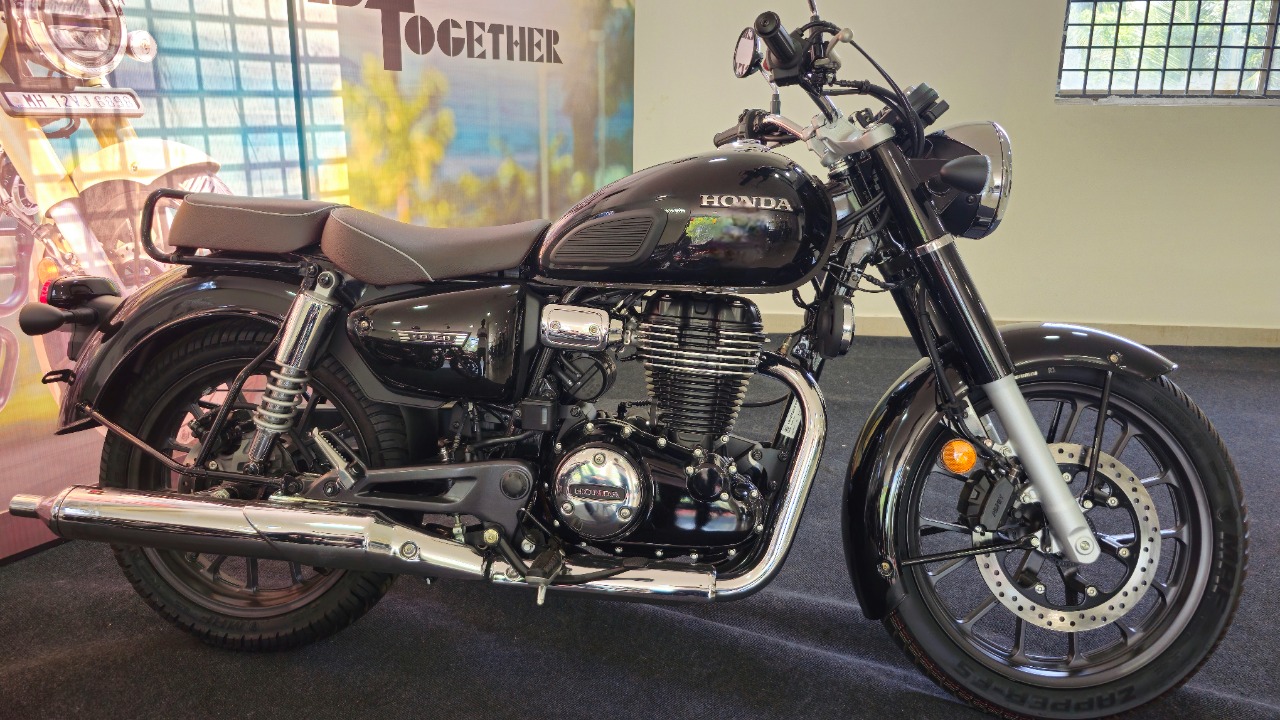
The CB350 proved that a motorcycle did not need a huge engine to become nearly indestructible in the eyes of its owners. Honda’s 325cc parallel-twin was compact, straightforward, and capable of handling everyday transportation with relatively little drama. Thousands of these motorcycles were sold, and many became commuters rather than pampered collector pieces. That matters because ordinary use is often a better test of durability than occasional weekend riding. The CB350 could be serviced by owners with basic mechanical knowledge, and its conventional construction made repairs understandable rather than intimidating. Decades later, surviving examples continue to appear in original form, restored condition, and custom builds. The motorcycle’s combination of manageable performance, simple engineering, and enormous parts knowledge has made it remarkably difficult to erase from the roads.
BMW R75/5
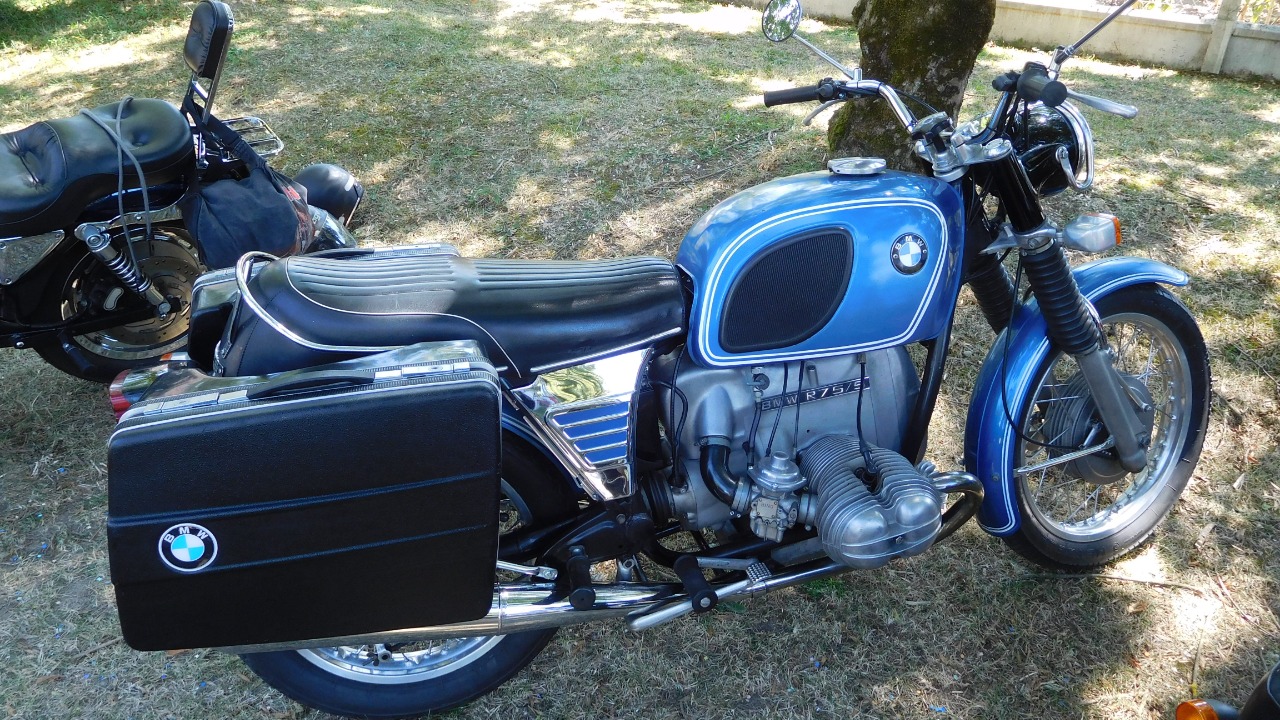
BMW’s R75/5 belongs to a completely different school of motorcycle engineering, but it earned a similar reputation for longevity. Its 745cc air-cooled boxer twin was designed around durability, accessibility, and long-distance use rather than chasing maximum horsepower. The shaft drive also eliminated the regular chain maintenance required by many competitors, while the engine’s layout made routine servicing relatively straightforward. These motorcycles were built to cover serious distances, and many eventually became long-term travel companions for their owners. A properly maintained R75/5 can still feel surprisingly composed on modern roads, which helps explain why so many remain active rather than locked away. Age does bring maintenance requirements, but the fundamental mechanical design has proven capable of surviving several generations of use.
Yamaha XS650
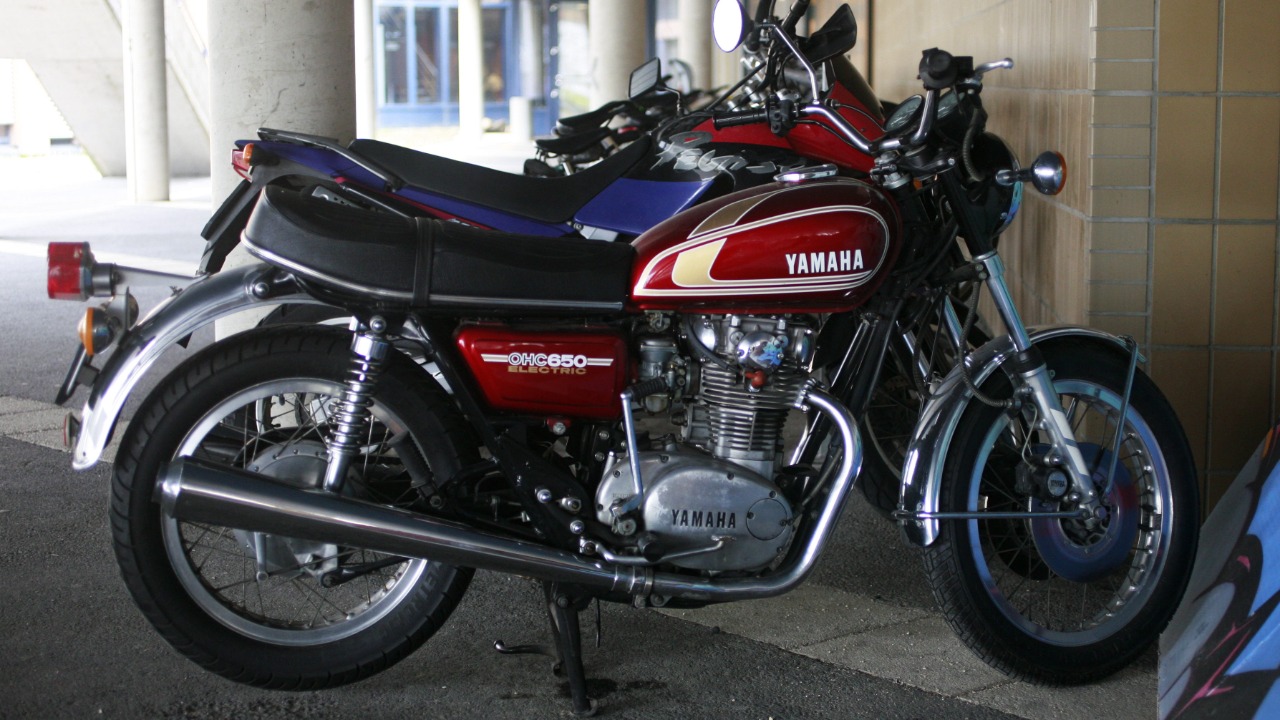
The Yamaha XS650 became famous for its simple 654cc parallel-twin engine and its ability to keep functioning through years of ordinary abuse. Its design had some British influence in character, but Yamaha applied Japanese manufacturing discipline to the formula. The result was a motorcycle that could be serviced relatively easily and did not depend on complicated electronics to operate. The XS650 also became enormously popular with custom builders, meaning countless examples were modified rather than discarded when they became old. Beneath all those café racers, bobbers, and scramblers is a durable motorcycle that can still be rebuilt and maintained by enthusiasts today. Its horizontally split crankcase and straightforward engine architecture further contributed to its appeal among people who prefer motorcycles they can understand mechanically.
Kawasaki KZ1000
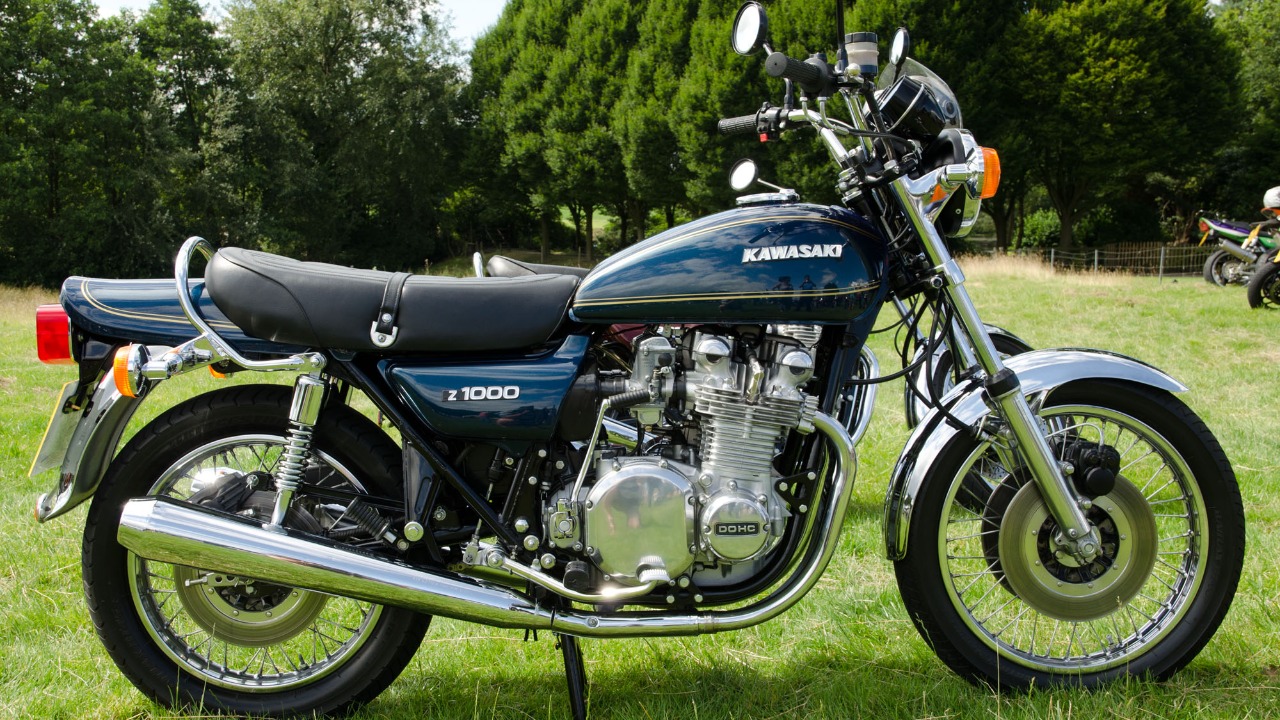
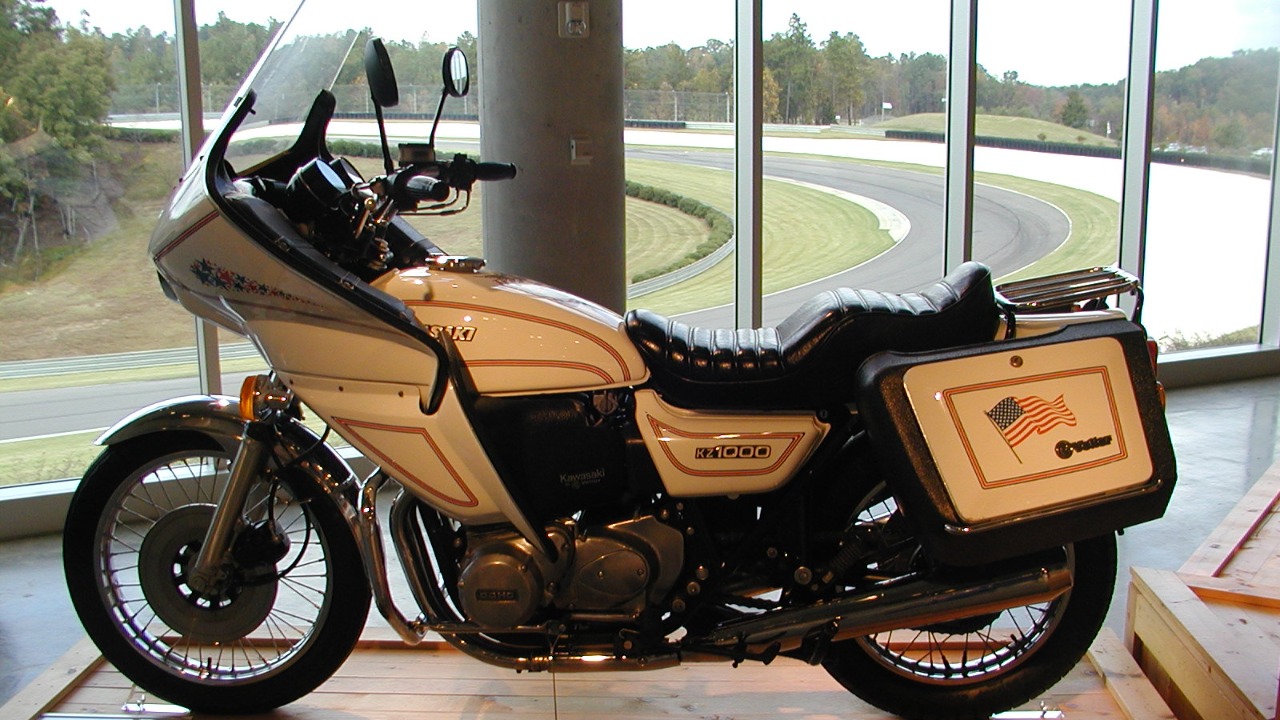
The KZ1000 took the basic formula of the KZ900 and turned it into one of Kawasaki’s most enduring motorcycles. Its 998cc inline-four delivered substantially more performance than many ordinary motorcycles of the period, but the engine was built around proven mechanical principles rather than fragile complexity. Police departments also used versions of the KZ1000, giving the platform an unusual history of hard service and high mileage. Those working motorcycles were not treated like collectibles, yet many accumulated years of demanding use. That says plenty about the underlying design. Today, the KZ1000 remains popular with restorers and riders because the engine is both powerful and familiar to generations of mechanics. It is one of those motorcycles that can look seriously old while still having plenty of mechanical life left.
Suzuki GS750
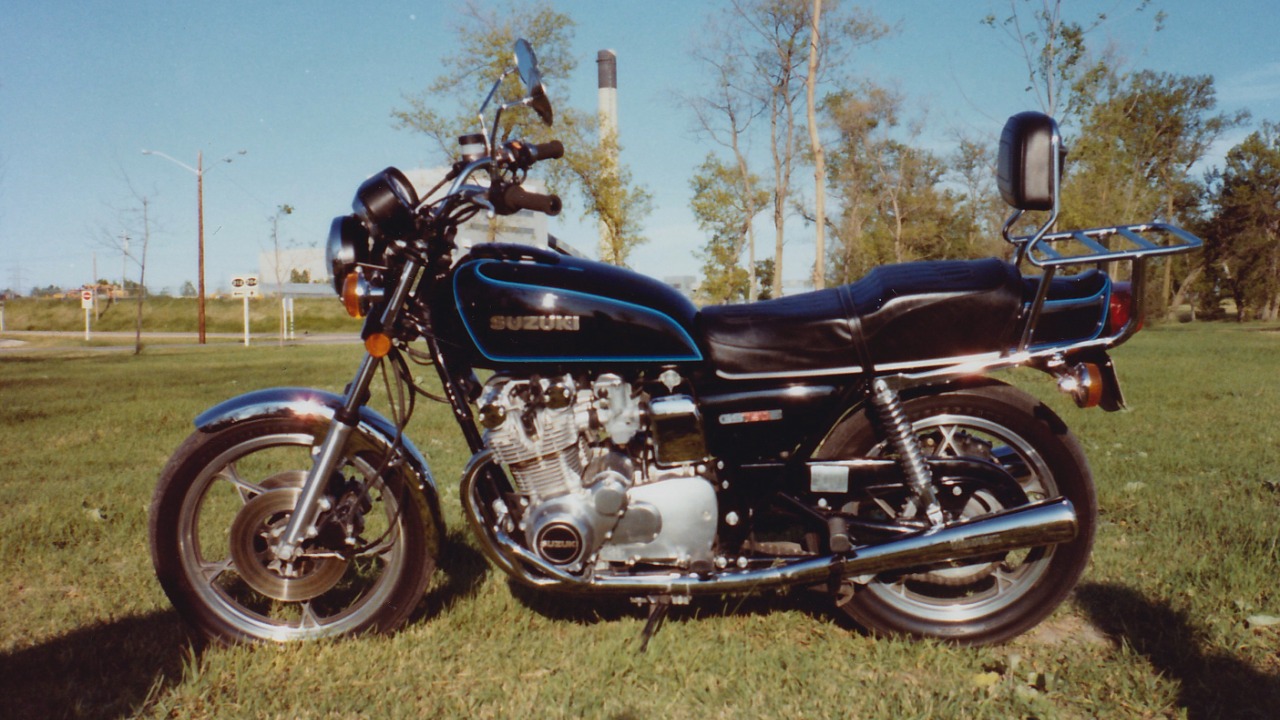
Suzuki entered the big four-cylinder motorcycle battle with the GS750 in 1976, and the result was a machine that quickly earned respect for its combination of performance and durability. The 748cc four-cylinder engine was smooth, strong, and designed with the kind of straightforward mechanical construction that made long-term ownership realistic. Suzuki also avoided making the motorcycle excessively complicated, which meant owners could keep older examples running with conventional tools and mechanical knowledge. The GS750 may not carry quite the same cultural weight as the CB750, but that has arguably helped it remain an underrated survivor. Good examples can still be found decades later, and the motorcycle’s engine architecture has proven durable enough to support everything from restored originals to heavily modified customs.
Suzuki GS1000
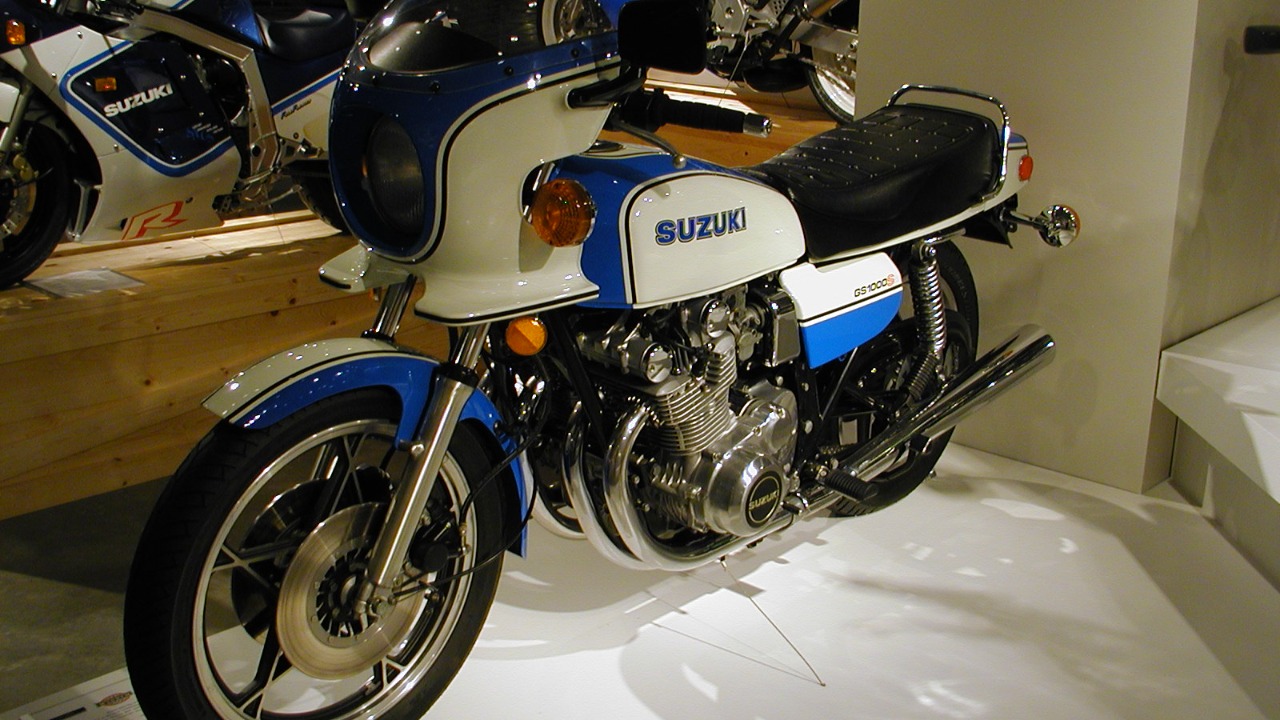
When Suzuki enlarged its four-cylinder formula for the GS1000, it created a motorcycle that combined serious performance with an unusually solid reputation for longevity. The 997cc engine was developed with racing influence but remained practical enough for everyday street use. Its air-cooled design kept the mechanical package relatively simple, while the conventional chassis and drivetrain made the motorcycle familiar to mechanics. The GS1000 could be ridden aggressively without being treated like an exotic machine, and many were used for years before eventually finding their way into restoration projects. Surviving examples demonstrate how durable the underlying platform could be. For riders who want an old-school superbike that feels mechanically substantial rather than delicate, the GS1000 remains one of Suzuki’s most convincing examples.
Yamaha SR500
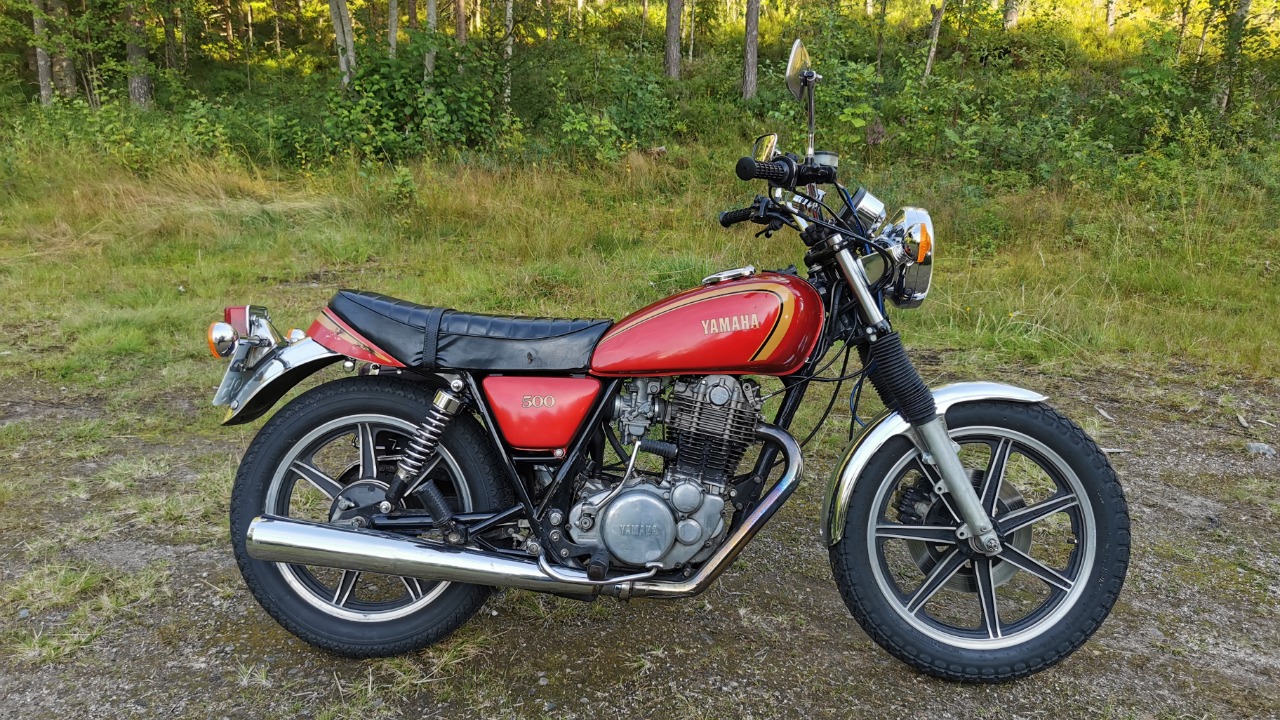
The Yamaha SR500 took a different route to durability by using a large single-cylinder engine rather than a multi-cylinder layout. Its 499cc air-cooled single was mechanically uncomplicated and had relatively few moving parts compared with the four-cylinder superbikes of the same era. That simplicity became one of its greatest strengths. There was less hardware to maintain, fewer cylinders to synchronize, and plenty of space around the engine for servicing. The SR500 also became a favorite among custom builders because its basic design worked with café racer, scrambler, tracker, and minimalist builds. Many motorcycles have been transformed beyond recognition, but the engine underneath has remained remarkably durable. For riders who believe simplicity is one of the best forms of reliability, the SR500 makes a very strong case.
Honda CX500
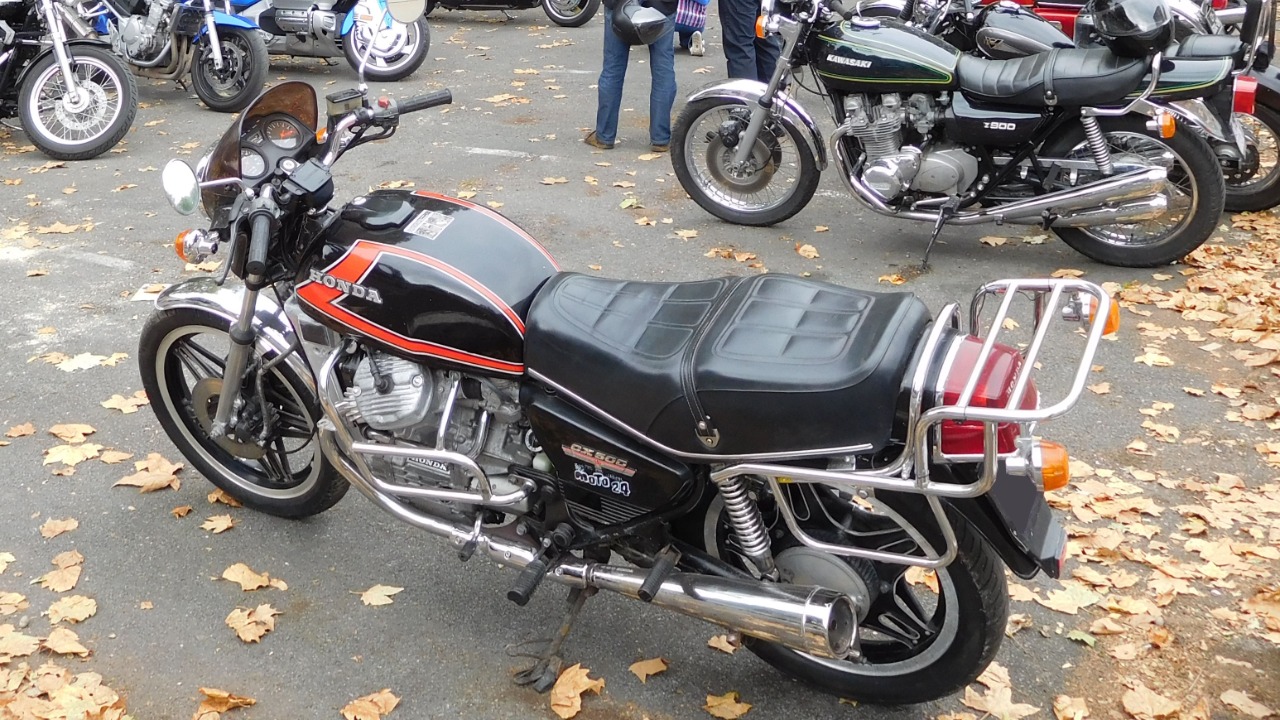
The Honda CX500 was an unusual motorcycle when it arrived, with a liquid-cooled 497cc V-twin mounted transversely and a shaft-drive final drive. It looked different from the company’s more conventional machines, yet the engineering proved remarkably durable. The compact V-twin was designed for practical road use, and the liquid cooling helped maintain consistent operating temperatures during long rides. The shaft drive also reduced routine maintenance compared with a chain. CX500s became especially popular with riders who valued dependability and practical transportation, and their reputation eventually attracted a dedicated following among couriers and long-distance riders. Even today, the CX500 has a reputation as one of those motorcycles that can take substantial mileage when properly maintained, which is impressive considering how unconventional it was for its time.
Honda Gold Wing GL1000
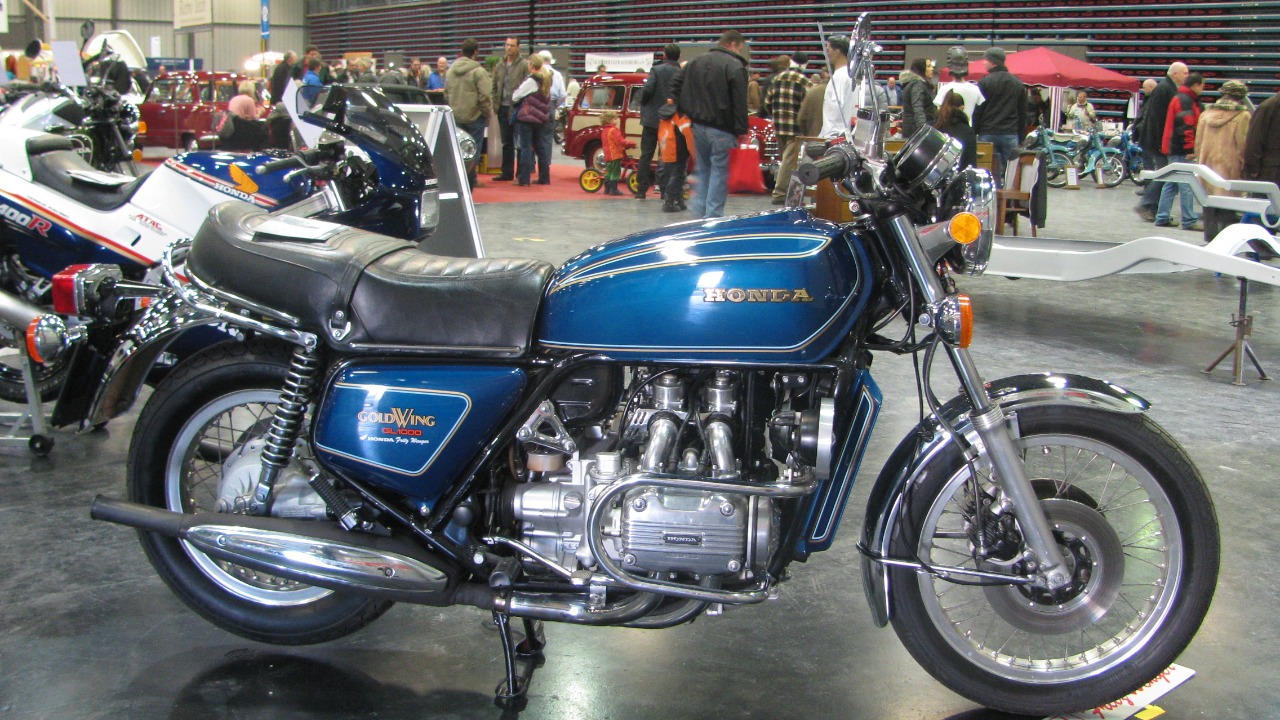
The first-generation Honda Gold Wing was built around a 999cc flat-four engine, shaft drive, and a level of long-distance practicality that was unusual for a motorcycle of its era. The GL1000 was not designed to be a lightweight sporting machine. Instead, Honda gave it a large, smooth engine capable of covering substantial distances while keeping vibration under control. That design philosophy helped create a motorcycle that could accumulate serious mileage. Many GL1000s were eventually converted into touring machines with luggage and fairings, but the underlying engine remained the heart of the platform. Its liquid cooling and relatively conservative state of tune also helped it cope with extended road use. Surviving first-generation Gold Wings are reminders that a motorcycle can be sophisticated without becoming mechanically fragile.
Yamaha XT500
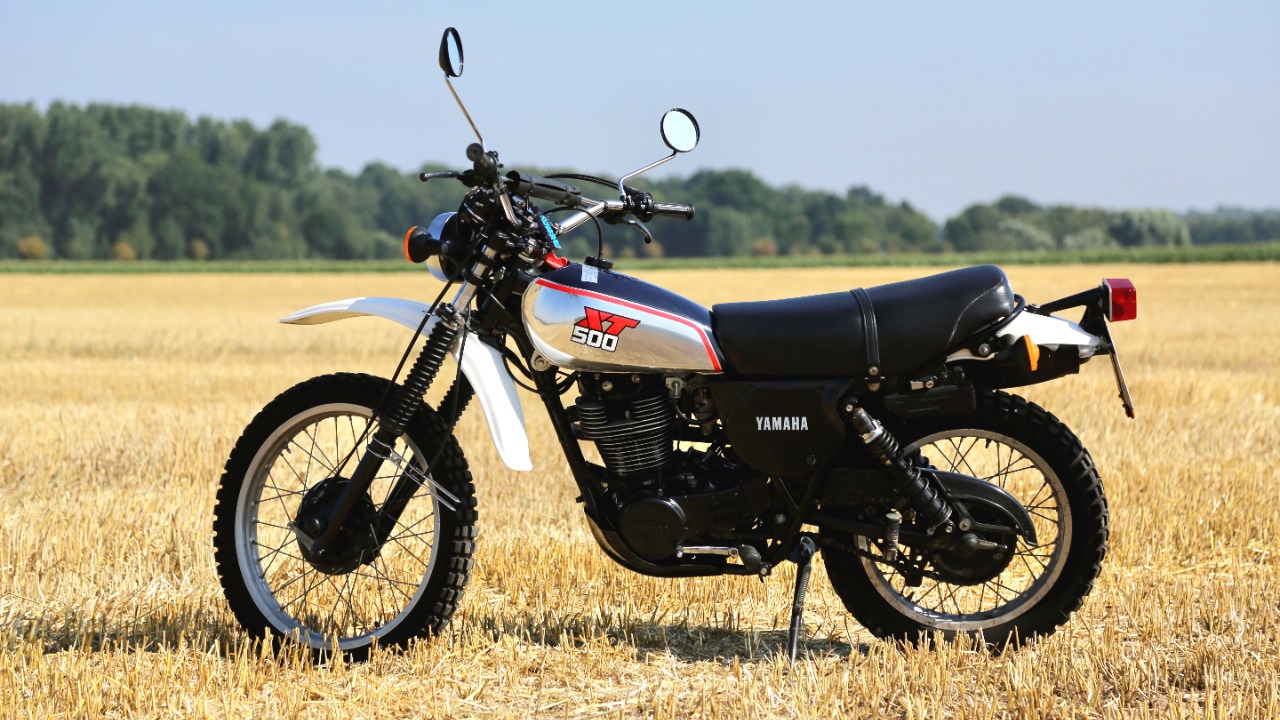
The Yamaha XT500 became one of the defining large singles of its era, combining a rugged 499cc engine with a chassis designed for roads, trails, and everything between. Its air-cooled single-cylinder motor was simple enough to maintain in places where specialized equipment was unavailable, which made the motorcycle particularly attractive to riders who valued mechanical independence. The XT500 also developed a strong reputation in competition and long-distance adventure riding, where durability mattered far more than showroom polish. Its relatively low-tech construction is precisely what makes it interesting today. There are no complicated electronic systems standing between the rider and the engine. Keep the basics in order, and the XT500 has the sort of mechanical simplicity that encourages owners to keep riding rather than constantly worrying about what might fail next.
Honda XL250
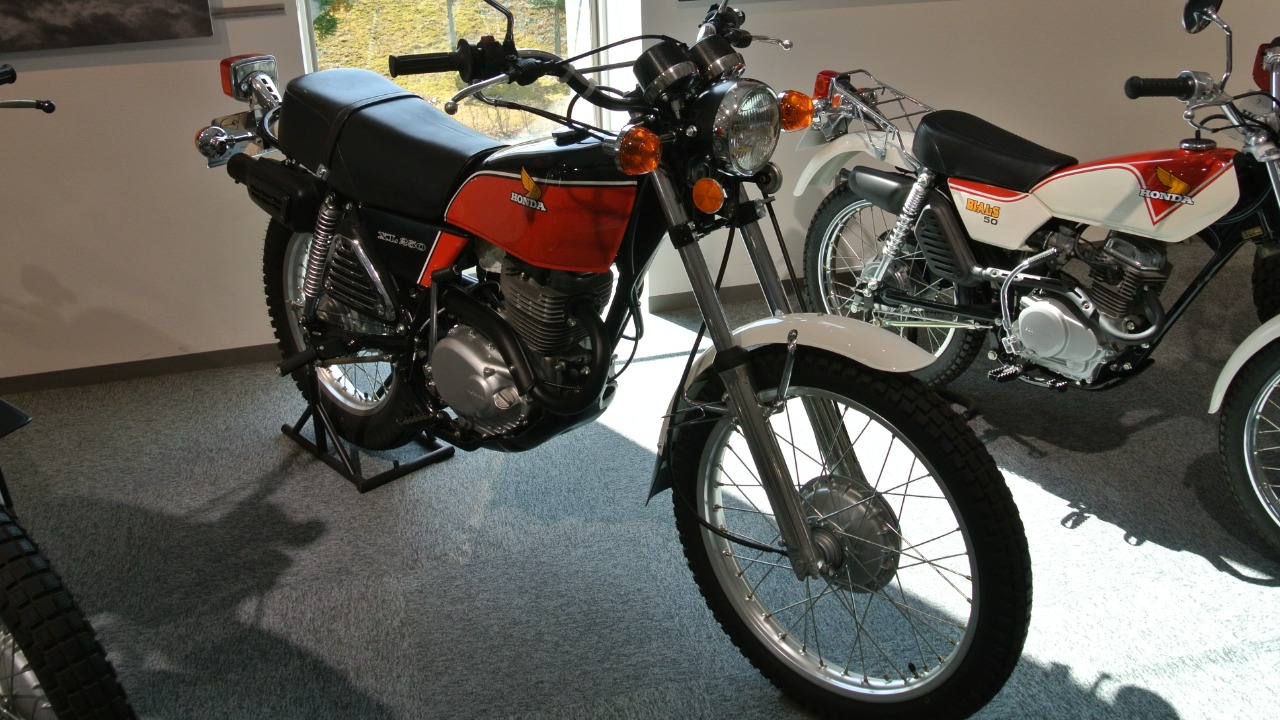
The Honda XL250 helped establish the idea that a dual-purpose motorcycle could be both useful off-road and dependable enough for everyday transportation. Its four-stroke single-cylinder engine was straightforward, compact, and much less demanding than many high-strung two-stroke alternatives. The motorcycle could be ridden on trails, farm roads, city streets, and back roads without requiring a different machine for every job. That versatility also exposed XL250s to plenty of abuse, yet many survived because their basic mechanical design was so manageable. Honda’s reputation for manufacturing quality certainly helped, but the motorcycle’s simplicity mattered just as much. Even heavily used examples can often be brought back to life by enthusiasts who understand that old Hondas were frequently built with repairability in mind.
Suzuki GT750

The Suzuki GT750 earned the nickname “Water Buffalo” because of its liquid-cooled 738cc three-cylinder two-stroke engine, but its durability was more significant than the unusual nickname suggests. At a time when large two-strokes were becoming increasingly sophisticated, Suzuki gave the GT750 a substantial cooling system and a relatively conservative approach to performance. That helped it become a remarkably usable machine for its size and engine type. The liquid cooling was particularly valuable because it allowed the engine to manage heat during sustained riding better than many air-cooled competitors. GT750s are now prized as classics, yet their engineering still shows why they were capable of serious road mileage. A well-kept example has the distinctive character of a large two-stroke without being quite as temperamental as its reputation might suggest.
Triumph Bonneville T120
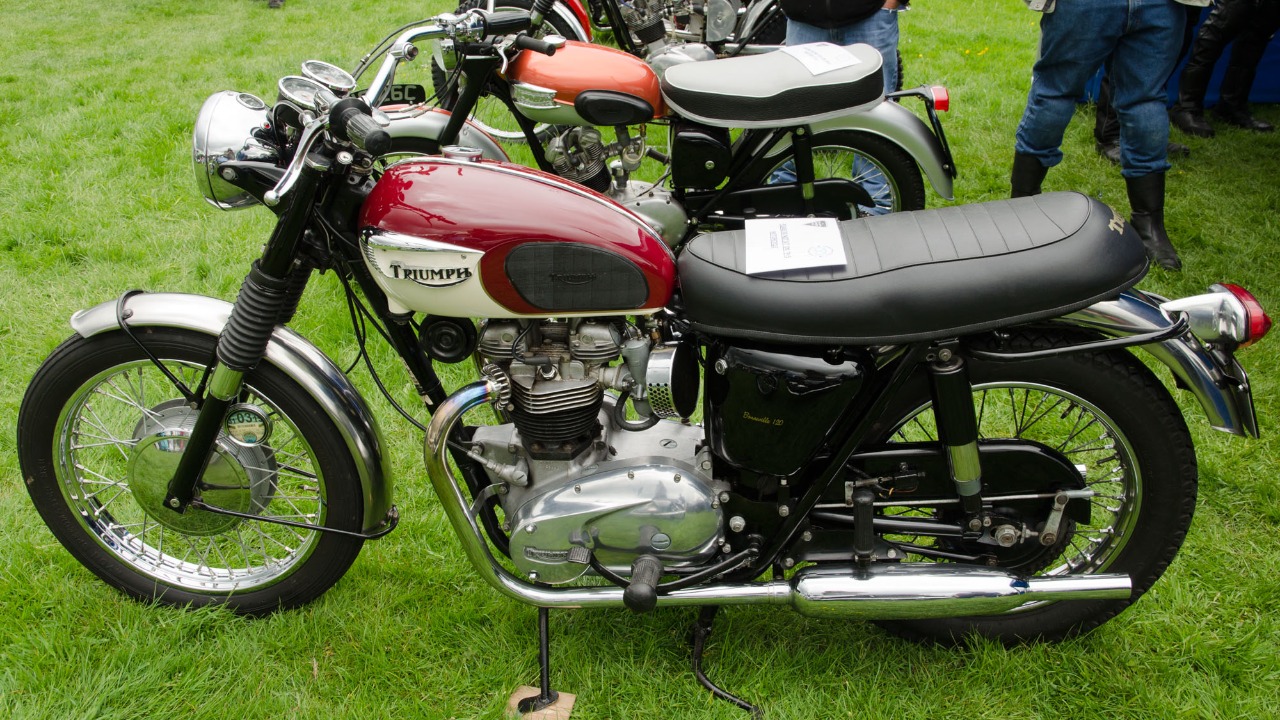
The Triumph Bonneville T120 became one of the defining British motorcycles of the 1960s, and its parallel-twin engine remains one of the most recognizable designs in motorcycle history. The original Bonneville was not famous because it required no maintenance. Quite the opposite, owners of old British motorcycles learned that regular attention was part of the experience. What makes the T120 interesting is how many have survived despite that demanding ownership culture. Its engine is mechanically straightforward, rebuildable, and supported by a deep community of specialists and enthusiasts. Thousands of miles are possible when the machine is properly sorted and maintained. The Bonneville therefore represents a different kind of durability: not an appliance that can be ignored, but a motorcycle simple enough that owners can continually repair, improve, and return it to the road.
Harley-Davidson Sportster
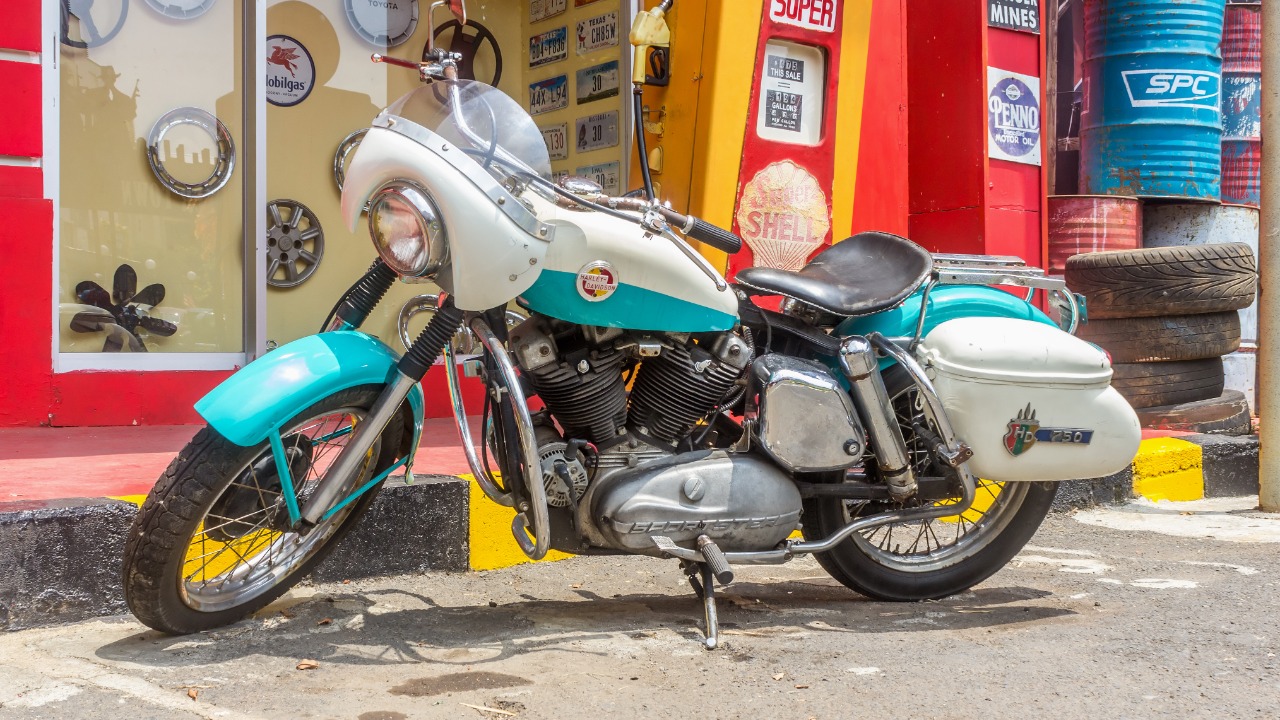
The Harley-Davidson Sportster has been part of American motorcycling since 1957, making it one of the longest-running motorcycle nameplates in history. Early Sportsters used simple air-cooled V-twin engines and a straightforward mechanical layout that made them relatively approachable for owners and independent mechanics. The motorcycles were not without weaknesses, particularly as individual versions aged, but their basic architecture proved capable of surviving generations of use. Sportsters also benefited enormously from Harley-Davidson’s enormous aftermarket, which made replacement parts, performance components, and repair knowledge easy to find. That support is an important part of long-term durability. A motorcycle that can be rebuilt repeatedly is much harder to retire permanently, and the Sportster has spent decades demonstrating exactly that kind of mechanical persistence.
Moto Guzzi V7
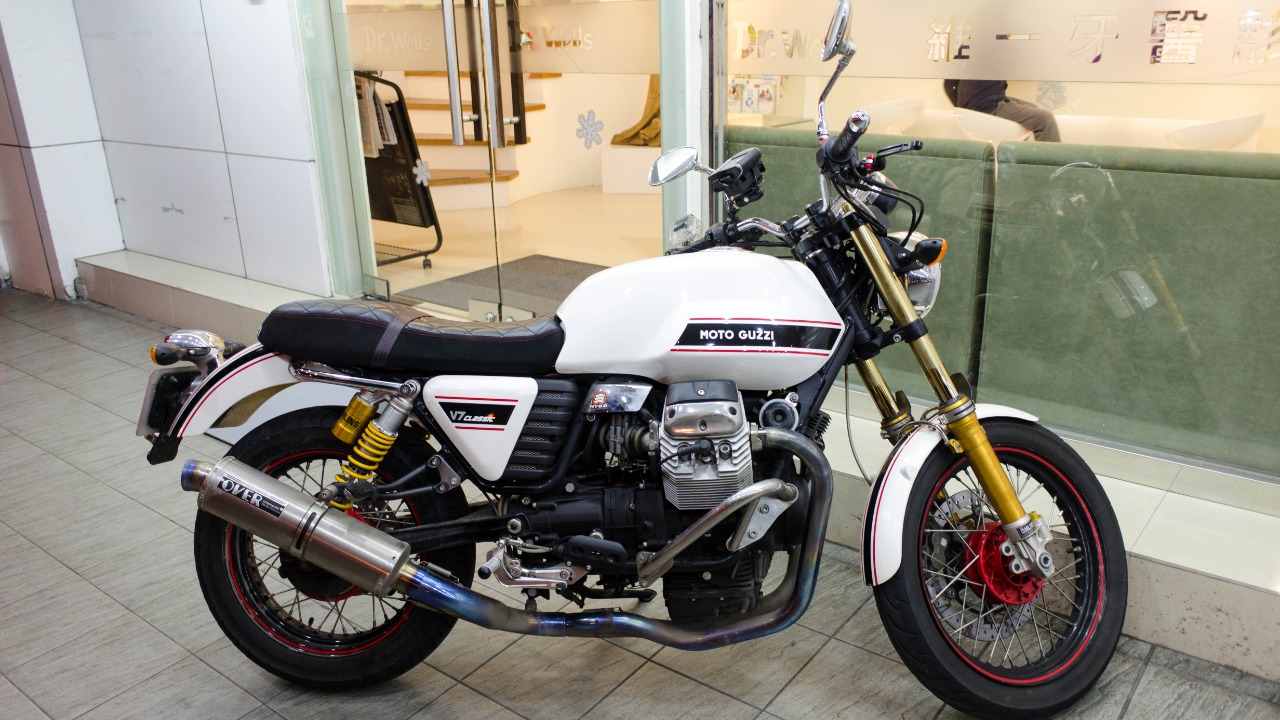
The original Moto Guzzi V7 brought the company’s longitudinally mounted 703cc V-twin to a broader audience and established a mechanical formula that would influence Moto Guzzi for decades. Its shaft drive, air cooling, and longitudinal crankshaft layout gave it a distinctive character, but the engine’s relatively unstressed nature also helped it survive long-term use. Moto Guzzi’s V-twins became known among enthusiasts for being durable, serviceable machines that rewarded owners who understood their maintenance requirements. The V7 was not the fastest motorcycle of its era, but that was never really the point. Its strength was the ability to combine relaxed road manners with an engine that could be maintained rather than treated as a sealed unit. Surviving examples remain a testament to that philosophy.
Kawasaki KLR650
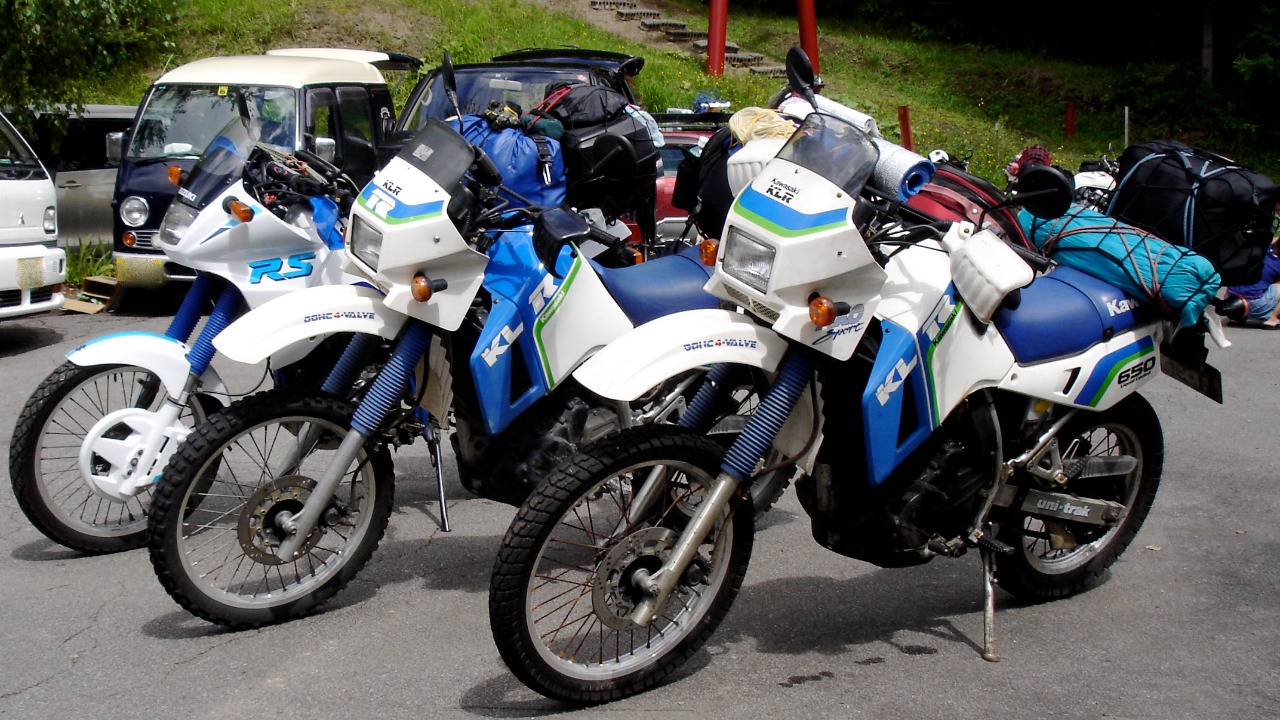
The first-generation Kawasaki KLR650 arrived in the late 1980s, making it newer than many of the motorcycles on this list, but it has earned classic status among riders because of its remarkable ability to keep working under demanding conditions. Its 651cc single-cylinder engine was designed around usable torque and practical durability rather than exotic performance. The KLR’s reputation was built on adventure travel, commuting, trail riding, and owners who regularly asked one motorcycle to do everything. Its relatively simple construction meant that repairs could often be handled far from a sophisticated workshop. That ruggedness became part of the model’s identity. Decades later, early KLR650s are still being ridden across highways, dirt roads, and remote trails, proving that a practical motorcycle does not need cutting-edge technology to remain useful.
Honda XR500
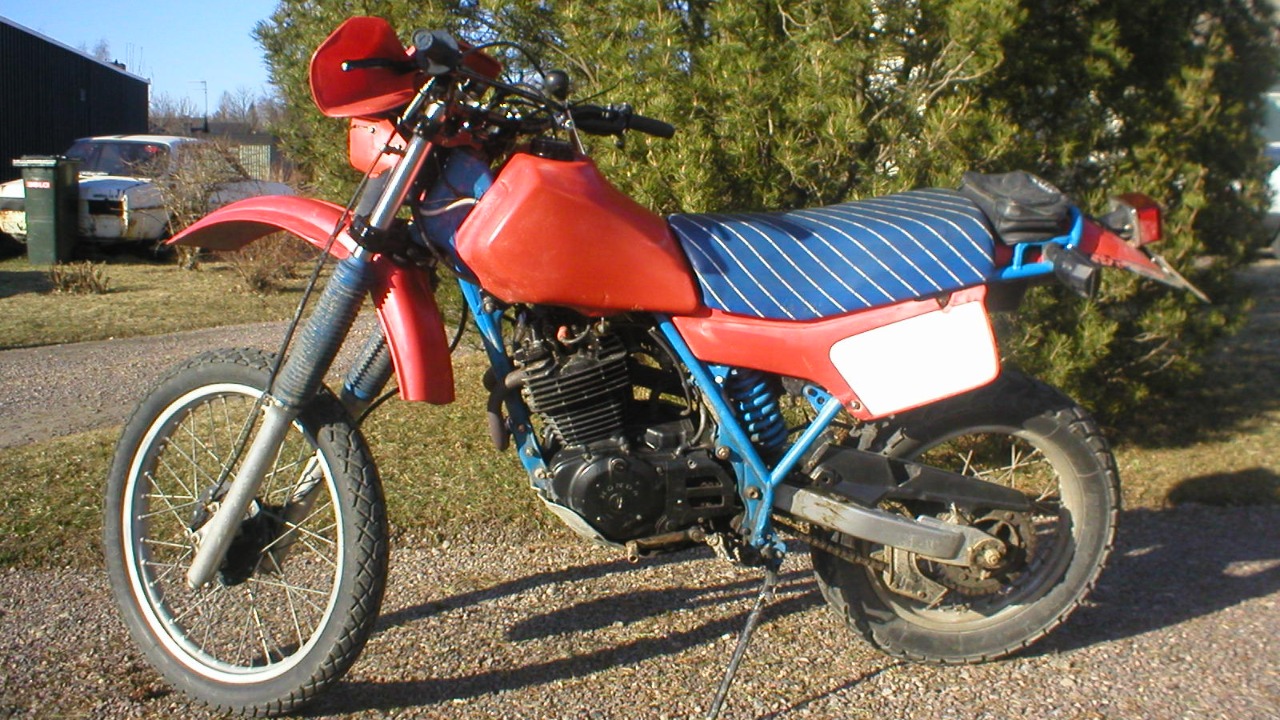
The Honda XR500 became one of the company’s important large-displacement off-road singles, combining a relatively big four-stroke engine with a chassis designed to survive serious dirt riding. That environment is unforgiving, and an off-road motorcycle has to deal with vibration, dust, heat, impacts, and repeated hard acceleration. The XR500’s simple air-cooled engine and straightforward mechanical construction made it easier to maintain than many modern performance machines. Owners could work on the motorcycle without needing complicated electronic equipment, and the engine’s basic design was well suited to repeated use. The XR500 also helped establish Honda’s reputation for building four-stroke trail machines that could withstand demanding conditions. Surviving examples today are valuable reminders of an era when simplicity and durability were often more important than extracting every last ounce of horsepower.
More from Fast Lane Only
- Unboxing the WWII Jeep in a Crate
- 15 rare Chevys collectors are quietly buying
- 10 underrated V8s still worth hunting down
- Police notice this before you even roll window down
*Research for this article included AI assistance, with all final content reviewed by human editors.