
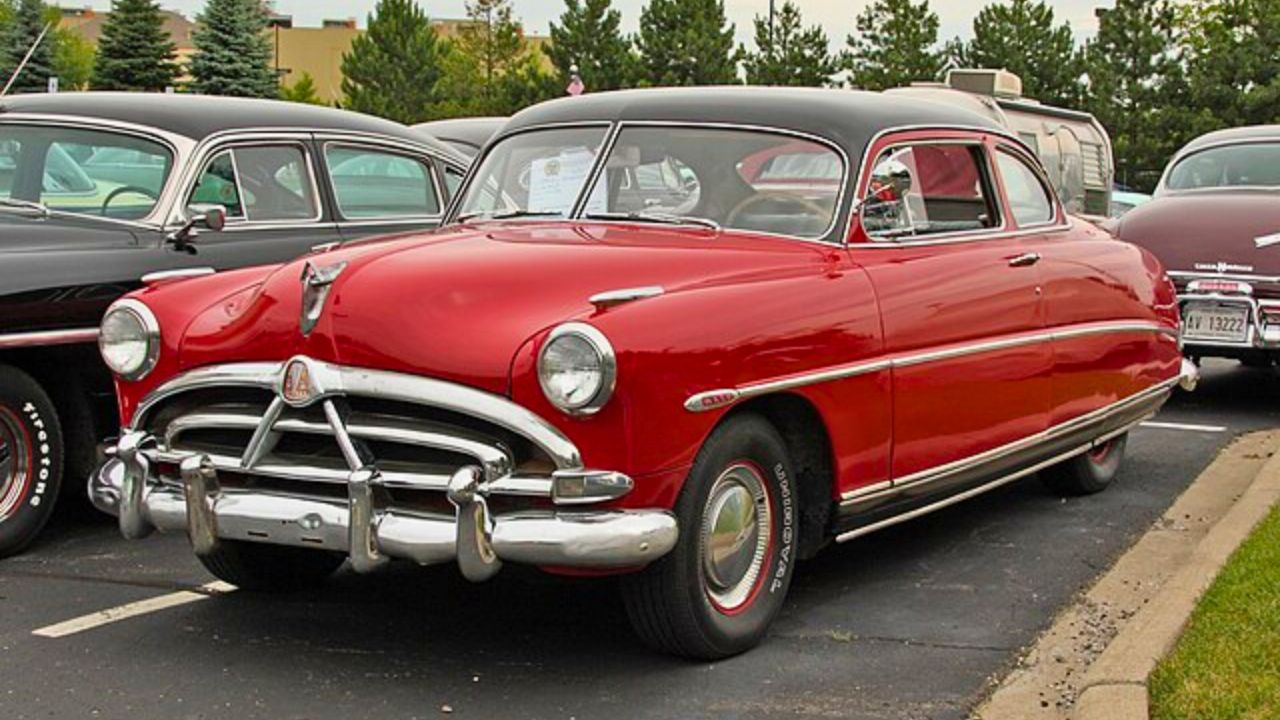
In the early 1950s, the Hudson Wasp emerged as a standout model from the Hudson Motor Car Company. Known for its distinctive design and engineering, the 1952 Hudson Wasp remains a beloved classic among car enthusiasts. Here are ten fascinating facts that shed light on its unique appeal.
Introduction to the 1952 Hudson Wasp
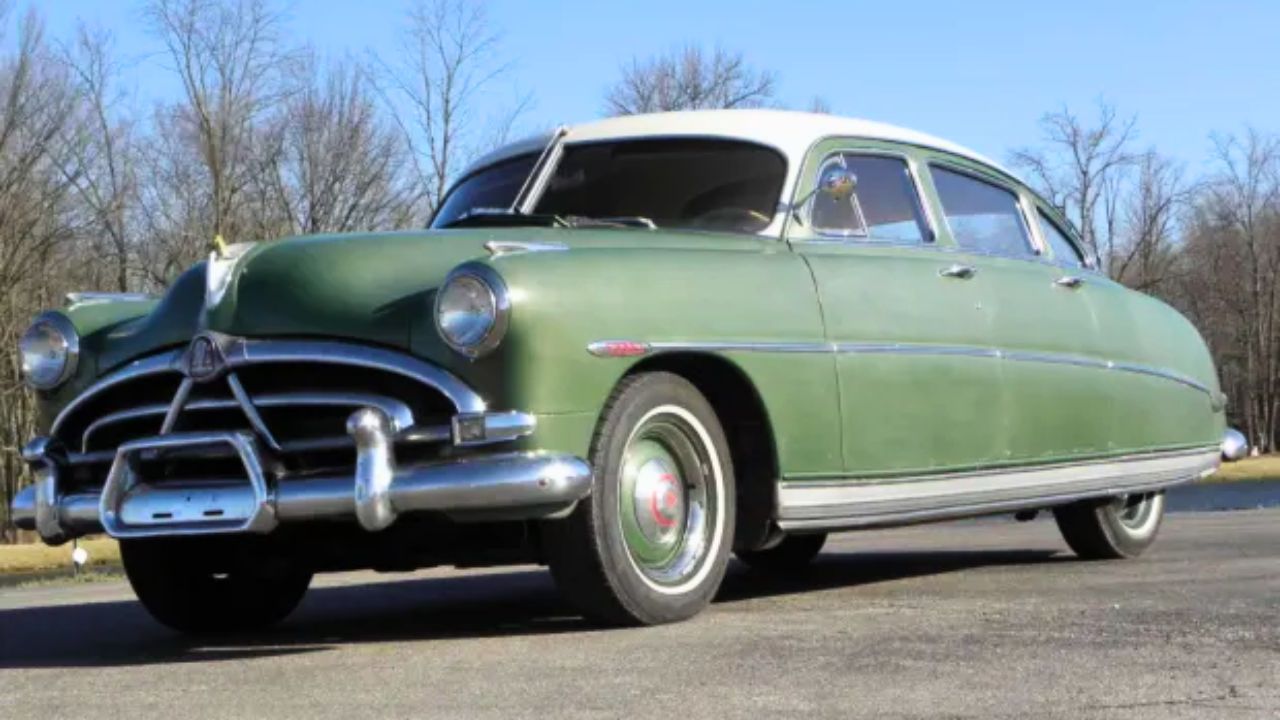
The 1952 Hudson Wasp made its debut as a mid-range model, providing a blend of style and performance. It was part of Hudson’s strategy to cater to a broad market segment, offering a vehicle that was both practical and elegant. The Wasp quickly gained attention for its sleek looks and advanced engineering.
Unique Design Features
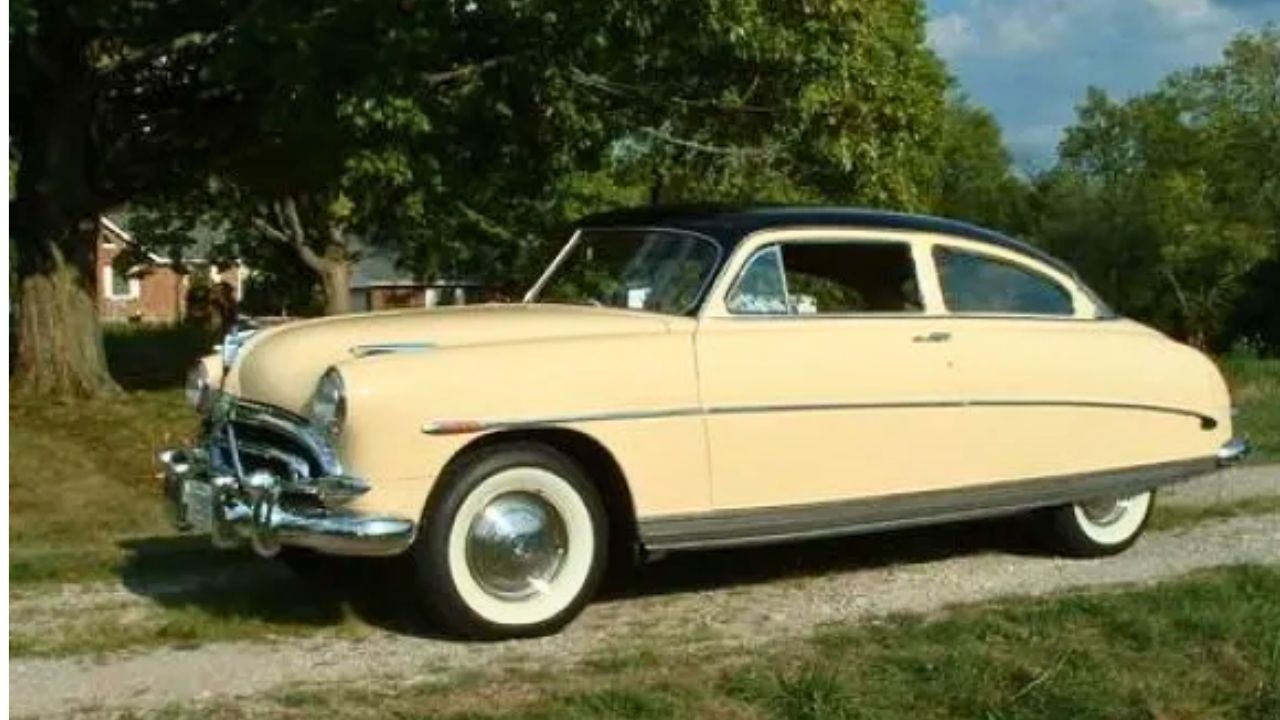
One of the defining characteristics of the 1952 Hudson Wasp was its “step-down” design. This innovative feature lowered the car’s center of gravity, enhancing both stability and handling. Its aerodynamic shape, combined with chrome accents and a distinctive grille, made it a head-turner on the road.
Inside, the Wasp offered a spacious and comfortable cabin with high-quality materials and finishes. The attention to detail in the interior design reflected Hudson’s commitment to providing a luxurious driving experience at an accessible price point.
Engine Specifications
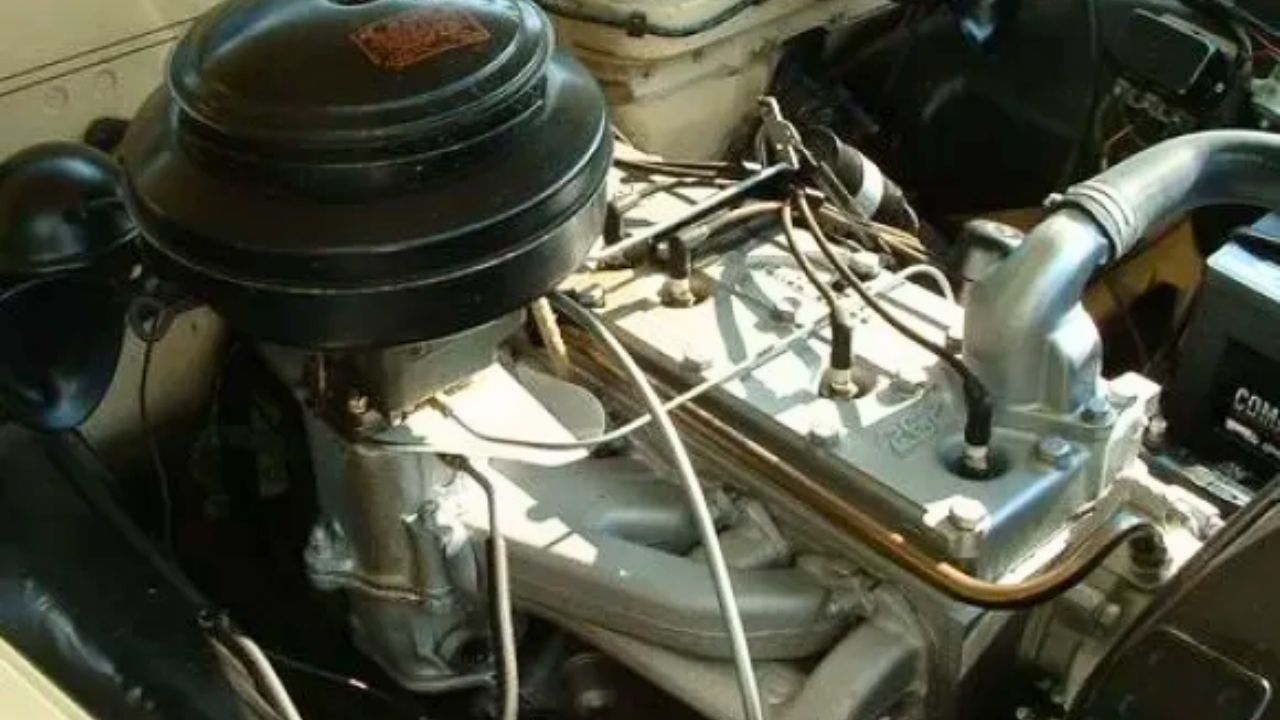
Under the hood, the 1952 Hudson Wasp was powered by a robust inline-six engine. This engine delivered a respectable amount of horsepower for its time, providing smooth acceleration and reliable performance. The Wasp was designed to balance power with fuel efficiency, appealing to practical drivers.
The engine was paired with a three-speed manual transmission, offering precise gear changes and optimal control. This combination made the Wasp a versatile choice for both city driving and longer road trips.
Manufacturing and Production Numbers

The 1952 Hudson Wasp was produced during a time when the automotive industry was rapidly evolving. Although exact production numbers are hard to pinpoint, it’s estimated that several thousand units were manufactured. This makes the Wasp relatively rare by today’s standards.
Manufactured at Hudson’s Detroit plant, the Wasp was part of a lineup that included various other models. Despite its mid-range position, the Wasp stood out for its unique features and competitive pricing.
The Wasp in Popular Culture
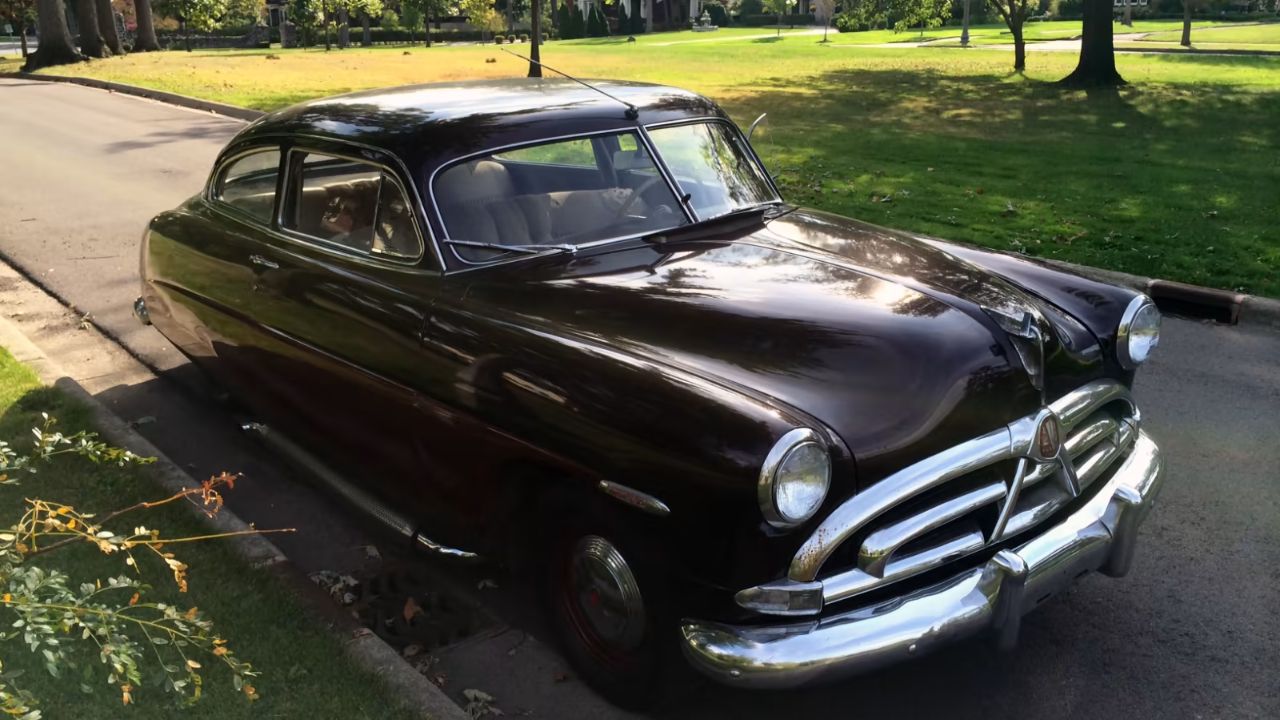
While the 1952 Hudson Wasp may not have achieved the same level of fame as some other classic cars, it has made appearances in various films and television shows. Its distinctive design has often been used to evoke the 1950s era in visual media.
Car enthusiasts and collectors often celebrate the Wasp at automotive shows and events, where it represents a piece of American automotive history. Its unique charm continues to capture the imagination of classic car lovers.
Innovations and Technological Advancements

The 1952 Hudson Wasp was notable for incorporating several technological advancements for its time. The “step-down” design was not only a stylistic choice but also a significant engineering innovation that improved safety and driving dynamics.
Additionally, Hudson equipped the Wasp with advanced suspension systems that contributed to a smooth and comfortable ride. These innovations demonstrated Hudson’s commitment to pushing the boundaries of automotive design and engineering.
Performance and Handling
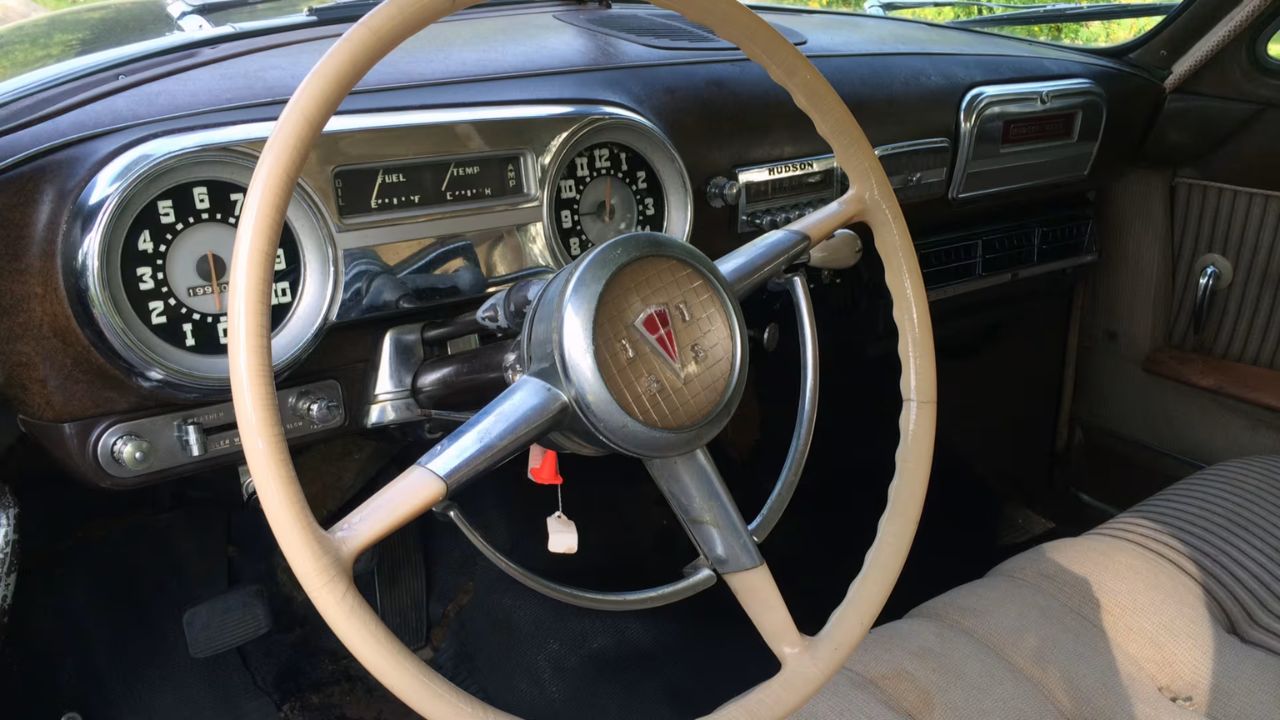
Performance was a key selling point for the 1952 Hudson Wasp. The car’s low center of gravity, combined with its advanced suspension and responsive steering, delivered impressive handling for the era. Drivers appreciated the Wasp’s ability to navigate both city streets and open highways with ease.
The Wasp’s performance capabilities were complemented by its reliable braking system, which provided confident stopping power. Overall, the Wasp offered a well-rounded driving experience that appealed to a wide range of motorists.
Collectibility and Market Value
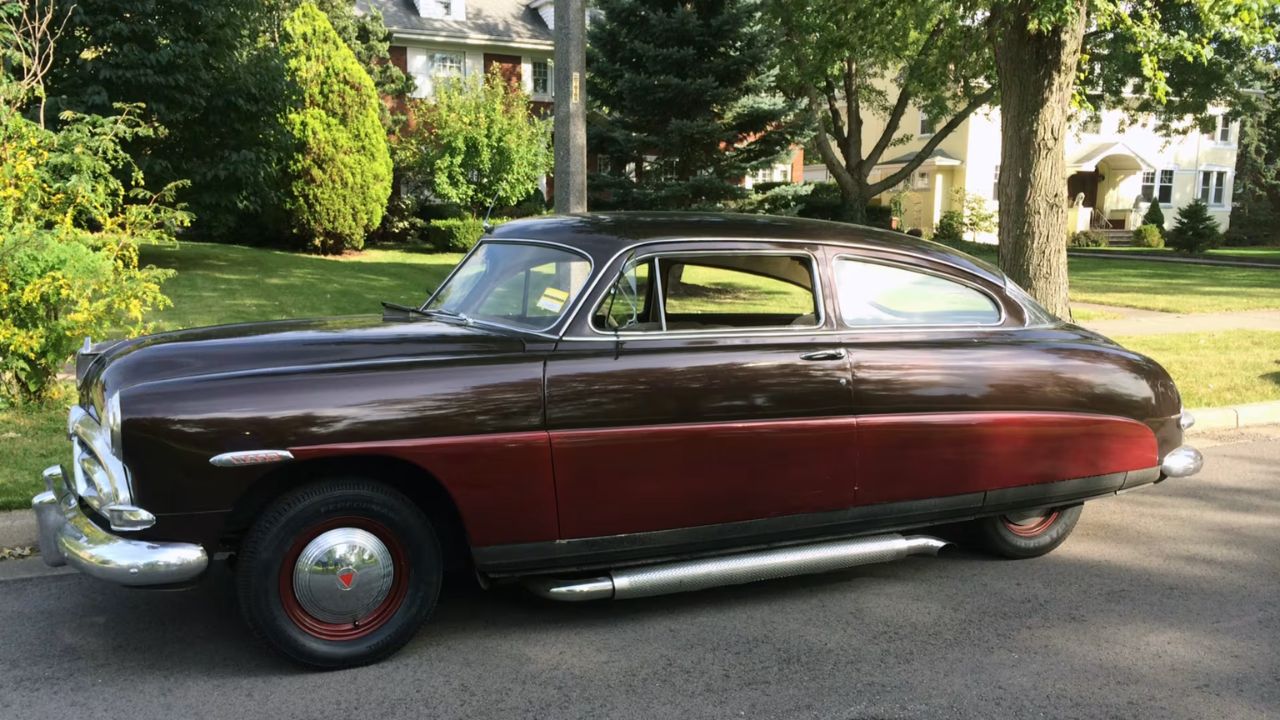
Today, the 1952 Hudson Wasp is considered a desirable collector’s item. Its rarity, combined with its unique design and engineering, has led to a steady increase in market value. Classic car enthusiasts often seek out the Wasp for restoration projects and vintage car collections.
While prices can vary depending on the condition and originality of the vehicle, a well-preserved Wasp can command a significant price at auctions and classic car dealerships. Its collectibility continues to grow as more people recognize its historical significance.
Notable Owners and Enthusiasts
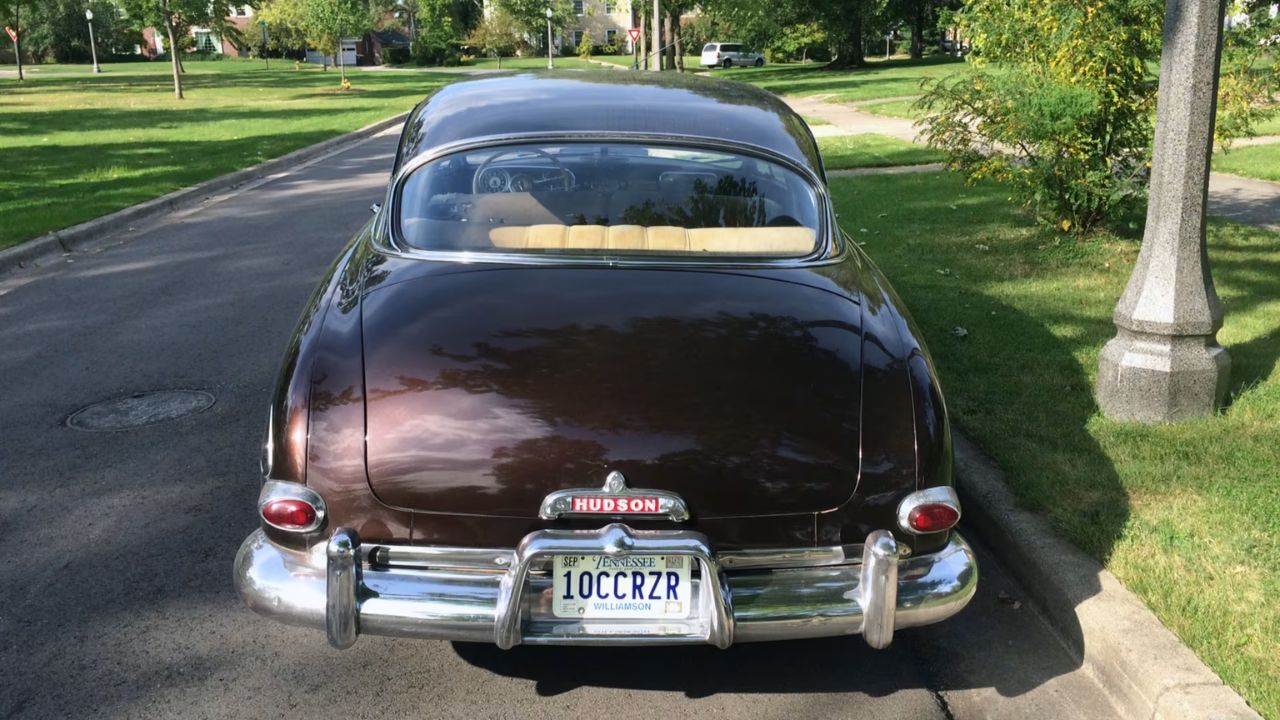
Over the years, the 1952 Hudson Wasp has attracted a dedicated following of enthusiasts and collectors. Some notable figures in the automotive world have expressed their admiration for the Wasp, further cementing its status as a classic icon.
From vintage car clubs to online forums, the community of Wasp enthusiasts shares a passion for preserving and celebrating this unique vehicle. Their efforts ensure that the legacy of the Hudson Wasp remains alive for future generations to appreciate.
Conclusion: Legacy of the Hudson Wasp
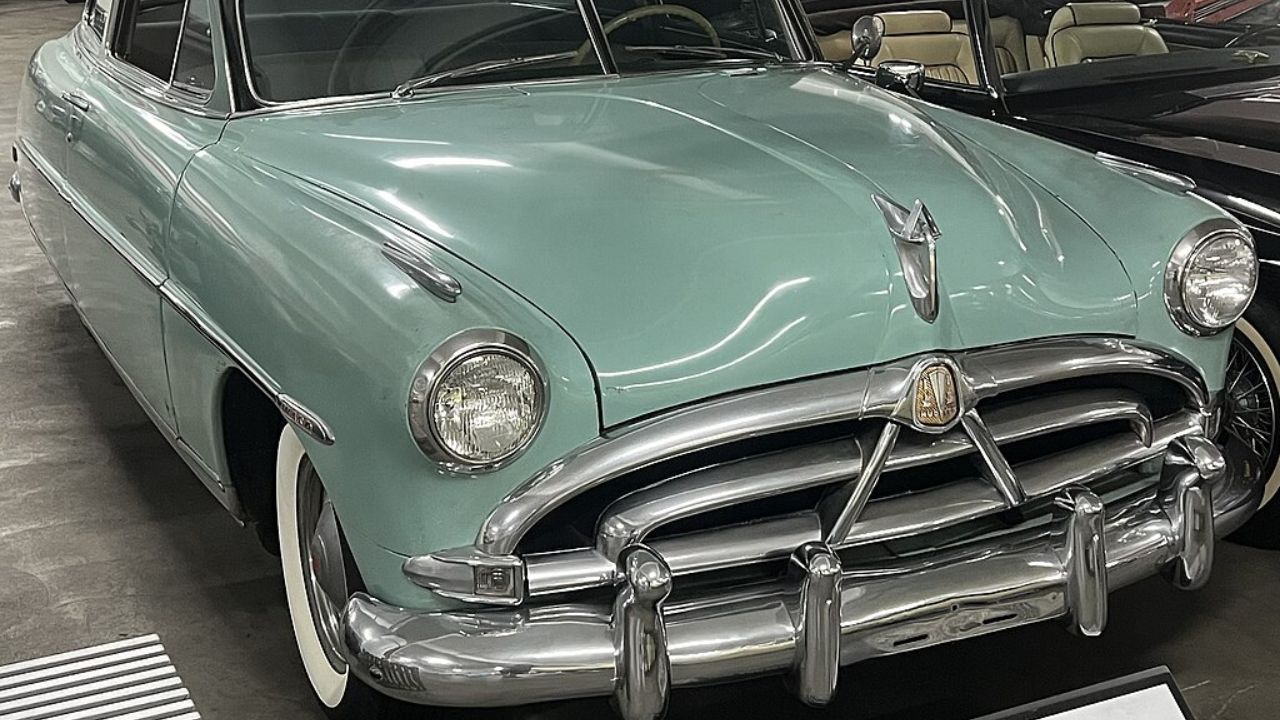
The 1952 Hudson Wasp remains a celebrated model in the world of classic automobiles. Its unique design, innovative features, and impressive performance have secured its place in automotive history. For car enthusiasts and collectors alike, the Wasp represents a bygone era of American craftsmanship and ingenuity.
Like Fast Lane Only’s content? Be sure to follow us.
Here’s more from us:



Leave a Reply