The 1960s was a transformative decade for the automobile industry, with manufacturers introducing a range of factory options designed to enhance vehicle performance and speed. These innovations not only catered to the burgeoning muscle car culture but also laid the groundwork for future advancements in automotive engineering. Key factory options from this era made cars quicker by delving into technological marvels and strategic decisions that shaped this golden era of motoring.
The Rise of High-Performance Engines
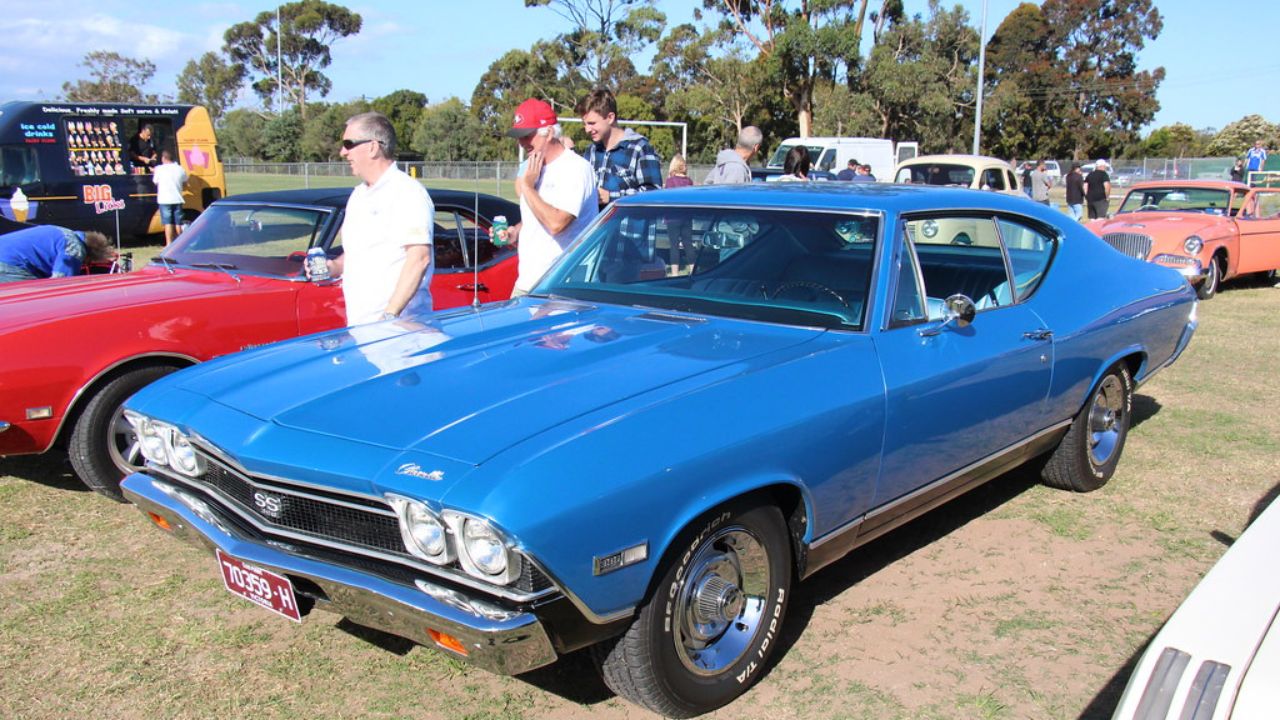
During the 1960s, the debate between big block and small block engines became a pivotal aspect of automotive performance. Big block engines, known for their larger displacement and robust power output, were a hallmark of American muscle cars. Vehicles like the Chevrolet Camaro SS396 exemplified the power of big block engines, delivering impressive speed and acceleration. In contrast, small block engines offered a more balanced approach, providing ample power while often being more efficient and lighter in weight. This allowed for better handling and agility, making them a popular choice for racing enthusiasts.
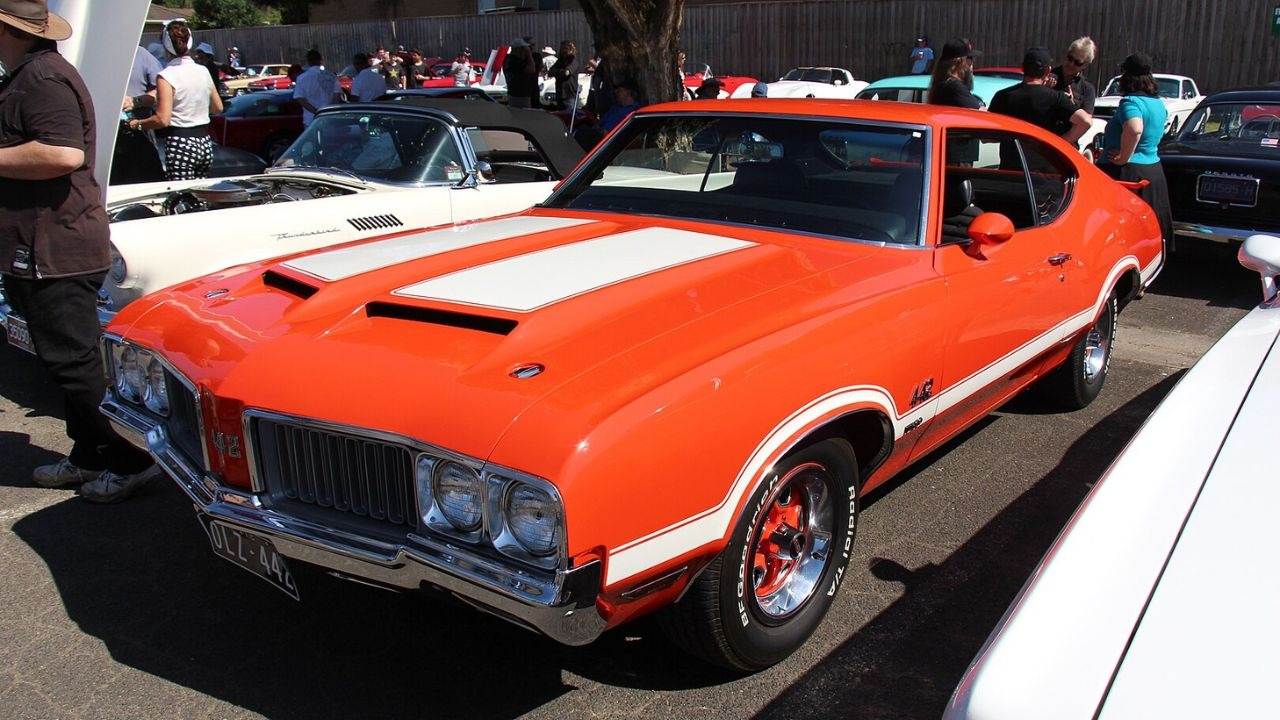
Ram air induction was another revolutionary technology that gained prominence during this time. By channeling outside air directly into the engine, this system significantly improved combustion efficiency and power output. Iconic models like the Pontiac GTO and the Oldsmobile 442 leveraged ram air systems to enhance their performance, cementing their status as some of the fastest cars of the decade. Additionally, the role of forced induction through turbochargers and superchargers cannot be overlooked. While not as common as naturally aspirated engines, these technologies were beginning to make their mark, offering turbocharged options that hinted at the future of high-performance engines.
Transmission Innovations
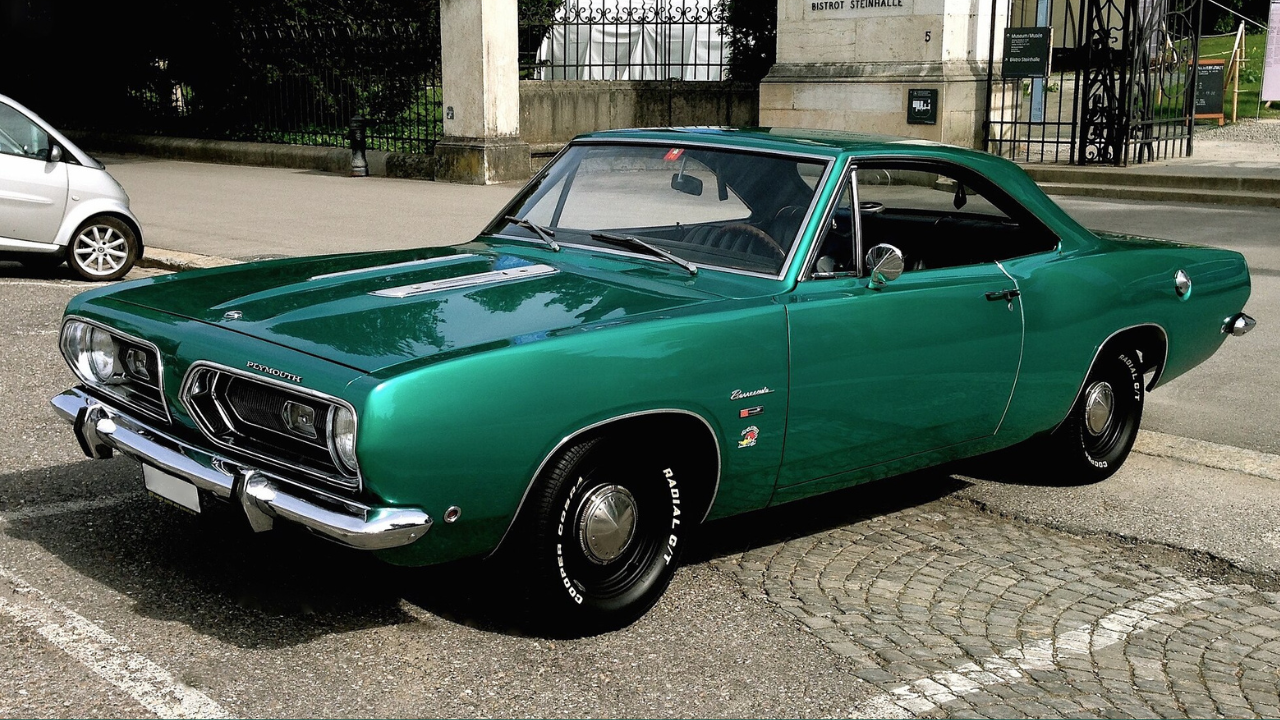
The introduction of the four-speed manual transmission was a game-changer in the 1960s, offering drivers enhanced control and a more engaging driving experience. This innovation allowed for quicker shifts and better acceleration, crucial for those looking to get the most out of their high-performance engines. The Ford Mustang and the Plymouth Barracuda were among the vehicles that capitalized on this advancement, delivering exhilarating rides that thrilled automotive aficionados.
Automatic transmissions also saw significant improvements during this era. The three-speed automatic transmission became more refined, offering smoother shifts and increased reliability. This was particularly beneficial for drivers who preferred an easier driving experience without sacrificing too much in terms of performance. In addition to the advancements in transmissions, manufacturers also focused on performance clutches and shifters. These custom options allowed for quicker shifting and better handling, empowering drivers to push their cars to the limit.
Lightweight Materials and Aerodynamics

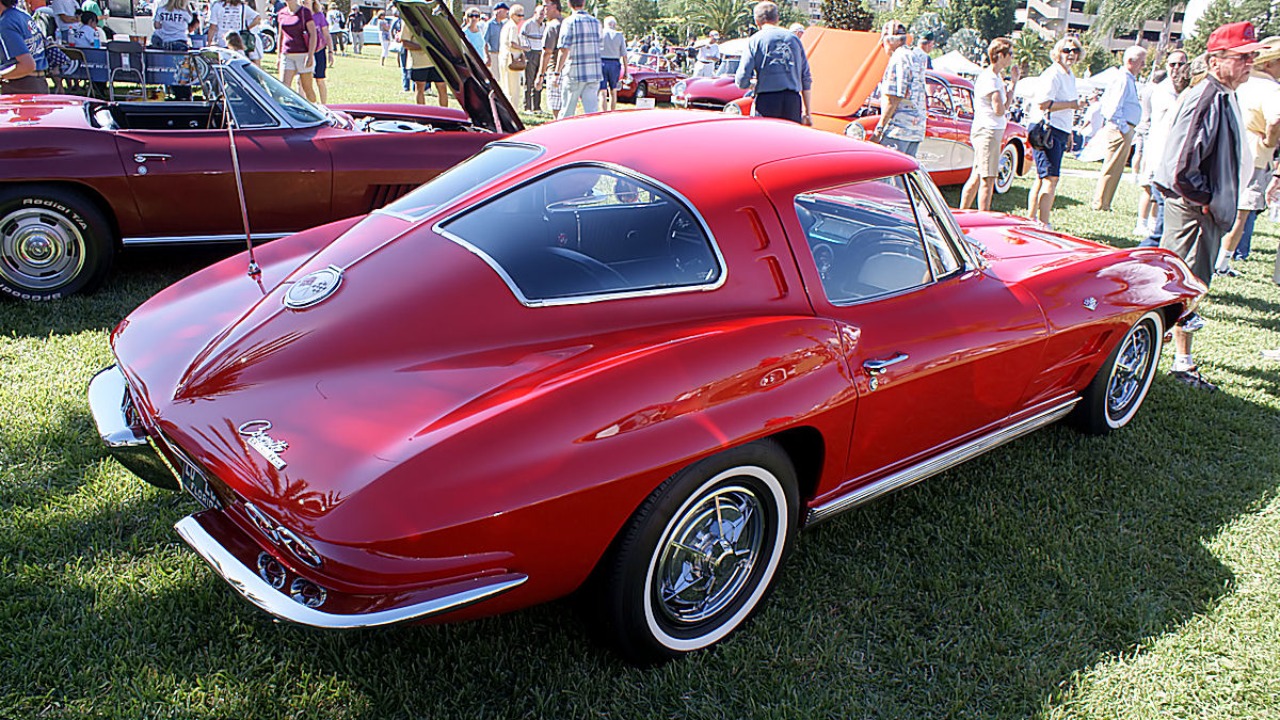
As the quest for speed intensified, manufacturers began exploring the use of lightweight materials like fiberglass and aluminum to enhance vehicle performance. Cars such as the Chevrolet Corvette and the Shelby Cobra utilized these materials to reduce overall weight, resulting in faster speeds and improved handling. The shift toward lighter materials marked a significant departure from traditional steel, offering a glimpse into the future of automotive design.
Aerodynamic design changes also played a crucial role in the performance enhancements of the 1960s. By refining the shape of vehicles to reduce drag, manufacturers were able to achieve better fuel efficiency and higher top speeds. Models like the Dodge Charger Daytona exemplified this trend with their sleek lines and distinctive rear wings. Furthermore, weight reduction strategies became a focal point for many automakers, as shedding pounds translated directly into improved speed and efficiency.
Tire and Suspension Upgrades
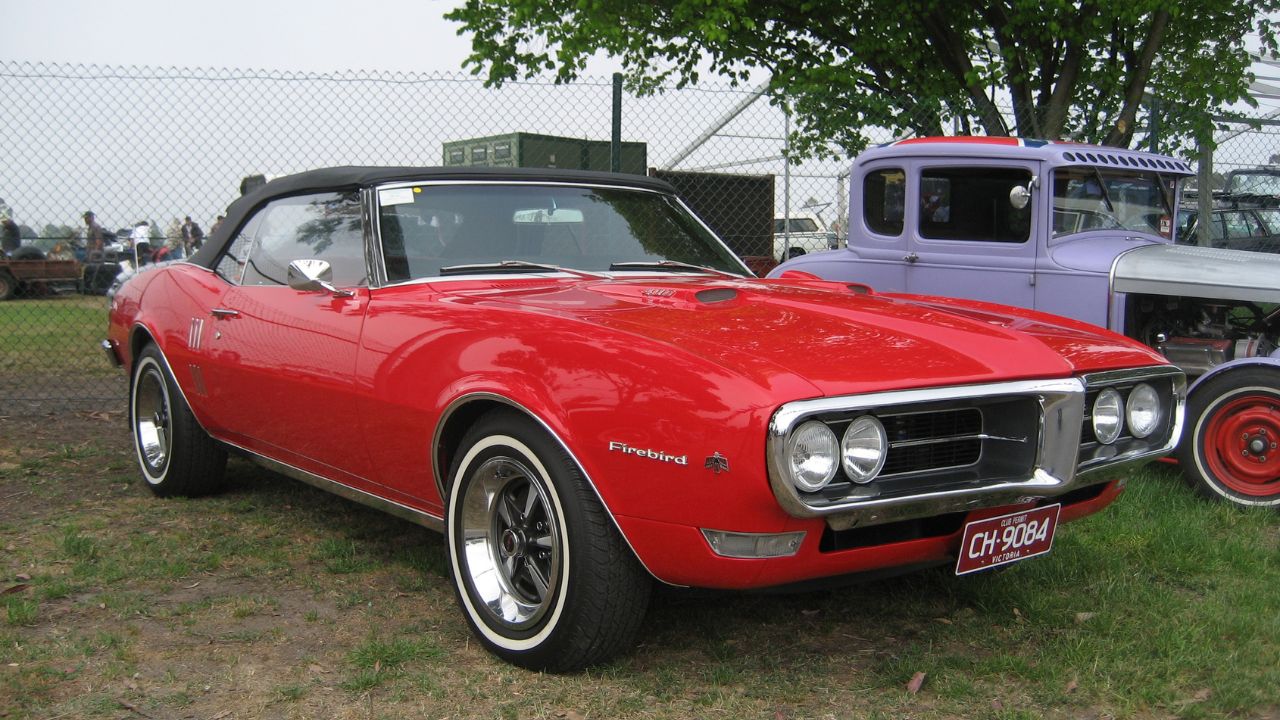
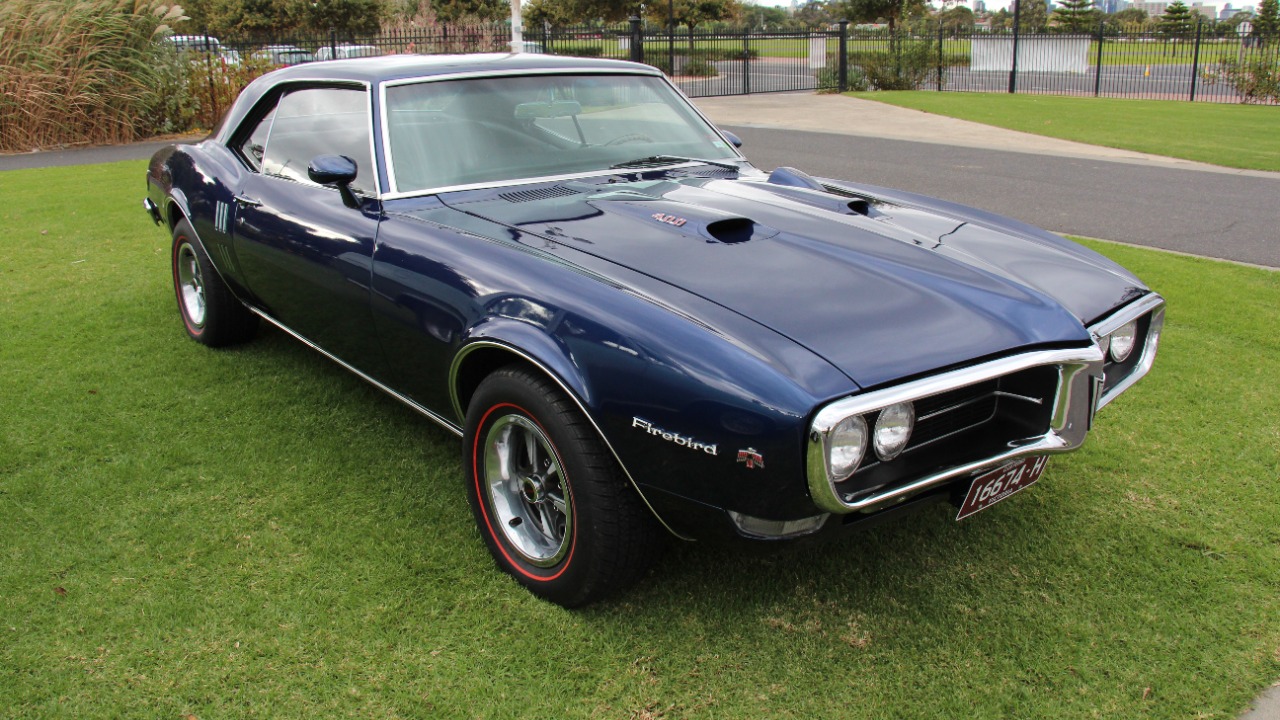
The 1960s saw the increased use of performance tires, which greatly enhanced grip and speed. Though radial tires were developed earlier, bias-ply tires remained the standard throughout most of the 1960s. Radials would later transform performance handling in the 1970s.These tires provided better traction and stability, especially during high-speed maneuvers. The use of performance tires was evident in models like the Pontiac Firebird, which benefitted from improved handling and overall performance.
Advanced suspension systems also emerged during this era, offering improved handling and stability. Independent suspension systems allowed each wheel to move independently, providing better control and ride comfort. This innovation was particularly beneficial for sports cars and muscle cars, where handling was as important as speed. Limited-slip differentials became increasingly popular in muscle cars during the 1960s, improving traction during hard launches and cornering.
Braking Systems and Safety Enhancements
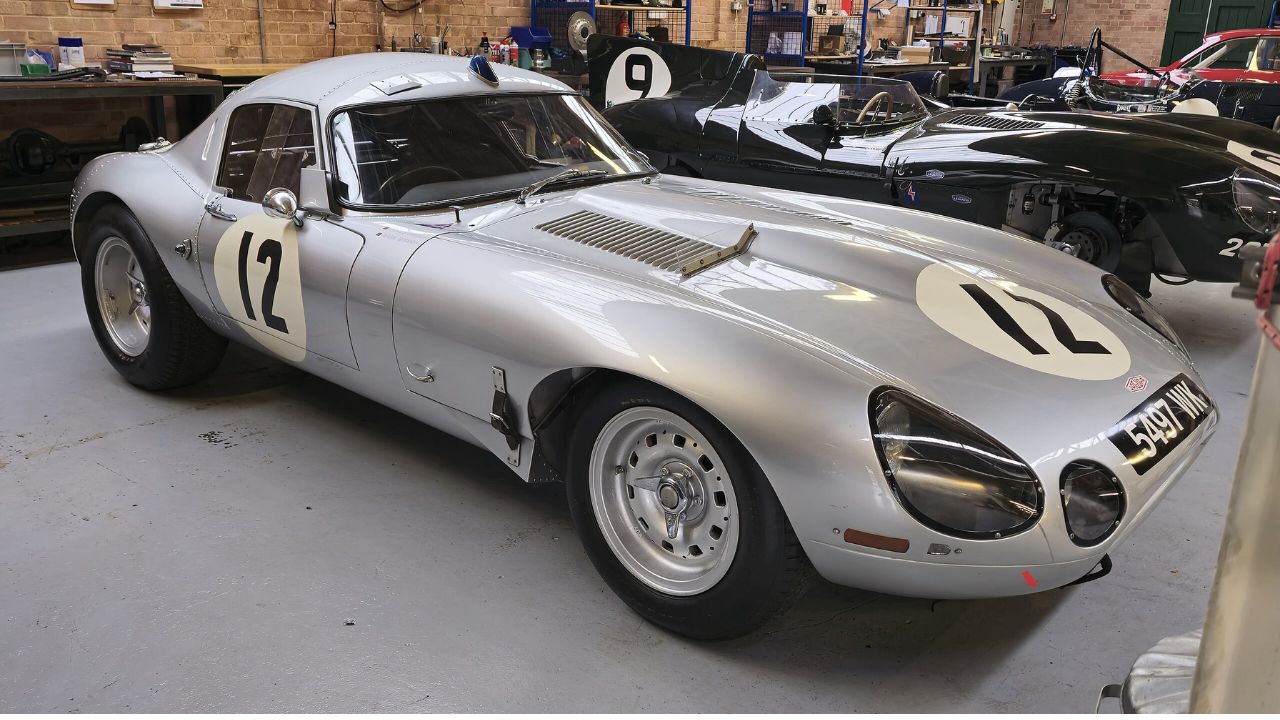
The evolution of braking technology was vital to the performance improvements of the 1960s. Disc brakes, which provided superior stopping power compared to traditional drum brakes, became more prevalent in high-performance vehicles. This advancement allowed cars to decelerate more effectively, enhancing safety without compromising speed. Classic models like the Jaguar E-Type and the Chevrolet Corvette were among the first to adopt disc brakes, setting a new standard for the industry.
Safety features also began to play a more significant role in the design and performance of vehicles. Balancing speed with safety was a priority for manufacturers, leading to innovations that protected drivers and passengers. The introduction of seat belts, crumple zones, and improved crash structures were just some of the advancements that emerged during this decade. Additionally, innovations in brake cooling, such as vented discs and improved airflow systems, helped prevent overheating during high-speed driving, ensuring consistent performance.
Like Fast Lane Only’s content? Be sure to follow us.
Here’s more from us:
*Created with AI assistance and editor review.