
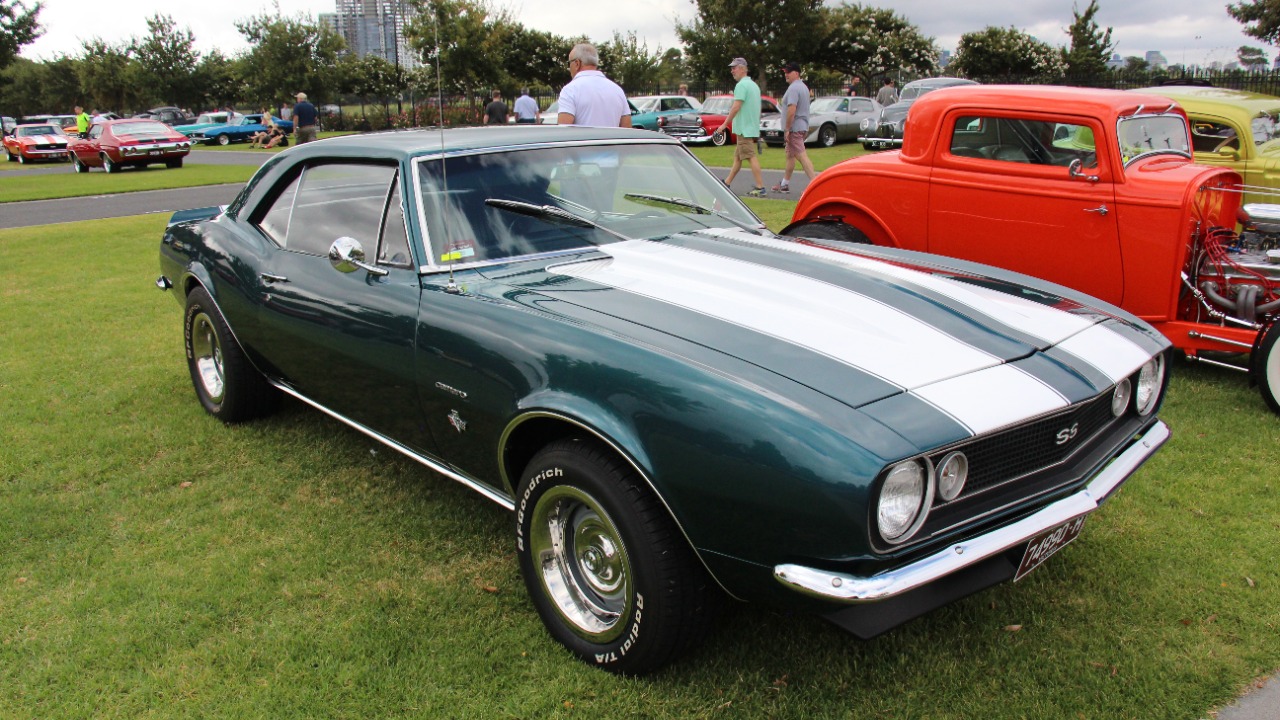
The 1967 Camaro SS sits at a sweet spot where muscle car heritage, production rarity, and modern collector demand intersect. Values today hinge on how well a car preserves that original Super Sport character, from its big block options to its trim details and documentation. I want to unpack how money, numbers, and mechanical specs all connect for this first year performance model.
How the market values a 1967 Camaro SS today
Collector money follows authenticity, and the 1967 Chevrolet Camaro SS is no exception. Prices swing widely because condition, originality, and options separate a driver grade coupe from a concours level big block. I see buyers paying premiums for cars that still carry their factory drivetrains, correct trim, and verifiable history, while modified or poorly documented examples sit closer to the entry tier of the market.
Valuation guides for the Chevrolet Camaro SS underline how sharply prices climb as condition improves. Forecasted values show a steep curve between fair and excellent cars, which reflects how restoration costs often exceed the gap between those grades. I read that Common Questions around this model focus on originality, mileage, and options, which tells me buyers treat the SS badge as a starting point, not a guarantee of top dollar. Market data for the broader first generation also shows how standout examples can break records, with one $390,000 sale for a 1967 Chevrolet Camaro SS setting a high bar for the best documented and most desirable cars.
Production numbers and why rarity matters
Production volume sets the backdrop for any value discussion, and the 1967 SS sits in a relatively scarce slice of the Camaro universe. Total first year output reached 220,906 cars, which means the SS package always represented a performance focused minority. That context helps explain why clean Super Sport examples now command a premium over base models that once filled dealer lots.
Within that total, Of the 99,855 Camaros built for 1967, only 34,411 carried the SS designation, and just 602 were the coveted Z/28. Those figures show how the SS already sat in a smaller pool, while the Z/28 occupied a tiny niche that now drives intense collector interest. Production breakdowns from period spec sheets also note that the Camaro Base Hard Top accounted for 160,648 units, which reinforces how rare a genuine SS looks when you compare it with the bread and butter configurations.
Key SS specs that drive desirability

Performance hardware gives the 1967 SS its identity, and the engine bay tells much of that story. The SS package brought stronger powerplants, upgraded suspension, and visual cues that separated it from lesser trims. I see buyers gravitating toward cars that still carry those factory performance parts, because the mechanical specification underpins both driving character and long term value.
Engine choices define the heart of the car. The SS included a 350 cubic inch V8, which equates to 5.7 liters, rated at 295 bhp, 299 PS, and 220 kW, with torque listed at 380 lb ft. That combination gave The SS a strong mid range punch that still feels muscular by modern standards. On top of that small block, Chevrolet also offered big block power, including the 396 cubic inch option that enthusiasts now chase. Period coverage of the 1967 Chevrolet Camaro SS 396 lists Specifications that include a Wheelbase of 108.1 inches, a Weight of 3,720 pounds, and a Base price of $3,046, with that report dated Jan 11, 2007. Those numbers show how the SS 396 combined compact dimensions with serious mass and cost, which now translates into a premium for surviving big block cars.
Understanding the Super Sport package and options
Badging alone does not tell the full story, because the Super Sport package bundled specific hardware and appearance upgrades. The Super Sport treatment brought stiffer suspension, stronger brakes, and unique trim that signaled performance intent. I see that combination as central to the car’s appeal, since it delivered real mechanical benefits rather than just cosmetic flair.
Factory documentation describes how Super Sport Camaros received higher performance engines, upgraded suspension, and distinctive exterior cues, with The Super Sport name reserved for those enhanced cars. That structure explains why collectors scrutinize trim tags and build sheets, because cloning a base car into an SS lookalike remains tempting. Production data for the 1967 lineup shows how the Camaro Base Hard Top reached 160,648 units out of the total Camaro factory models count of 220,906, which left a large pool of non SS cars that later became candidates for cosmetic conversions.
Why certain 1967 SS examples command a premium
Not every SS carries the same weight in the marketplace, and specific configurations now sit at the top of buyer wish lists. Big block convertibles, dealer tuned specials, and cars with rare color or option combinations often trade at a significant premium. I see that hierarchy reflected in how enthusiasts talk about provenance, with dealer histories and racing stories adding layers of value beyond the base specification.
One striking example surfaced when a rare Chevy Berger Camaro SS appeared in a junkyard, described as a big block V8 convertible that had been ordered with the SS trim. Reporting on that car noted that Chevrolet sold a whopping 220,906 Camaros for 1967, yet very few matched that specific configuration, which helps explain the intense interest around whether it was worth saving. That story, dated Aug 3, 2025, underlines how rarity and dealer provenance can elevate even a rough project into a serious talking point among collectors.
How enthusiasts view the 1967 Camaro SS today
Enthusiast culture keeps the 1967 SS relevant, because owners treat these cars as both investments and living artifacts. I see that attitude in how clubs and online groups document factory details, share restoration tips, and debate correct parts. The model’s status as the first year Camaro gives it extra weight, since it launched a performance lineage that still resonates with modern buyers.
Community discussions around the Chevrolet Camaro SS often highlight its role as a classic American muscle car, with owners emphasizing that this first generation Camaro still appeals to racing aficionados and collectors alike. One enthusiast description, posted on Feb 1, 2025, frames the RS/SS package as a blend of style and performance that continues to draw attention at shows and track events. That ongoing passion feeds back into the market, because a car that still excites drivers and spectators tends to hold its value, especially when production numbers and mechanical specs already support a strong collector case.


Leave a Reply