
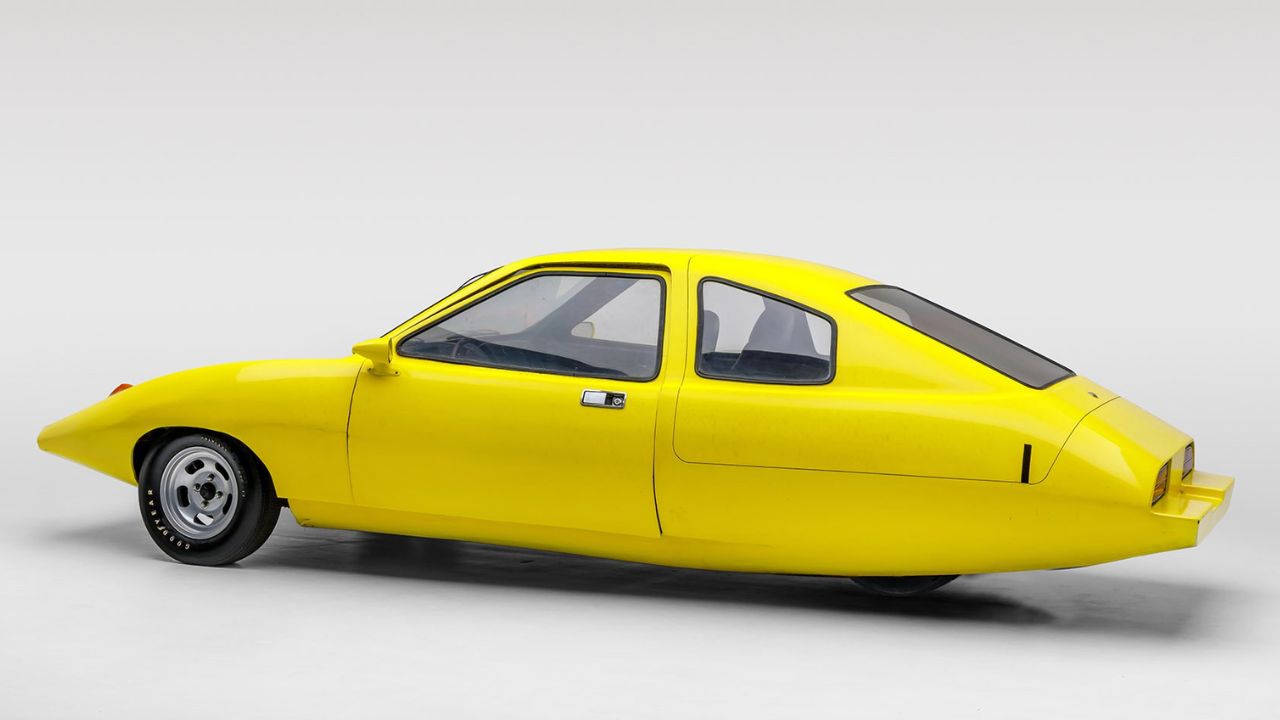
In the mid-1970s, with gas prices spiking and trust in traditional carmakers wearing thin, an odd little vehicle called the Dale showed up promising something different. It looked like a car from a near future that never happened—three wheels, lightweight fiberglass, and the promise of 70 miles per gallon. At the center of it all was a company called Twentieth Century Motor Car Corporation and a founder with a lot more confidence than engineering know-how.
The 1975 TCMCC Dale mock-up wasn’t a working prototype. It was a rolling sales pitch—designed more to convince investors than to move under its own power. What it lacked in mechanical substance, it made up for in media attention and controversy. Here’s a closer look at ten specific facts that break down what the Dale was, wasn’t, and why people are still talking about it decades later.
1. Born from a Wild Idea
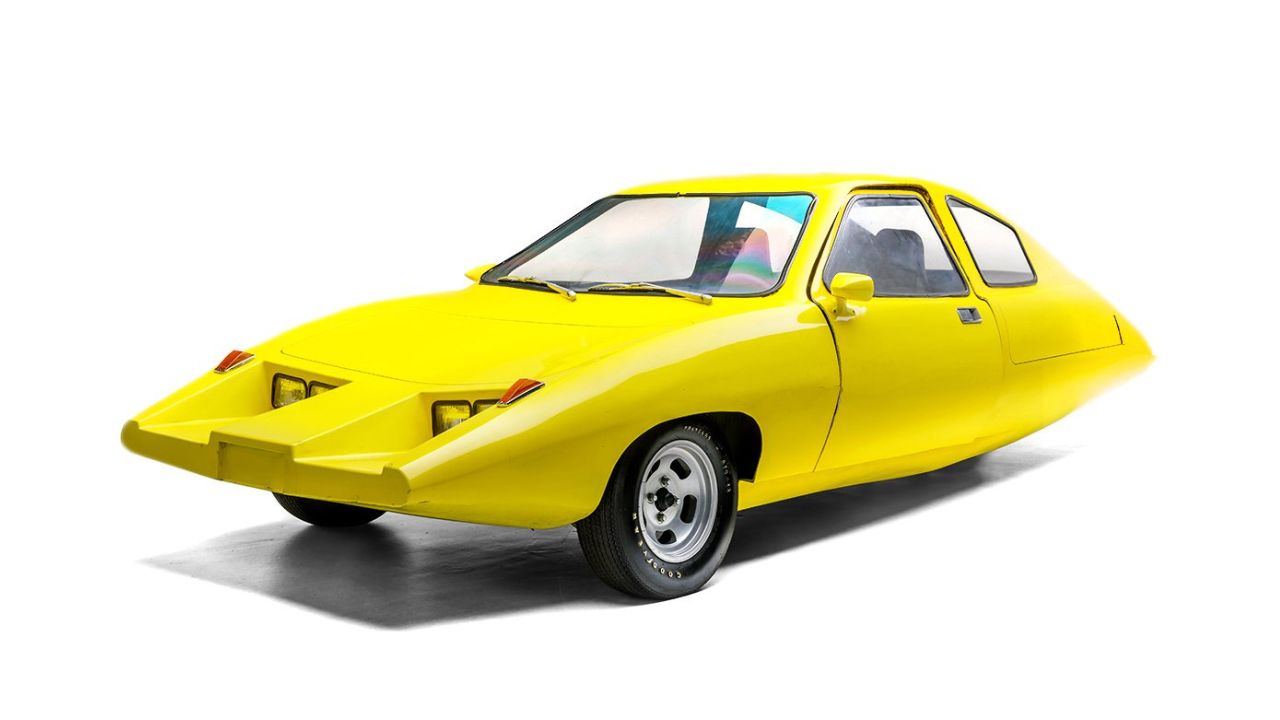
The Dale was pitched in the early ’70s as a revolutionary three-wheeled car that would challenge how people thought about fuel economy and practicality. It was the brainchild of Geraldine Elizabeth Carmichael, who claimed it would be safer, lighter, and way more efficient than anything on the road.
At the time, the world was still reeling from the gas crisis, and the pitch landed hard. But this mock-up version from 1975—the one built for public show—never had a working drivetrain. It was all promise, no performance, meant to sell an idea rather than drive it.
2. Three Wheels and a Whole Lot of Hype
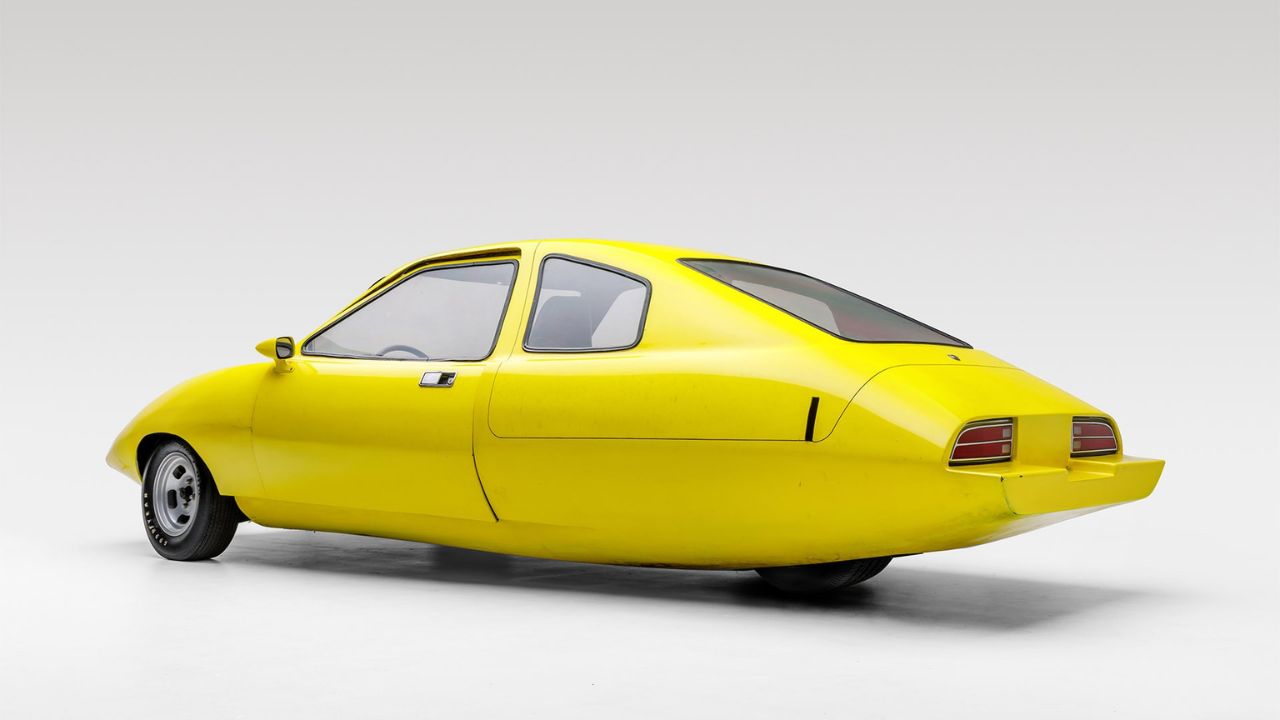
The 1975 TCMCC Dale featured a three-wheel layout: two wheels in front and one in the rear. The configuration was supposed to reduce drag, improve fuel economy, and save on production costs. It was different—but not necessarily better.
The front-heavy setup wasn’t exactly ideal for real-world stability. There was talk of a 2-cylinder, air-cooled BMW motorcycle engine under the skin, but this prototype didn’t have one. The body was fiberglass, designed for showrooms, not streets. So while it looked futuristic, it wasn’t ready to handle a corner.
3. Fiberglass Dreams
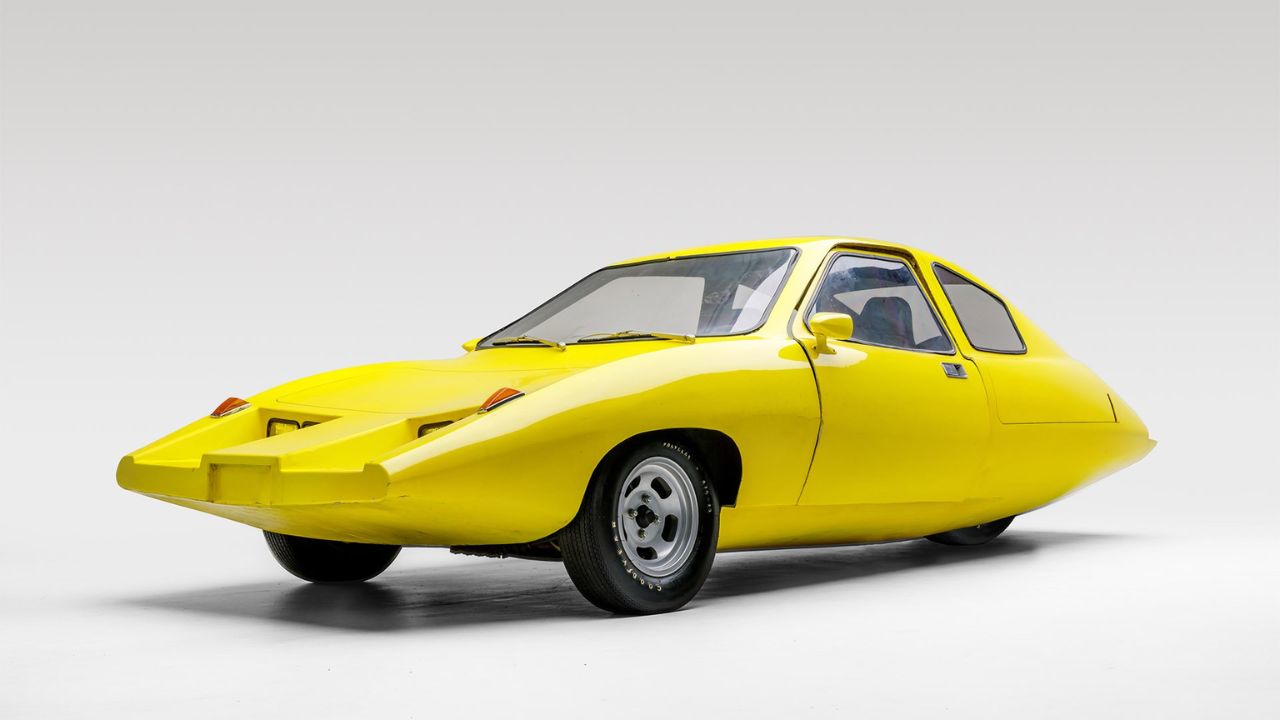
The body of the Dale was made almost entirely from fiberglass, a move aimed at keeping the weight low—reportedly around 1,000 pounds. That figure sounded promising, especially compared to typical sedans of the time that doubled it.
But this 1975 mock-up didn’t feature functioning doors or structural reinforcements. The panels were thin and unfinished inside. It may have looked clean on the outside, but underneath, it was just a hollow shell built for visual impact rather than durability or safety testing.
4. The “Interior” That Wasn’t
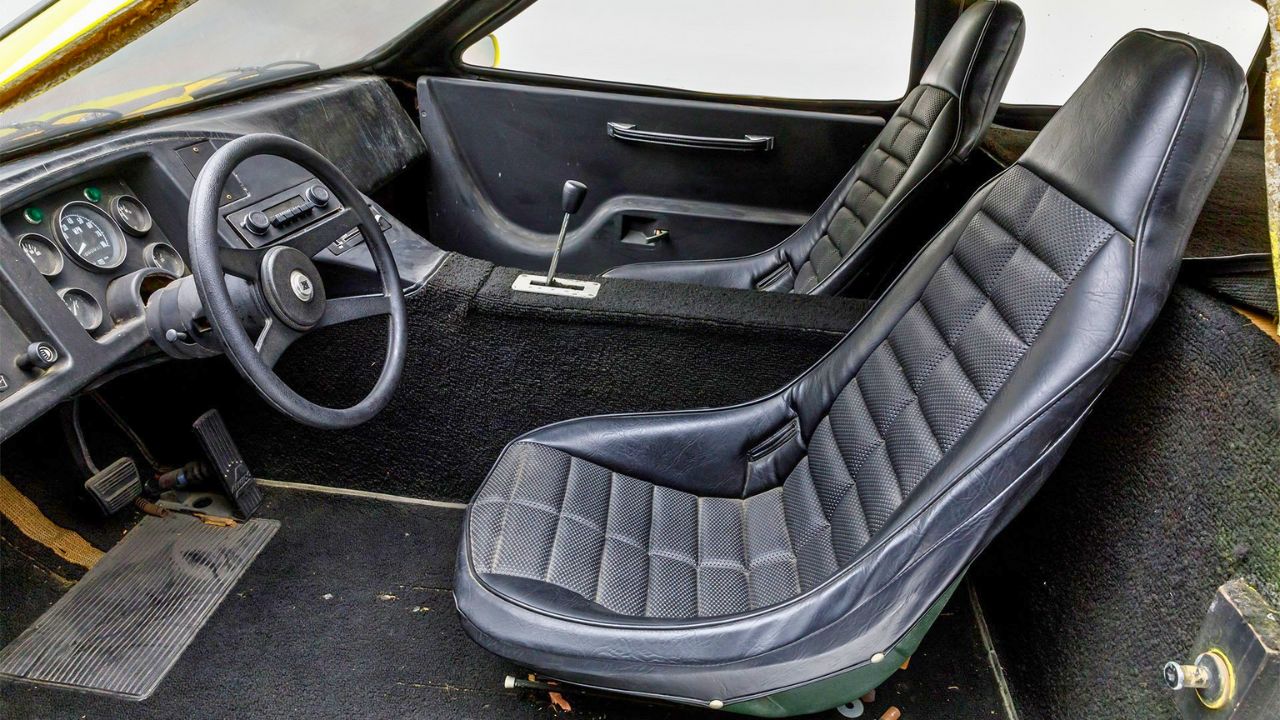
Peek inside the 1975 Dale mock-up and you won’t find a working dashboard, seatbelts, or even a finished floor. There were basic molded seats and a steering wheel, but everything was for show. Gauges were stickers. The gear selector? Decorative.
The idea was to give the illusion of a production-ready car, but it was all marketing theater. There were no working electrical systems or controls—just placeholders to sell a story. It’s less a car and more a stage prop.
5. Promised MPG That Turned Heads
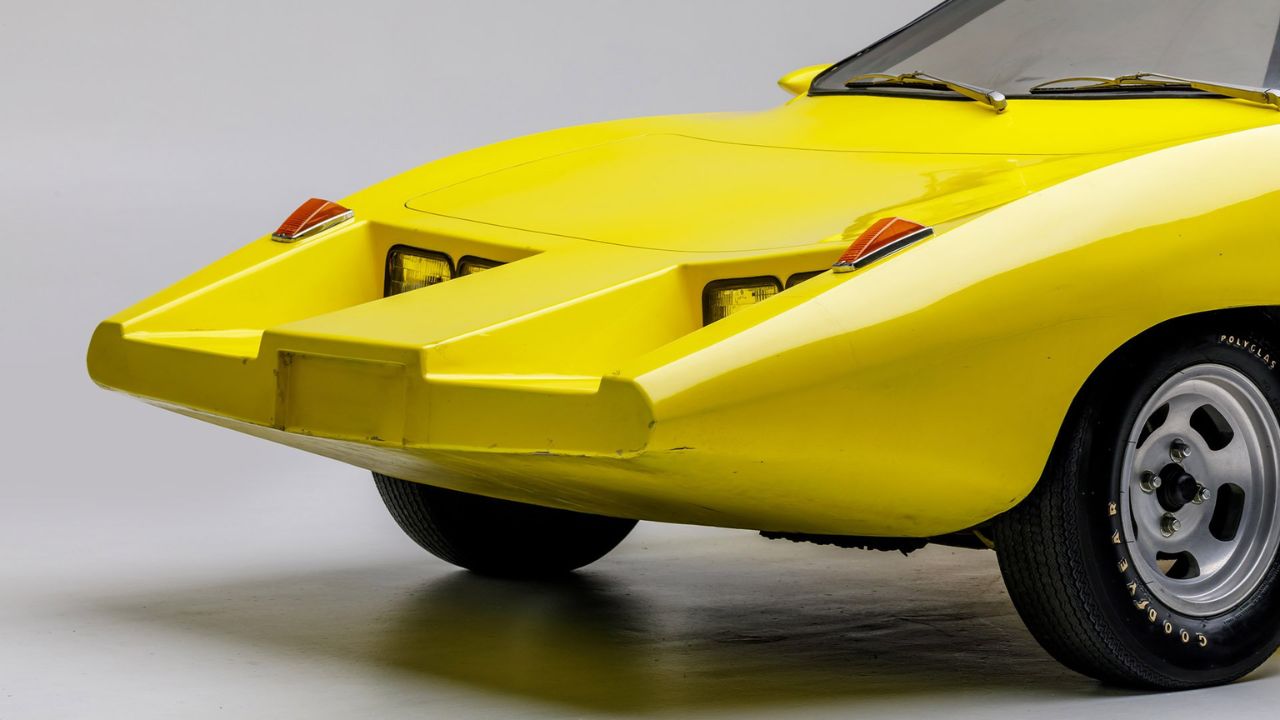
Carmichael claimed the Dale would get 70 miles per gallon, thanks to its light body, small engine, and aerodynamic shape. On paper, that number was outrageous for the era—and that’s exactly what got people to listen.
But this mock-up wasn’t built to prove it. No fuel system. No drivetrain. No EPA testing. It was a static display model designed to generate buzz. The real-world capability was never demonstrated, and it never came close to delivering what was promised.
6. Suspension Never Made It Off the Drawing Board
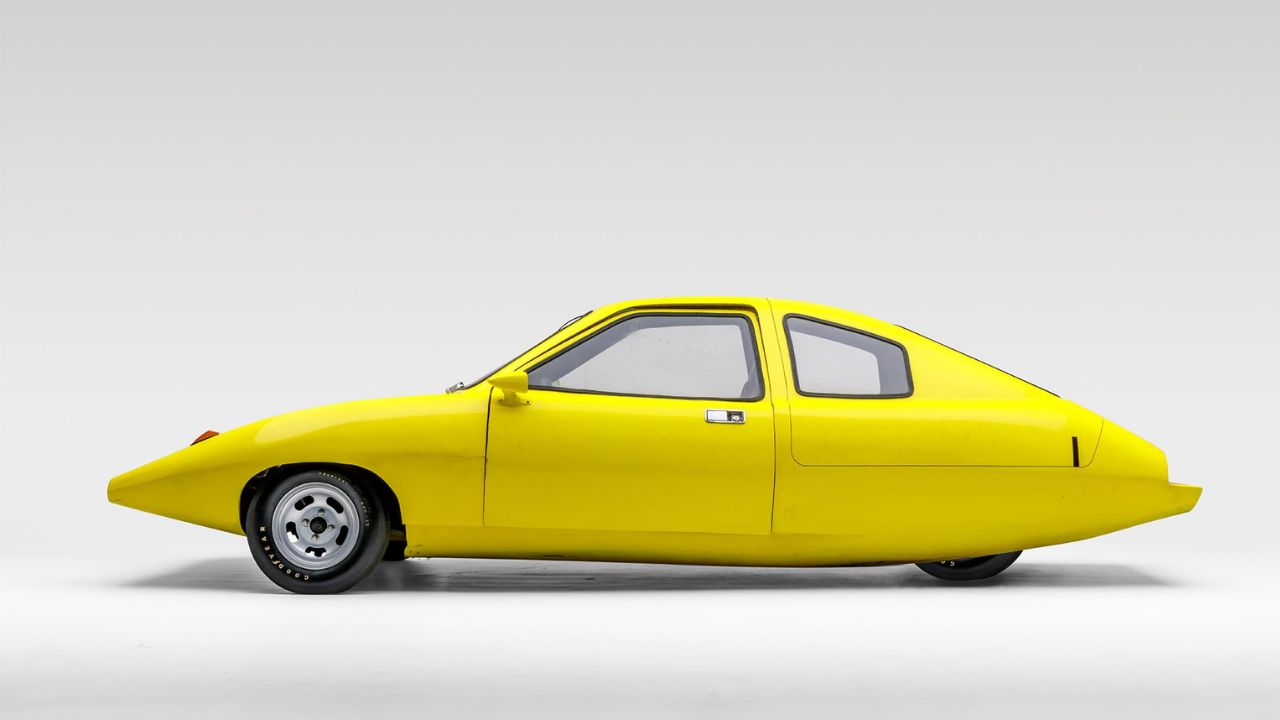
One of the big talking points was supposed to be the Dale’s advanced suspension setup—something that could balance stability on three wheels without tipping or swaying. But the 1975 version didn’t even have a working suspension.
Underneath the mock-up, there were basic brackets and placeholders, but no real shocks, springs, or geometry to speak of. The wheels weren’t functional, just bolted on. There was nothing that would have allowed this car to drive, let alone handle a curve at speed.
7. Built to Sell, Not to Drive
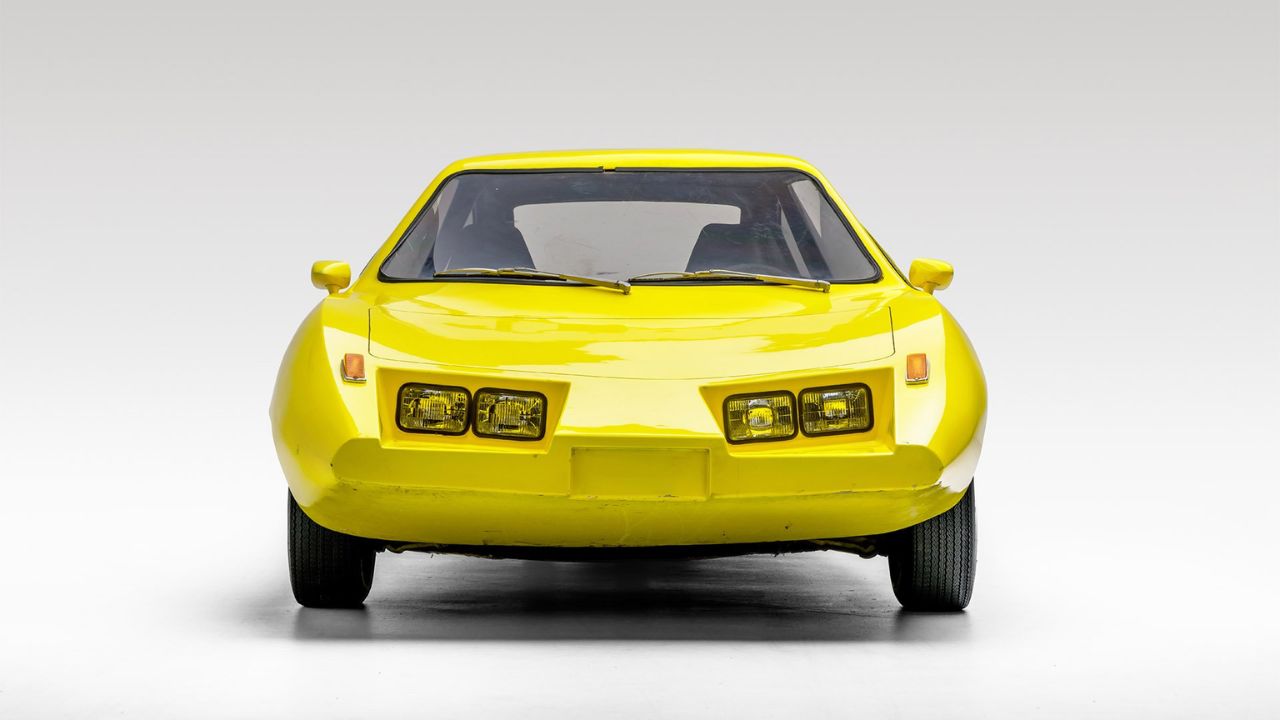
The 1975 TCMCC Dale mock-up was created to sell the concept, not to prove it worked. It was rolled out at trade shows and media events to generate interest from investors and potential dealers. From a business standpoint, it was a pitch deck on wheels.
Everything about the mock-up was designed for maximum visual effect. Sleek lines, exaggerated features, and flashy colors helped mask the lack of substance underneath. It did its job in getting attention—but that’s where the story started to unravel.
8. Weight Was Supposed to Be Its Weapon
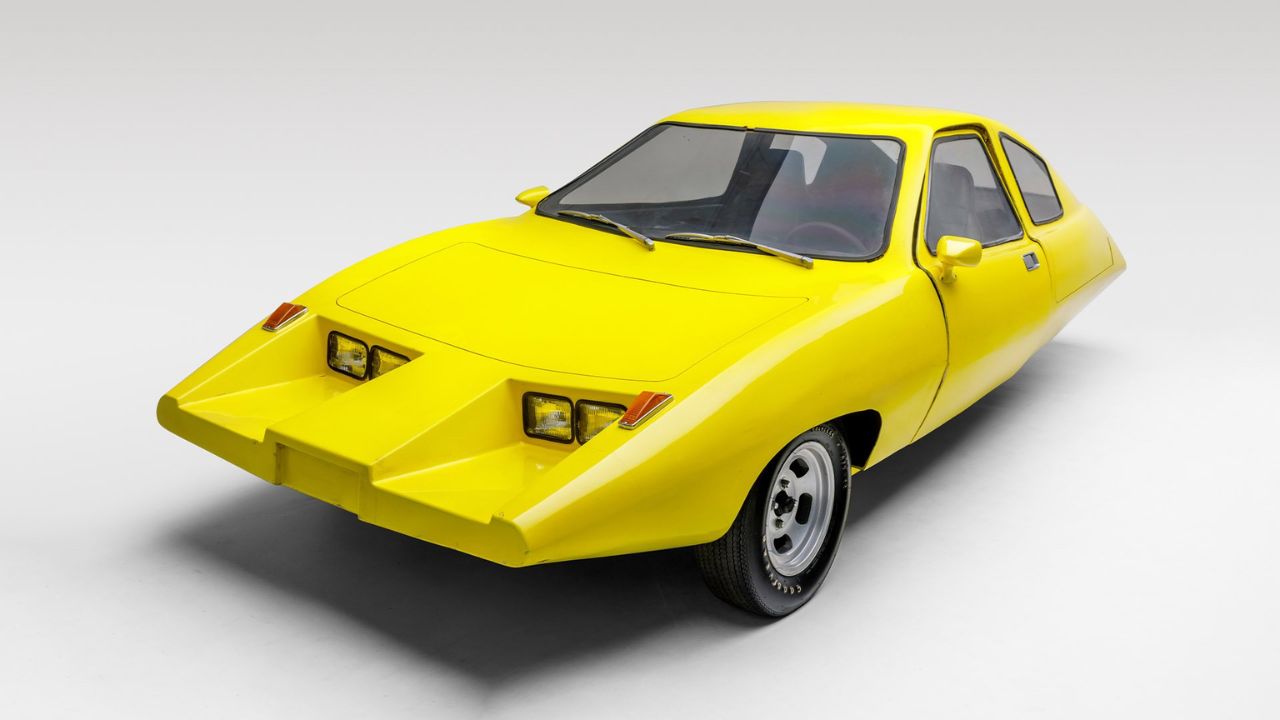
At just over 1,000 pounds, the Dale was touted as significantly lighter than anything else on the road. Carmichael used this to support claims about efficiency, ease of maintenance, and affordability. Less weight meant fewer materials, right?
But the weight figure only applied to the empty shell. The mock-up lacked real components: no drivetrain, no wiring harness, no suspension. So while the number sounded impressive, it wasn’t a fair comparison to an actual running vehicle. It was just another part of the sales pitch.
9. One Door Short of Practical
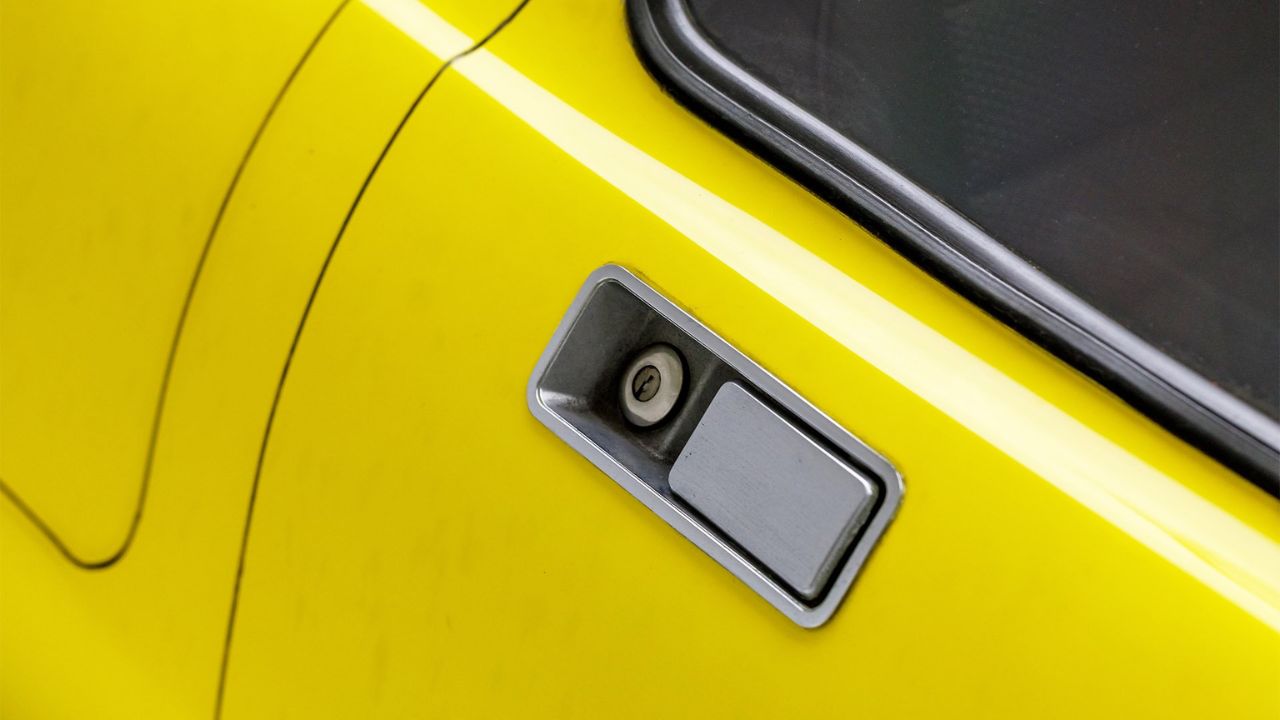
One of the more curious features of the 1975 Dale was its single driver-side door. This wasn’t an oversight; it was intentional. Carmichael claimed this design improved safety by reducing side-impact points.
The real reason might have been simpler: fewer doors are cheaper to build, especially on a mock-up. But this created practical issues. No passenger-side entry meant getting in and out was awkward—especially in tight spaces. It looked futuristic, sure, but not exactly user-friendly.
10. What the Mock-Up Says Today
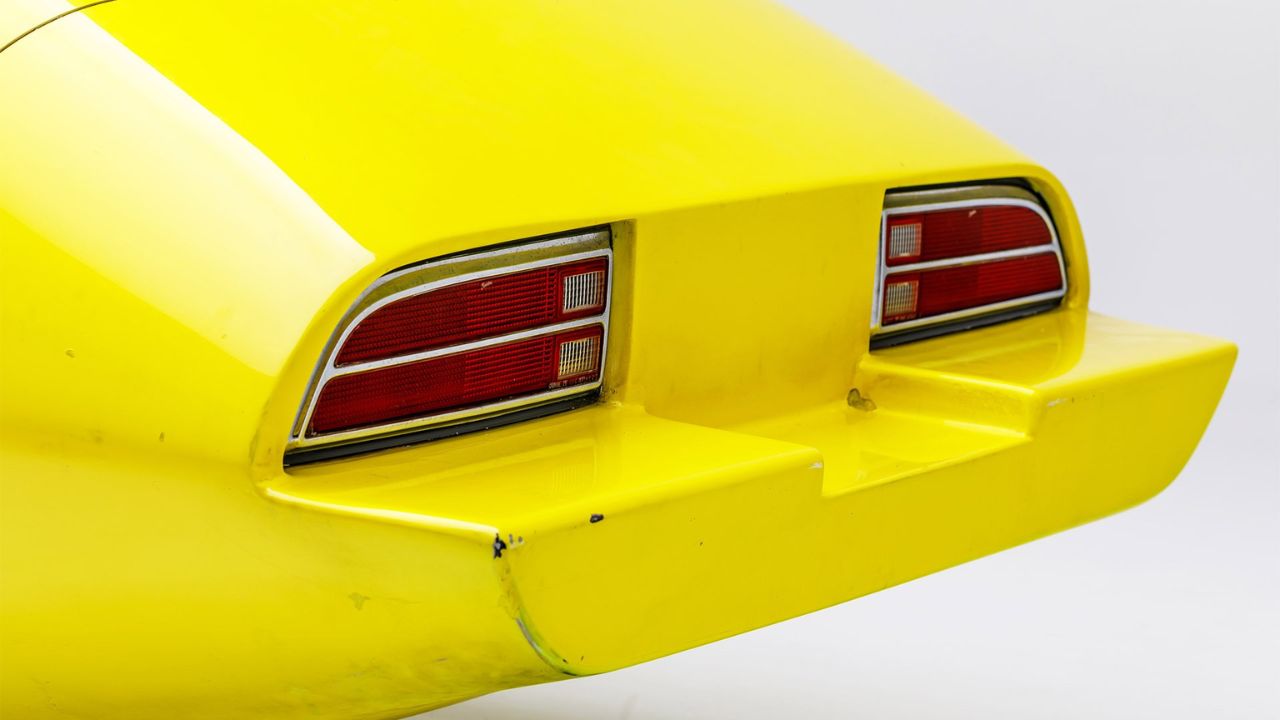
The 1975 TCMCC Dale mock-up is more than just a weird chapter in car history—it’s a symbol of how big ideas can fall apart when reality catches up. It’s now a museum piece, sitting still and silent.
You don’t need it to drive to understand its impact. It reflects the desperation of the gas crisis, the era’s fascination with space-age design, and the risks of believing the pitch over the product. It’s not a car built to last—it’s a time capsule that never moved.
Like what you read? Here’s more by us:
*Created with AI assistance and editor review.

Leave a Reply