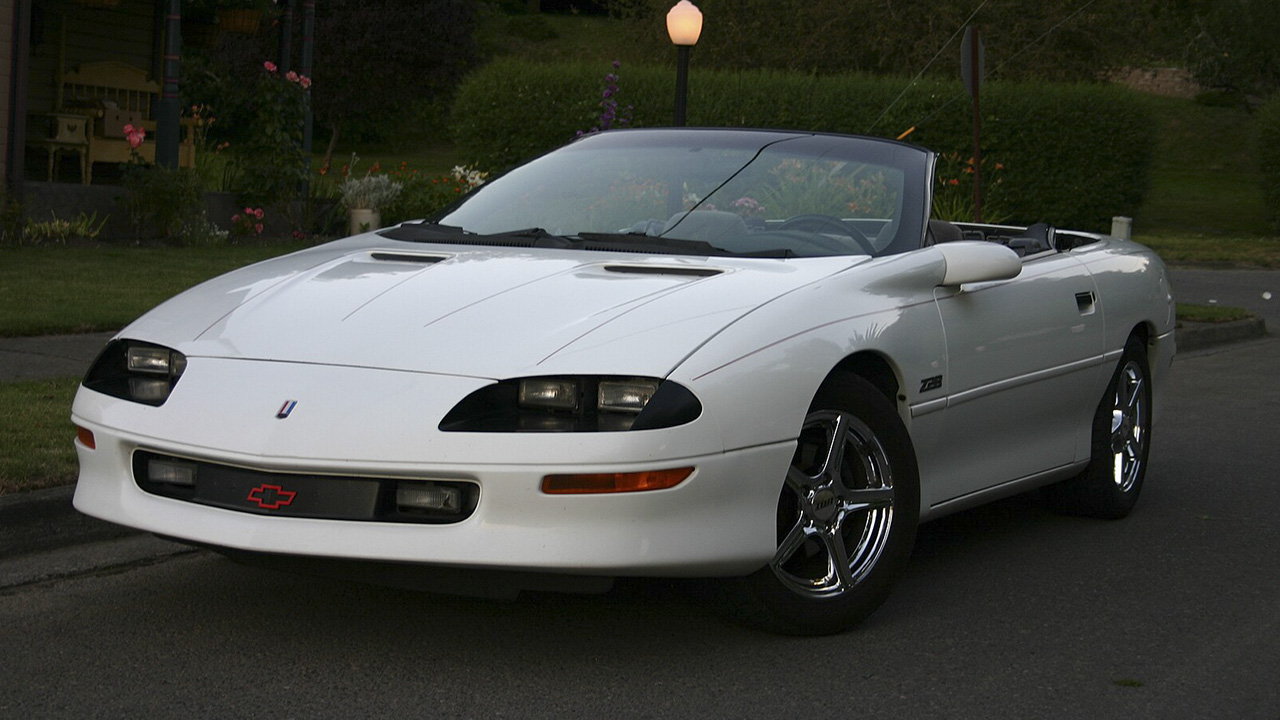
By the early ’90s, the Camaro had fully stepped into the modern era, shedding its old-school muscle for a more serious performance identity. While still priced for the average buyer, GM quietly built a few variants that could hang with some serious track-day competition. Here are seven Camaros from the 1990s that didn’t just look fast—they backed it up with track-ready credentials.
The 1993 Camaro Z28 reset expectations
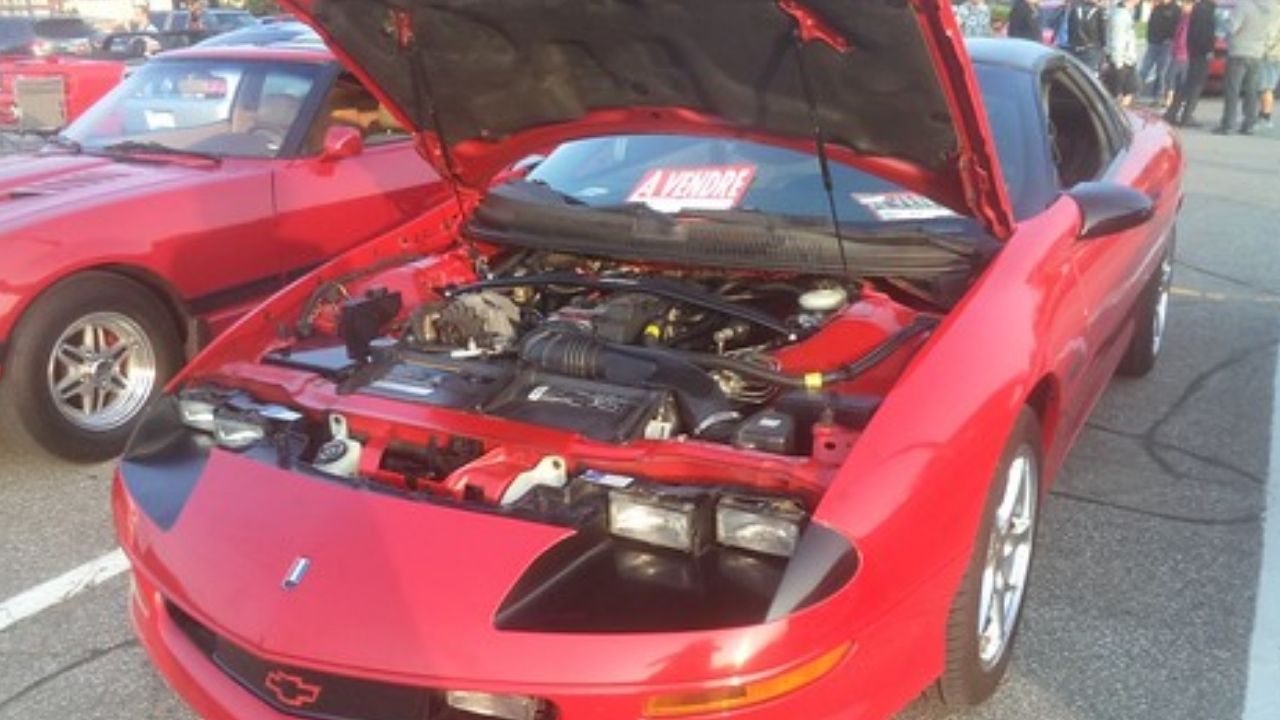
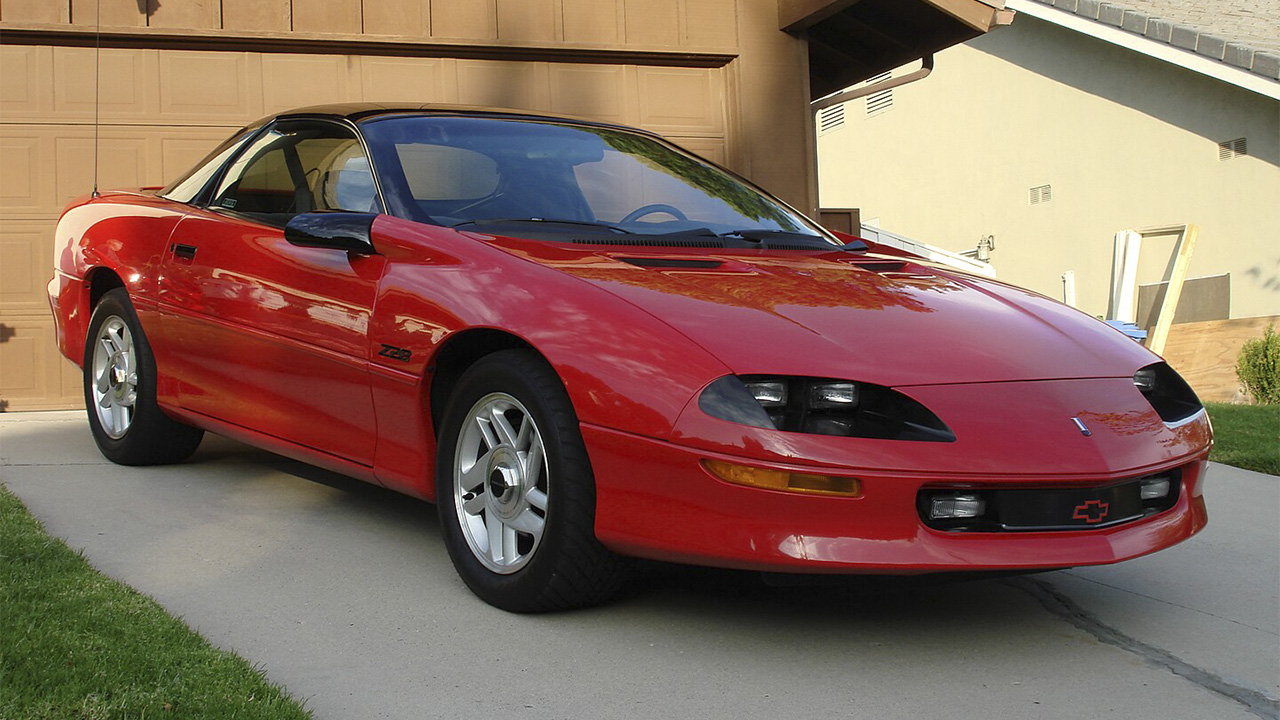
The all-new 1993 Z28 marked the start of the fourth generation and packed serious heat. Its 5.7L LT1 V8, borrowed from the Corvette, made 275 hp and 325 lb-ft. Weighing around 3,400 pounds, it could sprint to 60 mph in under 6 seconds.
At $16,779 base, it was a bargain for that level of power. With improved handling, larger brakes, and a stiffer chassis, it quickly earned respect in SCCA Solo and autocross events.
The 1996 Z28 SS brought real heat
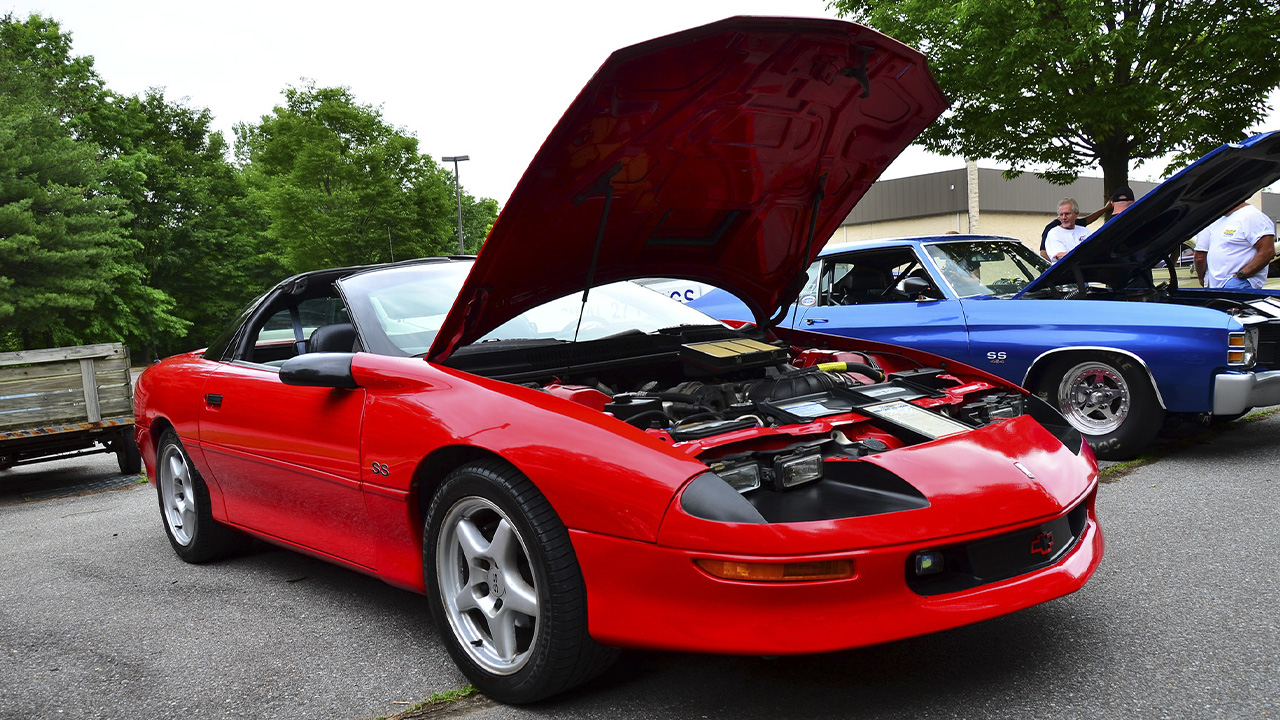
When SLP Engineering got involved, the Z28 SS gained more serious credentials. The 1996 SS used a tweaked LT1 rated at 305 hp with a functional ram-air hood and better exhaust.
The suspension was upgraded with stiffer springs and Bilstein shocks. With a 0–60 mph time around 5.3 seconds, it could run with more expensive cars. The SS package added about $4,000 to the Z28 but was worth every cent on the track.
The 1997 30th Anniversary SS wasn’t just paint
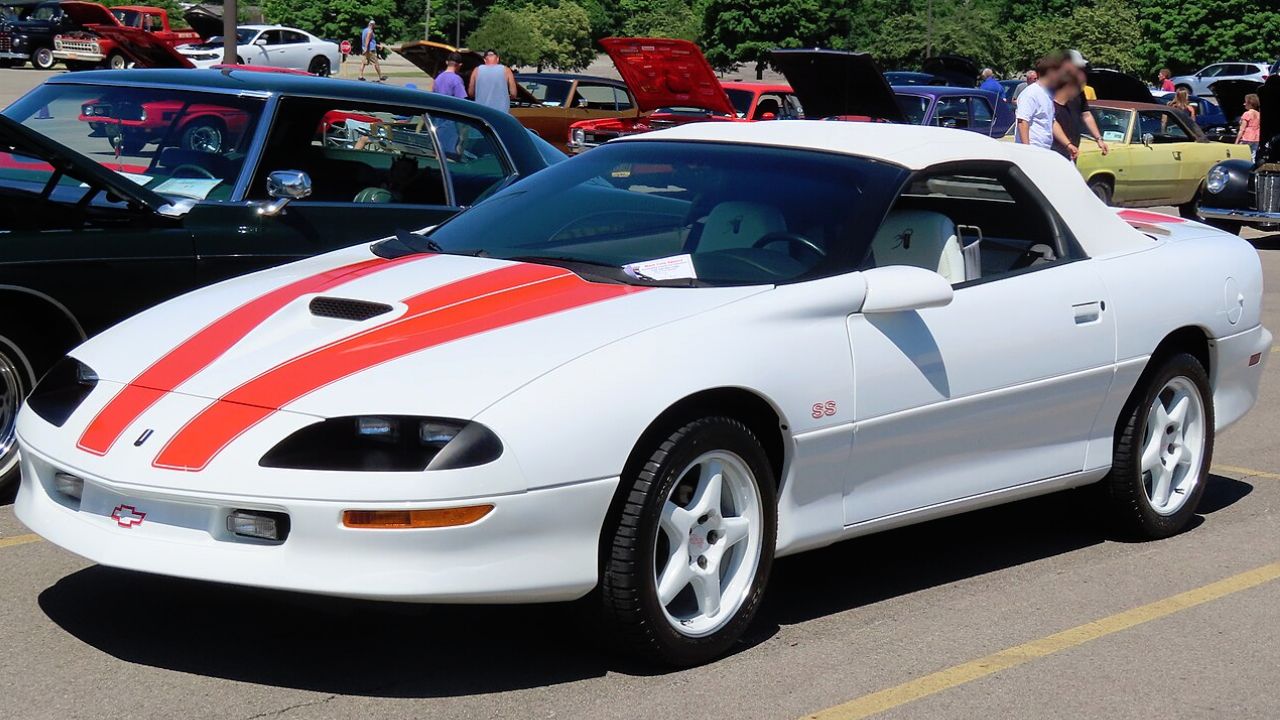
The Arctic White 30th Anniversary SS came with Hugger Orange stripes, but it wasn’t all show. Underneath, it had the 305-hp LT1, Torsen limited-slip diff, and performance exhaust.
It also got 17-inch wheels and upgraded suspension tuning. Fewer than 1,000 SS coupes were built that year, making it both quick and collectible. These were fully track-ready cars that looked good doing it.
The 1998 Z28 got the LS1 advantage
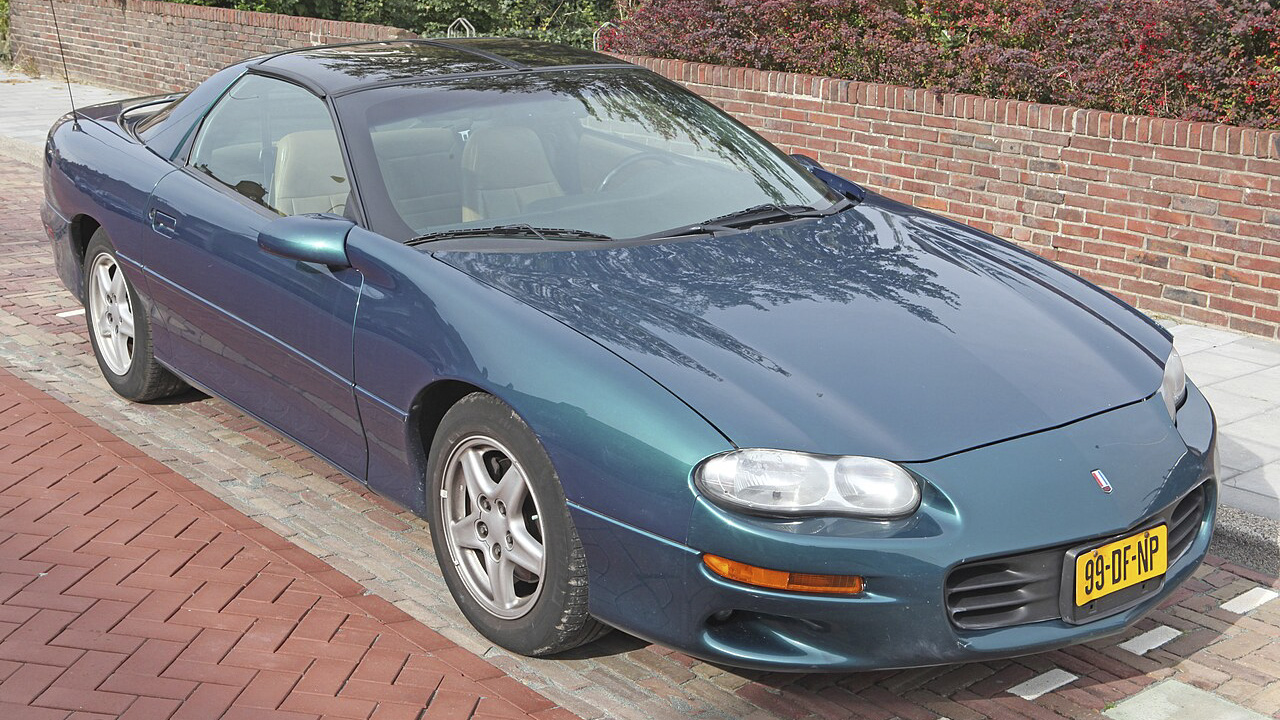
Midway through the decade, the Camaro got a serious upgrade with the all-aluminum LS1 V8. At 305 hp and 335 lb-ft, it shaved weight and bumped performance.
The LS1-equipped Z28 could run the quarter-mile in low 13s and hit 60 in about 5.2 seconds. With the improved F-body platform, it was easier to control at speed and showed serious legs in endurance events and club track days.
The 1999 SS with LS1 was a bargain beast
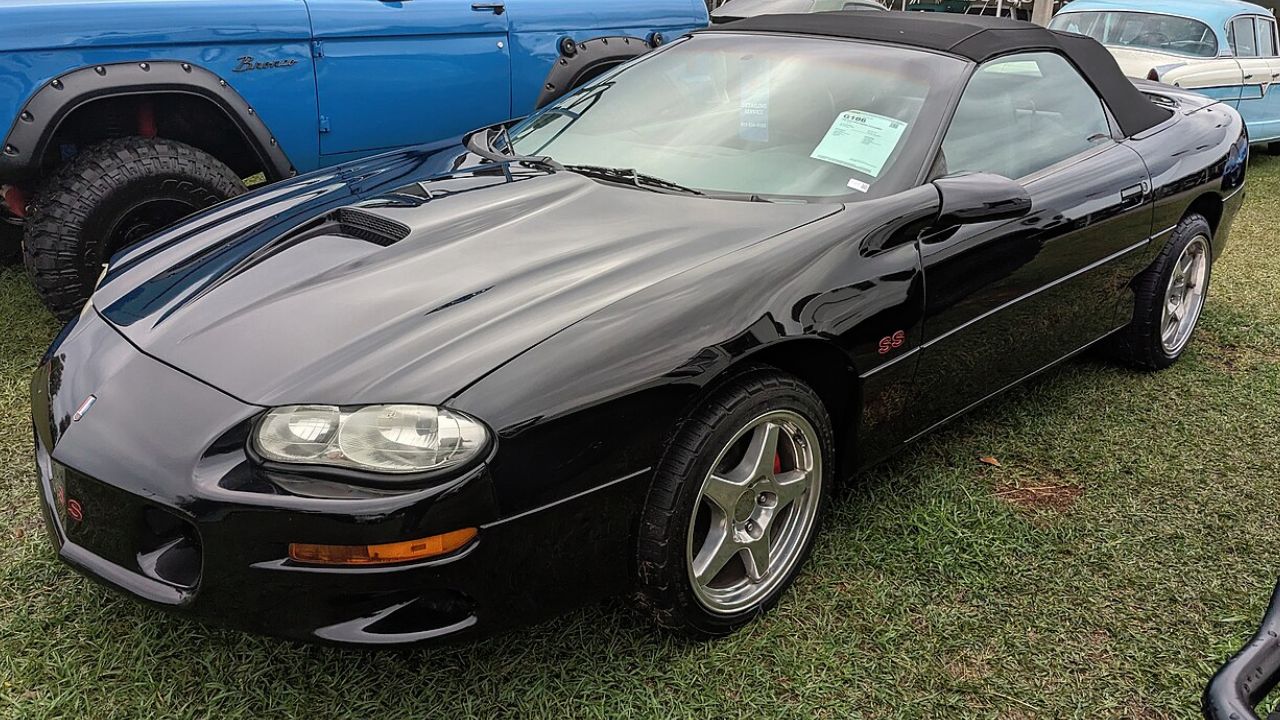
By 1999, the SS Camaro came standard with the LS1 and stiffer suspension, plus optional Bilstein shocks and a Hurst short-throw shifter. It also featured 17-inch wheels and bigger sway bars.
Weighing around 3,450 pounds, it handled better than many expected. With street pricing just under $30,000, it was hard to beat for a V8 coupe that could hold its own in NASA or SCCA track sessions.
The B4C Police Camaro was a sleeper track weapon
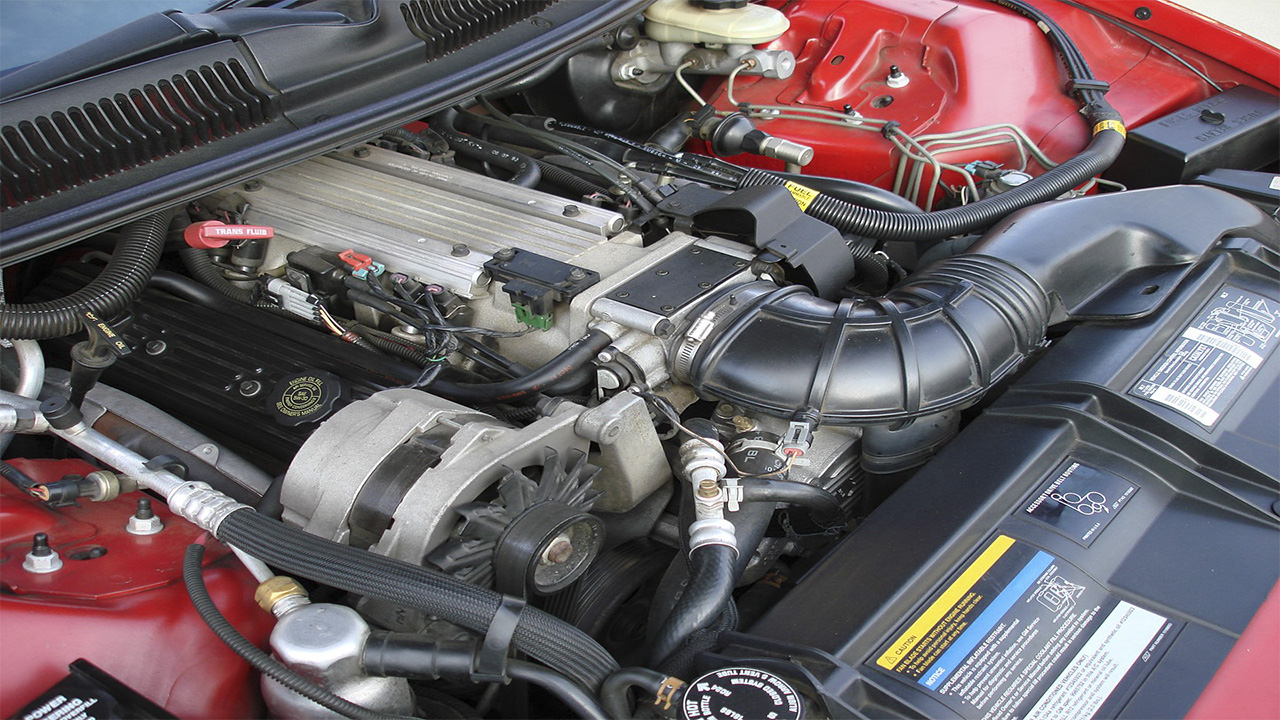
Built for law enforcement, the B4C package turned Camaros into pursuit-rated machines. Available with the 5.7L LT1 or LS1, it added upgraded cooling, heavy-duty alternators, and performance suspension.
While the B4C was never a public trim, some ended up in private hands. On track, it handled as well as the SS but looked like a base coupe. With 3.23 rear gears and performance tires, it could surprise more than a few 944s.
The Camaro held its own in Firehawk competition
Throughout the 1990s, Camaros competed in the SCCA Firehawk and Trans Am series, often battling Mustangs and imports. GM-backed cars proved the F-body chassis could be tuned to win.
Privateers loved the LT1 and LS1’s durability under race conditions. These race-spec Camaros helped shape aftermarket development and cemented the car’s role as a credible platform—not just on paper, but on the podium.
Like Fast Lane Only’s content? Be sure to follow us.
Here’s more from us:
*Created with AI assistance and editor review.