
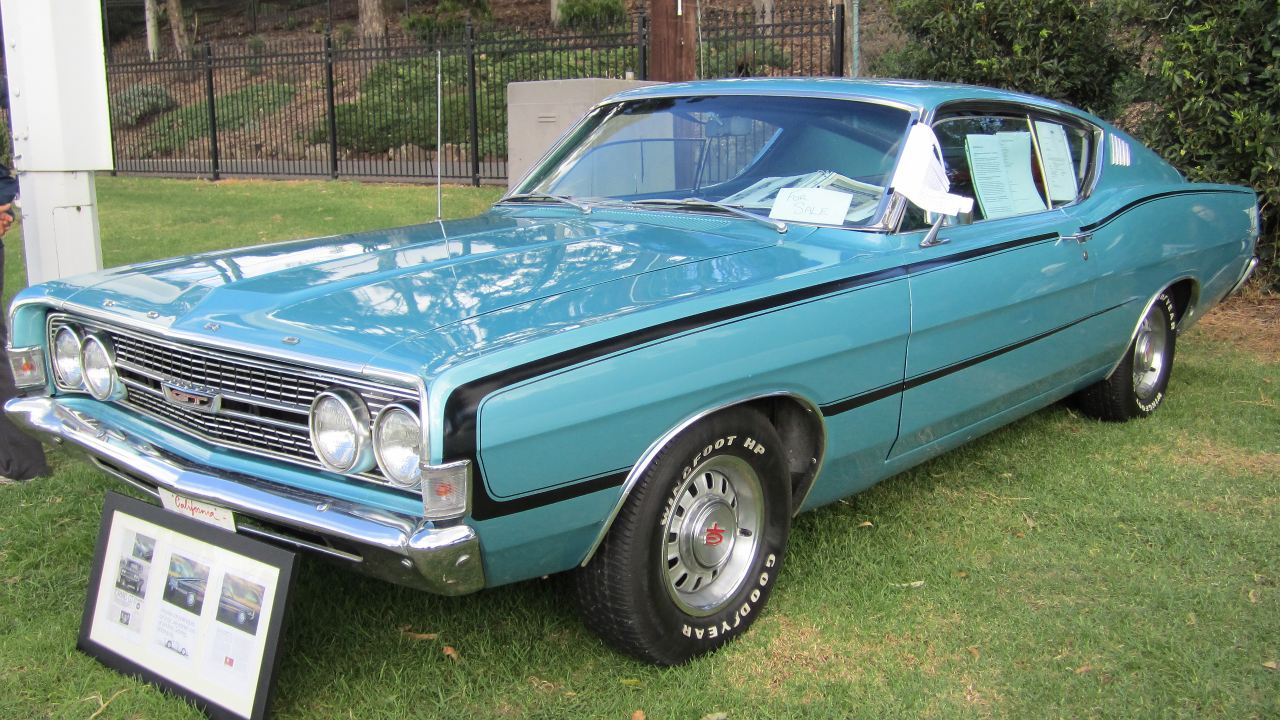
The muscle car era, a golden age of automotive performance, was defined by powerful engines that roared to life on American roads. These engines were not just mechanical powerhouses but also cultural icons that marked a significant period in automotive history. From the streets to the drag strips, these five engines stood out and played a crucial role in shaping the muscle car legend.
Chevrolet 396 Big Block V8
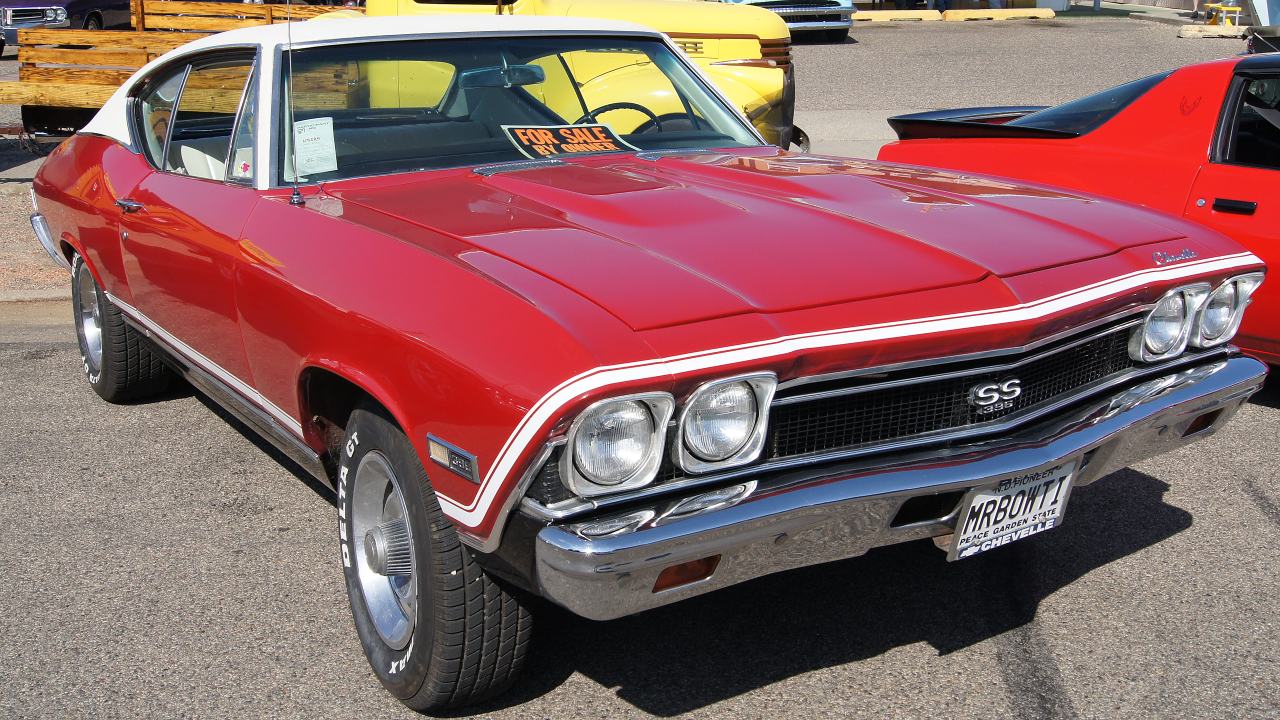
The Chevrolet 396 Big Block V8 was a cornerstone of the muscle car movement, introduced in 1965. Initially featured in the Chevrolet Chevelle Z16, this engine quickly became a favorite among enthusiasts for its robust performance and reliability. The 396 V8 was capable of producing up to 375 horsepower, making it a formidable presence on the streets and at the tracks.
Its popularity soared with its inclusion in other iconic models such as the 1967 Chevrolet Camaro SS. The engine’s design focused on delivering raw power and torque, which helped Chevrolet cement its reputation in the muscle car realm. Its enduring legacy is a testament to the engineering prowess of the era.
Ford 427 Cobra Jet V8
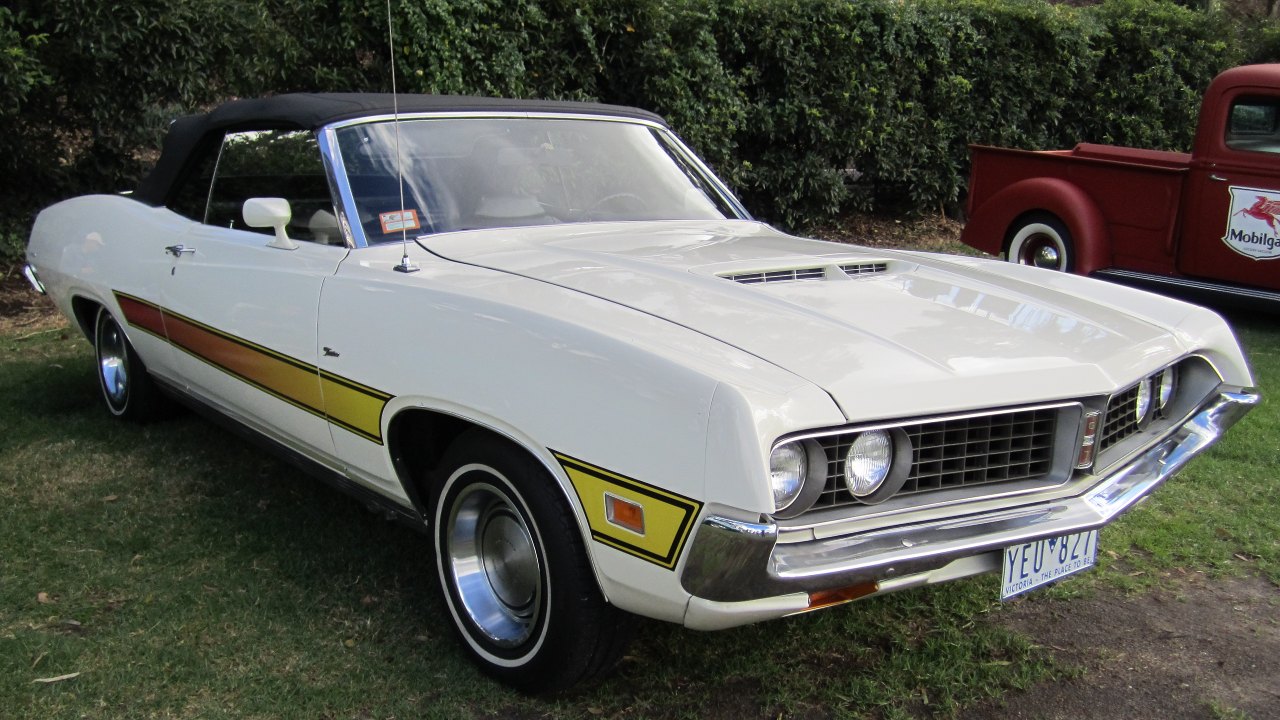
The Ford 427 Cobra Jet V8, introduced in 1968, was a game-changer for Ford’s performance lineup. Designed for drag racing and high-speed runs, this engine was a powerhouse, capable of producing 335 horsepower, although many believed it was underrated. It became famous through its association with the Ford Mustang and the Ford Torino.
The 427 Cobra Jet gained its legendary status on the drag strip, where it consistently outperformed its competition. Its design, featuring high-flow cylinder heads and a high-rise intake manifold, allowed for superior airflow and performance. The engine’s success helped establish Ford as a serious contender in the muscle car market.
Chrysler 426 Hemi V8
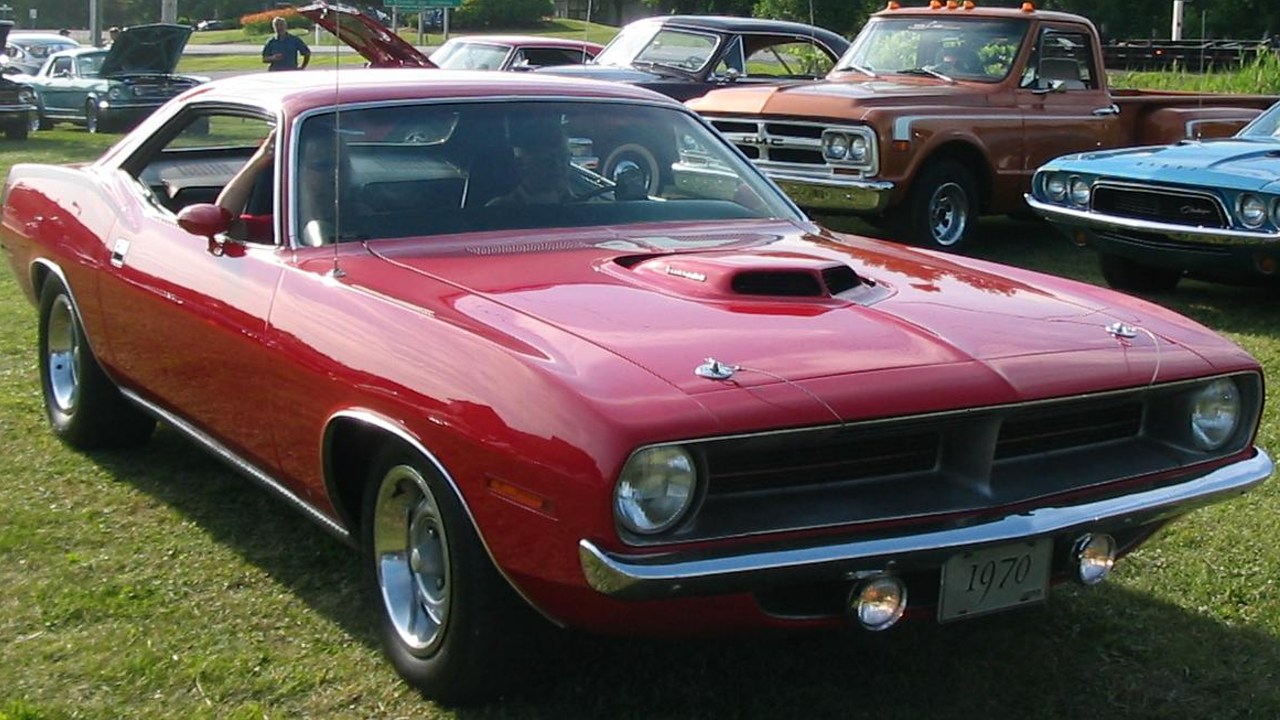
Known as the “Elephant Engine” due to its size and power, the Chrysler 426 Hemi V8 was a dominant force during the muscle car era. Introduced in 1964, this engine was initially designed for NASCAR racing but quickly found its way into street-legal cars like the Dodge Charger and Plymouth Barracuda.
The 426 Hemi was capable of producing 425 horsepower, and its hemispherical combustion chamber design allowed for enhanced airflow and combustion efficiency. This engine’s remarkable performance helped it become one of the most celebrated engines in automotive history, leaving a lasting impact on the muscle car era.
Pontiac 400 Ram Air V8
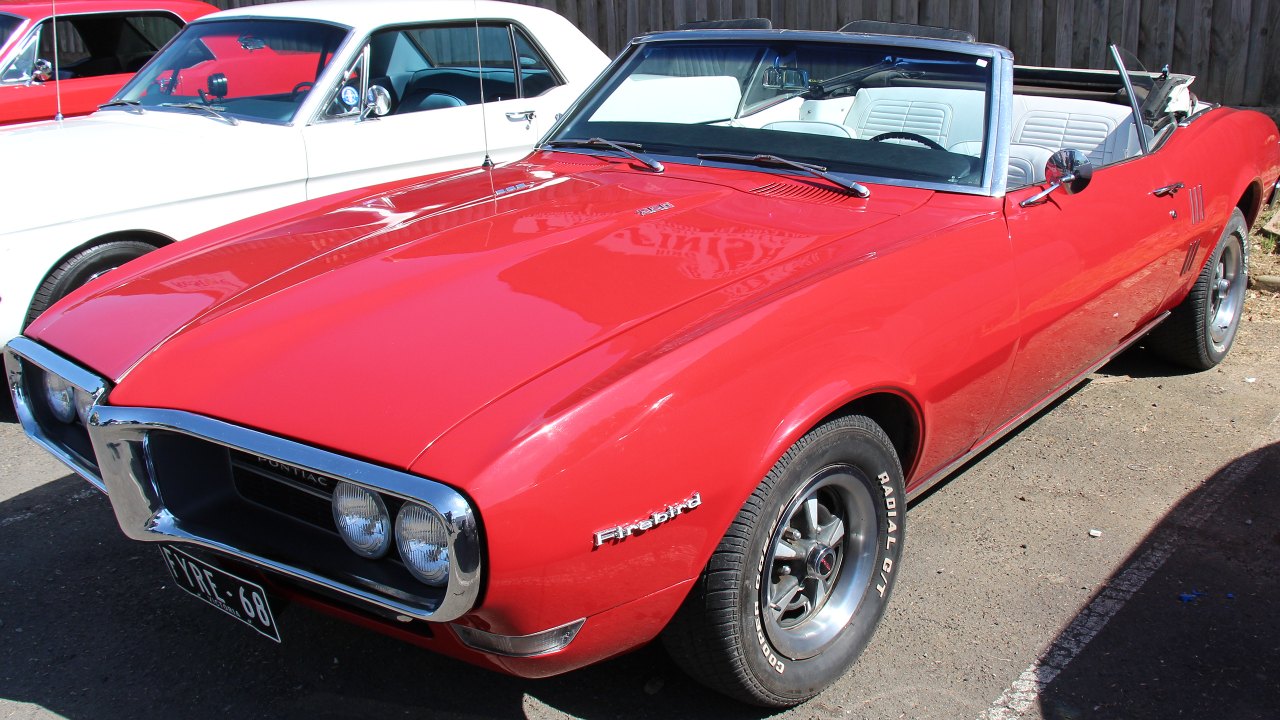
The Pontiac 400 Ram Air V8 was a critical component of Pontiac’s performance lineup, particularly during the late 1960s and early 1970s. Introduced in 1967, this engine was featured in models like the Pontiac GTO and Firebird, helping to solidify Pontiac’s place in the muscle car landscape.
The Ram Air variants of the 400 V8 were especially revered for their enhanced breathing capabilities, thanks to functional hood scoops and a tuned intake system. These features allowed the engine to produce up to 366 horsepower, providing exhilarating performance and ensuring its popularity among muscle car aficionados.
Oldsmobile 455 Rocket V8
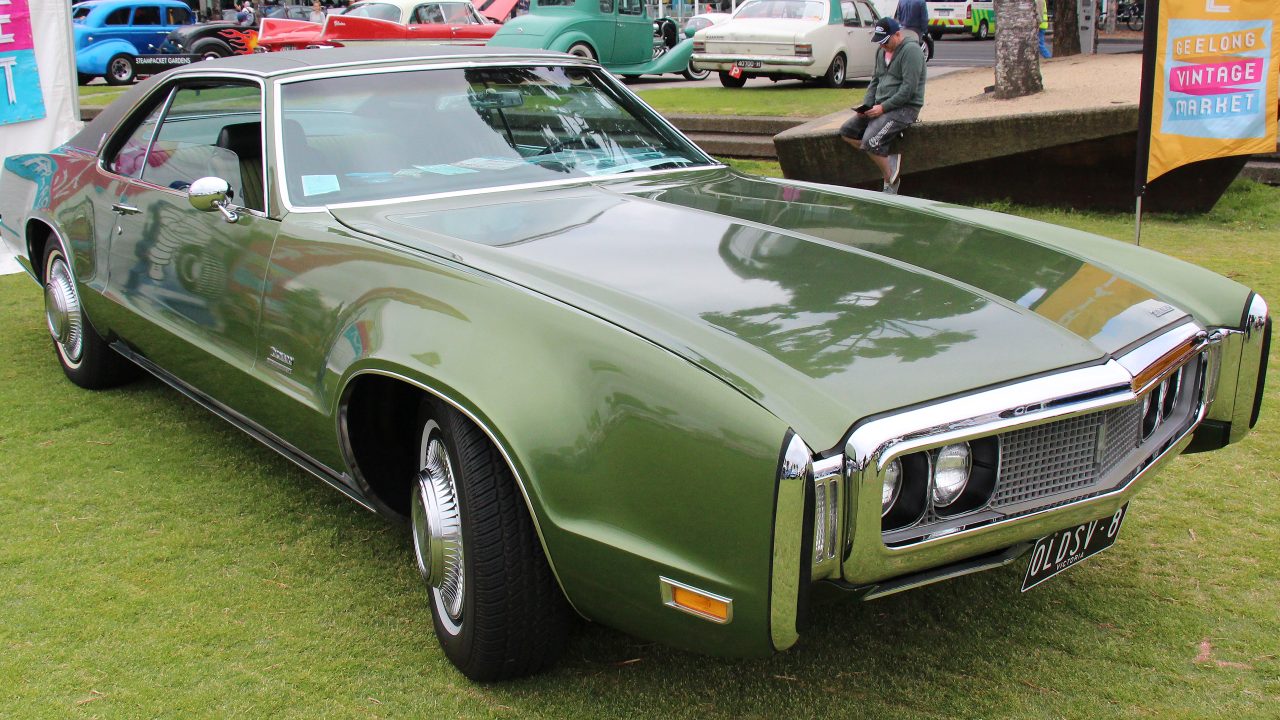
The Oldsmobile 455 Rocket V8 was a powerhouse that made its debut in 1968. Known for its massive torque output, this engine was a popular choice for enthusiasts seeking raw, unbridled power. It was featured in several models, including the Oldsmobile 442 and the Toronado.
The 455 Rocket V8 was capable of producing 370 horsepower, making it one of the most potent engines of its time. Its design focused on delivering exceptional performance and durability, which helped it earn a dedicated following. This engine’s influence during the muscle car era remains evident in its enduring legacy among collectors and enthusiasts alike.
Like Fast Lane Only’s content? Be sure to follow us.
Here’s more from us:
*Created with AI assistance and editor review.

Leave a Reply