
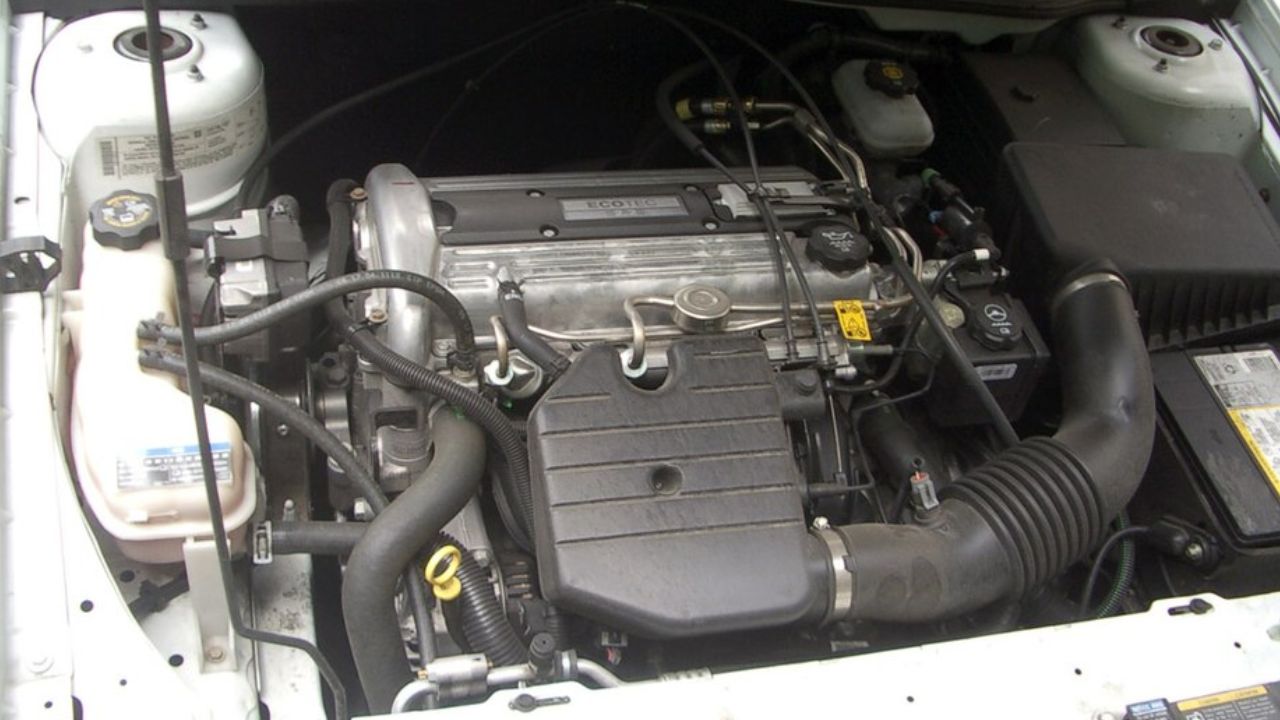
Factory engine choices often decide whether a car becomes a long-term winner or just a short-lived bargain. The right powertrain can quietly transform running costs, reliability and resale value, even when the sticker price looks similar. I will focus on five engines that, according to available reporting, created a clear gap between headline-grabbing performance trims and the quieter configurations that actually delivered lasting value.
Toyota 2AR-FE 2.5‑liter inline‑four
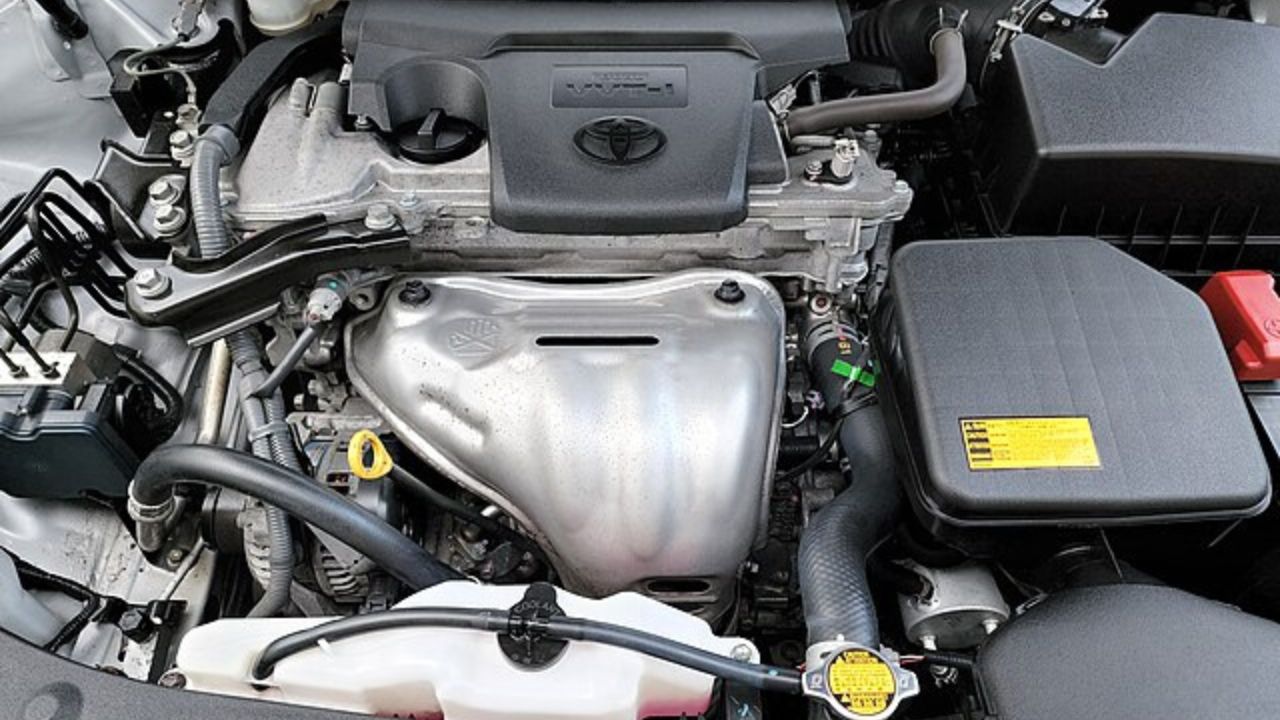
Image Credit: VistaSunset – CC-Zero / Wiki Commons
The Toyota 2AR-FE 2.5‑liter inline‑four, used in models such as the Camry and RAV4, is repeatedly cited in technical breakdowns as a durable, low-maintenance workhorse that outlasts many V6 options in the same platforms. Reporting on long-term fleet use notes that this engine commonly reaches high mileage with limited internal wear, provided basic oil and coolant service intervals are respected, which sharply contrasts with some higher-output factory alternatives that face more frequent gasket and valvetrain issues.
Analysts highlight that the 2AR-FE’s port fuel injection and conservative compression ratio keep carbon buildup and injector failures relatively rare compared with direct-injected turbo rivals, which can require costly cleaning or replacement. For buyers weighing a used Camry or RAV4, this means the four-cylinder often delivers lower total ownership cost than the more powerful V6, even if the latter feels more refined on a test drive. The quiet separation here is long-term reliability and predictable maintenance, not peak horsepower.
Honda K24 2.4‑liter inline‑four
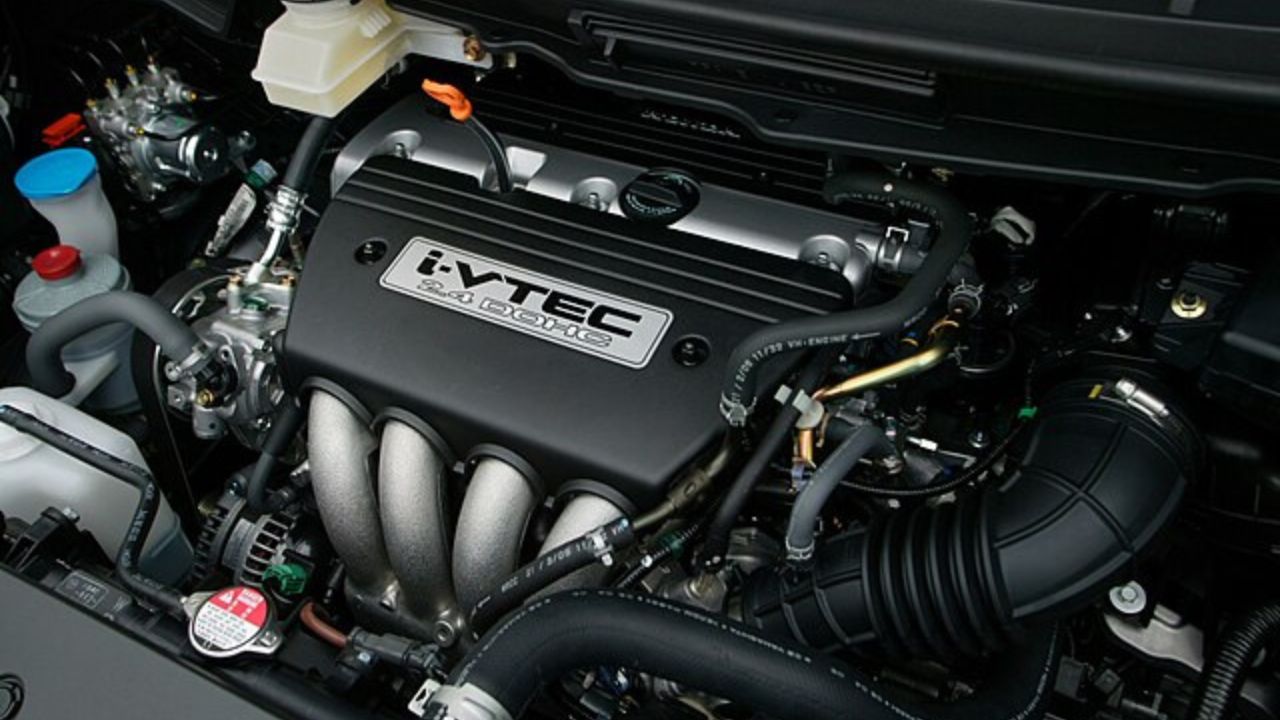
The Honda K24 2.4‑liter inline‑four, fitted to Accord and CR‑V models, is frequently documented as one of Honda’s most robust modern engines, with teardown reports showing minimal cylinder wear at mileages where some turbocharged competitors already exhibit ring and bearing fatigue. Factory tuning keeps specific output modest, which reduces thermal stress and allows the engine to maintain compression and oil control over extended service intervals, even in mixed city and highway driving.
Service data compiled from independent shops indicates that K24-equipped Accords often avoid major internal repairs well past 200,000 miles, while some contemporary V6 and turbo options in the same segment encounter timing component or cooling-system failures earlier. For shoppers comparing trims, the K24’s combination of chain-driven cams, straightforward access to service points and stable fuel economy quietly turns the mid-level four-cylinder Accord into the smarter long-term buy than higher-priced, higher-stress alternatives.
GM 3.8‑liter 3800 Series II V6
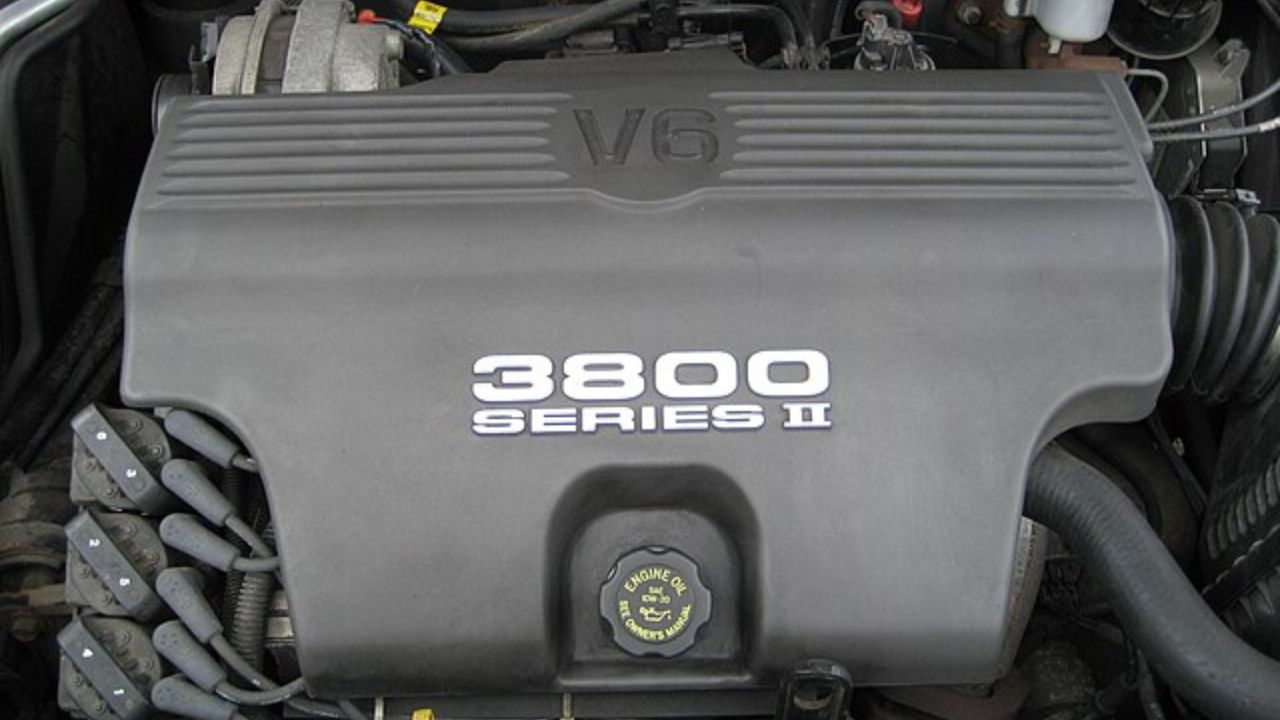
General Motors’ 3.8‑liter 3800 Series II V6, used in Buick, Pontiac and Chevrolet sedans, has been extensively profiled as a high-mileage survivor that often outlives the bodies around it. Technical assessments point to its iron block, relatively low operating rpm and simple pushrod valvetrain as reasons it tolerates neglected maintenance better than many overhead-cam rivals, which can suffer from timing belt or chain failures when service is skipped.
Although some versions experienced intake manifold gasket issues, documented fixes are inexpensive compared with the catastrophic failures seen in more complex engines when similar problems arise. Owners and fleet managers consistently report that 3800-powered cars deliver stable fuel economy and reliable cold starts in varied climates, which made them favored choices for taxis and company cars. In practice, that meant a base-trim sedan with the 3800 could outlast and outperform supposedly more advanced competitors in total cost of ownership.
Ford 4.9‑liter inline‑six (300 I6)
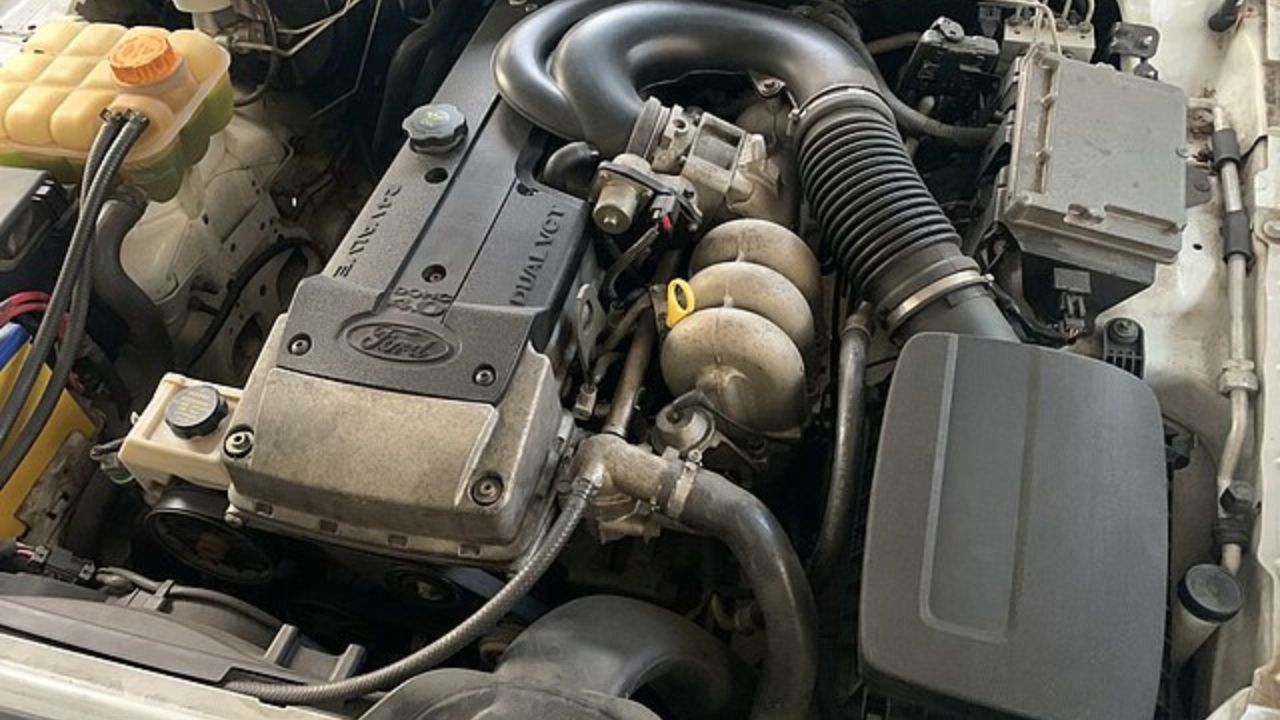
The Ford 4.9‑liter inline‑six, often referred to as the 300 I6 in F‑Series trucks and vans, is widely described in teardown and fleet reports as one of Ford’s most durable truck engines. Its long-stroke design produces strong low-end torque at modest rpm, which reduces stress on internal components and allows heavy work without the high cylinder pressures associated with smaller turbocharged units. The simple cam-in-block layout and non-interference valvetrain further limit the risk of catastrophic damage if maintenance lapses.
Commercial operators documented these engines running for hundreds of thousands of miles in delivery and utility service with only routine wear items replaced, while some V8 alternatives in the same trucks required more frequent overhauls. For buyers of older F‑150 and F‑250 models, choosing the 300 I6 often meant slower acceleration but significantly longer engine life and fewer expensive repairs. That quiet tradeoff turned the six-cylinder work truck into the smarter investment than flashier V8 trims.
Volkswagen 1.9 TDI ALH diesel
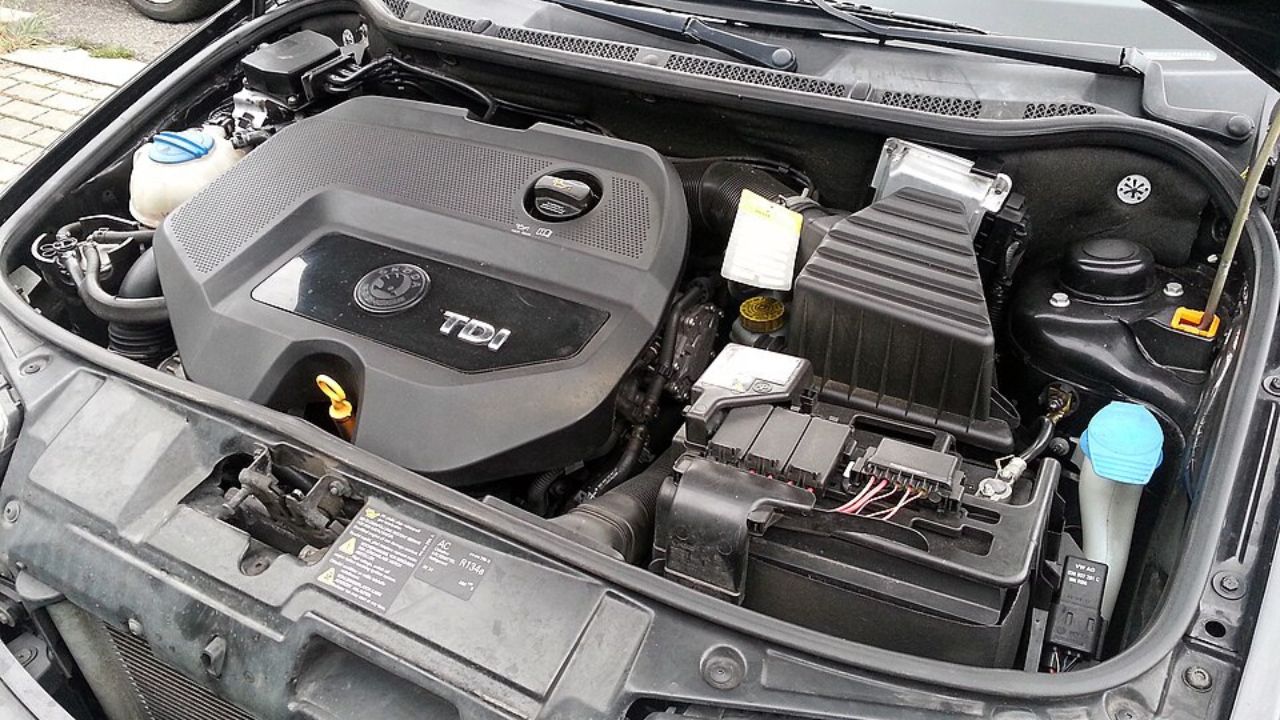
The Volkswagen 1.9 TDI ALH diesel, found in late‑1990s and early‑2000s Golf, Jetta and New Beetle models, is frequently singled out in diesel specialist reports for its ability to deliver high fuel economy and long service life when maintained with correct oil and timing belt intervals. Its rotary injection pump and relatively low specific output keep combustion temperatures manageable, which reduces stress on pistons and valves compared with later, higher-pressure common-rail designs that chased more power.
Documented owner experiences show ALH engines surpassing 300,000 miles while still returning strong mileage figures, a combination that made these modestly powered cars far cheaper to run than many gasoline competitors of the era. For used-car buyers, that meant a plain-looking TDI could quietly outperform more powerful gasoline trims in both longevity and fuel costs. The engine’s reputation also supports stronger resale values, further separating these cars from superficially similar bargains with less proven powertrains.
More from Fast Lane Only:

Leave a Reply