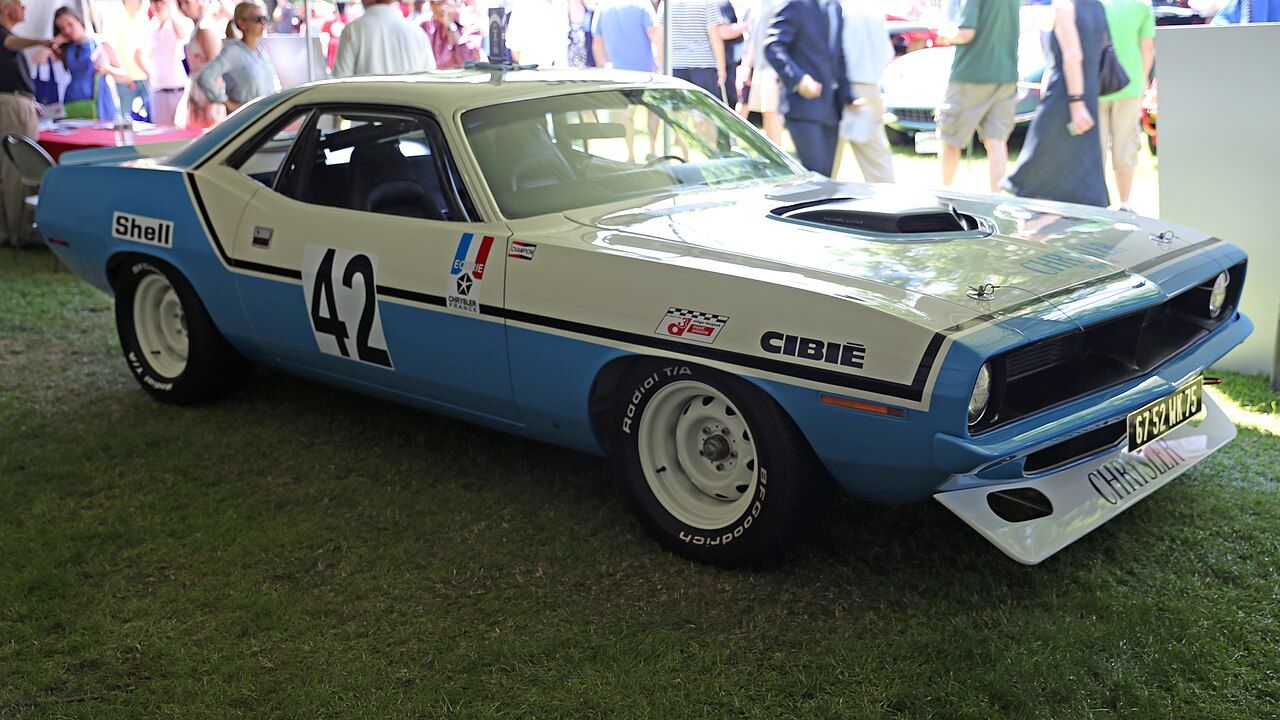
When muscle cars were at their peak, they weren’t just about going fast—they were about making a statement. Big engines, rear-wheel drive, and a total disregard for subtlety. These weren’t built for efficiency or luxury. They were raw, noisy, and unapologetically American.
Some models stood out more than others—not just for horsepower, but for what they represented at the time. These five didn’t just push redlines on the tach—they pushed cultural buttons and became rolling reflections of a country that liked its cars loud, proud, and built to be seen.
1970 Plymouth HEMI ‘Cuda
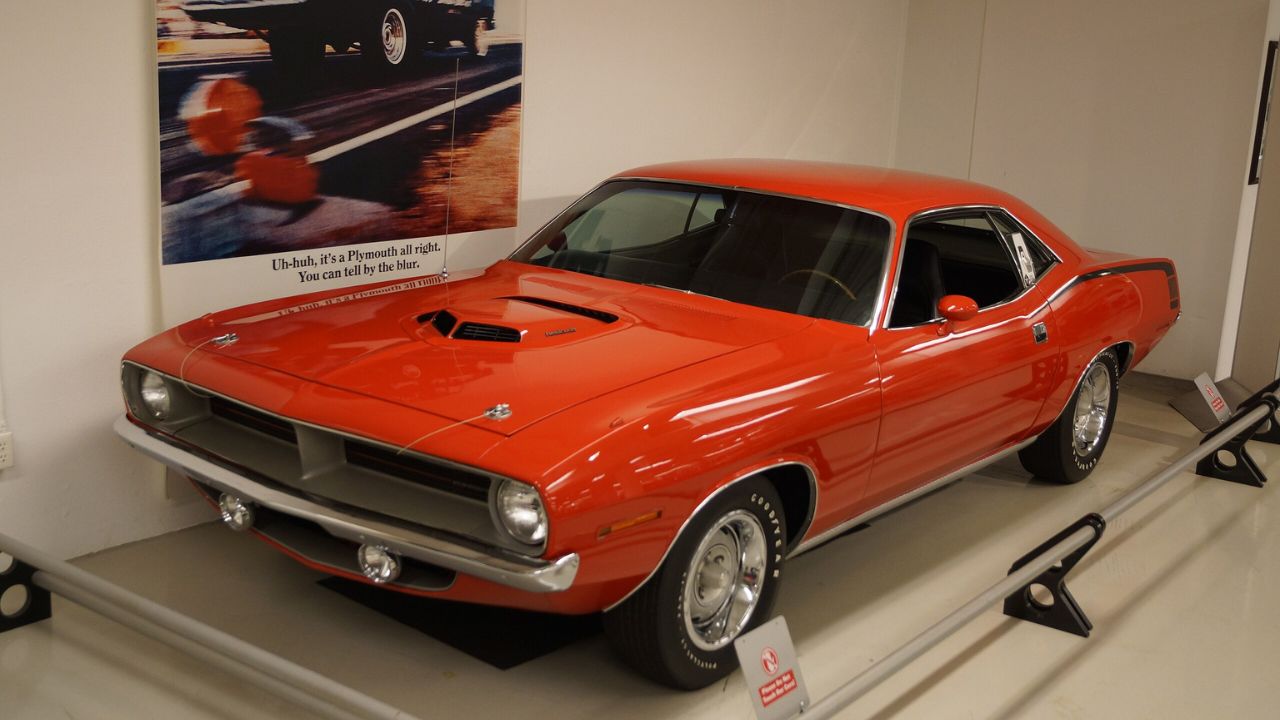
The ’70 HEMI ‘Cuda was the kind of car that didn’t have to shout—it just showed up and took over. Under the hood was Chrysler’s 426 HEMI, putting out a factory-rated 425 hp and 490 lb-ft of torque. That number was underrated, and everyone knew it.
Paired with either a 4-speed manual or TorqueFlite automatic, it ran the quarter-mile in the low 13s—on skinny bias-ply tires. The E-body platform gave it wider proportions, and the Shaker hood wasn’t for show. With only a few hundred made, it was rare even when new.
1969 Chevrolet COPO Camaro 427
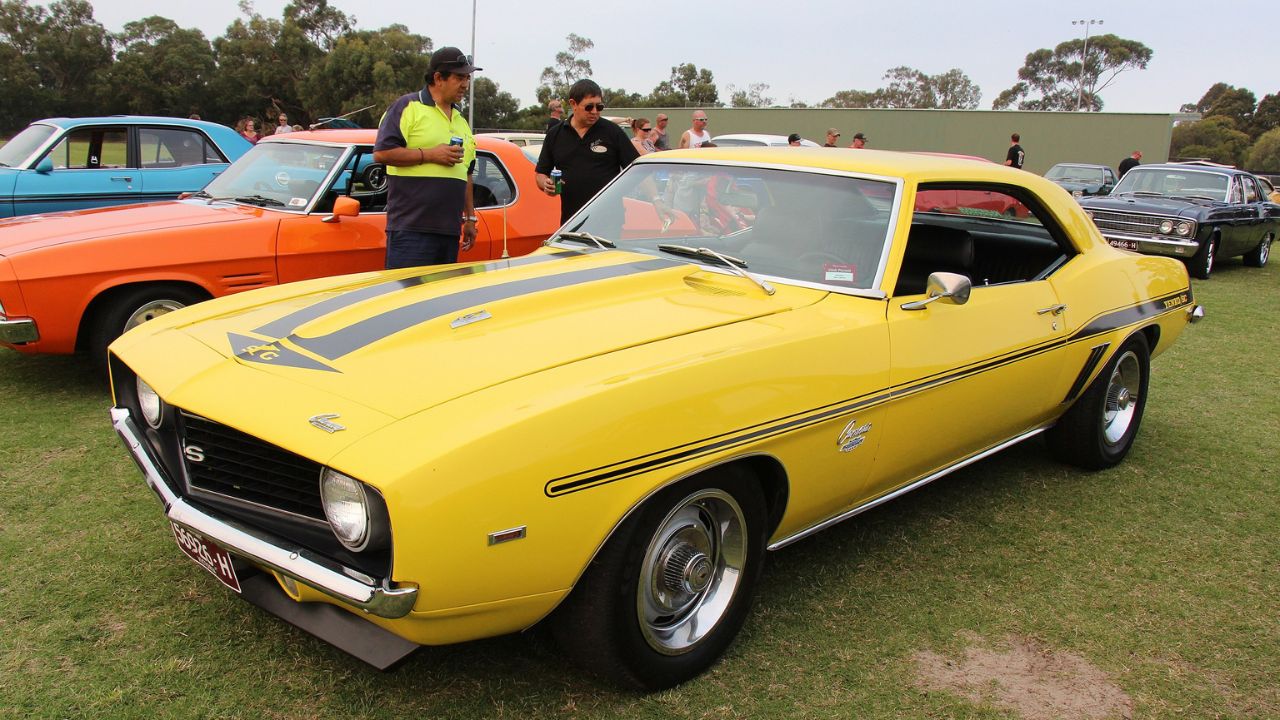
Most Camaros came with small blocks or mild big blocks—but the COPO 9561 package changed that. It stuffed a 427-cubic-inch L72 V8 into the F-body shell, making a claimed 425 hp. In reality, it was quicker than Chevrolet wanted to admit.
COPO cars were built to skirt GM’s corporate limits on engine size in passenger cars. These were street-legal drag cars, with heavy-duty suspension, a 12-bolt rear, and no frills inside. They weren’t cheap, but they delivered the kind of performance that made GTOs and Mustangs nervous.
1970 Buick GSX Stage 1
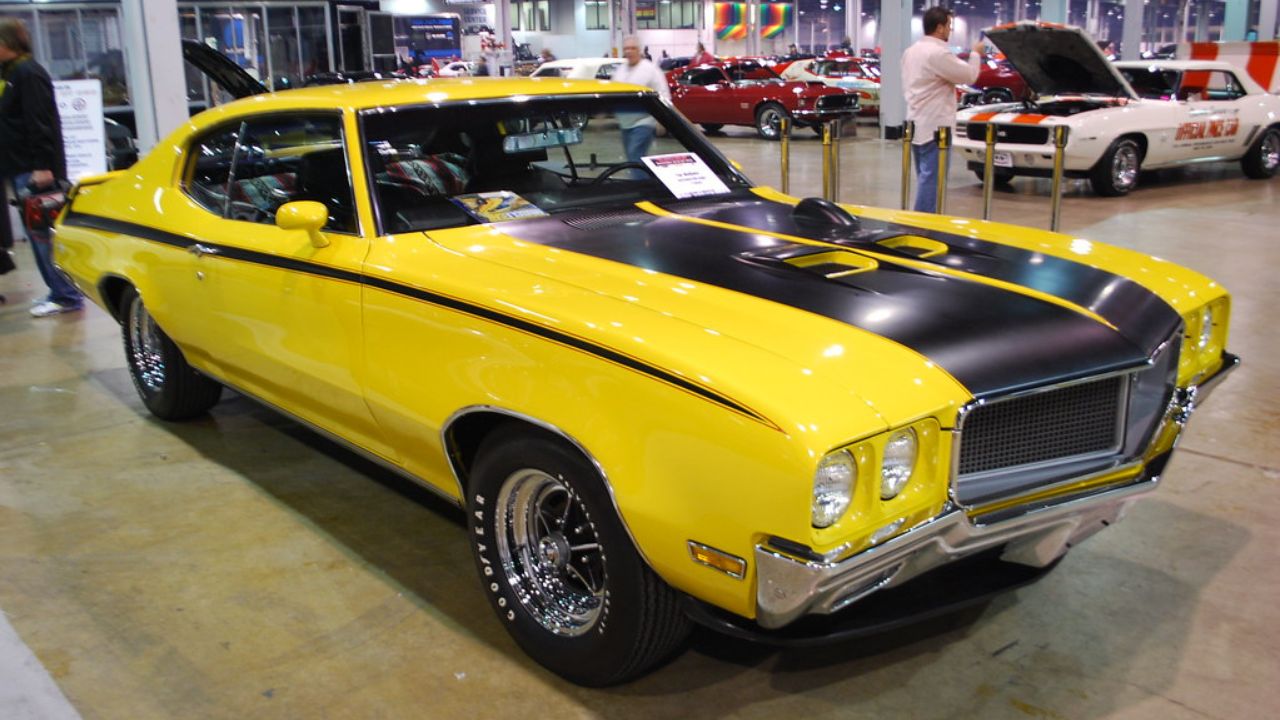
Don’t let the Buick badge fool you—the GSX Stage 1 was nothing close to tame. Its 455-cubic-inch V8 made 360 hp and a massive 510 lb-ft of torque, most of it available under 3,000 rpm. It wasn’t about revs—it was about brutal low-end pull.
Only available in Apollo White or Saturn Yellow, the GSX came with a functional hood scoop, upgraded suspension, and 3.64 gears. It was built for straight-line speed but handled better than expected for a car of its size. Buick kept the comfort, but let the engine off the leash.
1964 Pontiac GTO
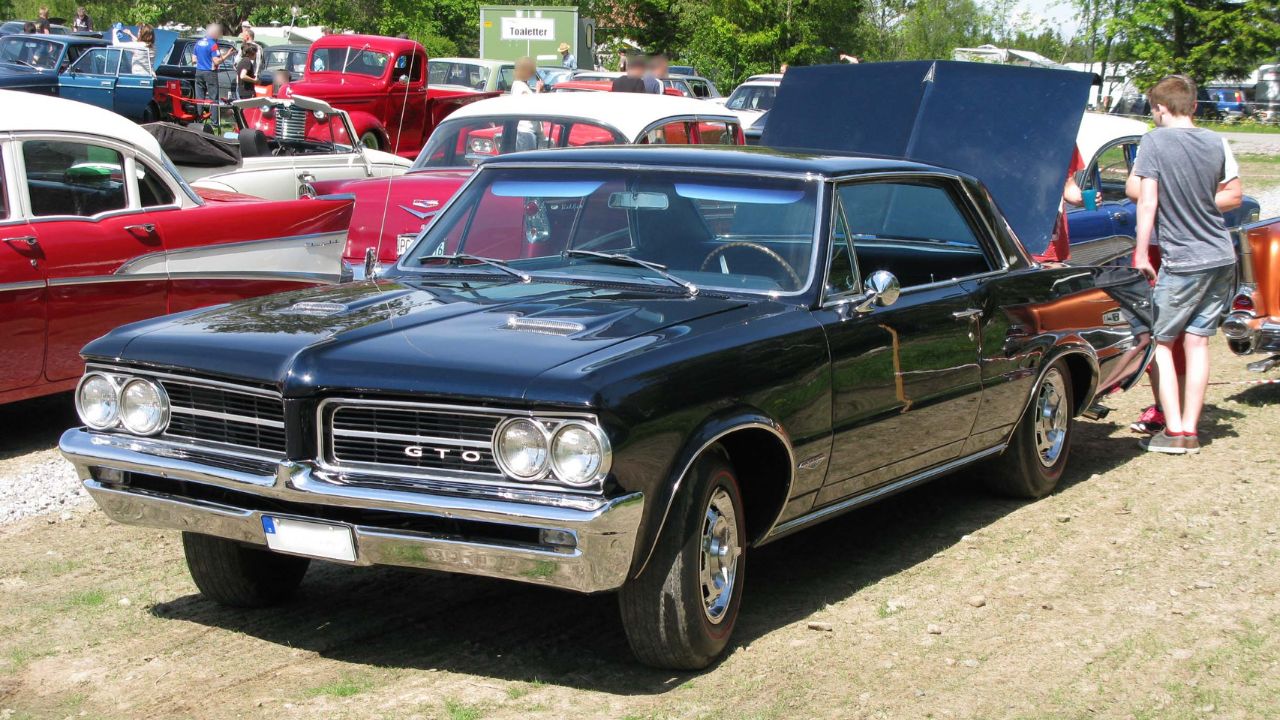
This is the one that kicked off the whole muscle car idea. When Pontiac engineers slipped a 389 V8 into the midsize Tempest and paired it with a manual transmission and tri-power carbs, they weren’t just chasing speed—they were rewriting the rules.
The original GTO made 325–348 hp depending on configuration, and it ran the quarter in under 15 seconds—a big deal in 1964. It had optional rally gauges, a wood wheel, and even a transistorized reverb unit for the radio. This wasn’t a full-size bruiser—it was mid-sized rebellion.
1971 Ford Mustang Boss 351
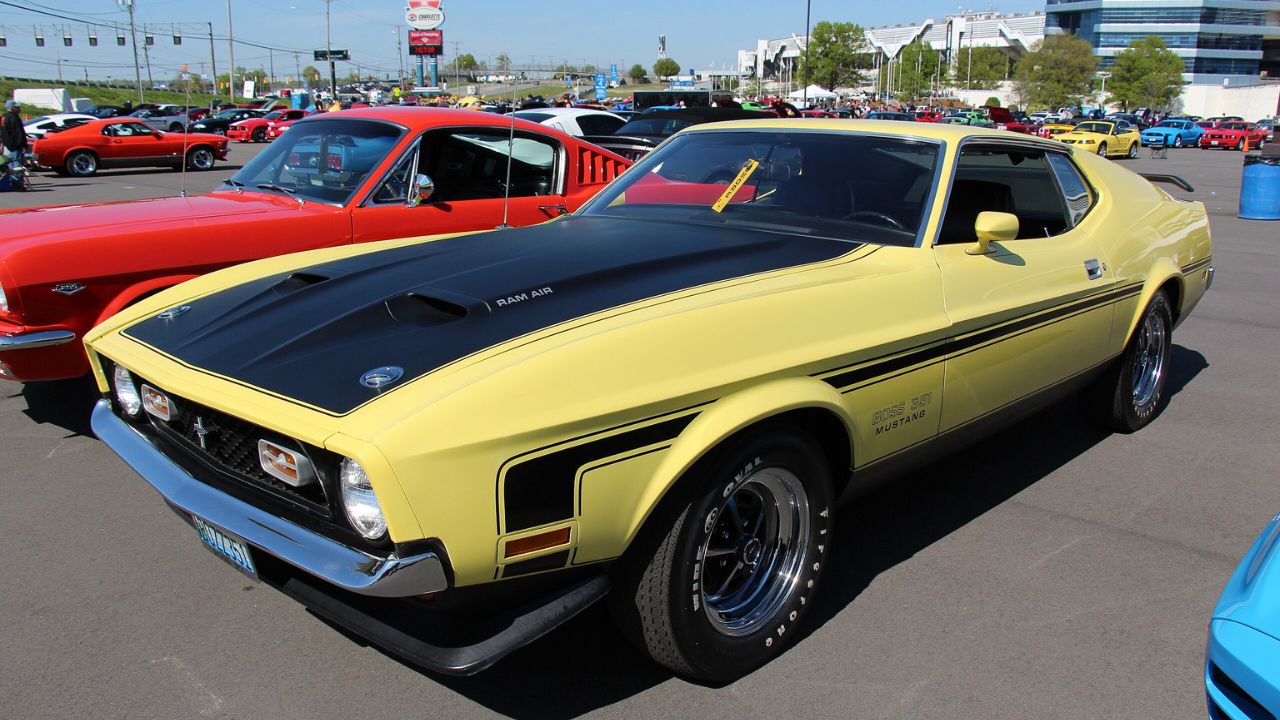
The Boss 351 was the last real performance Mustang before insurance rates and emissions rules cut the legs out from under the muscle car era. Its 351 Cleveland V8 made 330 hp with a solid-lifter cam, big ports, and a 6,150 rpm redline.
0–60 came in under 6 seconds, and it could trap a quarter in the high 13s. Ford gave it a 4-speed, 3.91 gears, and stiffer suspension to keep it planted. It had the looks of the Mach 1 but performed like a track-ready car. Short-lived, but all business.
Like Fast Lane Only’s content? Be sure to follow us.
Here’s more from us:
*Created with AI assistance and editor review.