
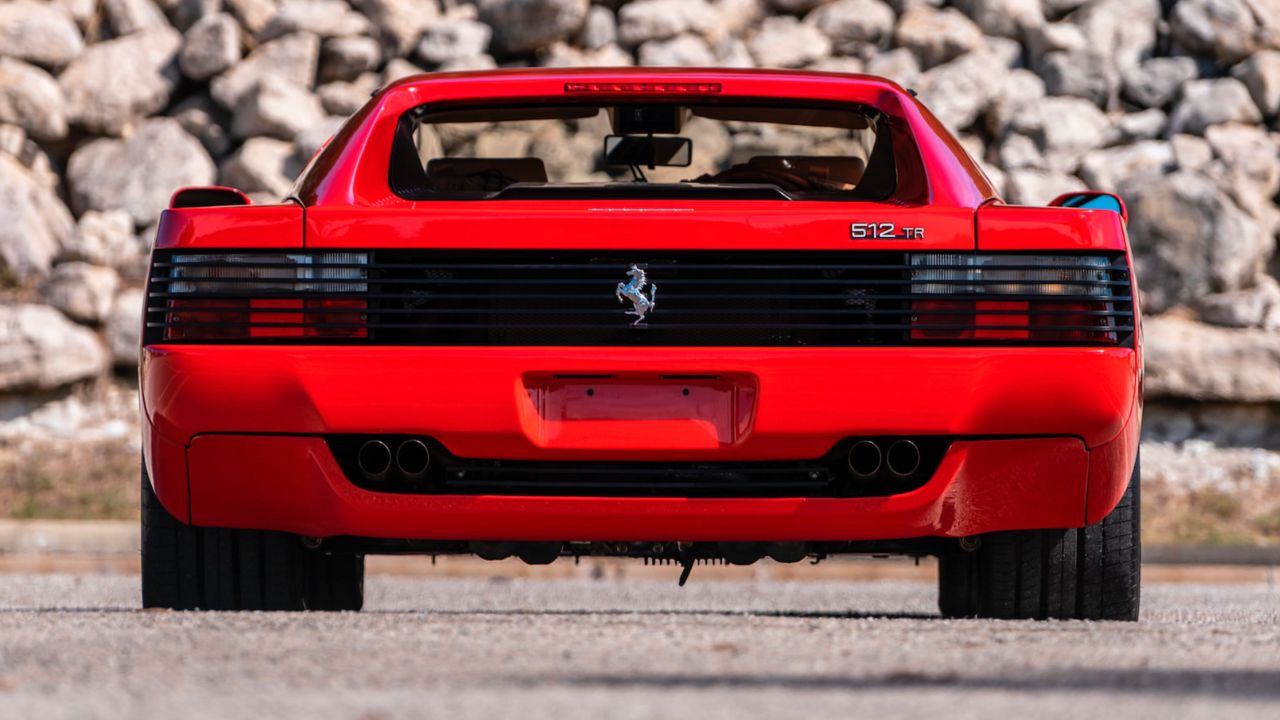
When Ferrari updated the Testarossa in the early ’90s, they didn’t just tweak a few lines and call it a day. The 1993 512TR was a serious evolution—more power, better balance, and a far more sorted drive. It still had that massive flat-12 tucked behind the seats, but now it actually felt like the rest of the car could keep up with it.
This was the end of an era. The 512TR was loud, wide, and unapologetically mechanical—one of the last Ferraris before refinement started to soften the edges. Here’s what made it special then—and why it still holds up today.
A Sharper Blade Than the Testarossa
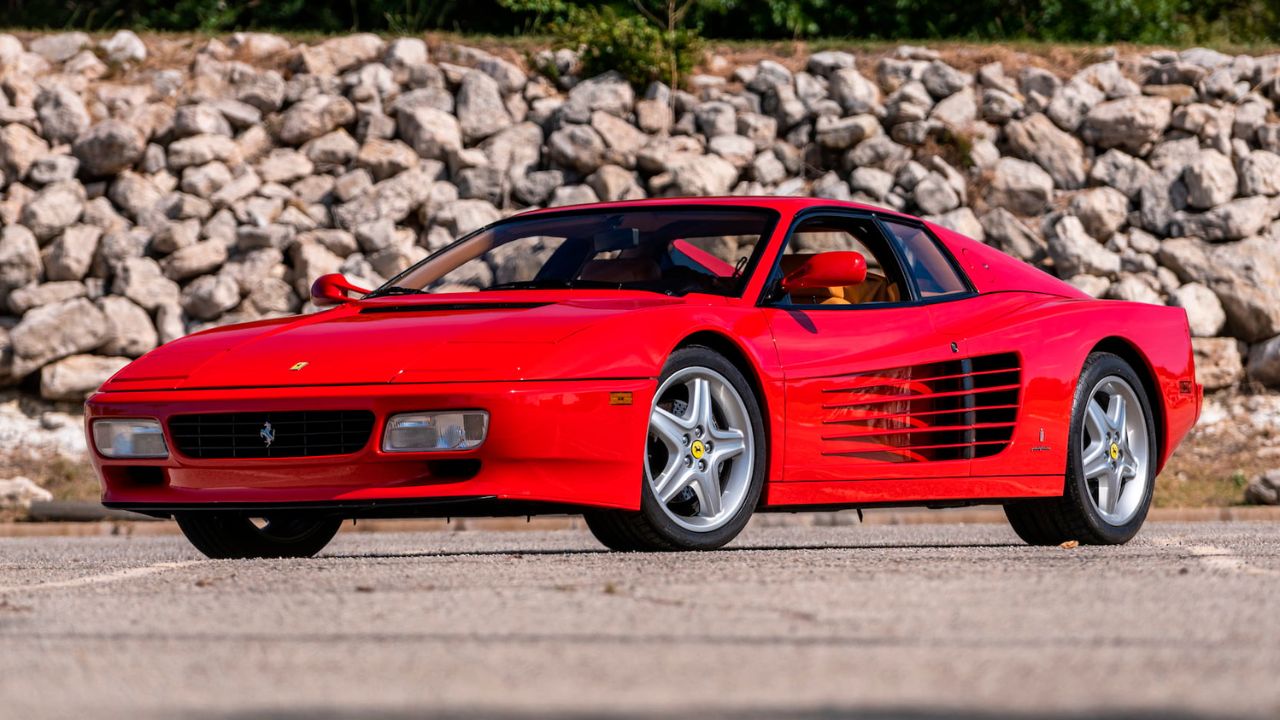
The 512TR wasn’t just a facelift—it was a serious mechanical update over the Testarossa. Ferrari reworked the chassis, suspension, and engine placement, improving weight distribution and handling. It still carried that rear-mid mounted 4.9L flat-12, but now it pushed 428 horsepower—about 38 more than its predecessor.
Styling tweaks included a cleaner nose, updated wheels, and subtle body refinements. But the real difference showed up in the driving. The 512TR lost some of the drama of the original but replaced it with sharper feedback and more composure at high speeds.
That Flat-12 Still Barks Like a Beast
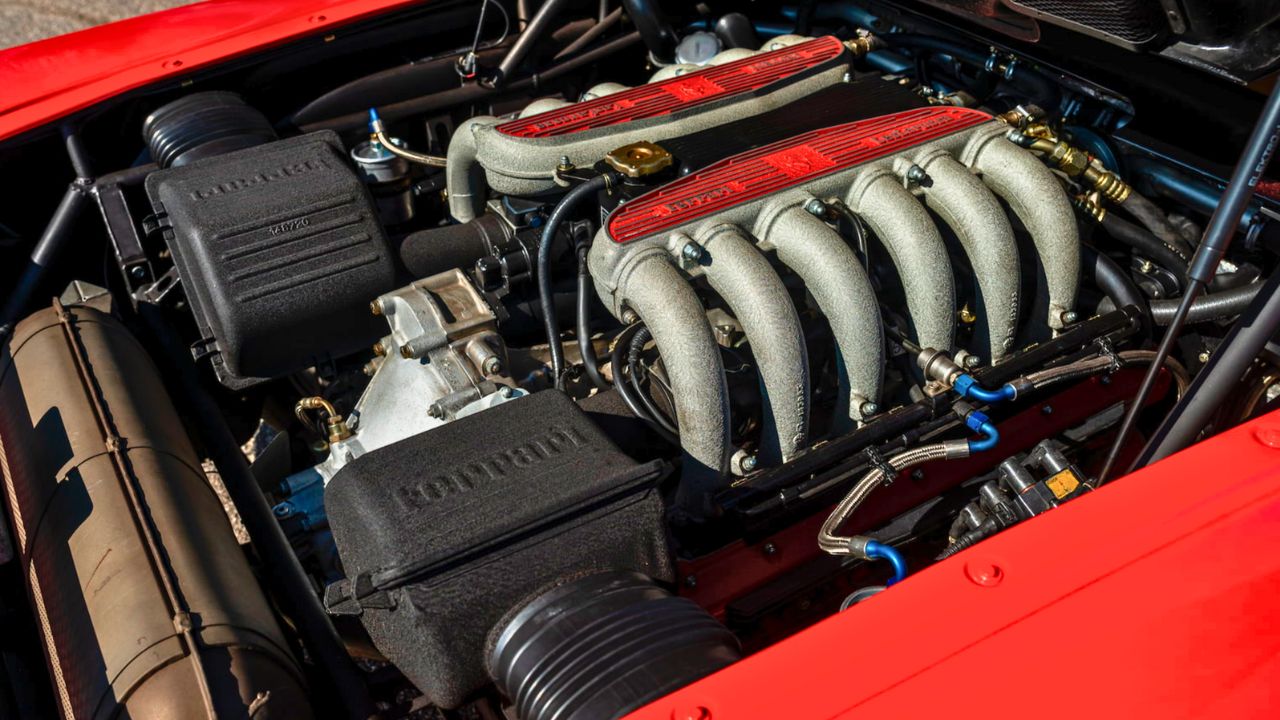
Ferrari stuck with the 4.9-liter Tipo F113 flat-12, now with revised intake runners, better engine management, and a freer-breathing exhaust. Peak power came in at 6,750 rpm, with 362 lb-ft of torque at 5,500 rpm. It wasn’t turbo quick, but it pulled clean and hard all the way up.
Sound-wise, the 512TR had that raw, mechanical howl Ferrari never quite replicated again. You could hear the intake note growl behind your head, and the open exhaust let the car breathe just enough to feel unruly—but never out of control.
A Gated Manual That Still Feels Right
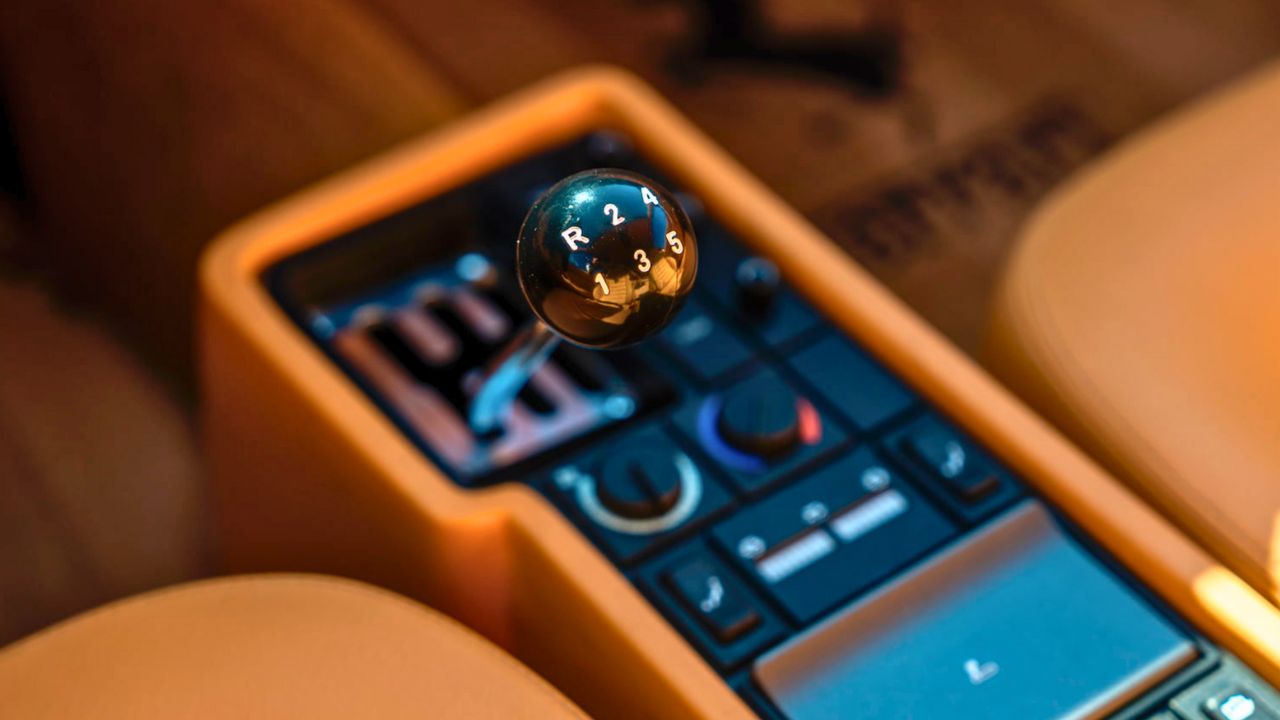
Mated to that flat-12 was a 5-speed gated shifter—arguably one of the last great Ferrari manuals before things got too refined. In the 512TR, Ferrari revised the clutch and linkage, making shifts crisper and engagement easier.
It wasn’t a quick-shifting gearbox by today’s standards, but it had feel and weight. Working through the gears took a bit of effort, especially in traffic, but when the car was moving, it was engaging in the way only a mechanical gearbox can be.
Suspension Tuned for Real Speed
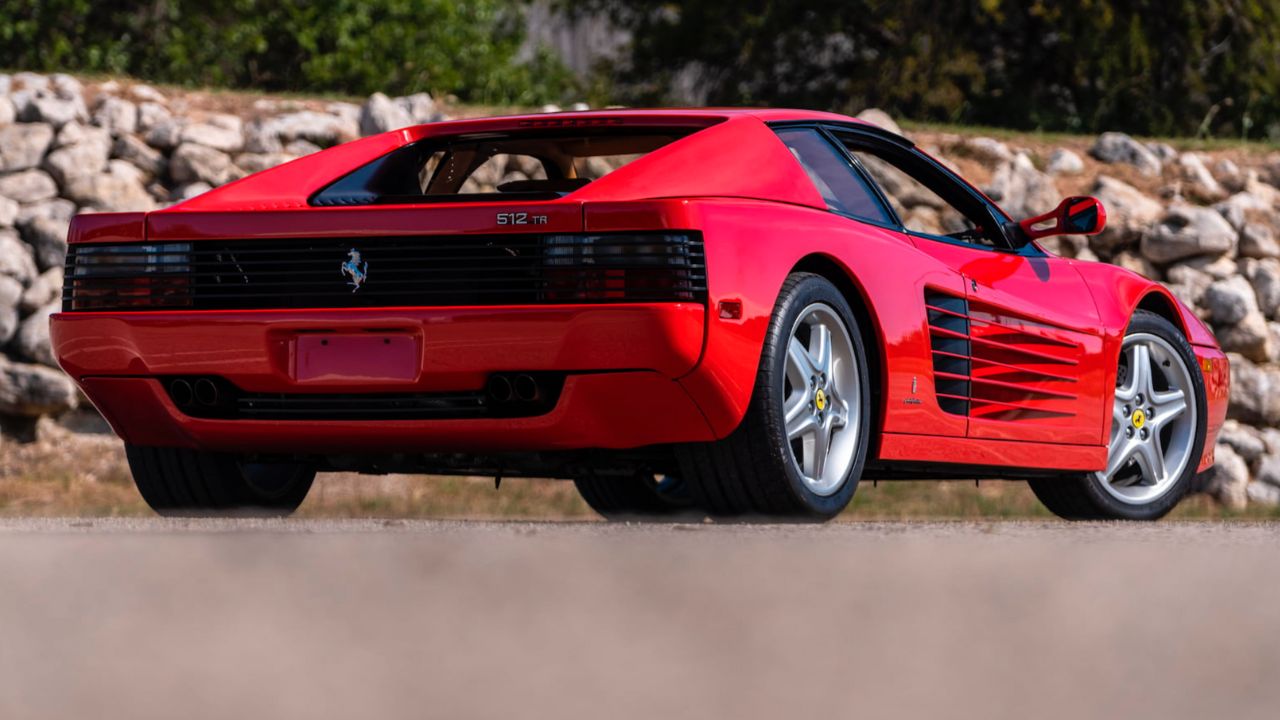
Ferrari gave the 512TR retuned coil springs, updated bushings, and revised geometry up front to reduce understeer. It sat slightly lower than the Testarossa and rode on 18-inch wheels—an upgrade from the original’s 16s.
The car was still wide and demanded space, but the changes helped tame the high-speed floatiness of the earlier car. It felt more planted, with less roll and sharper turn-in. On back roads or the autobahn, it soaked up speed like it was built for it—because it was.
Cabin Comfort, With a Little Restraint
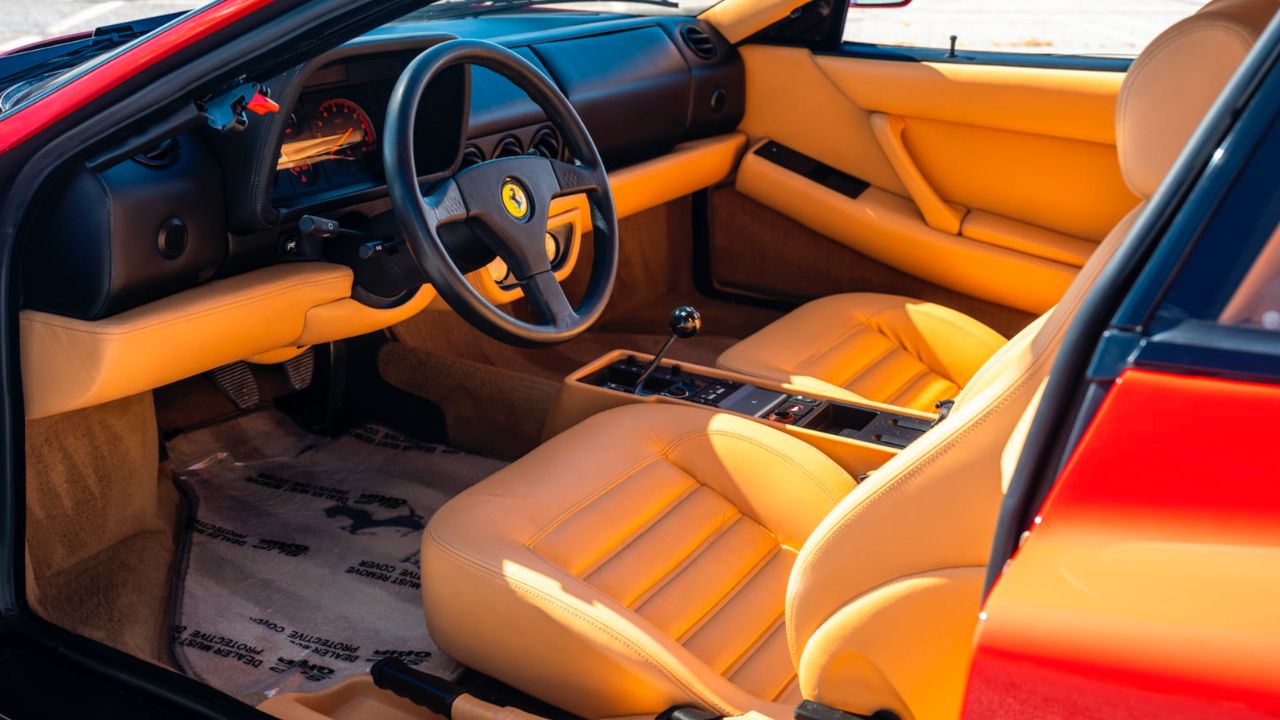
The interior was more refined than the Testarossa’s, but it still wasn’t what you’d call plush. Ferrari reworked the seats for better bolstering and updated the dash with a cleaner, more modern layout. Leather wrapped most of the surfaces, and switchgear was a little less scattered.
It still had quirks—like the awkward seating position and low-mounted pedals—but that was part of the era. Visibility was decent for a supercar, and it didn’t feel like you were buried inside. It wasn’t built for daily comfort, but it didn’t punish you either.
Performance Still Holds Up
With a 0–60 mph time of 4.8 seconds and a top speed of 195 mph, the 512TR was quick for its time—and honestly, still respectable now. It weighed just over 3,600 pounds, which wasn’t light, but that flat-12 had no problem hauling it forward.
Power delivery was linear, and it always felt ready to stretch its legs. The car didn’t feel twitchy or overly sensitive—just responsive. Get it out of second gear and it came alive, especially in the mid-range where that torque started to show up.
Brakes That Finally Matched the Speed
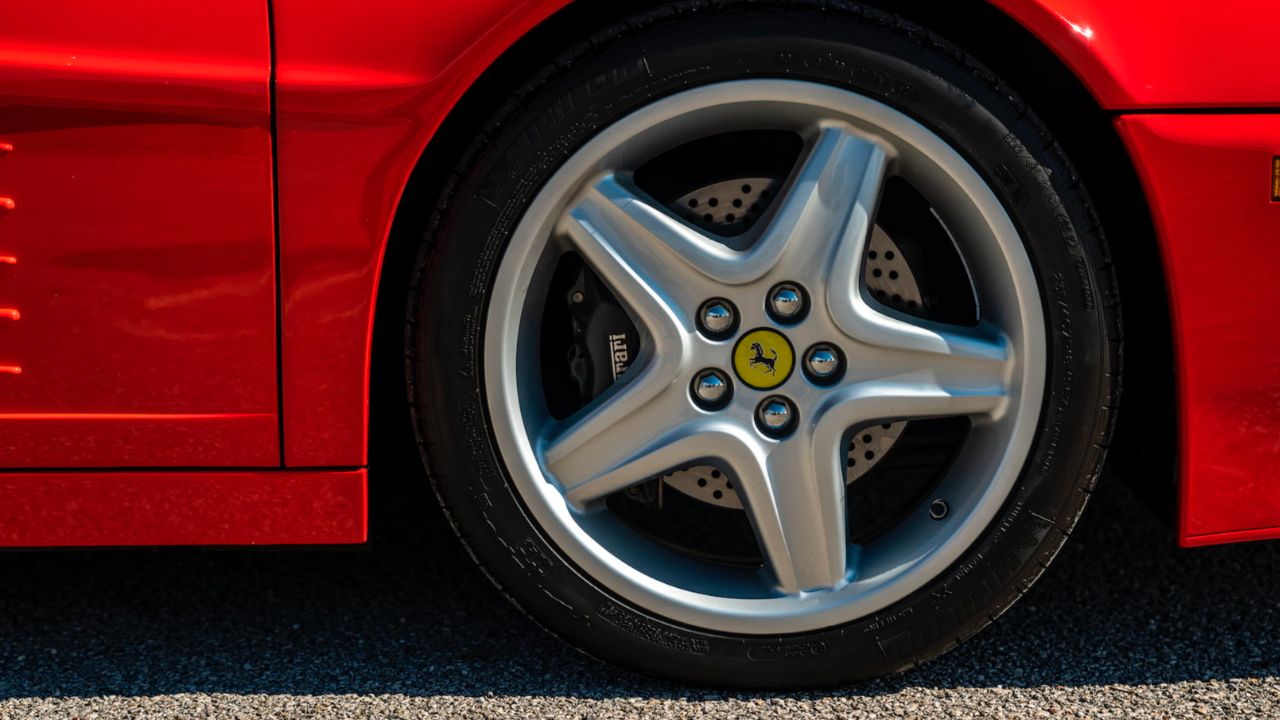
One of the major upgrades on the 512TR was its braking system. Ferrari fitted it with larger, cross-drilled ventilated discs—12.4 inches up front and 12.2 in the rear. Pedal feel was vastly improved, giving the driver more confidence under pressure.
It wasn’t ABS-heavy, so you still had to modulate with your foot. But fade was less of an issue compared to the Testarossa. On fast roads or even light track use, the brakes gave you enough stopping power to trust them when speeds got serious.
Design That’s Still Pure ’90s Ferrari
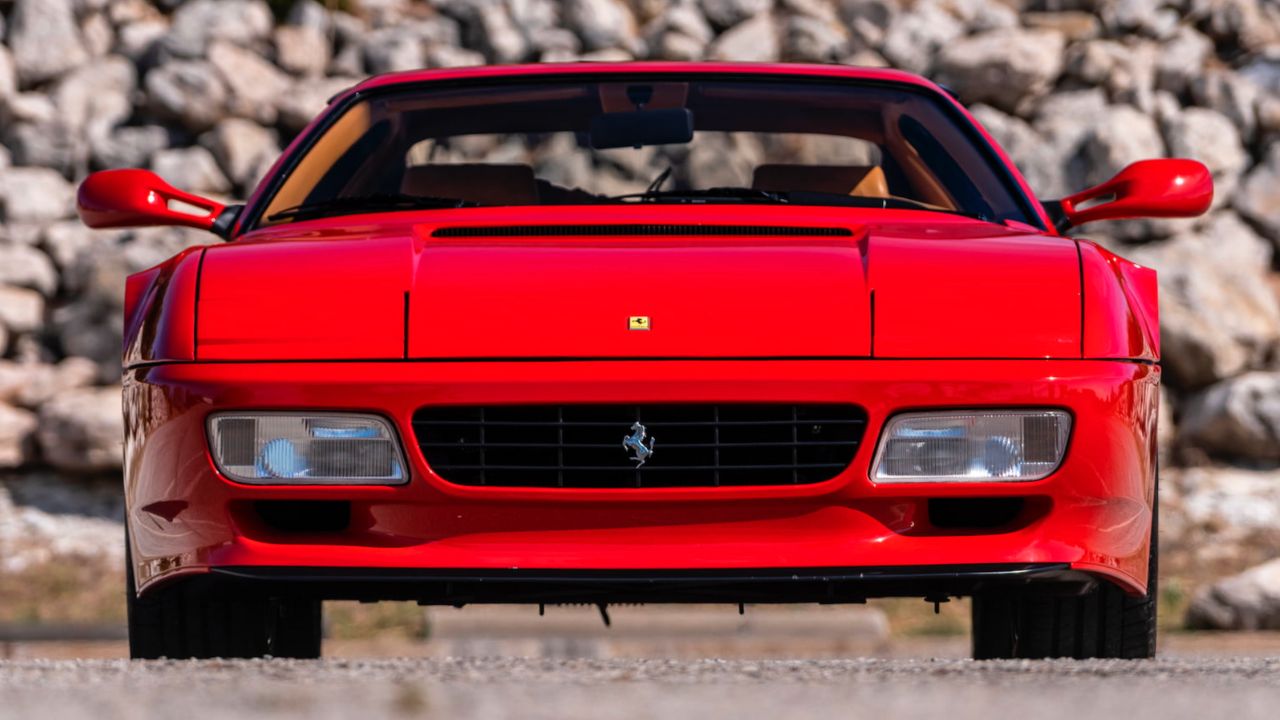
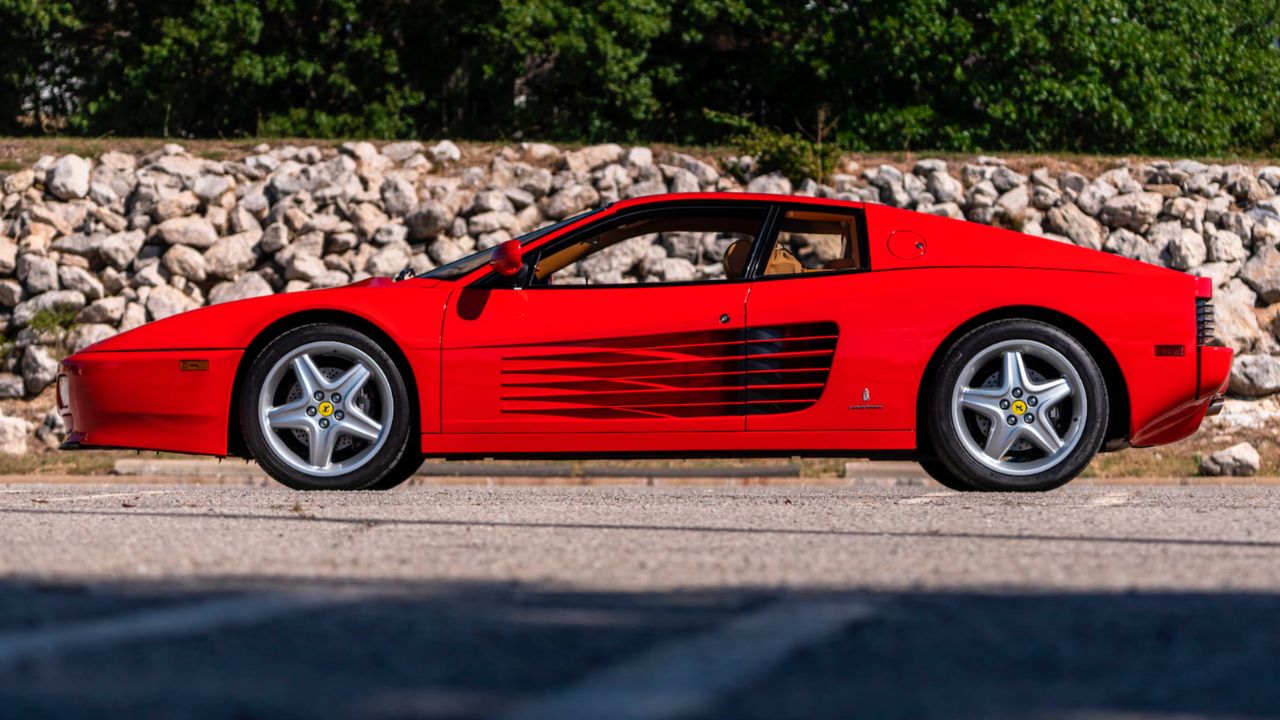
The 512TR kept the classic wedge profile and side strakes but cleaned up the proportions. The front fascia was smoother, the rear deck was tighter, and the car as a whole looked more purposeful than flashy. It was Ferrari refining their poster car without losing the edge.
It had presence without being overdone—something that’s hard to find today. The 512TR looked fast standing still, but it didn’t scream for attention. It was the last Ferrari that fully wore the Testarossa DNA before the 512M polished it down to something less raw.
It Wasn’t Built for Everyone
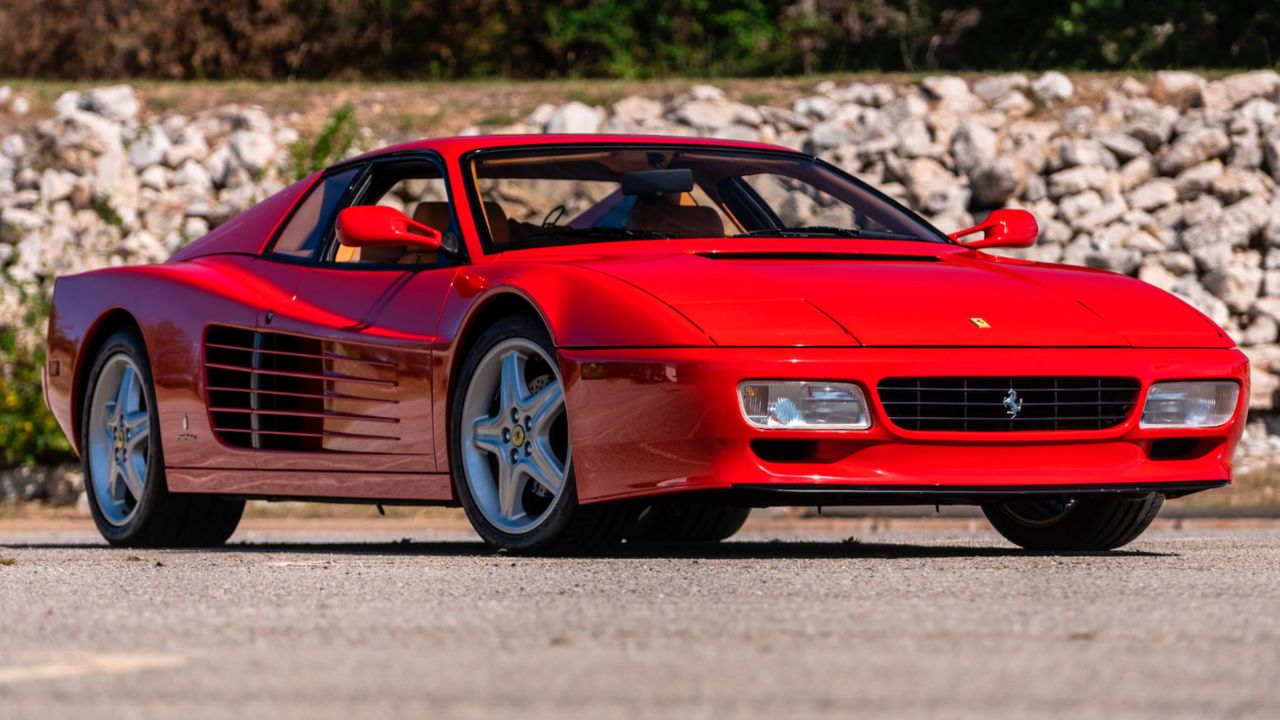
By 1993, Ferrari wasn’t chasing mass appeal with the 512TR. It cost well over $200,000 new, and production was limited to just over 2,200 units globally. You had to really want it—especially with the NSX and 911 Turbo offering cheaper alternatives.
But that’s part of what gives the 512TR its charm. It didn’t try to please everyone. It was wide, demanding, expensive, and sometimes frustrating. But when it worked, it gave you something truly visceral. That made it worth the effort then—and it still does now.
A Turning Point in Ferrari’s V12 Era
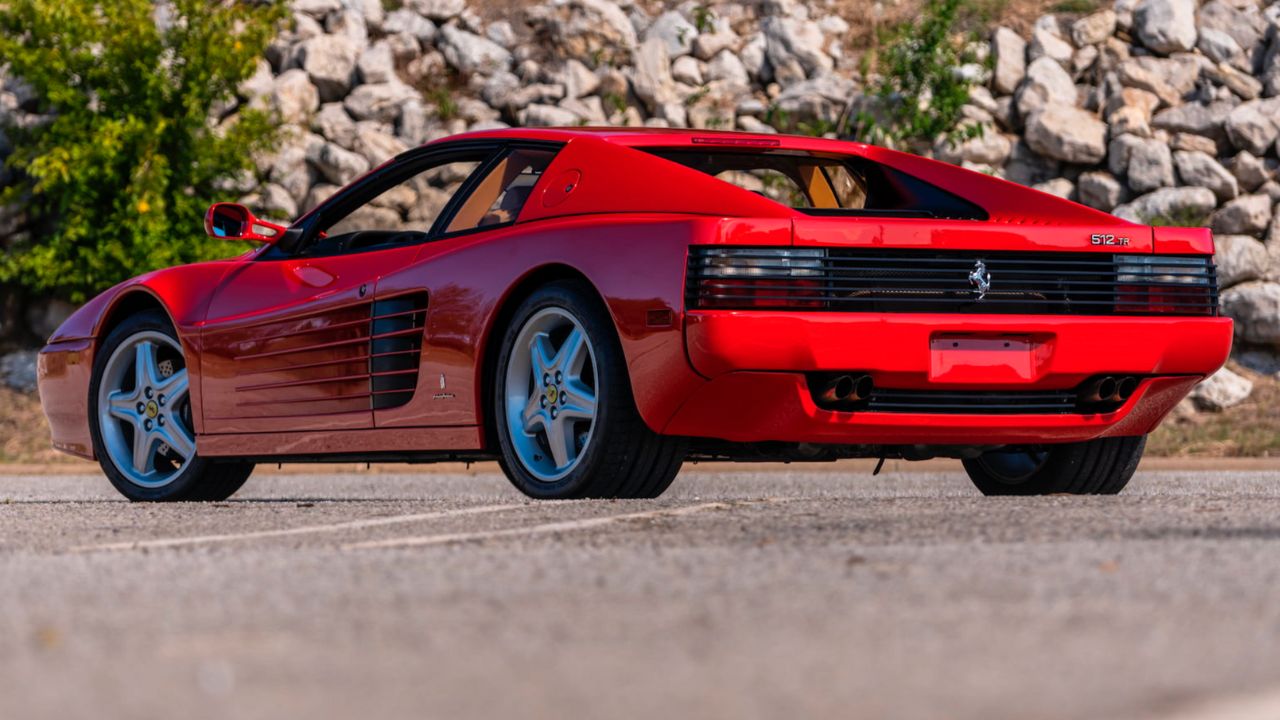
The 512TR marked the beginning of the end for the flat-12. By the time the 512M came around, Ferrari was already eyeing the future. The V12s moved back to the front, and the flat-12 was done. The 512TR was the last model to really capture that raw, widebody character.
It came from a time when Ferrari still did things with a bit of drama and a lot of feel. It wasn’t the fastest or the most advanced car they made—but it was one of the last to really feel alive. And that’s why it still matters.
Like what you read? Here’s more by us:
*Created with AI assistance and editor review.

Leave a Reply