
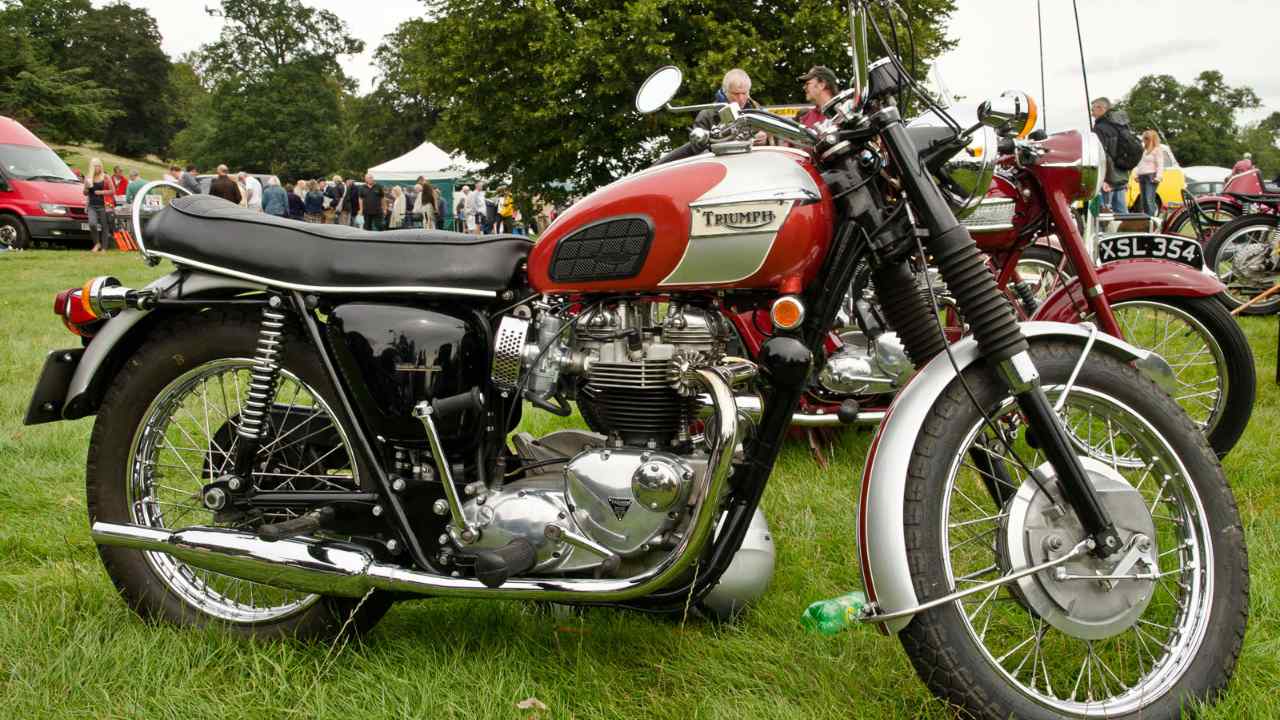
For motorcycle enthusiasts, certain classic models not only defined their era but also set new standards for performance and style. These iconic machines transcended their time, offering technology and aesthetics that still resonate today. Let’s explore six motorcycles that truly outperformed their era.
Harley-Davidson Knucklehead
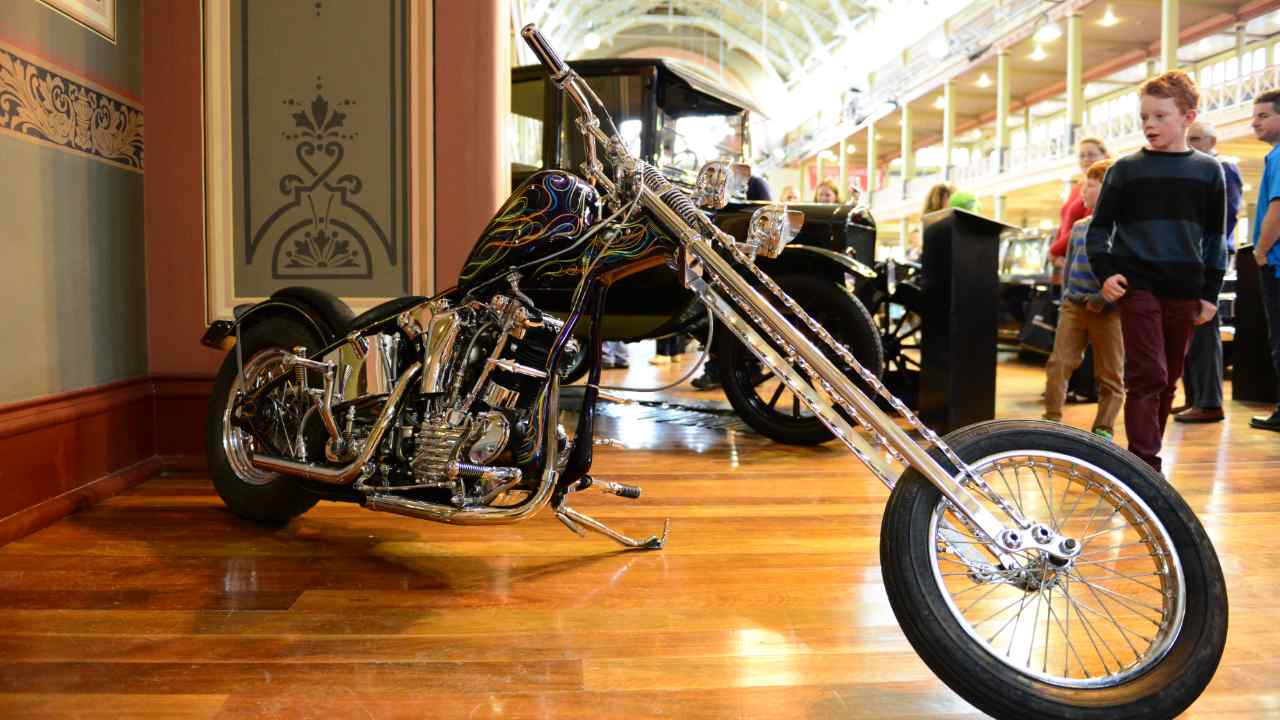
The Harley-Davidson Knucklehead, produced between 1936 and 1947, was a pioneering motorcycle that introduced the overhead valve engine to Harley’s lineup. This innovative engine design offered improved performance and reliability, making it a favorite among riders. The Knucklehead’s distinctive styling, with its polished aluminum heads, set it apart visually from its contemporaries.
The 61 cubic inch engine, known as the EL model, was the first to break away from the flathead design, providing a boost in horsepower and efficiency. Its impact was such that the Knucklehead laid the groundwork for future Harley engines, influencing the brand’s design philosophy for decades to come.
Triumph Bonneville T120
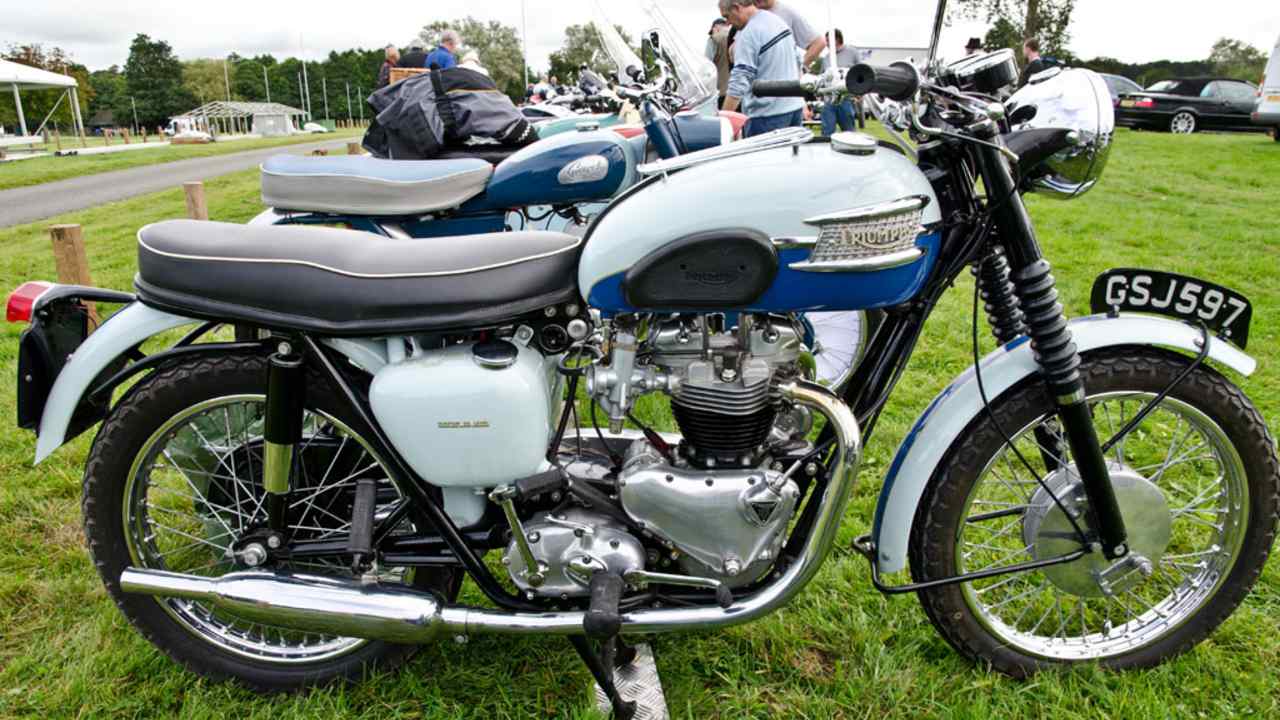
The Triumph Bonneville T120, first introduced in 1959, quickly became a staple in the motorcycle world. Named after the Bonneville Salt Flats, where Triumph set numerous speed records, this model was a powerhouse of British engineering. Its 650cc parallel-twin engine delivered smooth power and performance that was ahead of its time.
The T120’s classic design, characterized by its teardrop fuel tank and dual-tone paint scheme, remains iconic to this day. Its versatility and reliability made it a favorite among racers and casual riders alike, cementing its status as a legendary motorcycle.
Honda CB750
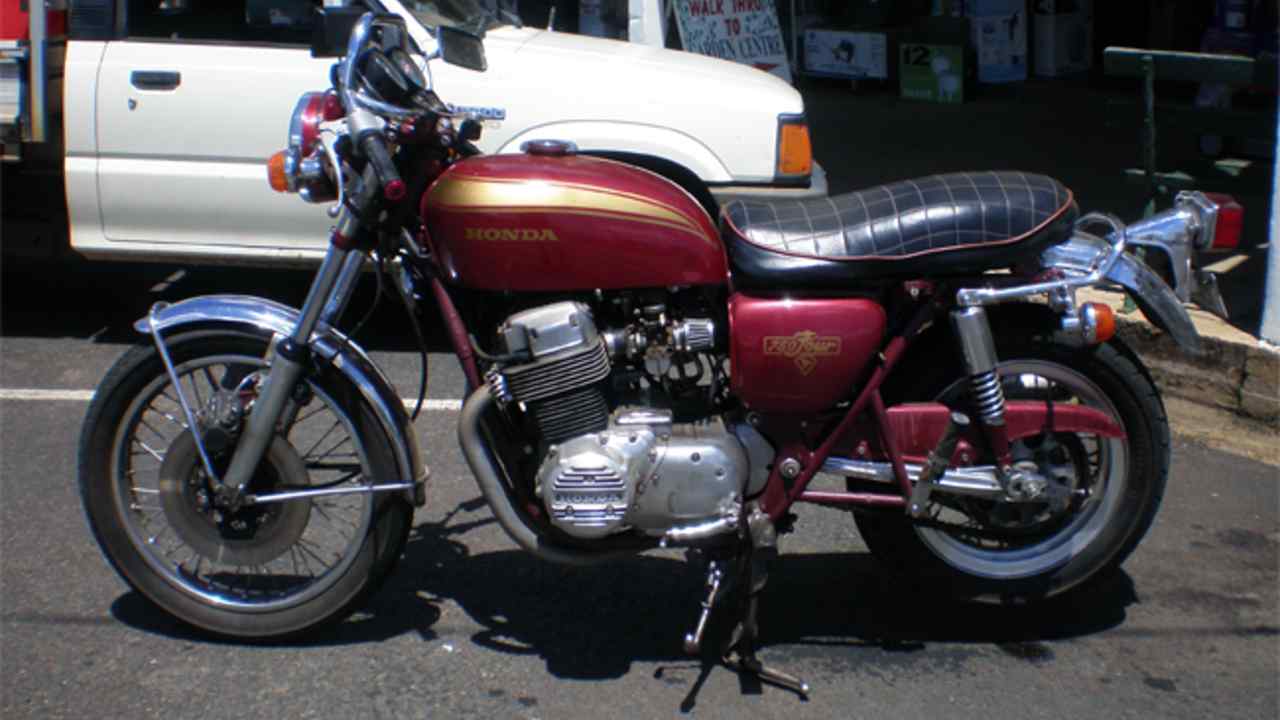
Launched in 1969, the Honda CB750 revolutionized the motorcycle world with its advanced engineering and performance capabilities. It was the first production motorcycle to feature a transverse, inline four-cylinder engine, setting a new standard for power and speed. The CB750’s electric start and front disc brake were groundbreaking features that enhanced safety and convenience.
The CB750’s influence extended beyond its technical innovations. Its affordability and reliability opened up motorcycling to a broader audience, making it a flagship model for Honda and a beloved classic among enthusiasts.
BMW R90S
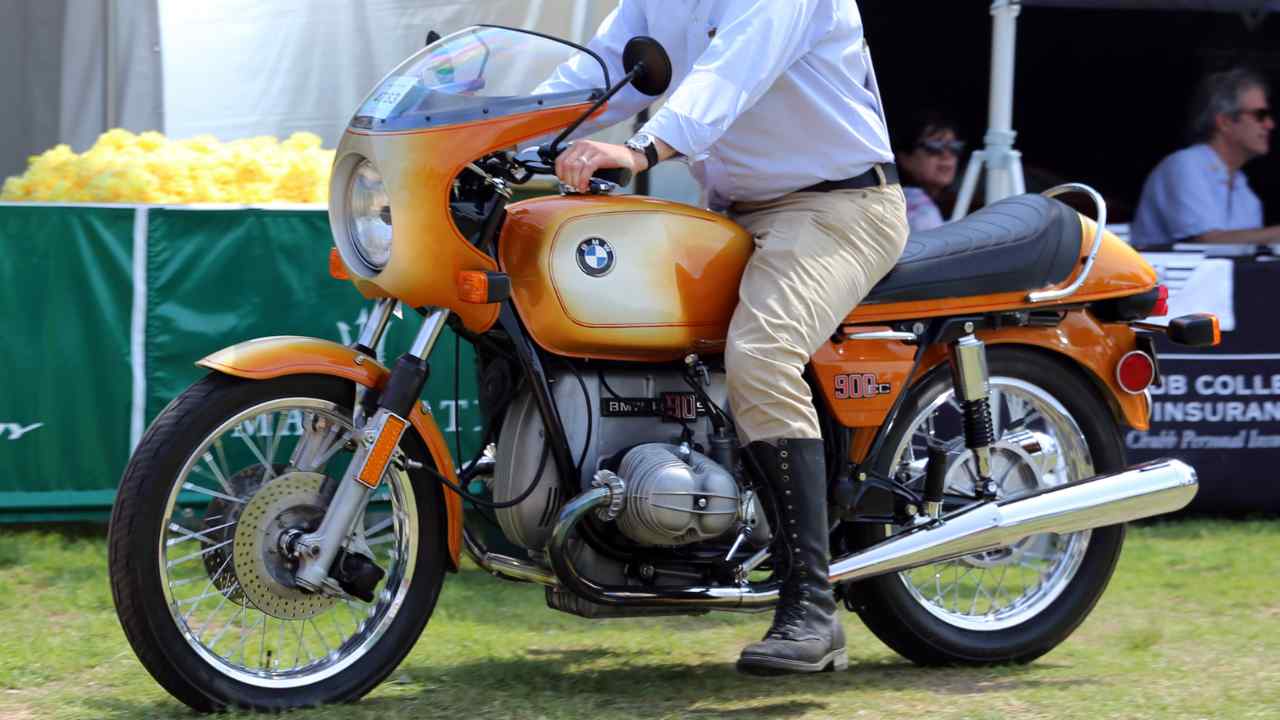
The BMW R90S, introduced in 1973, was a game-changer in the world of sport touring motorcycles. With a 900cc boxer engine, the R90S offered unparalleled performance, capable of reaching speeds over 120 mph. Its distinctive design, featuring a bikini fairing and striking paintwork, was both functional and visually appealing.
Renowned for its handling and stability, the R90S dominated endurance races like the 24 Hours of Daytona. It showcased BMW’s commitment to blending performance with luxury, setting a precedent for future models in the sport touring category.
Kawasaki Z1
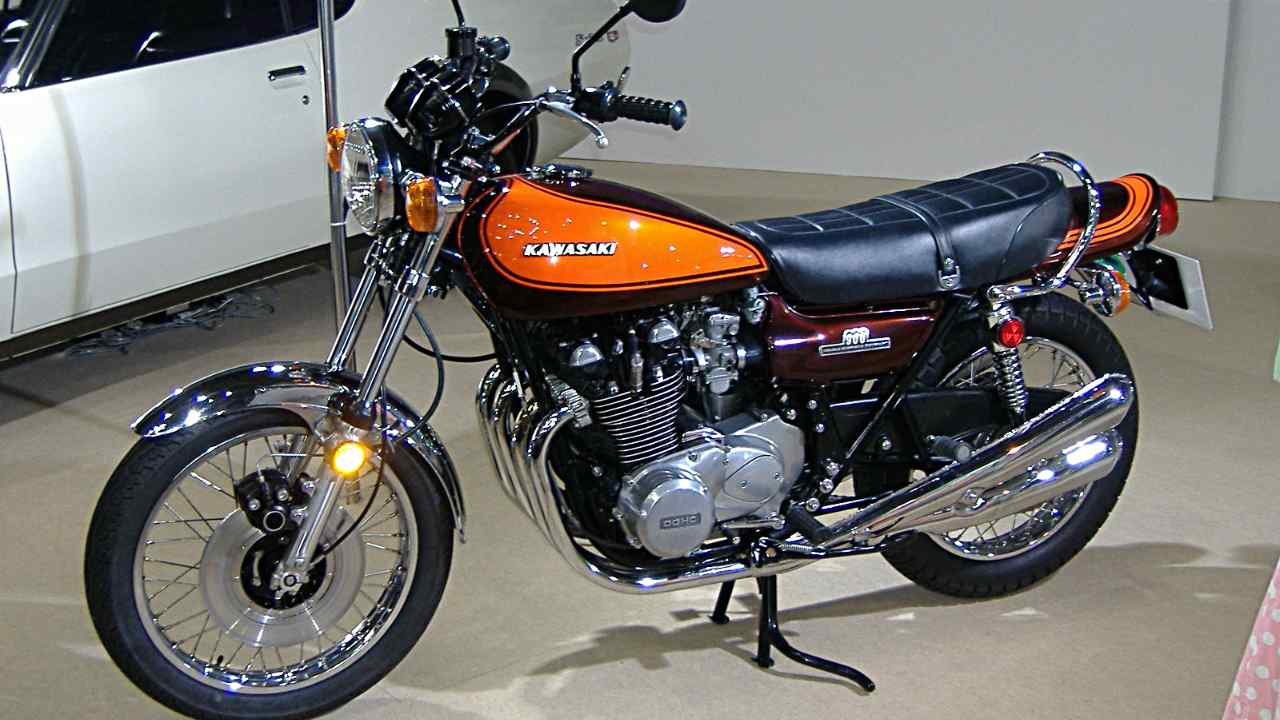
When Kawasaki introduced the Z1 in 1972, it instantly became a sensation. With a 903cc four-cylinder engine, the Z1 was the most powerful production motorcycle of its time. Its performance capabilities challenged the dominance of European manufacturers, establishing Kawasaki as a serious contender in the global market.
The Z1’s bold styling and impressive speed made it a favorite among thrill-seekers and racers. Its success paved the way for the Z-series, which continues to be a cornerstone of Kawasaki’s lineup, influencing the design and engineering of future models.
Ducati 750SS
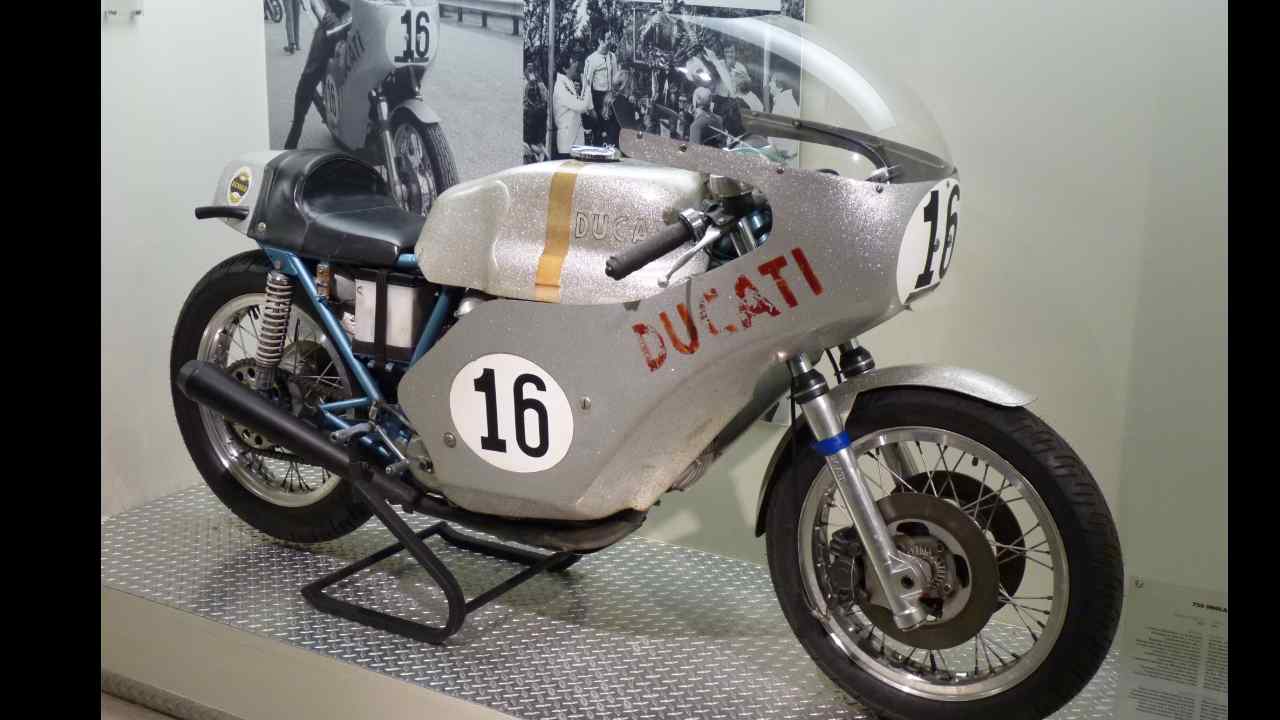
The Ducati 750SS is often regarded as one of the most beautiful and performance-oriented motorcycles of the 1970s. Introduced in 1972, it featured a 748cc V-twin engine that delivered exceptional power and agility. The 750SS gained fame after winning the Imola 200 race, solidifying its reputation as a racing legend.
With its distinctive desmodromic valve system and sleek Italian design, the 750SS embodied Ducati’s commitment to innovation and performance. Its racing pedigree and timeless aesthetics continue to inspire modern Ducati models, making it a classic that truly outperformed its era.
Like Fast Lane Only’s content? Be sure to follow us.
Here’s more from us:
*Created with AI assistance and editor review.

Leave a Reply