
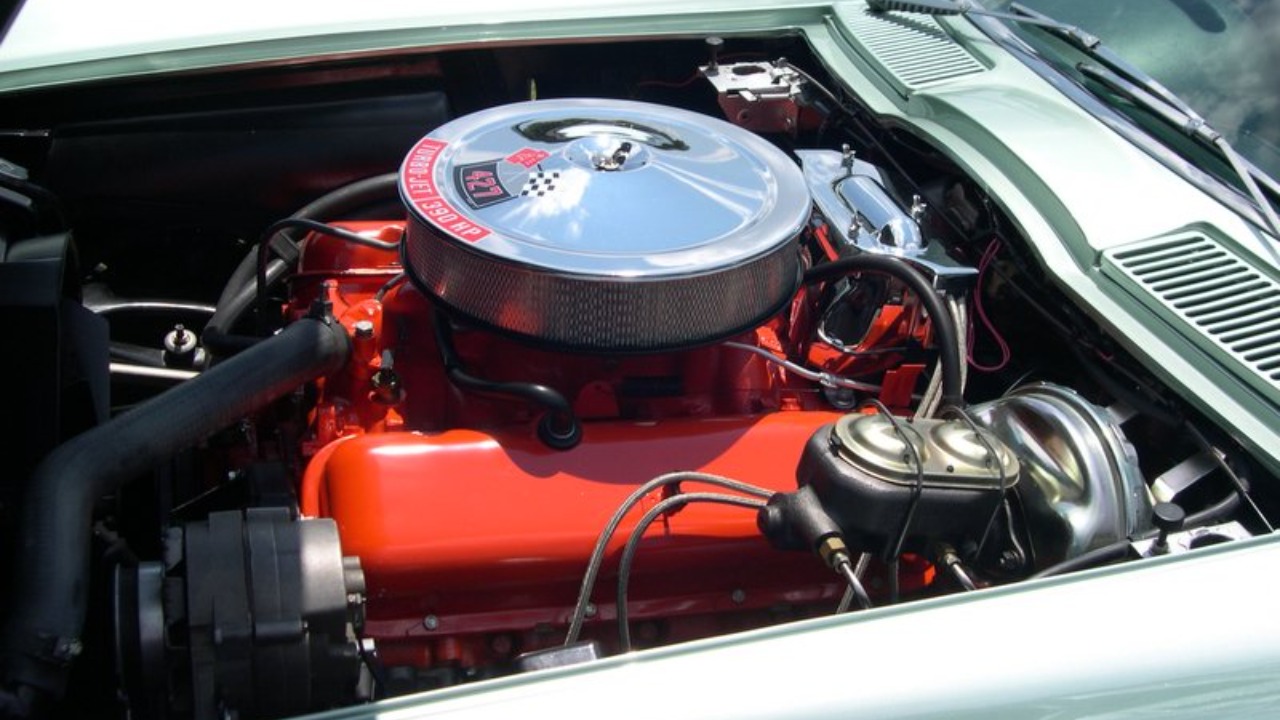
Some of the most valuable collector cars on the market started life as ordinary showroom models, then rocketed into six-figure territory thanks to one factory-ordered engine. I look at six powerplants whose option codes turned family coupes and sedans into blue-chip assets, proving that the right motor can be the difference between a used car and a million-dollar collectible.
The Chrysler 426 Hemi Engine
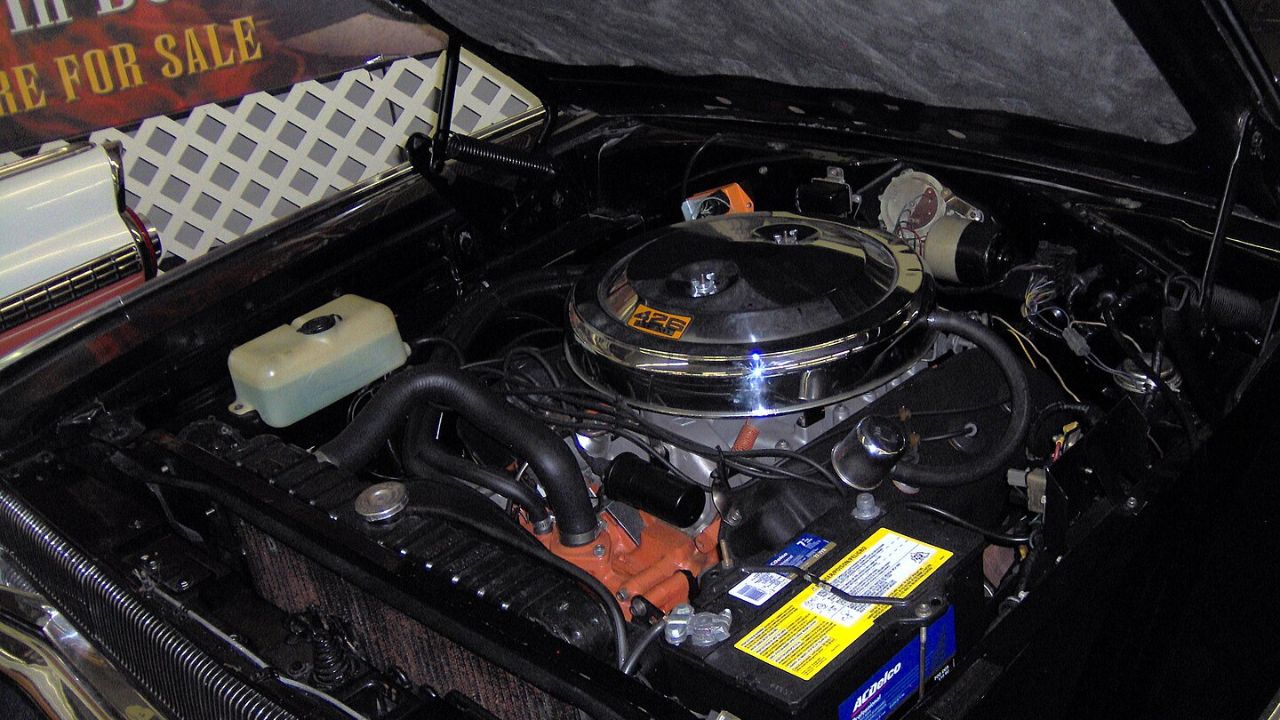
The Chrysler 426 HEMI was the ultimate box to tick on a late‑1960s order form, especially on cars like a 1968 Dodge Charger. As a rare factory option, it combined brutal performance with very limited production, which is exactly the recipe that recent reporting on rare factory options identifies as the path to million‑dollar valuations. Collectors now pay six and even seven figures for well-documented HEMI cars because the engine instantly separates them from otherwise similar small‑block models.
Power claims were part of the legend. Testing of a stock 426 by Mopar Connection Magazine probed whether the HEMI really produced the 425 horsepower that Chrysler advertised, underscoring how seriously enthusiasts take those factory numbers. For investors and historians, that combination of verifiable output, racing pedigree and scarcity makes HEMI‑equipped Chargers, Road Runners and ‘Cudas cornerstone assets in any high‑end muscle collection.
The Ford 427 SOHC Cammer Engine
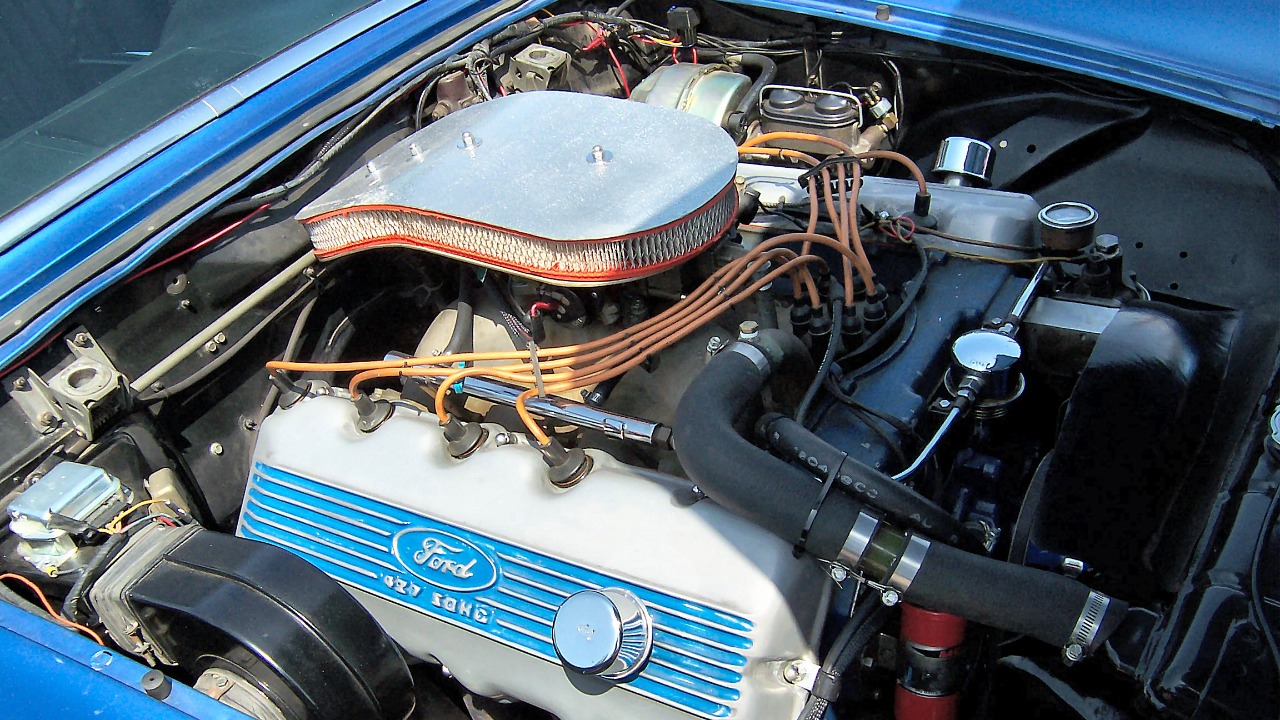
The Ford 427 SOHC “Cammer” engine was conceived for competition, but as a limited-production factory option it occasionally found its way into 1960s Mustangs and Shelbys. When installed, it transformed relatively attainable pony cars into six‑figure collectibles by pairing everyday body shells with exotic racing hardware. Coverage of top 10 engines that turned ordinary cars into legends consistently highlights the 427 SOHC because its overhead cam design and huge displacement delivered power levels that street rivals could not match.
That racing heritage is central to its current value. The Cammer’s development for high-speed oval and drag use means surviving street cars carry direct links to Ford’s most aggressive competition programs. For collectors, documentation proving a genuine 427 SOHC installation can multiply a car’s price compared with a standard 427 FE, illustrating how a single engine code can move a Mustang or Shelby from enthusiast toy to serious investment-grade artifact.
The Chevrolet 427 Big-Block V8
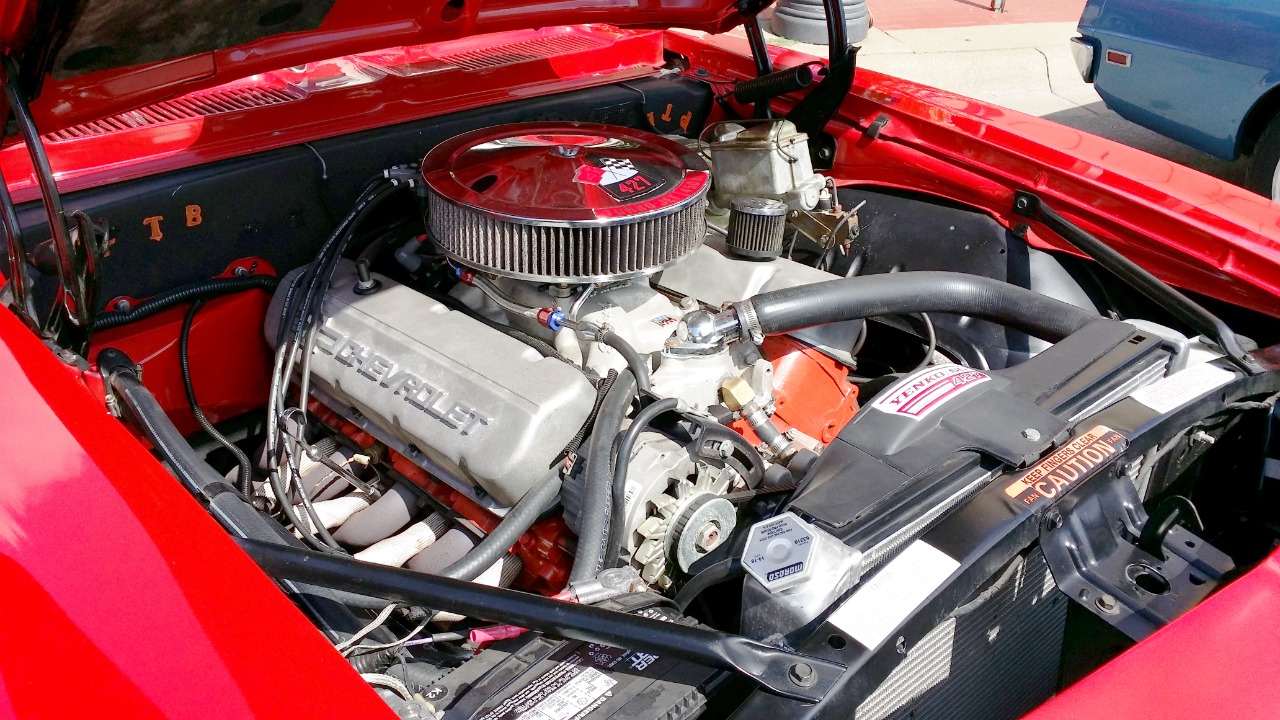
Chevrolet’s 427 big‑block V8 was available as an optional engine in 1960s Corvettes and Impalas, and that choice now defines which examples command the highest prices. In period, the 427’s dominance in drag racing and other straight‑line contests turned otherwise family‑friendly Chevrolets into feared street machines. Modern coverage of the baddest big‑blocks in Muscle Cars from The Brothers Collection repeatedly points to 427‑equipped Chevrolets as benchmarks for factory-installed performance.
That competition record now translates directly into auction premiums. A 427‑powered Corvette with the right carburetion and documentation can sell for several times the value of an otherwise similar small‑block car, because buyers are paying for both the engine’s capability and its role in Chevrolet’s performance mythology. The 427 option effectively turned mass‑produced coupes and convertibles into blue‑chip collectibles that sit at the top of many big‑block V8 wish lists.
The Pontiac 421 Super Duty Engine
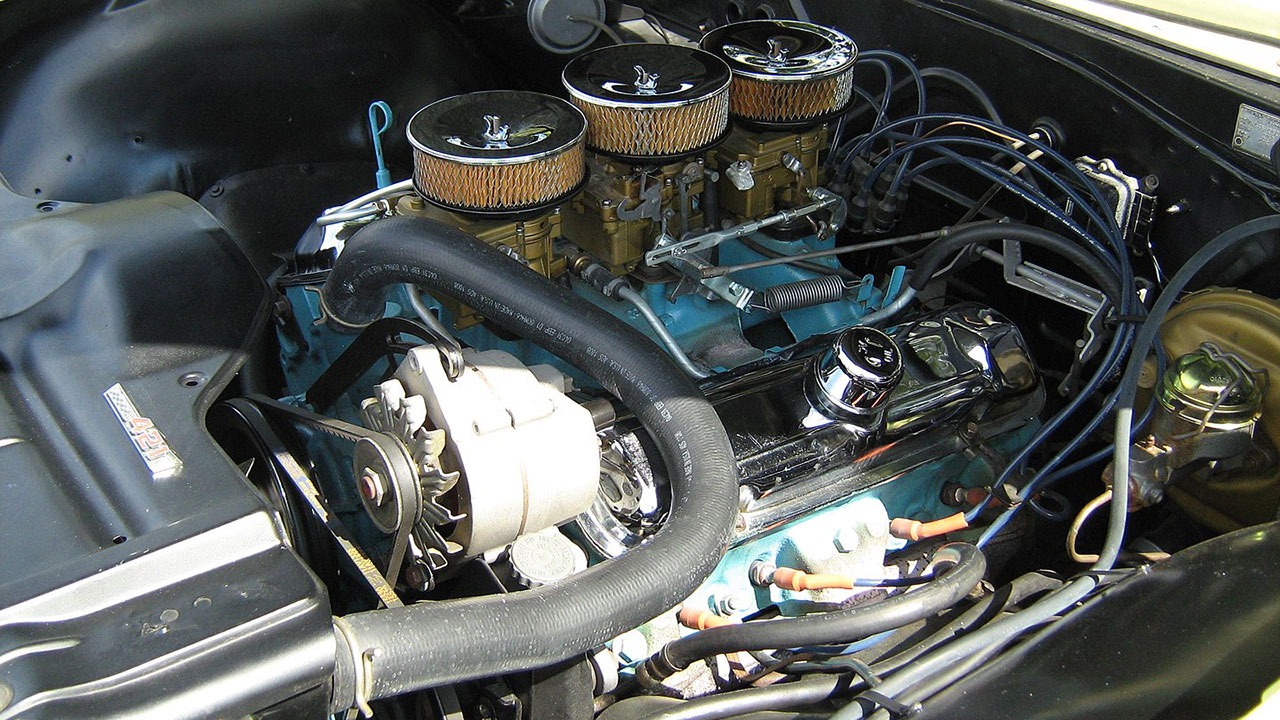
The Pontiac 421 Super Duty engine took the brand’s already strong V8 lineup and pushed it into serious racing territory. Offered as a factory performance option on select 1960s Pontiacs, including GTOs and the full‑size models that shared showroom space with more modest Tempos, it combined superior engineering with very low production numbers. The 421 grew out of The Pontiac V8 family, a series of overhead valve 90° V8 engines built by the Pontiac Division of General Motors Corporation between 1955 and 1981.
Because relatively few 421 Super Duty cars were ordered and even fewer survived unmodified, documented examples now trade for well over $100,000. Collectors prize them as the purest expression of Pontiac’s factory drag‑strip ambitions, and the engine option is the single factor that separates these cars from far more common street-spec GTOs. For investors, that scarcity, combined with direct lineage to competition programs, makes the 421 Super Duty one of the most potent value multipliers in the Pontiac world.
The Buick 455 Stage 1 V8
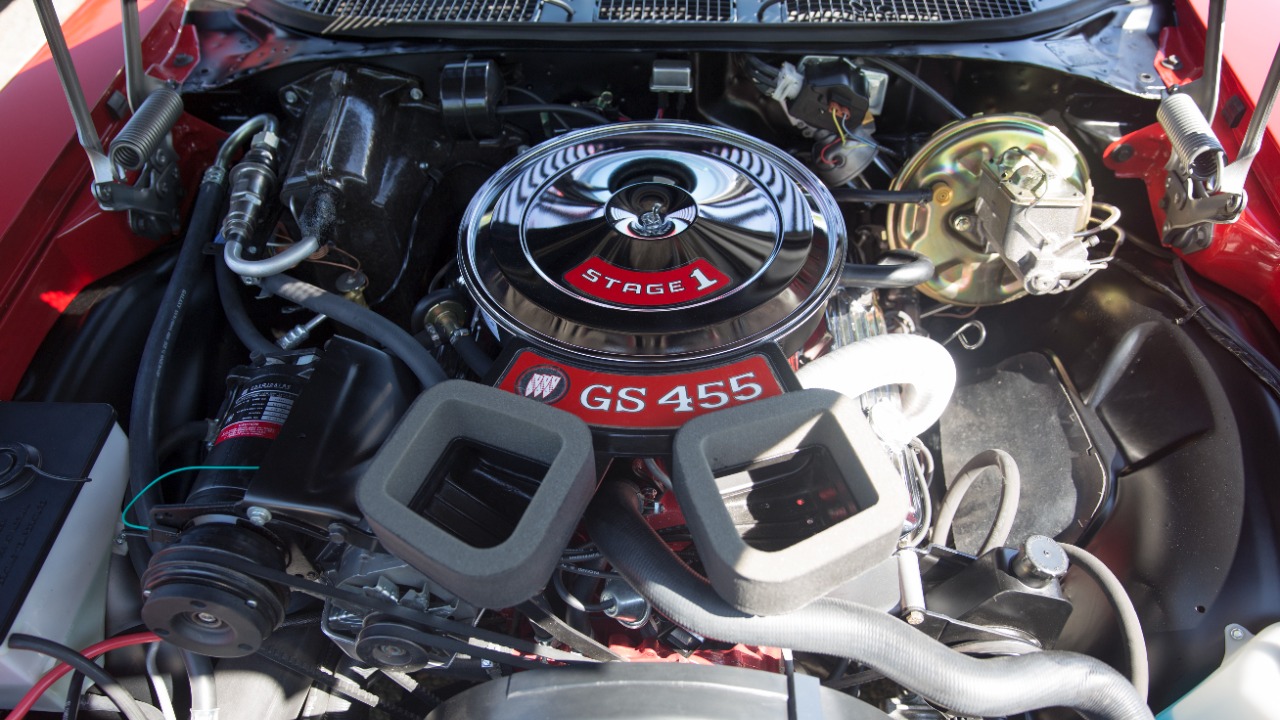
The Buick 455 Stage 1 V8 turned otherwise understated GS models into some of the quickest muscle cars of the early 1970s. By 1970, Buick’s big block had been enlarged to a massive 455 cubic inches, which suddenly gave smaller cars like the Skylark and the GS a tidal wave of torque. When ordered in Stage 1 tune, this engine option delivered performance that rivaled or exceeded better‑known rivals while remaining relatively rare on the street.
That combination of subtle styling and brutal acceleration has aged well in the collector market. Reporting on rare factory options notes that 455 Stage 1 cars now achieve six‑figure auction prices, especially when accompanied by original paperwork. For buyers, the Stage 1 code is the key that unlocks top-tier value, turning what might look like a comfortable Buick cruiser into a highly sought‑after big‑block investment.
The Oldsmobile 455 Rocket V8
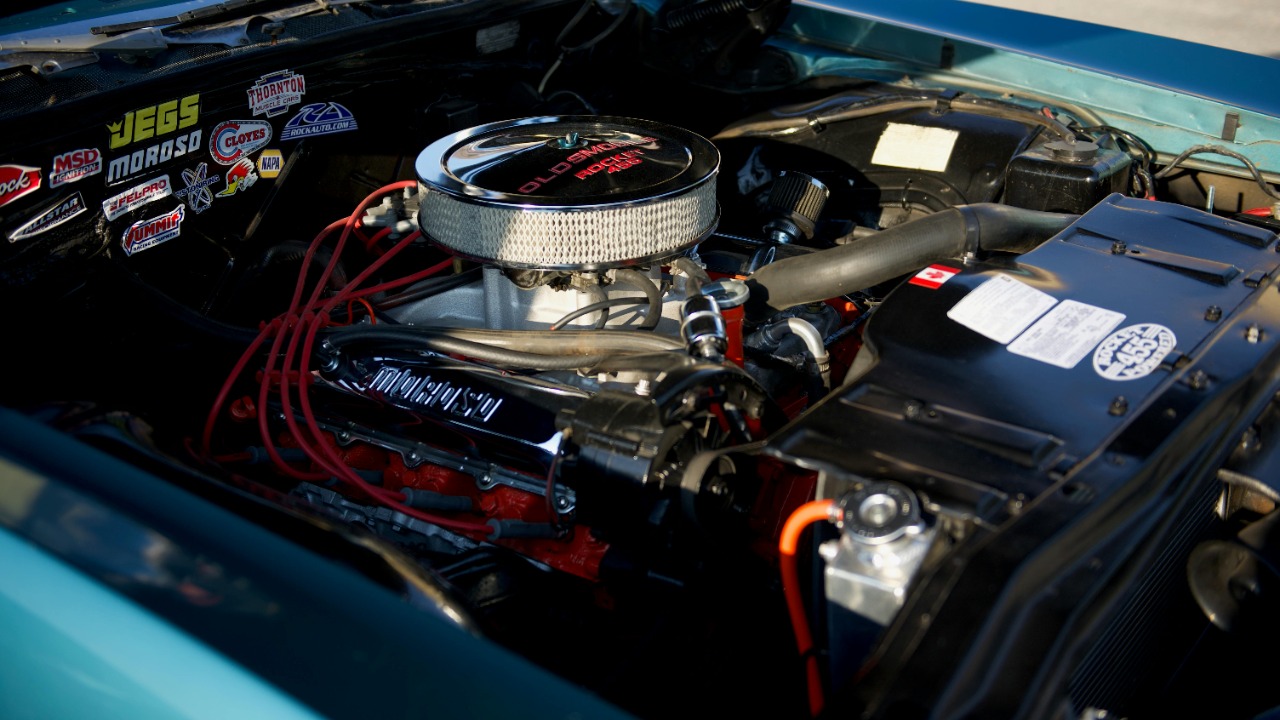
The Oldsmobile 455 Rocket V8 showed how a single engine could shatter internal corporate limits and create an instant collectible. In 1968, the Oldsmobile Hurst/Olds package broke GM’s own engine rules by stuffing a 455-cubic-inch Rocket V8 into a midsize Cutlass, with output quoted at 390 horsepower. That decision effectively turned a routine intermediate into a factory hot rod, and it set the template for later 442 models that used the same basic Rocket architecture.
As a factory-installed option in 1960s and early 1970s 442s, the 455 Rocket V8 now serves as the dividing line between interesting Oldsmobiles and truly valuable ones. Collectors pay substantial premiums for cars with matching‑numbers Rocket engines because they embody the moment when Oldsmobile pushed beyond corporate conservatism. For stakeholders in the classic market, that engine code is proof that even a brand known for sedans could produce a six‑figure muscle car when the right V8 was bolted in.
More from Fast Lane Only:

Leave a Reply