
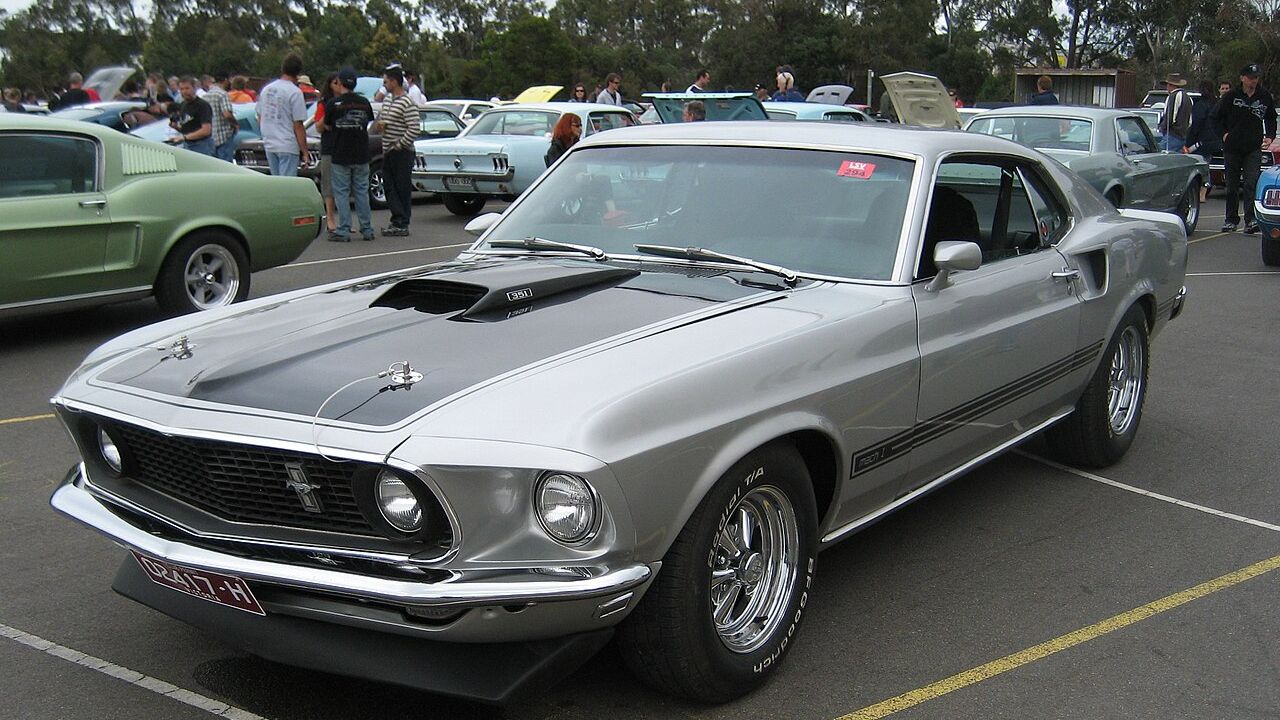
When I look back at the muscle era, the cars that really stick with me are the ones where a single engine choice completely rewrote the story. The same sheetmetal could be mild or wild, depending on what sat between the fenders. Here are six muscle-era machines where one specific engine option did not just add power, it defined the car’s legacy and reshaped the pecking order on street and strip alike.
1965 Pontiac GTO with Tri-Power 389 V8
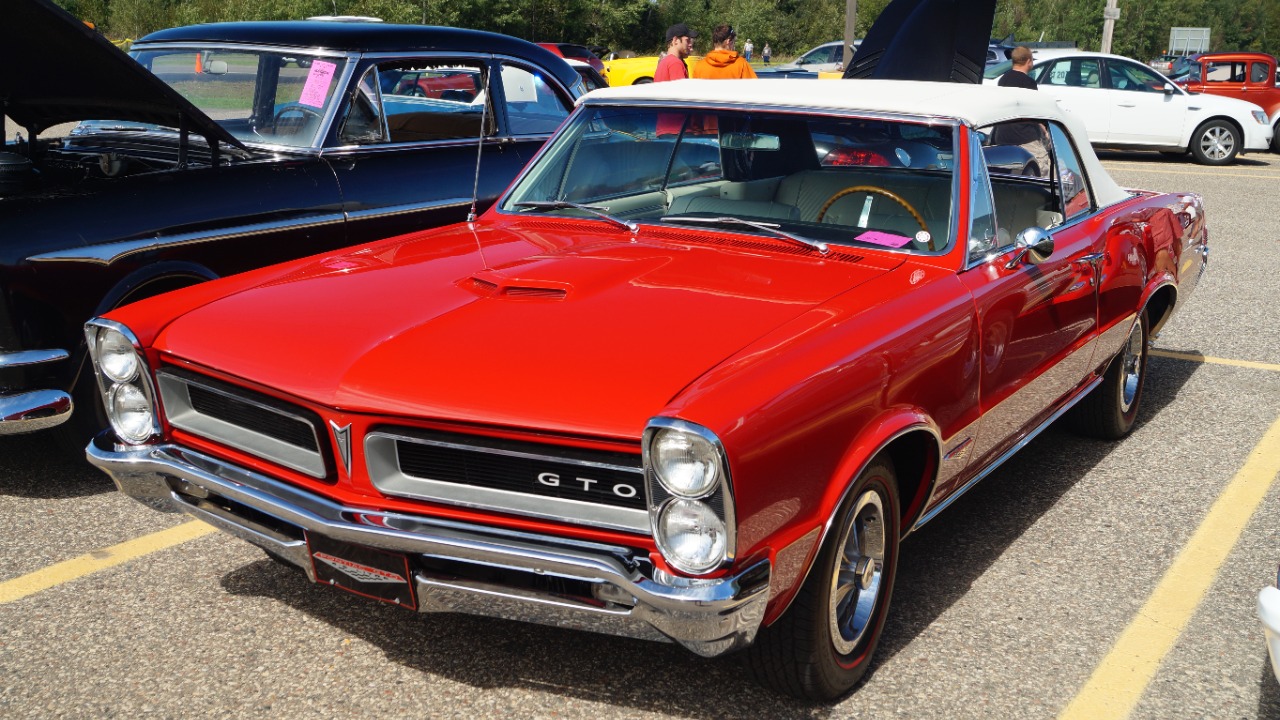
The 1965 Pontiac GTO is often hailed as the car that ignited the muscle car era, and its heart was a 389 cubic inch V8 that could turn an intermediate coupe into a street terror. Contemporary accounts note that the standard four-barrel version produced 335 horsepower, while Pontiac also offered a 389 rated at 325 hp in some trims, giving buyers a strong baseline. Enthusiasts still point to the way this package let the GTO outmuscle early rivals and outsell slower competitors that lacked such a focused performance option.
The real magic came when buyers checked the Tri-Power carburetion box, adding three two-barrel carburetors that bumped output to 348 hp and sharpened throttle response. Fans describe how Pontiac GTO performance with this setup helped define what a muscle car should be, while detailed breakdowns of the 389 and its 335 hp four-barrel baseline show how far the option stretched the envelope. Owners still praise how The Tri Power GTO delivered “exhilarating speed and strong acceleration,” proving how a single induction choice could turn a quick car into a legend.
1969 Ford Mustang Boss 429
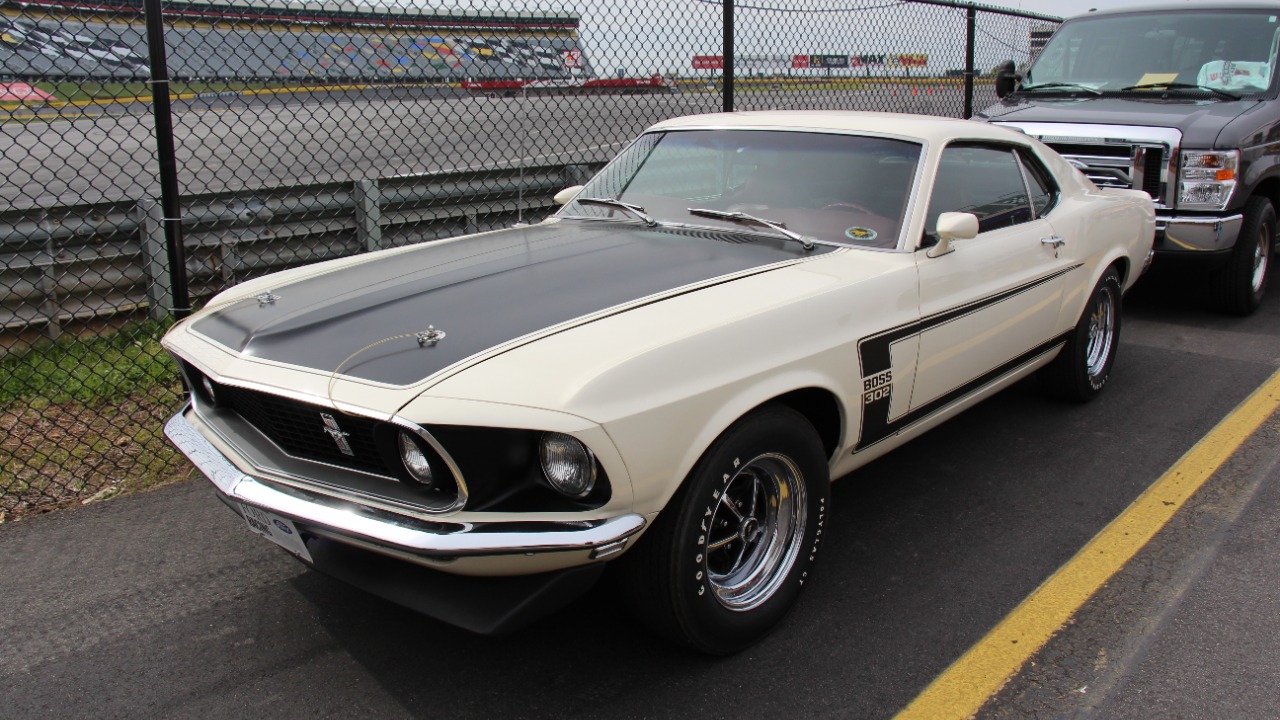
The 1969 Ford Mustang Boss 429 is a textbook case of an engine dictating everything else about a car. Ford created the 429 cubic-inch V8 primarily for NASCAR homologation, then stuffed it into a specially modified Mustang shell with widened shock towers and unique front-end structure. Officially, the big-block was rated at 375 hp, but period observers and modern tuners agree that figure was deliberately conservative, with the real output significantly higher once the engine was uncorked.
Because the 429 was built to survive high rpm oval racing, it featured massive ports and a race-bred bottom end that made the street car feel like a detuned stock car. Only 859 Boss 429s were produced, instantly making it one of the rarest Mustangs of the era and a halo model for Ford loyalists. That scarcity, combined with the NASCAR-bred hardware, turned the Boss 429 into a blue-chip collectible and showed how a single, purpose-built engine program could elevate a familiar nameplate into a near-mythic performance icon.
1970 Chevrolet Chevelle SS 454 LS6
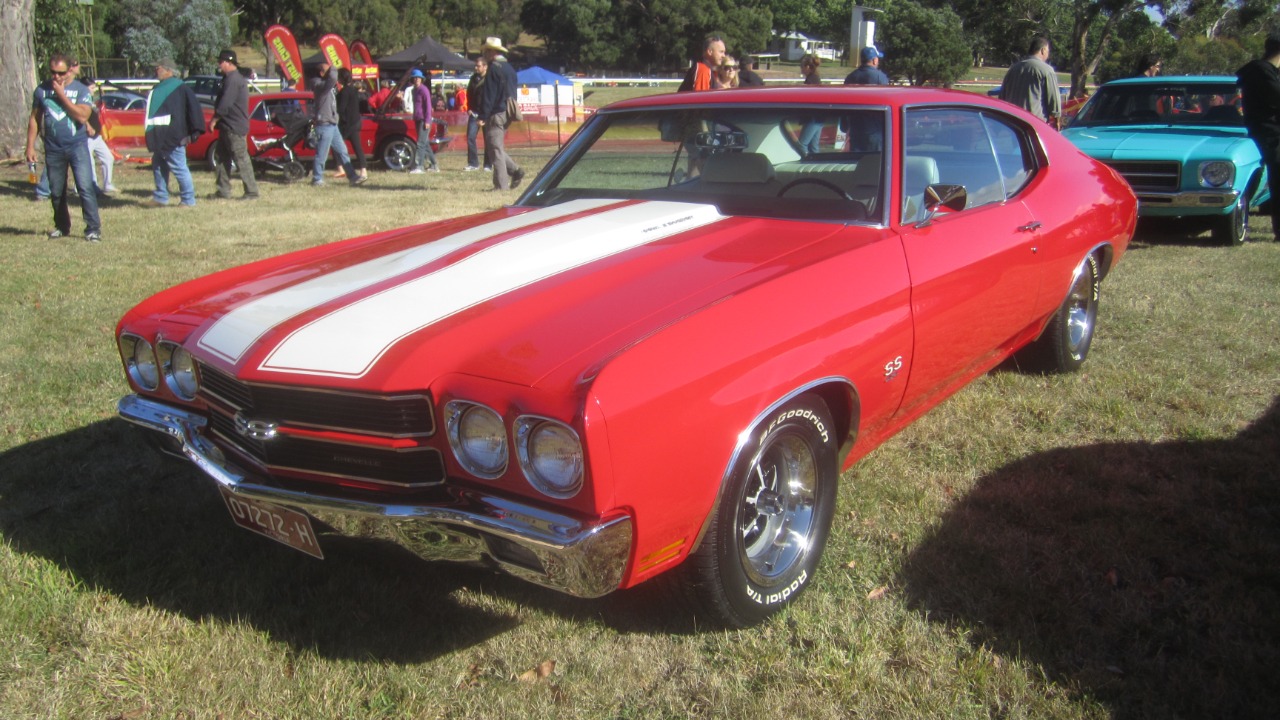
With the 1970 Chevrolet Chevelle SS 454, Chevrolet already had a strong performer in the LS5 version of its 454 cubic-inch V8, rated at 360 hp. For most buyers, that engine delivered more than enough thrust in a mid-size body, especially when paired with aggressive rear gearing. Yet the company went a step further with the LS6, a heavily fortified 454 that pushed the boundaries of what a showroom car could reasonably offer in terms of raw output and torque.
The LS6 option cranked power to 450 hp and 500 lb-ft of torque, figures that made it the most powerful Chevelle ever and one of the most fearsome street cars of its time. Period tests highlighted how the LS6 could overwhelm its rear tires at will, turning the SS 454 into a quarter-mile weapon that still intimidated rivals decades later. By so clearly outpacing the LS5, the LS6 proved how a single engine code on the build sheet could separate an already quick muscle car from the rest of the pack.
1968 Dodge Charger R/T 426 Hemi
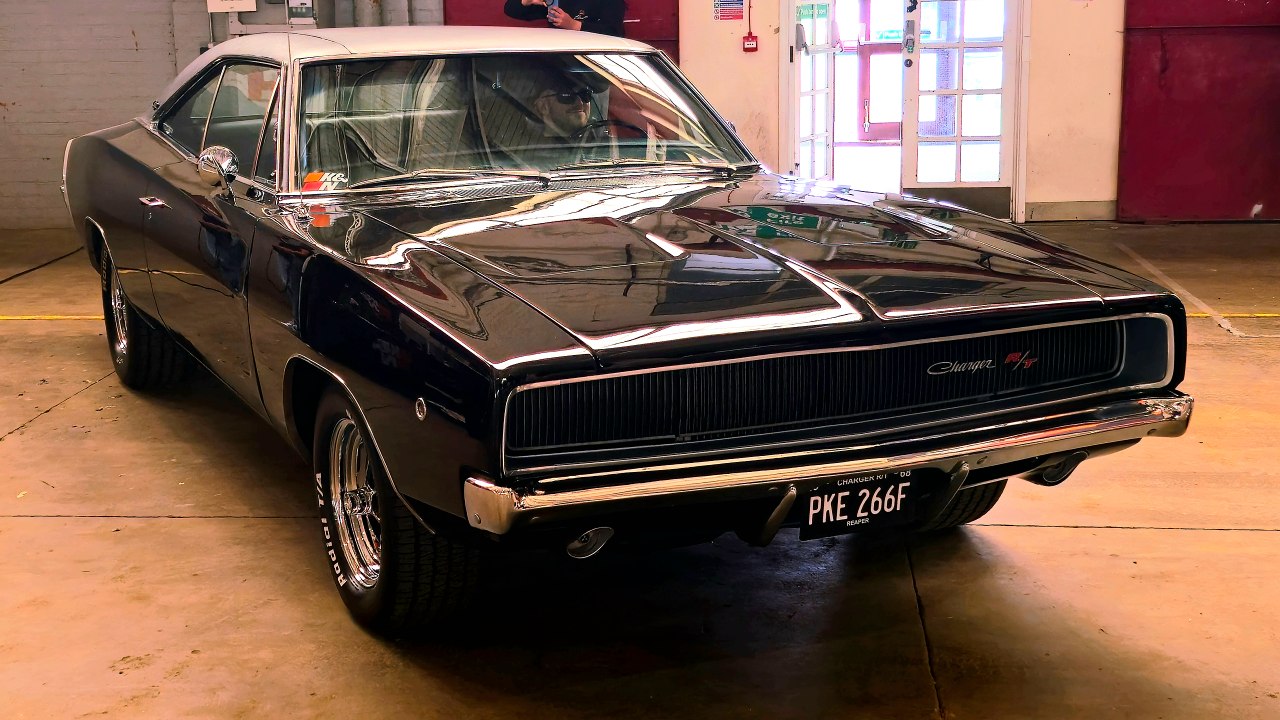
The 1968 Dodge Charger R/T is already one of the most recognizable shapes of the muscle era, but its reputation as a serious performance machine rests on the optional 426 Hemi V8. Buyers could stick with the stout 440, yet thrill-seekers gravitated to the legendary Hemi, which factory literature rated at 425 hp. Coverage of cars like Daniel’s 1968 Charger R/T notes how the 426 HEMI option pushed output over 425 horsepower, turning an already potent coupe into a street menace.
Reports on the HEMI Charger emphasize that the 426 cubic inch engine, often described simply as “Hemi,” delivered quarter-mile times under 13 seconds in factory trim, a staggering figure for a full-size car. Video features on specific Hemi builds underline how the 425 hp dual-quad setup became the stuff of legend, while enthusiasts comparing a Dodge Charger Hemi to Corvette, Chevrolet, and Ford rivals show how this single engine option reshaped drag racing pecking orders and cemented Mopar’s fearsome reputation.
1967 Plymouth GTX 440 Super Commando
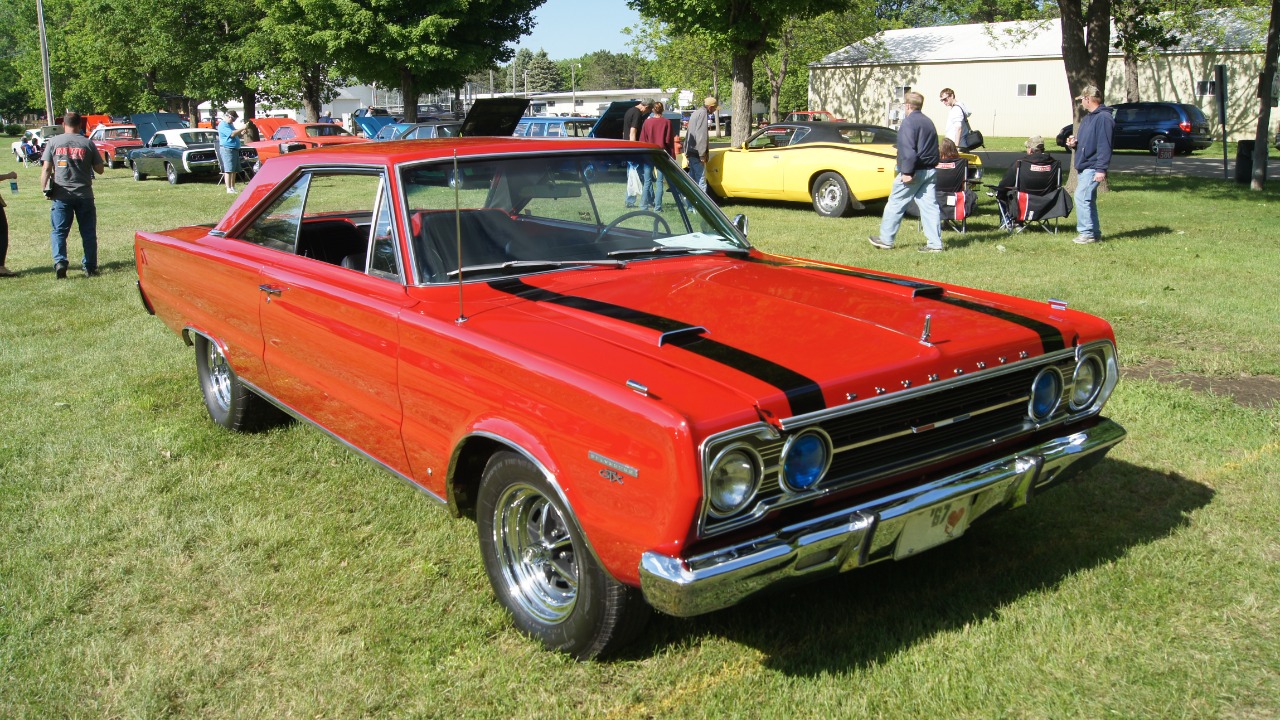
The 1967 Plymouth GTX arrived as a more upscale, performance-focused B-body, and its standard 383 V8 already gave it respectable punch. What really changed the equation, though, was the 440 Super Commando option, which turned the GTX into a serious threat to better-known muscle nameplates. With three two-barrel carburetors feeding the big-block, the 440 Super Commando produced 375 hp, a figure that put it squarely in the hunt with more expensive rivals.
Accounts of the 440 Super Commando emphasize how this engine distinguished the GTX from lesser Plymouths and from the standard 383-powered versions. Buyers got near-maximum Mopar performance without stepping up to the cost and complexity of a Hemi, making the GTX a budget-friendly way into serious muscle territory. That balance of price, power, and everyday usability showed how a single engine option could reposition an entire model as a credible, value-packed contender.
1971 Buick GS 455 Stage 1
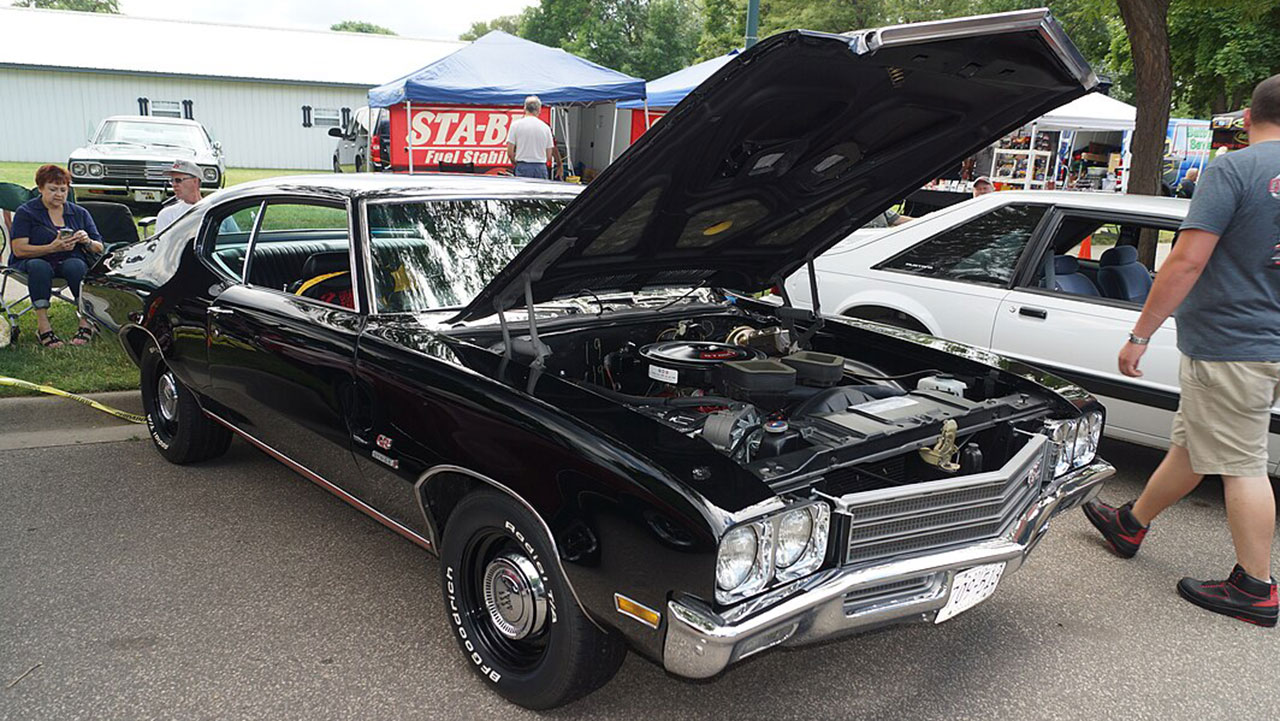
The 1971 Buick GS 455 Stage 1 is a classic sleeper, a car that looked like a gentleman’s coupe but hid a very serious engine. Buick’s base 455 was already torque-rich, yet the Stage 1 package added a modified camshaft, revised heads, and a high-rise intake that transformed its character. Officially, the Stage 1 was rated at 360 hp, a number widely regarded as conservative given the hardware involved and the way these cars performed in independent testing.
Analyses of the 455 V8 in Stage 1 trim highlight how this engine let Buick quietly rival Pontiacs and other headline muscle machines while maintaining a more understated image. Owners appreciated that they could line up against louder, flashier cars and still come away with a win, thanks largely to that carefully massaged 455. In an era when insurance pressures and changing regulations were starting to bite, the GS 455 Stage 1 proved how a smartly tuned engine could keep true muscle performance alive without shouting about it.
More from Fast Lane Only:

Leave a Reply