
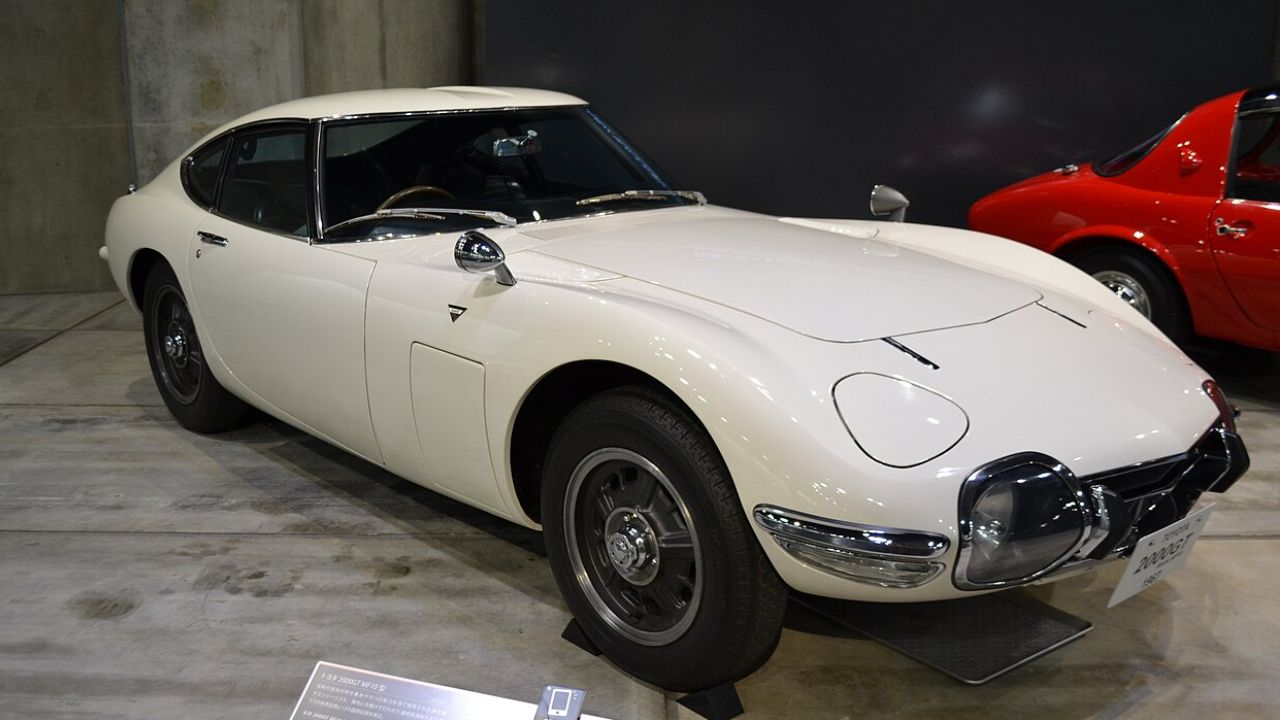
Engine upgrades can quietly turn a good sports car into a future classic, especially when they arrive alongside a manual gearbox and realistic used prices. Each of these six models pairs a transformative powertrain with the kind of driver-focused feel that enthusiasts hunt for in the classifieds. All have been highlighted among manual sports cars that remain attainable for less than $25,000, which only strengthens their long-term appeal.
Chevrolet Corvette C5 (LS1 V8)
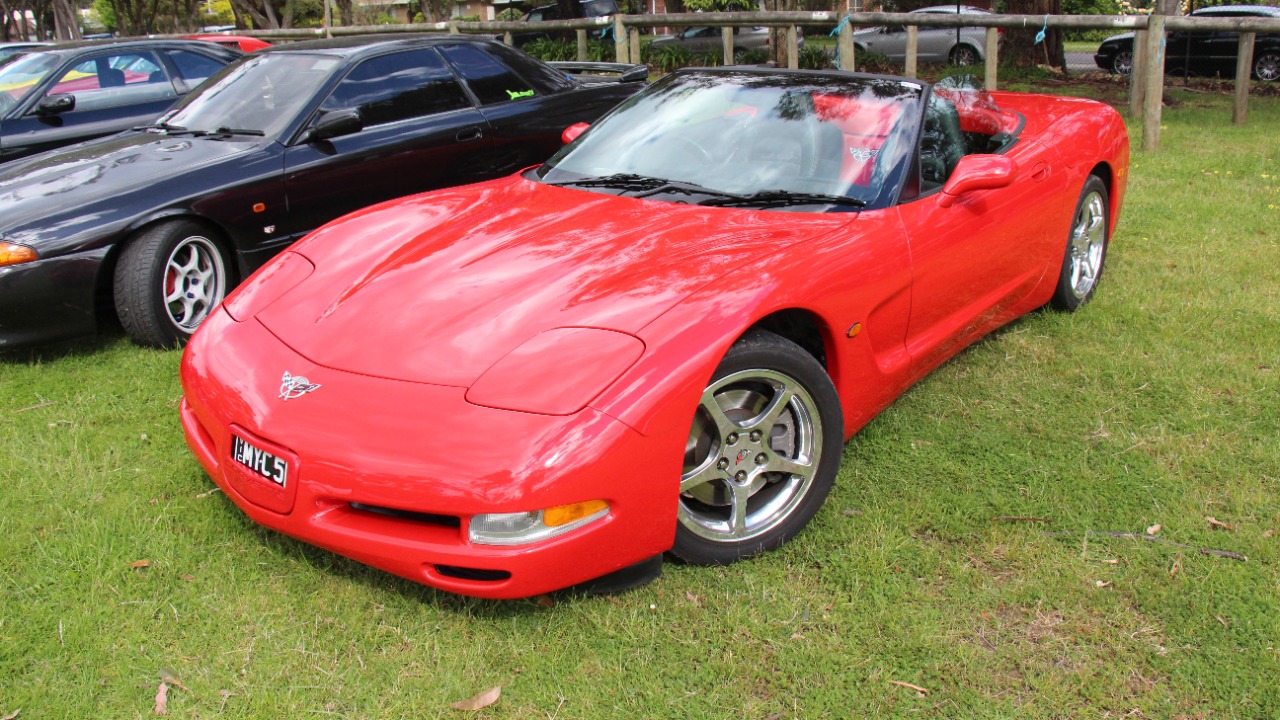
The Chevrolet Corvette C5 became a future classic the moment its LS1 V8 arrived with serious headroom for tuning and factory upgrades. Early cars were rated at 345 horsepower before Chevrolet nudged output to 350, and one documented example produces 344 horsepower and 356 lb-ft of torque, figures that underline how stout the LS1 is in real-world testing. That kind of performance, routed through a traditional manual transmission, delivers the raw acceleration and flexibility that define the C5’s reputation among enthusiasts.
Crucially, the C5’s combination of composite bodywork, relatively low weight, and a front-engine, rear-drive layout means the LS1’s extra power does not overwhelm the chassis. Instead, it turns the car into an affordable long-distance weapon that still fits comfortably under the $25,000 mark on the used market. I see that blend of big-cube V8 character, documented power increases, and manual control as exactly the formula that tends to age into collectible status.
Honda S2000 (F20C)
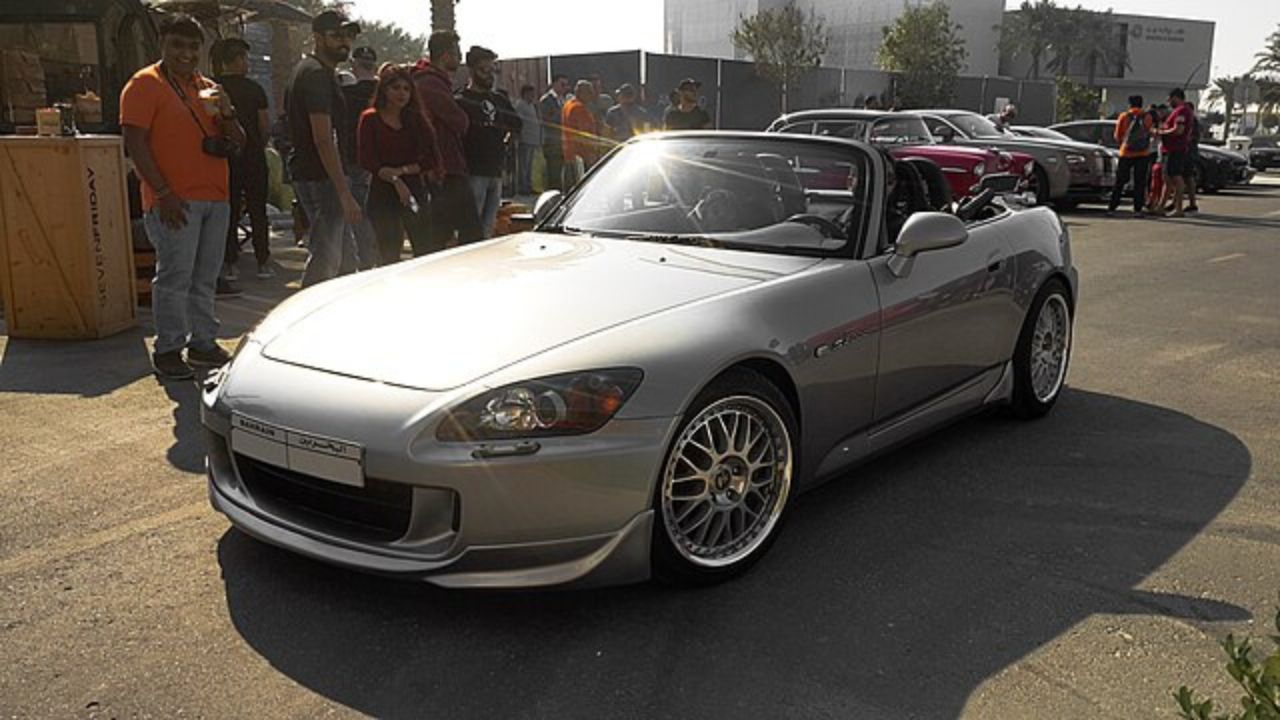
The Honda S2000 earned its cult following through the F20C engine, which took Honda’s high-revving four-cylinder expertise to an extreme. This 2.0-liter inline-four revs to a screaming 9,000 rpm, a figure that sets it apart even among other performance cars with manual transmissions. In the context of affordable performance machines under $25,000, the S2000’s specific output and willingness to live at the top of the tachometer give it a motorsport flavor that few rivals can match.
Paired with one of the crispest six-speed manuals of its era, the F20C turns every drive into a lesson in precision and momentum. The engine’s character rewards drivers who are willing to work the gearbox and keep the revs high, which is exactly the kind of engagement that tends to build long-term loyalty. As values for analog, naturally aspirated sports cars rise, I expect the S2000’s unique blend of reliability, revs, and manual-only focus to keep pushing it deeper into future-classic territory.
Porsche Boxster 986 (M96 flat-six)
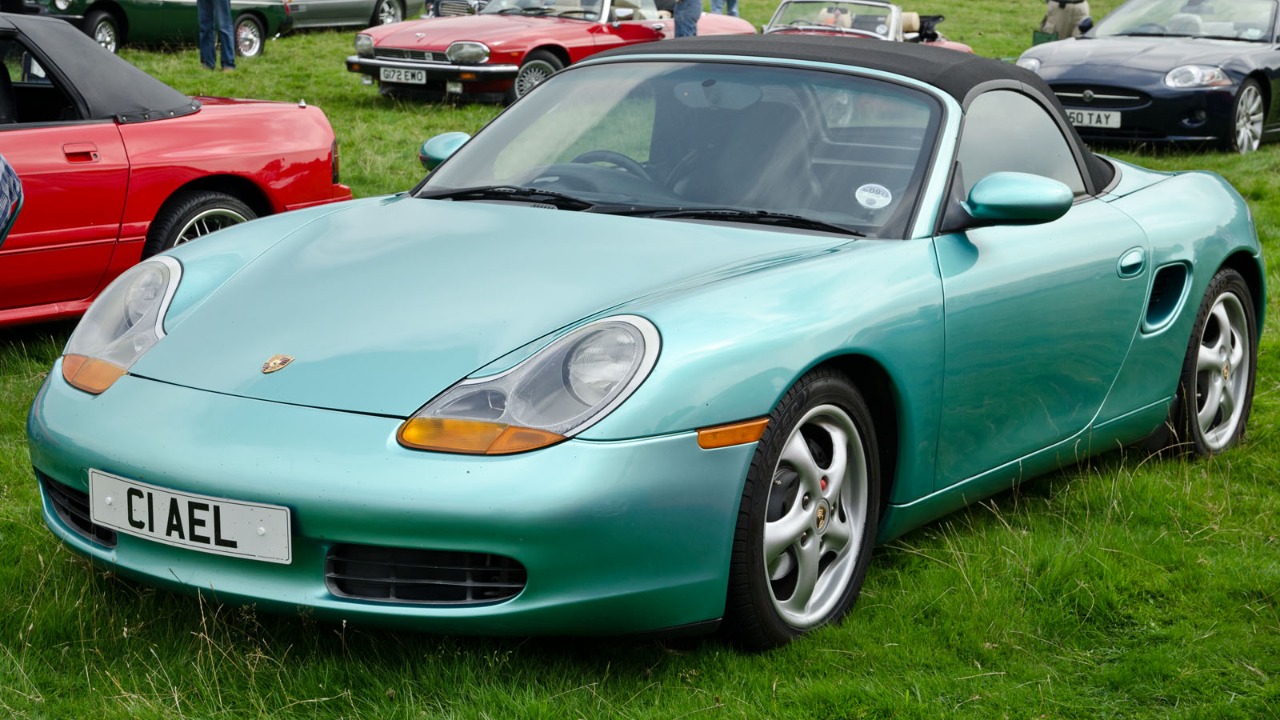
The first-generation Porsche Boxster 986 marked a turning point by bringing a flat-six to a relatively accessible roadster. In its most potent form, the 3.2-liter M96 engine produced 264 horsepower, a substantial figure for a compact mid-engine chassis. That output, combined with a short-throw shifter and other focused upgrades detailed in Boxster research, gave the car a level of performance that moved it far beyond earlier four-cylinder predecessors.
Later 986.2 models, including base versions with a 2.7L naturally aspirated flat-six, reinforced the formula by refining power delivery without losing the manual-transmission purity highlighted in detailed drives of the Porsche Boxster 986.2. For buyers, that means a genuine mid-engine flat-six experience at prices that still hover under $25,000. I view that as a classic entry point into Porsche ownership, with the M96 upgrade central to its long-term desirability.
Mazda MX-5 Miata NB (BP 1.8-liter)
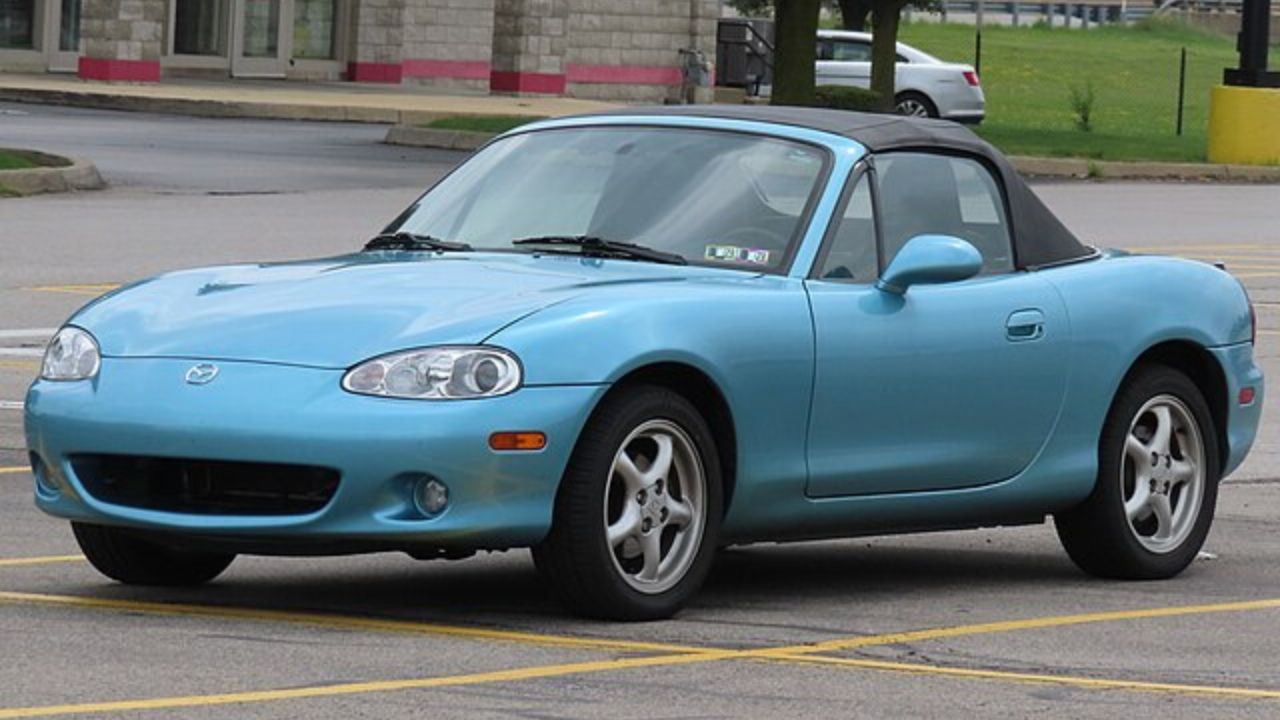
The Mazda MX-5 Miata NB built on the original’s formula by upgrading to the BP 1.8-liter engine, which delivered more torque and a broader powerband than the earlier 1.6. That change, combined with subtle chassis revisions, made the NB feel more mature without sacrificing the light, communicative steering that defined the first generation. In the context of sub-$25,000 sports cars, the 1.8-liter’s extra flexibility means drivers can lean on midrange pull instead of constantly chasing redline.
Matched to Mazda’s famously slick manual gearbox, the BP engine turns the NB into a car that rewards smooth inputs and precise heel-and-toe work. The modest power keeps running costs low, yet the improved torque makes the car more capable on modern highways and track days. I see that balance of usability, mechanical simplicity, and incremental engine improvement as a key reason the NB is steadily moving from used bargain to recognized future classic.
BMW Z3 M Coupe (S50 inline-six)
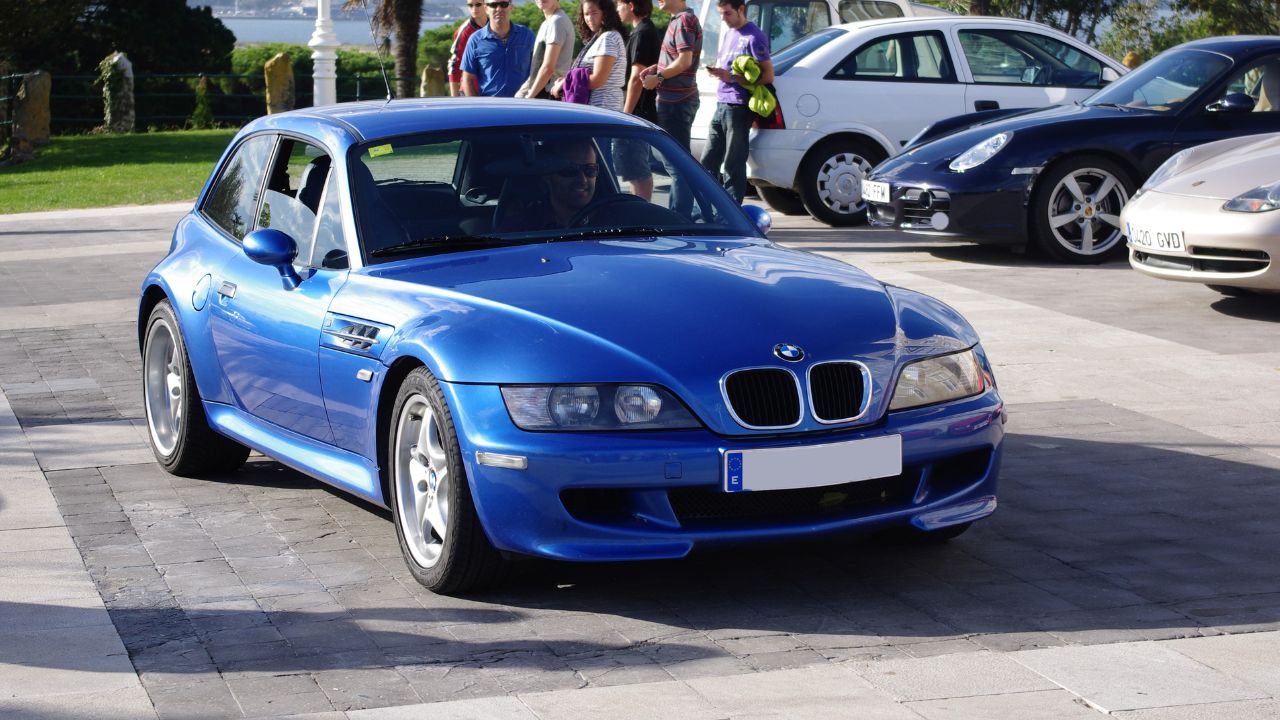
The BMW Z3 M Coupe pairs one of the brand’s most charismatic inline-sixes with a distinctive shooting-brake body. Powered by the S50 engine, it delivers 315 horsepower through a manual transmission, a figure that puts it firmly in serious performance territory even by modern standards. That output, sent to the rear wheels through a short wheelbase, gives the car a reputation for lively handling that appeals to experienced drivers.
Because the Z3 M Coupe has long lived in the shadow of more conventional M3 models, used prices have often stayed under $25,000, especially for higher-mileage examples. I think that relative undervaluation, combined with the S50’s naturally aspirated response and the car’s quirky proportions, is exactly what pushes it toward cult-classic status. As collectors increasingly seek out unusual body styles with strong engines, the Z3 M Coupe’s specification looks better every year.
Lotus Elise Series 1 (Rover K-Series)
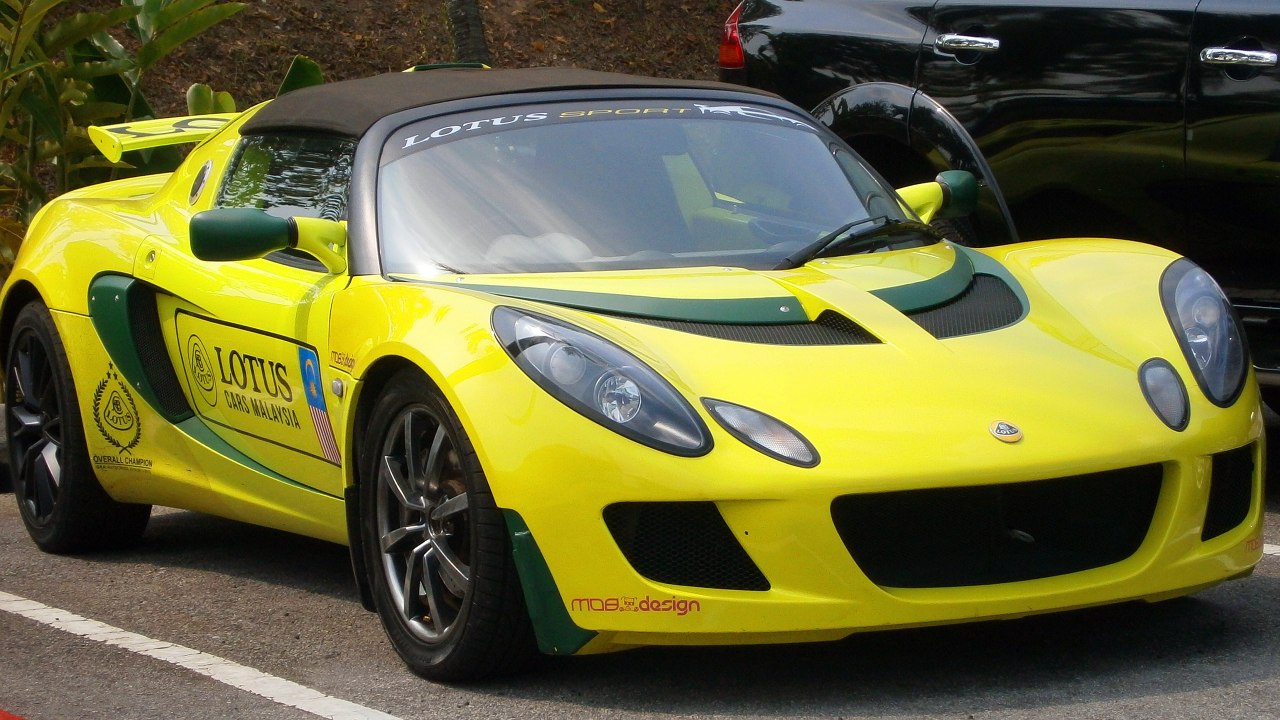
The Lotus Elise Series 1 is a textbook case of how a modest engine can become legendary in the right chassis. Power comes from a Rover K-Series 1.8-liter engine producing 118 horsepower, paired with a 5-speed manual transmission, as detailed in profiles of the lightweight Series 1. True to the Lotus philosophy, the engine is Mounted transversely behind the driver, keeping weight low and centralized for razor-sharp responses.
Factory material on the Elise notes that the same 1.8-litre, 118bhp layout is combined with a 5-speed gearbox to prioritize agility over outright speed, a configuration echoed in descriptions of the Elise story. Because the Series 1 remains relatively attainable compared with later, more powerful variants, it offers purists a direct line to Lotus’s minimalist ethos. I see that mix of featherweight construction, simple mechanicals, and a rev-happy Rover engine as a recipe for enduring classic status.
More from Fast Lane Only:

Leave a Reply