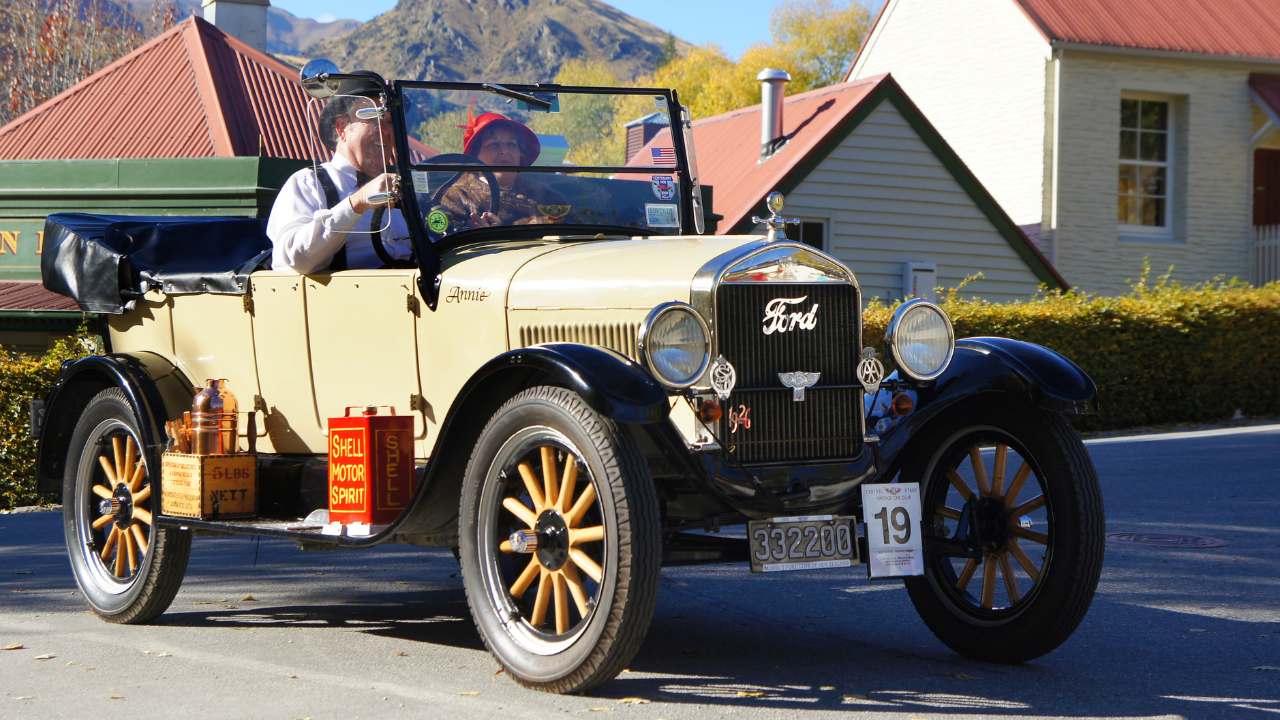
From auction blocks in Scottsdale to neighborhood cruise-ins, American classics still command crowds and cameras. Collectors track six-figure sales of icons like the Dodge Charger, while younger drivers search for attainable legends such as the Classic Ford Bronco or early Ford Mustang. Together these cars show how design, sound, and cultural memory can keep sheet metal turning heads long after the original model years passed from showrooms.
Ford Model T
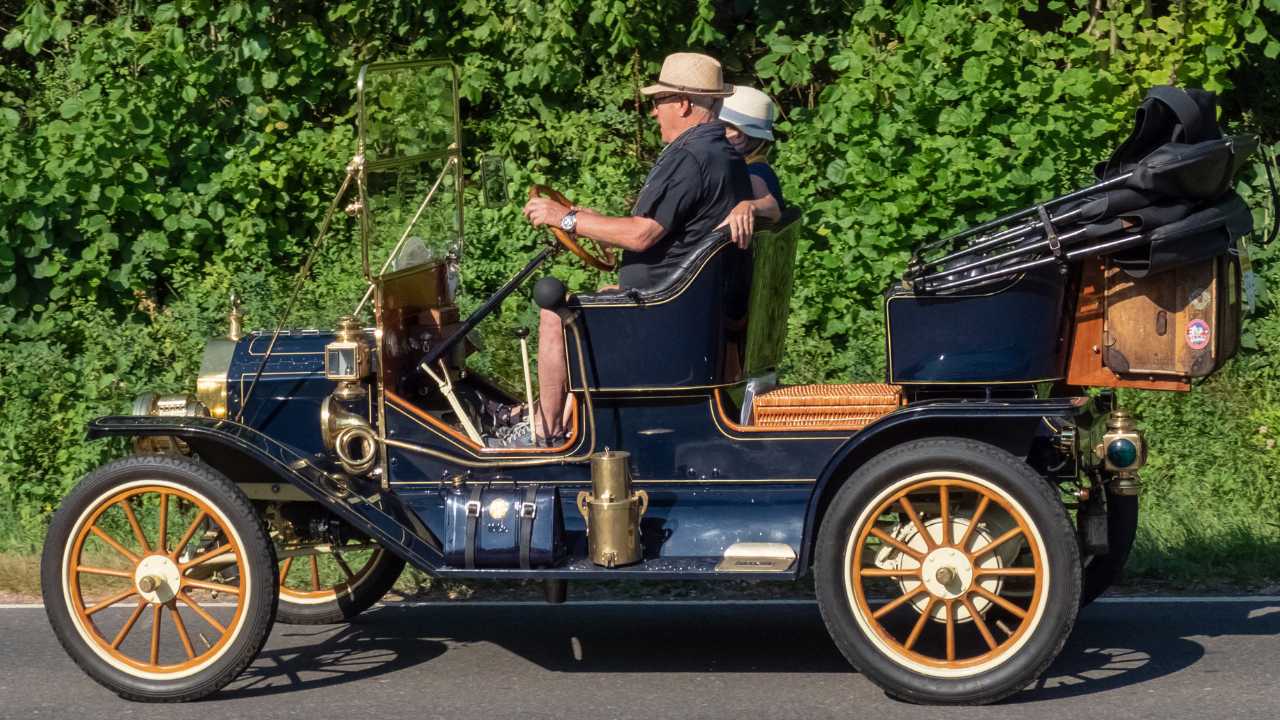
The Ford Model T remains the foundation of American car culture, and its presence still draws attention at any gathering. One detailed list of landmark vehicles notes that the Ford Model arrived over a century ago and transformed personal transportation. That same source stresses that production ran for well over 100 months, illustrating how deeply the car penetrated everyday life. When a Model T appears at a modern show, spectators are seeing the template that made mass motoring possible.
The stakes for enthusiasts are historical as much as financial. Preserving a Model T keeps alive the engineering that moved American workers from horses to assembly-line automobiles. Owners often demonstrate hand-crank starts and planetary gear controls, turning each appearance into a rolling lesson in industrial history that still fascinates younger audiences.
1969 Dodge Charger R/T
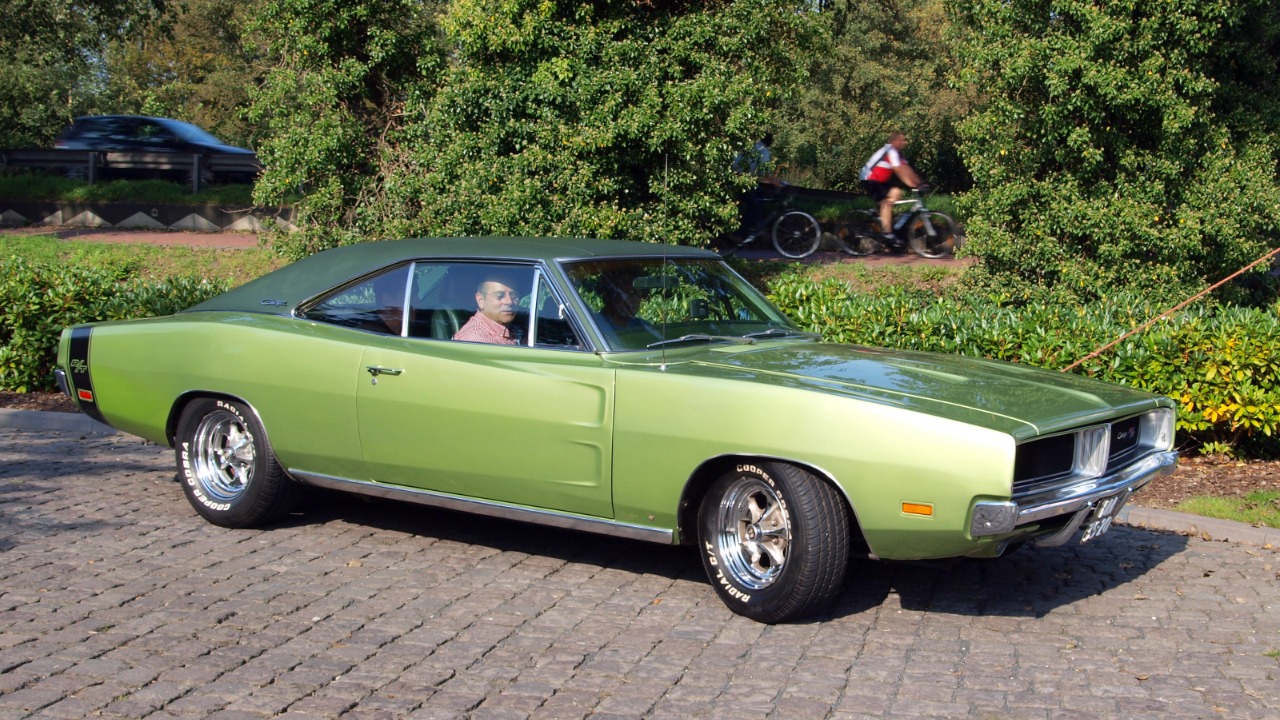
The 1969 Dodge Charger R/T continues to stop conversations whenever its long hood and flying-buttress roofline appear. Market analysis of high-value muscle cars reports that a well-kept 1969 Dodge Charger R/T can command $124,000, a figure that signals how strongly buyers still respond to its presence. That valuation places the Charger among the most coveted American Classic Cars That Are Worth a Fortune Today, with demand driven by both nostalgia and rarity.
Beyond price, the Charger R/T carries cultural weight from television, movies, and decades of drag-strip lore. Its broad grille, recessed taillights, and muscular stance embody late-sixties performance design. For current owners and restorers, the stakes involve careful stewardship of a car that represents peak Detroit bravado, since every surviving example influences how future generations visualize American muscle.
Pontiac GTO
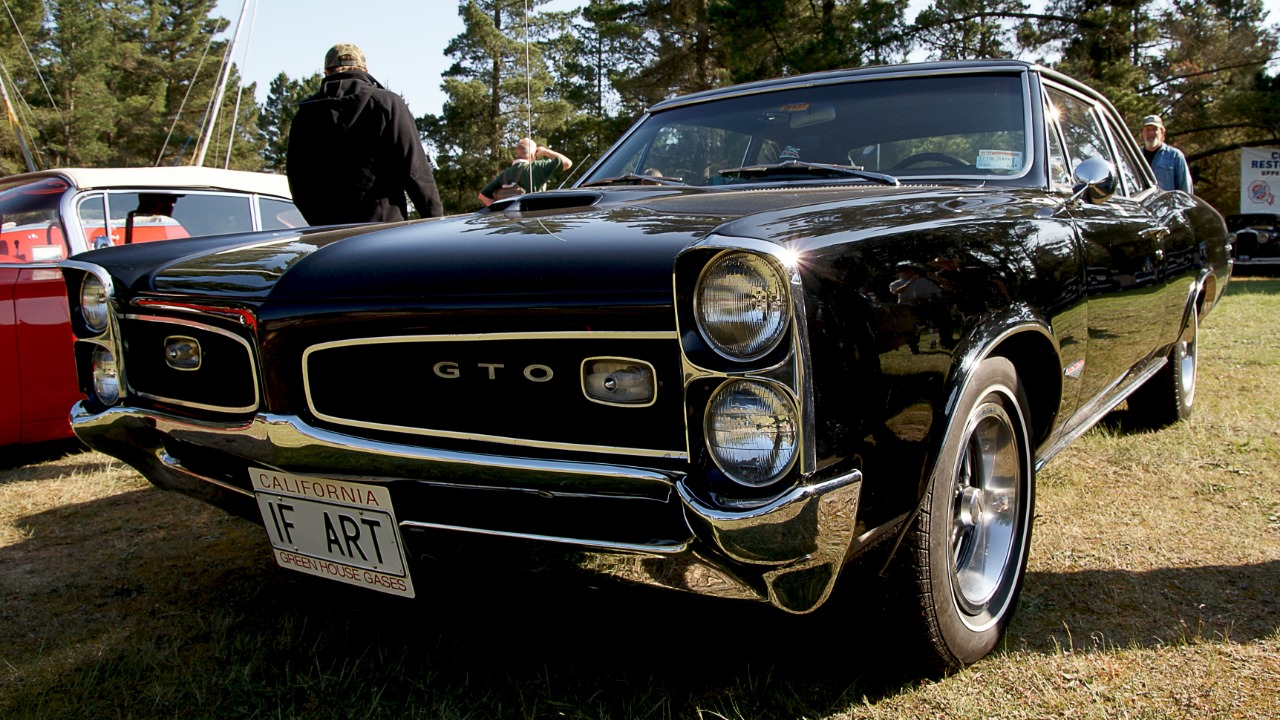
The Pontiac GTO still commands respect as one of the earliest true muscle cars, and its shape remains instantly recognizable. A detailed Table of Contents on standout American classics singles out the Pontiac GTO, including early 1963 examples, as a benchmark for performance and style. That same overview notes that American classics have often appreciated in value over time, and the GTO sits near the center of that trend as collectors chase both original and tastefully restored cars.
For stakeholders, the GTO’s ongoing appeal shapes restoration priorities and parts availability. Shops that specialize in muscle-era Pontiacs rely on sustained interest to justify reproduction sheet metal, trim, and performance components. Each time a GTO rumbles into a local meet, it reinforces the market case for keeping these cars not only running but visually faithful to their sixties roots.
1961 Lincoln Continental
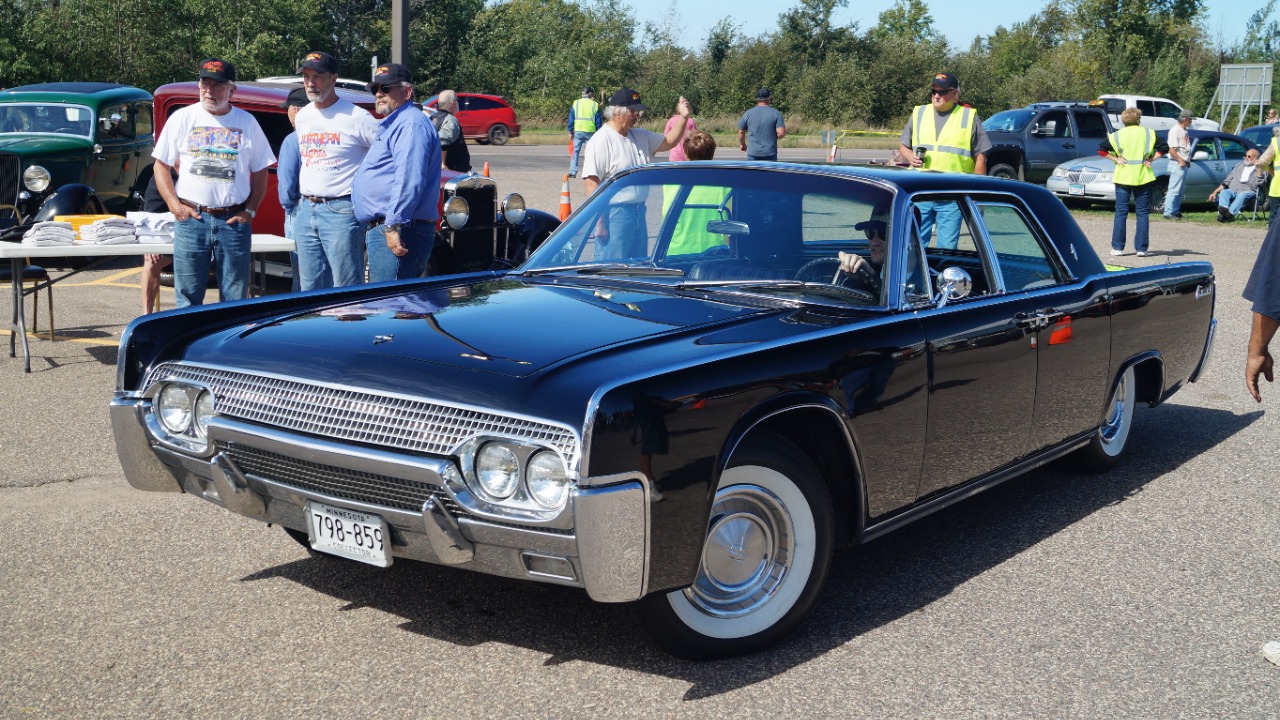
The 1961 Lincoln Continental turns heads with a very different kind of drama, trading raw muscle for crisp formality and those famous rear-hinged doors. In rankings of stylish American classics, the Lincoln Continental appears alongside performance legends, which highlights how design purity alone can sustain long-term desirability. The car’s slab sides, thin roof pillars, and restrained chrome still look modern, even parked beside contemporary luxury sedans.
Collectors and custom builders see the Continental as a canvas for subtle modernization, often adding air suspension and updated drivetrains while preserving the iconic profile. The stakes here involve balancing originality with usability, since each heavily modified example can influence how the market values untouched survivors. Either way, a clean Continental inevitably becomes a focal point wherever it is displayed.
Classic Ford Bronco
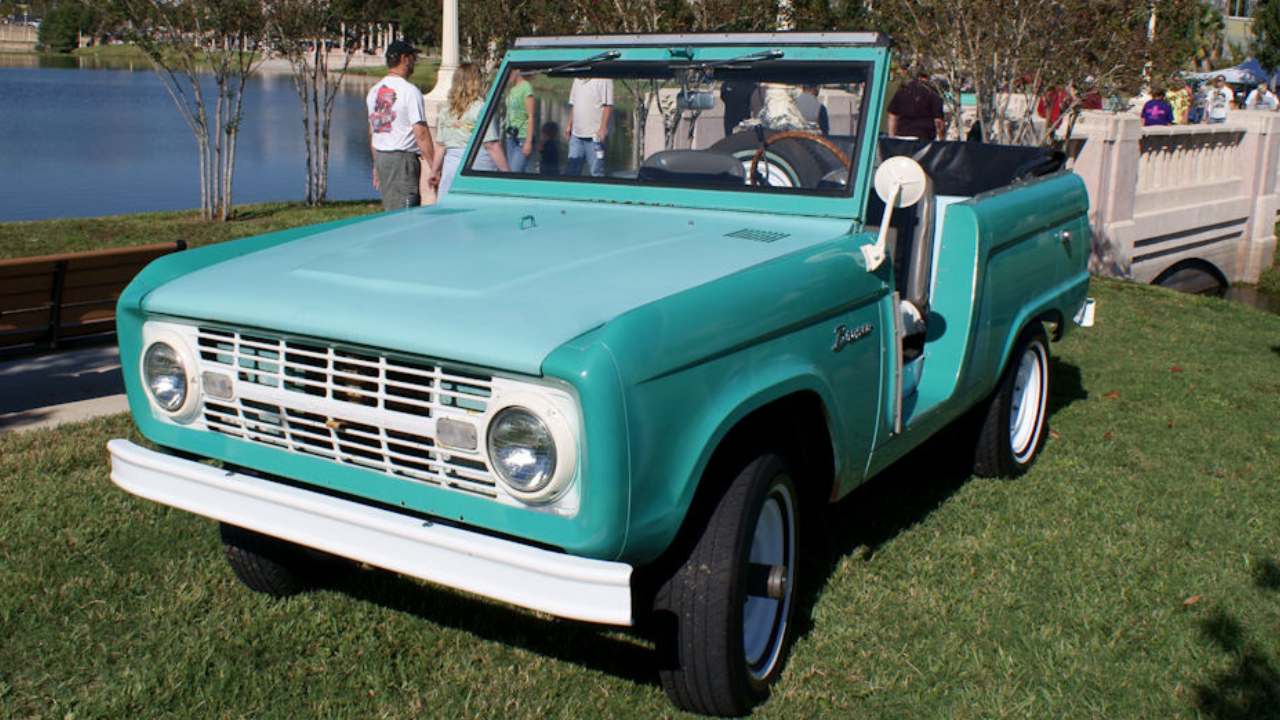
The Classic Ford Bronco has shifted from utilitarian truck to lifestyle statement, and its boxy silhouette now draws as many smartphone photos as low-slung sports cars. A guide for first-time vintage buyers highlights the Classic Ford Bronco as a prime candidate, alongside icons like the 1967 to 1968 Ford Mustang and the 1987 to 1993 Fox Body Ford Mustang. That same overview uses the word Build repeatedly, reflecting how many owners commission ground-up restorations rather than simple refreshes.
For shops and parts suppliers, the Bronco boom has real financial consequences. High demand for restomod builds supports entire businesses that focus on upgraded suspensions, modern engines, and refined interiors. Each finished truck that appears at a beach parking lot or mountain trailhead reinforces the Bronco’s status as a classic that bridges off-road credibility with urban style.
1967–1968 Ford Mustang
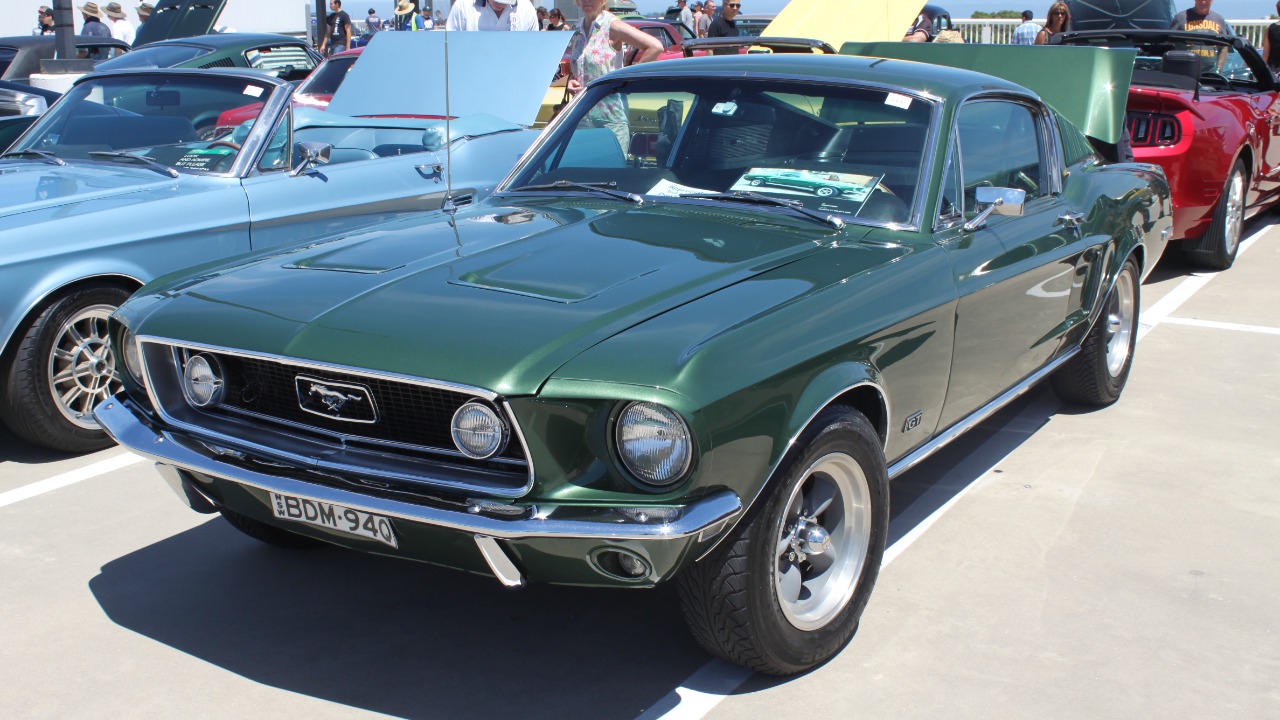
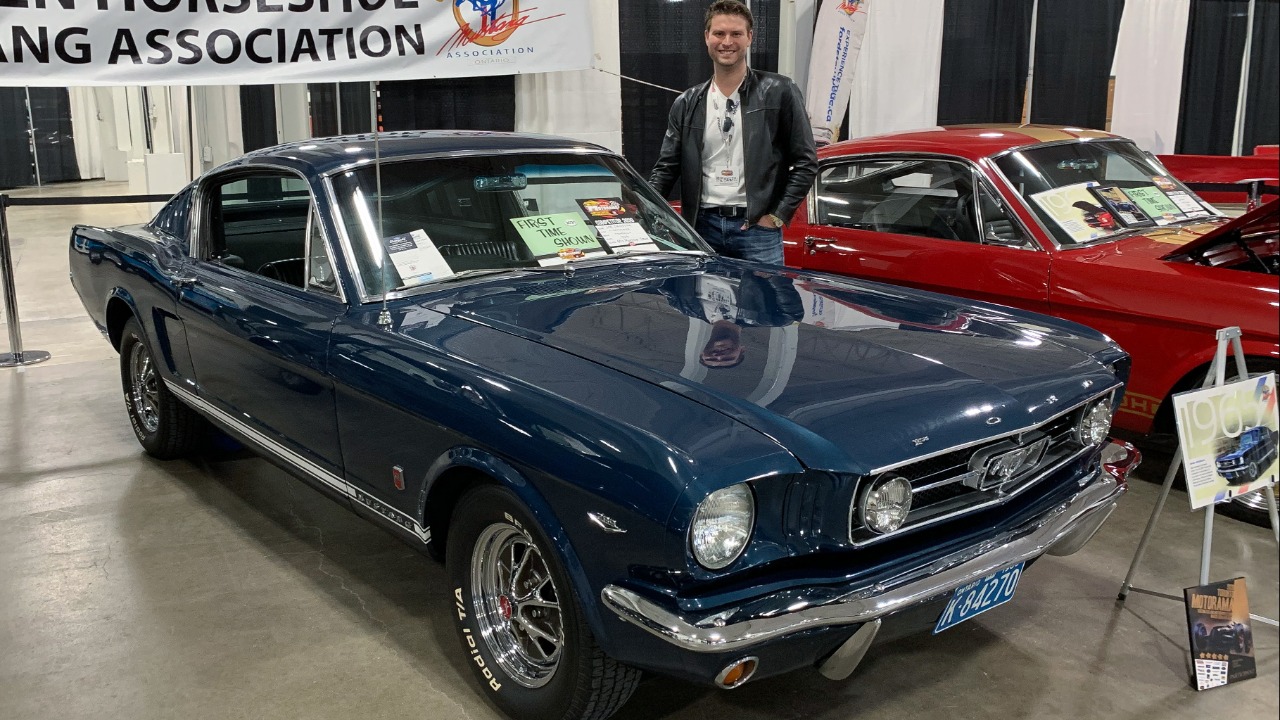
The 1967 to 1968 Ford Mustang still captures the public imagination, from fastback GTs to modest coupes wearing period-correct hubcaps. Buyer guides for vintage vehicles point to the Ford Mustang of this era as a smart entry point into classic ownership, especially compared with rarer high-dollar muscle cars. The same analysis groups these Mustangs with the Fox Body Ford Mustang, suggesting that the broader Classic Ford lineage continues to attract both seasoned collectors and newcomers.
Visually, the 1967 and 1968 models sharpened the original pony car formula with a wider stance and more aggressive detailing, which still photographs beautifully. For insurers, auction houses, and restoration shops, sustained enthusiasm for these Mustangs helps stabilize values and justifies investment in reproduction parts. Every time one burbles past a café, it reminds onlookers how accessible American performance once felt.
1966–1977 Classic Ford Bronco Restomods
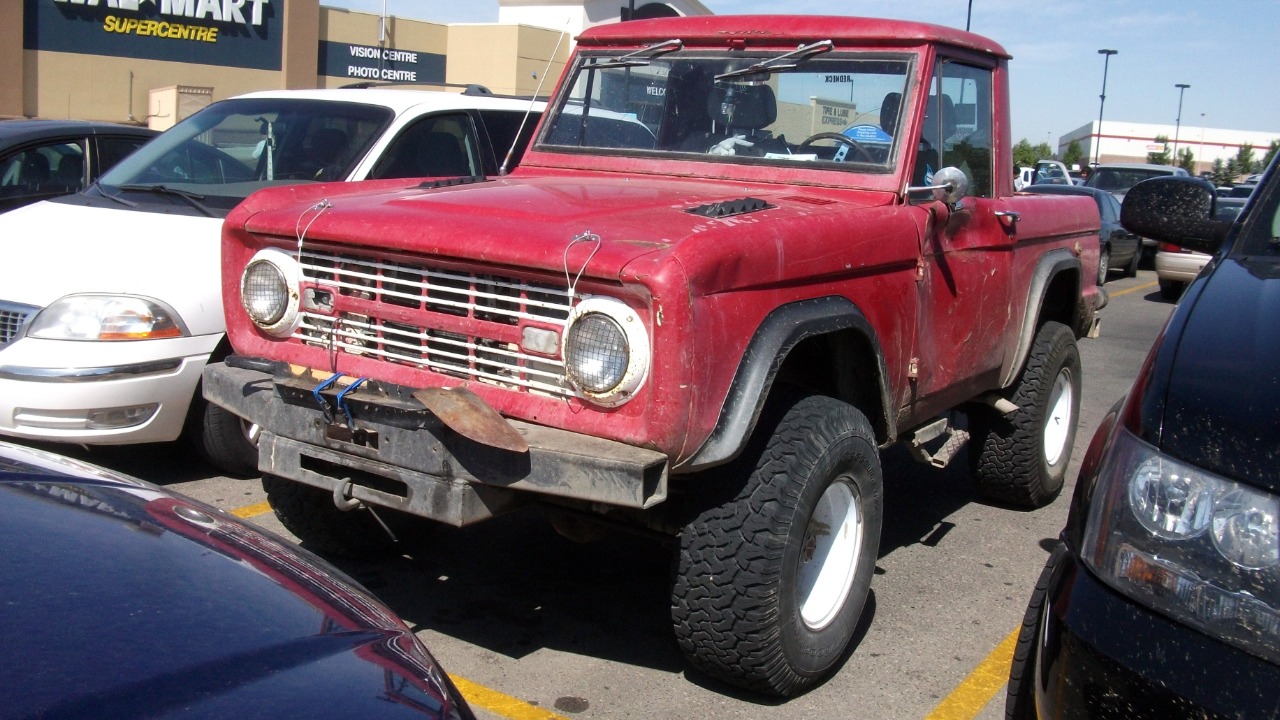
Restomodded 1966 to 1977 Classic Ford Bronco builds have become a distinct attraction of their own, separate from stock survivors. Specialist firms describe how a typical build might start with an original frame, then add modern brakes, updated electronics, and custom interiors that rival new luxury SUVs. These projects sit at the intersection of Classics culture and contemporary design, turning simple utility vehicles into bespoke status symbols.
The visual impact of a lifted, meticulously painted Bronco on modern wheels explains why such trucks dominate social media feeds and auction catalogs. For investors and craftspeople, the stakes involve whether this enthusiasm will endure long enough to support the high labor and material costs. Each high-profile sale or high-visibility appearance suggests that, for now, the appetite for these American classics that still turn heads everywhere remains strong.
More from Fast Lane Only