
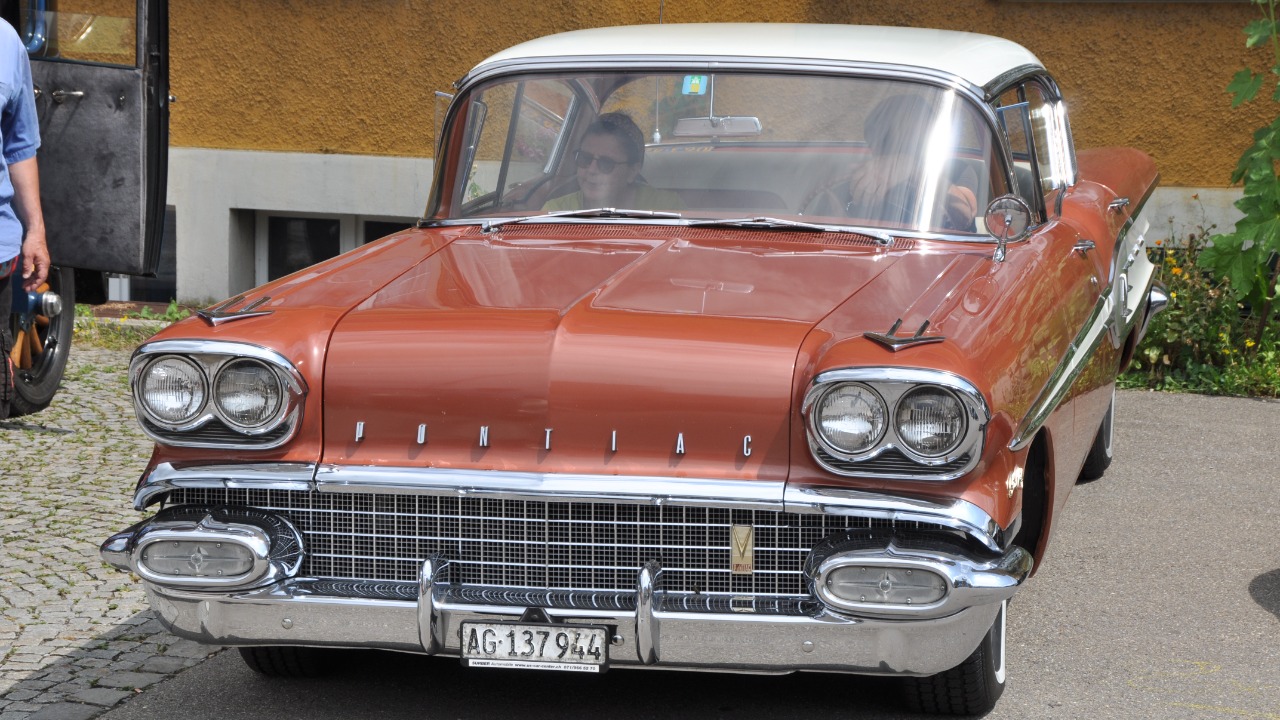
For decades, some of the most desirable classic cars sat at the bottom of price guides because buyers fixated on trim and styling instead of what sat under the hood. I look at seven models that stayed cheap until collectors realized their engines, or engine options, turned them into serious performance platforms, sending values soaring once the market caught up.
1932 Ford Deuce Coupe
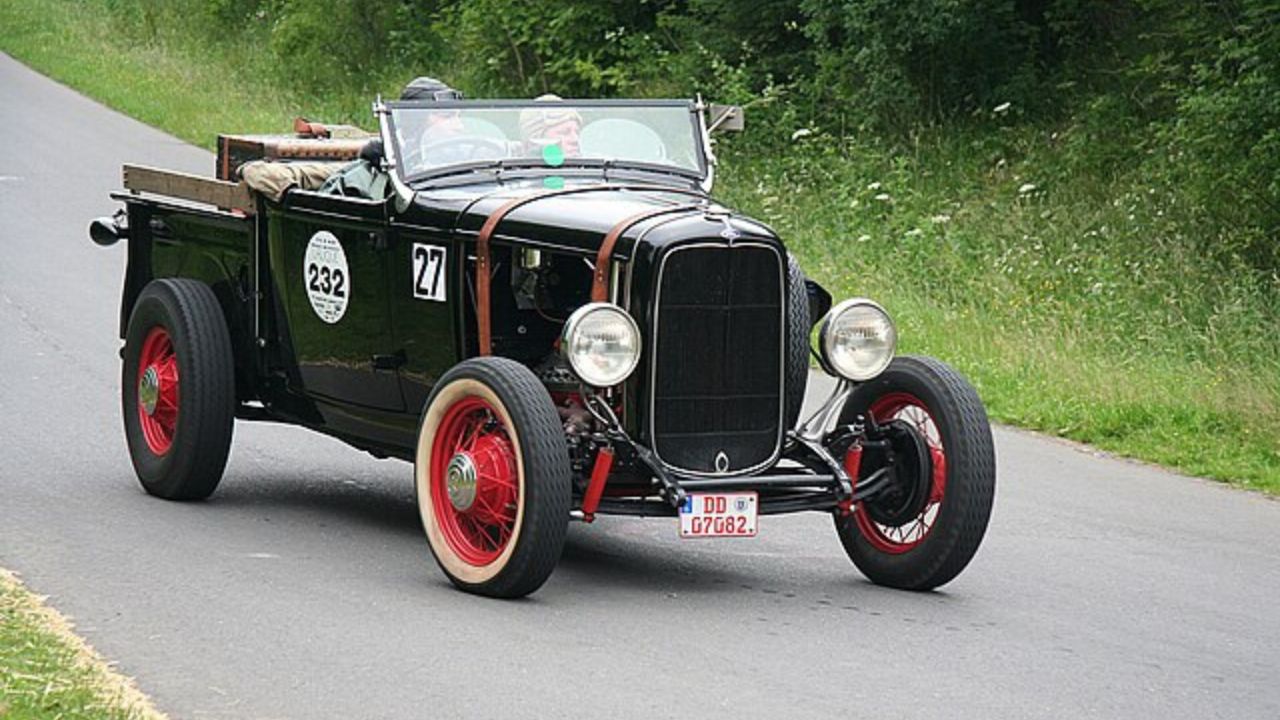
The 1932 Ford Deuce Coupe, with 196,000 units built in 1932, spent much of the 1980s trading for under $5,000 despite its central role in early hot rodding. According to reporting, its simple frame made it ideal for Ford flathead V8 transplants starting in the 1940s, yet collector fever arrived late. By 2000, once hot rodders fully spotlighted that compatibility, values climbed past $50,000 for well-executed builds.
Period cars such as a three-window “deuce” coupe running a Mercury flathead V8 with period speed equipment, seen in detailed video, underline how much performance potential buyers had overlooked. As enthusiasts chased authentic early hot rods, the Deuce’s engine-swapping ease turned it from used iron into blue-chip Americana, reshaping how prewar Fords are valued.
1953-1954 Ford Skyliner
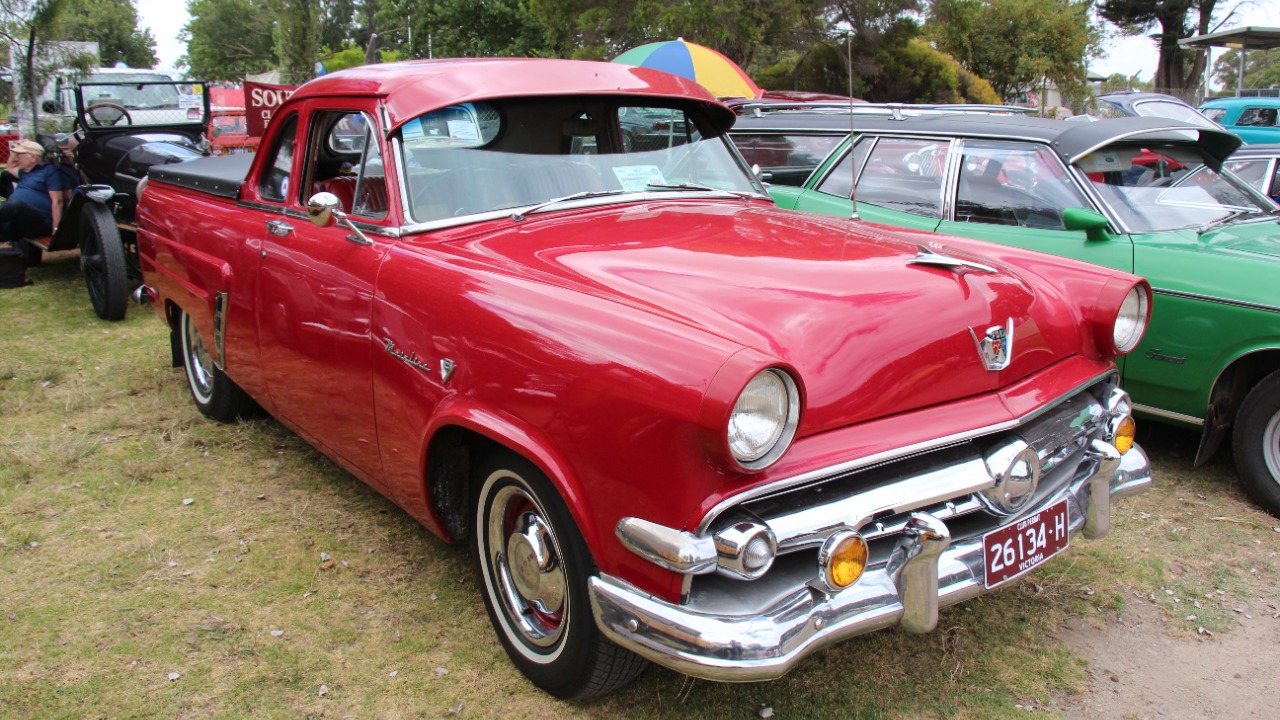
The 1953-1954 Ford Skyliner languished at $2,000 to $3,000 through the 1970s because many shoppers saw only a modest inline-six. Contemporary valuation data on the Skyliner notes that the real prize was the optional 239 cubic-inch flathead V8, which responded well to traditional hop-up parts. Only 1,226 Skyliners in 1954 were built with that V8 option, primarily for the U.S. market and assembled in Highland Park, Michigan.
Once collectors realized that the glass-roof Skyliner could hide a stout flathead, prices moved sharply, reaching around $20,000 by the 1990s for strong cars. The combination of limited production, distinctive roofline and a V8 that shared tuning DNA with earlier Fords meant engine-savvy buyers could build a comfortable cruiser with period-correct performance, pushing demand far beyond its original economy-car image.
1964 Pontiac Tempest LeMans
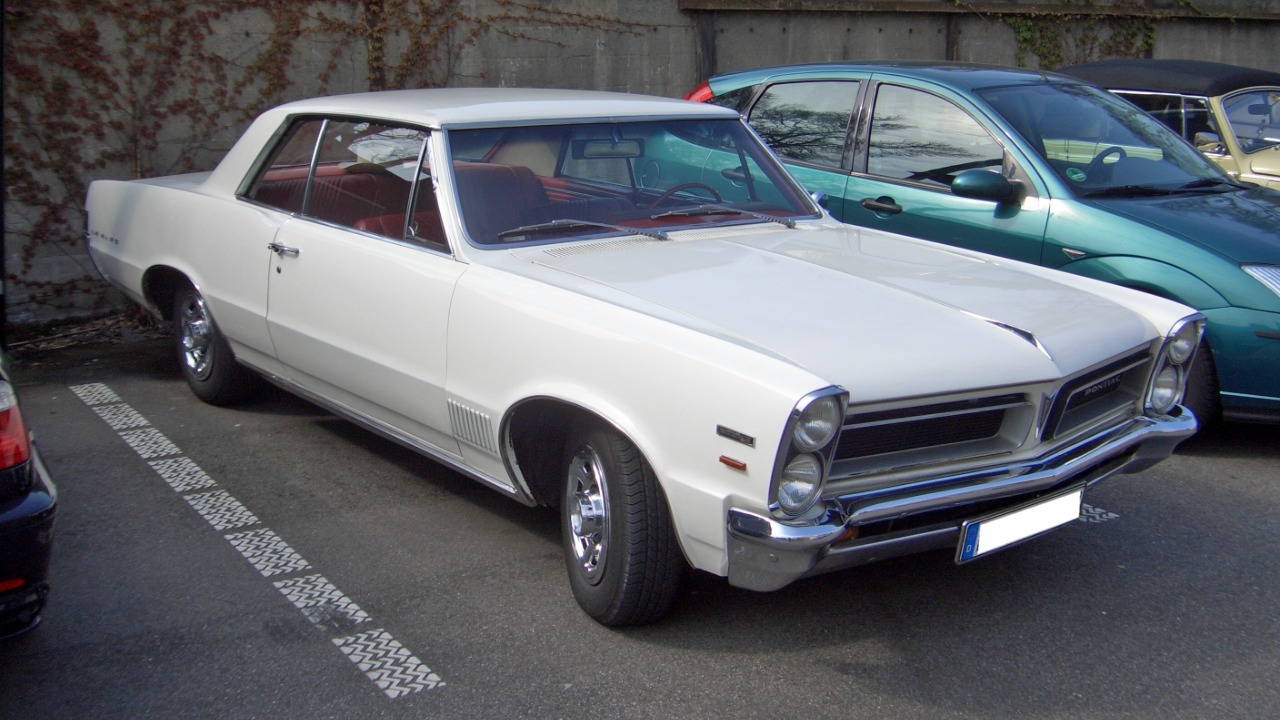
The 1964 Pontiac Tempest LeMans spent the 1980s in the bargain bin, often selling for as little as $1,500, because it looked like a basic intermediate. Coverage of the LeMans highlights that its 326 cubic-inch V8 could be upgraded to a 389 that produced 325 hp, effectively mirroring early GTO performance. As one account put it, “The LeMans’ wide-track stance hid a sleeper V8 that collectors ignored until muscle car revivals.”
When enthusiasts began tracing GTO roots, they realized the LeMans shared much of the same hardware and chassis tuning. That recognition reframed the car as a precursor to Pontiac’s muscle era rather than a mere family coupe, and by 2010 values had climbed beyond $25,000 for clean V8 examples, rewarding buyers who had focused on the engine bay instead of the badge.
1967 Chevrolet Camaro RS
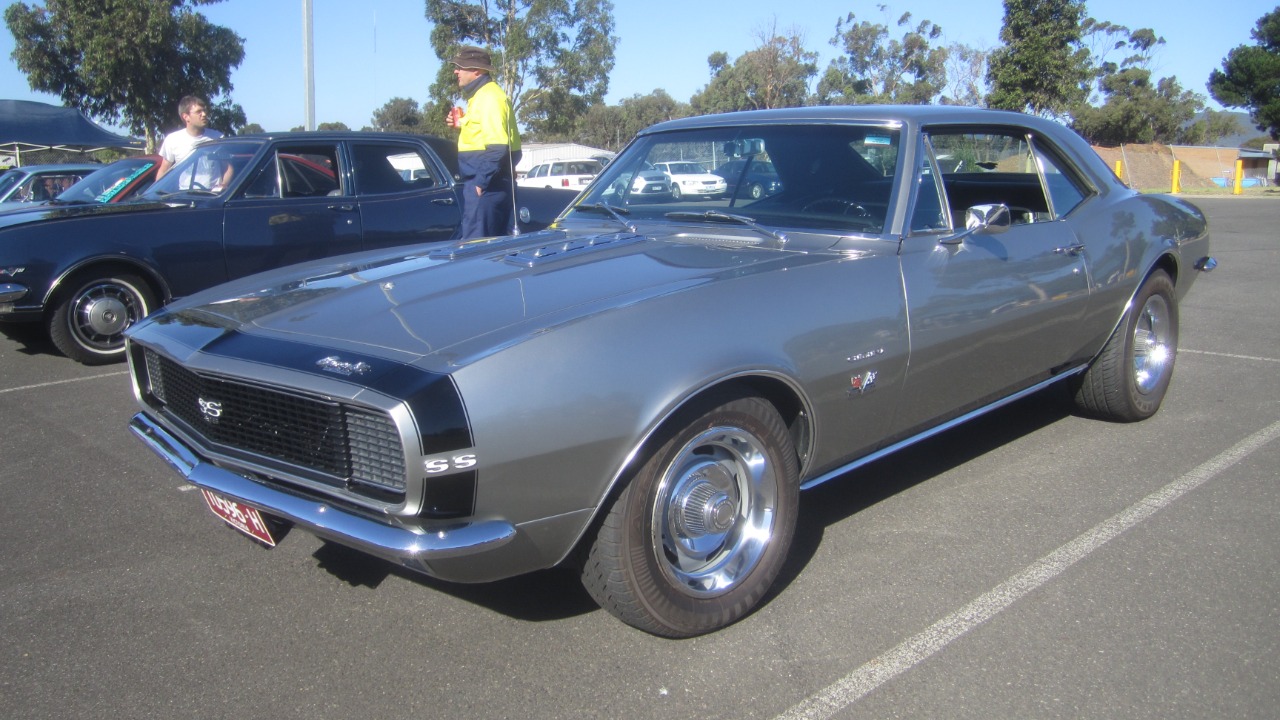
The 1967 Chevrolet Camaro RS, introduced in September 1966 for the 1967 model year, initially suffered from its base 230 inline-six reputation. Early 2000s price guides showed many cars stuck around $4,000, since buyers overlooked the optional 350 small-block V8 that engineers at Chevrolet Performance made highly tunable. In period, the Camaro SS used a 350 cubic-inch unit that set expectations for what these cars could do.
Later enthusiasts recognized that RS cars ordered with the 350 shared much of the same performance potential as the SS, especially once modern camshafts, intake manifolds and exhausts were added. Discussions of Power and Performance for the Camaro SS reinforced how central that displacement was to the model’s identity. As collectors chased V8 cars, average RS values rose to about $30,000 by 2015, proving how a single engine option can transform a trim package into a serious investment.
1971 Plymouth Barracuda
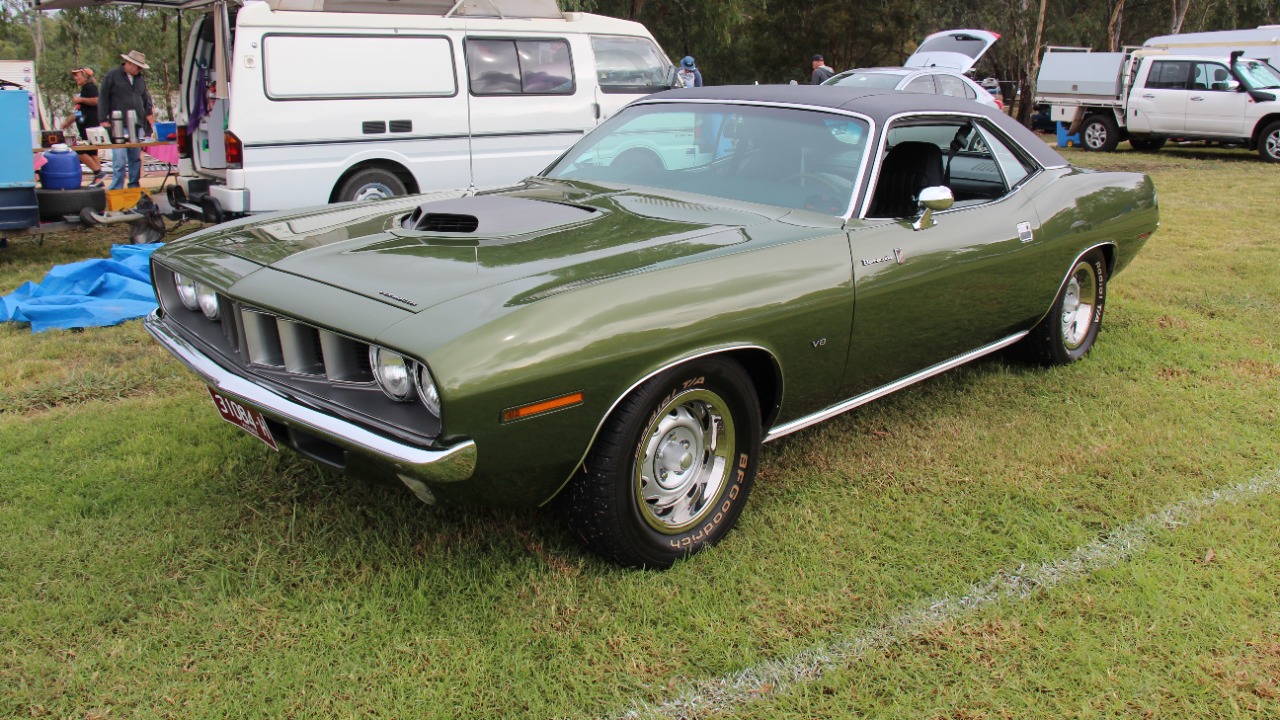
The 1971 Plymouth Barracuda without the famous Hemi long sat under $10,000, overshadowed by high-profile ’Cuda variants. Detailed coverage of the Barracuda points out that only 1,100 cars in 1971 carried the 383 big-block V8, rated at 335 hp. One analysis noted that the Barracuda’s big-block was overshadowed by ’Cuda Hemis, keeping prices low until engine hunts began among Mopar specialists.
Once rarity data circulated, collectors realized that a 383 Barracuda combined big-block torque with far lower production than many Hemi cars from other years. That scarcity, plus the relative affordability of building a 383 compared with sourcing a Hemi, pushed values beyond $50,000 after 2005. The shift illustrates how production numbers and engine codes can matter more than headline badges when the market matures.
1965 Ford Mustang Hardtop
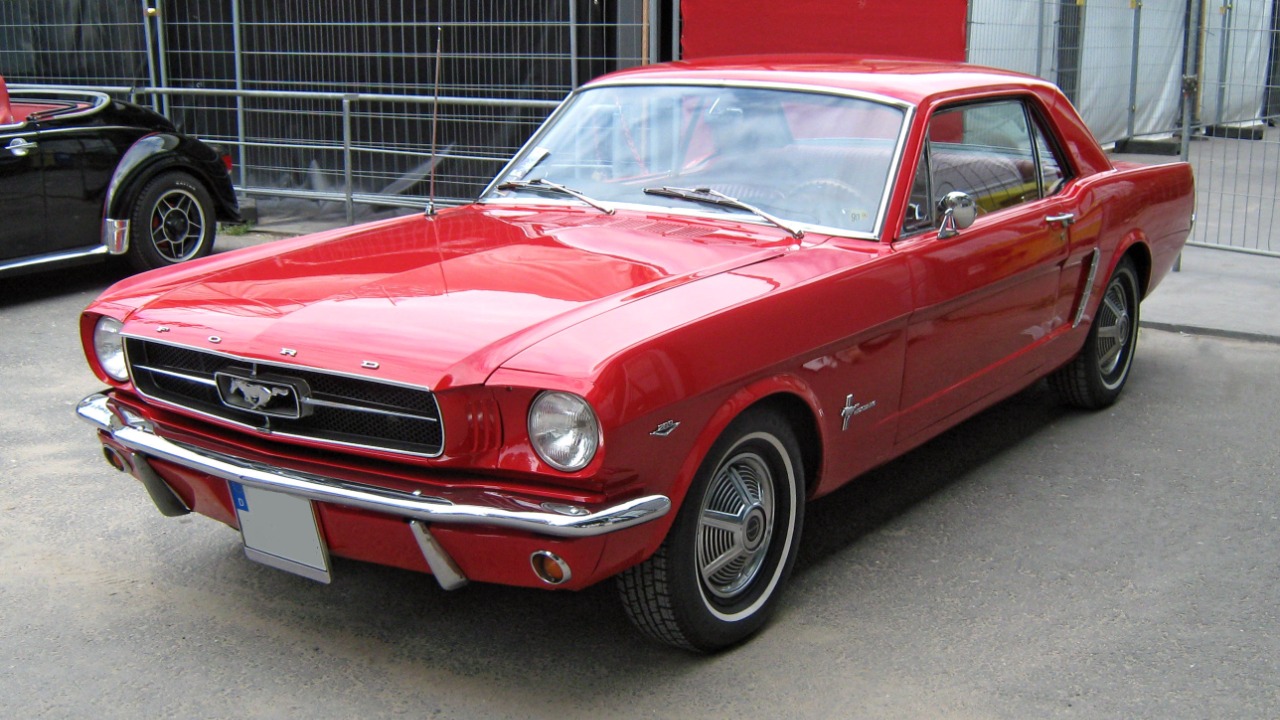
The 1965 Ford Mustang hardtop, first sold on April 17, 1964, was long treated as the entry-level pony car. With 559,451 Mustangs built for 1965 and many carrying the base 200 inline-six, 1990s prices hovered between $3,000 and $5,000. Research on 1965 Mustang engines emphasizes that the 289 Hi-Po V8 shared Shelby heritage, turning otherwise ordinary hardtops into serious performers.
As enthusiasts connected that 289 Hi-Po to early GT350 development, demand for factory V8 hardtops surged. Collectors began decoding engine tags and build sheets, paying premiums for correct Hi-Po cars that could deliver period-authentic power with everyday drivability. By 2020, strong examples were bringing around $40,000, showing how a mass-produced body style can become highly collectible once its performance specification is fully appreciated.
1958 Chevrolet Delray
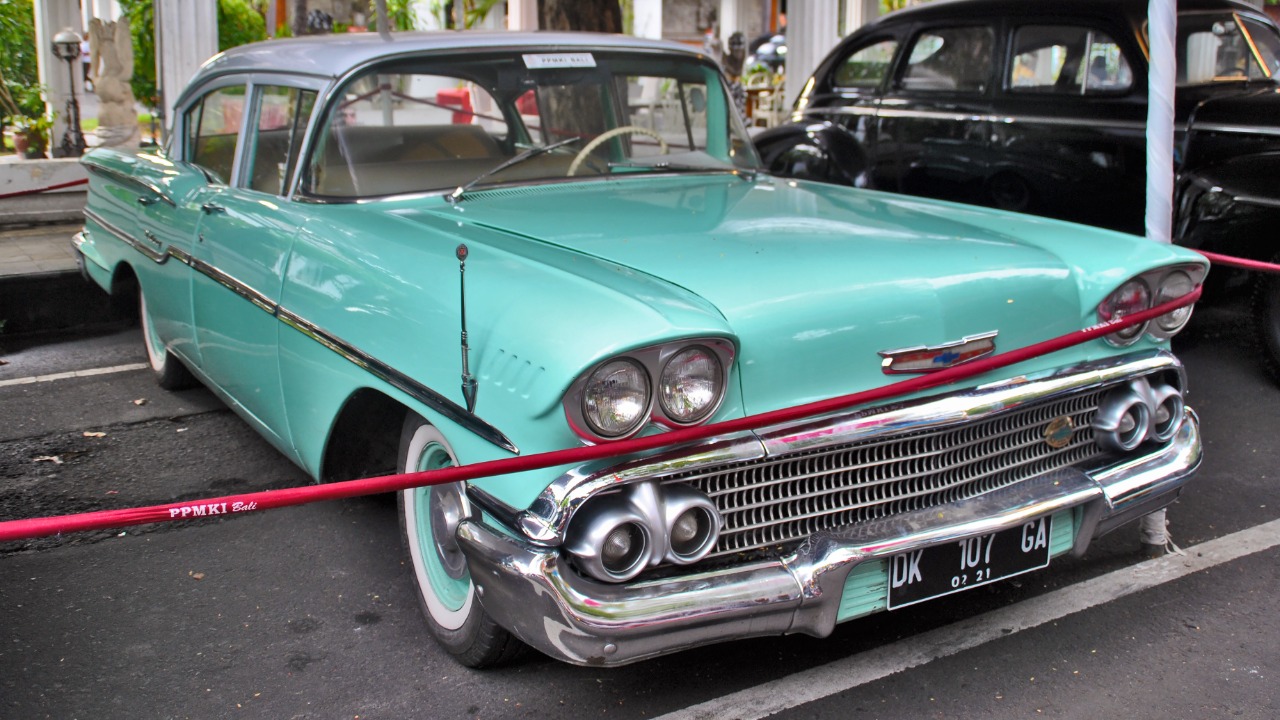
The 1958 Chevrolet Delray spent years as a low-spec sedan, typically selling for under $2,500 through the 1980s when equipped with the long-serving 235 inline-six. Analysis of the Delray notes that its chassis could accept the new 348 W-series big-block V8, introduced for 1958 at 250 hp, and that cars were built in plants including Atlanta, Georgia. That compatibility made the plain Delray a favorite for engine swaps once big-block nostalgia grew.
Further technical guides explain that, Across 1954–1958, the Delray could also be fitted with 265 and 283 small-block V8s, reinforcing its flexibility as a drivetrain platform, as detailed in this resource. As builders chased period-correct big-block power, values rose to more than $15,000 for solid cars, proving that even a workaday sedan can become desirable once its engine options and swap potential are fully understood.
More from Fast Lane Only:

Leave a Reply