
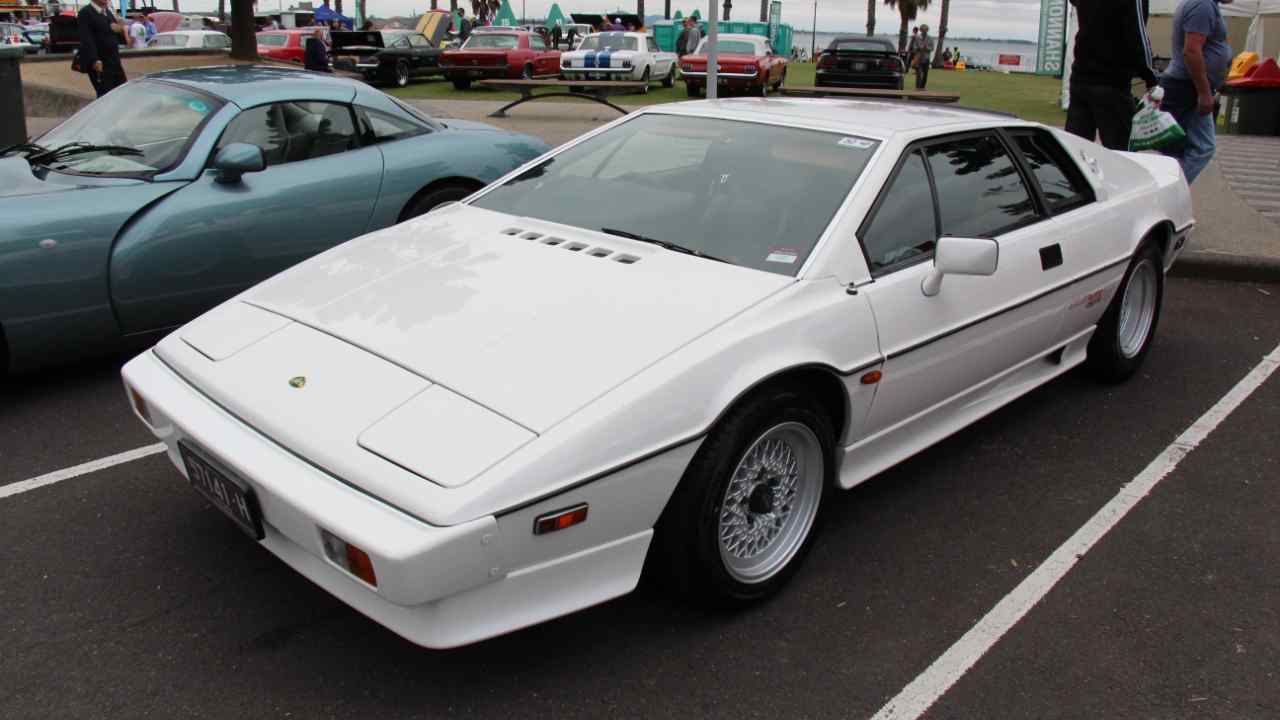
Turbocharged cars have always been a fascinating chapter in automotive history, especially during the muscle car era. These vehicles not only pushed the boundaries of speed and performance but also set the stage for technological advancements in turbocharging. Let’s delve into seven iconic factory turbo cars that stood out during those golden years.
Buick Regal Grand National
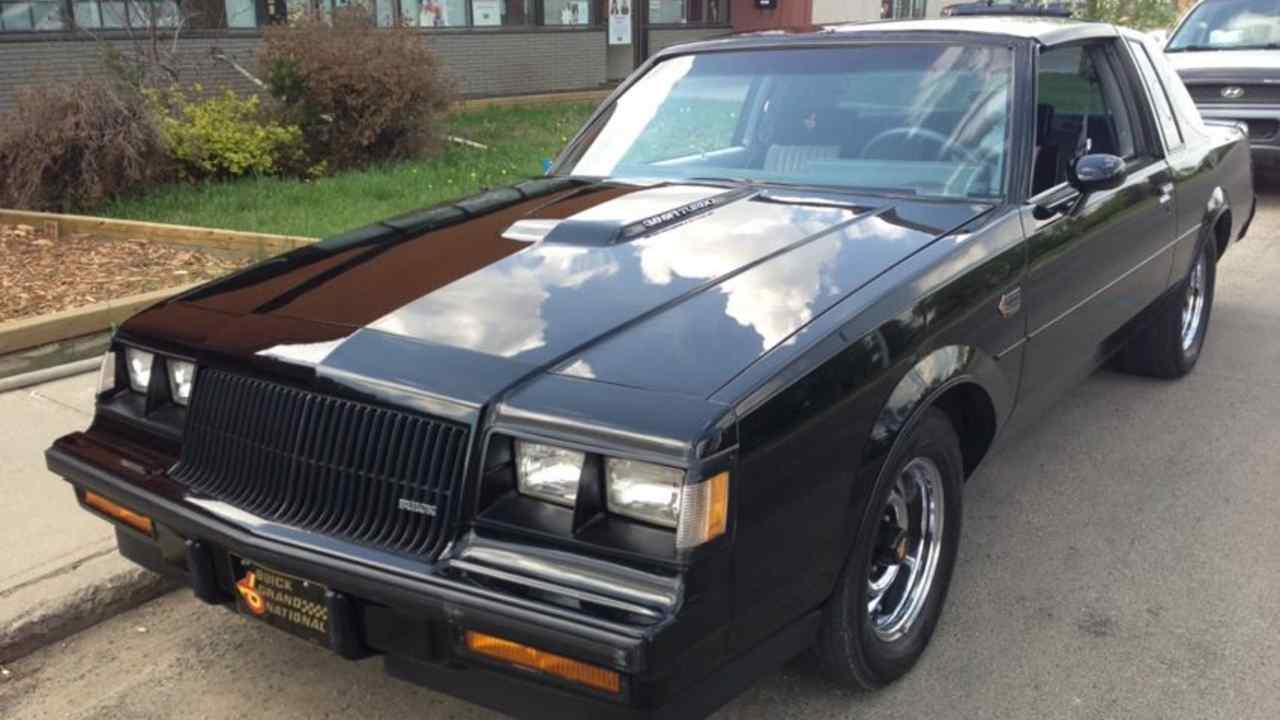
The Buick Regal Grand National, particularly the 1987 model, is often celebrated as one of the most impressive turbocharged cars from the muscle era. Equipped with a 3.8-liter V6 engine featuring a turbocharger, it was capable of producing 245 horsepower. This power output allowed the Grand National to outperform many V8-powered competitors of its time.
Its stealthy black appearance and formidable performance earned it a cult following. The Grand National was not just about speed; it was a statement of Buick’s engineering prowess, combining luxury with high-performance capabilities, making it a true icon of the era.
Ford Mustang SVO
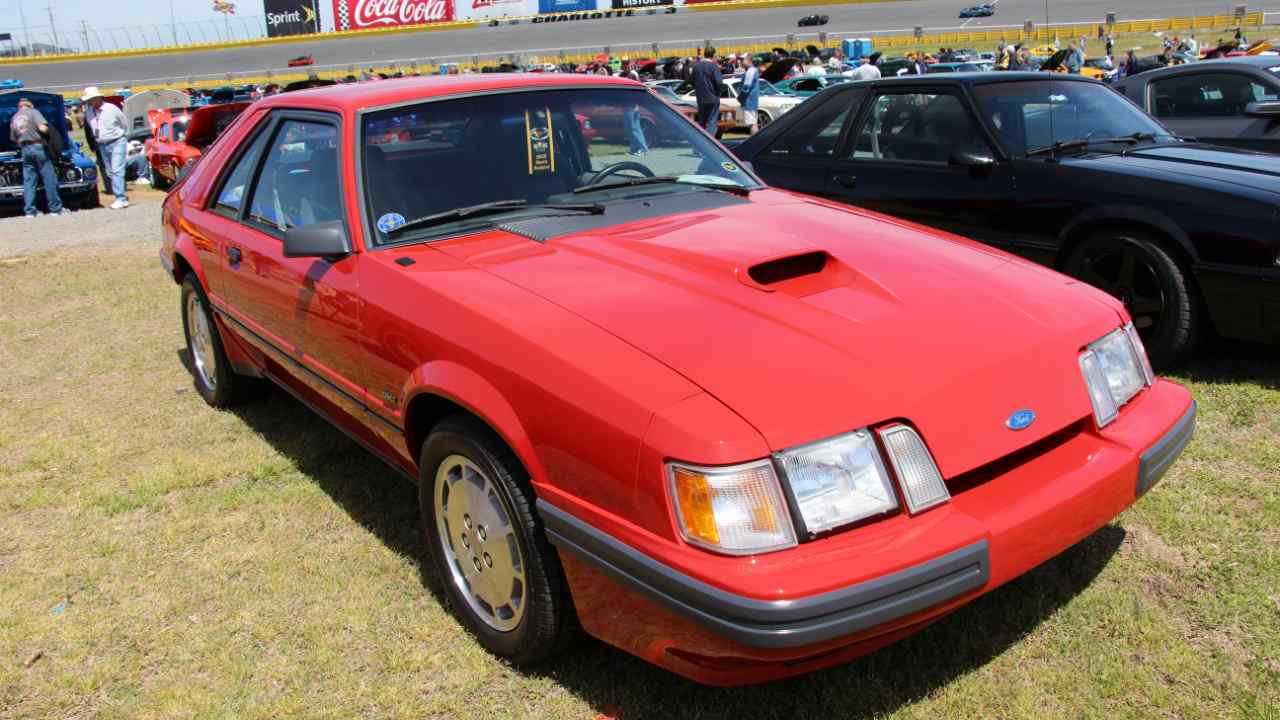
The Ford Mustang SVO, produced between 1984 and 1986, was a unique take on the classic Mustang formula. Under its hood was a 2.3-liter turbocharged inline-four engine, which was capable of producing 175 horsepower. What made the SVO stand out was its focus on handling and advanced technology, which was a departure from the traditional V8 Mustang approach.
This model featured adjustable Koni shocks, a limited-slip differential, and four-wheel disc brakes, making it a leader in performance and innovation. The Mustang SVO remains a testament to Ford’s willingness to experiment and push the boundaries of what a muscle car could be.
Dodge Omni GLH-S

The Dodge Omni GLH-S, with its quirky name standing for “Goes Like Hell S’more,” was a turbocharged hot hatch that captured the essence of 1980s performance. With a turbocharged 2.2-liter inline-four engine, it produced 175 horsepower, which was quite impressive for its size and weight class.
Designed by Carroll Shelby, the GLH-S was all about delivering maximum performance in a compact package. It combined practicality with speed, making it a popular choice among enthusiasts who wanted a car that could perform both on the track and in everyday driving scenarios.
Chevrolet Corvair Monza Spyder
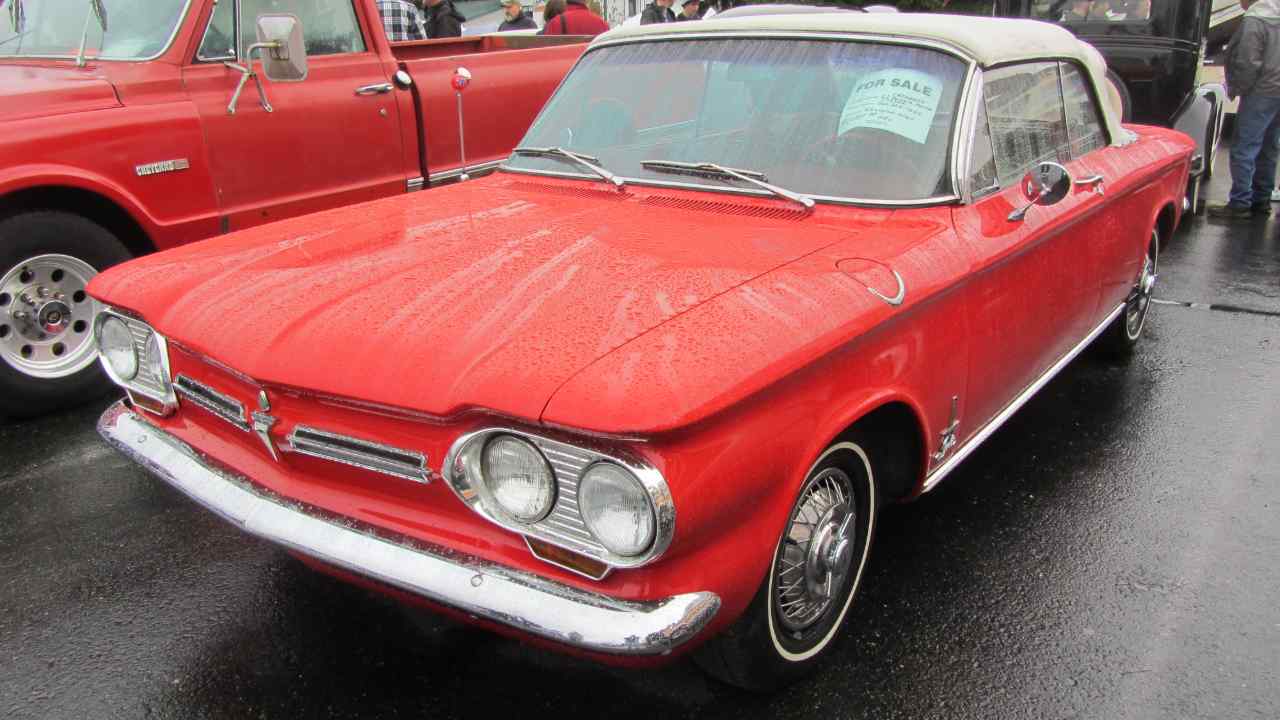
The Chevrolet Corvair Monza Spyder, introduced in the early 1960s, was one of the first American production cars to feature a turbocharged engine. Its 2.4-liter flat-six engine, equipped with a turbocharger, delivered 150 horsepower, which was significant for the time.
Despite some controversy surrounding its handling, the Corvair Monza Spyder was praised for its innovative design and engineering. It set a precedent for future turbocharged vehicles and showcased Chevrolet’s commitment to pushing technological boundaries.
Porsche 930 Turbo
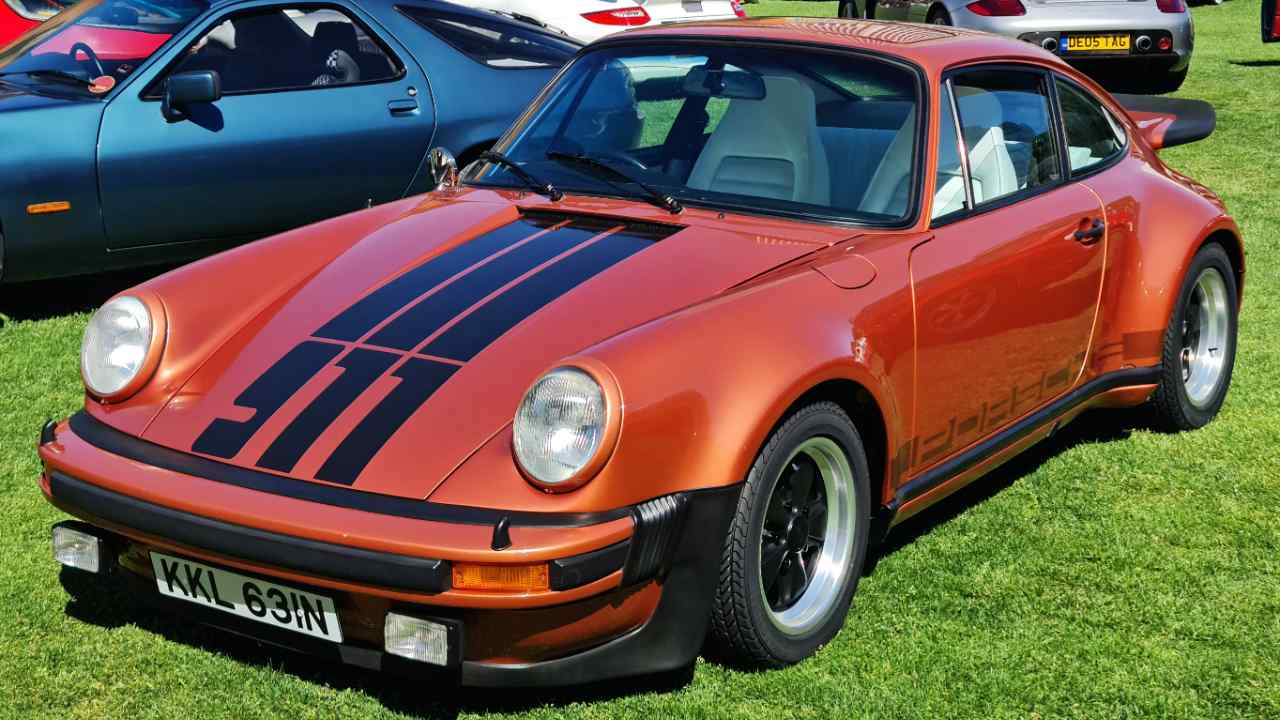
The Porsche 930 Turbo, commonly known as the 911 Turbo, made its debut in the mid-1970s and quickly became a symbol of performance and luxury. With its 3.0-liter turbocharged flat-six engine initially producing 260 horsepower, it was one of the fastest cars of its time.
Its distinctive wide rear fenders and impressive speed earned it a reputation as a “widowmaker” due to its challenging handling characteristics. The Porsche 930 Turbo is often credited with popularizing turbocharging in sports cars, setting a benchmark for future performance vehicles.
Saab 99 Turbo
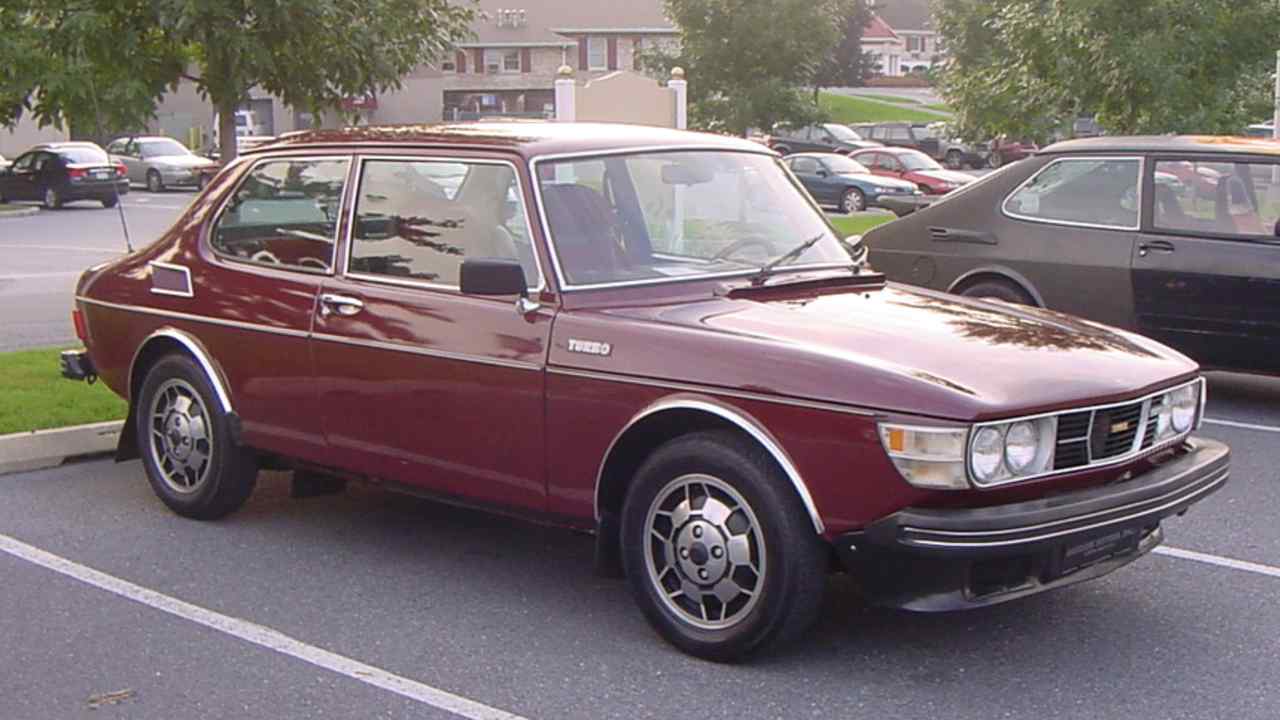
The Saab 99 Turbo, launched in 1978, was a pioneering vehicle in the world of turbocharging. Its 2.0-liter turbocharged engine produced 145 horsepower, bringing performance car capabilities to a broader audience. The 99 Turbo was instrumental in establishing Saab’s reputation for producing innovative and safe cars.
With its unique Scandinavian design and advanced engineering, the Saab 99 Turbo appealed to drivers who valued both style and performance. It was a trailblazer that influenced the direction of future Saab models and the automotive industry as a whole.
Lotus Esprit Turbo
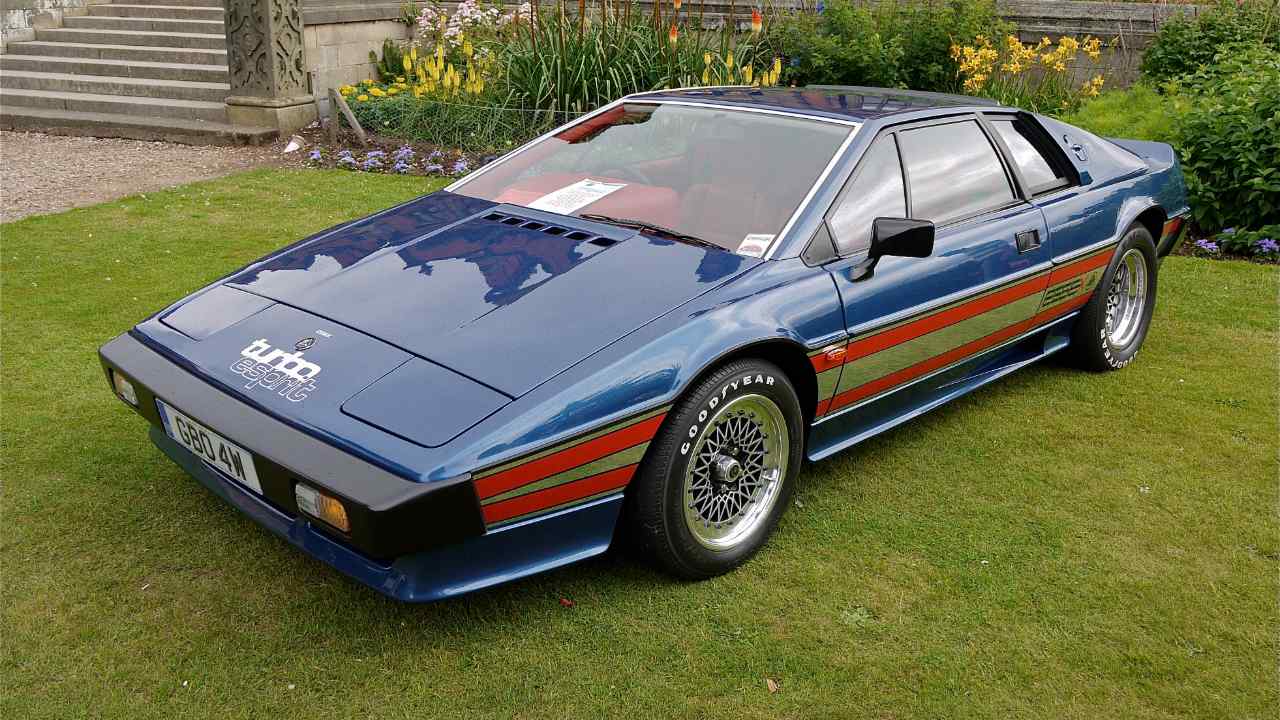
The Lotus Esprit Turbo, introduced in the early 1980s, was a quintessential British sports car that combined lightweight construction with turbocharged power. Its 2.2-liter turbocharged inline-four engine generated 210 horsepower, offering exhilarating performance for enthusiasts.
Known for its sleek design and outstanding handling, the Esprit Turbo was a favorite among car enthusiasts and even made appearances in popular films. It demonstrated Lotus’s commitment to engineering excellence and remains a beloved classic in the world of performance cars.
Like Fast Lane Only’s content? Be sure to follow us.
Here’s more from us:
*Created with AI assistance and editor review.

Leave a Reply