Detroit built more performance legends than any one collector could ever track, and plenty of them slipped out of the spotlight while Chargers, Mustangs and Camaros soaked up the attention. These seven forgotten Detroit performance cars show how wild the Motor City could get when engineers chased speed, style and bragging rights, even if the history books did not always keep up.
Buick GSX 455 Stage 1

The Buick GSX 455 Stage 1 proves that Detroit luxury brands could hit as hard as any street bruiser. Period data credits the Stage 1 package with a muscular 455 cubic inches horsepower, figures that placed this big Buick in the thick of the muscle car horsepower race. While Chevelle and GTO badges became poster staples, the GSX quietly combined premium trim, vivid graphics and dragstrip-ready torque that made full use of its stout engine and heavy-duty driveline.
That blend of comfort and raw speed means the Buick GSX fits neatly among Detroit performance cars that enthusiasts now regard as sleepers. Collectors who focus only on headline names risk missing how the Stage 1 package anticipated modern luxury muscle, where leather interiors and big power coexist. As values for more famous nameplates climb, the GSX 455 Stage 1 looks increasingly like the thinking enthusiast’s way into peak Detroit performance.
AMC AMX
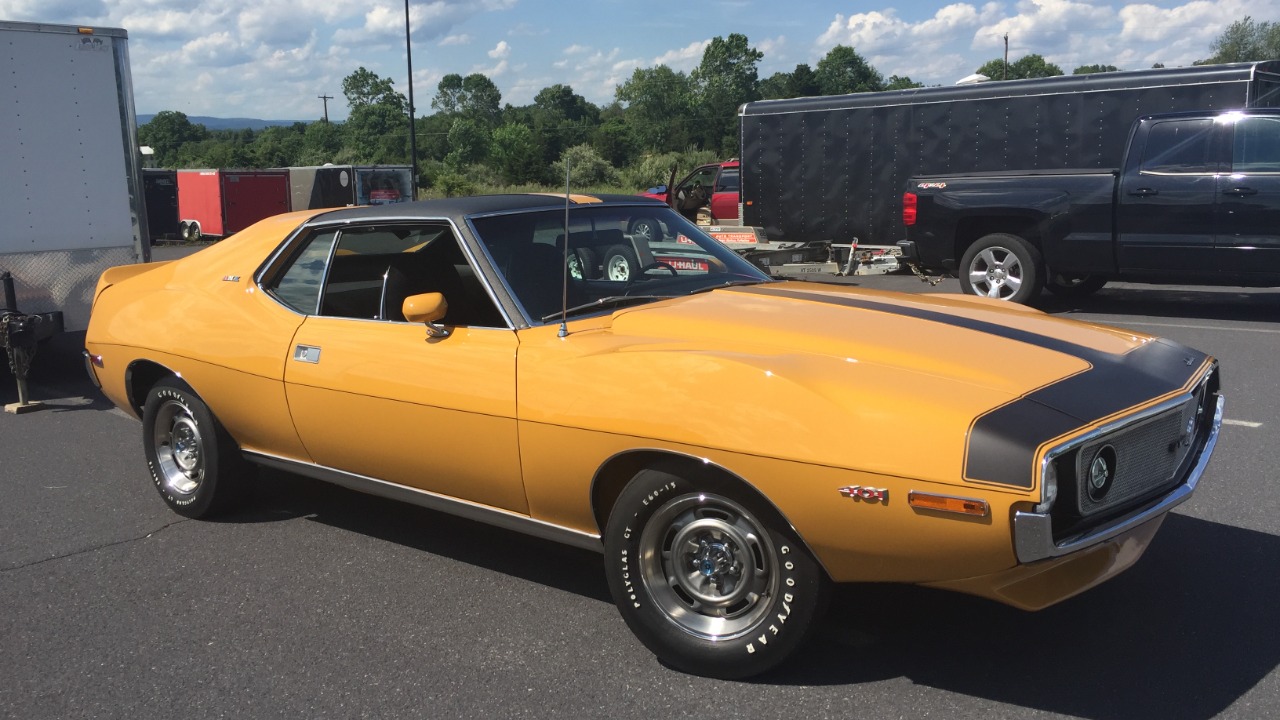
The AMC AMX often appears wherever enthusiasts talk about underappreciated Detroit performance, because it broke the size rules without sacrificing speed. Described as Compact Muscle Cart Play By Detroit Rules, The AMC AMX offered a short wheelbase, two-seat layout and serious V8 power. That formula gave it a different character from longer pony cars, with a more agile feel and a visual stance closer to a concept car than a family coupe.
Because American Motors lacked the marketing reach of the Big Three, the AMX never built the same myth as rivals, yet its performance credentials were real. The car’s compact footprint and strong acceleration made it a favorite among drivers who valued handling as much as straight-line speed. For modern collectors, the AMC AMX represents a rare chance to own a Detroit-built performance car that still turns heads at any show, precisely because it never became a common sight.
GMC Syclone

The GMC Syclone redefined what a Detroit performance vehicle could be by turning a compact pickup into a genuine street weapon. Listed among overlooked machines on a survey of Gmc performance trucks, the Syclone used a turbocharged V6, all-wheel drive and a lowered, sport-tuned chassis to embarrass period sports cars. Contemporary tests showed it could out-accelerate many traditional muscle coupes, despite its work-truck silhouette and modest size.
That sleeper personality is exactly why the Syclone fits this list of forgotten Detroit performance cars worth remembering. It carried genuine muscle DNA in a package that looked ready for hardware store duty rather than dragstrip glory. For enthusiasts today, the Syclone hints at a path Detroit could have followed more aggressively, where utility vehicles received the same engineering attention as coupes and sedans, long before performance SUVs became common.
Ford Contour SVT
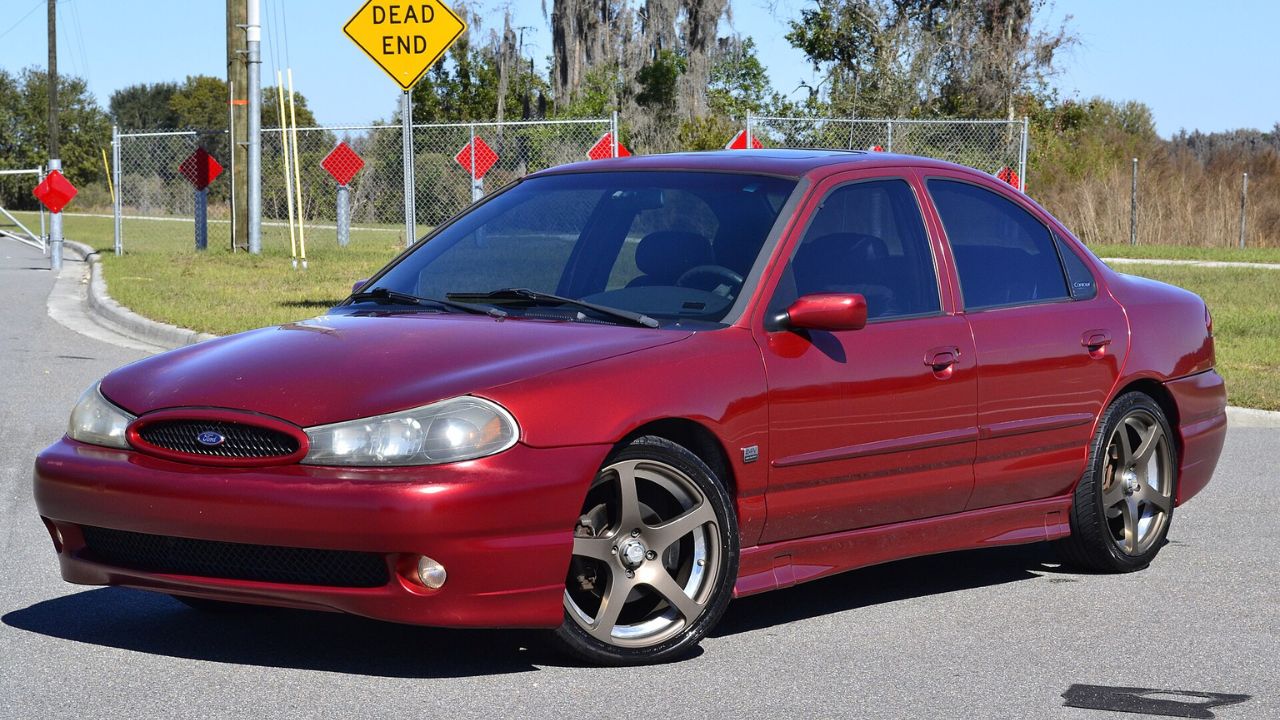
The Ford Contour SVT showed that Detroit could build a European-style sport sedan without abandoning its own identity. A short video on the Ford Contour SVT calls it the greatest sleeper car of all time and notes that it shared roots with the Mercury Mystique, which made its performance potential even more surprising. Under the conservative bodywork sat a tuned V6, sharper suspension and a close-ratio gearbox that rewarded drivers who treated it like a sports car rather than a commuter.
Because it looked like something a grandparent might drive, the Contour SVT never built the same cult following as flashier Detroit muscle. Yet its combination of practicality and pace foreshadowed the modern sport sedan formula that enthusiasts now expect from multiple brands. Remembering this car highlights how Detroit engineers were already experimenting with understated performance long before that idea went mainstream.
Hurst SC Ramler

The Hurst SC Ramler, sometimes spelled Hurst SC Ramber in period references, stands out among Forgotten ’60s Muscle for its aggressive tuning and limited production. Identified in that coverage as the 69 Hurst SC Ramler, this lightweight AMC-based special used bold graphics, functional scoops and serious engine upgrades to punch far above its compact-car origins. The partnership with Hurst signaled that this was no mere appearance package.
Detroit rivals reportedly saw the Hurst SC Ramler as a threat because it delivered big performance in a smaller, more affordable shell. That formula anticipated later factory hot rods that focused on power-to-weight ratios rather than sheer displacement. For collectors and historians, the car illustrates how even smaller players in the Motor City arms race could produce machines that worried the established brands.
Ford Mustang Twister Special
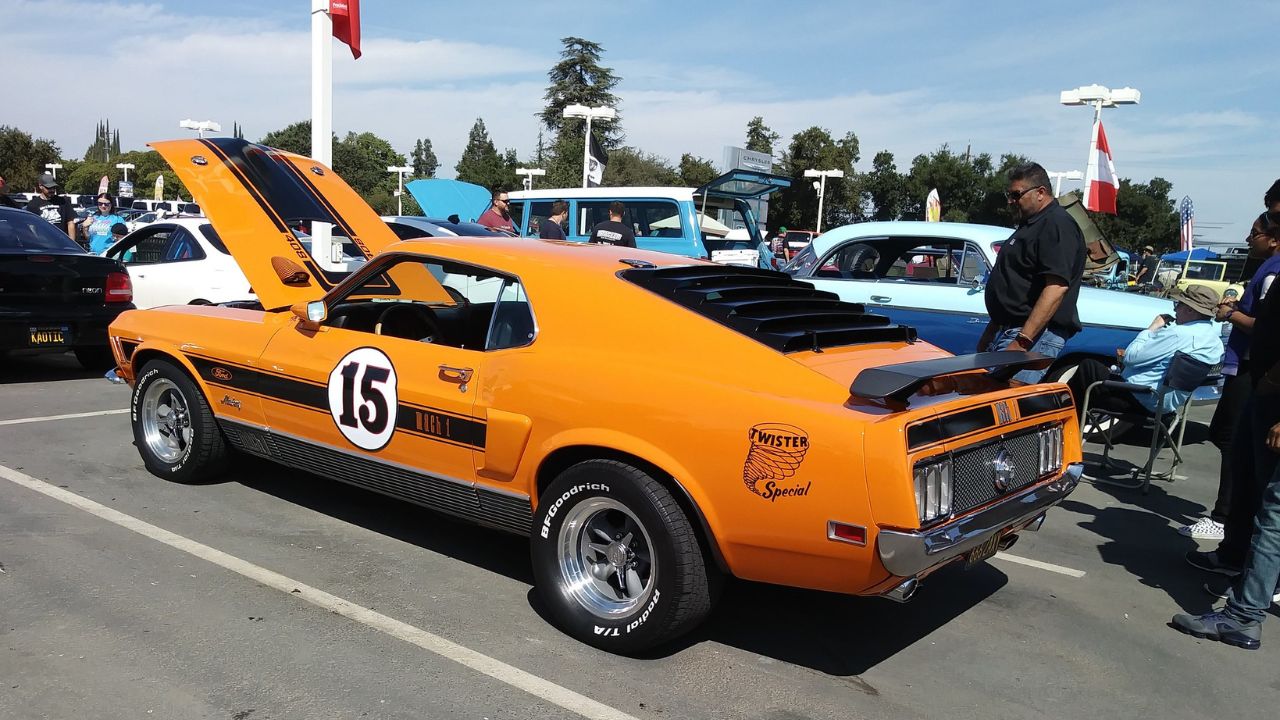
The Ford Mustang Twister Special represents Detroit’s habit of building regional factory hot rods for only a handful of buyers. Documentation of the Ford Mustang Twister describes a 1970 Ford Mustang Mach 1 Twister Special with an Estimated Value of $150,000 and a distinctive 3/4 front view often associated with Mecum auction coverage. Limited numbers and region-specific distribution kept it obscure compared with national packages like Boss or Mach 1.
Because so few were built, the Twister Special rarely appears outside specialist circles, yet it captures Detroit’s willingness to experiment with dealer and territory exclusives. That scarcity, combined with serious performance hardware, explains its six-figure valuation. For enthusiasts, it is a reminder that some of the most interesting Detroit performance stories played out far from the national spotlight, in local showrooms and regional promotions.
Chevy Impala Z-11
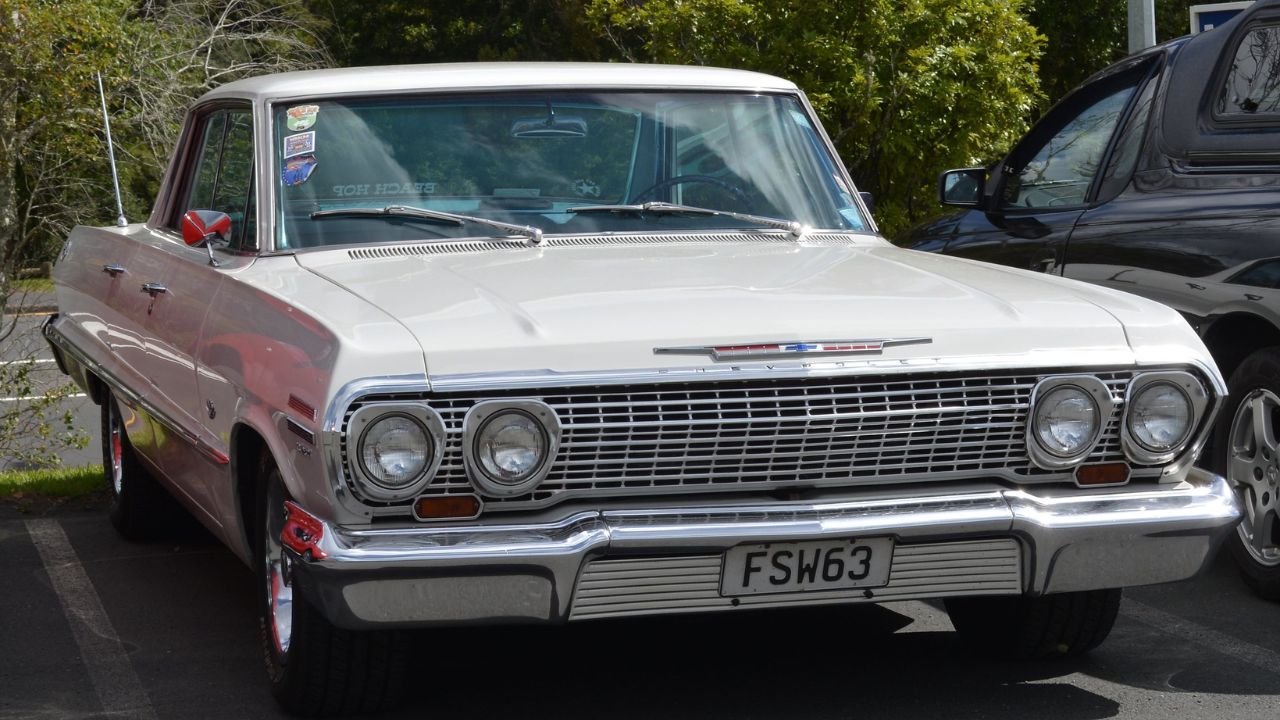
The Chevy Impala Z-11 emerged from a period when Detroit treated the dragstrip as a proving ground for showroom credibility. Coverage of Detroit Factory Specials lists the Chevy Impala Z-11 alongside other factory-built quarter-mile weapons from Ford and rival brands. The Z-11 package focused on weight reduction, specialized engine internals and gearing tailored for drag racing, all wrapped in full-size Impala sheetmetal.
That combination of big-body presence and focused performance makes the Z-11 a classic example of Detroit excess that later slipped from public memory. As muscle car conversations shifted toward midsize coupes, early factory drag specials like this one faded into the background. Remembering the Impala Z-11 helps explain how far manufacturers were willing to go in pursuit of bragging rights on asphalt, not in newsprint, and why those efforts still shape collector interest today.
More from Fast Lane Only