Muscle car folklore usually centers on big names and big production runs, yet some of the most valuable machines were the ones almost nobody ordered. Builders such as Plymouth, Dodge, Chevrolet and Ford quietly created tiny batches of extreme hardware that buyers largely ignored at the time. Today those forgotten order codes and obscure body styles have turned into seven of the rarest muscle cars on record, each produced in numbers so small that most enthusiasts will never see one outside an auction catalog.
1971 Plymouth Hemi ’Cuda Convertible
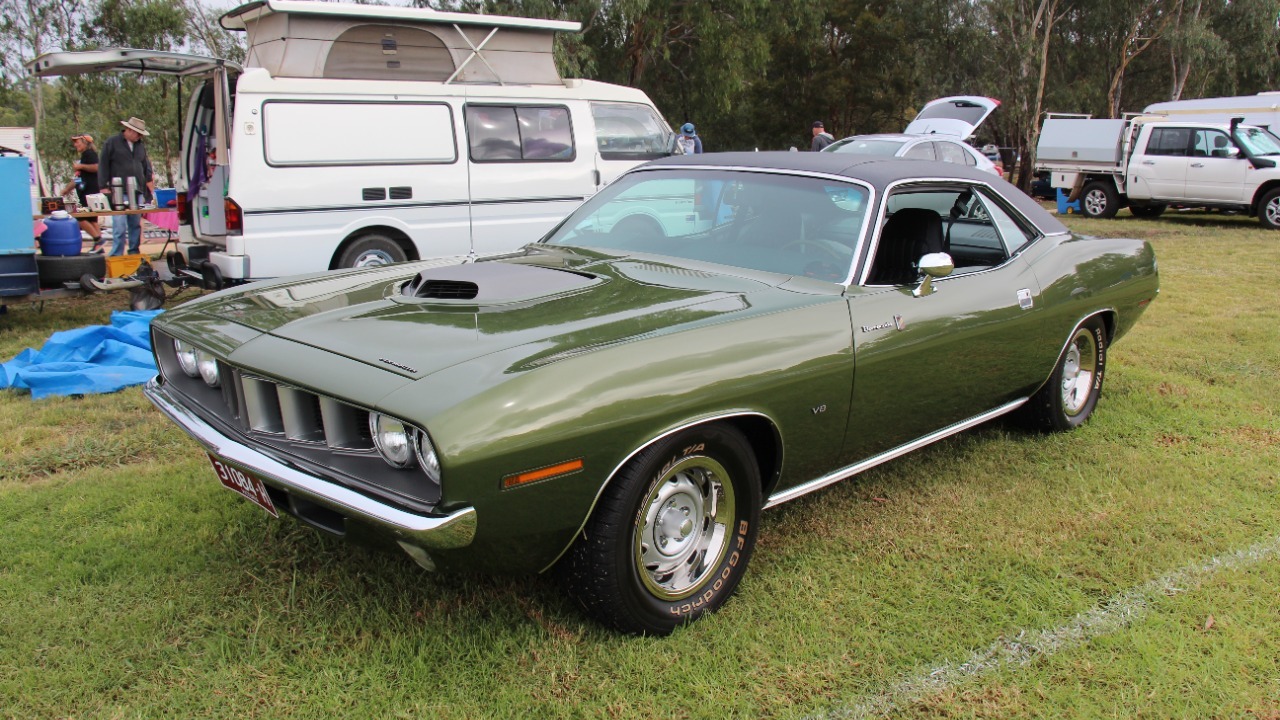
The 1971 Plymouth Hemi ’Cuda Convertible is widely described as the holy grail of muscle cars because only 12 units left the factory with the 426 Hemi and a folding top. One detailed account of the car’s status notes that the Plymouth Hemi ’Cuda Convertible is “widely regarded” as the ultimate prize because of that combination of power and scarcity. Period buyers gravitated to cheaper 383 or 440 cars, leaving this top specification almost untouched on order sheets.
Later coverage of a Plymouth Cuda Hemi describes one of 11 cars as “Rare” and “Beautiful,” with Mr Excited and Friends celebrating a drive-by of a machine valued in the multimillion dollar range. That kind of attention shows how a body style that once looked impractical has become a benchmark for collectors, reshaping how auction houses and insurers price the most extreme factory muscle.
1970 Dodge Coronet R/T 426 Hemi Convertible (4 speed)
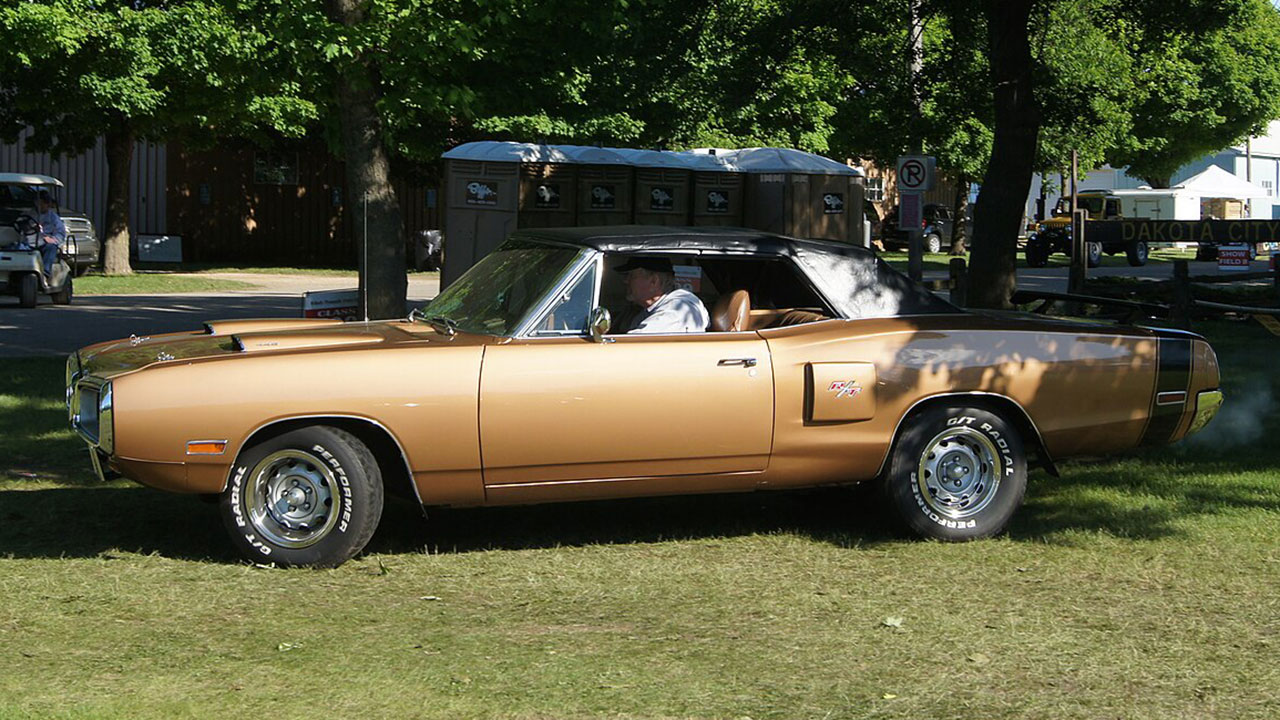
The 1970 Dodge Coronet R/T 426 Hemi Convertible with a 4 speed manual transmission sits even deeper in obscurity. A detailed build documented by Mark Worman confirms that this configuration is one of the rarest Mopars ever assembled. The car combines the 426 Hemi, a true R/T package and a convertible shell that almost no customer wanted by 1970, when insurance costs and changing tastes were already cooling the horsepower wars.
Another report on this exact Dodge Coronet restoration explains that it was “worth the effort” precisely because it represents a one of two build. For restorers and historians, that tiny production run turns every original component into a reference piece, influencing how future projects are judged and how authentic parts are sourced or reproduced.
1970 Dodge Coronet R/T Hemi Convertible (automatic)
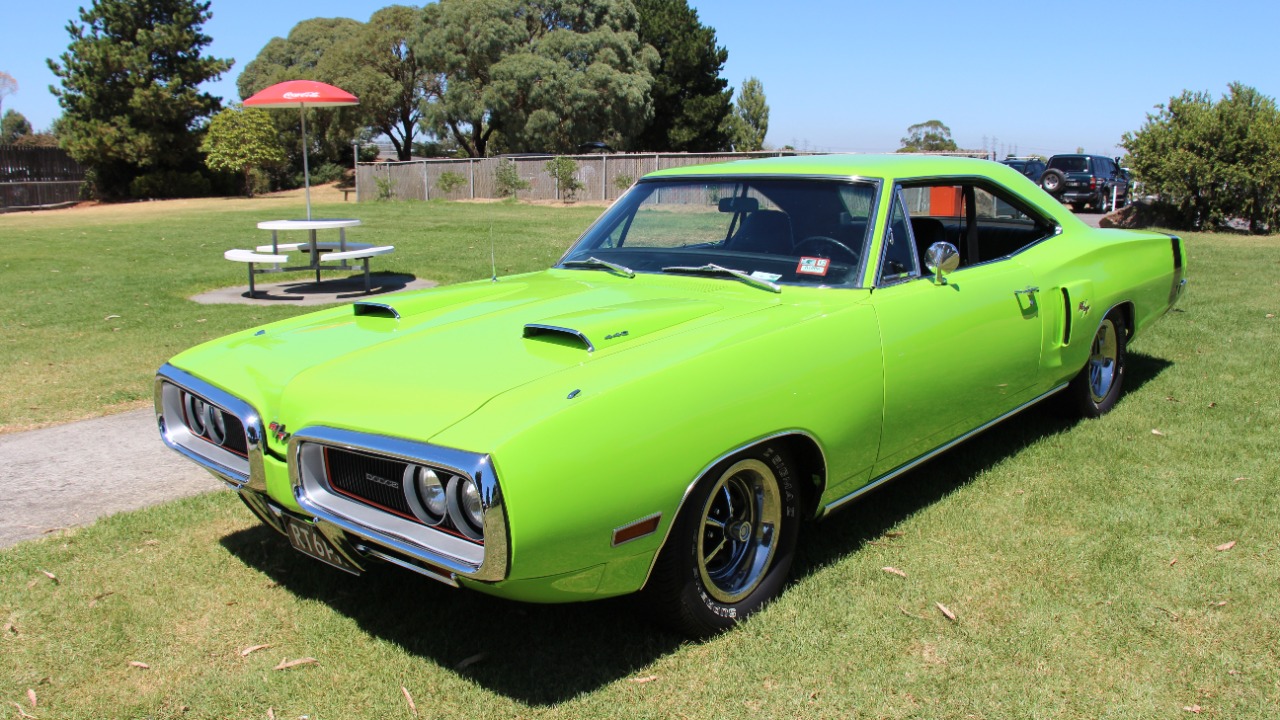
The automatic version of the 1970 Dodge Coronet R/T Hemi Convertible is the second half of this two car story. A detailed feature on the model states that the Hemi convertible was confirming that Dodge built only a pair of Coronet R/T Hemi Convertibles in total. One carried the 4 speed, the other an automatic, and together they form a matched set that almost no contemporary buyer even knew existed.
That same reporting notes that Dodge was already deep into the horsepower wars, which makes the decision to offer such a wild engine in such a quiet body style even more striking. For present day stakeholders, from museum curators to insurers, the existence of just two cars means any sale or public appearance can move price expectations for the entire Mopar segment.
1969 Chevrolet Camaro COPO 9560 427
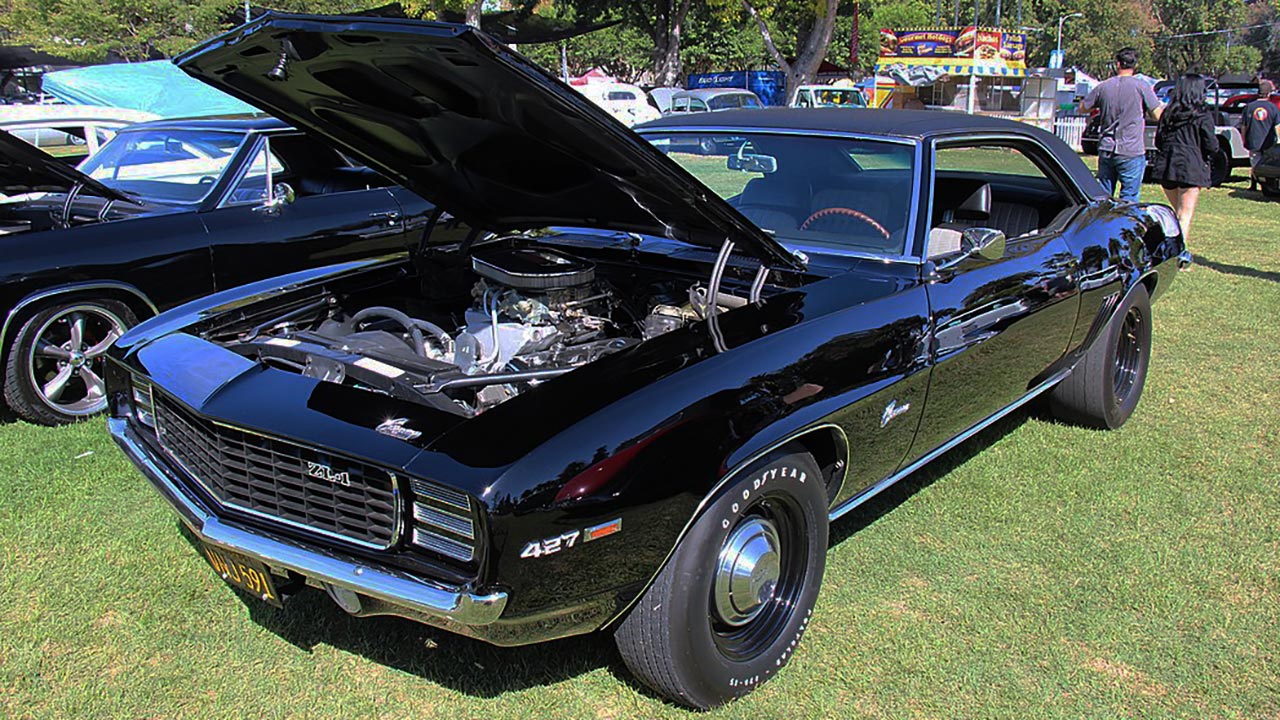
The 1969 Chevrolet Camaro COPO 9560 427 program shows how dealer initiative could create a car almost no one outside racing circles understood. Documentation on the project confirms that Gibb Chevrolet originally created the COPO 9560 427 Camaro by arranging a special order with Chevrolet and placing the initial batch. The 427 engine was intended for competition, not casual street use, and the COPO ordering path kept the car off regular option lists.
Because this configuration moved through a limited network of forty one Chevrolet dealers, the COPO 9560 427 remained practically invisible to mainstream buyers. That obscurity now benefits collectors and historians, who see the car as proof that internal order codes and dealer relationships could quietly bend corporate policy in favor of pure performance.
1969 Dodge Charger Daytona
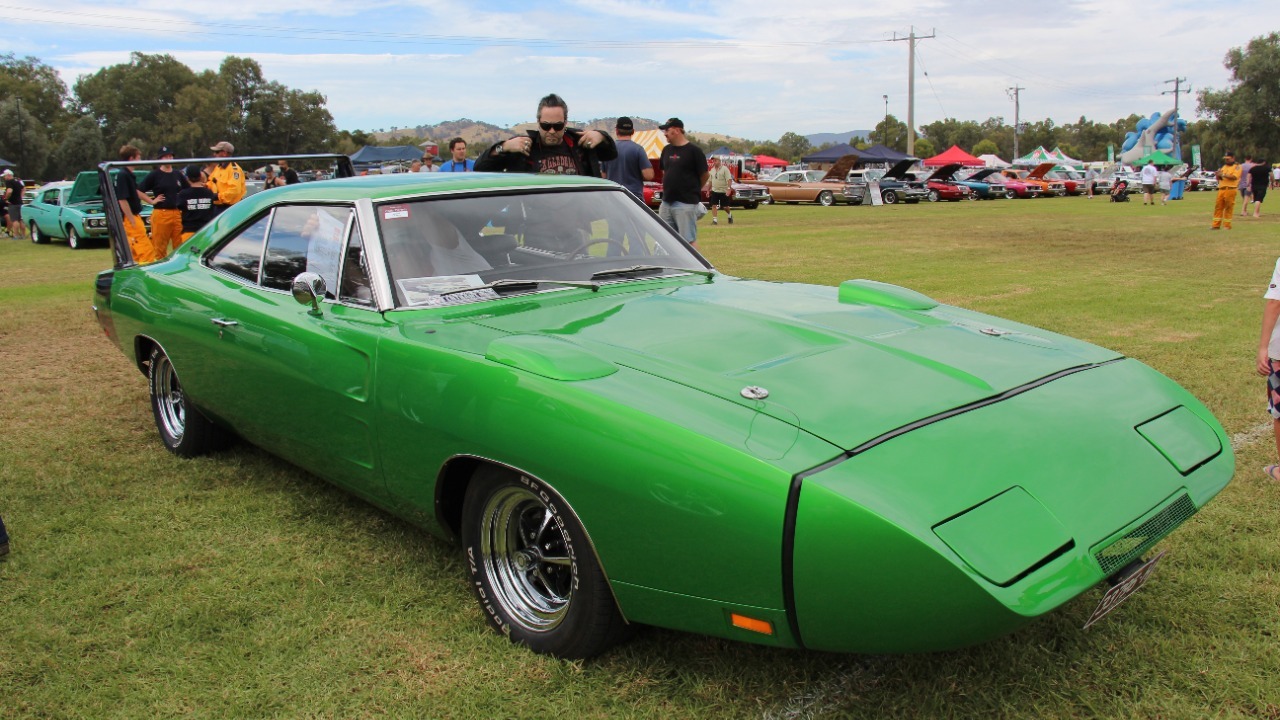
The 1969 Dodge Charger Daytona illustrates how aerodynamic experiments could create showroom orphans. One detailed rundown of rare muscle cars notes that the Dodge Charger Daytona wore an extended nose and towering rear wing to dominate NASCAR. Those functional changes made the car brutally effective on the track but visually shocking in dealer showrooms, where many customers preferred a regular Charger.
The same coverage explains that The Charger Daytona has since become a cult object, precisely because it looked so extreme that few buyers stepped up. For modern stakeholders, including sanctioning bodies and designers, the car stands as a reminder that racing driven specials can struggle in period sales yet later define an entire era of engineering risk taking.
1969 Ford Mustang Boss 429
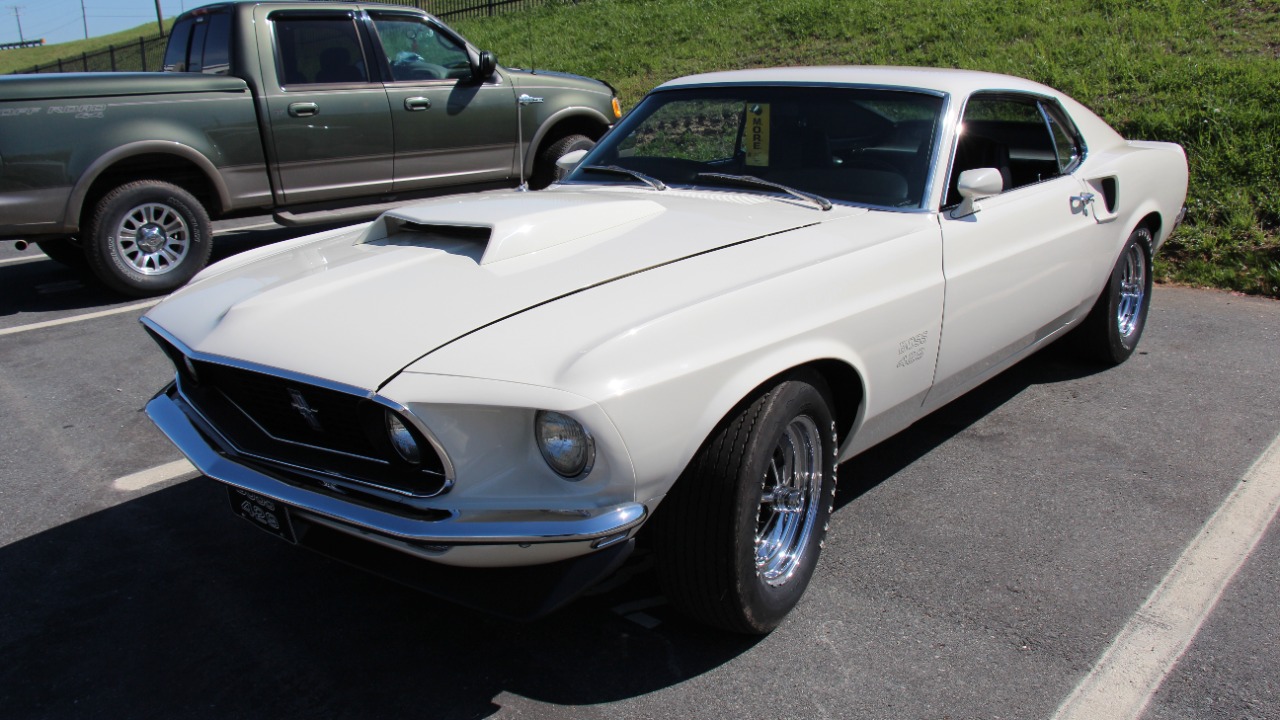
The 1969 Ford Mustang Boss 429 was another homologation special that buyers treated cautiously. A detailed breakdown of limited production muscle confirms that the Ford Mustang Boss 429 used a 429 cubic inch V8 rated at 375 horsepower and that only 859 Units were produced. Those figures show how narrowly Ford targeted NASCAR rules, building just enough cars to qualify the engine while avoiding a large scale market gamble.
Because the Boss 429 carried a high price and a reputation for being temperamental in traffic, many shoppers chose milder Mustangs instead. Today the low production run and race bred hardware give the model outsized influence on pricing for all big block Mustangs, shaping restoration priorities and insurance valuations well beyond its original sales footprint.
Ford Torino King Cobra
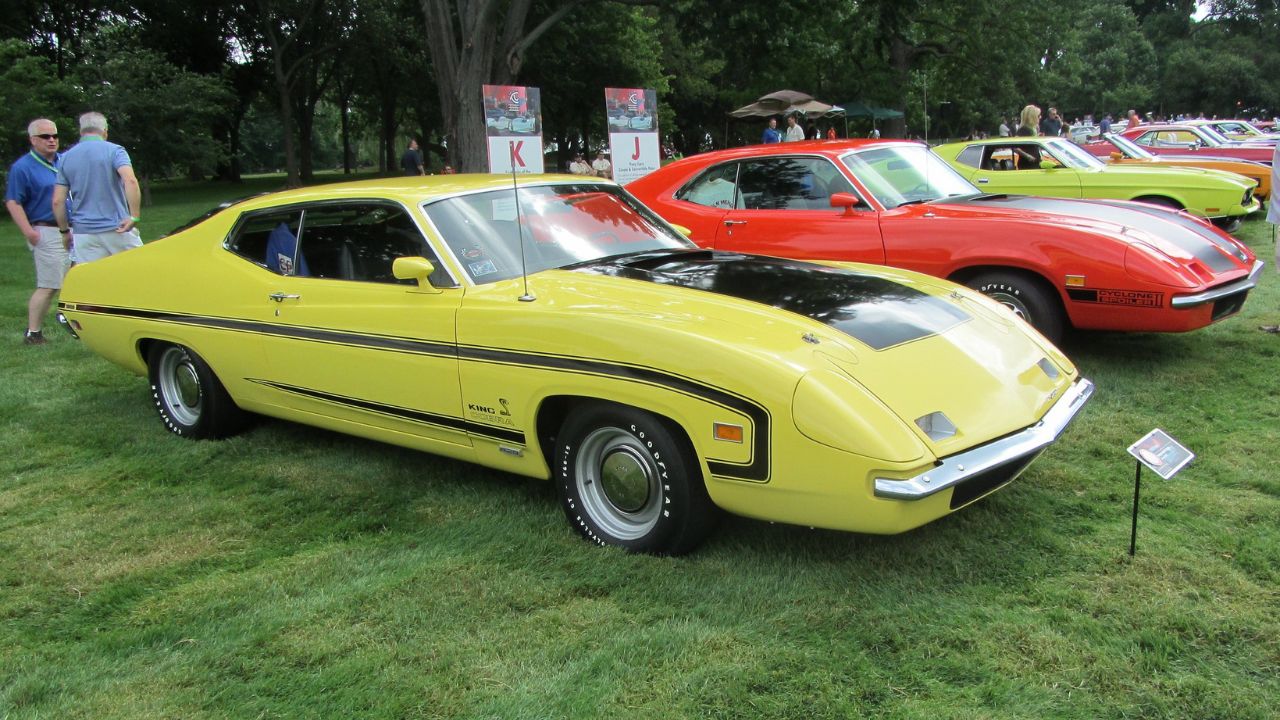
The Ford Torino King Cobra program represents the rarest branch of this story, since only three cars were completed before cancellation. A detailed video history of King Cobra development explains that the project aimed to counter NASCAR rivals with a radically reshaped nose, but only three prototypes were built before the effort ended. Researchers rely on those surviving prototype cars to reconstruct the aerodynamic work that never reached full production.
Because the King Cobra never appeared on public order sheets, it fits the theme of muscle hardware that almost nobody ordered in an even more literal way. For historians and brand managers, its story highlights how quickly racing regulations and corporate caution can erase an entire branch of performance development, leaving just a few experimental cars to carry the legend.
More from Fast Lane Only