
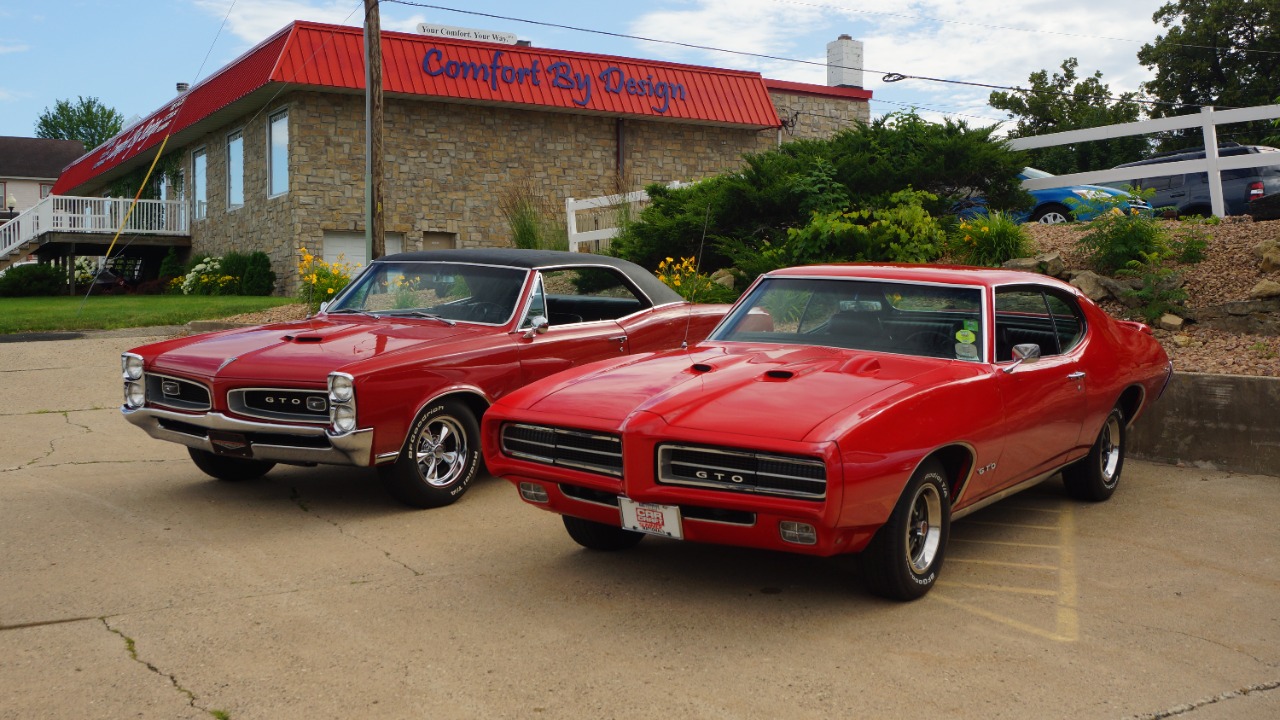
Owning a classic car is more than just having a set of wheels; it’s an investment in history and emotion. Before you decide to part ways with your vintage vehicle, consider the aspects that make these cars irreplaceable. Here are seven compelling reasons why letting go of your classic car could be a decision you’ll regret.
Sentimental Value
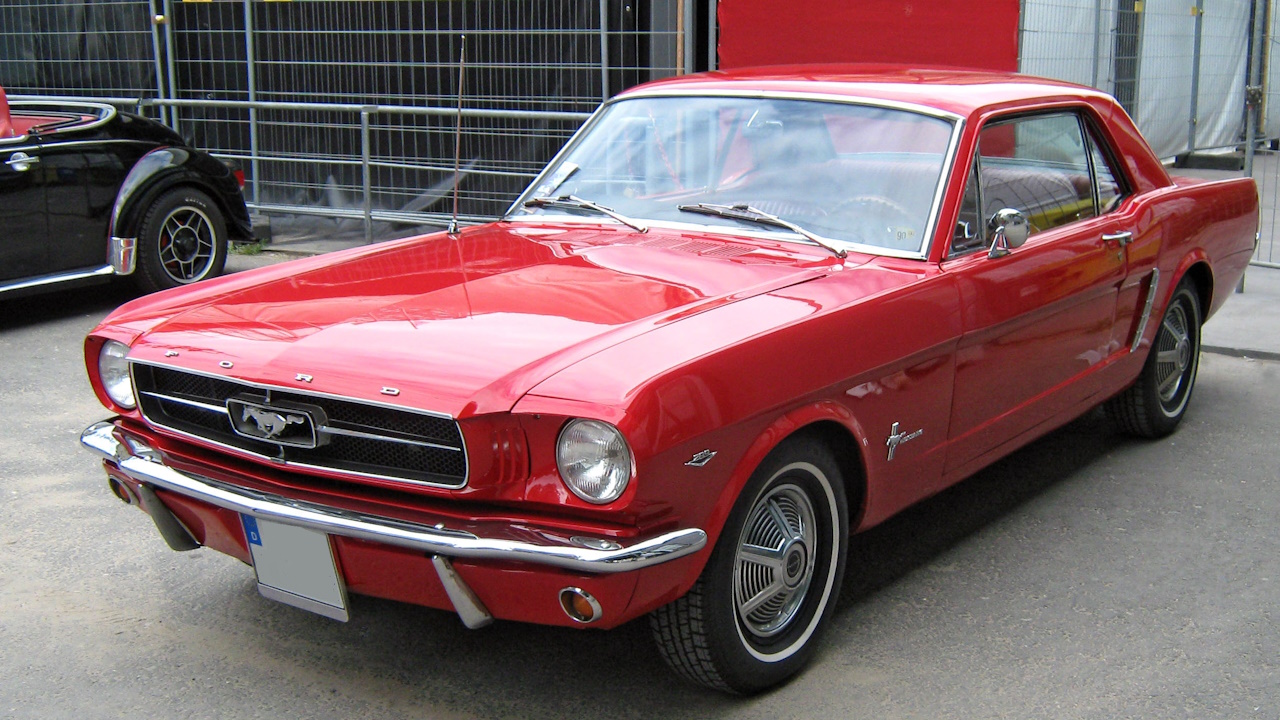
Classic cars often carry significant sentimental value, whether they’re passed down through generations or represent a milestone in life. The memories associated with a classic car, from family road trips to restoration projects, are irreplaceable. My own experience with a 1965 Ford Mustang taught me that these vehicles are time capsules of personal history, and selling one might mean losing a tangible connection to cherished memories.
Beyond personal memories, classic cars can symbolize an era or cultural movement, making them even harder to part with. The nostalgia tied to a classic car often outweighs any financial gain from selling it, ensuring that the emotional bond remains strong.
Appreciation in Value
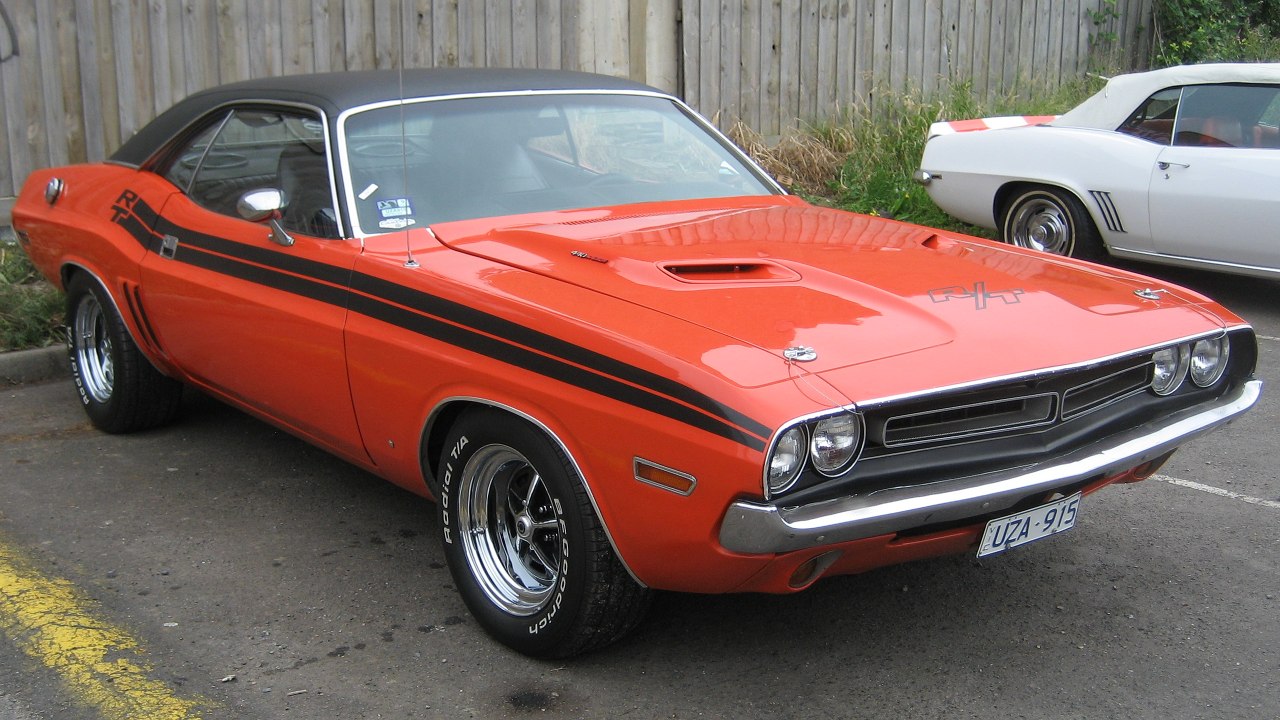
While modern cars depreciate quickly, classic cars often appreciate in value over time. Models like the 1963 Chevrolet Corvette Sting Ray or the 1971 Dodge Challenger have seen significant increases in market value over the years. Selling a classic car too soon might mean missing out on future financial rewards.
Investing in a classic car can be a smart financial move, as their rarity and desirability among collectors often lead to higher prices. Holding onto your classic car could potentially yield greater returns than traditional investments in the long run.
Unique Driving Experience
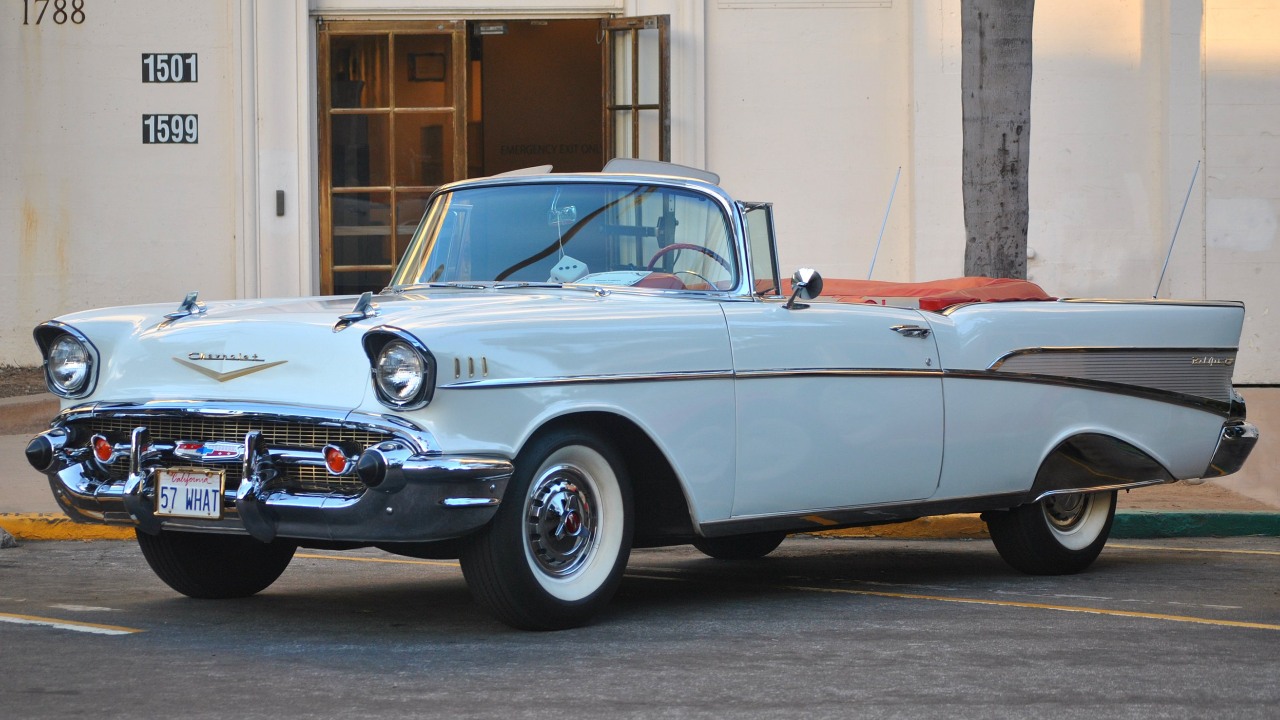
Driving a classic car offers a unique experience that modern vehicles simply can’t replicate. The tactile feedback from the steering wheel, the distinct engine sounds, and the manual controls transport you to a different era every time you hit the road. My time behind the wheel of a 1957 Chevrolet Bel Air was unlike any ride in a modern car.
These cars require skill and attention, creating a more engaging and rewarding driving experience. Selling your classic car means losing out on the pure joy and thrill that comes from mastering its nuances and characteristics.
Increasing Rarity
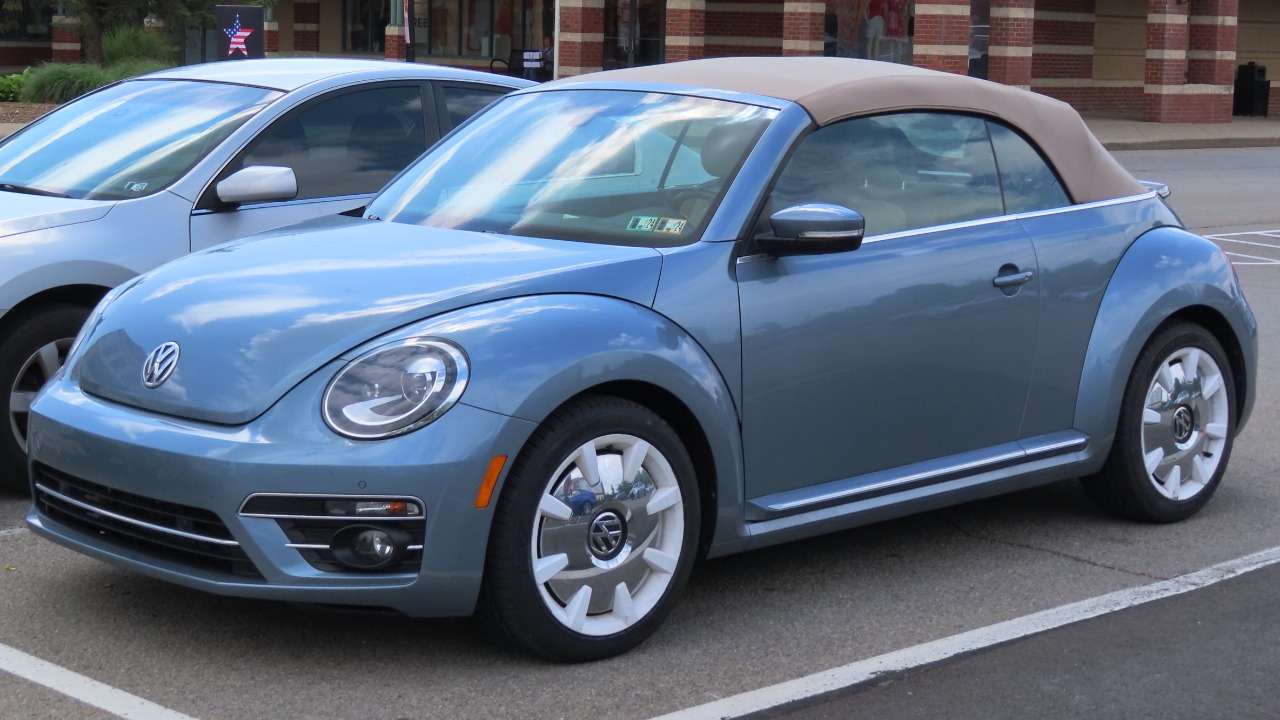
As time goes on, classic cars become increasingly rare. Models that once were common sights on the roads, like the Volkswagen Beetle or the Pontiac GTO, are now prized possessions among collectors. Selling a classic car now might mean it becomes even harder to reacquire in the future.
The dwindling numbers of these cars make them more valuable and sought after. Keeping your classic car means preserving a piece of automotive history that’s becoming ever more scarce.
Community and Culture
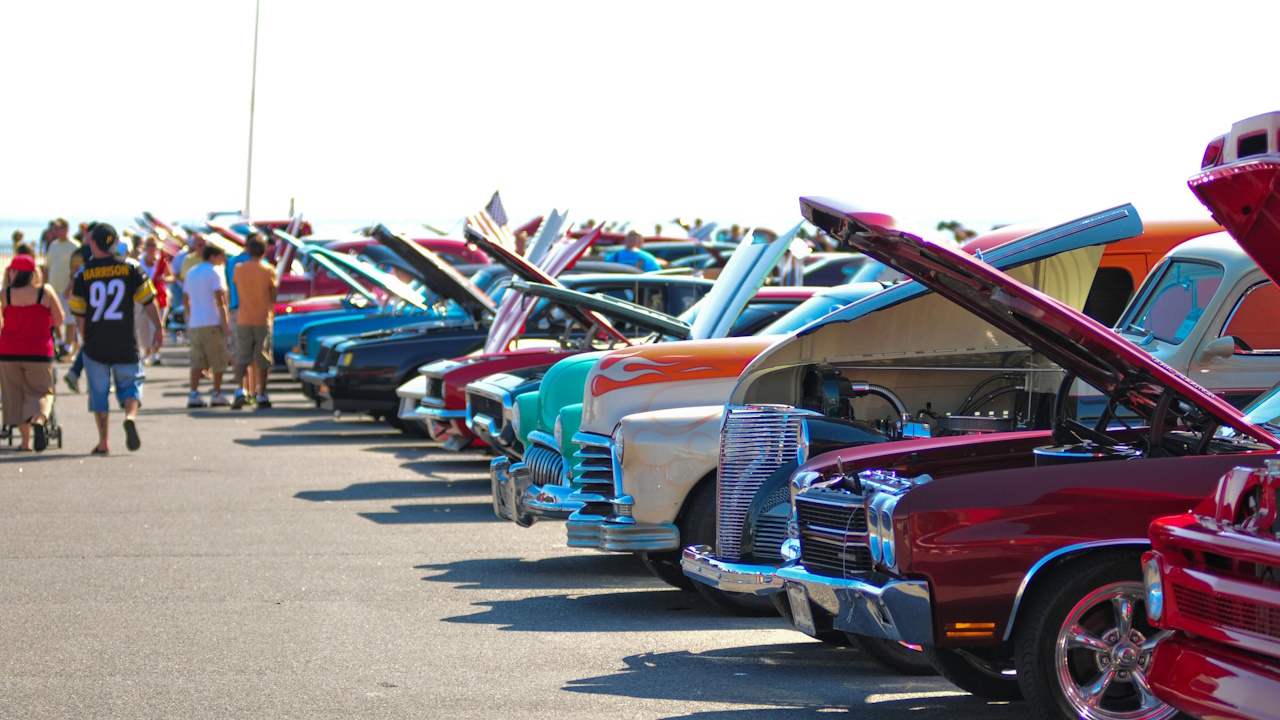
Owning a classic car opens doors to a vibrant community and culture. Car shows, clubs, and online forums offer opportunities to connect with fellow enthusiasts. These interactions can provide camaraderie, advice, and shared experiences that are unique to classic car ownership.
Being part of this community enhances the enjoyment of owning a classic car, with events like the Goodwood Festival of Speed or local car meets offering venues to showcase your vehicle. Selling your classic car could mean losing these valuable connections and experiences.
Aesthetic Appeal
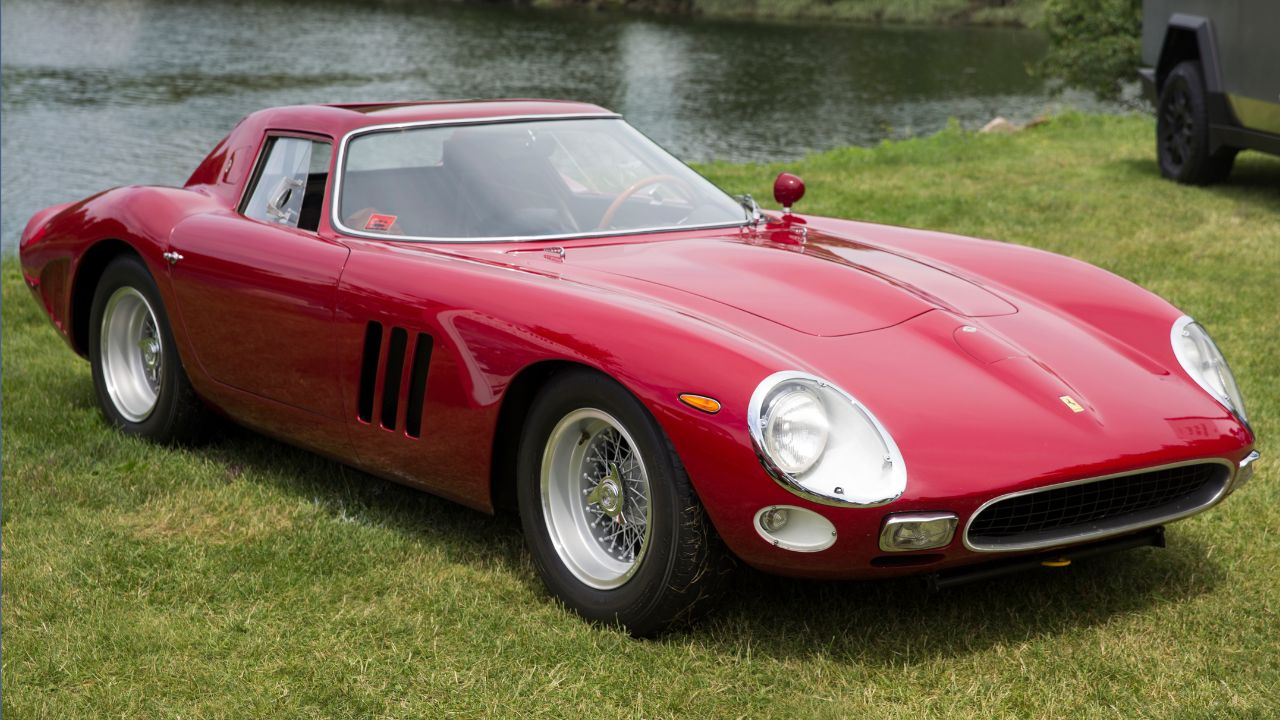
Classic cars are often celebrated for their timeless designs and aesthetic appeal. The sleek lines of a Jaguar E-Type or the bold curves of a Ferrari 250 GTO are works of art on wheels, capturing the imagination of car enthusiasts and design aficionados alike.
These vehicles stand out in a world of uniform modern cars, offering a visual statement that’s hard to match. Parting with a classic car means parting with a piece of automotive artistry that’s admired and cherished.
Historical Significance

Many classic cars hold historical significance, having played roles in movies, races, or being associated with iconic figures. The Mini Cooper’s rally heritage or the Ford GT40’s Le Mans triumphs add layers of history that enrich the ownership experience.
Owning such a vehicle means holding a piece of history that’s not only valuable but also educational. Selling a classic car with historical significance might mean losing the opportunity to own a tangible link to these storied pasts.





Leave a Reply