
As car technology evolves, it’s easy to get swept up in the excitement of the latest features. However, not every trend stands the test of time. Here are eight car tech trends that I believe won’t age well and may soon be seen as more gimmicky than game-changing.
1. Overreliance on Voice Commands
Voice commands were once hailed as the future of driving convenience. However, they often fall short of expectations. For instance, systems like Ford’s Sync and BMW’s iDrive can struggle with accents and misinterpret commands, leading to frustration. With the constant advancements in AI, I expect that drivers will favor more reliable, tactile controls over the unpredictable nature of voice recognition.
Furthermore, relying heavily on voice commands can divert attention from the road. As we prioritize safety, I believe drivers will increasingly prefer simple buttons and knobs that provide a more intuitive experience without the need to shout commands. This shift may render voice technology obsolete in the context of driving.
2. Excessive Touchscreen Interfaces
While sleek touchscreens have become a hallmark of modern vehicles, their overuse can detract from the driving experience. Cars like the Tesla Model 3 and the Cadillac CT6 showcase large screens that control everything from navigation to climate. However, these interfaces require drivers to take their eyes off the road for too long, leading to potential hazards.
As manufacturers push for more minimalistic cabin designs, I anticipate that consumers will start to prefer physical controls for essential functions. The tactile feedback of buttons and knobs can enhance usability and safety, making excessive touchscreens look dated in a few years.
3. Augmented Reality Dashboards

Augmented reality (AR) dashboards, such as those seen in the Mercedes-Benz Vision AVTR concept car, promise to provide an immersive driving experience. However, the practicality of these systems remains questionable. The complexity of AR interfaces can overwhelm drivers, potentially leading to distractions rather than enhancing focus.
As car manufacturers strive for simplicity and intuitiveness, I suspect that AR dashboards will fade from prominence. Innovations in heads-up displays may take precedence, providing important information without the need for elaborate AR overlays that could distract drivers from the road.
4. Autonomous Driving Hype
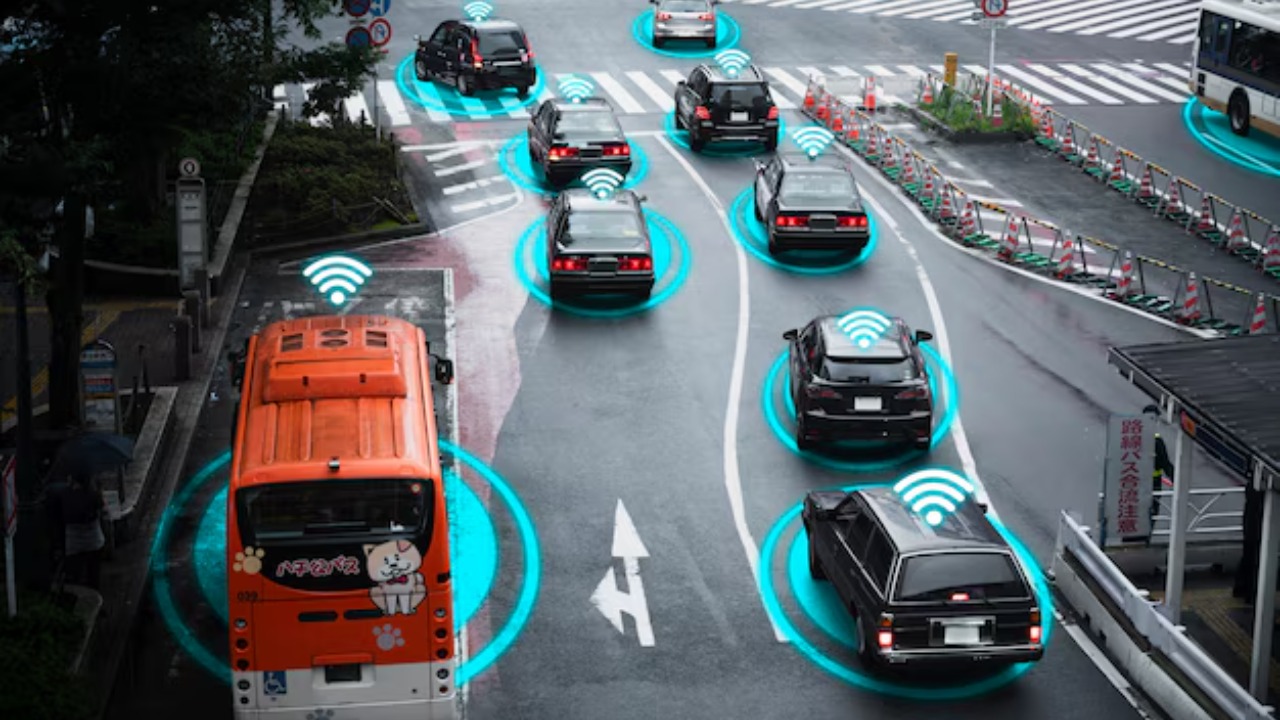
The excitement surrounding fully autonomous vehicles, like those from Waymo and Tesla, has generated significant buzz. However, the reality of achieving safe and reliable autonomy is far more complex. Technical challenges and regulatory hurdles continue to impede progress, leading me to believe that the hype may outpace actual developments.
As public perception shifts and the challenges of achieving true autonomy are realized, I expect that the emphasis will return to enhancing driver experience rather than replacing it. In the coming years, the focus will likely shift back to improving advanced driver-assistance systems instead of pursuing unattainable autonomy.
5. In-Car Subscription Services
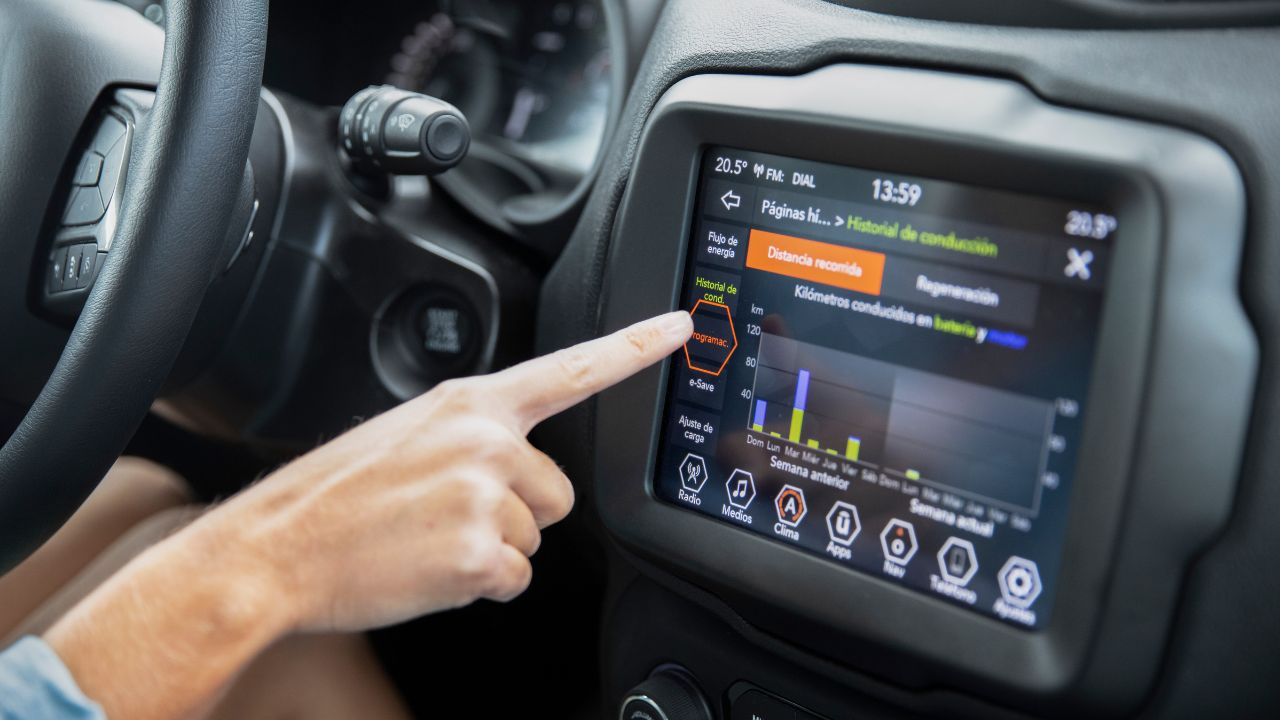
Subscription services for features like heated seats or advanced navigation have begun to appear, as seen in BMW’s recent models. While they offer flexibility, they can also frustrate consumers who feel they are being nickel-and-dimed for features that were once standard. The backlash against such services may lead to a reevaluation of their practicality.
I believe that as drivers become more aware and critical of these practices, in-car subscription services will not gain widespread acceptance. Consumers may prefer to pay a one-time fee rather than subscribe to features they feel should be included with their vehicle purchase.
6. Smartphone Integration Overkill
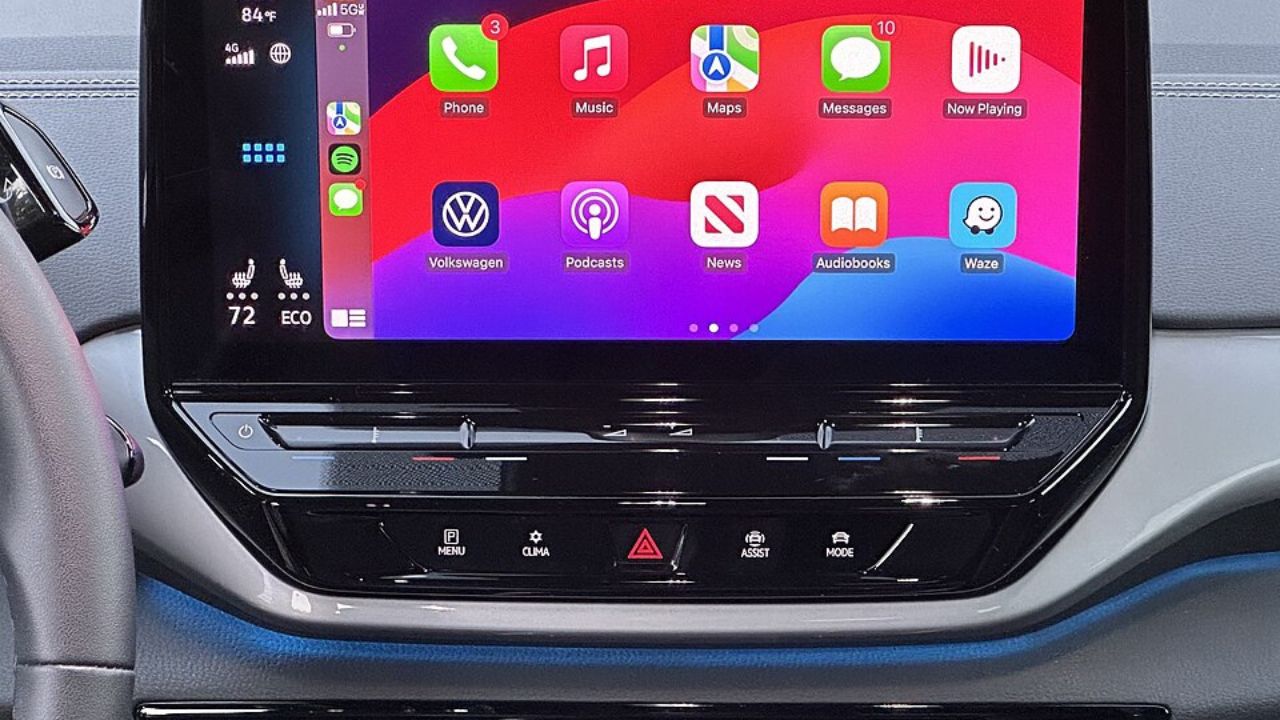
While smartphone integration has made connectivity more accessible, the trend has become overwhelming. Systems like Apple CarPlay and Android Auto often bombard drivers with notifications and apps, creating a cluttered experience. As technology progresses, I foresee a shift towards more streamlined and focused integration that prioritizes safety and usability.
Drivers are increasingly looking for a seamless experience, and as they grow tired of managing excessive notifications, I expect that manufacturers will pivot towards more minimalist integration solutions that enhance rather than complicate the driving experience.
7. Biometric Vehicle Access

Biometric access systems, such as those showcased in certain high-end models, aim to enhance security and personalization. However, these systems can be prone to failure, as seen when vehicles with fingerprint scanner failed to recognize drivers in certain conditions. The potential for inconvenience and frustration raises questions about their long-term viability.
As technology continues to evolve, I suspect that traditional keys and fobs will remain more reliable and user-friendly than complex biometric systems. The desire for simplicity and efficiency in accessing vehicles will likely lead to a decline in the adoption of these high-tech solutions.
8. Advanced Driver-Assistance Systems (ADAS) Limitations
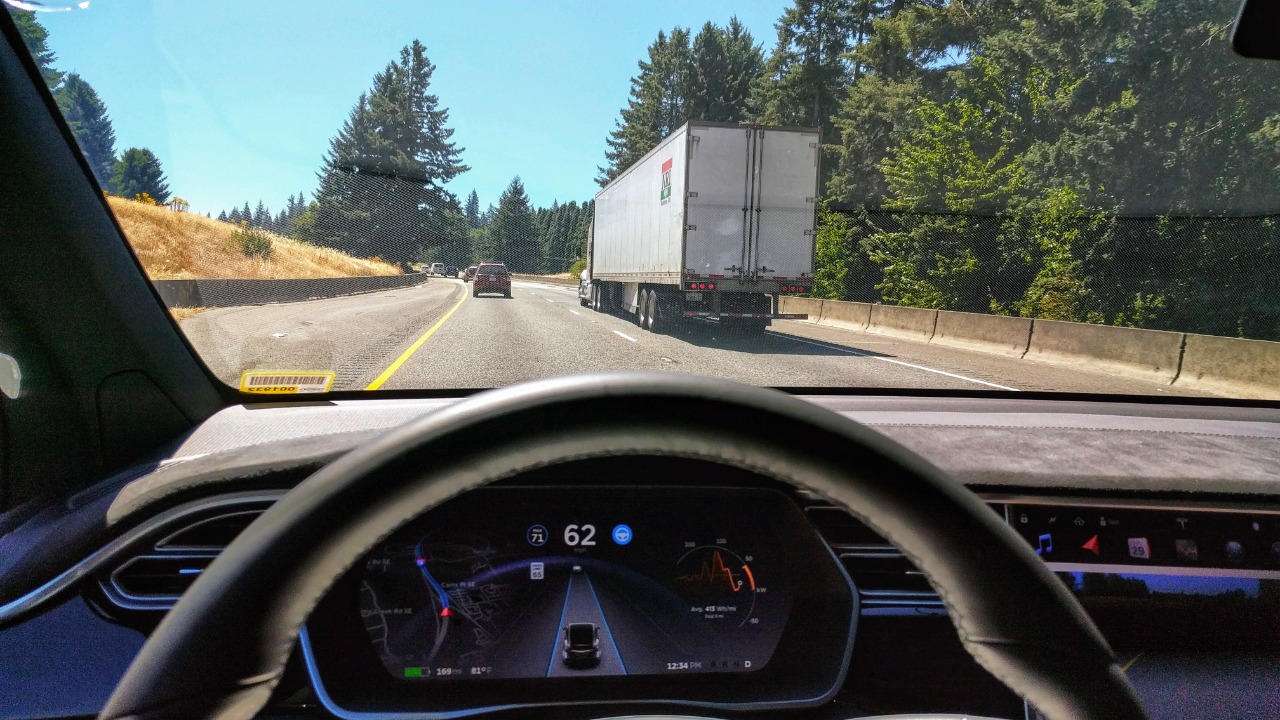
Advanced Driver-Assistance Systems (ADAS) have become standard in many new vehicles, offering features like lane-keeping assist and adaptive cruise control. However, these systems are not foolproof, often requiring driver intervention at critical moments. Instances of over-reliance on these systems can lead to dangerous situations, as seen in several high-profile accidents involving semi-autonomous vehicles.
As the market matures, I foresee a shift away from overhyping ADAS capabilities. Instead, I believe there will be a greater emphasis on educating drivers about the limitations of these systems, leading to a more cautious and informed approach to their use.



Leave a Reply