Classic car fans often want vintage character without giving up the comfort and confidence of a modern daily driver. Enthusiasts and specialists now single out specific models that combine agile handling, solid brakes, and long-term Reliability with the charm of older design. From the Mazda Miata MX to sturdy sedans and SUVs, these eight classics prove that history can still feel surprisingly contemporary from behind the wheel.
First‑generation Mazda Miata MX‑5
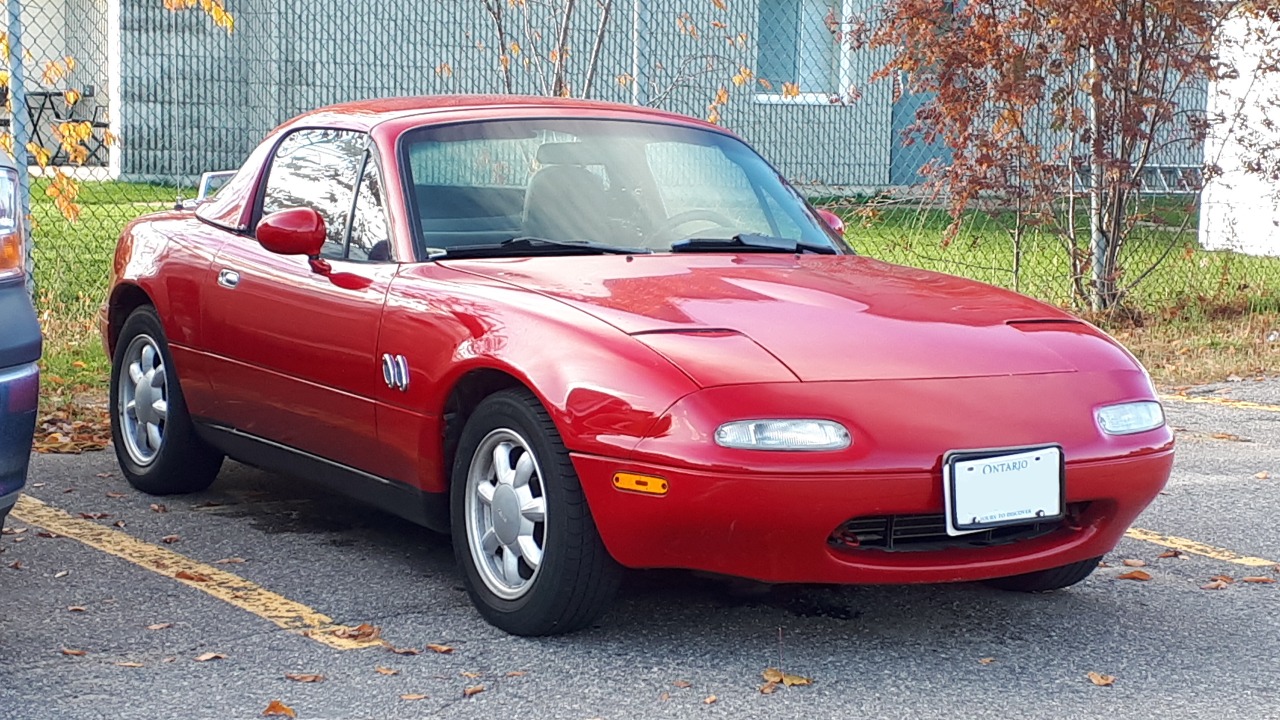
The first‑generation Mazda Miata MX‑5 is frequently cited as the template for a classic that still feels modern to drive. One detailed guide notes that The Miata MX gives drivers an excuse to enjoy a light, rear‑wheel‑drive chassis around town, with steering and gearbox responses that still feel sharp by current standards. Its modest weight and simple four‑cylinder engines help it keep pace with traffic while remaining economical to run.
Because the car was engineered with everyday usability in mind, owners benefit from strong parts support and straightforward maintenance. That balance of open‑top fun and practicality has turned the Mazda Miata MX into a favorite among those who want a classic that can handle commuting, weekend touring, and even occasional track days without feeling like a museum piece.
Ford Mustang Fox‑body (1979–1993)

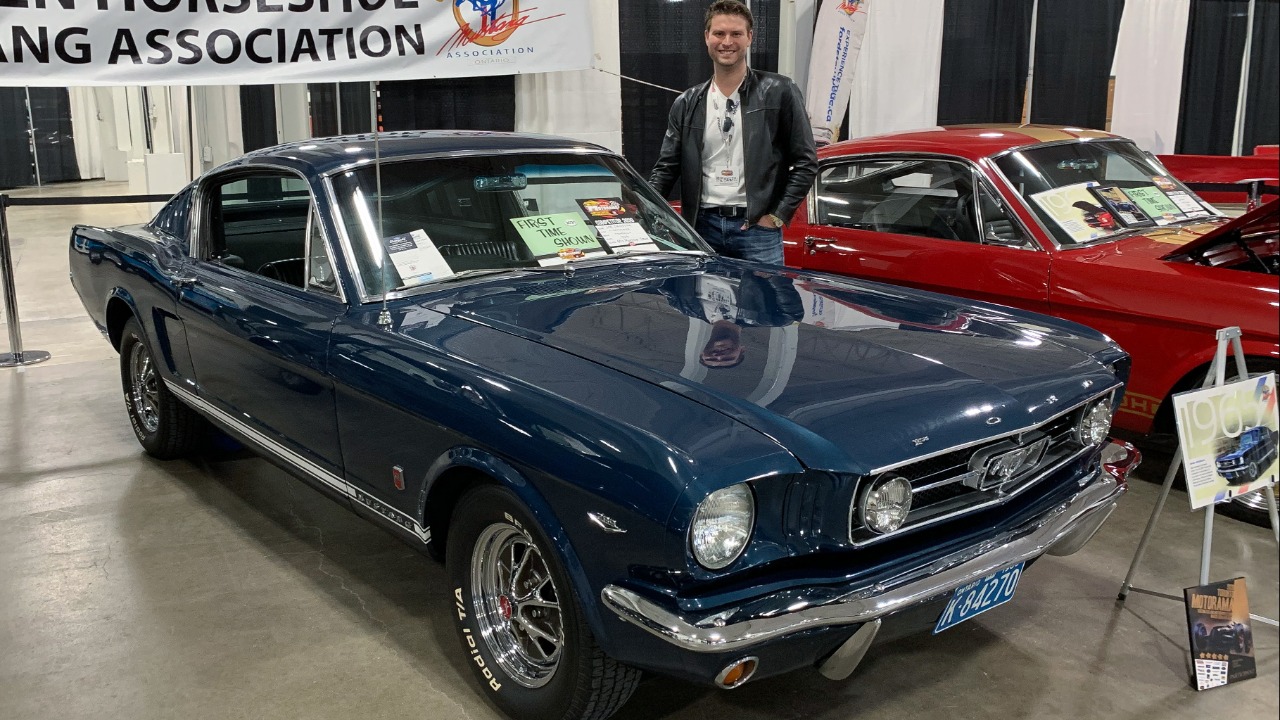
The Ford Mustang from the so‑called The Fox generation offers a driving experience that feels remarkably current. Enthusiast rankings of Ford Mustang models highlight the Fox platform for its relatively light weight and modern suspension layout, which deliver responsive handling compared with earlier muscle cars. With fuel‑injected engines and overdrive transmissions in later years, these cars cruise comfortably at highway speeds.
The Mustang also benefits from a vast aftermarket that allows owners to upgrade brakes, tires, and even safety equipment to contemporary standards without losing period character. That combination of accessible performance and tunability means the Fox‑body still appeals to drivers who expect a classic to feel composed, quick to react, and easy to live with in daily traffic.
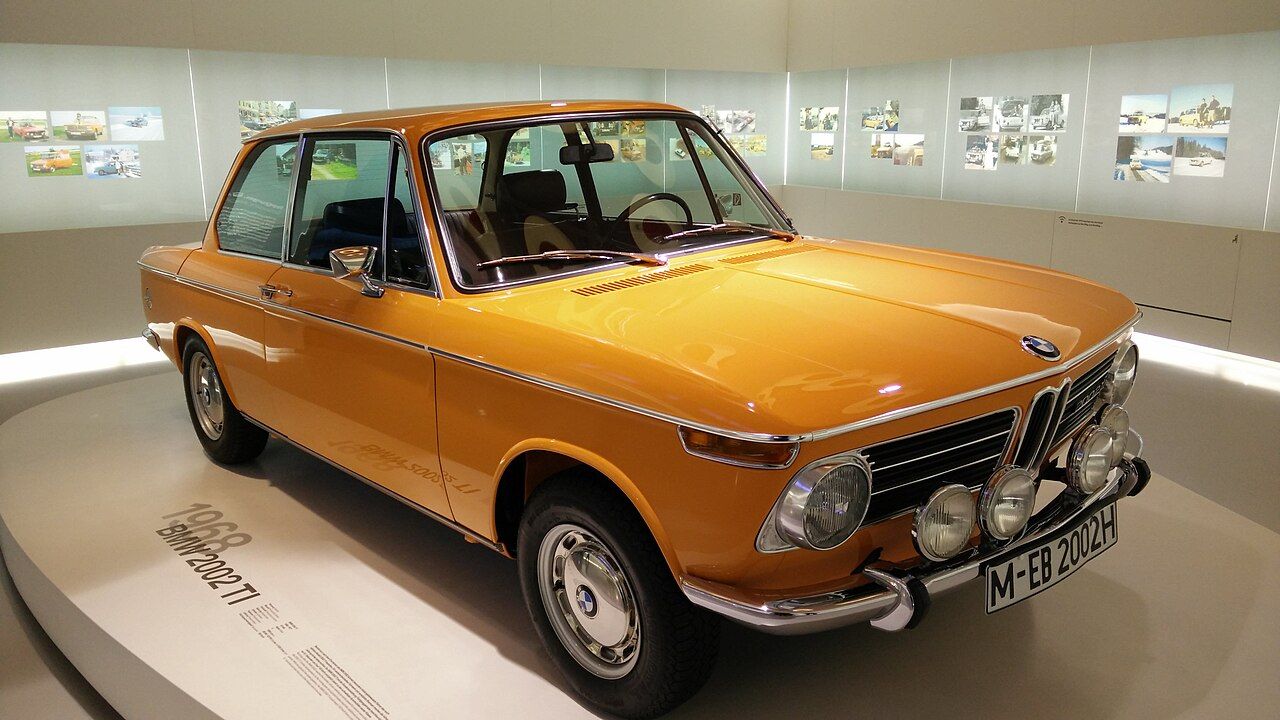
BMW 2002

The BMW 2002 shows how a compact sports sedan from the past can still feel strikingly modern on the road. Analyses of classic cars that single out the BMW 2002 for its communicative steering, tidy dimensions, and eager four‑cylinder engine. Those traits mirror what many drivers now expect from modern compact performance cars, which helps the 2002 feel familiar rather than dated.
Its upright greenhouse and excellent visibility also suit modern urban driving, where awareness and confidence matter as much as outright speed. For enthusiasts, the 2002 illustrates how thoughtful engineering from the BMW brand created a template for later sport sedans, so sliding into one today feels less like stepping back in time and more like reconnecting with the roots of current driver‑focused design.
Volvo 240 (1974–1993)
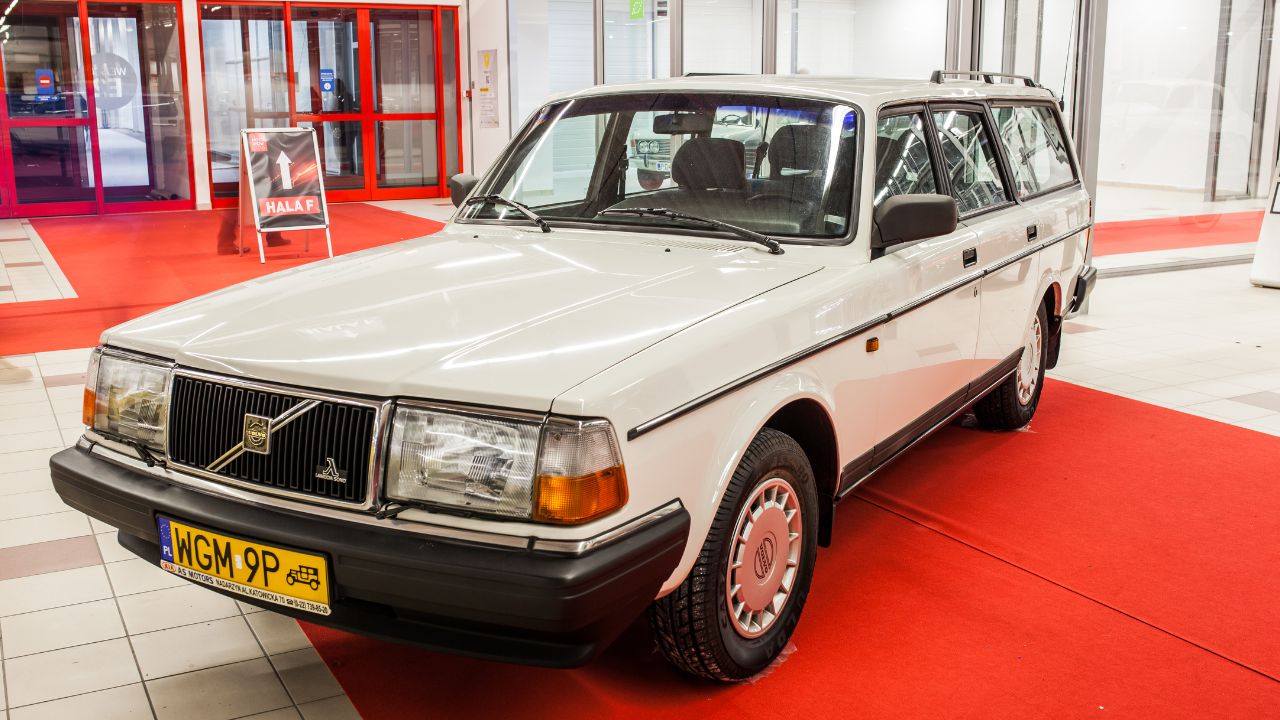
The Volvo 240, built from 1974 to 1993, has a reputation for durability that keeps it relevant as a daily driver. Guidance for shoppers who want history without sacrificing modern usability describes the Volvo 240 as a way to enjoy classic styling while still relying on strong crash protection and long‑lived mechanicals. The same advice stresses Reliability as a key factor, since a daily driver needs to be dependable.
With fuel injection, power steering, and effective heating and ventilation, the 240 feels closer to a modern family car than its boxy profile suggests. Owners often praise its relaxed highway manners and predictable handling, which make it a sensible choice for drivers who want a classic that can quietly handle school runs, long commutes, or winter weather without drama.
Toyota Land Cruiser Series 80
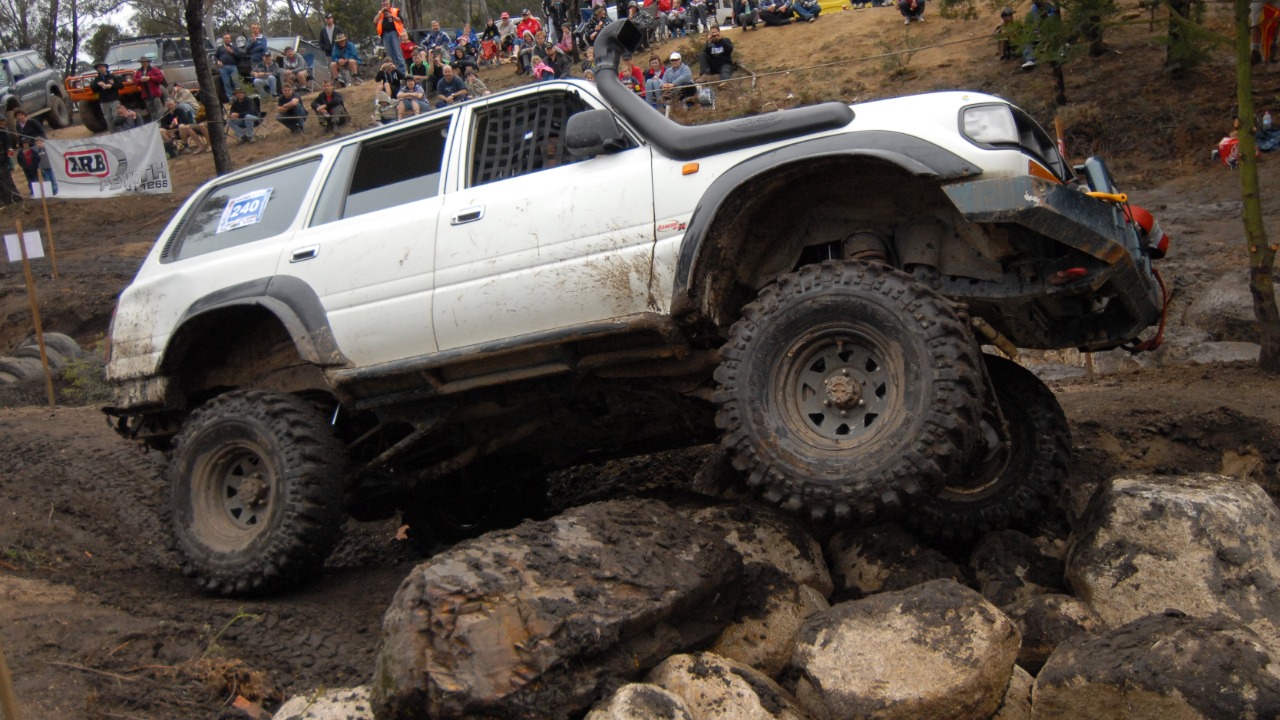
The Toyota Land Cruiser in Series 80 form blends classic SUV toughness with road manners that still feel contemporary. A detailed list of Classic Cars you that drivers will not Be Afraid to Drive highlights the 1991‑1998 Toyota Land Cruiser as a vehicle that delivers modern‑feeling comfort along with serious off‑road capability. The source notes that the Series 80 can be used regularly without sacrificing reliability or safety.
Inside, supportive seats, effective climate control, and a stable ride make the Land Cruiser feel closer to a current SUV than its age suggests. For families, the ability to carry passengers and cargo in comfort while still tackling rough roads gives this classic a practical edge, proving that rugged four‑wheel‑drive icons can remain relevant as everyday transport.
Porsche 911 Carrera (1984–1989)
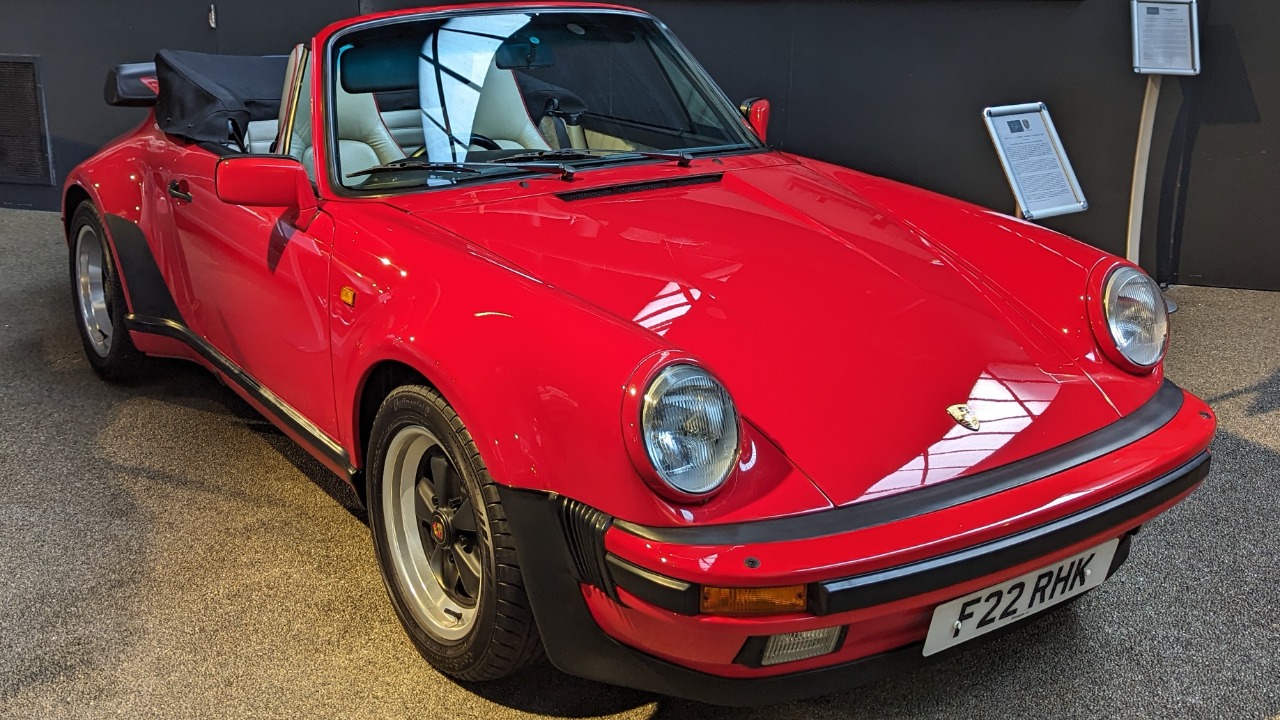
The 1984–1989 Porsche 911 Carrera shows how a performance icon can age gracefully while still feeling modern to drive. A survey of ten classics suitable for everyday use lists the Porsche 911 Carrera alongside Chevrolet and GMC trucks, emphasizing that the 911 platform combines engaging handling with usable comfort. The reference to the 911 figure highlights how this generation balances power with refinement.
With fuel‑injected flat‑six engines, precise gearboxes, and well‑weighted steering, these cars respond much like newer sports models. Air conditioning, supportive seats, and relatively compact dimensions make them surprisingly practical in traffic. For enthusiasts who want a classic that still feels ready for spirited driving on modern roads, the Carrera remains a benchmark.
Ford Crown Victoria

The Ford Crown Victoria demonstrates that a more recent classic can deliver a modern driving feel while offering old‑school durability. Analysis of Ford Crown Victoria sedans notes that these cars served as police vehicles and taxis, which speaks to their toughness and ability to cover high mileages. That background also means parts availability and repair knowledge are strong in many regions.
On the road, the Crown Victoria provides a smooth ride, relaxed V8 power, and straightforward controls that suit long journeys. For drivers who value comfort and space, it feels as secure and predictable as many newer full‑size sedans, while its body‑on‑frame construction and simple mechanicals appeal to owners who prefer cars that can be maintained rather than replaced.
Volkswagen Beetle (late classic models)

Later classic versions of the Volkswagen Beetle illustrate how simple engineering can still feel usable in modern traffic. Overviews of Vehicles suitable for everyday use point to the Beetle as an example of a classic with strong parts support and an easy learning curve for maintenance. Its air‑cooled engine and straightforward controls keep ownership approachable for enthusiasts who enjoy working on their own cars.
While performance is modest, the Beetle’s compact size, good visibility, and friendly ergonomics allow it to slot into city driving without feeling out of place. For younger drivers, it offers an accessible entry point into classic ownership, while its timeless design and engaging mechanical feel provide a reminder that driving involvement does not require complex electronics or towering power figures.
More from Fast Lane Only