

In the fast-paced world of automotive design, trends come and go, but some elements, once deemed obsolete, are making a surprising comeback. As consumers seek a blend of nostalgia and functionality, automakers are responding to demand by reintroducing features that many thought had disappeared forever. Here’s a look at eight features that are quietly re-emerging in today’s vehicles.
Manual Transmission Options

While the automotive world has largely shifted toward automatic transmissions for convenience and efficiency, there’s a renewed interest in manual transmissions. Enthusiasts appreciate the control and engagement that comes with shifting gears themselves. Brands like Mazda have been at the forefront, offering manual options in models such as the MX-5 Miata, which allows drivers to experience the road in a more visceral manner.
In recent years, manufacturers like Toyota have also brought back manuals, especially in their sportier models like the GR Supra. This trend highlights a growing market segment that values driving experience over mere convenience. The manual transmission is not just a feature; it’s a statement about driving passion.
Analog Gauge Clusters

In an age dominated by digital displays and touchscreen interfaces, analog gauge clusters are making a comeback in some of the most exciting new vehicles. There’s something inherently appealing about the simplicity and clarity of traditional dials. For instance, the Ford Mustang continues to utilize analog gauges, providing a classic feel that resonates with fans of the brand.
Moreover, some luxury brands like BMW are opting for hybrid setups where analog and digital elements coexist. This approach allows drivers to enjoy the tactile feedback of analog dials while still accessing the advanced functionality of digital displays. It’s a blend of past and future that many drivers appreciate.
Pop-Up Headlights

Once a hallmark of sports cars and a symbol of the 1980s and 1990s, pop-up headlights are making a slow but notable return. While they may not be standard on many new models, vehicles like the Mazda MX-5 have showcased this retro feature as part of special editions. The allure of pop-up headlights lies in their unique design and the nostalgia they evoke.
These headlights not only contribute to a car’s aesthetic but also offer aerodynamic benefits when retracted. As automakers explore creative design elements, pop-up headlights might just find their way back into mainstream production, appealing to those who appreciate classic automotive styling.
Bench Seats

Bench seats, once a staple in American cars, are reappearing in certain models, especially in pickup trucks and classic-style vehicles. The Chevrolet Silverado and Ford F-150 have brought back the option for bench seating, allowing for more passenger space and a sense of community in the cab.
This feature not only caters to families but also those looking for a more traditional driving experience. The ability to fit three people across the front seat harks back to a time when cars were designed with a sense of togetherness in mind, making it a charming choice for modern drivers.
Rear Window Vents
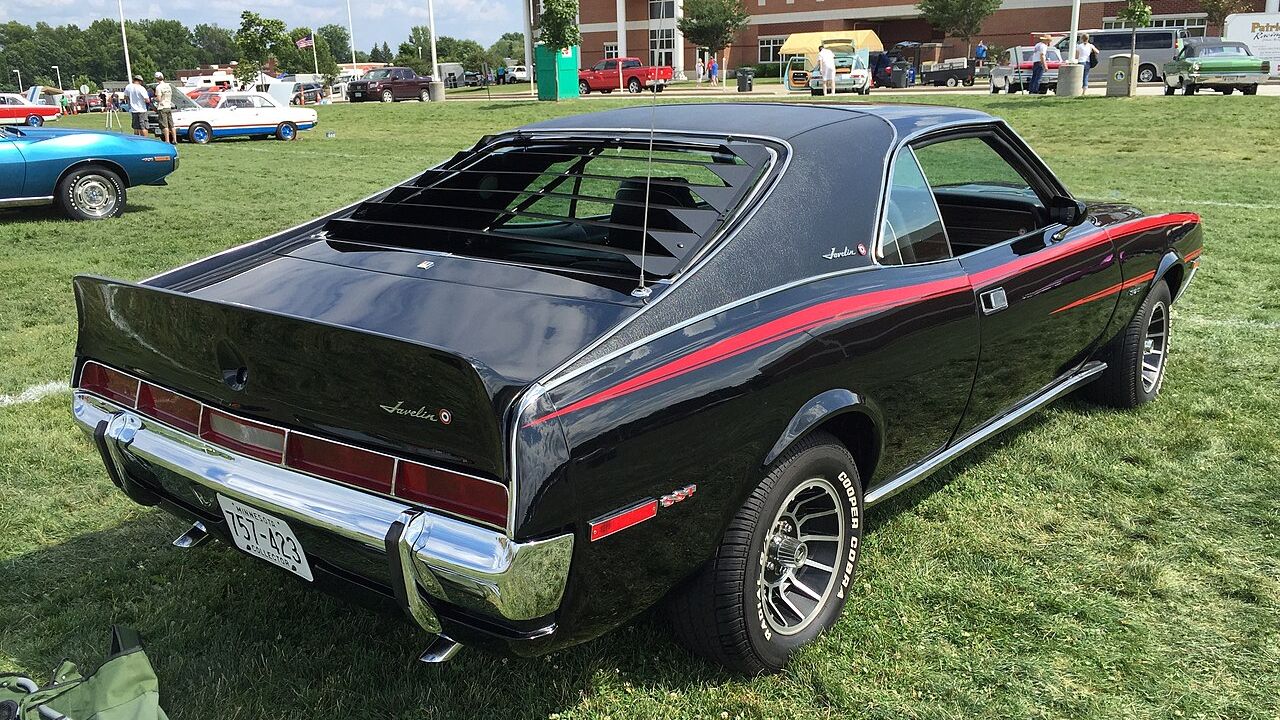
Rear window vents, which allow for better airflow and climate control, are making a quiet comeback in certain luxury vehicles. Models like the new Mercedes-Benz S-Class feature these vents, offering passengers a more comfortable ride. This feature allows for better ventilation without needing to open the windows, enhancing the overall driving experience.
Incorporating rear window vents not only improves air circulation but also pays homage to older vehicles where this was a common feature. As automakers strive to enhance comfort and nostalgia, this reintroduction serves both practical and aesthetic purposes.
Soft-Closing Doors

Soft-closing doors are a luxury feature that has found its way into more mainstream vehicles. Initially popularized by high-end brands like BMW and Audi, this feature ensures that doors close gently and securely without slamming. The latest models from Honda and Toyota now offer soft-closing doors as options, emphasizing ease of use and comfort.
This feature is particularly beneficial for families with young children, as it reduces the risk of pinched fingers while also enhancing the overall feel of quality in a vehicle. The soft-closing mechanism adds an element of sophistication that many drivers appreciate.
Two-Tone Color Schemes

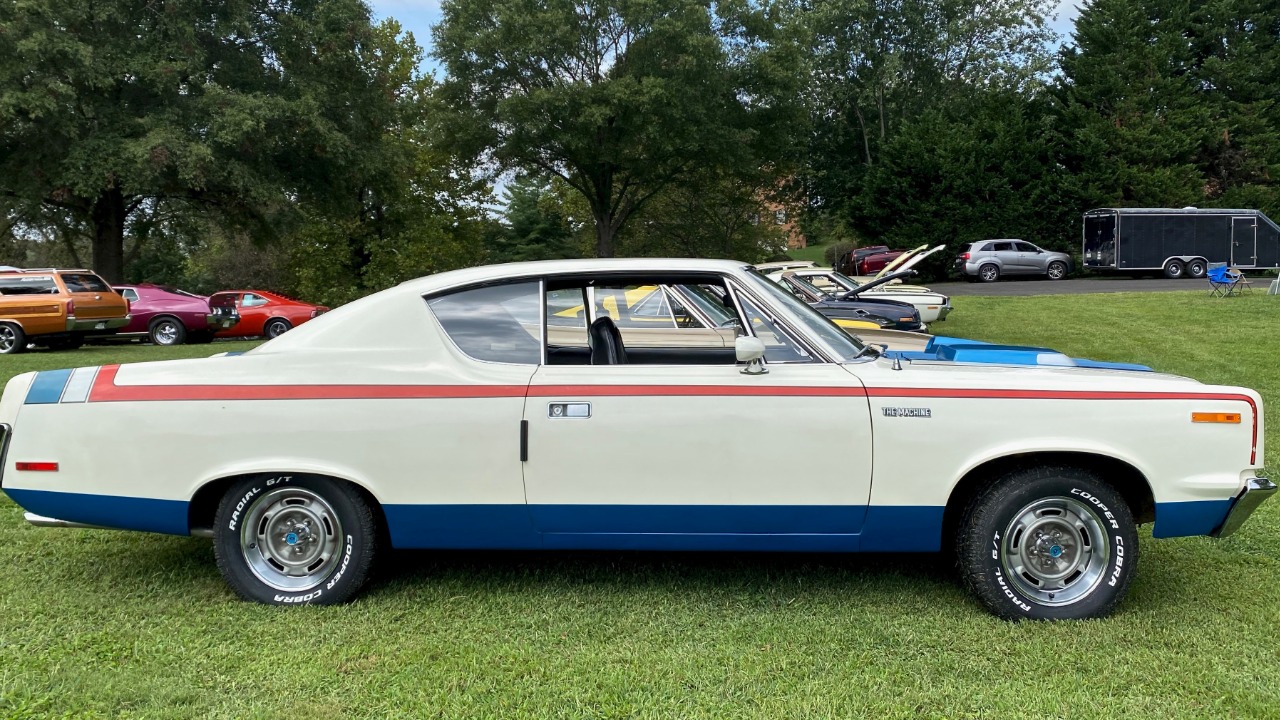
Two-tone color schemes are making a fashionable return, appealing to those who want to express their individuality through their vehicle’s appearance. Brands like Fiat and Mini have embraced this trend, offering vibrant combinations that catch the eye. The 2023 Mini Cooper, for example, offers a variety of two-tone options that allow owners to customize their cars for a unique look.
These schemes not only enhance aesthetics but also evoke a sense of personality in vehicles, allowing drivers to stand out in a sea of monochrome options. As car buyers seek more ways to express themselves, expect to see an uptick in this playful and stylish feature.
Physical Climate Controls

In a world where digital interfaces dominate, many drivers are yearning for the tactile feel of physical climate controls. Brands like Subaru have responded by ensuring that their newer models, like the Outback, retain physical buttons and knobs for essential functions. This approach allows drivers to adjust settings without taking their eyes off the road, enhancing safety and convenience.
Physical controls also provide a sense of reliability and ease of use that digital touchscreens sometimes lack. As automakers strive to balance technology with user-friendly design, the return of physical climate controls signifies a nod to practicality in modern car interiors.
More from Fast Lane Only:
- Unboxing the WWII Jeep in a Crate
- The Fastest Farm Truck Ever Built
- 10 Old Trucks That Were Built Like Tanks
- 12 Classic muscle cars still within reach for budget buyers
*Created with AI assistance and editor review.



Leave a Reply