
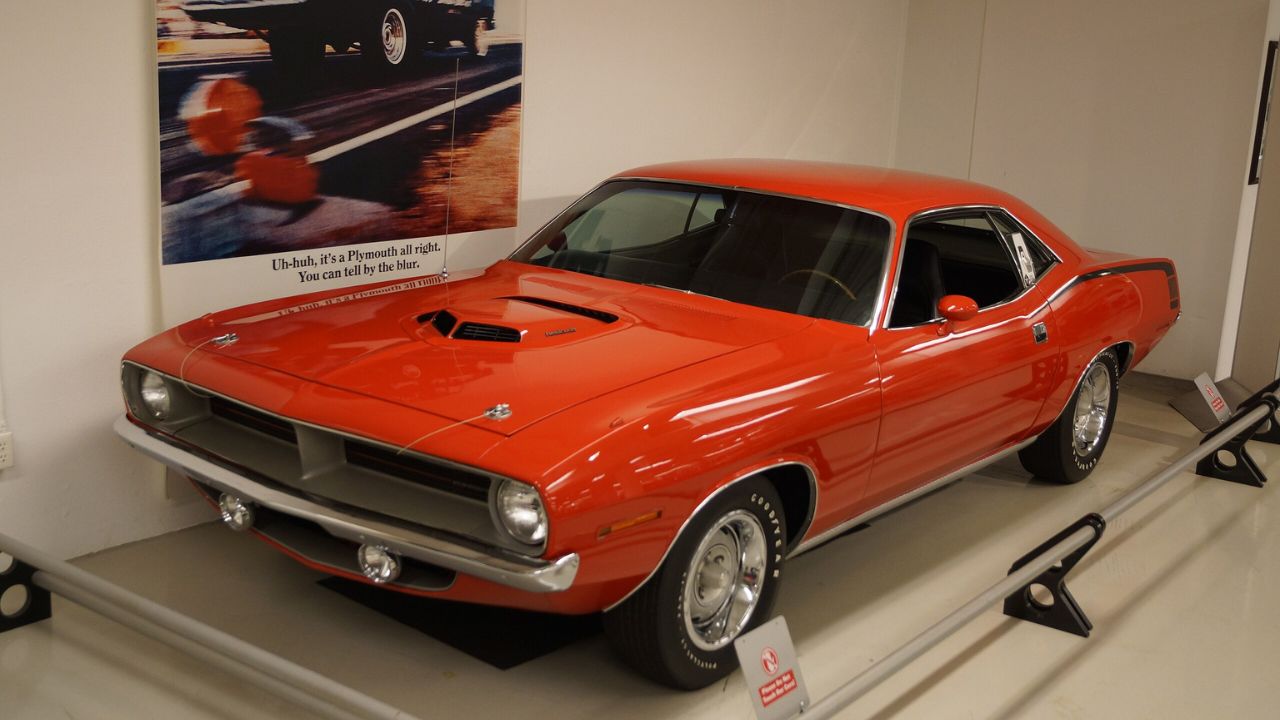
In the golden age of American performance, automakers stretched the boundaries of what could be sold to the public. Big-cube engines, lightweight bodies, and minimal creature comforts made for thrilling machines, but also brought new pressures. Insurance companies targeted high-performance cars, emissions regulations tightened, and changing fuel economy rules forced automakers to rethink their wildest creations. Some of the most memorable muscle cars vanished not because they weren’t great, but because the times changed. Here’s a look at eight that went out swinging.
1969 Chevrolet Camaro ZL1
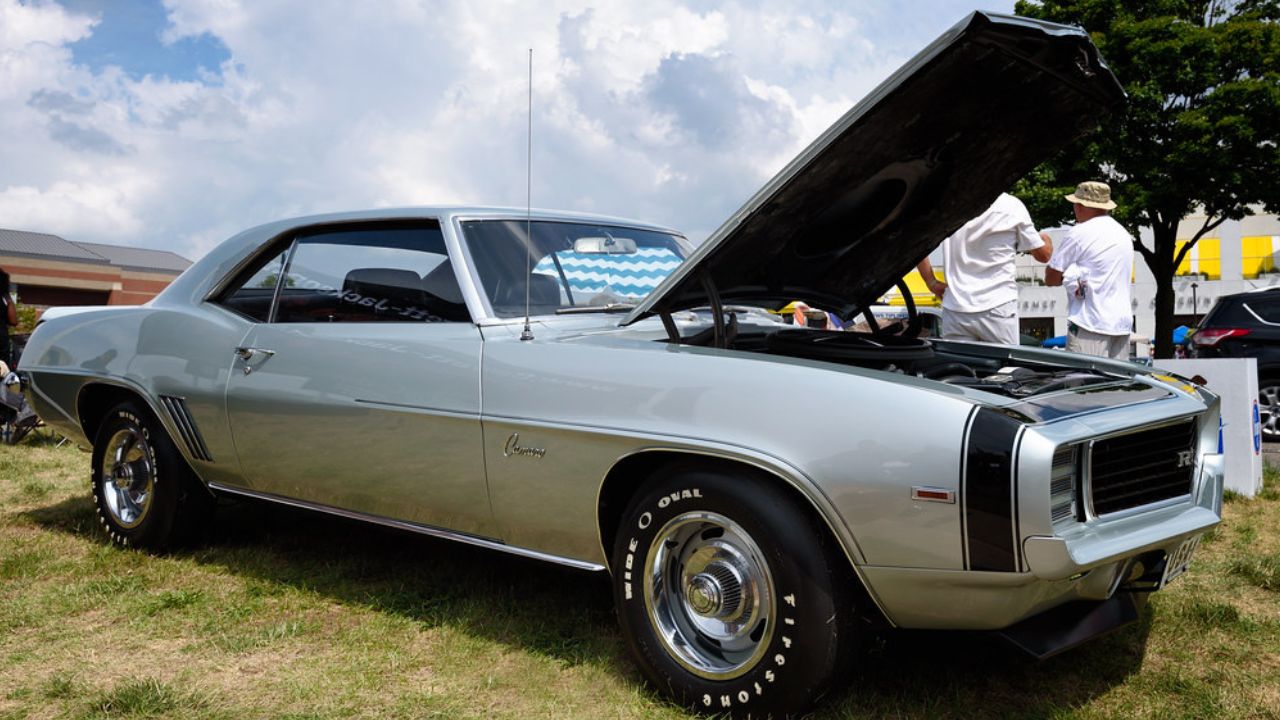
The ZL1 was born from Chevrolet’s COPO program, designed for drag racing. Its all-aluminum 427-cubic-inch V8 was officially rated at 430 horsepower but produced far more. Only 69 were built, and its $7,200 price tag (over $55,000 today) made it a tough sell. While it remained street-legal, its raw, track-focused nature and punishing insurance costs kept buyers away. It became a legend precisely because so few were made.
1970 Plymouth Hemi ‘Cuda
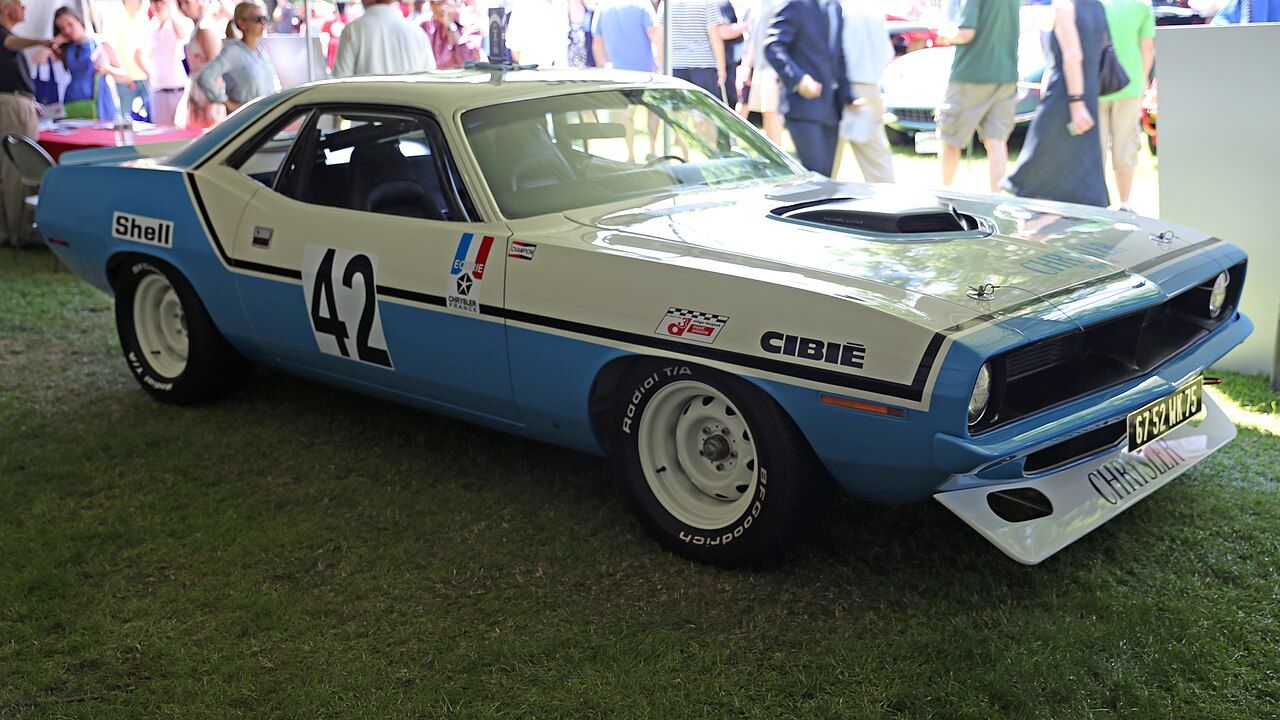
Packing Chrysler’s 426-cubic-inch Hemi V8, the ’Cuda delivered a factory-rated 425 horsepower and ran the quarter-mile in under 14 seconds. It was a pure muscle statement piece — and one of the most intimidating sights at a stoplight. But insurance premiums on Hemis soared, and tightening emissions standards made the big engine a liability. Plymouth dropped the Hemi after 1971, ending one of the most feared street cars of its era.
1971 Ford Mustang Boss 351
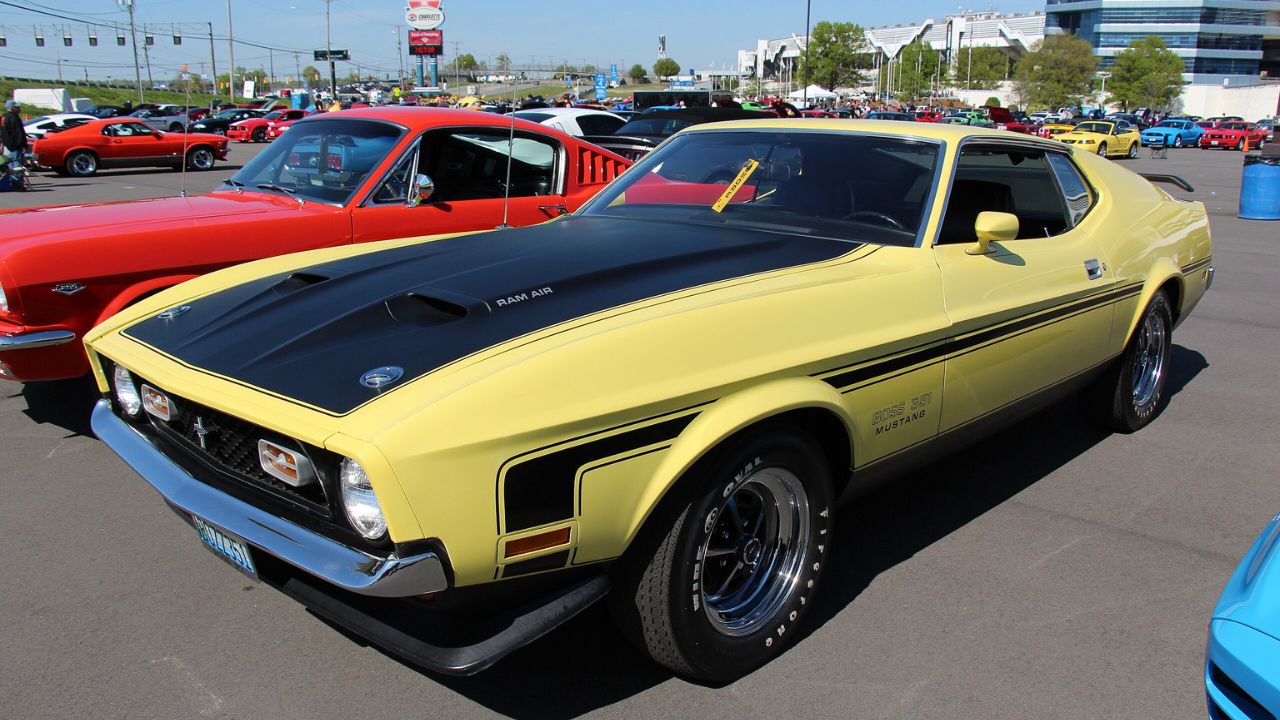
Ford’s Boss 351 used the high-output 351 Cleveland V8 with 330 horsepower, offering a sharp balance of power and handling. It was a one-year wonder, arriving just as emissions standards and insurance surcharges began to squeeze the performance market. The Boss name would return, but never again with quite the same raw, small-block punch.
1969 Dodge Charger Daytona
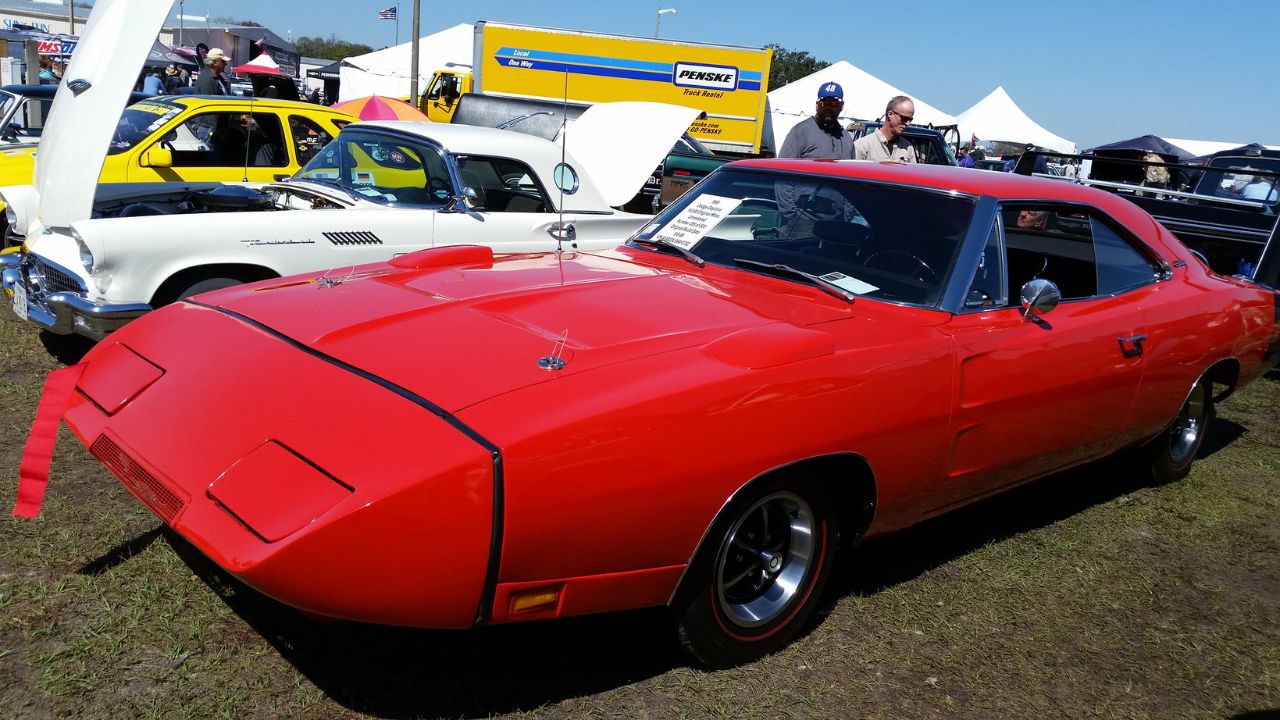
Built to dominate NASCAR, the Daytona’s pointed nose cone and huge rear wing were more than styling — they were wind-cheating tools. With a 440 Magnum or 426 Hemi under the hood, it was unbeatable on the superspeedways. NASCAR responded by changing the rules for 1971, ending the aero-war era. Street versions were still sold, but only about 500 were built, making them among the rarest Mopar muscle cars.
1970 Chevrolet Chevelle SS 454 LS6
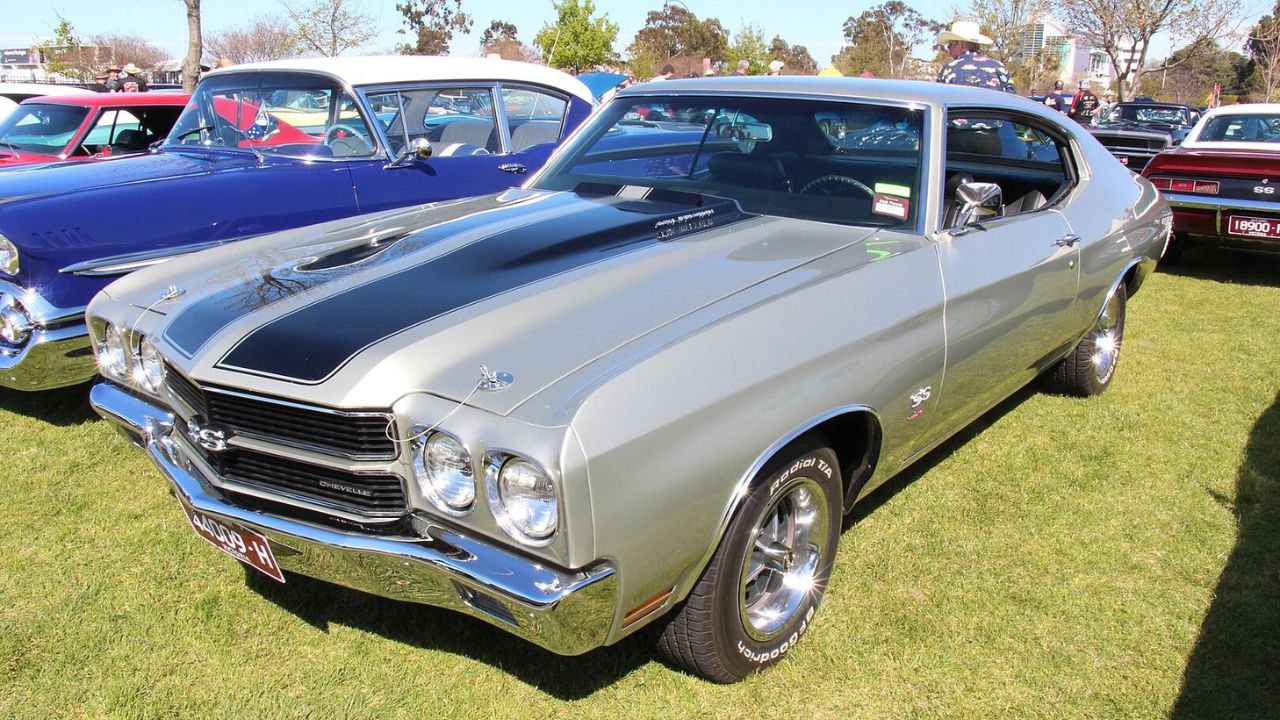
The LS6 Chevelle was as close as you could get to a factory-built drag car in 1970, with 450 horsepower from its 454-cubic-inch big-block. It could run the quarter in the low 13s on street tires. But high insurance rates and new emissions rules made it a one-year sensation. By 1971, compression ratios dropped and horsepower ratings followed.
1971 Pontiac GTO Judge
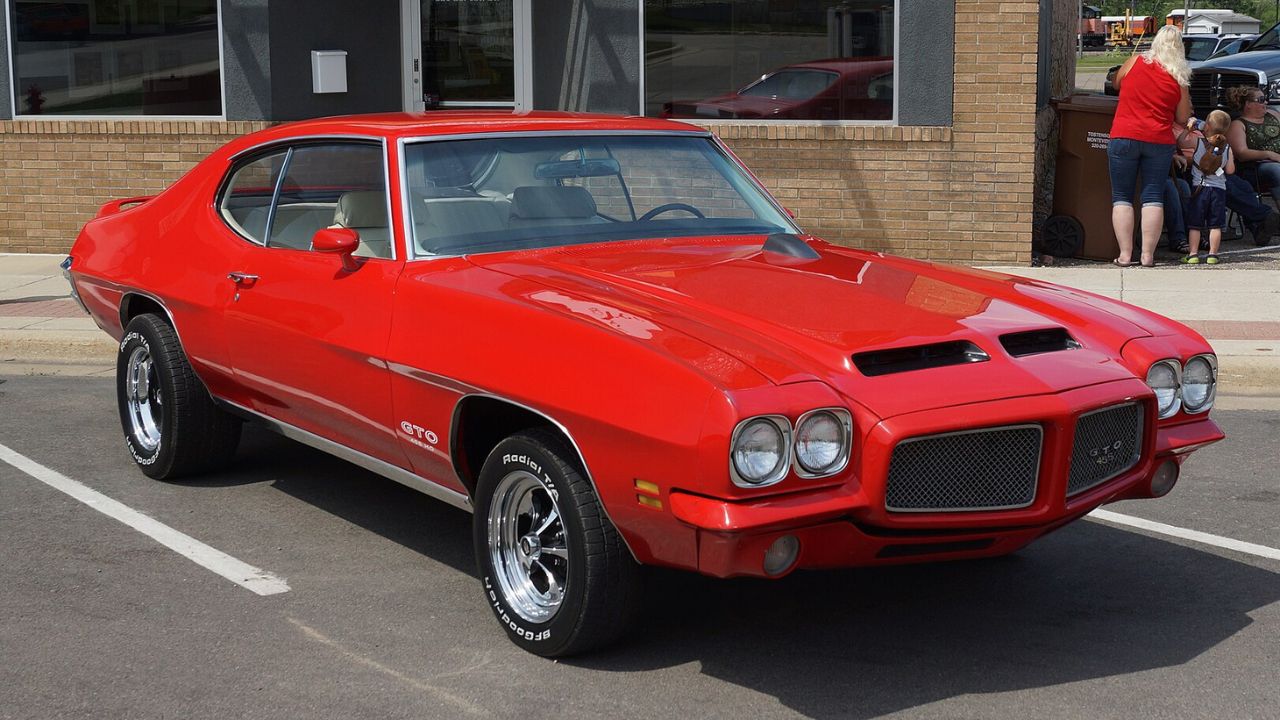
The 1971 Judge came with Pontiac’s 455 HO V8, offering 335 horsepower and loads of torque. Its bold graphics and performance reputation made it a street star, but the market was shifting. Insurance surcharges and new emissions requirements spelled the end for the Judge after ’71. It remains one of Pontiac’s most collectible muscle cars.
1970 Buick GSX Stage 1
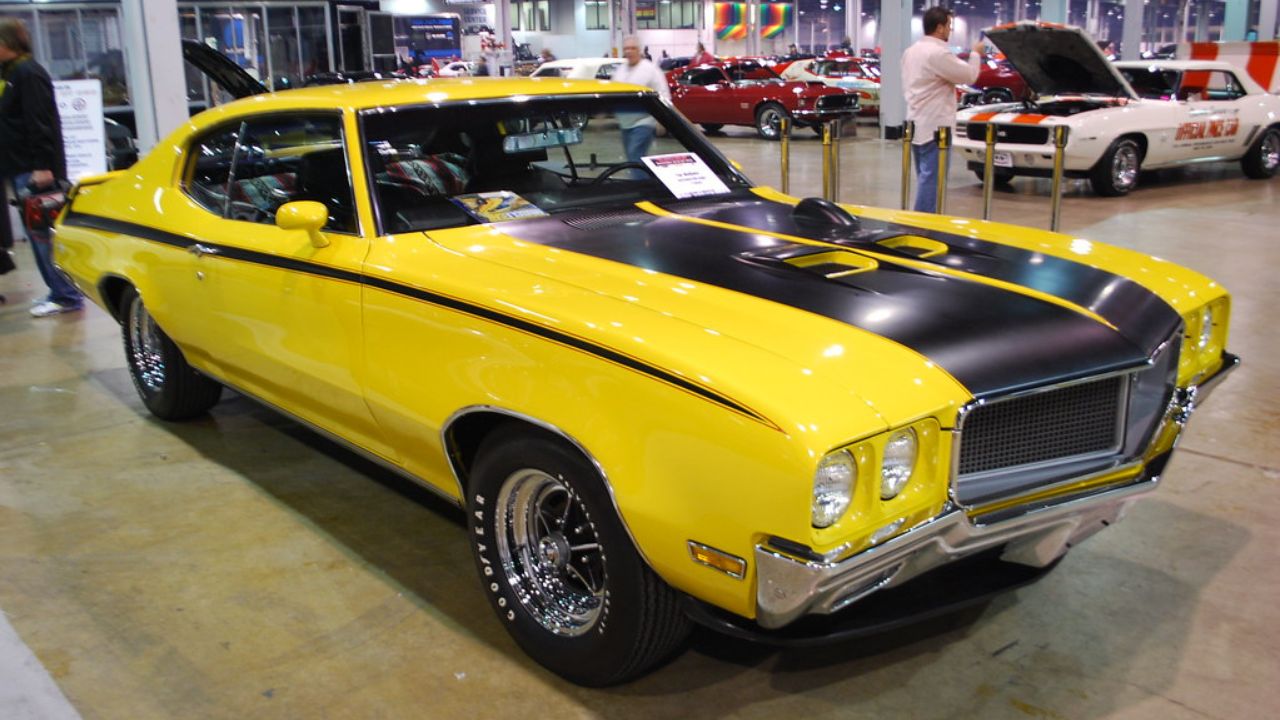
The GSX Stage 1 blended luxury with a 455-cubic-inch engine rated at 360 horsepower but producing a mountain of torque. It was quicker than many better-known rivals, but Buick’s muscle flagship was short-lived. Rising gas prices, the 1973 oil crisis, and changing regulations made such performance models harder to justify.
1973 AMC Javelin AMX
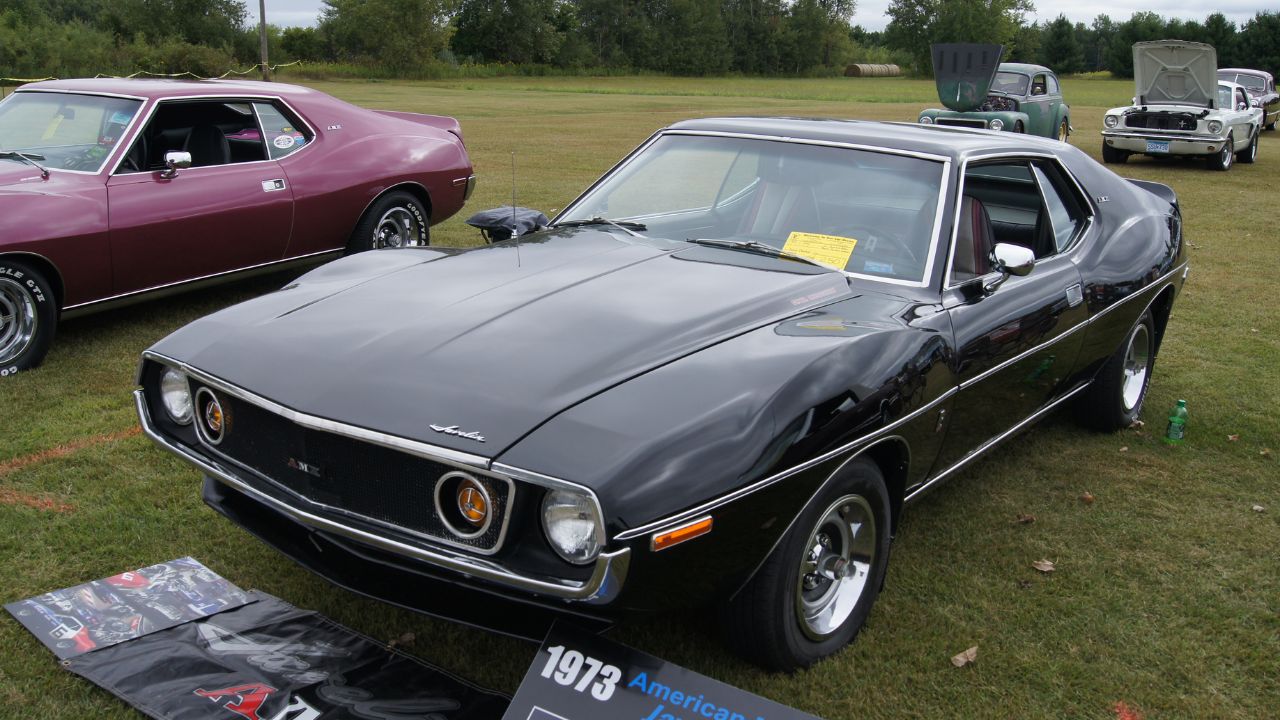
AMC’s Javelin AMX offered unique styling and a potent 401-cubic-inch V8. It held its own against Detroit’s bigger players, but by 1973, the oil crisis and tighter emissions laws had shifted priorities. The Javelin survived until 1974, but the muscle era’s momentum was gone. Today, it’s a favorite among collectors looking for something different.
Like Fast Lane Only’s content? Be sure to follow us.
Here’s more from us:
*Created with AI assistance and editor review.


Leave a Reply