
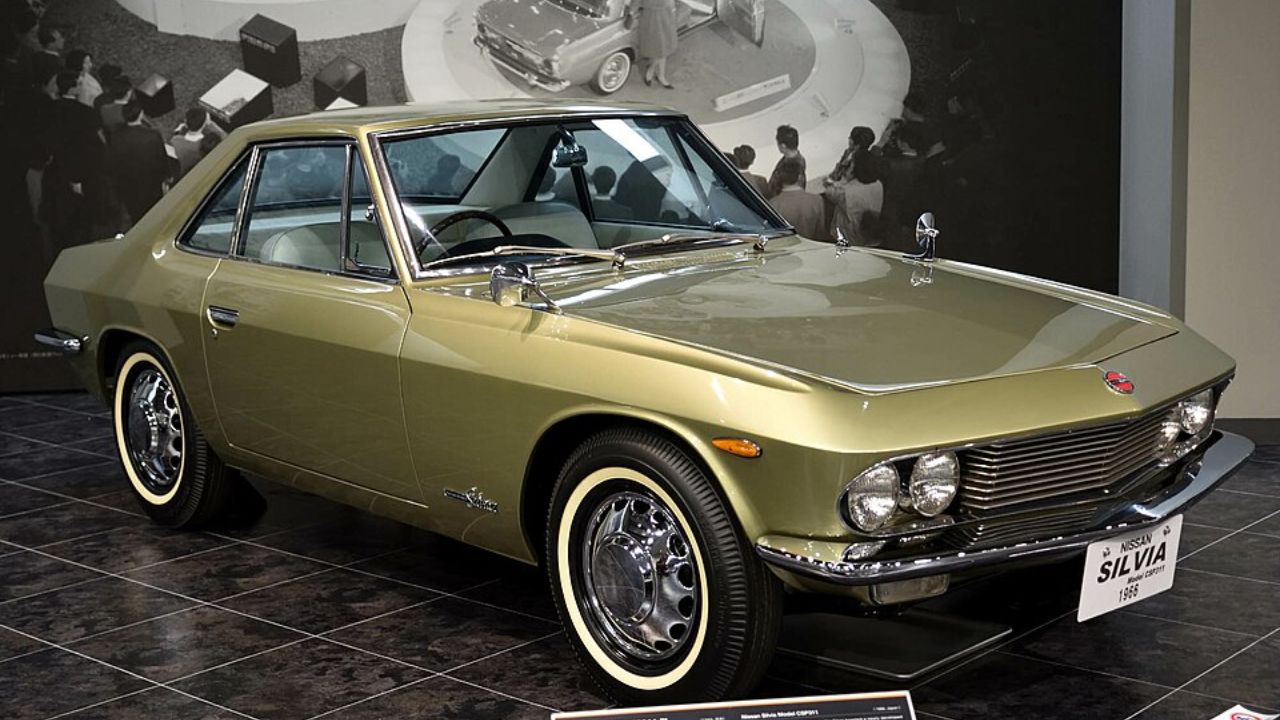
From handcrafted coupes to Le Mans weapons, Nissan’s sports car history covers more ground than most brands manage in a lifetime. Across decades, the company has built machines that balanced accessibility with engineering ambition, often punching well above their price point. Some models redefined performance benchmarks, others became cult favorites, and a few were created purely to meet racing regulations. Together, they tell a story of a manufacturer that’s never been afraid to take risks. Here’s a look at eight Nissan sports cars that truly earned their stripes.
Nissan Fairlady Z (240Z) – 1969
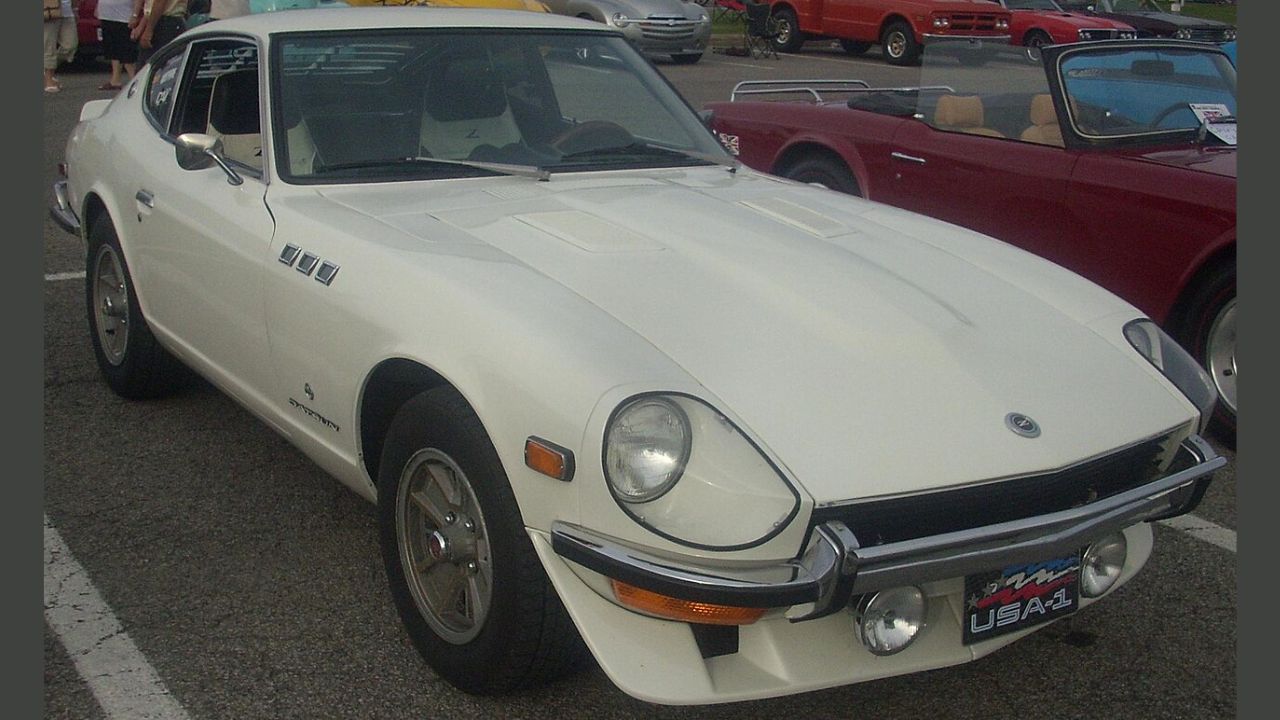
When the Fairlady Z arrived in the U.S. as the 240Z, it hit a sweet spot between performance, price, and style. The 2.4-liter inline-six made 151 hp, paired with a four-speed manual for a direct, engaging drive. Independent suspension and disc/drum brakes gave it handling that could rival more expensive European coupes. Inside, you got a full set of gauges, supportive bucket seats, and surprising build quality for the money. It wasn’t the fastest sports car of its time, but it delivered speed and sophistication in a package that undercut its rivals without feeling cheap.
Nissan Skyline 2000 GT-R – 1969
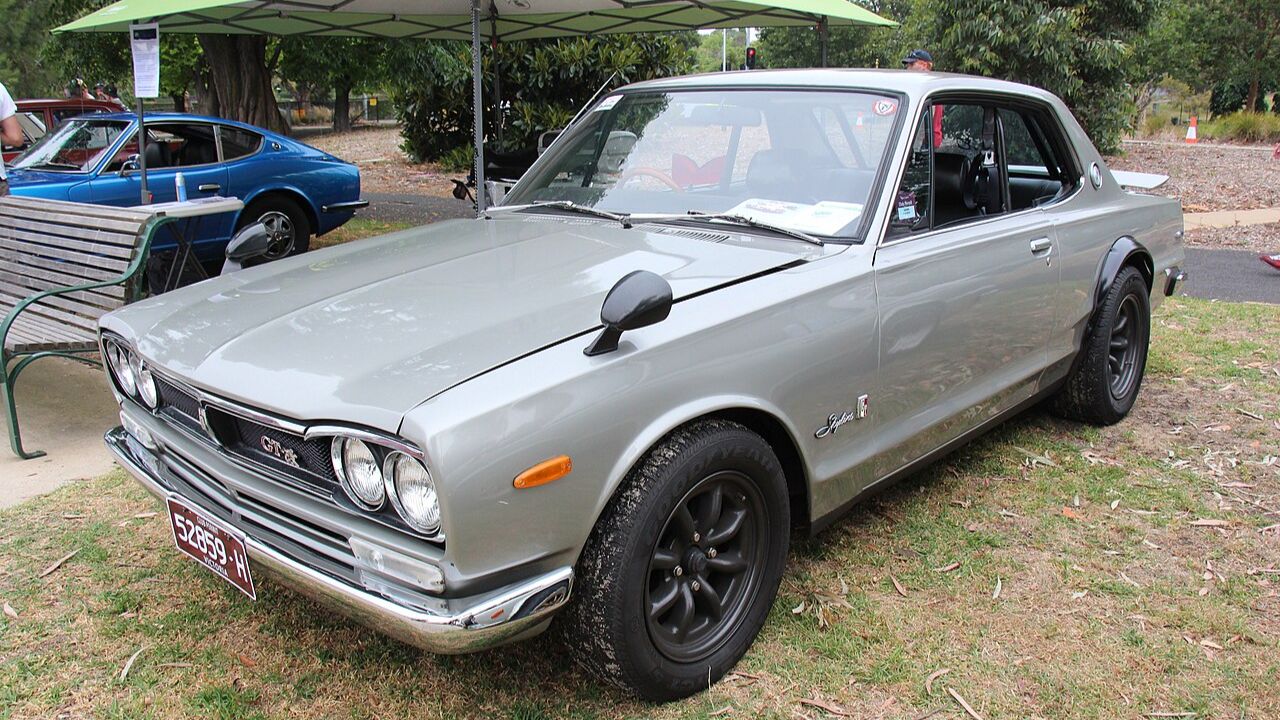
The first Skyline GT-R was a sedan-turned-coupe that laid the foundation for Nissan’s performance image. Its 2.0-liter DOHC inline-six, the S20, produced 160 hp—serious numbers for a Japanese car of the era. A close-ratio five-speed and limited-slip differential kept power in check, while four-wheel independent suspension gave it sharp cornering ability. The interior was functional but purposeful, with a thin-rim steering wheel and clear instrumentation. Though understated in appearance, the GT-R dominated Japanese touring car racing, racking up 50 wins in less than two years.
Nissan Silvia CSP311 – 1965
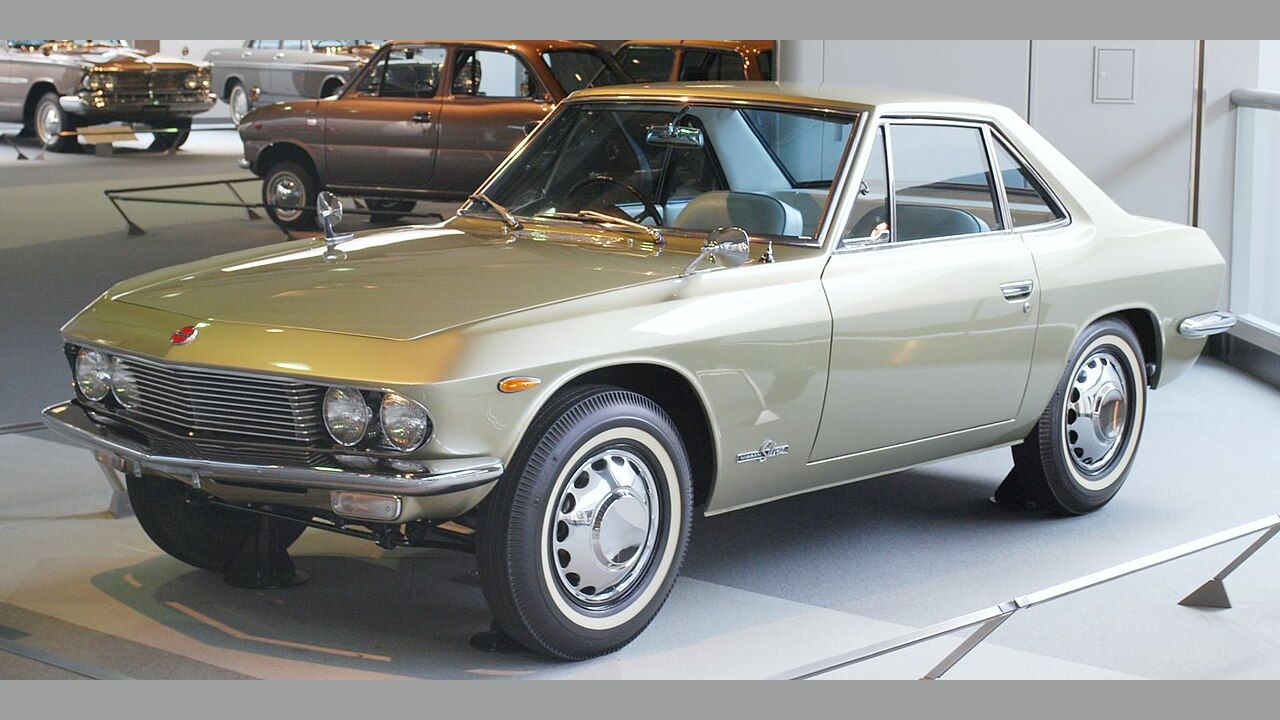
The original Silvia was a handcrafted coupe with Italian-inspired lines and a 1.6-liter four-cylinder producing around 96 hp. Built in small numbers—fewer than 600 units—it was more of a boutique sports car than a mass-market offering. The CSP311 rode on a Fairlady Roadster chassis, giving it nimble handling and a low-slung driving position. Its interior reflected the era’s grand touring vibe, with wood-rim steering wheels and stitched dash panels. While not a powerhouse, it showed Nissan could build a sports coupe with style and precision fit for export markets.
Nissan 300ZX (Z32) – 1989
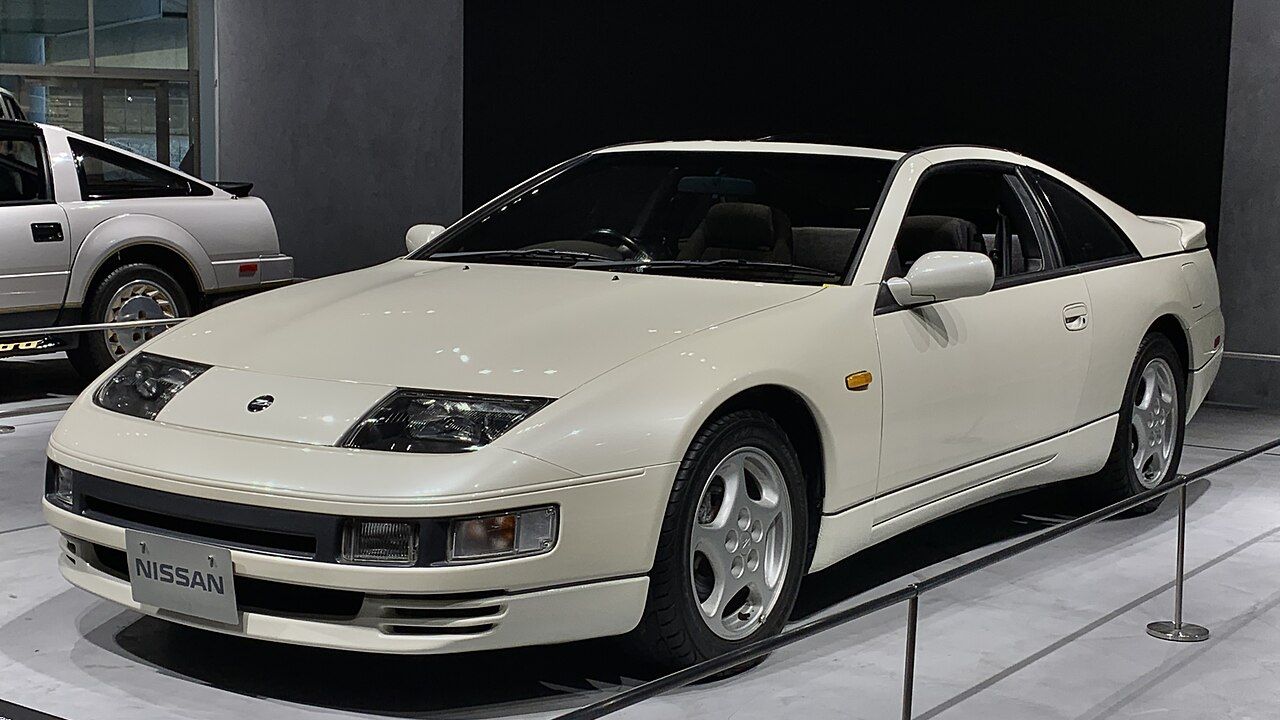
The Z32 brought Nissan into the 1990s with a wide, low stance and technology that made it a world-class contender. Twin-turbocharged 3.0-liter V6 models produced 300 hp, with four-wheel steering via the HICAS system and multi-link suspension at each corner. The cockpit was driver-focused, wrapping controls toward the driver in a jet-fighter style. While heavier than earlier Z-cars, its performance and refinement made it competitive with contemporary European sports cars. The 300ZX proved Nissan could blend cutting-edge tech with a platform that still delivered genuine driving excitement.
Nissan R390 GT1 – 1998
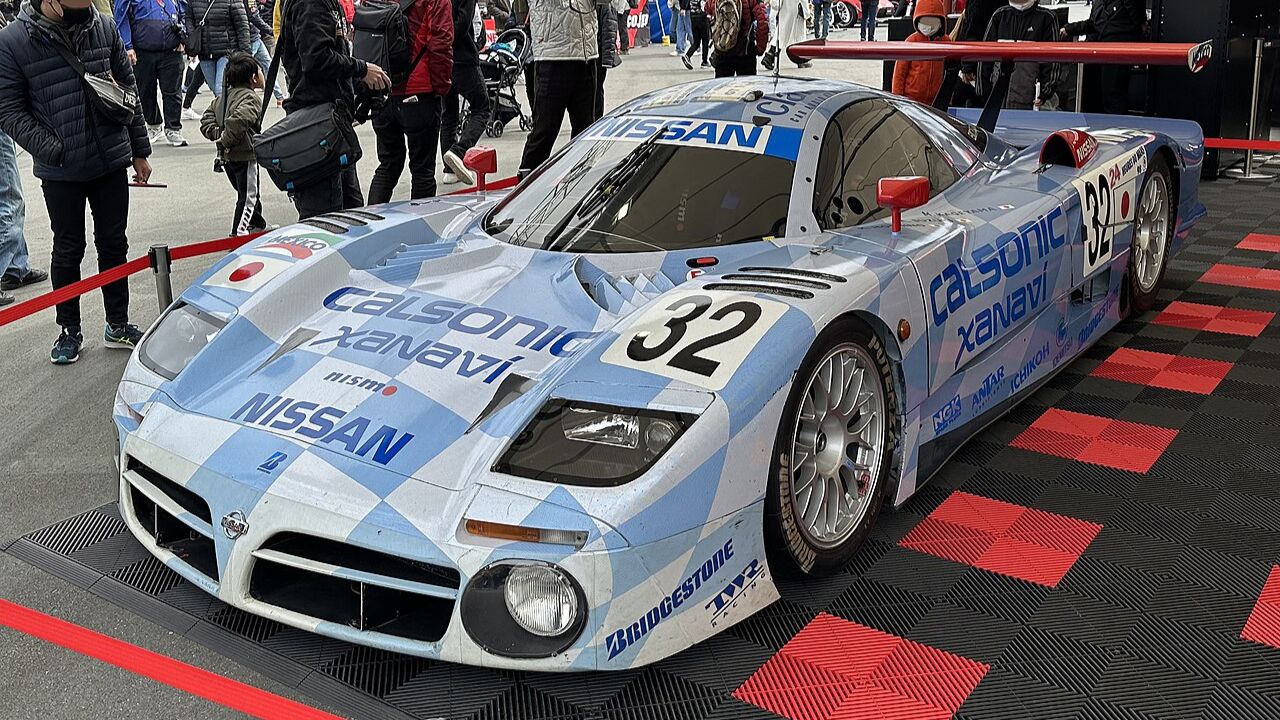
Built to meet GT1 homologation rules, the R390 GT1 was essentially a Le Mans car with license plates. Its 3.5-liter twin-turbo V8 produced 550 hp, routed through a six-speed sequential gearbox. Carbon-fiber construction kept weight down, and the car’s aerodynamic shape was designed for high-speed stability. The interior was spartan—air conditioning was about the only concession to comfort. Only one road car was officially built, making it one of the rarest Nissans ever. It wasn’t a showroom seller—it was proof Nissan could compete at the absolute highest levels of endurance racing.
Nissan GT-R R35 – 2007
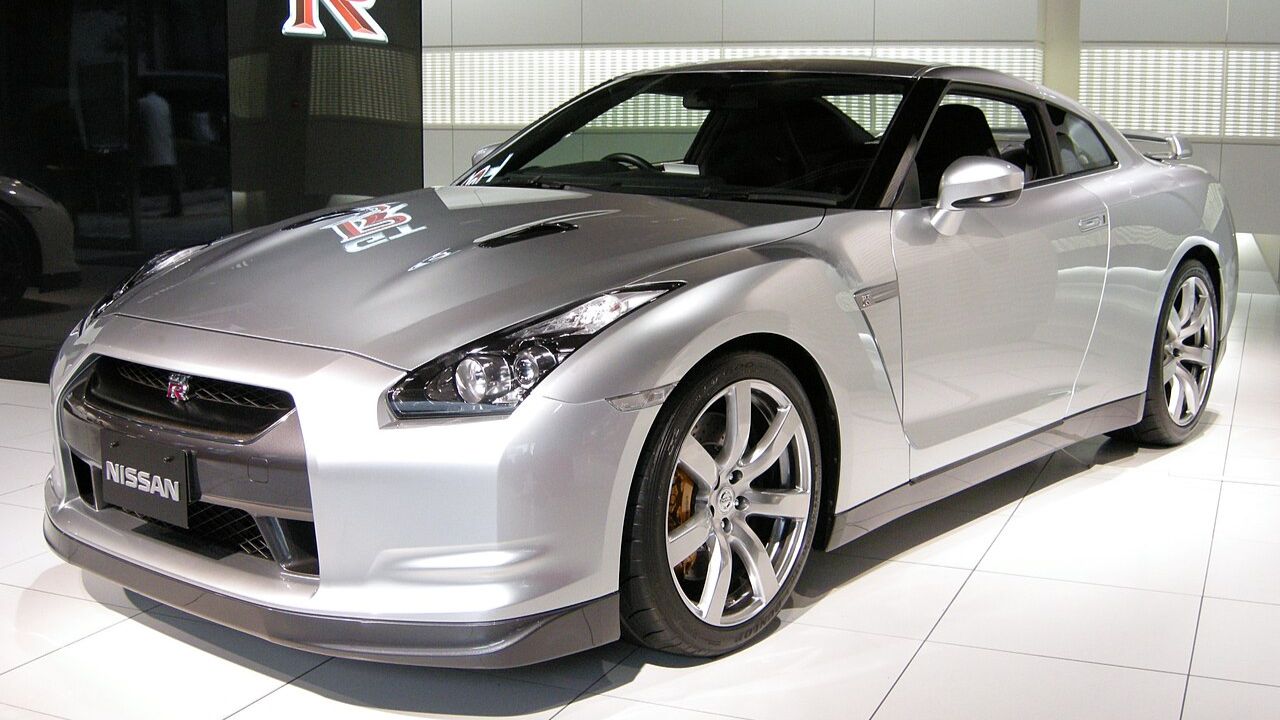
When the R35 GT-R launched, it rewrote performance benchmarks. Its 3.8-liter twin-turbo V6 made 480 hp at launch, paired with a dual-clutch gearbox and an advanced all-wheel-drive system. The car’s electronics—yaw control, adjustable suspension, and launch control—made it blisteringly quick without demanding race-driver skill. Inside, it offered everyday usability, with comfortable seats and tech features that made it as capable on a commute as on a circuit. Over time, power climbed past 600 hp in special editions, but the core formula stayed the same: speed accessible to more than just professional drivers.
Nissan 350Z – 2002
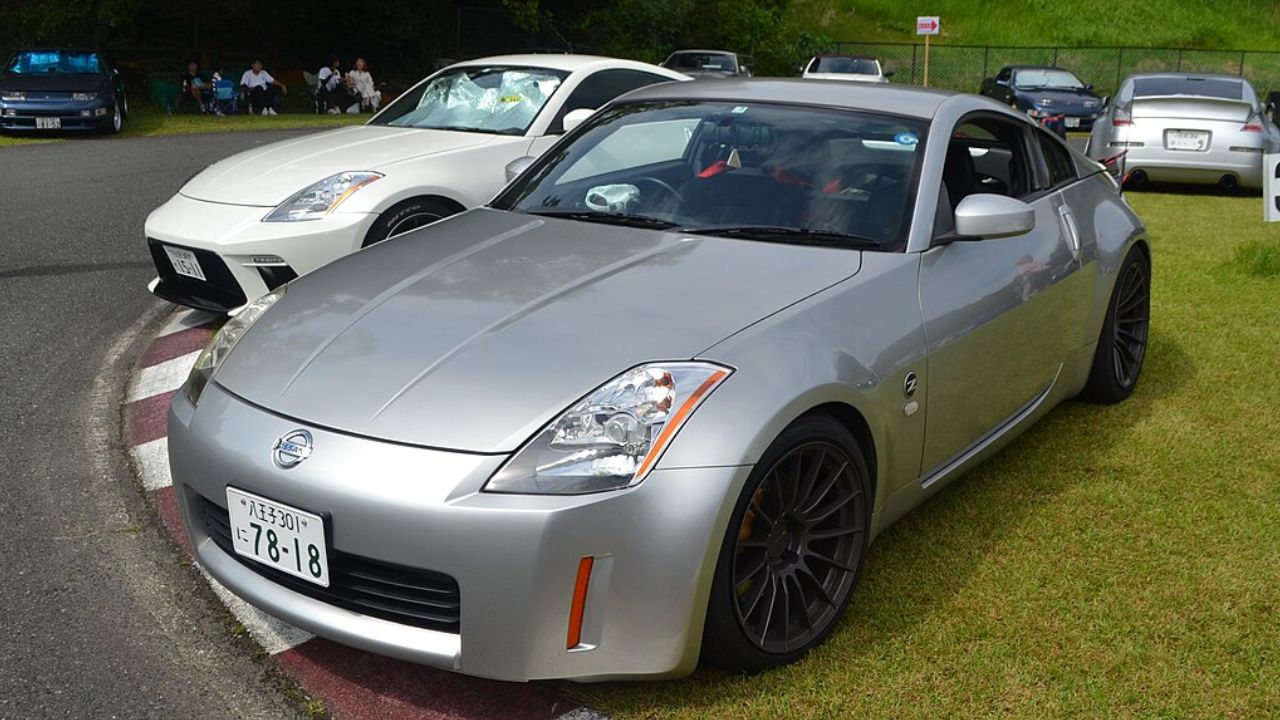
The 350Z revived the Z-car name with a back-to-basics approach. A 3.5-liter V6 produced 287 hp, sent to the rear wheels through a six-speed manual or five-speed automatic. The chassis was stiff and responsive, thanks to a short wheelbase and wide track. Inside, the cabin was functional but well-trimmed, with deeply bolstered seats and a center-mounted tachometer. It wasn’t overloaded with electronics, making it a purer driver’s car than many of its contemporaries. The 350Z brought Nissan’s sports car heritage into the 21st century without forgetting its roots.
Nissan Pulsar GTI-R – 1990
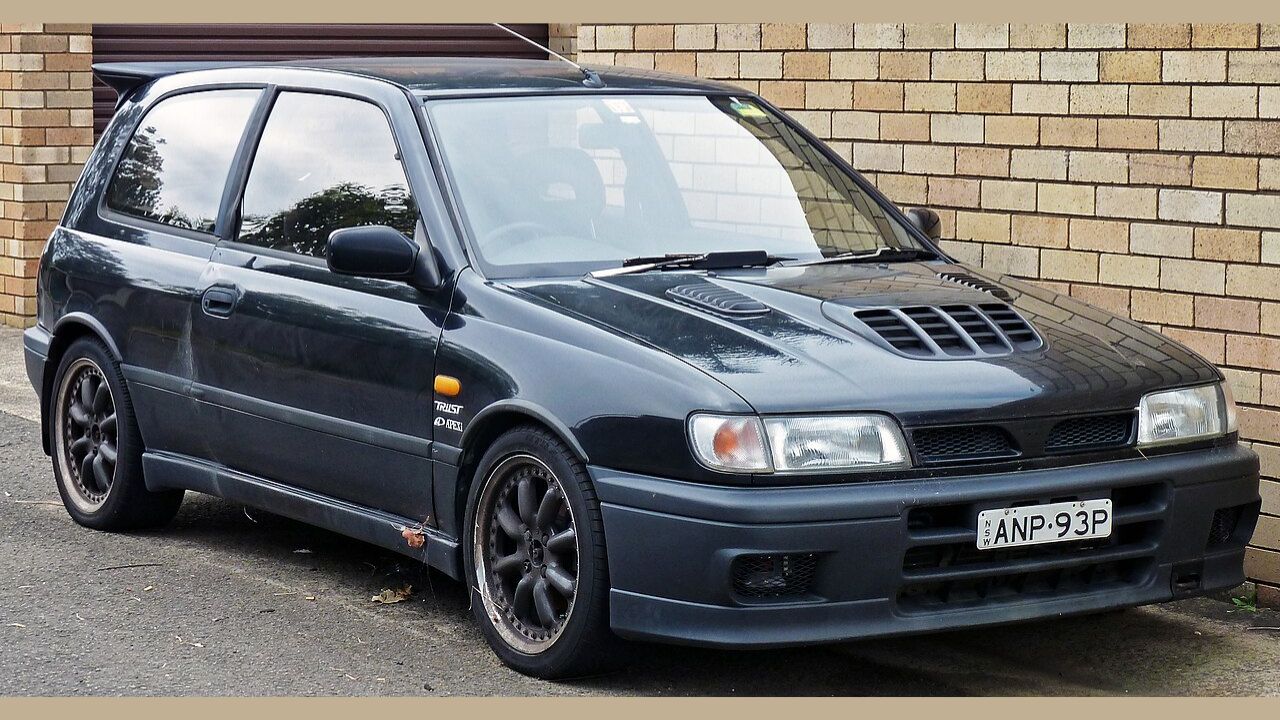
The GTI-R was a rally homologation special disguised as a subcompact hatchback. Its 2.0-liter turbocharged four-cylinder made 227 hp, sent to all four wheels through a close-ratio five-speed. With a curb weight under 2,800 pounds, it could hit 60 mph in under six seconds. The suspension was firm, and the body was braced for rally stages, giving it a rawer edge than most hot hatches. Inside, it was modest—cloth seats, basic instrumentation—but that only underscored its focus on performance. Built in limited numbers, it’s one of Nissan’s most underrated performance machines.
Like Fast Lane Only’s content? Be sure to follow us.
Here’s more from us:
*Created with AI assistance and editor review.

Leave a Reply