
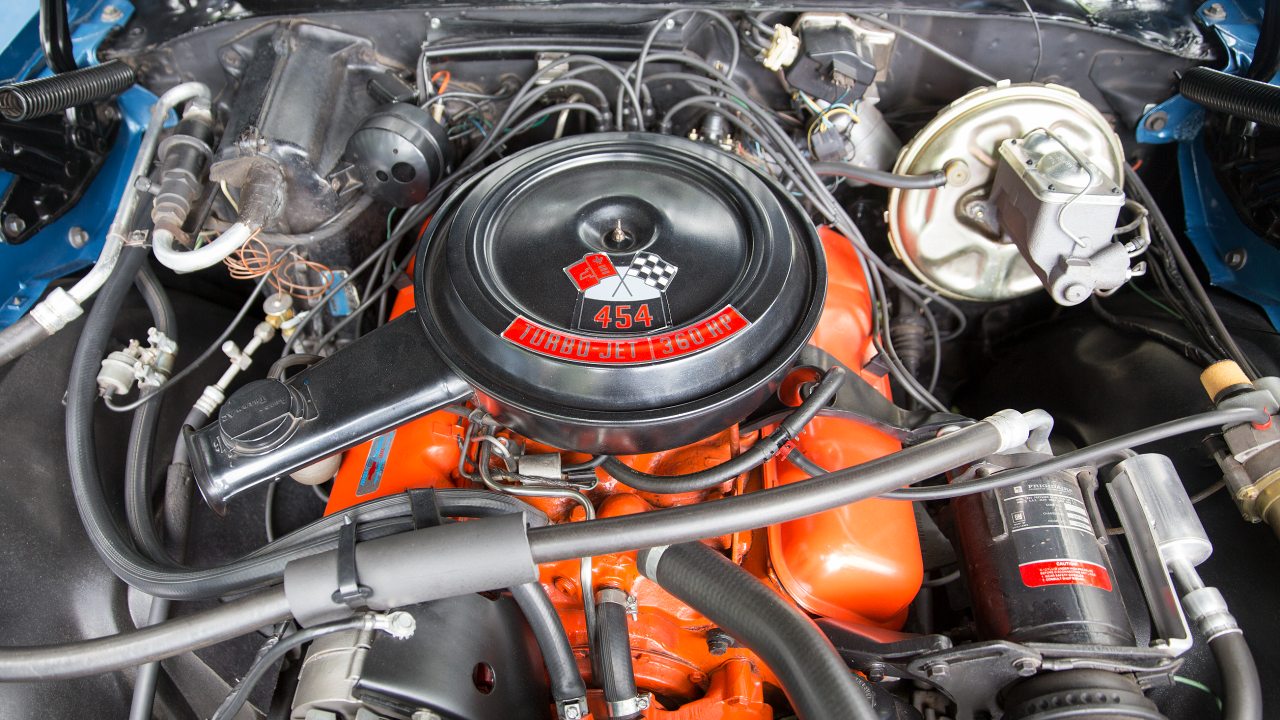
Big-block V8s that once sat ignored in junkyards are suddenly commanding serious money, as collectors chase torque, rarity, and period-correct drivetrains. The eight engines below were long overshadowed by headline-grabbing Hemis and LS swaps, yet recent auction data and expert reporting show values climbing fast enough that enthusiasts are scrambling to buy before prices climb further.
Pontiac 455 V8
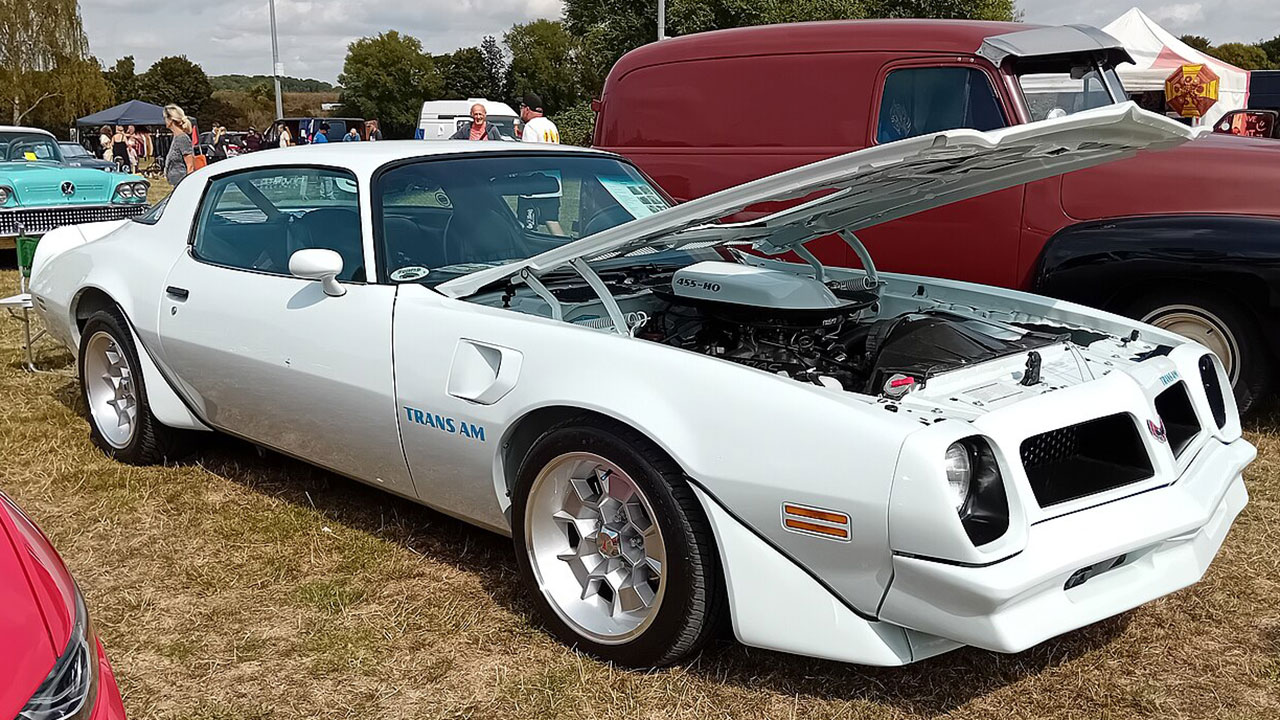
The Pontiac 455 V8, built from 1970 to 1976, has shifted from budget swap to blue-chip hardware, with complete engines rising 25 percent in 2023 and low-mileage units bringing up to $8,000. Collectors prize its torque-heavy performance in Trans Am and GTO models, where the original 1970 455 was rated between 360 and 370 horsepower and a stout 500 lb-ft of torque, as detailed in Pontiac coverage.
That surge reflects a broader rediscovery of GM’s late-1960s and early-1970s 455 family from Buick, Oldsmobile, and Pontiac, highlighted in period overviews of the “largest GM V8s” such as the mighty 455s. The Pontiac Grand Prix SJ 455, described as sitting at the crossroads of luxury and muscle, shows how this engine blended big-block thrust with personal-coupe comfort, as noted in reporting on the Grand Prix SJ. Rising drivetrain prices now influence restoration budgets, pushing owners to preserve original 455 cars rather than part them out.
Oldsmobile 455 V8
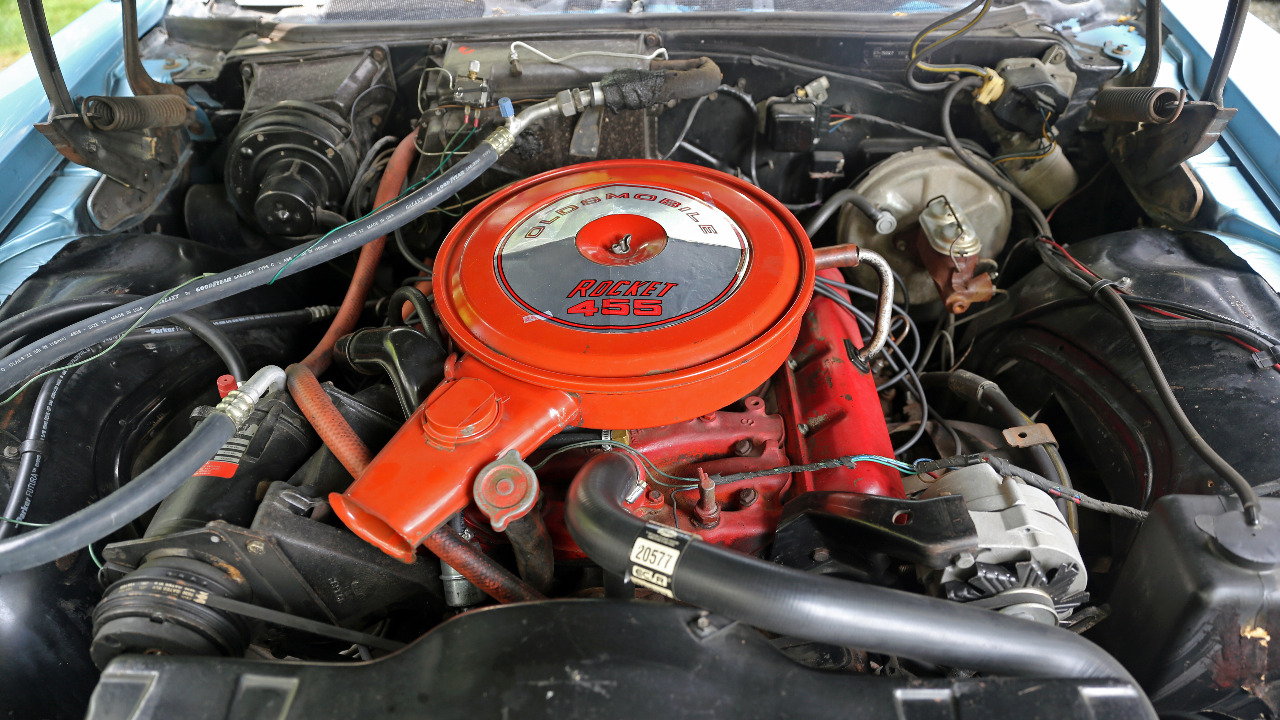
The Oldsmobile 455 V8, produced from 1968 to 1976, is finally stepping out of the Pontiac shadow. Post-2022 auction data shows a sharp demand spike, with Rocket 88 variants of the 455 bringing as much as $12,500, a figure cited by collector Mike Antonick when describing the engine’s underrated big-block power. That kind of money for a loose or donor engine would have seemed unrealistic a decade ago.
Antonick and other specialists argue that the Oldsmobile 455 delivers a distinctive blend of smoothness and torque that suits full-size cruisers and 4-4-2 builds, yet it remained undervalued while small-block swaps dominated. As more restorers chase numbers-matching Rocket 88 cars, they are bidding aggressively for correct 1968–1976 castings, which tightens supply for hot rodders. The trend signals a broader reappraisal of Oldsmobile engineering, where originality and period-correct drivetrains now command a premium.
Buick 430 V8
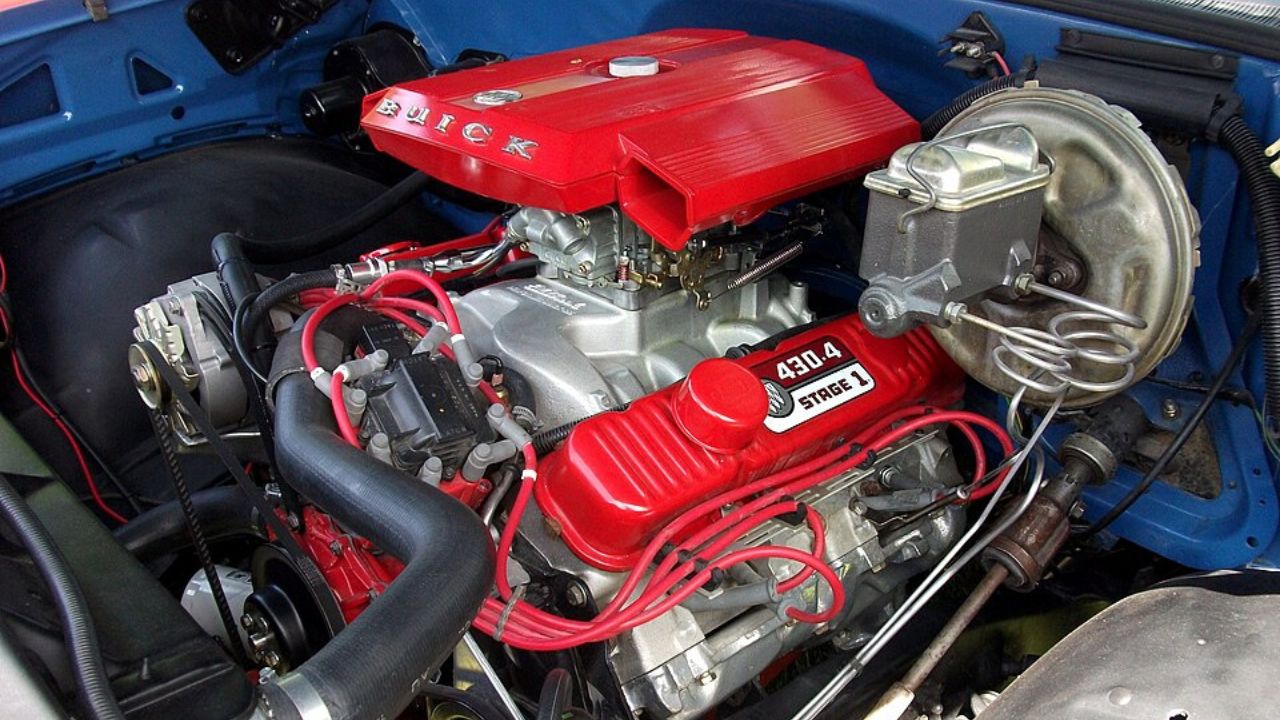
The Buick 430 V8, used from 1967 to 1969 in Wildcat and other full-size models, has quietly logged a 30 percent price climb since 2021. One documented sale saw a 1968 engine block change hands for $6,200, a striking figure for a powerplant that spent years overshadowed by the later Buick 455. Reporting on undervalued big-blocks notes that buyers are responding to the 430’s reputation for smooth, effortless torque and its connection to Buick’s Nailhead lineage.
Although technically distinct from the earlier Nailhead, the 430 carries forward that smooth, high-torque character that made Buick luxury performance unique. Restorers seeking correct engines for Wildcat and Riviera projects now compete with street-rod builders who appreciate the 430’s balance of power and refinement, as highlighted in undervalued V8 market coverage. As a result, what was once a cheap core is now a budget line item that can rival paint or interior work, changing how owners plan full restorations.
Cadillac 390 V8
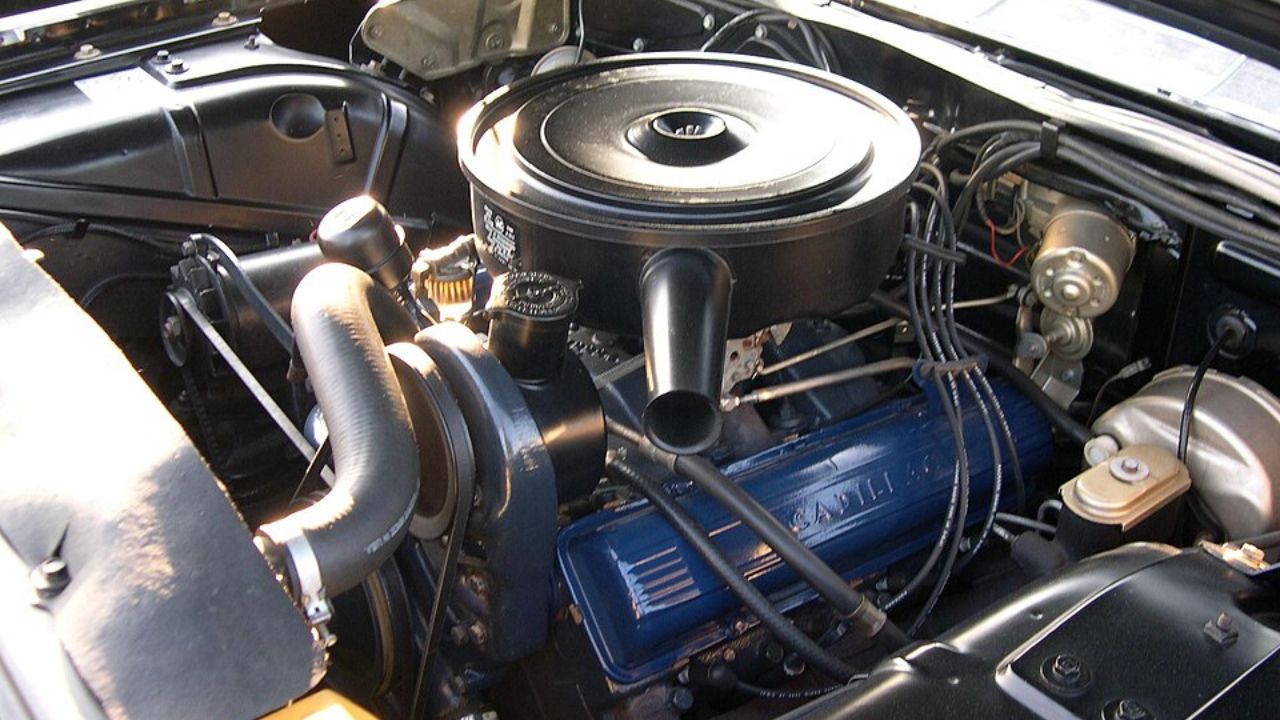
The Cadillac 390 V8, produced from 1955 to 1963, has become a focal point for collectors chasing mid-century luxury performance. Market reports describe renewed interest in 2024, capped by a complete 1960 Eldorado-spec 390 that brought $10,000 at a Barrett-Jackson sale, a result cited by photographer and expert David Newhardt. That price reflects not just rarity, but the engine’s role in Cadillac’s overhead-valve evolution.
The 390’s overhead-valve design represented a major step in postwar refinement, delivering quiet power that matched Cadillac’s image at the top of General Motors. As more buyers seek authentic drivetrains for finned Eldorados and Series 62 coupes, they are willing to pay a premium for complete, rebuildable 390s with correct accessories. Analysts note that this demand also lifts values for parts cars and cores, encouraging owners to restore rather than restomod surviving Cadillac chassis.
Chevrolet 348 V8
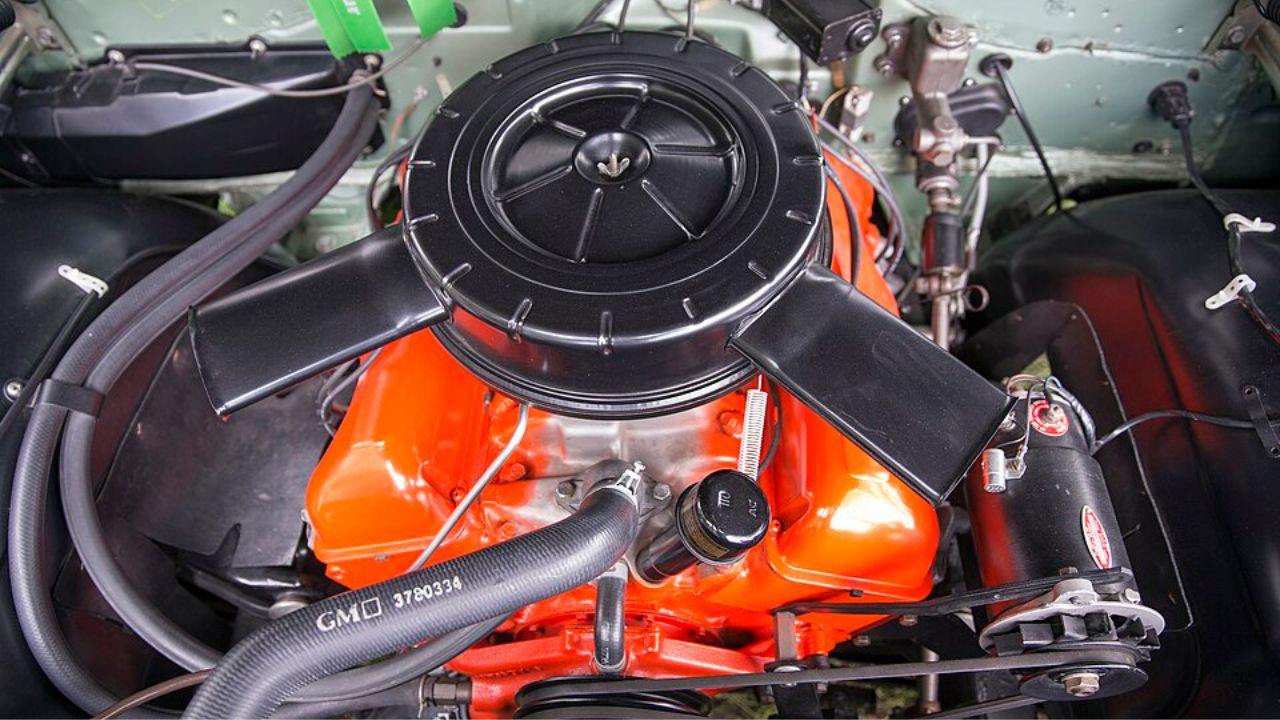
The Chevrolet 348 V8, the original “W” engine built from 1958 to 1964, is no longer just a curiosity for early Impala fans. Auction data from 2023 shows passenger-car versions of the 348 valued around $7,500, according to reports citing RM Sotheby’s sales. Collectors are particularly drawn to its role in early Impala tri-power setups, where triple carburetors turned big Chevrolets into legitimate performance machines before the 409 arrived.
Beyond nostalgia, the 348’s unique W-shaped combustion chamber and broad torque curve appeal to builders who want period-correct power for late-1950s Chevrolets. Coverage of rising big-block values notes that the 348’s connection to NASCAR and drag racing history adds further cachet, especially for cars documented with original tri-power equipment. As a result, buyers who once defaulted to crate small-blocks are now paying real money to source and rebuild authentic 348s for high-end restorations.
Ford 390 FE V8

The Ford 390 FE V8, in production from 1961 to 1976, has seen a sharp market correction as enthusiasts rediscover the FE series. Reports on FE engines highlight a 40 percent uptick in 2024 values for Thunderbird applications, including a 1966 390 that sold for $9,800. Ford historian Donald Frey points to the engine’s robust cast-iron construction as a key reason these units survive abuse and still attract serious buyers.
That durability, combined with broad parts interchange across the FE family, makes the 390 attractive for both restorations and period-style performance builds. Coverage of FE-series engines notes that as 427 and 428 prices soar, the 390 has become the attainable gateway into classic Ford big-block ownership. Rising engine prices now influence Thunderbird and Galaxie project values, since a correct FE under the hood can represent a five-figure share of the total build cost.
Chrysler 318 Poly V8
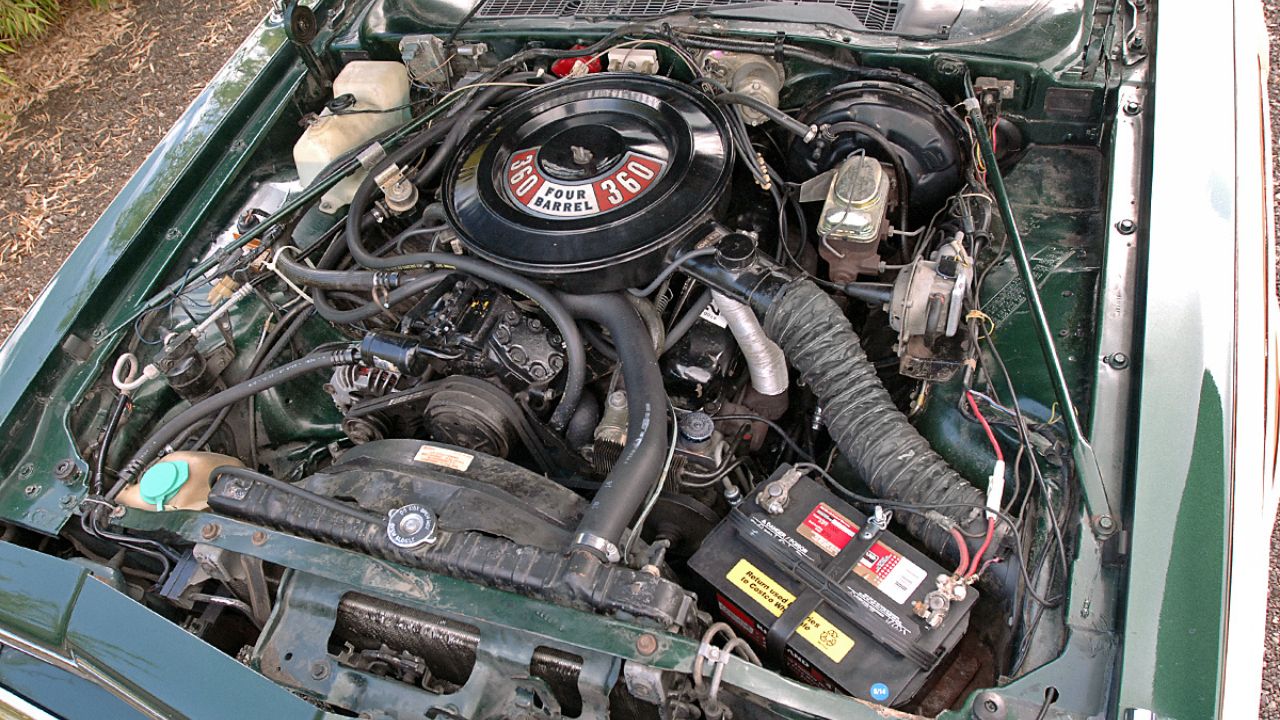
The Chrysler 318 Poly, a polyspherical-head V8 built from 1957 to 1966, has undergone a surprising revival. Data from the Chrysler Restorers Club shows complete engines for Mopar A-body applications commanding around $5,500 since 2023, a notable jump for a powerplant long dismissed as an oddball. Market analysts credit its hemispherical-like efficiency, thanks to the distinctive polyspherical combustion chambers that inspired the name The Chrysler Polysphere.
Technical explainers on Mopar 318 history note that the Polysphere was produced in the United States from 1956 to 1966 and into 1967 elsewhere, underscoring its transitional role between early Hemis and later LA small-blocks. As enthusiasts seek correct drivetrains for early Valiants, Darts, and trucks, they are re-evaluating the 318 Poly’s mix of character and efficiency, turning what was once a throwaway engine into a valued restoration asset.
AMC 327 V8
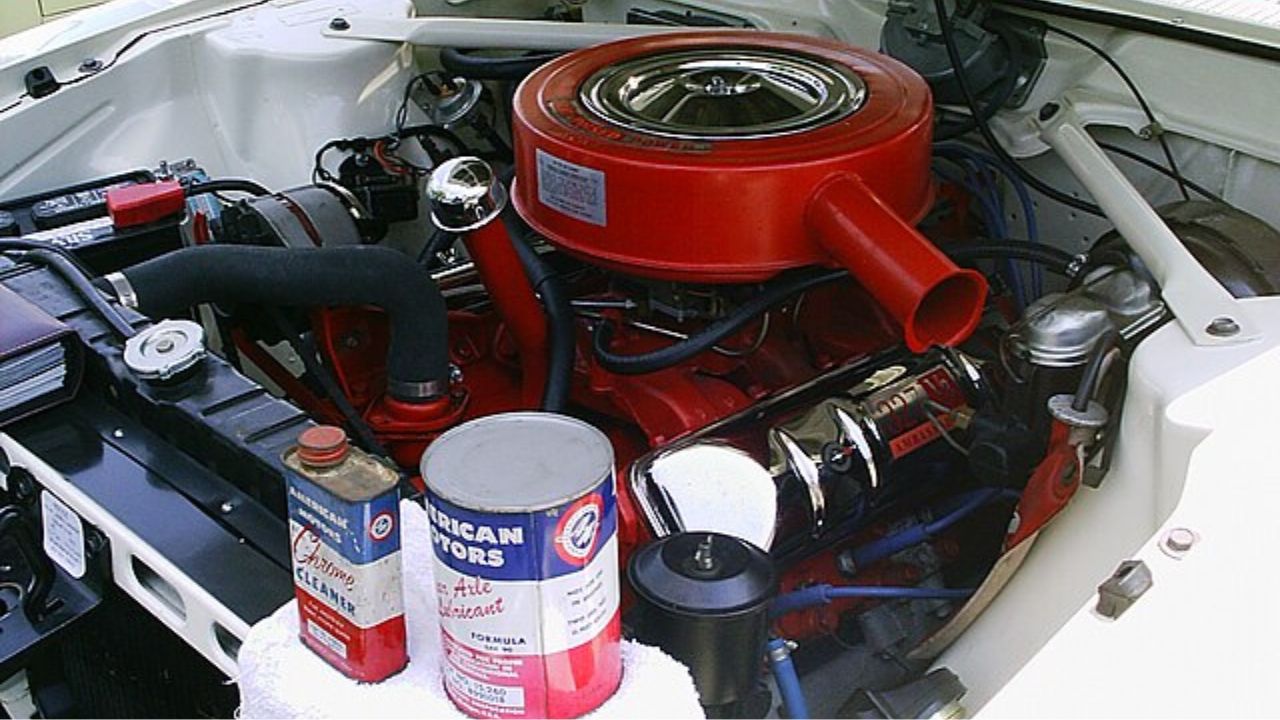
The AMC 327 V8, used in 1967–1968 Rebel models, has emerged as one of the priciest overlooked engines in the muscle-car orbit. Reporting on collectible AMC powerplants notes that a high-compression 327 reached $11,000 at a 2024 Mecum auction, a result documented by AMC expert Patrick Foster. That figure reflects both the engine’s rarity and its status as an in-house design predating AMC’s later 290/343/390 family.
Because AMC production volumes were modest compared with Detroit’s giants, surviving 327s are scarce, especially in correct Rebel configurations. Coverage of AMC V8s emphasizes that dedicated brand loyalists will pay a premium to keep cars period-correct rather than swapping in more common engines. As those loyalists compete with general collectors chasing unusual high-compression hardware, the 327’s rising prices signal a broader reassessment of AMC’s engineering legacy.
More from Fast Lane Only:

Leave a Reply