Making the switch from a V8 engine to an electric vehicle (EV) might seem like a smart move, particularly with the growing emphasis on sustainability. However, there are several reasons why this transition might not be as seamless as it seems. From the visceral experience of driving to practical considerations like range and infrastructure, there are multiple facets to consider when deciding to trade in your V8 for an electric alternative.
Loss of Engine Sound and Feel
One of the most immediate changes you’ll notice when switching to an EV is the absence of the iconic roar of a V8 engine. For many, the deep rumble and vibration of a V8 is an integral part of the driving experience, providing a sensory connection to the car. This isn’t just about noise; it’s about feeling the raw power and performance in every drive.
Take, for example, the Ford Mustang GT. Its V8 engine offers a sound that enthusiasts cherish, a sound that has been synonymous with American muscle cars for decades. In contrast, the quiet, smooth ride of an EV, such as the Tesla Model S, might feel underwhelming to those who thrive on the auditory feedback of a traditional engine.
Reduced Towing Capacity
If you’re someone who frequently tows trailers, boats, or other heavy loads, you might find that an EV doesn’t measure up to your V8-powered vehicle. While some electric models like the Rivian R1T boast impressive towing capacities, many still fall short compared to their internal combustion counterparts.
A typical V8 engine, such as the one in a Chevrolet Silverado 1500, can tow up to 13,300 pounds, while many EVs struggle to reach similar figures. This can be a significant drawback for those who rely on their vehicle’s towing capability for work or recreation.
Limited Range Anxiety
Range anxiety remains one of the biggest concerns for potential EV owners. While manufacturers are making strides in extending battery ranges, they still often fall short of what a full tank of gas can offer. For instance, a Tesla Model 3 Long Range can travel up to 353 miles on a single charge, but a V8-powered Ford F-150 can cover over 500 miles on a full tank.
If you frequently take long road trips or live in areas with limited charging infrastructure, this could be a major inconvenience. The fear of getting stranded with a depleted battery is a real concern that can add stress to your driving experience.
Longer Recharging Times
Recharging an EV can take considerably longer than refueling a gasoline vehicle. Even with fast chargers, it can take up to 30 minutes to reach an 80% charge, whereas filling up a gas tank takes only a few minutes. This can be particularly inconvenient on long trips where time is of the essence.
Moreover, home charging setups, while convenient, can take several hours for a full charge. For example, charging a Nissan Leaf with a Level 2 home charger can take up to 8 hours. This delay can be a significant adjustment for those accustomed to the quick stop-and-go nature of gas stations.
Higher Initial Purchase Cost
While the long-term cost savings of owning an EV can be appealing, the initial purchase price can be a major deterrent. EVs often come with a higher price tag than their gasoline counterparts due to the cost of battery technology and other advanced features.
Consider the price difference between a standard V8-equipped vehicle like the Dodge Charger and an electric alternative like the Audi e-tron. This upfront cost can be a barrier for many consumers, especially if you’re not fully convinced of the long-term savings in fuel and maintenance.
Limited Availability of Charging Infrastructure
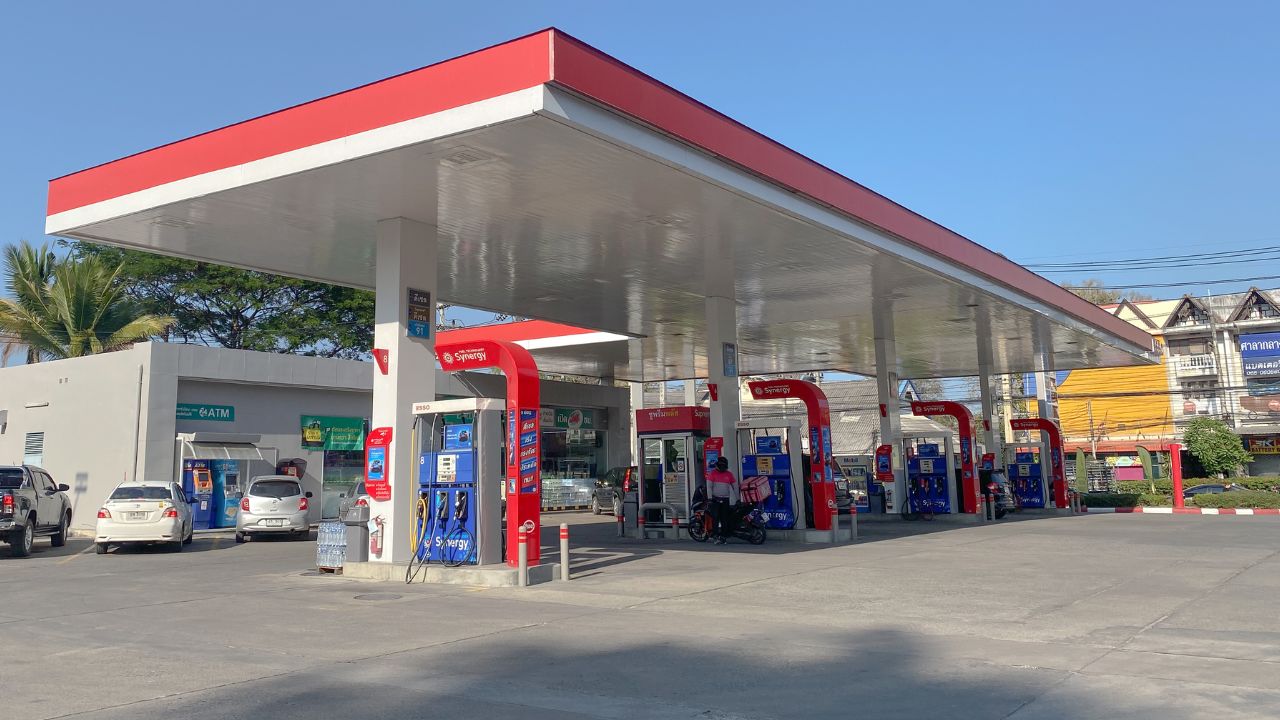
Despite rapid growth, charging infrastructure is still not as ubiquitous as gas stations. In rural areas or less developed regions, finding a charging station can be challenging, leading to inconvenience and potential travel disruptions.
While urban areas are increasingly equipped with stations, the disparity in availability means that EV owners must often plan their routes around charging locations. This limitation can be frustrating for those used to the widespread and easily accessible network of gas stations.
Less Emotional Connection
Driving a V8 car is often about more than just transportation; it’s about passion and the emotional connection that comes with it. The thrill of acceleration, the sound of the engine, and the overall driving dynamics contribute to a bond between driver and machine.
In contrast, EVs, while technologically advanced, can feel more like appliances. The quiet, smooth ride and lack of engine engagement might make the driving experience feel less personal and more utilitarian, leaving some drivers missing the emotional connection they had with their V8.
Resale Value Concerns
The resale market for EVs is still developing, and this can pose uncertainties for current owners. Battery degradation over time can affect an EV’s perceived value, potentially leading to lower resale prices compared to conventional vehicles.
For instance, a study of used EVs like the first-generation Nissan Leaf shows that they tend to depreciate faster than traditional cars. This depreciation can be a significant concern for those who plan to sell or trade in their vehicle down the line, as it may impact the return on investment.