Maserati, a name synonymous with luxury and performance, has produced numerous iconic vehicles over the decades. While some models have basked in the limelight, others have quietly stood in the shadows, deserving more attention than they’ve received. Here are eight underrated Maserati models that are worth a second look for any car enthusiast or collector.
Maserati Indy
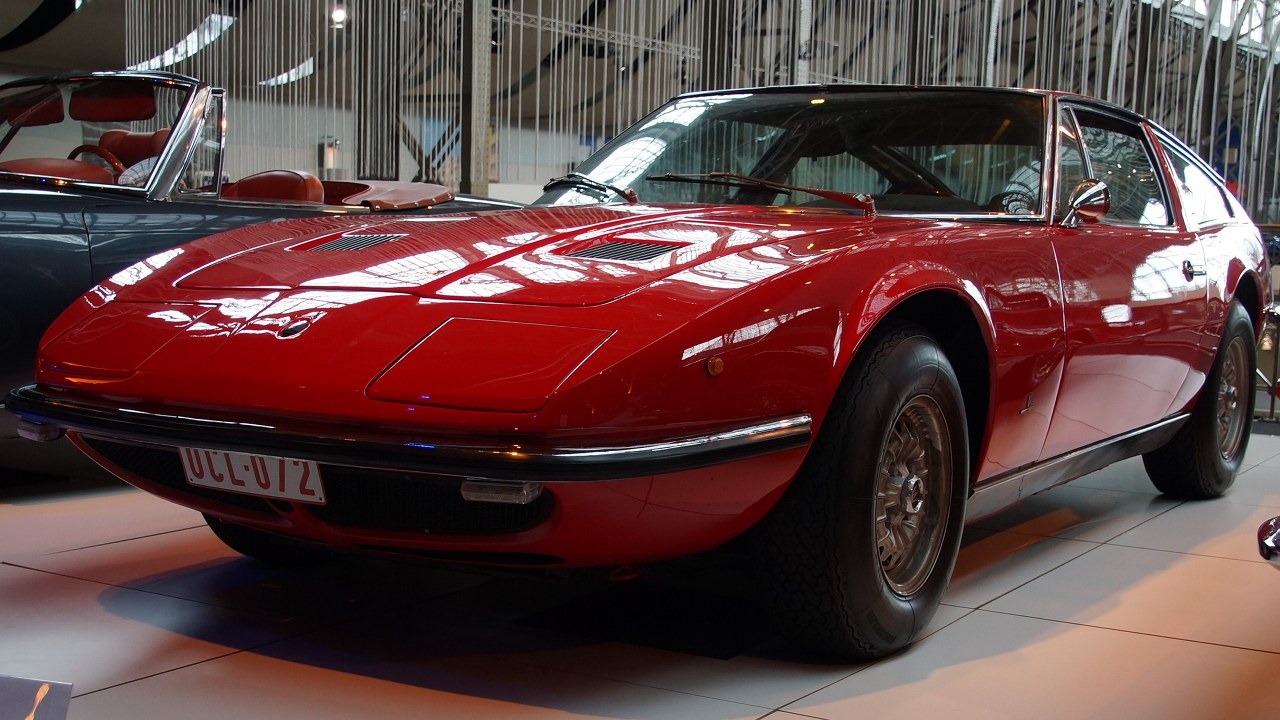
The Maserati Indy, produced between 1969 and 1975, was a grand tourer that combined practicality with performance. Named in honor of Maserati’s two wins at the Indianapolis 500, this model featured a 4.2-liter V8 engine, later upgraded to 4.7 and 4.9 liters. The Indy was designed to appeal to a broader market, offering a spacious interior and a comfortable ride, making it an excellent choice for long-distance travel.
Despite its capabilities, the Indy often gets overshadowed by its contemporaries. However, its classic design and robust engine make it a desirable option for those interested in a vintage Maserati that offers both style and substance.
Maserati Ghibli (AM115)
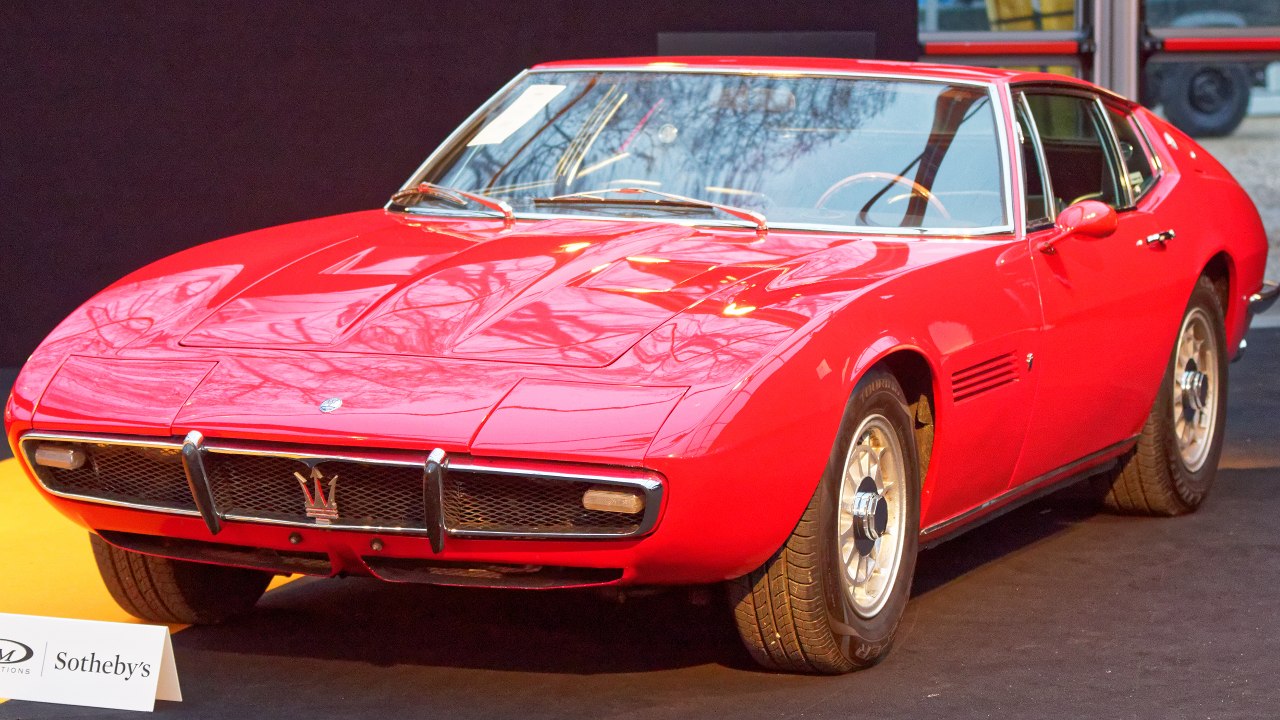
The original Maserati Ghibli, known by its chassis designation AM115, debuted in 1967 and was produced until 1973. This two-door coupe was powered by a 4.7-liter V8 engine, with an option for a larger 4.9-liter engine in later models. The Ghibli was renowned for its sleek design and impressive top speed, which made it a formidable competitor in the luxury sports car market.
Today, the Ghibli AM115 is often overshadowed by newer models bearing the same name, but it remains a testament to Maserati’s engineering prowess during the late 1960s and early 1970s. Collectors value it for its rarity and classic Italian styling.
Maserati Quattroporte III
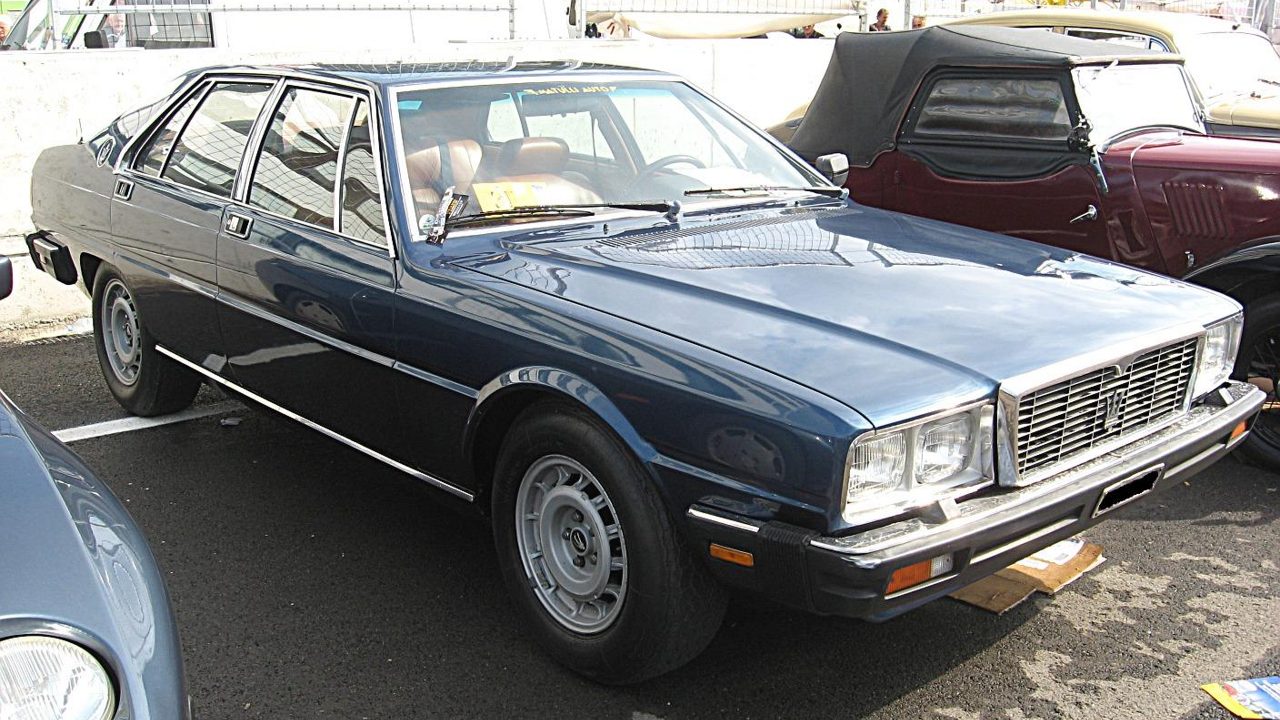
The Maserati Quattroporte III, produced from 1979 to 1990, marked a significant shift for the brand, embodying luxury and performance in a four-door sedan. Designed by the legendary Giorgetto Giugiaro, this model featured a 4.2 or 4.9-liter V8 engine, delivering a powerful yet smooth driving experience.
Its distinctive styling and luxurious features make the Quattroporte III a standout among classic sedans. While it might not be as celebrated as its successors, this model offers a unique blend of performance and elegance, making it a hidden gem in the world of vintage luxury cars.
Maserati 228
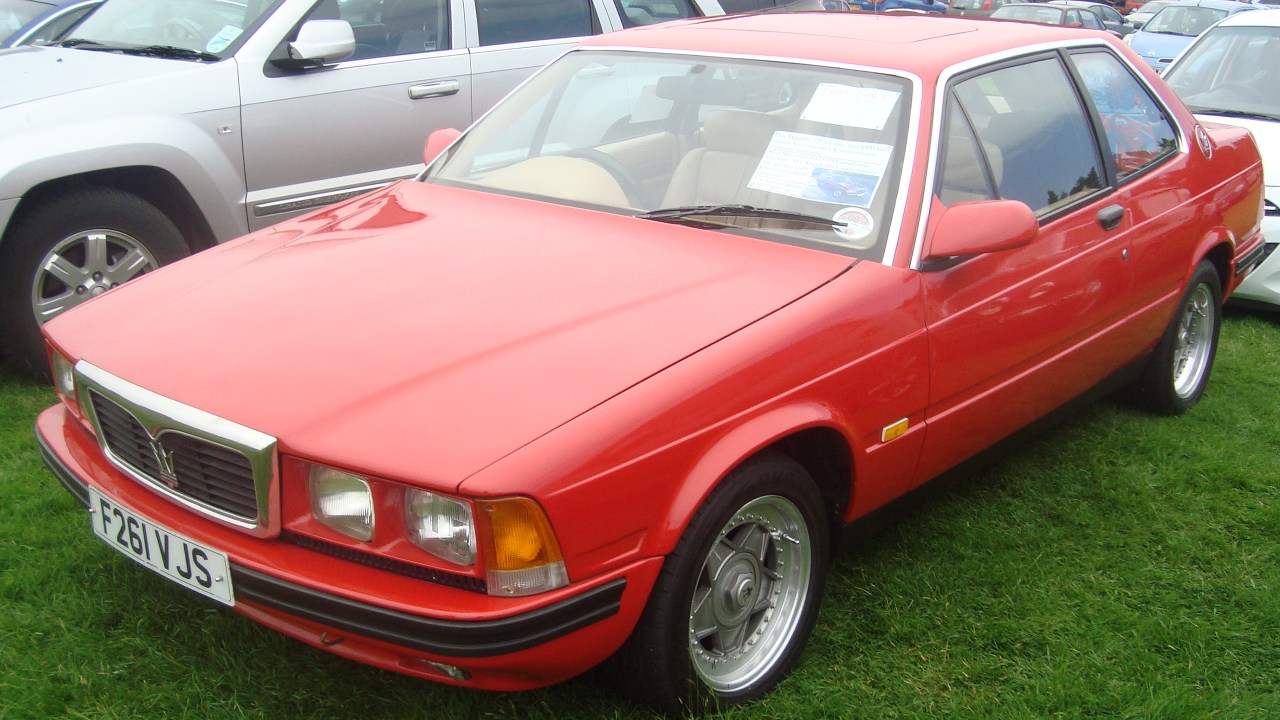
The Maserati 228, produced from 1986 to 1992, was a unique addition to the Biturbo family. Featuring a 2.8-liter twin-turbocharged V6 engine, the 228 delivered impressive performance for its class. Its design was more refined compared to other Biturbo models, offering a more luxurious interior and a smoother ride.
Though it was not as popular as other Maserati models, the 228 is appreciated by enthusiasts for its blend of power and luxury. It offers an affordable entry into classic Maserati ownership while providing the distinctive driving experience the brand is known for.
Maserati Kyalami
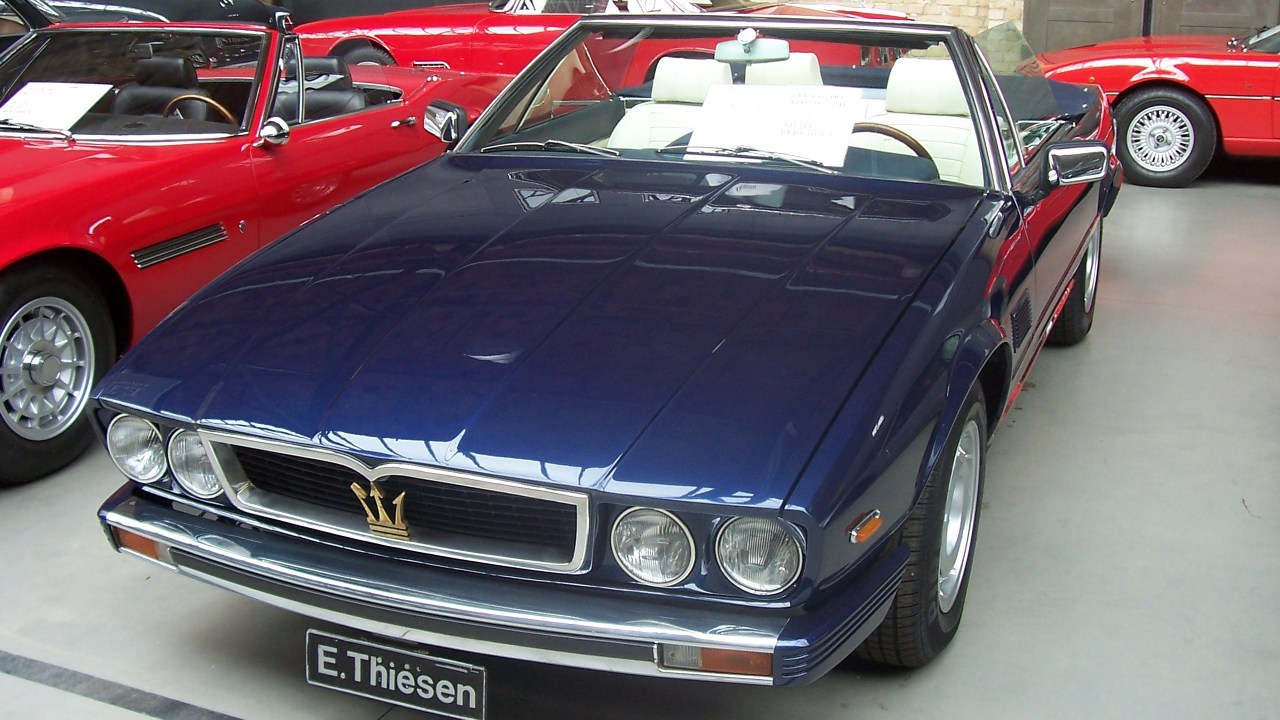
The Maserati Kyalami, produced between 1976 and 1983, was a stylish grand tourer that marked the beginning of Maserati’s rebirth under Alejandro de Tomaso’s ownership. The Kyalami was powered by a 4.2-liter V8 engine, with a 4.9-liter option available, providing a smooth yet potent performance.
Its design, reminiscent of the De Tomaso Longchamp, combined Italian flair with a robust powertrain. While it remains lesser-known among Maserati models, the Kyalami’s rarity and distinctive design make it a fascinating option for collectors seeking something different.
Maserati Biturbo
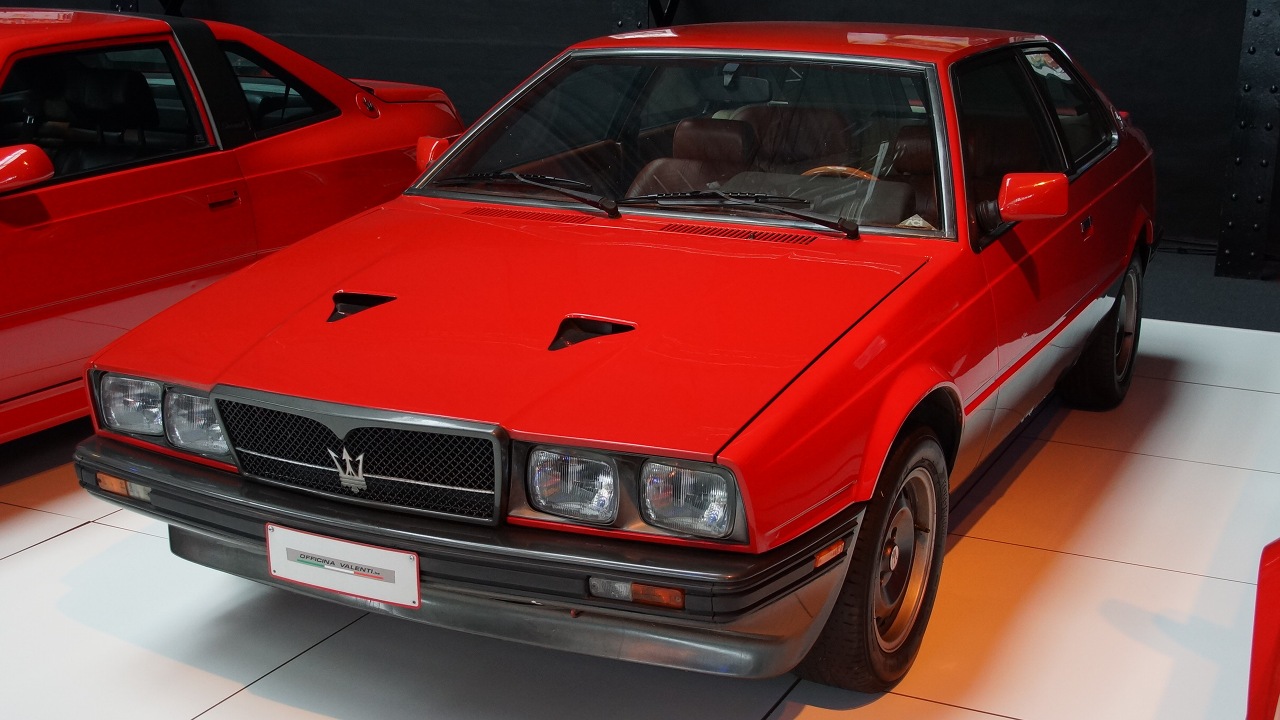
Introduced in 1981, the Maserati Biturbo was a compact executive car designed to bring the Maserati brand to a broader audience. It featured a twin-turbocharged V6 engine, a pioneering choice at the time that delivered a spirited driving experience. Despite its initial reliability issues, the Biturbo has gained a loyal following for its innovative design and affordability.
Today, the Biturbo is appreciated for its role in Maserati’s history, offering enthusiasts a chance to own a piece of the brand’s evolution. Its unique combination of style, performance, and value continues to attract collectors and fans worldwide.
Maserati 3200 GT
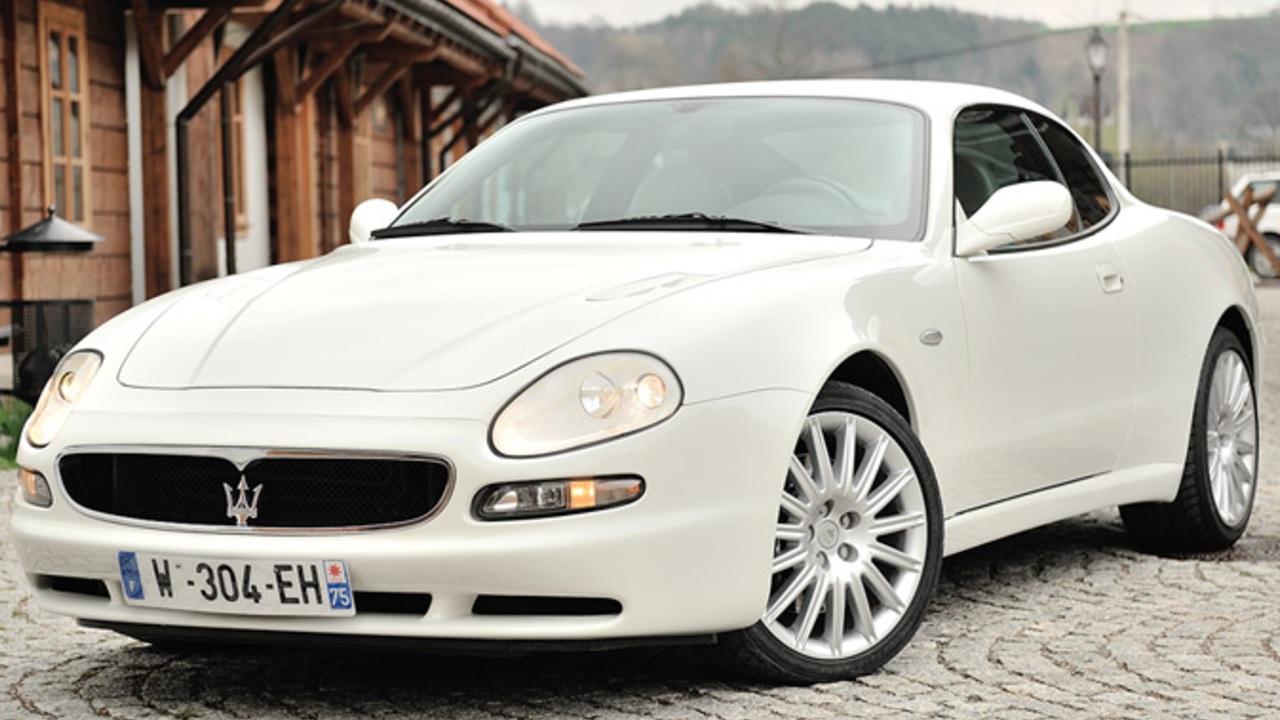
The Maserati 3200 GT, produced from 1998 to 2002, marked Maserati’s return to the grand tourer market. Designed by Giorgetto Giugiaro, it featured a distinctive boomerang-shaped rear light design and a 3.2-liter twin-turbocharged V8 engine, delivering impressive performance and handling.
Despite being overshadowed by its successor, the Maserati Coupe, the 3200 GT remains a favorite among enthusiasts for its unique styling and thrilling performance. It represents a pivotal moment in Maserati’s history, blending classic design with modern engineering.
Maserati GranTurismo S
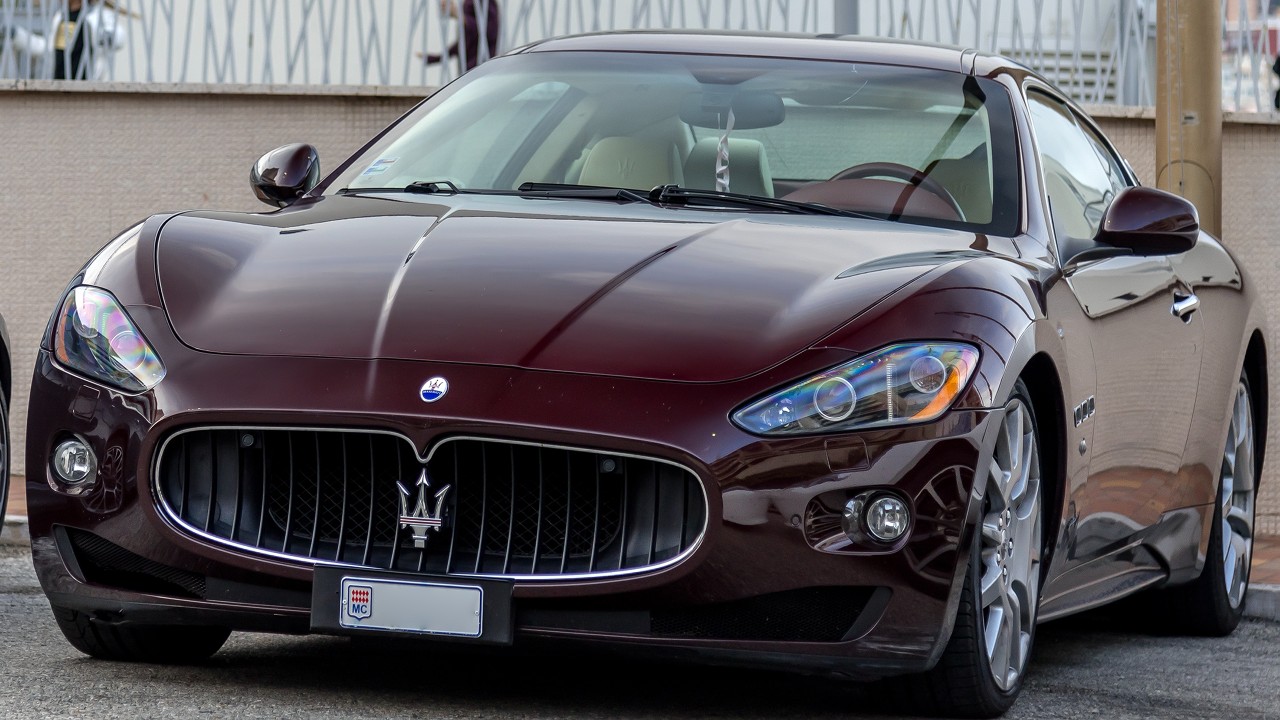
Launched in 2008, the Maserati GranTurismo S is a high-performance version of the already impressive GranTurismo. Powered by a 4.7-liter V8 engine, it offers enhanced performance and a more aggressive driving experience. Its sleek design and luxurious interior make it a superb choice for those seeking both style and speed.
While it may not be as rare as some classic models, the GranTurismo S stands out for its combination of luxury and performance. It serves as a modern testament to Maserati’s commitment to creating vehicles that are as beautiful as they are powerful.
Like Fast Lane Only’s content? Be sure to follow us.
Here’s more from us:
*Created with AI assistance and editor review.