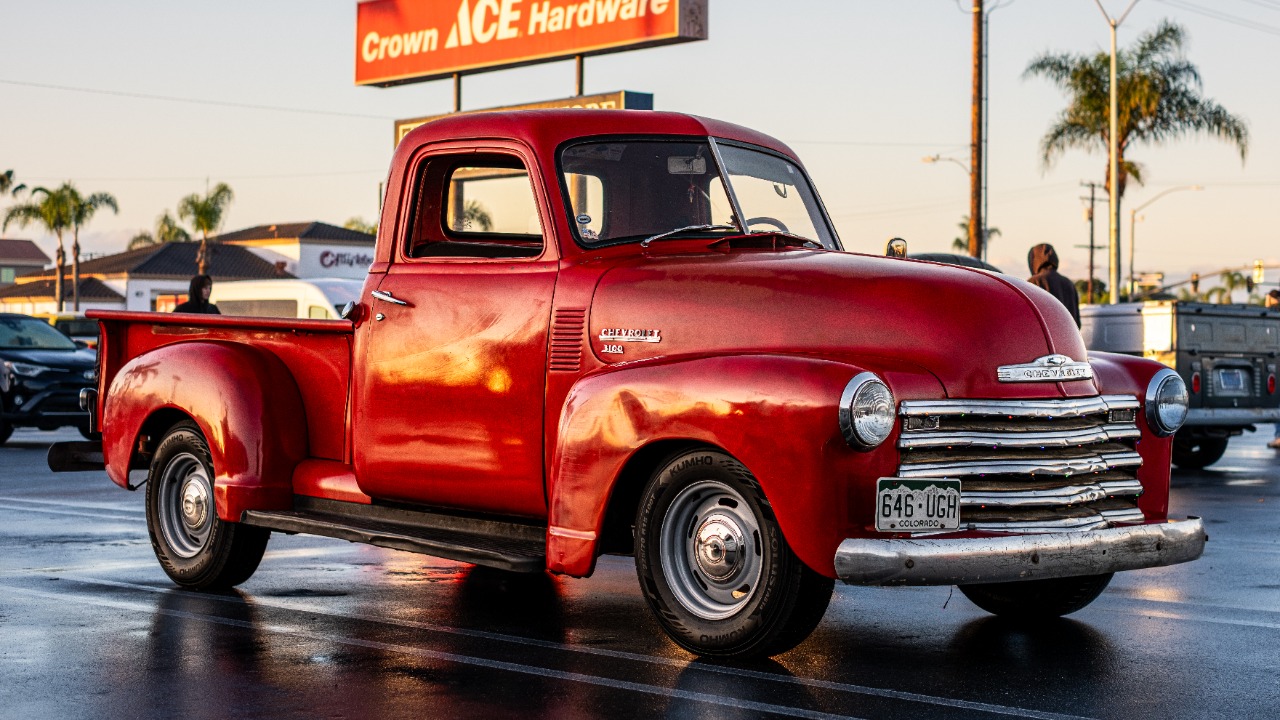
Classic trucks did more than haul lumber and hay; they shaped how the United States moved, worked, and imagined freedom on the open highway. From postwar workhorses to street legends, these machines turned practicality into personality and helped define what American roads look like. The following nine classics trace that story through steel, chrome, and unmistakable silhouettes.
1948 Chevrolet Advance Design
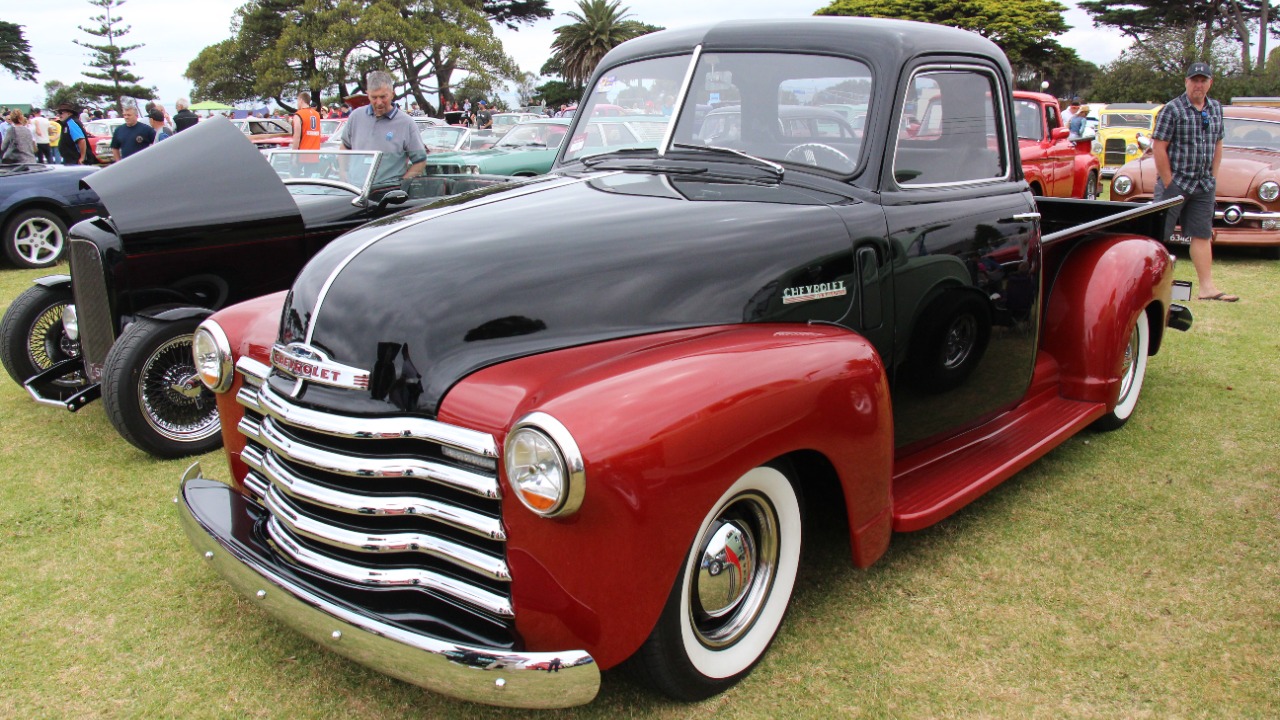
The 1948 Chevrolet Advance Design marked a decisive shift from prewar utility to postwar comfort, with a wider cab and more modern styling that made long days behind the wheel less punishing. Enthusiasts still point to the first Advance Design model as a benchmark because Chevrolet Advance Design trucks combined rugged frames with carlike details. That balance helped them dominate American farms, small businesses, and emerging suburbs.
By pairing a stout inline six with improved ergonomics, the 1948 Chevro truck proved that buyers would pay for comfort as well as capacity. Its rounded fenders and generous grille also set a visual template that competitors scrambled to answer. For collectors and restorers, the model represents the moment pickups began to look like family vehicles rather than stripped industrial tools.
1950 Chevrolet 3100
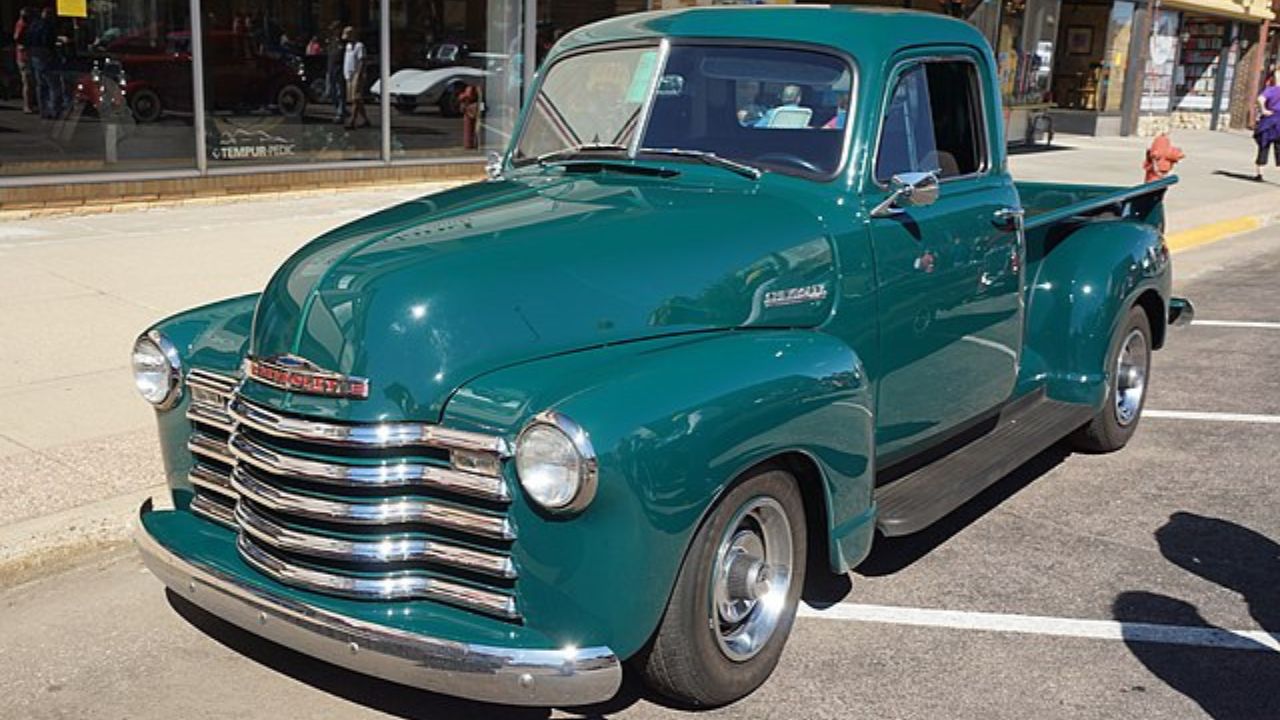
The 1950 Chevrolet 3100 refined the same philosophy, adding sleeker lines and more glass to improve visibility and style. Reporting on classic pickups highlights how the 1950 Chevrolet design pushed trucks toward a friendlier, more approachable look that appealed to urban buyers as much as rural ones. The increased glass area and smoother cab contours made the 3100 feel less like a piece of equipment and more like a daily driver.
Mechanically, the 3100 kept the reliable Chevro drivetrain that small businesses trusted, which meant owners could use it hard all week and still polish it for weekend cruising. That dual identity helped cement the pickup as a cultural symbol. On American roads, the 3100 showed that a working truck could also be a stylish expression of personal taste, a concept that still drives modern truck design.
1951 Ford F-Series
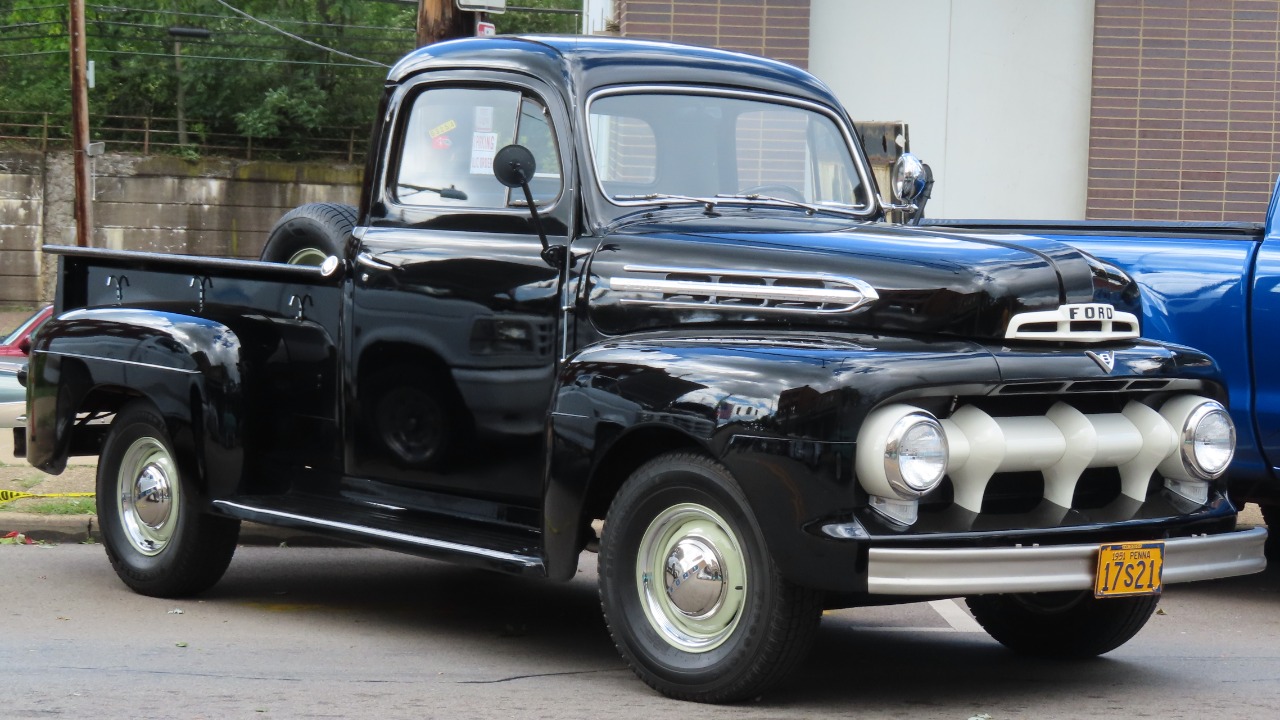
The 1951 Ford F-Series truck brought a bolder nose, updated bed design, and a more comfortable interior to Ford buyers, signaling that the company saw pickups as long-distance partners, not just short-hop haulers. In a detailed history of midcentury trucks, analysts note that the 1951 Ford F-Series helped move the segment toward better ride quality and more refined cabins. That shift mattered for drivers who spent entire workdays on rough roads.
The F-Series line would later become a dominant force in the United States, but this early generation already hinted at that trajectory. By pairing stout V8 power with a recognizable face and practical options, the 1951 truck built loyalty among tradespeople and farmers. Its presence on highways and small-town main streets alike helped define what an American pickup looked like in the early 1950s.
1955 Chevrolet Task Force
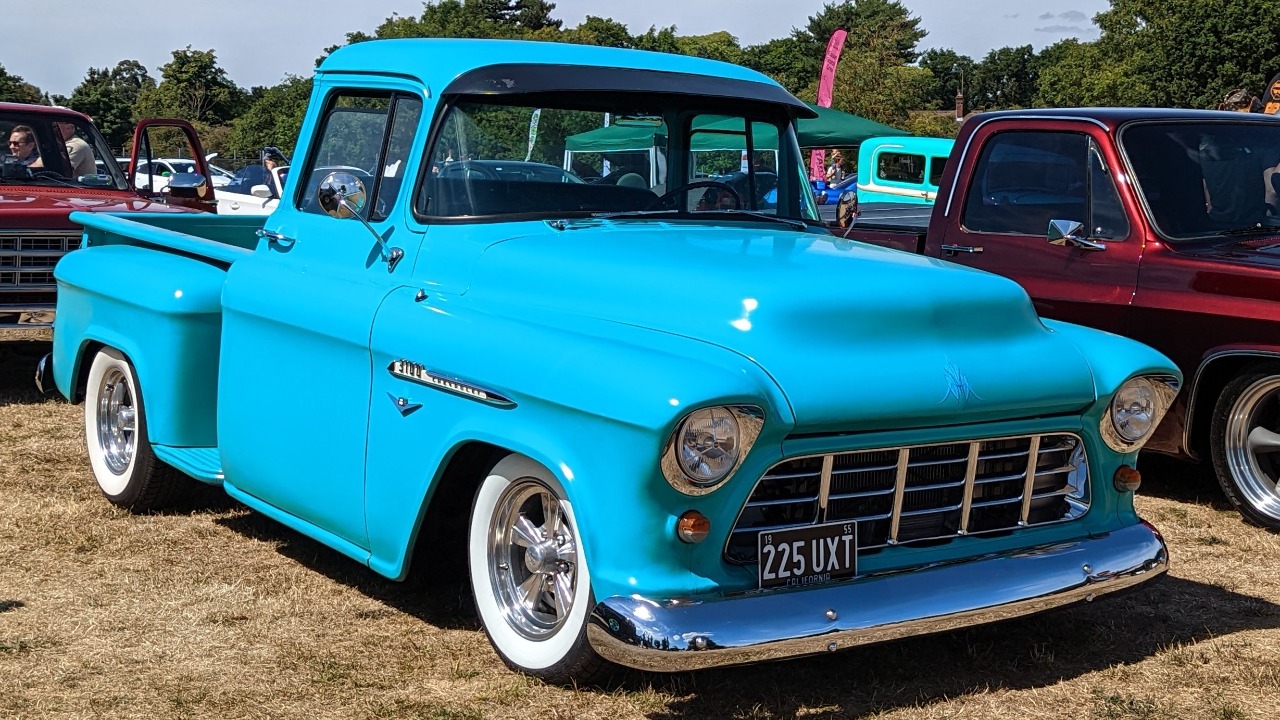
Chevrolet’s 1955 Task Forc trucks injected full-on automotive style into the work truck world, introducing wraparound windshields and sculpted bodies that echoed contemporary sedans. Histories of midcentury pickups describe how Chevrolet Task Force models marked a turning point where utility and style finally met. The result was a truck that looked at home parked outside a downtown theater as well as a construction site.
Underneath the stylish sheet metal, Task Forc trucks offered improved engines and better road manners, which encouraged more families to adopt pickups as primary vehicles. That broadened appeal helped trucks spread from farms into suburbs and cities. The 1955 design still influences modern retro-themed builds, and its presence at shows reinforces how strongly it shaped the visual language of American roads.
1956 Ford F-100
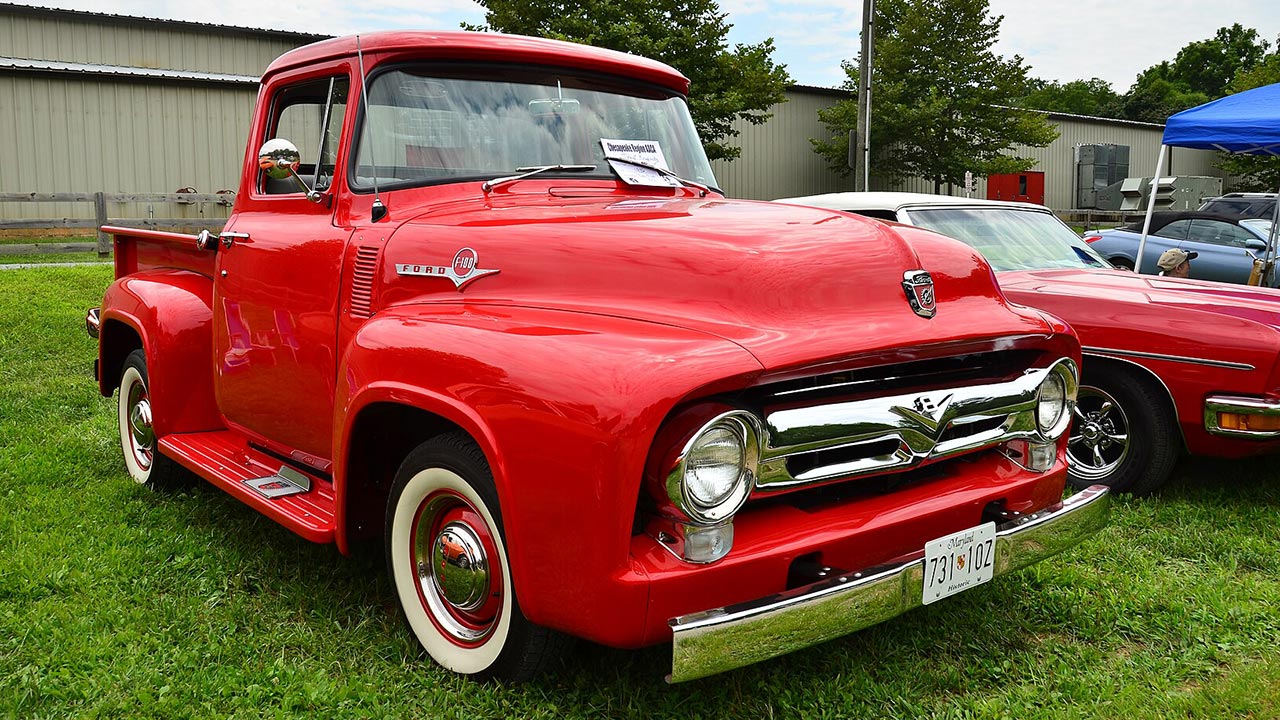
The 1956 Ford F-100 is celebrated among restorers for its distinctive wraparound glass and cab design. Coverage of restoration favorites singles out the Ford F-100 for its “Wraparound Windscreen And Unique Cab For Ranking,” a phrase that captures how much its greenhouse sets it apart. That panoramic feel gave drivers better visibility and a sense of modernity that rival trucks lacked.
Beyond styling, the 1956 F-100 offered stout V8 options and a chassis that could handle serious payloads, which kept it firmly grounded as a working tool. For owners, that combination of capability and flair meant a truck that could pull a trailer all week and still turn heads at the local drive-in. Its silhouette remains one of the most recognizable shapes on American roads and a favorite canvas for custom builders.
1948 Dodge Power Wagon
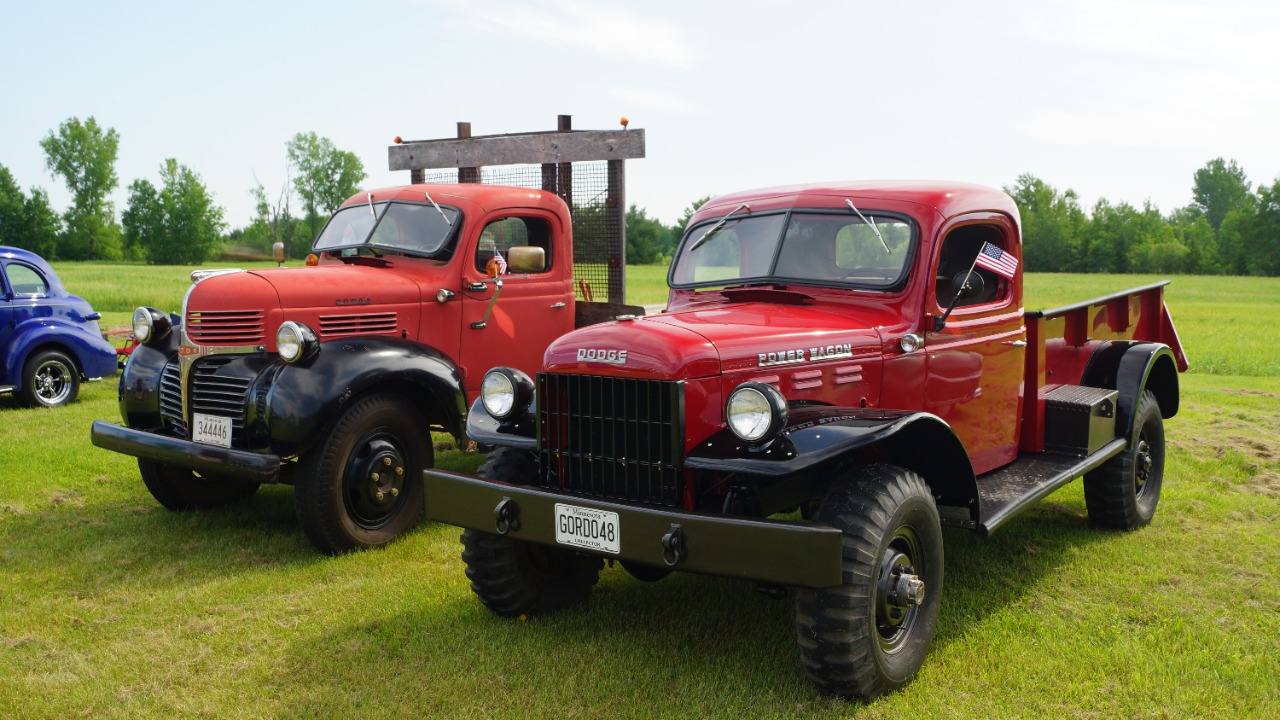
The 1948 Dodge Power Wagon brought military-grade toughness to civilian buyers, with a layout derived from wartime vehicles and a reputation for going almost anywhere. Analysts of restoration trends rank the 1948 Dodge Power as one of the most desirable classic American pickups for enthusiasts who value off-road capability. Its tall stance, exposed fenders, and functional winches made it a natural fit for ranches, logging outfits, and remote work sites.
On American roads, the Power Wagon symbolized unfiltered strength, even when it crawled rather than sprinted. Its influence can be seen in modern heavy duty trucks that emphasize rugged styling and four wheel drive hardware. For collectors, a well preserved or carefully restored Power Wagon represents a direct link to the postwar period when surplus military engineering reshaped civilian transportation.
International Scout 80
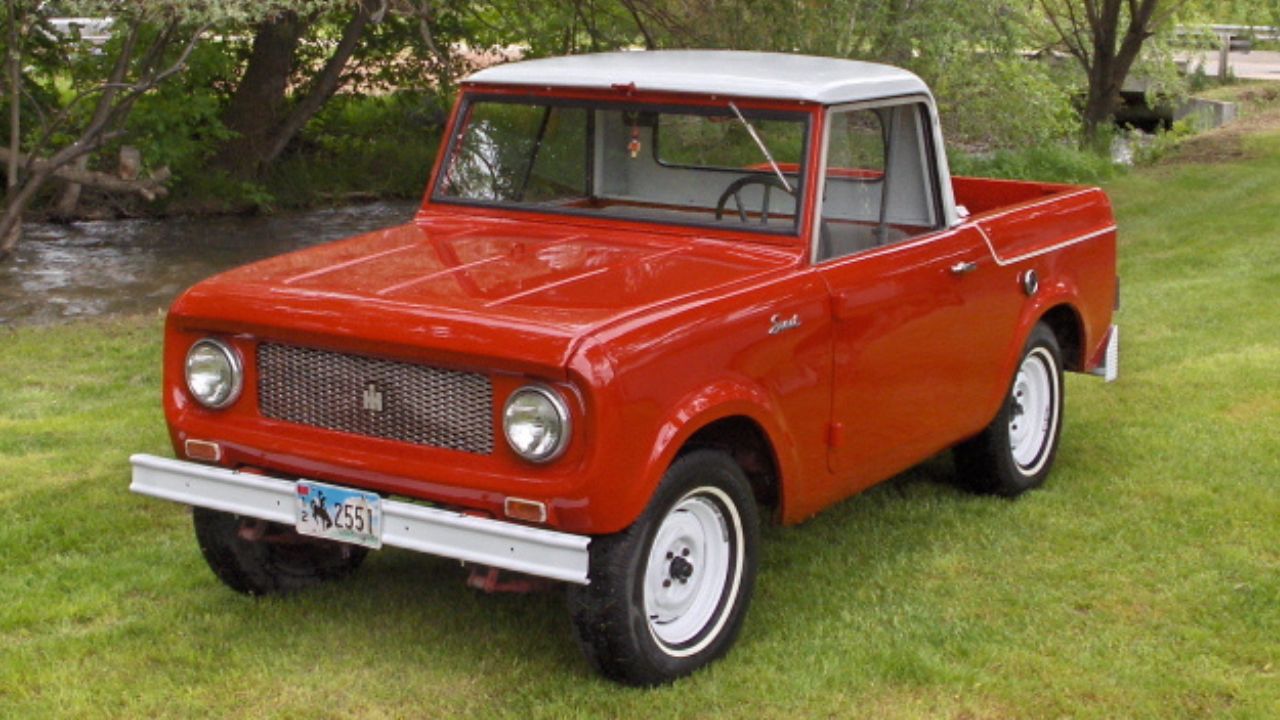
International’s 1961 Scout 80 blurred the line between pickup and sport utility, offering open air capability and compact dimensions that appealed to adventurous drivers. Reporting on classic off road vehicles credits the International Scout 80 with creating a template for recreational four wheel drives. Its removable top and simple interior made it easy to hose out after a weekend on muddy trails.
Although smaller than full size pickups, the Scout 80 still carried gear, towed light loads, and navigated tight forest roads that larger trucks could not manage. That versatility attracted hunters, campers, and early overland travelers. On American roads, especially in rural regions, the Scout 80 signaled a new kind of truck ownership that prioritized exploration as much as work, paving the way for modern lifestyle oriented pickups.
Dodge Midnite Express
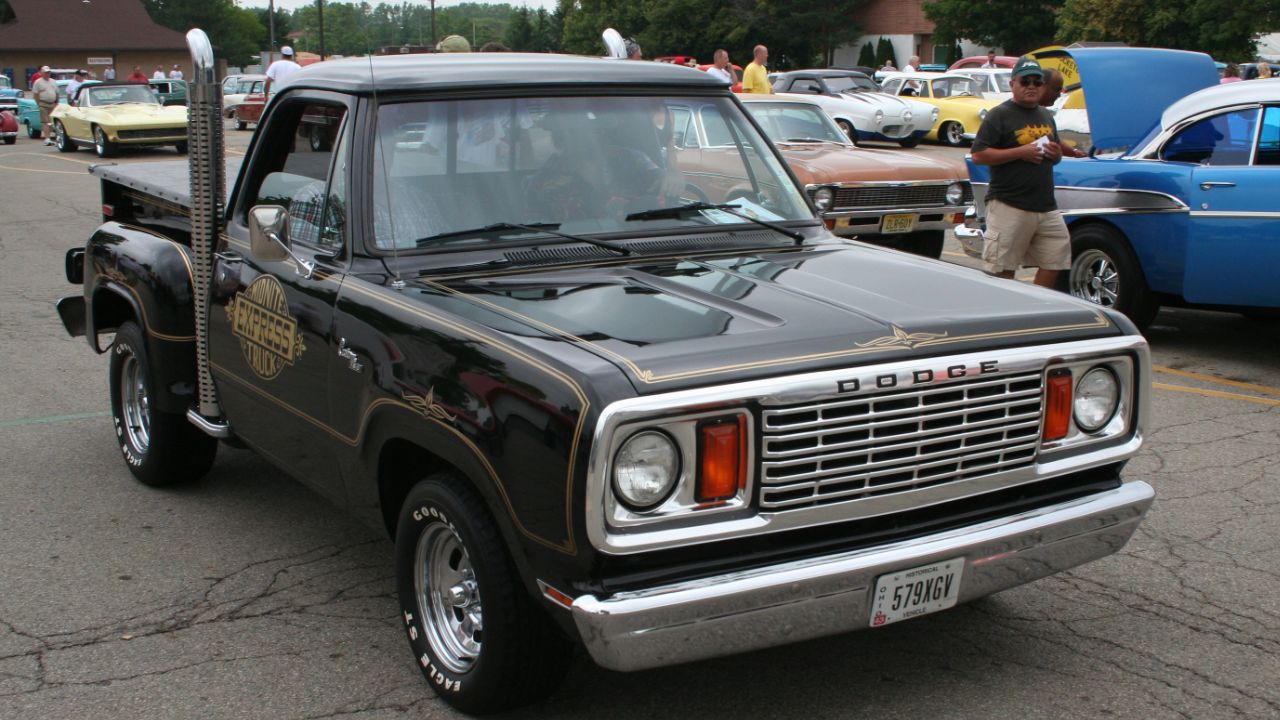
The Dodge Midnite Express brought muscle car swagger to the pickup segment, pairing bold graphics and bright exhaust stacks with serious performance hardware. Enthusiast lists of standout rigs highlight the Dodge Midnite Express alongside other Classic American Trucks as an example of how style packages could transform a work platform into a limited production collectible. Its vivid paint and side pipe layout made it impossible to ignore on the street.
Under the showy exterior, the truck still offered usable bed space and towing capacity, which meant owners did not have to choose between flash and function. On American highways, the Midnite Express embodied late 1970s bravado, with straight line speed and visual drama that matched contemporary muscle cars. Today it stands as a reminder that performance and personality can coexist in a pickup.
Ford F-Series: The Classic Workhorse
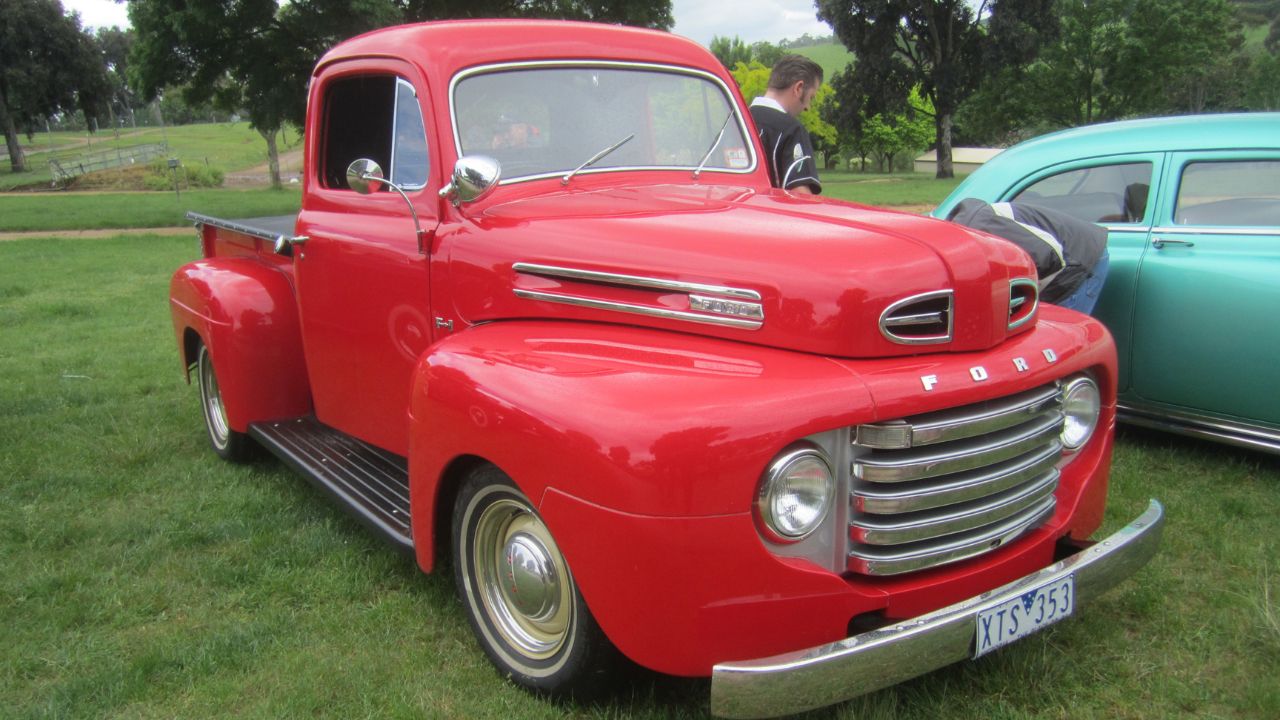
The Ford F-Series, often described as The Classic Workhorse, evolved from simple postwar hauler to a dominant presence on American roads. Analysts of vintage rigs note that The Ford Series has been a top selling truck for decades, spanning generations of drivers and uses. That continuity reflects a formula that balances payload, towing, and everyday drivability.
From early straight six work trucks to later V8 powered street machines, the F-Series adapted to changing expectations while keeping its core identity as a reliable partner. Its presence in fleets, family driveways, and custom scenes alike shows how deeply it is woven into United States car culture. As newer models crowd highways, classic F-Series trucks still stand out, their boxy lines and honest proportions reminding drivers where the modern pickup story began.
More from Fast Lane Only