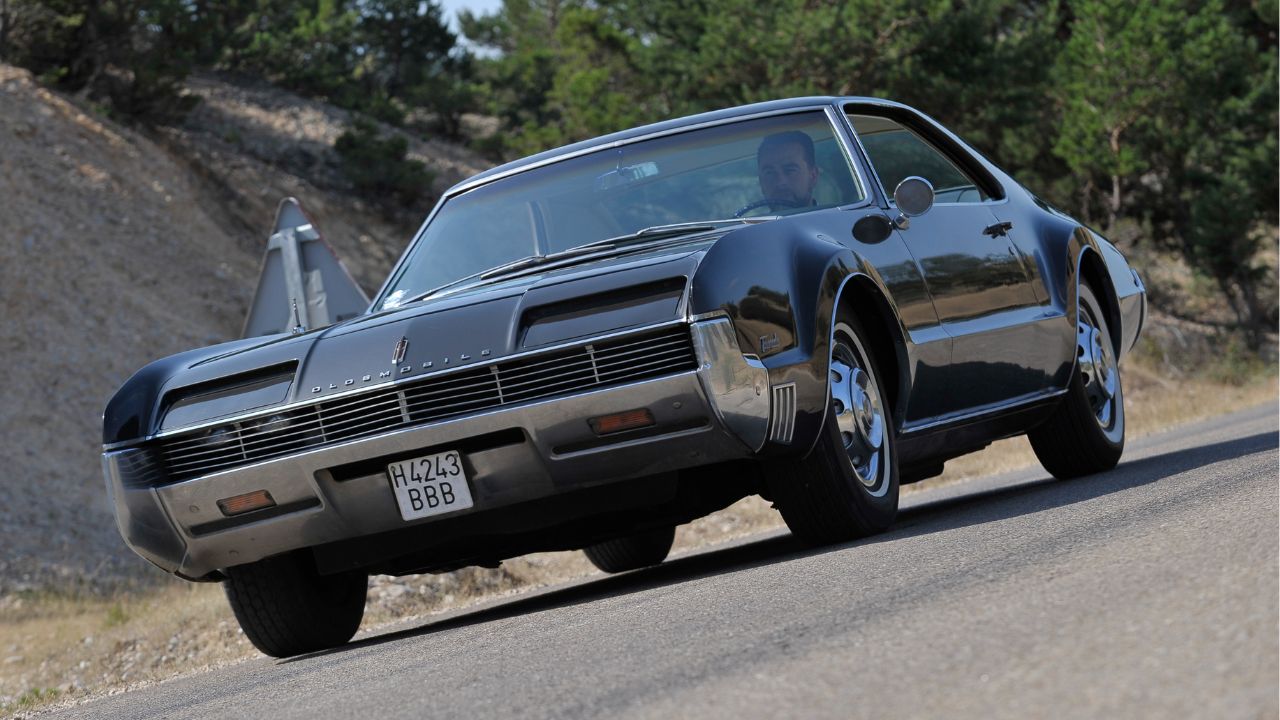
Front-wheel-drive (FWD) cars have been a staple in the automotive industry, offering a combination of efficiency, practicality, and performance. These vehicles have not only made driving more accessible but have also introduced revolutionary designs and technologies. Here’s a look at ten FWD cars that have left a significant mark on the automotive landscape.
Mini Cooper (1959)

The Mini Cooper, introduced in 1959, was a groundbreaking vehicle that set new standards for compact car design. Its transverse engine and FWD layout maximized interior space while keeping the exterior dimensions minimal. This innovative design made it a popular choice for urban drivers looking for a maneuverable and efficient car. The Mini Cooper’s influence can be seen in modern compact cars that prioritize space efficiency.
Aside from its practical design, the Mini Cooper also gained fame in motorsports, particularly in rally racing. Its nimble handling and lightweight structure allowed it to compete effectively against larger, more powerful competitors. The Mini Cooper’s success on the track further solidified its reputation as a game-changer in the automotive world.
Oldsmobile Toronado (1966)
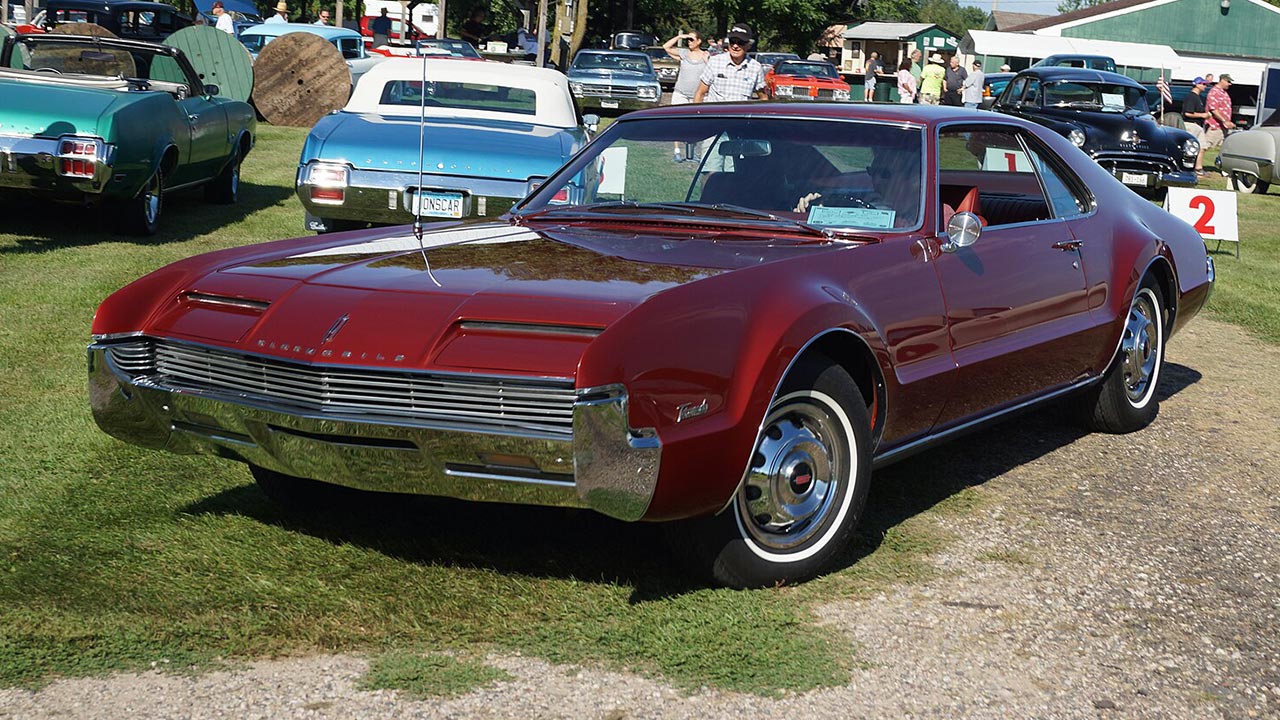
The Oldsmobile Toronado was a pioneer in the American automotive industry as the first U.S. car to feature front-wheel drive since the 1930s. Launched in 1966, the Toronado combined a powerful V8 engine with a new FWD system, offering a unique blend of performance and practicality. This combination allowed for a smoother ride and better weight distribution, qualities that were not common in American cars at the time.
The Toronado’s design included a unique “Unitized Power Package,” which efficiently placed the engine and transmission, marking a significant technological advancement. Its bold styling and innovative engineering helped to pave the way for other American manufacturers to explore FWD layouts in larger vehicles.
Honda Civic (1972)

Introduced in 1972, the Honda Civic quickly became a symbol of reliability and fuel efficiency. Its FWD layout contributed to its spacious interior, despite its compact size. This practicality made it an attractive choice for a broad range of consumers, from first-time drivers to families looking for a dependable second car.
Over the years, the Civic has evolved into a versatile lineup, offering everything from basic transportation to high-performance variants. Its commitment to innovation, including early adoption of CVCC technology for cleaner emissions, helped establish Honda as a leader in automotive engineering. The Civic’s enduring popularity is a testament to its impact on the industry.
Volkswagen Golf GTI (1976)

The Volkswagen Golf GTI, launched in 1976, is often credited with creating the “hot hatch” segment. By combining a compact hatchback body with sporty performance, the GTI offered an exhilarating driving experience without sacrificing practicality. Its FWD layout provided excellent handling characteristics, making it a favorite among driving enthusiasts.
The GTI’s influence extends beyond its own lineage, inspiring numerous automakers to develop their own sporty hatchbacks. Its blend of performance, practicality, and affordability set a new standard in the automotive world, making the GTI a true icon in the industry.
Fiat Uno (1983)
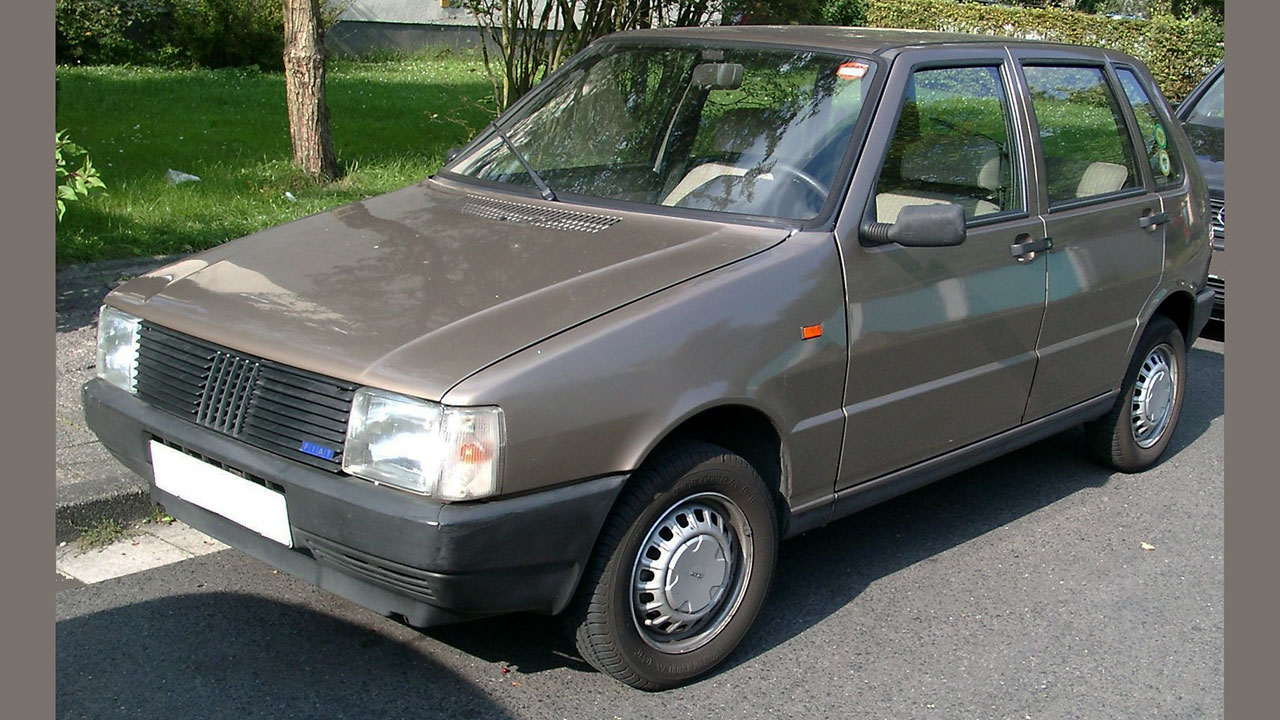
The Fiat Uno, released in 1983, was a major success story for the Italian automaker. Its FWD layout allowed for a spacious interior and a compact exterior, making it ideal for urban environments. The Uno’s design focused on maximizing interior space and efficiency, qualities that resonated with budget-conscious consumers.
The Uno is notable for its innovative use of materials and production techniques, which helped keep costs down while maintaining quality. It was one of the first cars to use high-strength steel in its construction, setting a precedent for future compact vehicles. The Uno’s success in international markets further cemented its legacy as a game-changing FWD car.
Honda Accord (1986)
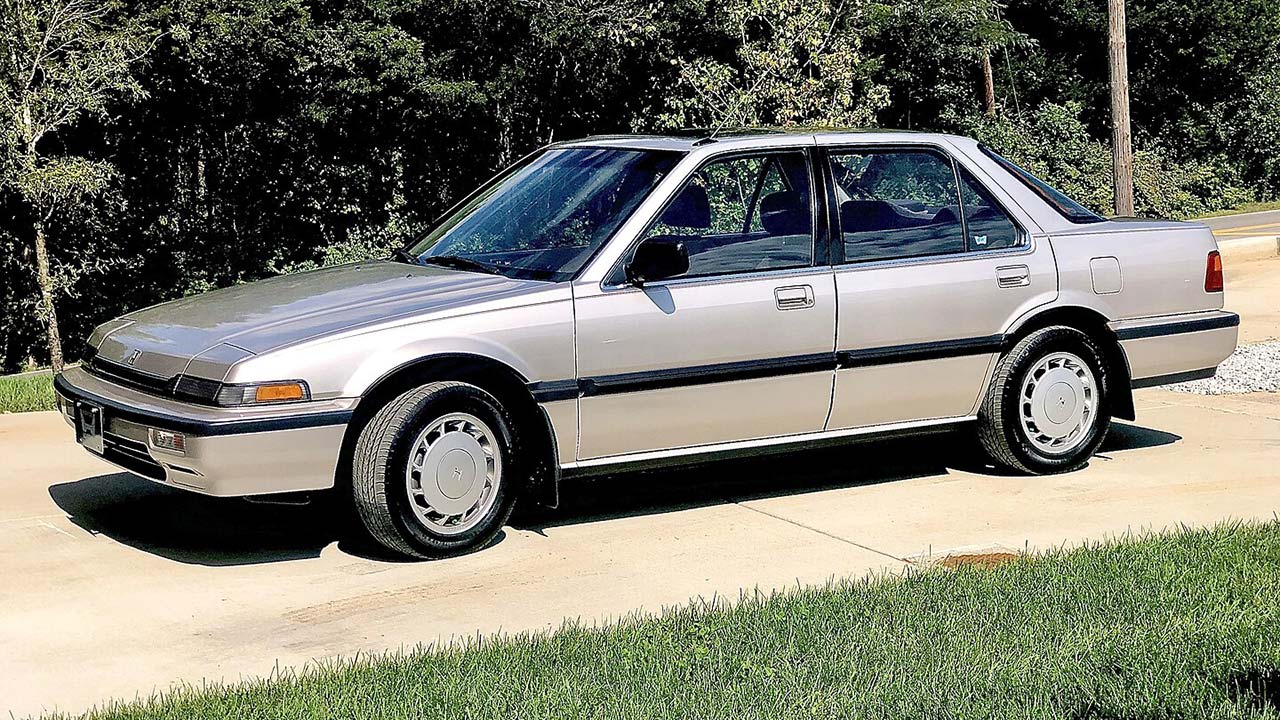
The 1986 Honda Accord was a significant milestone for the Japanese automaker, as it was the first model manufactured in the United States. This generation of the Accord featured a sleek design and a FWD layout, which contributed to its spacious interior and fuel efficiency. The Accord quickly became a favorite among American consumers, who appreciated its reliability and practicality.
Over the years, the Accord has continued to evolve, consistently offering cutting-edge technology and engineering. Its reputation for quality and value has made it one of the best-selling vehicles in the United States, solidifying its place as a game-changing FWD car.
Ford Taurus (1986)
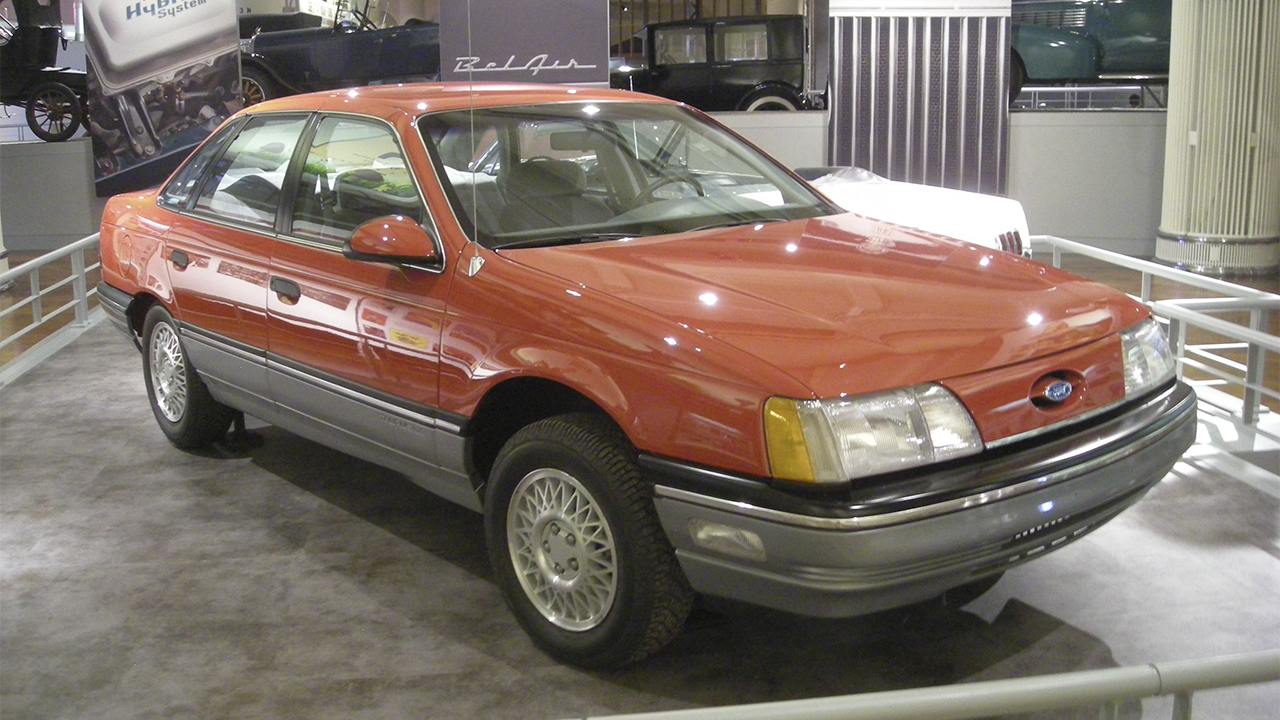
The Ford Taurus, introduced in 1986, represented a bold new direction for the American automaker. Its aerodynamic design and FWD layout were a departure from the boxy, rear-wheel-drive sedans that dominated the market at the time. The Taurus’s innovative design and engineering helped it quickly become a best-seller.
One of the most significant aspects of the Taurus was its focus on safety, featuring advanced technologies like anti-lock brakes and airbags. These innovations set new standards for the industry and demonstrated that American manufacturers could compete with their Japanese and European counterparts. The Taurus’s impact on the automotive landscape is undeniable, as it paved the way for more innovative designs and technologies in mainstream vehicles.
Acura Integra Type R (1995)
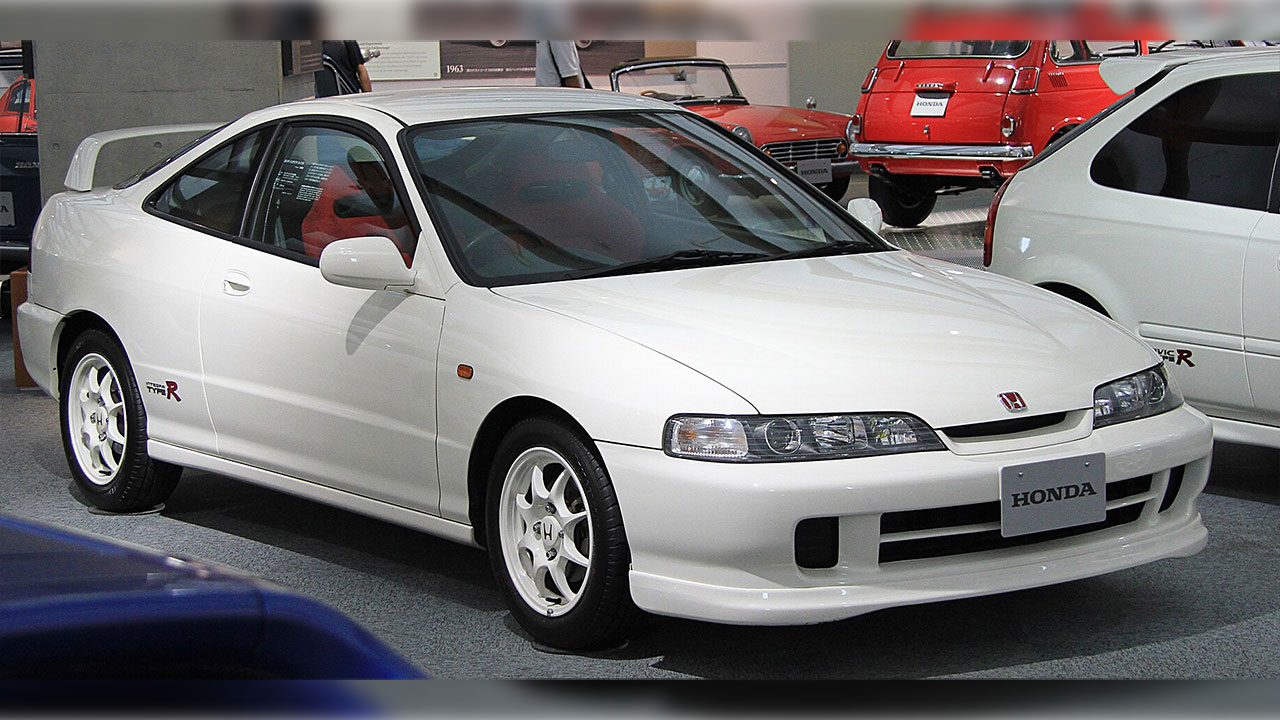
The Acura Integra Type R, introduced in 1995, is often regarded as one of the best-handling front-wheel-drive cars ever produced. Its high-revving engine, precise suspension, and lightweight construction made it a favorite among driving enthusiasts. The Integra Type R’s performance capabilities challenged the notion that FWD cars couldn’t be fun to drive.
This model also showcased Honda’s engineering prowess, as it incorporated technologies like VTEC, which optimized power delivery across the rev range. The Integra Type R’s legacy lives on in the hearts of car enthusiasts, who continue to celebrate its performance and engineering excellence.
Audi A3 (1996)

The Audi A3, introduced in 1996, marked the brand’s entry into the premium compact segment. Its FWD layout, combined with Audi’s renowned engineering and build quality, offered a compelling alternative to more mainstream options. The A3’s success helped establish a new market segment for luxury compact cars, blending performance, style, and practicality.
The Audi A3 also introduced the world to the concept of a premium hatchback, a vehicle that offered the benefits of a compact car without sacrificing luxury or performance. As a result, the A3 has inspired numerous competitors and remains a popular choice among consumers looking for a sophisticated yet practical vehicle.
Like Fast Lane Only’s content? Be sure to follow us.
Here’s more from us:
*Created with AI assistance and editor review.