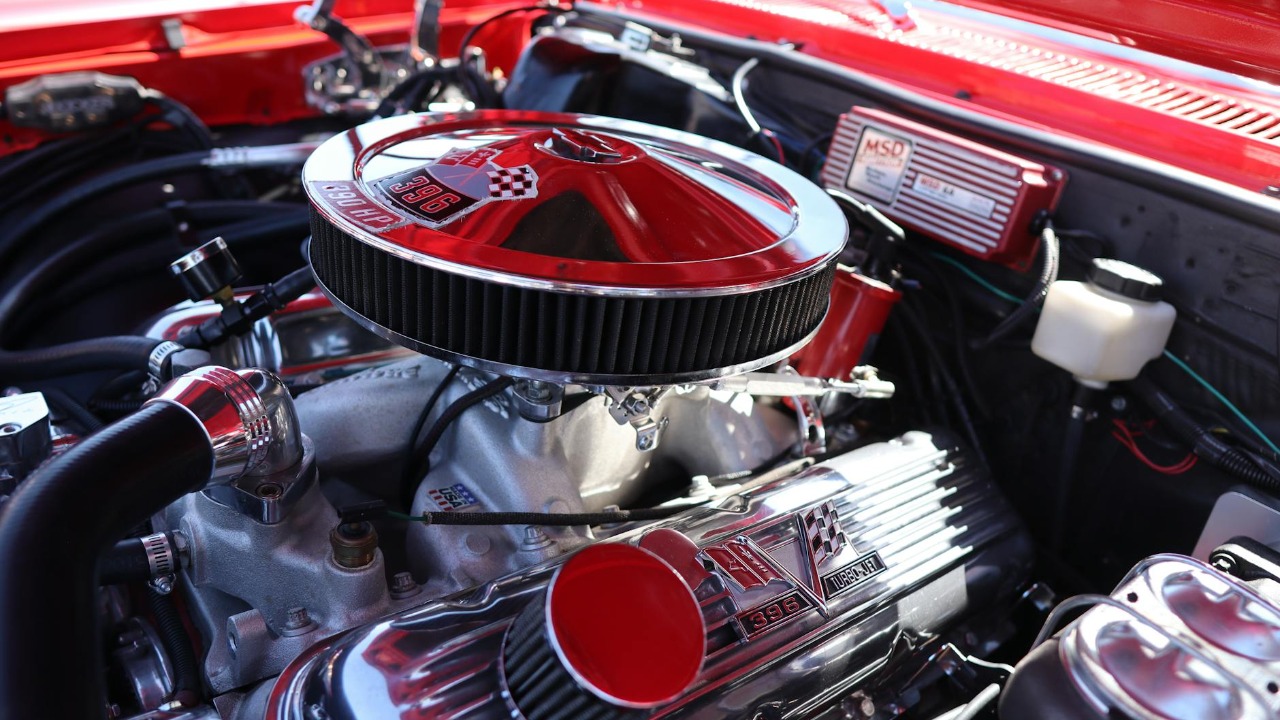
V8 engines have played a pivotal role in the automotive world, offering a unique blend of power, performance, and character. From classic muscle cars to modern-day performance vehicles, these engines have reshaped the landscape of automotive engineering. Here’s a look at nine legendary V8 engines that have truly changed the game.
Chevrolet Small Block V8 (1955)
The Chevrolet Small Block V8, introduced in 1955, is one of the most iconic engines in automotive history. This engine set the standard for what a V8 should be, offering a compact design and exceptional performance. It featured a 265 cubic inch displacement and was designed with a lightweight structure that allowed for better handling in vehicles like the Corvette and Bel Air.
What makes this engine legendary is its versatility. The Small Block has undergone numerous iterations, including the highly sought-after 350 cubic inch version. It became the backbone of American muscle cars, powering vehicles throughout the decades and continuing to be a favorite among car enthusiasts and builders today.
Ford Flathead V8 (1932)

Ford’s Flathead V8, introduced in 1932, was revolutionary for its time, being one of the first mass-produced V8 engines. Its flathead design allowed for a lower profile and an overall lighter engine. This engine powered the iconic Model 18, which helped establish Ford as a dominant player in the automotive market during the Great Depression.
The Flathead V8 became synonymous with hot-rodding culture in the 1940s and 50s, with enthusiasts modifying it for increased performance. Its impact on the automotive landscape can still be seen today, as it laid the groundwork for future V8 designs and inspired generations of car builders and racers.
Chrysler Hemi (1951)
The Chrysler Hemi, introduced in 1951, brought a new level of performance with its hemispherical combustion chamber design, allowing for better airflow and increased power. This engine was known for its distinctive look and sound, becoming a favorite among racers and performance enthusiasts. The Hemi powered cars like the Chrysler 300C, which dominated NASCAR events in the 1950s.
With its high compression ratio and innovative design, the Hemi not only changed the game for Chrysler but set the stage for future performance engines. The legendary “Hemi” name continues to be associated with power and speed, making it a lasting icon in the automotive world.
Dodge 426 Hemi (1964)
The Dodge 426 Hemi, launched in 1964, is often regarded as one of the most powerful and legendary V8 engines ever produced. It was designed specifically for racing, delivering an astounding amount of horsepower and torque. This engine found its way into the legendary Dodge Charger and Plymouth Superbird, dominating the NASCAR circuit during its heyday.
Its unique design and performance capabilities made the 426 Hemi a favorite among drag racers and muscle car enthusiasts. The mystique surrounding this engine has led to a cult following, and it remains a symbol of American muscle and performance, revered by collectors and enthusiasts alike.
Pontiac 389 (1959)
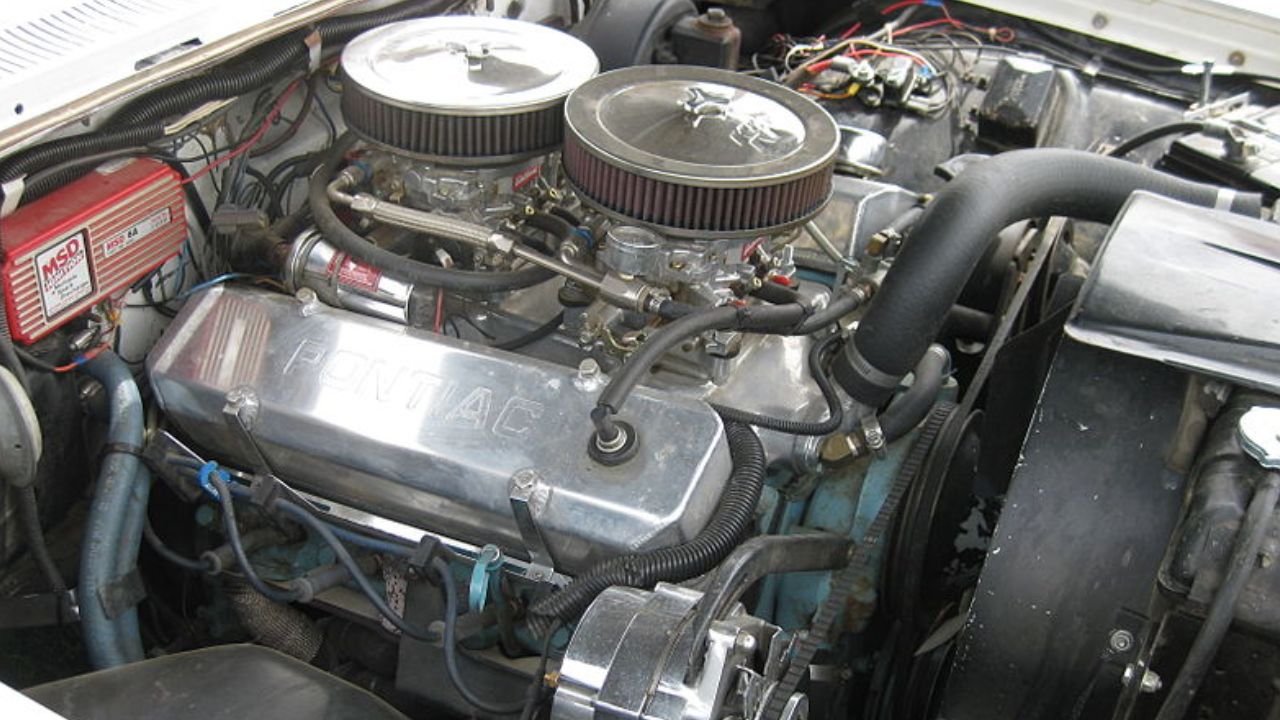
The Pontiac 389, introduced in 1959, became a game-changer with its combination of power and luxury. This engine was notable for powering the iconic Pontiac GTO, which is often credited with starting the muscle car era. With a displacement of 389 cubic inches, it produced impressive horsepower, making it a formidable contender on the streets.
The 389 was also known for its innovative design, featuring a short stroke and large bore, allowing for higher RPMs and greater performance. Its success helped solidify Pontiac’s reputation as a performance division, and it has left a lasting legacy in the world of American muscle cars.
LS Series V8 (1997)
The LS Series V8, introduced in 1997, marked a significant evolution in engine design for General Motors. Known for its aluminum construction and compact size, the LS V8 series became the go-to engine for performance vehicles, including the Chevrolet Corvette and Camaro. With displacements ranging from 4.8 to 7.0 liters, this engine offered a perfect balance of power and efficiency.
The LS engine’s adaptability has made it a favorite among car enthusiasts and builders. Its robust aftermarket support allows for extensive modifications, making it a popular choice for everything from street cars to high-performance racing applications. The LS series has undeniably changed the landscape of American performance vehicles.
Buick Nailhead V8 (1953)
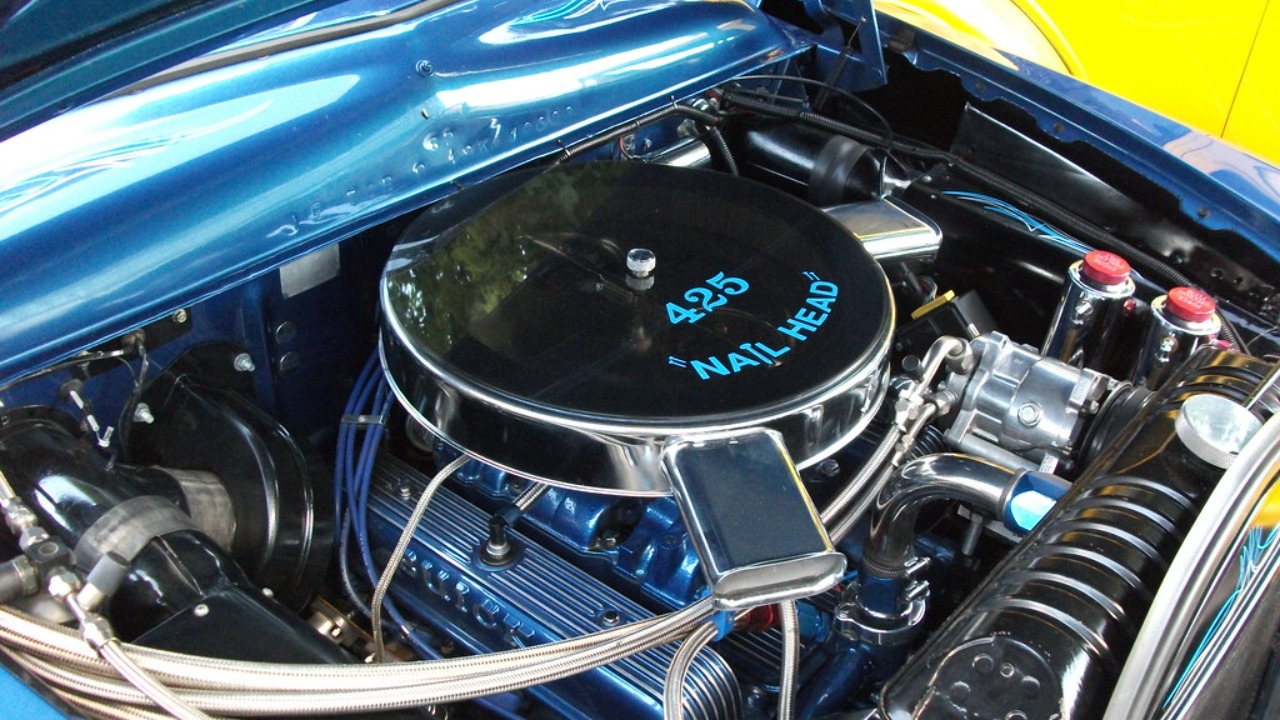
The Buick Nailhead V8, introduced in 1953, is renowned for its unique design, featuring a narrow, tall block that set it apart from its contemporaries. This engine offered a distinctive look and character, while its torque-heavy performance made it a favorite among luxury car buyers. The Nailhead powered models like the Buick Riviera and Skylark, delivering a smooth and powerful ride.
What truly sets the Nailhead apart is its rich history in the automotive world and its influence on future Buick designs. With its retro appeal and performance capabilities, the Nailhead remains a sought-after engine for classic car restorations and showcases the golden age of American automotive engineering.
Ford Modular V8 (1991)
The Ford Modular V8, launched in 1991, represented a significant shift in Ford’s engine technology, introducing a modern design that combined efficiency and power. This engine was featured in a variety of Ford vehicles, including the F-150 and Mustang, showcasing its versatility. The Modular V8 came in various displacements, from 4.6 to 5.4 liters, allowing it to cater to different performance needs.
Its design included features like overhead camshafts and aluminum construction, making it lighter and more efficient than previous V8 engines. The Modular V8 has been instrumental in bridging the gap between classic and modern performance, and its legacy continues to influence Ford’s engine lineup today.
Lamborghini V8 (1970)
While Lamborghini is best known for its V10 and V12 engines, the Lamborghini V8, introduced in 1970, deserves recognition for its unique contribution to the brand’s heritage. This engine powered the Lamborghini Urraco and the Silhouette, bringing Italian style and performance to the V8 landscape. With a displacement of 3.0 liters, it delivered impressive power, showcasing Lamborghini’s commitment to performance.
The Lamborghini V8’s design was innovative for its time, featuring a compact layout that allowed for a lighter overall vehicle weight. This engine played a crucial role in establishing Lamborghini as a serious contender in the sports car market, and its influence can still be seen in the brand’s modern performance ethos.